
 By
By  August 26, 2025


Why Proactive Damp and Mould Prevention Protects Your Assets and Savings
When it comes to property, moisture never waits patiently. If you own or manage buildings anywhere in Sussex, odds are you’ve seen how a small shadow of damp can creep into something much larger—risking not just the walls, but your rental income, resale value, and hard-earned reputation. There’s no such thing as harmless neglect; in the world of damp, “leave it be” is the costliest advice you’ll ever take.
Every week a patch is ignored, another hidden threat grows stronger in your property.
For home owners, landlords, and professional agents, damp and mould don’t just erode paint—they drain trust, provoke tenant revolts, and pull the plug on your finances. Musty rooms put off buyers in seconds. A spot of black mould turns viewings cold and makes letting agents wary. Lenders, more cautious than ever, scan survey logs for signs of unresolved water damage, ready to shrink loan offers or bump up rate premiums the moment they spot a risk.
Every conversation about value now includes some form of the same question: “Has the damp been checked?” There’s a reason local councils and insurance underwriters keep rewriting their guidelines: letting moisture fester is no longer a private matter. Council teams can—and do—compel repairs, levy fines, or list your property as high-risk. Lenders club together to harden their stance; refusal rates soar if damp gets a mention in the surveyor’s file. And if a tenant falls ill, the knock at the door isn’t just a complaint—it’s sometimes a solicitor’s letter.
By acting fast, you’re not just managing a small leak—you’re protecting tenancy agreements, defending your legal standing, and future-proofing your returns. Proactive inspections and certified treatments shift you from playing perpetual catch-up to owning every inch of your asset. Your property stops being a liability and starts standing as a symbol of smart, forward-thinking management.
What’s the True Cost of Waiting on Damp or Mould Repairs?

It’s a myth that skipping a small damp job saves anything but trouble; delay multiplies risk, damage, and future spending. Letting a £150 patch fester allows decay to tunnel deeper, often turning into a £2,000 new wall, a rotten sill, or the slow collapse of floor timbers. Landlords who “wait and see” face a triple threat: spiralling repairs, council fines, and rent loss that outpaces every budget (Redfearn Experts 2023).
A spot of mould today is a cheap fix. Wait until tenants complain, and you’re signing off thousands plus an apology.
Tenant claims have surged in Sussex and across the UK, with mould and damp among the leading causes for council-backed compensation (Citizens Advice, Housing Conditions). Local authorities have expanded HHSRS enforcement, granting themselves the power to mandate repairs—and issue fines—on their own timetable, whether tenants complain or not.
Failing survey grades cloud every sale; even a hint of active damp can tank a mortgage application or force you into a steep discount. Lenders and insurers react quickly, often excluding properties from cover or jacking up premiums if “historical damp” appears without proper paperwork.
Damp isn’t just rotten wood and ruined paint—it’s lost months of rent from voids, tenancies broken over health complaints, and portfolio devaluation from public search records and insurance denials. Only those who invest in periodic checks and real repairs keep the figures on their side.
Landlord Compliance: What Laws and Standards Make Early Action Non-Negotiable?

Landlord compliance isn’t optional; it’s statute. The Landlord and Tenant Act, bolstered by the Homes (Fitness for Human Habitation) Act, makes you legally responsible for eradicating damp, mould, and their health consequences. Section 11 of the LTA puts it bluntly: properties must be “in repair”—and that includes water ingress, condensation, and draughts, not just broken fixtures.
No evidence, no defence—councils move fast where paperwork is missing.
Under HHSRS, councils score each rental for hazards, routinely inspecting for unsound floors, mould risk, and condensation traps (gov.uk/private-renting/repairs). They can—and do—intervene, issue urgent works notices, and fine landlords when schedule slips or poor repairs are obvious (Citizens Advice, Repayment and Housing Conditions; HHSRS guidance). Tenants are now more aware, with social media and local advice centres helping them claim compensation or prompt council action at the first sign of trouble.
Lenders and insurers feed off the same paper trail. Approval is now conditional on good survey logs, professional certificates, and proof of inspection. Delay a repair or lack records, and it’s not just the council you need to fear—it’s buyers, tenants, and every financial partner you work with.
Leaning on Sussex Damp Experts for compliance-grade surveys and logged repairs arms you with the right evidence—meaning you’re the property owner who passes audit, defends every decision, and retains full control, even when trouble comes.
What Actually Causes Persistent Damp and Mould in Rental Properties?

Persistent damp isn’t an accident or “just old buildings being old.” It’s always a fingerprint of a system problem or missed maintenance. Across Brighton, Eastbourne, Lewes and every Sussex village, recurring issues trace back to distinct culprits:
- Blocked vents, broken air bricks, or failed extractor fans—allowing humid air to linger, pool, and repeatedly condense on cold patches.
- Leaky gutters and failing roof coverings—silent drippers soaking walls and supporting hidden mould far from obvious sights (Propertymark, The Hidden Costs).
- Waterproofing in a can—quick fixes like tanking, heavy coatings, or sealants applied without diagnosis, all driving moisture deeper into the building’s structure.
- Faded DPCs, bridged membranes, ground level changes—permitting rising damp or lateral water travel through bricks and subfloors.
Trusting tenants to report every clue guarantees you’ll only ever repair the emergencies.
Once damp penetrates, it tracks the path of least resistance—under floorboards, behind plaster, through insulation. Left over a season or two, you get compound symptoms: black spots on ceilings, spalling around skirting, paint peeling in a mosaic of misery, and the creeping rot of joists previously sheltered from harm.
Professional diagnosis isolates the true sources—using tools like calibrated moisture metres and thermal imaging—and matches treatments not just to the symptoms, but to the unique context of each property.
Does Investing in Prevention Really Save Money? The Proof Landlords Rely On
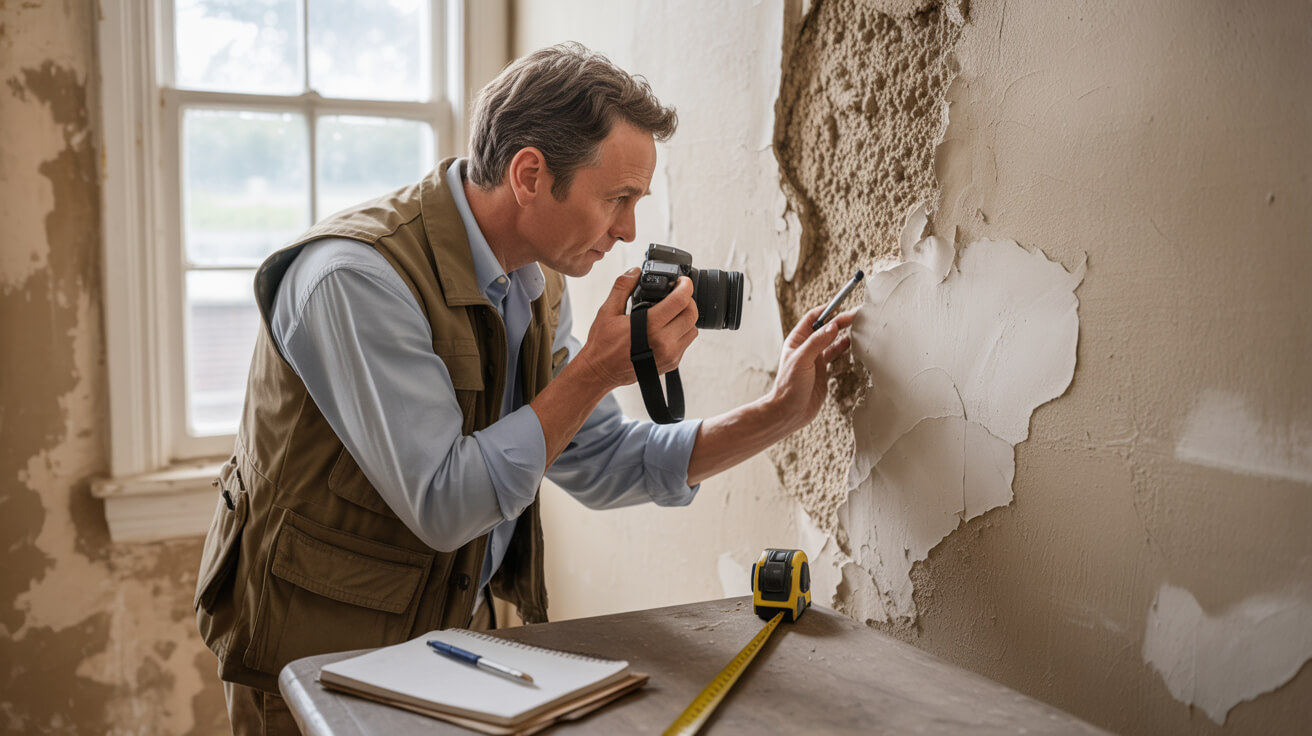
For every landlord who’s held back, daunted by cost headlines, the numbers turn out to be simple. Preventive work—whether it’s a survey, targeted ventilation, or an upgraded extractor—is always dwarfed by the bills for repairs, voids, or legal fights that follow neglect. Sussex Damp Experts handle diagnostics and fixes from as little as £150 for a single issue, up to £4,000 for a full-system ventilation overhaul on large or complex builds (Propertymark).
Every pound invested in prevention shields a hundred more in forced repairs and lost rent.
A strong maintenance log and compliance-grade reporting don’t just protect assets; they generate value. Mortgage lenders approve more easily, insurance renewals are smooth, and tenants stay on for years—raising overall yield and easing management. When the file includes past survey logs, photos, and action notes, you’re armed for any meeting with buyers, surveyors, or council staff.
It’s why landlords who act early rarely face sleepless nights or fire-drill repairs—and enjoy a reputation for honesty and professionalism with tenants, agents, and peers.
The Financial and Reputation Fallout from Ignoring Damp Issues
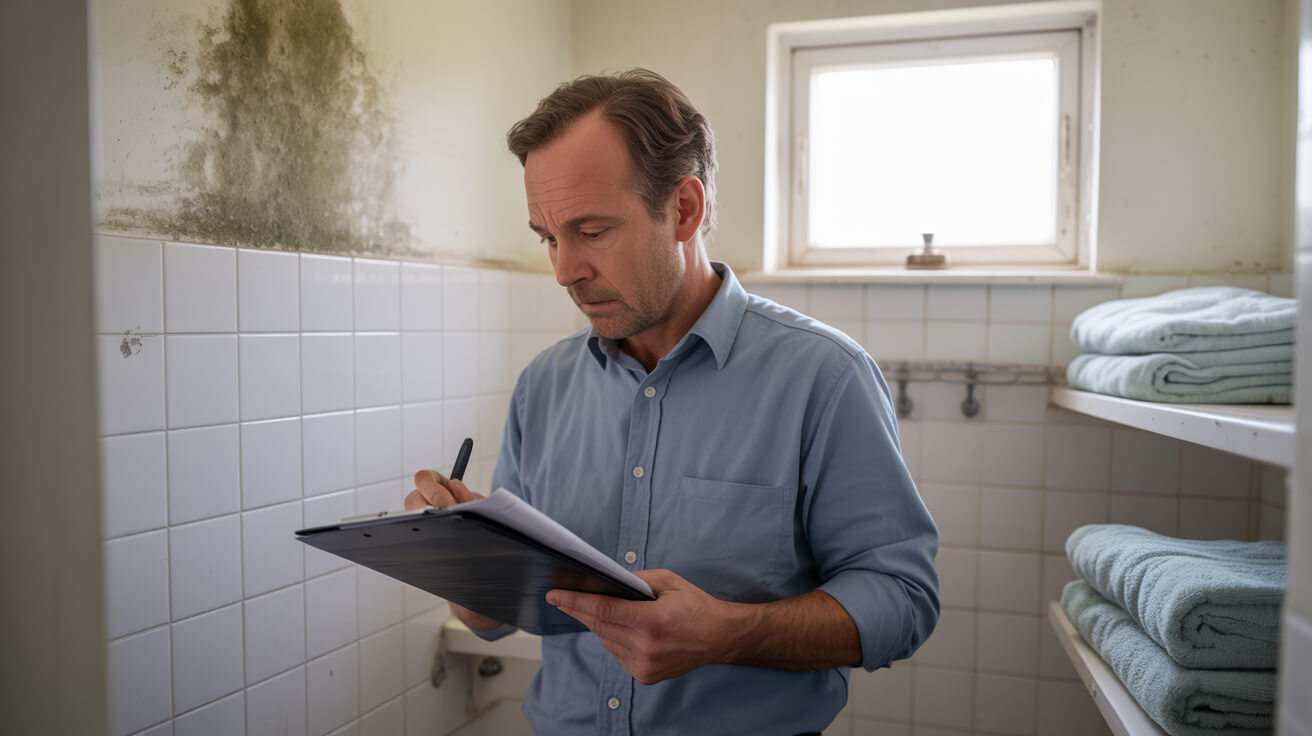
Moisture isn’t patient—neither are insurers, councils, or future buyers. Allowing damp to pile up brings more than repair bills. Your brand takes a hit, too. Tenants, agents, and the public now expect up-to-date, logged maintenance. A single failed inspection enters the agency portals; council fines are published online; insurers note every claim and begin excluding cover for “ongoing concerns.”
Leaving damp unchecked introduces a feedback loop: tenants move on or demand compensation, letting agents deprioritise your properties, buyers discount their offers heavily, and local authorities move you to the top of their repeat offender list. This sort of negative spiral isn’t speculation; it’s well-worn ground tracked by landlords across Sussex and the South East (Redfearn Experts).
Fail once and you’ll spend years rebuilding trust in your listings and local business networks.
Relying on Sussex Damp Experts means you don’t just fix the problem; you record the fix—logging every step, every metre reading, and every before/after photo. Those records remain later, should you ever need to prove care to a lender, council, or new buyer.
Which Damp-Proofing Tactics Deliver Real Results—and Which Don’t?

No two properties are the same—and neither should the damp solutions be. Results start with precise surveys, equipment that’s regularly calibrated, and intervention plans mapped to the site’s construction, exposure, and use. Sussex Damp Experts align their methods with PCA, BS6576, and BS8102—guaranteeing not just legal cover but proven long-term efficacy.
What works:
- Calibrated moisture gradient mapping reveals hidden hot spots.
- Installations of mechanical or passive ventilation to actual need—not “one size fits all.”
- Full repair logs sent to landlords and agents, complete with images for record-keeping.
- Detailed advice packs for tenants and staff, so issues get flagged before escalation.
What doesn’t:
- Over-the-counter sprays and paints that promise miracles; these only camouflage, never cure.
- Bodged tanking or quick membrane jobs that force water sideways rather than away.
- Ignoring aftercare—case after case proves that missed vent checks or skipped gutter cleans erase the effect of the flashiest repairs.
Systems that include education, scheduled checks, and post-job reporting keep costs down and satisfaction up. Skipping these essentials is how small damp patches turn into headline failures.
Book Sussex Damp Experts Today

The days of “hope and a coat of emulsion” are over. If you want evidence your property is safe, compliant, and still a money-maker next season, Sussex Damp Experts have your back. From PCA, BS6576, and BS8102 standards to inspection logs and aftercare schedules, every job includes the professional guarantees and paperwork your portfolio needs.
- Every inspection and repair is logged, documented, and delivered in a format agents, lenders, and surveyors demand.
- Transparent plans and quotes mean no nasty surprises—just clarity and control.
- Get a maintenance file that answers every compliance, mortgage, or insurance audit, ready at a click.
- Ten-year coverage and ongoing damp health-checks, so you never slip on a technicality.
- Stay aligned with the latest from TrustMark, PAS2035, and all UK legal requirements.
Act now—the only damp issue you regret is the one you let persist.
Show tenants, lenders, and buyers that your approach is designed for the 2020s, not the 1980s. Schedule your inspection today and make “…the damp’s sorted” part of every conversation about your property’s future. Sussex Damp Experts are here to evidence and defend your investment every step of the way.
Frequently Asked Questions
Why does faster damp and mould prevention raise your standing with surveyors, agents, and tenants?
Addressing damp and mould early marks you as a leader, not a laggard, in Sussex’s competitive rental landscape. While many wait for complaints or failed surveys, you sidestep hidden risks—protecting property value, legal compliance, and tenant well-being in one orchestrated move. Surveyors recognise robust routines; letting agents gravitate to portfolios that tick every compliance box; and tenants reward landlords with prompt fixes by renewing and recommending.
No surveyor glances twice at a logbook of resolved issues—your property stays on the market, your reputation stays gold.
There’s a hard edge to prevention: it’s not simply about fewer headaches, it’s about commanding lower void rates, seamless insurance renewals, and seeing your properties rise on the agent’s “best-managed” lists. Proactive records, from timer-stamped leak fixes to annual humidity checks, show every observer—council, agent, or tenant—that you control the narrative, not the weather.
How does anticipation guarantee smoother operations for landlords?
- Up-to-date inspection documentation persuades mortgage lenders and insurers when it counts.
- Prompt action on condensation or leaks keeps repairs minor—and costs predictable.
- Tenant trust deepens with every visible intervention, leading to longer lets.
- Agents favour your properties for quick turnaround and low complaint tallies.
What strains vanish when you stop damp before it starts?
• Extended voids drop as survey “surprise” is eliminated
• Legal wrangles fade—compliance is clear, so penalties rarely materialise
• Agents prioritise your assets for premium tenants
• Council involvement remains minimal—issue logs head off enforcement by default
What hidden costs snowball if you ignore early signs of damp or mould?
Delay is deceptively expensive—every overlooked stain, musty room, or slow drip inflates future repair bills and unravels your portfolio’s profitability. That hairline crack in a skirting board? Left unchecked, it may signal months of hidden capillary moisture, leading to rotten joists, crumbling plasterwork, and ultimately, agent warnings or council notices. Missed early fixes invite further scrutiny: the next mortgage renewal stalls, insurance premiums climb, and new tenancies slip away.
Even a single “mould” complaint can trigger formal inspections, council intervention, or tenant grievances that linger on public records. Ignored, these create a chain reaction: redecoration now becomes timber replacement later, “small” skips turn into full contractor teams. The spiral from £200 oversight to £10,000 structural list isn’t rare; it’s a real, documented pathway for inattentive landlords across Sussex.
Which losses bite hardest for landlords putting off action?
- Full-room rot repairs after “minor” penetrations linger for seasons
- Insurance denials due to patchy documentation or historic neglect
- Lower resale value—properties devalued 5–15% for unresolved or historic damp
- Long void intervals as agents flag properties for remedial holdbacks
Why does hesitation shrink your control—and your returns?
• Incomplete repair logs weaken your stance with surveyors and buyers
• Lingering leaks rack up compounding moisture, exponentially raising future costs
• Late compliance action spooks lenders, making refinancing arduous
• Negative tenant reviews erode both word-of-mouth and asset desirability
How does steady prevention compare to the soaring costs of damp repairs?
Routine prevention, logged and actioned, keeps your costs flat—typically £200–£1,000 per year—while letting you avoid catastrophic bills and missed income. The alternative? One unchecked breach and you’re facing £3,000–£15,000 in single-shot renovation, plus lost rent averaging £400–£1,000 a week for every void. Insurance policies are increasingly underwritten on maintenance records, not promises; delay or neglect often voids claims altogether. Choosing prevention isn’t a “nice to have”—it’s how you guarantee ongoing return and portfolio resilience.
| Prevention Investment | Typical Yearly Cost | Reactive Repair/Claim Cost (2024 Sussex) |
|---|---|---|
| Moisture inspection & logs | £100–£250 | £1,000–£3,500 for strip-out |
| Ventilation/fan upgrades | £125–£350 | £2,000+ for decontamination |
| Minor leak resolution | £100–£300 | £2,500–£10,000 for rot/timber |
| Document compliance | £0–£150 | £500–£6,000+ in void/penalty/claim |
Prevention absorbs into normal budgets; repair spikes hit cash flow hard and sap management focus. Every line in your logbook strengthens not just your bottom line, but your case to buyers, lenders, and insurers at every renewal point.
What operating advantages do steady routines unlock?
- Maintenance expenses stay planned and regular—no “panic” invoices.
- Insurance and mortgage negotiations draw on a file of fixes and receipts.
- Your team spends time on the portfolio, not firefighting disasters.
How does reactive repair eat into capital and time?
• Multiple contractors replace monthly inspections
• Lost rent during repair periods erodes yield
• Emergencies demand premium rates—swallowing more than planned upgrades
• Void periods trigger council queries and agent doubts, compounding delay costs
Which statutes now make fast damp remediation non-negotiable for landlords?
Landlords in Sussex face a legal expectation to act quickly and keep a paper trail for every damp and mould intervention. The Landlord and Tenant Act 1985, the Homes (Fitness for Human Habitation) Act 2018, and the HHSRS framework form the backbone—mandating that landlords both prevent and prove action on moisture issues. Falling short? Local authorities can issue improvement notices or carry out “works in default,” passing the bill (plus fines up to £30,000 per breach) to the landlord. The introduction of Awaab’s Law has further tightened the review on living conditions; tenant rights now include clear recourse and protection.
Insurers and lenders rely on up-to-date compliance logs for claims and advances. No logbook? Expect longer investigations, higher premiums, and claims refused. Letting agents likewise cut risk by backing compliant portfolios, and buyers demand clear evidence at point of sale. Legal protection in today’s market is more about documentation and speed than technical debate.
What concrete legal steps protect your compliance and asset value?
- Regular surveys from accredited professionals—logs, metre readings, and photo evidence included.
- Timely action—address urgent repair requests within 48 hours to satisfy inspection standards.
- Organised documentation—receipts, logs, and survey trails ready for council, mortgage, and insurance audits.
- Communication logs—proof of tenant contact and advice supplied.
When does legal exposure escalate quickly?
• No formal evidence of recent inspection, triggering automatic council scrutiny
• Patchwork or delayed repairs mean improvements are enforced, not suggested
• Compliance gaps result in denied insurance and mortgage complications
• Missed response windows give tenants evidence for claims or legal action
How do neglected or poorly captured repairs erode your property value and rental prospects?
In the world of letting, reputation and equity are lost more quickly to neglected paperwork than to bad weather. “Historic damp” black marks force agents and buyers to re-price or refuse deals outright, sometimes reducing property value by as much as 15%. Lenders routinely withhold funds or break chains pending “satisfactory proof,” while insurers reject claims not tied to a formal logbook.
Unresolved, poor documentation breeds negative reviews and local market suspicion, sending tenants elsewhere and creating costly void periods. The domino effect is simple: one unproven fix becomes another agent’s flagged risk, compounding until your yield pins below the local market. Across Sussex, the most robust landlord portfolios are those with digital and physical paper trails stretching back years.
No certificate, no proof, no access—market momentum stops at the first question mark.
Where are the pinch points for landlords lacking strong records?
- Agents discounting your property or removing it from top-tenant lists.
- Mortgage funds held back until survey evidence is delivered.
- Insurance refusals or excesses climbing for repeat or dubious repairs.
- Tenants hesitate or leave when suspicion persists on unresolved issues.
What habits hardwire increased asset and income protection?
• Keep five-year logs of all inspections and repairs
• Take and file photographic evidence of every repair or intervention
• Store digital and paper backups for every compliance and warranty certificate
• Record detailed tenant handovers, complete with advice and usage notes
What operational strategies and standards do Sussex’s best landlords follow to ensure fewer damp complications?
True protection against repeat damp and mould isn’t improv—it’s the result of proven systems and accredited support. Sussex’s best portfolios deploy a quarterly cadence: physical walk-throughs with calibrated moisture metres, prompt repairs with photographic and documented confirmations, and contractor records tied to every major fix. This goes beyond basic checklists—accredited surveys (PCA, TrustMark, BS6576) deliver forensic evidence, giving comfort to lenders, buyers, and authorities alike.
Annual training on ventilation and heating is woven into every new tenancy, reducing avoidable condensation. Reminders, digital logs, and ongoing aftercare support keep your compliance posture resilient. Cosmetic or “miracle” coatings never replace root-cause repairs, and cutting corners on paperwork means the risks come back, with interest.
In Sussex’s market, the landlord with the strongest audit trail stays profitable—and out of legal crosshairs.
Which missteps most often undercut landlord protection?
- Chasing generic fixes or uninsured contractors—leaving no recourse or warranty.
- Skipping inspection cycles or letting gaps persist between seasonal checks.
- Trusting tenants to “know” about humidity—without supplied guidance.
- Failing to organise compliance proof when time pressures arrive.
How do Sussex Damp Experts reinforce systemic protection for landlords?
- Every visit combines detailed metre tracking, photographic log, and calibrated reporting.
- Surveys are tailored to property type and lender/council priorities—not just box-ticked.
- Each intervention carries a ten-year, insurance-backed guarantee.
- Ongoing support includes aftercare checks, phone advice, and automated renewal reminders.
- Documentation and audit trails are accepted by councils, lenders, and insurers countywide.
Reserve a full-spectrum damp survey and let your compliance, asset value, and reputation compound—not corrode.

