
 By
By  August 26, 2025


Is Your Home’s Damp or Mould a Legal Hazard—And What Rights Do You Really Hold?
Damp streaks running along your skirting, black patches rising behind furniture, that persistent earthy whiff—most tenants in Sussex know these sights can turn a good day into a long headache. But here’s the blunt truth: under the Homes (Fitness for Human Habitation) Act 2018, these aren’t “little problems”—they’re breaches of your right to a decent, healthy home. Persistent damp and mould mean more than ruined paintwork: for you, it’s anxiety and potential health trouble. For your landlord, it’s now a legal failing they can’t dodge.
Damp you can see is only half the battle—sometimes it’s what you’re breathing, not just what you’re seeing, that’s quietly undermining your home and your rights.
Damp and mould undercut your wellbeing. The risk isn’t abstract: studies show poor indoor air from fungal spores and trapped moisture increases cough, asthma, and long-term illness—especially for the young, elderly, or anyone with a lung or immune condition (British Thoracic Society, 2023). Landlords once shrugged this off as just a “tenant complaint.” Not any longer. Persistent damp or mould puts your landlord squarely in the legal crosshairs—they’re held to account from the day you move in, not just when it suits them.
Lived experience counts. If your life or your family’s health is being gnawed away by moisture, the law’s on your side. There’s no shame in defending your tenancy—this is about safety, not “making a fuss.” Your rights entitle you to timely repairs, real remediation, and a home free from hidden threats. No one has to grin and bear it. With the law behind you, landlords must solve root causes—not just slap on paint.
How Can You Prove Damp or Mould Issues When Taking Legal Action as a Tenant?
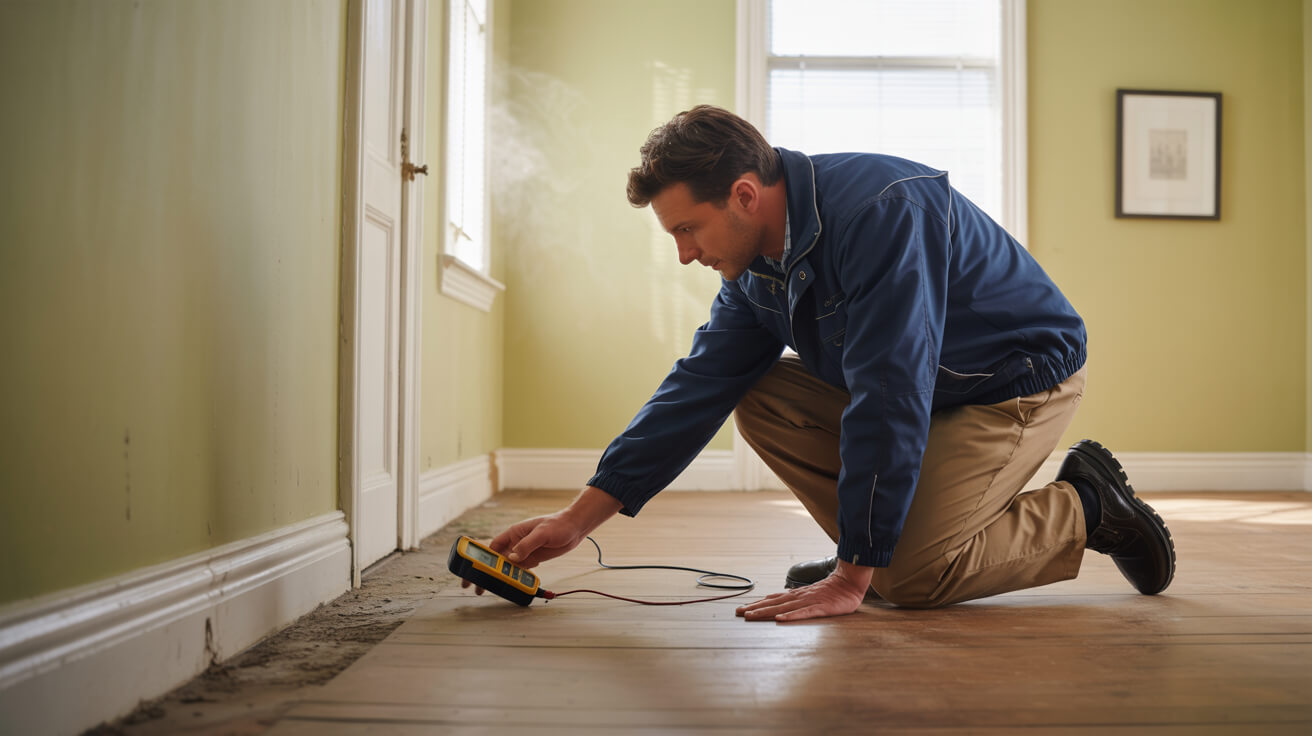
Making a legal case for damp isn’t about snagging sympathy—it’s about building solid proof that can’t be ignored. No judge is moved by a lone blurry photo or a text moan with no follow-up. Systematic evidence, consistently gathered and clearly linked to your complaints, arms you for one outcome: getting the repairs you’re entitled to.
Begin with a logbook. Jot down each appearance of new stains, flaking paint, bubbling plaster, salt marks, or a spike in that musty odour. Detail where, when, and under what conditions—did it appear after rain, cold snaps, or with routine use? Photograph wide to show location, then close up to document the spread or repeated failures. All photos should carry visible date stamps, and digital backups are gold—accidents happen, paperwork vanishes, but cloud copies stick.
Push your evidence further with simple tech. Basic moisture metres are widely sold and user-friendly—you can record typical readings (damp being >20% on many metres). A £10 hygrometer capturing persistent humidity over 65% can strengthen your case, as can graphical logs over several days. Add every email you send, keep all repair requests, and don’t delete texts—unanswered messages and phone call logs count for more than you’d expect.
When health’s involved, loop in your GP. If your chest tightens, a rash erupts, or another household member struggles with breathing, ask your doctor to record symptom links to your home’s damp conditions. NHS printouts citing environmental causes or referrals to respiratory specialists give your claim extra force. These details can move proceedings along or tilt a council inspection your way.
Compile everything in order: a diary, photo gallery, humidity logs, email and text trails, official complaints, and health notes. This isn’t just admin; it’s your arsenal. When you’re ready to take the next step, you’re showing up as someone to be taken seriously—a tenant who knows their rights and how to prove them.
Are Landlords Legally Required to Act on Damp and Mould—And What If They Blame Your Lifestyle?
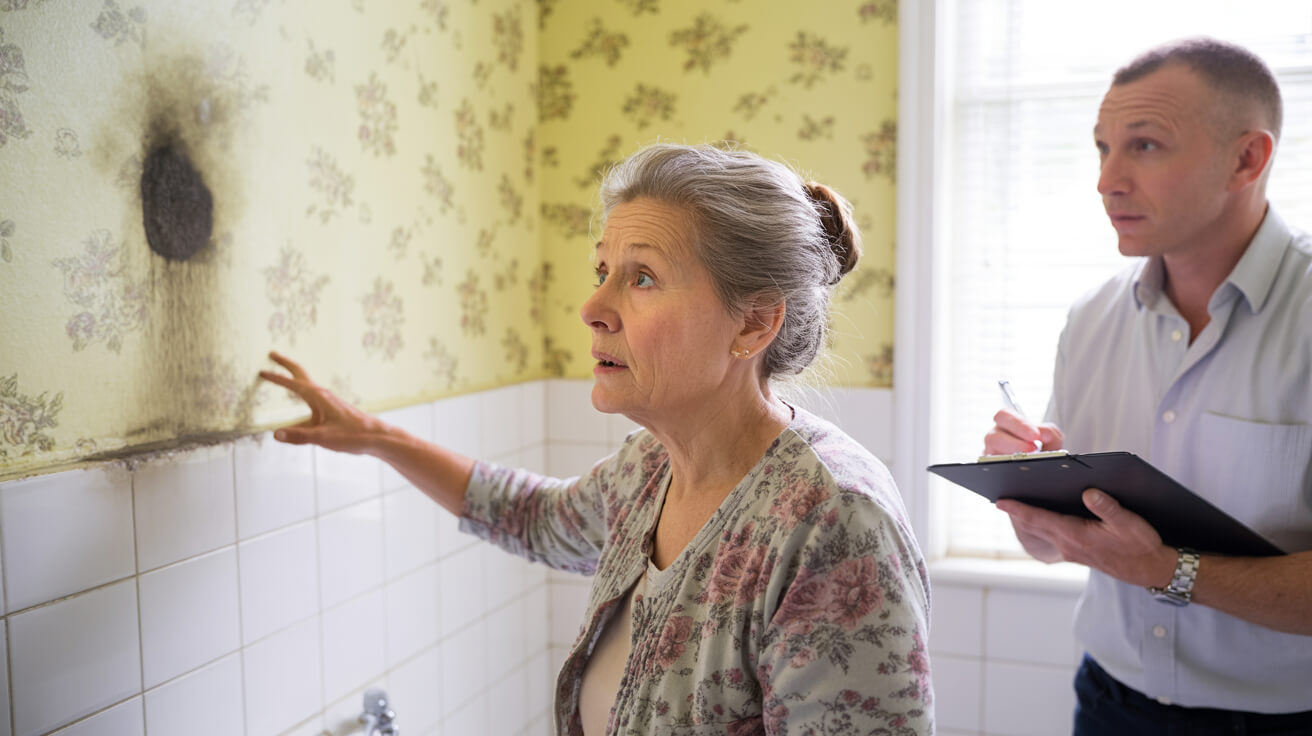
Since March 2019, landlords can’t duck duty. Your property must be “fit for human habitation” at all times, not just on moving day or after you lodge a formal letter (Homes (Fitness for Human Habitation) Act 2018, s.10, LTA 1985). Damp, rotten windows, and ingrained black mould fall squarely within this remit. If your landlord still claims it’s “your washing machine” or that “you should open more windows,” the law is clear: the chain of building integrity sits with them.
Blaming your laundry habits won’t wash—structural failure is always a landlord’s job, not your lifelong burden.
The Act doesn’t let landlords duck out by pinning everything on lifestyle. While tenants do need to use extractor fans, not dry wet clothes on radiators, and avoid blocking vents, the buck stops with structural failings—like failed insulation, missing damp proof courses, leaking render, or busted gutters. Courts have become wise to these “tenant blame” tactics. If you keep your end up—running your home reasonably and reporting problems—you cannot be caught out by trumped-up lifestyle claims.
When landlords ignore complaints or pass the blame, tenants are empowered. The law unlocks the ability to demand urgent repairs; judges can order remediation, compensation for lost belongings, and payment for distress or disrupted living. And landlords cannot fill the gap with quick-fix cosmetic jobs—a fresh coat of paint over a soaked wall fools no one. If substantial health risks persist, further fines and damages may follow, alongside council action barring new occupants until the problems are solved (CCHPR, 2023).
Excuses no longer cut it. Landlords facing these cases must prove they’ve acted promptly, structurally, and in compliance with all their obligations.
What Steps Should You Take Before Going to Court Over Damp or Mould?

Getting your case ready for court’s not just a box-ticking chore—it guarantees the judge, council, or letting agent knows you’ve played it straight, followed process, and given your landlord every fair chance.
Here’s an action plan to put you in control:
- Issue a written, dated report: —send via email and, where possible, by recorded delivery. Clearly describe the issues, locations, symptoms, and when they occur.
- Grant access for inspection and repair.: You’re obliged to allow landlords or contractors in at reasonable hours as long as you’re given notice.
- Set and record a fair repair deadline.: 14–28 days usually suffices unless the risk to health is acute, such as rapid mould onset or uninhabitable rooms. Note any vulnerable household members—children under five, elderly, or pre-existing respiratory concerns.
- Build your case throughout.: Add every fresh patch, failed fix, or ignored call to your documentation. Do not make aggressive or destructive attempts to repair that might be twisted as “tenant damage.”
Community help amplifies your voice. Contact your local authority’s environmental health for advice, written support, and inspections—they have legal power to threaten landlords with works notices and even fines if conditions breach health and safety. Citizen’s Advice, Shelter, and even local tenancy support clinics offer form letters, review evidence bundles, and walk you through procedure.
If your landlord drags their heels or gets combative, secure an independent building survey by a specialist familiar with BS6576/BS8102—these carry more weight with judges and councils.
When this pre-action roadmap is followed, your legal claim becomes not just powerful, but bulletproof.
What Actually Happens If You Take a Damp or Mould Case to Court?

Court brings nerves for even the toughest tenants. But modern judges are well-versed in property standards—they want clear evidence and fair process, not posturing or blame games.
After lodging your documentation and paying (or, if eligible, having waived) the filing fee, the court sets a date for hearing. Most self-represent, and legal aid is unlocked for those on low incomes, with disabilities, or managing dependents in hazardous conditions.
During the hearing, the judge weighs whether your landlord failed to meet legal obligations under the Homes (Fitness for Human Habitation) Act. They look for completeness—were your written complaints clear, were you responsive, did you make access available, did the landlord act or delay, and is there medical evidence, if relevant? They sniff out “window dressing”—quick licks of paint or promises made under threat of legal action.
A legal victory doesn’t just fix the present. It leaves a trail of accountability.
If the judge finds in your favour, landlords may be ordered to comprehensively remediate (not just “patch up”) all affected areas—installing proper damp proof courses, fixing external leaks, upgrading ventilation, and verifying the fix holds. Financial compensation can follow, covering ruined clothing, furniture, medical costs, extra energy bills, hotel stays, and, in some cases, distress damages.
Repeat offenders or those who dodge rulings face further fines, rent repayment orders, or even criminal prosecution—if this sounds rare, councils across the South East increasingly use these tools to police rogue landlords.
What Can You Expect to Gain If You Prevail—Beyond Just Repairs?
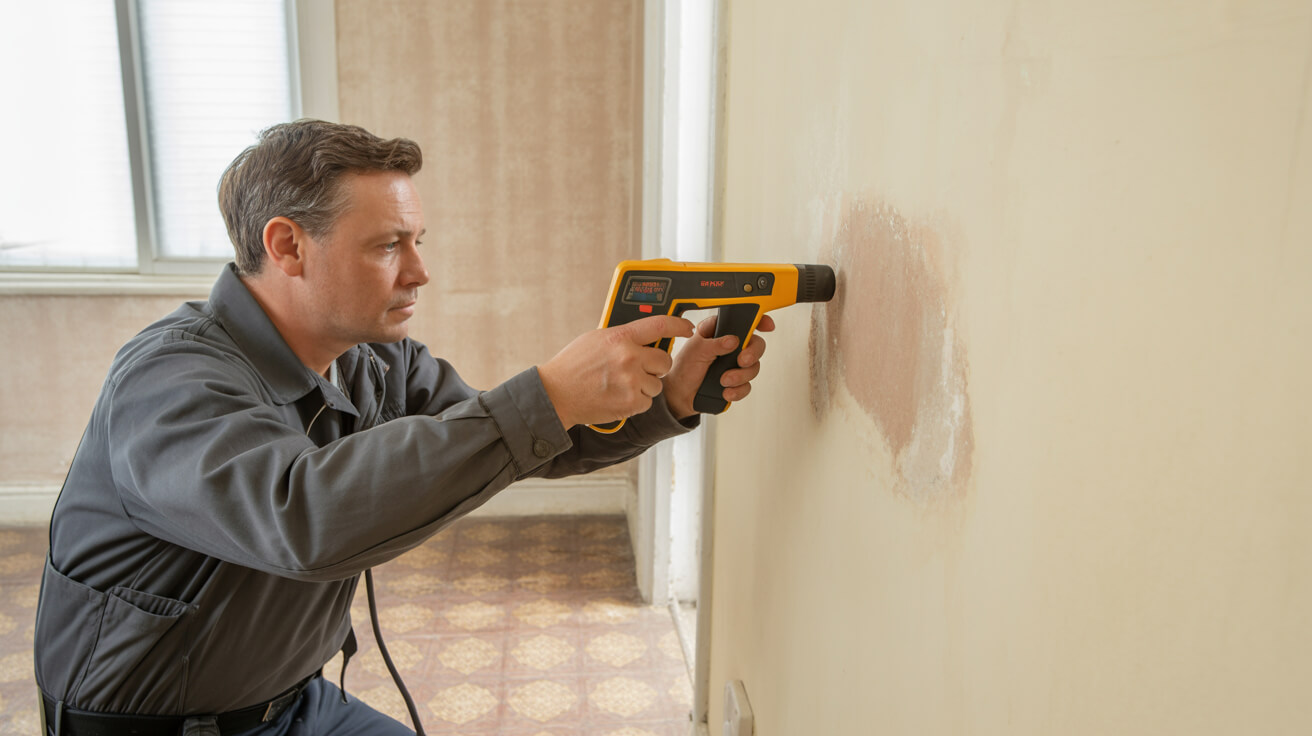
Winning isn’t superficial. You’re not left hoping for a tin of emulsion or a “we’ll call you next week” promise. Legal wins force real building upgrades—specialist damp proof coursing, professional ventilation upgrades, persistent monitoring, and written evidence of compliance (fit for council or mortgage-lender reassurance).
Tenants can claim reimbursement for destroyed goods (mattresses, electricals, shoes, books), cost of alternate accommodation, health expenses, and lost heating costs when damp forced you to crank the boiler. Where stress or disruption is severe, judges also award compensation for distress and inconvenience.
Perhaps most crucial, you leave with a documentary record. That protects you in future tenancies, smooths the way for mortgage applications (buyers with a clean record sail through), or supports further claims should another issue arise. Landlords also tend to get their houses in order after a loss—long-term, this means a higher safety bar for the whole rental sector.
Your stand doesn’t just protect your home. You become part of the shift towards decent standards across Sussex and beyond.
Who Can Help—And What Support Exists for Tenants Facing Damp or Mould?

You’re not alone—help is easier to find, and stronger, than you might think. Bodies like Shelter, Generation Rent, Citizen’s Advice, and local council services offer more than sympathy. They arm you with downloadable action plans, evidence templates, peer case forums, and step-by-step guides through evidence, complaint channels, and escalation.
A well-informed tenant is often the only thing standing between a rogue landlord and business as usual.
Local Environmental Health teams, mandated by public safety laws, not only inspect but can issue formal abatement notices and threaten court action themselves. Those facing severe risk (young children, existing illness, recurring discrimination) qualify for enhanced legal or financial aid—including “no win, no fee” law firms.
Active online communities on Reddit, Facebook, and homeowner sites have broken stories and forced larger policy shifts than many top-down agencies—check for local threads comparing landlord/letting agent responses and sharing success stories.
Don’t forget: every photo, every official you loop in, every survey you push for sharpens the balance in your favour. These networks are bridges, not crutches.
How Sussex Damp Experts Can Power Your Damp or Mould Claim with Survey-Grade Proof

A DIY evidence bundle works—but nothing trumps a full technical survey from a recognised expert. Sussex Damp Experts operates with BS6576/BS8102-accredited surveyors, delivering independent tests, certified diagnostics, legal-grade photographic logs, and humidity recordings. Our reports are “court ready”—built to the standard demanded by councils, courts, and even mortgage lenders.
Our team unpacks the root cause (not just “symptom X at site Y”) and details options tailored for period properties, new builds, or commercial portfolios. Every report arrives with a correspondence pack: template letters, risk summaries, and timelines for compliance. If you need us to appear as expert witnesses or support a housing authority escalation, we offer continuity from phone call to court bench.
We specialise in evidence that cuts through the “tenant-blame” fog—highlighting whether the root cause is structural, historic, or maintenance based. Our service speeds up resolution, and our reputation with local authorities in Sussex accelerates action.
Book today to access a free evidence starter pack or arrange a full inspection—thousands have used Sussex Damp Experts to swing legal outcomes and unlock repairs when other voices went unheard.
Take Action with Sussex Damp Experts Today
Delay is the true danger. No amount of email-wrangling can replace a trusted, technical diagnosis and a clear-cut plan. From private landlords to corporate letting agents, nobody can ignore a survey-backed, court-ready report.
Book an assessment with Sussex Damp Experts now—your safest, fastest way to a dry, healthy home and real legal authority. While others fumble with makeshift fixes, you’ll hold the gold standard, protecting not only your property and peace of mind, but your rights and wellbeing for years to come.
Frequently Asked Questions
What triggers a property to be legally “unfit” due to damp or mould in UK housing law?
Your home is judged legally “unfit” the moment damp or mould poses a proven risk to health, safety, or building stability—per statutory codes, not personal discomfort.
The Housing Act 1985 and Homes (Fitness for Human Habitation) Act 2018 draw a hard line: once survey evidence or council inspection confirms that persistent damp causes respiratory illness, structural damage, or long-term discomfort, the law steps in. It’s rarely one symptom that tips the scales. Instead, the system looks for a pattern: black mould on walls, flaking plaster, chronically wet sills—even just one set of time-stamped tenant photographs cross-referenced with a GP’s notes showing worsened asthma turbo-charges a claim. Lenders, insurers, and mortgage surveyors flag properties the moment a failed DPC, bridging, or rising water table is proven by a BS 6576 or BS 8102 compliant survey. When evidence undercuts the landlord’s “lifestyle” excuses, judges and councils act fast.
When expert evidence replaces opinion, the balance of power shifts—unfit isn’t a feeling, it’s a forensically provable threshold.
Which situations most commonly push a property over the “unfit” line?
- Black or green mould blooms following failed repairs
- Medical records directly correlating health decline to persistent damp
- Recurring water ingress or salt staining on exterior/party walls
- Unventilated spaces where RH% stays above 70% for weeks
Reputable, surveyor-signed reports are the gold standard—if you’re worried, insist on a full damp assessment rather than letting disputes drag on.
Which types of evidence give a tenant’s damp complaint legal teeth?
Consistent timelines, expert surveys, and dated photo logs transform a weak complaint into a legal challenge that’s hard to dispute.
UK courts and councils treat sloppy, disjointed records with scepticism. You need a joined-up bundle: dated complaint emails, sequenced photos (showing progression, not just one bad morning), surveyor or PCA-recognised expert reports, and clear witness statements. BS 6576 and BS 8102 survey formats ensure the language “speaks” to lenders and local authority officers alike. Humidity logs or moisture metre readings that show persistent moisture draw a sharp line under the problem. If possible, connect medical evidence: proof that a child’s cough or a tenant’s eczema worsened after a wet spell multiplies your case’s weight. Finally, attach correspondence showing you acted quickly—delays weaken otherwise strong claims.
What makes a legal evidence bundle virtually unbreakable?
- Surveyor diagnostics mapping the moisture source, not just the symptom
- Sequential “before, during, after” images, each with timestamps and room location
- Logs from humidity sensors or calibrated metres, showing how issues persist over time
- Written complaint and escalation records—ideally with council or letting agent acknowledgment
Be methodical, not emotional—the best evidence bundle outspeeds even the toughest legal argument.
How does the legal repair process actually work when damp is discovered?
The law expects a clear process: you notify, record, escalate, and evidence every step—until the responsibility for a safe, dry home is fulfilled.
Once you spot persistent damp or mould, your duty is to notify your landlord or agent in writing with photos and a location log. Detail symptoms and explain their impact (health issues, belongings ruined, discomfort). Landlords generally have 14–28 days for urgent problems; non-urgent timelines may stretch, but action is always required. If you’re ignored, local authority environmental health officers perform an HHSRS assessment, scoring hazards. They can serve Improvement Notices demanding works, or, in urgent cases, carry out repairs themselves (“works in default”) and recover costs from the landlord. If the landlord still fails, you can escalate to a court claim—using Form N1—with your compiled documentation. For social housing tenants, tenant liaison and environmental health teams can also intervene. Throughout, precise documentation makes or breaks your outcome.
Which triggers or thresholds mean the dispute leaves your hands?
- Repair request ignored beyond 28 days for health-impacting cases
- Reliance on “lifestyle” defences when medical or survey evidence shows root-cause damp
- Specialist damp or structural reports showing risk or regulatory breach (e.g., HHSRS fail)
- Council or third-party agent also documenting the issue in writing
Proactive home owners, landlords, and tenants who act rather than wait more often see repairs, not run-arounds.
What legal remedies and repairs follow a successful damp or mould claim?
Winning your claim isn’t just about fixing the present—it’s about securing the future value, health, and compliance of your property.
Courts and councils routinely grant “Orders for Repairs”—forcing the landlord or owner to address both the cause and visible symptoms (no quick “paint-over” fixes allowed). Compensation might include reimbursement for rent paid during unsafe periods, covering ruined possessions, or even stress damages if you’ve needed medical help. In especially severe or repeat-offender cases, councils can step in and do the works at the landlord’s expense, or force emergency rehousing. All successful claims are recorded and can influence future surveys, sales, or insurance renewals—raising standards across the market. For property owners facing claims, swift, quality remediation protects asset value and cuts future liability.
What additional remedies should you expect—and insist on?
- Upgraded ventilation, full DPC renewal, or exterior waterproofing works
- Written documentation correcting misdiagnoses (“lifestyle” claims formally retracted)
- Council certifications confirming works were carried out to regulatory standards
- Impact on wider asset value—properties with legal certificates or warranties gain trust with buyers and lenders
Winning in court is about more than the immediate fix—it’s a reputational shield lasting years.
Why do so many tenant or landlord claims unravel—even with obvious damp present?
Lack of detailed proof, missing paper trails, or poorly timed evidence make even clearly damp homes hard to win in court.
Landlords benefit when complaints go unwritten: if you phone in, clean away symptoms before inspection, or allow months to pass before reporting, you undercut your claim. Courts lose patience with ambiguous or contradictory timelines—a symptom photo after a so-called “fix” confuses the root cause. Technical errors (misdiagnosed condensation as “rising damp”), cosmetic fixes (freshly painted walls), or failed DPCs painted over, blur the line of accountability. Missed survey appointments, refusal to allow access, or accepting quick but incomplete “repairs” sabotage the legal process. “Obvious” damp doesn’t win the day unless the case is watertight.
What are the recurring gaps—and how do you plug them?
- Only verbal, not written, complaints; missing photographic evidence
- Cleaning, repairing, or redecorating before full survey or council inspection
- Timelines that don’t line up: medical records, complaint logs, and inspection findings separated by months
- Accepting surface-level “fixes” instead of root-cause works
Build your case like a seasoned surveyor—step by step and fully logged.
How does choosing Sussex Damp Experts secure both legal and practical peace of mind?
A Sussex Damp Experts inspection arms you with legally recognised, industry-grade evidence—stopping disputes, accelerating repairs, and proving compliance under scrutiny.
Accredited surveyors bring more than paperwork: expect advanced moisture and salt mapping, substrate compatibility checks, and a forensically written report designed for legal, insurance, and lender review. These surveys surface issues missed by generic assessments, closing loopholes that a less thorough inspection might leave open. For property sellers or landlords, proactive reports help prevent costly legal wrangles, boosting market trust. For tenants and buyers, precisely formatted, date-stamped documentation can unlock immediate council or lender action and funding for remediation. Every report is tailored—council, court, agent, or insurance—so your evidence speaks the right language from day one.
- Skip stalemates: one accredited report often delivers negotiating power with lenders, agents, or stubborn landlords.
- Safeguard health, protect asset value, and prove regulatory or insurance compliance—before small problems become legal headaches.
One expertly conducted survey can mean the difference between months of delay and a single decisive fix that stands up in any forum.

