
 By
By  August 26, 2025


Why Is Damp No Longer Your Problem to “Put Up With”? Understanding the 2025 Decent Homes Standard
Landlords across England face a new reality: persistent damp, black mould, or flaking walls are no longer problems you’re meant to ignore or endlessly patch with air fresheners and good intentions. The Decent Homes Standard 2025 finally sets out, in black and white, that every rented home must be safe, dry, and genuinely healthy to live in. This isn’t wishful thinking or a planning slogan—it’s the law. For tenants, it means battles over “lifestyle blame” or being told to “open a window” have a legal end date.
“Exhausted tenants win a new ally: the law now guarantees dry, healthy homes—not just empty apologies.”
The legislation strengthens the Health and Housing Safety Rating System (HHSRS). Any signs of persistent moisture, peeling paint, black spots, or that unmistakable musty whiff? Those are now objective legal hazards. If the council—or even a qualified surveyor—classifies your home as suffering from ‘serious damp or mould’, you unlock a direct route to repairs, backed by real enforcement. No more invisible deadlines, and, crucially, no more landlords brushing off responsibility with a shrug.
For landlords and agents, this overhaul is equally stark: what once passed as “character” or “tenant issue” becomes a compliance breach. Properties marked below the new standard face mandatory repair demands, fines, or even temporary loss of letting rights. The burden has shifted—tenants are no longer alone in the ring.
How Fast Do Landlords Have to Act on Damp and Mould Now?
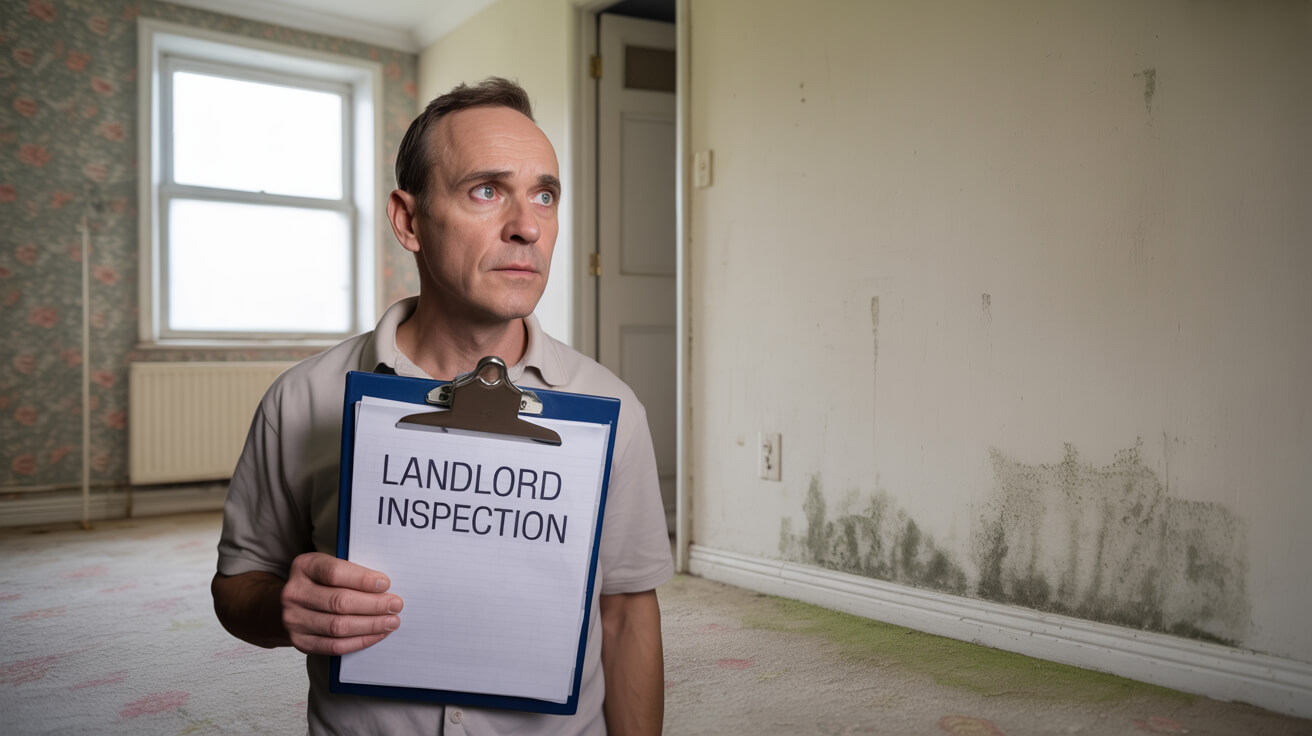
The “we’ve logged your complaint” era is over. The Decent Homes Standard and its companion, Awaab’s Law, inject hard, short deadlines—and serious teeth—into the repair process. Complaints are no longer just paperwork for someone’s in-tray; they’re legal triggers with real-time clocks.
“Every hour a complaint languishes unread or unacted upon becomes a legal liability for the landlord.”
Tenants can expect:
- 14 days: – Landlords must formally investigate and report findings after a written complaint. This isn’t “we’ve received your email”—it’s a summary with evidence, delivered in writing (emails and letters only; WhatsApp and phone calls don’t count for deadlines).
- 7 days: – Once a serious damp or mould hazard is confirmed, repairs must *begin* within a hard seven-day window. This deadline is absolute—cost disputes, contractor holidays, or blaming “tenant habits” no longer hold up.
- Unambiguous Record-keeping: – Tenants should save every piece of communication, timestamped photos, inspection notes, and survey reports. Landlords who skip the paper trail or lose records find themselves at higher risk of sanctions and forced interventions.
Should a landlord fail on these deadlines, expect fines, council-enforced repairs, and, in persistent cases, having their ability to let a property suspended. For tenants? It means paper strength: once the written timeline starts, your complaint becomes the engine that drives change.
What Evidence Actually Gets Repairs Done—and Fast?

No matter how severe the drip, dodge, or darkening corner, evidence beats argument—especially under the new standards. Your strongest lever is a well-built dossier, constructed from the start.
The essential building blocks:
- Formally Written Complaint: – Always send issues in writing (email or post), and keep your own copies. Texts and phone calls don’t start the clock.
- Photo Archive: – Compile date-stamped photos—wide shots to show location and close-ups for detail. Label each with the date and area.
- Professional Damp Survey: – For pushback or high-stakes cases, commission a report from a PCA, RICS, or TrustMark-accredited expert (like Sussex Damp Experts). Their findings can anchor council complaints, support court cases, and persuade insurers and lenders.
- Moisture Metre Readings: – If kit’s available, include readings to corroborate photos. Many surveyors add this—a helpful, often decisive, extra.
- Evidence Diary: – Log every message, call, inspection, and missed appointment. This step-by-step diary becomes your shield against “lost emails” or shifting stories.
“A clean, date-logged evidence file cracks the cycle of excuses—landlords can’t argue with the facts in front of them.”
Landlords now also must maintain their own documentation: missed records translate to higher fines. In effect, the savvier the tenant’s case file, the faster the action.
What Happens When the Council or Environmental Health Steps In?

The council used to be the final port of call—slow, ambiguous, and, at times, seemingly powerless. The reform flips this upside down. Once a written complaint, evidence log, and timeline breach are in hand, your council becomes a powerful lever—armed with fines, repair orders, and the capacity to take charge.
“Council enforcement is no longer a vague promise: it’s a toolkit—fines, repairs, bans—deployed when landlords stumble.”
Key points for tenants:
- Missed Timelines Trigger Action: – If a landlord violates the 14/7-day deadlines, submit your full documentation to the council’s environmental health division.
- Council Enforcement: – Councils may issue improvement notices, fine landlords, directly arrange repairs (and bill the owner), or even revoke the property’s letting licence.
- Vulnerability Priority: – If you or someone in your household is classed as vulnerable—under five, elderly, disabled, immunocompromised—the council must act even faster, and is empowered to leapfrog steps for urgent cases.
- Public Registers: – Persistent offenders are flagged and may eventually be banned from letting altogether, raising the bar for landlord compliance and reputation.
The bottom line: a council’s power is now prepaid by your evidence and persistence.
What Does an Effective Tenant Damp Complaint Plan Look Like in 2025?

Hardened by years of seeing complaints bounce between departments, successful tenants now use a checklist approach—structured, robust, and hard to dispute. Here’s a proven action flow, tuned for maximum speed and legal effect.
2025 Tenant Damp Complaint Checklist
- Put It in Writing – Email or post a clear, concise complaint—add photos and request written acknowledgement.
- Start an Evidence Log – Date and save each interaction, photo, and repair offer.
- Push for Written Response – If response is late, keep sending reminders. Only written confirmation counts for legal timelines.
- Commission Surveyor if Needed – Independent, accredited surveys force attention—ideal if the landlord drags their feet or disputes the cause.
- Maintain Ongoing File – Add in every official or council interaction, escalation, and result. Update with new images if the issue evolves.
- Escalate on Delay – Once deadlines are breached, alert the council and resubmit your complaint bundle. Include records documenting your vulnerability if applicable.
- Re-run for Recurring Damp – Each new outbreak reactivates all rights—every occurrence is a clean legal slate for enforcement and penalties.
- Keep Files Until Fully Fixed – Do not delete or discard your case file until repairs are confirmed and you’ve had a post-repair follow-up.
“It’s the habit of careful documentation—not hope or outrage—that finally compels real repairs.”
This process shifts the burden: when you follow it through, excuses have nowhere to hide.
How Does the Law Protect Vulnerable Tenants and Families Most at Risk?
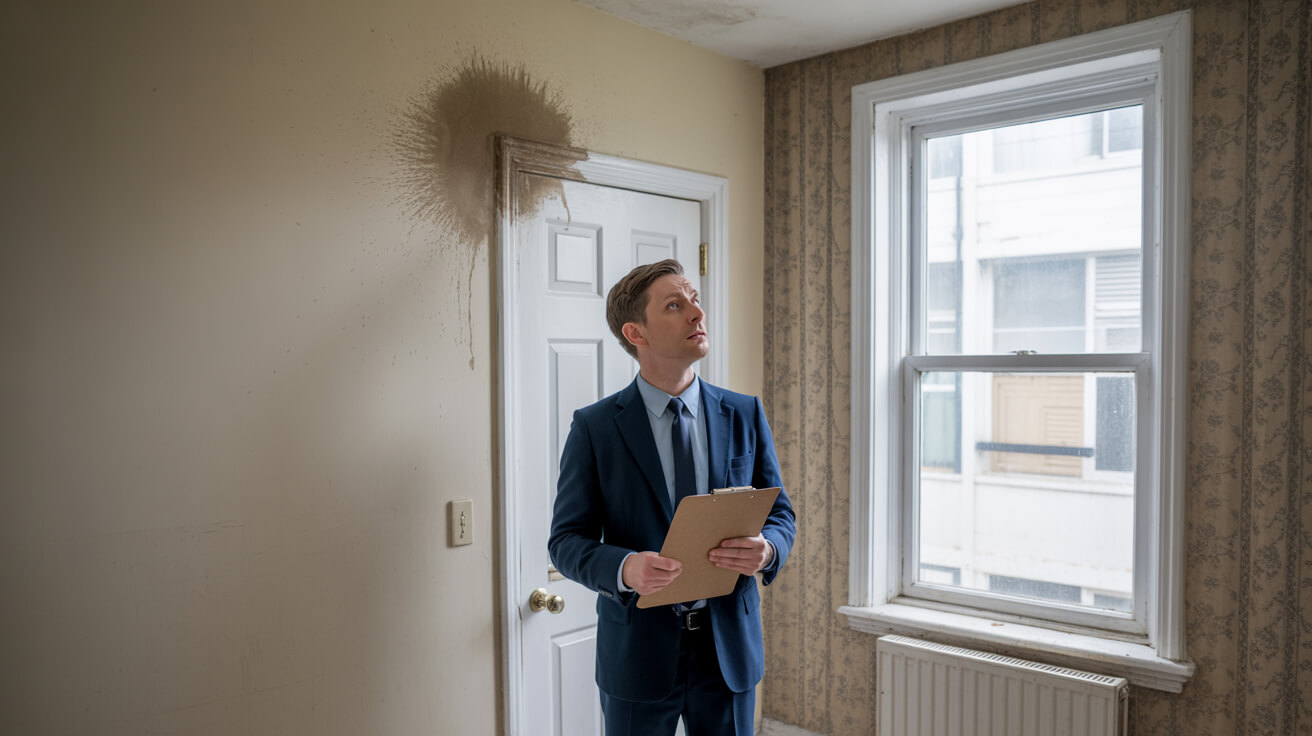
Damp and mould are not mere aesthetic problems—at highest risk are small children, older adults, and anyone with chronic health conditions. The Decent Homes Standard, reinforced by HHSRS and multiple pieces of statutory health law, ramps up the protection and speed of response for such cases.
“For vulnerable tenants, the enforcement fuse is shorter and the compensation often higher.”
Legal upgrades in 2025:
- Accelerated Response: – Landlords must investigate, act, and report even faster where risk is elevated. Failure can mean the council intervenes directly, commissioning repairs at the landlord’s expense and triggering rent repayment orders.
- No Blame-Shifting: – Claims that “it’s your cooking,” “you should open a window,” or “it’s old brick” are explicitly outlawed. Landlords bear the full risk for property failings, not the tenant’s supposed habits.
- Extra Enforcement: – Councils and the Housing Ombudsman hold powers to order repairs, demand compensation, and secure alternative accommodation for tenants when suitable remediation is delayed or denied.
- Health Evidence Power-Up: – Attach a doctor’s certificate, NHS record, or hospital referral to your file? Your case receives top priority and often higher remedies.
Always state if anyone is at particular risk in your household; mention allergies, asthma, or immune conditions. This doesn’t just queue-jump your enquiry—it puts real weight behind your complaint.
What If Damp or Mould Returns After Repairs?
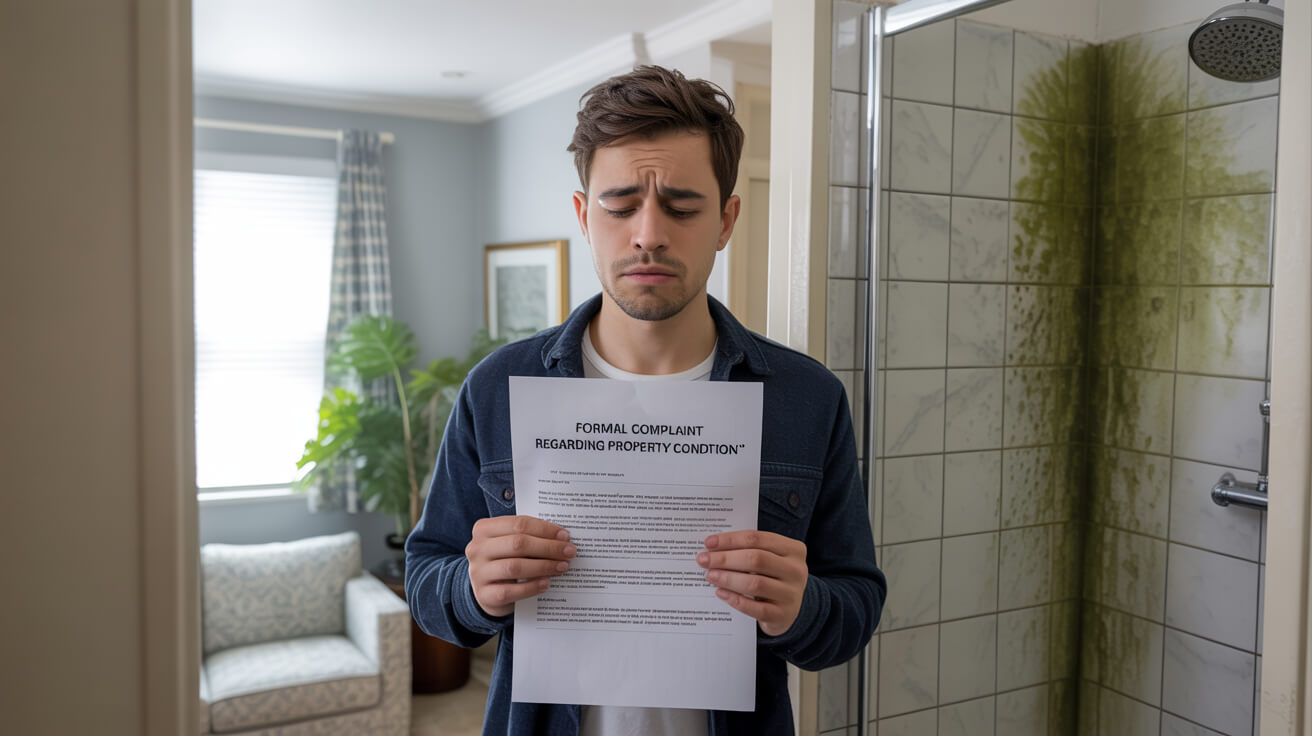
The law doesn’t let landlords “tick the box” with a cosmetic job or DIY quick fix. Recurring problems put landlords back at square one, restarting all repair deadlines and compounding their risks if delays or indifference persist.
- Annual Inspections: – Landlords must schedule and document yearly checks, especially in at-risk homes. Skipped audits can block property sales and void insurance cover.
- Repeat Offences Multiply Consequences: – Each repeat triggers all new rights for the tenant, including council escalation, fresh repair deadlines, and stepped-up fines for landlords.
- Historical Evidence Increases Compensation: – If you can show recurring reports and a trail of ignored moans, you stand to win higher damages and, in some cases, rent reduction or repayment.
- Never Accept Half-Fixes: – Proper aftercare—such as monitoring the area post-repair and ensuring the root cause (not just symptoms) is resolved—is essential. Poor repairs guarantee future disruption and costs.
“A landlord’s shortcut today is the seeds of next year’s enforcement and compensation spiral.”
Damp is rarely a one-off; treat it with repeat vigilance.
How Do Sussex Damp Experts Secure Faster, Guaranteed Damp and Mould Outcomes for Tenants?

Sheer persistence helps, but nothing breaks the logjam like expert evidence and airtight process. Sussex Damp Experts fuse technical mastery with local legal know-how, raising success rates whether you’re up against foot-dragging landlords, council red tape, or mortgage concerns.
Expect from SDE:
- Top-Tier Accredited Surveys: – Reports by PCA/TrustMark pros speak the council and insurer’s language. These accelerate repairs and block “it’s your fault” arguments before they begin.
- Complete Complaint Kits: – Pre-built complaint letters, log templates, and aftercare guides mean even first-time renters can force the pace and keep paperwork sharp.
- Expert Review Sessions: – Have your evidence file checked so nothing gets missed—whether for escalation or legal action.
- Direct Advocacy: – The team can negotiate directly with landlords and councils, using your evidence to demand urgent action.
- Long-Range Aftercare: – SDE’s support runs well after the “job’s done,” with follow-ups and help for repeat or tricky cases (and details spelled out at [sussexdampexperts.com](https://www.sussexdampexperts.com/free-guide?utm_source=openai)).
“When it comes to repairs that stick, expertise and relentless documentation outpace hope and good intentions every single time.”
Experienced support ensures your home doesn’t fall through the cracks—no matter how persistent the problem or the resistance.
What Makes Sussex Damp Experts the Trusted Authority for Your Damp and Mould Rights?
In an environment clouded by online “hacks” and landlord myths, SDE rise above by sticking rigidly to compliance, ground truth, and on-the-ground proof. Every recommendation rests on statutory guidance, official building practice, and a long track record helping tenants and property owners win cases—backed by real accreditations, not just marketing.
Key pillars of SDE’s authority:
- Full Regulatory Alignment: – Every process, right, and deadline detailed is anchored in legitimate, checkable UK standards (HHSRS, BS 6576/8102, PAS2035).
- Frontline Experience: – Checklists and advice distilled from hundreds of Sussex cases—so you never get stranded asking “what next?”
- Accreditation, Not Hype: – PCA and TrustMark credentials mean mortgage lenders, insurers, and councils defer to their surveys and reports—getting you results the first time.
- Zero Landlord Spin: – Everything here is written for tenants, not to soften liability or keep disputes “off the books”.
- Usable, Ready-to-Deploy Tools: – From letter templates to evidence folders, all tools are built for speed and frictionless escalation.
- Hyper-Local Advantage: – SDE know Sussex authorities’ quirks, patterns, and escalation channels—far fewer generic delays.
“Results count: credibility, the right evidence, and methodical process always beat guesswork or waiting for a ‘nice landlord’.”
Repetition, clarity, and relentless action—this is what delivers outcomes.
Last Word: Secure Your Home’s Future with Sussex Damp Experts—Hold the Leverage
Damp is not a waiting game anymore—the costs to your comfort, health, and property value spiral with every week you hesitate. You don’t have to play detective, lawyer, and repair manager alone. Harness expert evidence, proven templates, and local legal expertise.
- Book an accredited survey or a file review with Sussex Damp Experts—no guesswork, no gaps.
- Download templates and guides to lock in timelines and collect ironclad proof from hour one.
- If repairs stall or landlords dodge action, let Sussex Damp Experts handle the pressure. You keep your health and control—landlords keep their deadlines.
You hold the power, the law is on your side, and with SDE in your corner, the process gets results that stick.
Frequently Asked Questions
What changes with the Decent Homes Standard 2025 for landlord damp and mould repairs?
The Decent Homes Standard 2025 transforms damp and mould repairs from a patchwork of “best effort” fixes into a clear-cut legal duty—enforced through deadlines, heavy fines, and direct council intervention.
No longer can landlords sidestep complaints with “just condensation” excuses; written notice from a tenant now starts a strict compliance clock. Landlords are legally required to begin investigating within 14 days of receiving your dated, documented complaint. Any health-risk damp or mould (using the HHSRS Band H trigger) requires major remedial work to start within an additional 7 days—regardless of whether the landlord disagrees. Failing to act on time allows the council to step in: issuing improvement notices, fining up to £30,000, and recovering costs through rent if the landlord resists. Repeat or willful violations put their entire letting business on ice.
What actually proves a landlord’s legal duty?
• Dated photos and written evidence force the timeline.
• Surveyor reports from PCA, TrustMark, or RICS are “gold-standard” proof.
• Even recurring patches or monthly logs trigger compliance—your consistent record is as strong as a survey.
How is tenant power different?
Under the new standard, what matters isn’t the landlord’s opinion or ability to delay—it’s your ability to document. Proof always beats excuses, and the law is set up to shift control from owner to occupant the moment evidence is submitted.
A wall that sweats in silence now reads as a council summons. The days of blame and brush-off are behind you.
Which actions guarantee the fastest resolution of damp complaints for tenants?
A calm, written timeline—paired with photos—forces action, while any call, excuse, or vague promise without follow-up should be logged and immediately escalated if ignored.
Send an email or letter outlining each damp symptom, its exact spot (“lower right living room wall near skirting,” for example), and attach clear, date-stamped photos. Keep records of all landlord responses. If someone in the home is very young, elderly, or has a respiratory condition, highlight that in the documentation. Legally, the landlord now must assess and address the issue on a set schedule. If days pass with no site visit or repair, assemble all your written records, photos, correspondence, and, if possible, a formal damp survey—and escalate directly to your local council’s environmental health team. Councils can now compel and oversee repairs, or penalise, much more directly than in years past.
Essential tenant safeguards
- Use email for timestamped documentation (avoid phone-only).
- Keep a “damp diary” of all symptoms, dates, excuses, and replies.
- Take progress photos weekly—these show if any repairs actually fix the root issue.
- If action stalls or gets deflected, escalate at the 14-day and 21-day marks—don’t let “pending” drag out for months.
How do agencies and ombudsmen back you up?
Missed repair windows mean the council steps in, not just for enforcement but to manage repairs, recover rent, or block letting rights. Housing Ombudsman rulings add weight—especially if you show a robust evidence pack.
A neat file of photos and a clear repair history does more for your rights than any heated debate.
Which damp symptoms and property types are now always covered by the regulations?
Black mould, water stains, persistent musty smells, peeling paint, soft or damp skirting, and even invisible humidity triggers, in any property—old, new, listed, or converted—fall under the strict legal umbrella.
Landlords must address any form of:
• Black or green mould on walls, ceilings, windows, or furniture—especially in bedrooms and lounges.
• Peeling paint, bubbling, visible plaster salts, and soft woodwork—clues the problem is structural, not “seasonal.”
• Musty or earthy odours that linger beyond the bathroom or kitchen.
• Measurable high humidity, cold wet walls, and repeated condensation—the law now covers causes, not just the biggest symptoms.
Specific risk triggers
HHSRS serious hazard (Band H or above) makes intervention mandatory. For families with young children, elderly, or immunocompromised residents, even moderate visible mould triggers rapid legal response. Heritage, converted, solid-wall, or high-rise homes are all included—method changes for listed or historic sites (lime plasters, breathable membranes) prevent shortcut excuses.
Do “minor” cases count?
New rules target persistent or growing patches, not just “widespread” mould. Any health risk—confirmed by survey or illness link—escalates urgency and compliance demands.
The house’s age or complexity doesn’t exempt you from clean air—every wall, every ceiling, every tenant is now protected.
How are repairs enforced if the landlord delays—and what consequences do landlords face under the new rules?
When deadlines slip or responses stall, council environmental health teams leverage new authority: enforcing repairs, issuing on-the-spot fines, recouping costs straight from rent, and ultimately suspending landlord permissions.
After a complaint, the clock is highly visible: councils and housing inspectors now pursue missed 14/7 day deadlines as an actionable failure, not a bureaucratic error. Repeat offending or health-ignoring delays rapidly escalate—improvement notices are issued, works may be completed by the council “in default,” and the entire cost plus admin fees are billed back to the landlord. Non-compliant landlords risk much more—loss of letting licences, new tenancy bans, and aggressive follow-up for persistent breaches. The Housing Ombudsman’s participation means failure to repair can also mean compensation awards, rent refunds, or a forced move to compliant housing.
Landlord penalties now in force
- Missed timelines guarantee a rapid penalty—no more warnings.
- Rent recoupment, licencing suspension, and block on future lettings.
- “Retaliation” against reporting tenants (threats, eviction attempts) results in a minimum six-month ban from regaining possession—and usually further sanctions.
Can the council act without first warning?
Where evidence is clear and timelines are violated, action is direct. Councils prioritise documented, “proof-first” cases for the fastest intervention.
Delay is no longer a tactic—it simply increases fines, sharpens council action, and undermines a landlord’s whole investment.
Which common excuses or myths still confuse landlords—and how are they neutralised by modern enforcement?
Old explanations—“open a window,” “tenant lifestyle,” “just condensation from showering,” or “heritage buildings always have a bit of damp”—are now systematically dismantled through evidence and strict compliance.
The 2025 standard applies to every property. Whether the claim is “planning delays,” “historic status,” or “tenant overuse,” council inspectors consider independent surveys and clear patterns—not opinion or anecdotal excuses. Quick paint-overs, partial plaster jobs, or minimal fixes are disregarded without full, warranty-backed remediation. All repairs—cosmetic or structural—must be evidenced, and partial fixes prolong, not pause, the legal clock.
Top myths debunked by new law
- “Heritage listing blocks repairs.” (Council mandates use of breathable or conservation-grade materials—action is still compulsory.)
- “It’s the tenant’s behaviour.” (Surveyor or council diagnosis differentiates between lifestyle and structure—landlord still must address defects.)
- “Minor repairs keep the council away.” (Only full compliance and documented results count; paint doesn’t halt proceedings.)
Who wins inspection disputes now?
The property’s survey and ongoing records speak louder than any party’s expectations. Only proven root cause and compliant repair methods close the council’s file.
Excuses are now mile markers—each one gets a response, a penalty, or hands property control to the authorities.
How do surveyor-backed reports and aftercare planning give tenants, buyers, and landlords an edge in property compliance, insurance, and repairs?
A thorough, professionally calibrated damp survey coupled with a meticulous record log transforms any claim, dispute, or application process—guaranteeing fast fixes, solid asset values, and airtight insurance coverage.
PCA/TrustMark- or RICS-accredited surveys break down causes, map out repair needs, and formally document moisture readings—instantly recognised by councils, mortgage lenders, and home insurers. Ongoing aftercare (like regular moisture checks, evidence of completed repairs, and fit-for-purpose ventilation upgrades) further strengthens positions in insurance claims or future property sales. Sussex Damp Experts supports this process end-to-end: providing survey-ready evidence packs, moisture mapping tech, aftercare schedules for all property types, and template logs for owners, tenants, and agents alike—arming you with tools accepted by every compliance, lending, or legal authority.
How does full documentation change real outcomes?
- Timely, documented escalation means the council or ombudsman acts for you.
- Insurers and lenders accept accredited surveys as proof—streamlining claims or approvals.
- Repair logs, remediation evidence, and compliance notes protect value and demonstrate due diligence for property managers or repeat buyers.
In a world of claim and counterclaim, proof prevails—equip yourself with evidence and compliance is rarely denied.
Ready to act?
Secure an accredited damp diagnosis, compliance-grade survey, and aftercare support—in plain English, without jargon or delay—from specialists who guide your property, health, and rights through the modern rules.

