
 By
By  August 26, 2025


What Does the RSH Safety and Quality Standard 2024 Demand from Damp and Mould Remediation Services?
The RSH Safety and Quality Standard 2024 cuts through years of vague promises—social landlords in England are now mandated to demonstrate, with hard evidence, that every home is free from avoidable damp and mould. Compliance has left the world of “tick-box” routines and landed firmly in the space of real-time results—where every missed patch of mould or unaddressed damp spot is not just a property defect but a risk to your organisation’s standing and viability.
Each unchecked stain isn’t just moisture—it’s a written warning to your compliance file.
The rulebook is clearer—and harsher. Awaab’s Law removed any last hideouts for delay or bureaucracy; if a property is not fully safe, and if you can’t produce a record proving continuous safety, you are exposed to financial penalties, regulatory action, and reputational damage that ripples beyond your own walls. Good intentions, legacy systems, and comforting paperwork are out. Only observable results, digital records, and swift, transparent action will shield you.
What the RSH Standard demands is relentless: your entire approach must revolve around outcomes—measurable, shareable, and ready for audit at any moment. If your compliance strategy lives in a filing cabinet, it’s already obsolete.
The Standard expects you:
- To evidence safety at all times—not just once at handover, but every day after.
- To prove every reported case was tackled to root cause, not glossed for show.
- To maintain a digital audit trail, transparent to both regulator and resident.
Landlords and asset managers must shift overnight from defending their old ways to building active systems that visibly protect residents, or the system itself will move to replace them.
How Should Social Landlords Rebuild Their Damp and Mould Service Playbook for RSH 2024 Compliance?
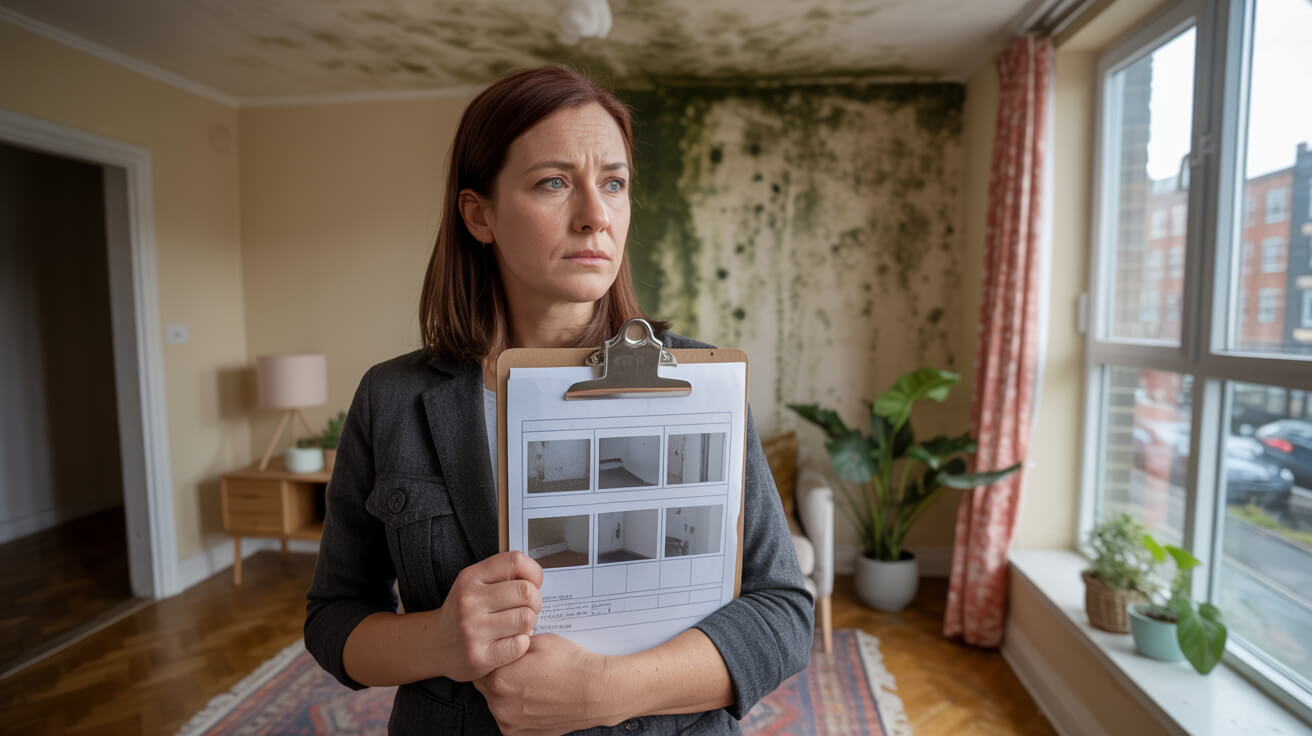
To match the 2024 RSH Standard, landlords need to bin yesterday’s playbooks—those built for minimal hassle and hopeful box-ticking. A compliant playbook now translates law into everyday routines and evidence, tracking each move from procurement to aftercare.
Bold action, deep integration, and living documentation underpin a service that won’t crack on audit.
Redesigning the Playbook: Turning Law into Lived Practice
The old model suffered from “set and forget.” The new model runs on four live wires:
- Mandated compliance in supplier contracts and onboarding: No team member or contractor goes rogue—everything is bound by clear, up-to-date standards before a spanner moves.
- Dynamic, risk-led triage: Cat 1 hazards (significant health and safety threats) are escalated instantly, not waiting in queues, and every action tracked—timed and named.
- Field-based technical diagnosis: Every case, even the small ones, gets a specialist eye—using moisture metres, salt tests, and tenant discussion, every step digitally logged.
- Whole-lifecycle documentation: From the instant a resident flags a concern to the last aftercare visit, every step piles up digital, tamper-evident records.
A playbook that doesn’t show every step on-screen isn’t a playbook—it’s a liability.
Make It Live: A Compliance Culture Built on Clarity
You can’t fake “resident-first” systems. What works?
- Audit your journey — Map the whole service flow, flag RSH alignment at every stage, and close the compliance gaps before they bite.
- Enforce clear ownership — Every action, every case: one trained, named lead, no ambiguity.
- Hard-wire resident engagement — Set up feedback channels, real-time updates, and visible complaint handling—co-producing solutions with tenants, not for them.
- Build internal governance — Ongoing self-audits, spot-checks, and transparent file sharing: every case stands up to a surprise regulator call.
A playbook earns its keep only when contractors, residents, asset managers, and audit teams all see their role, evidence, and rights as clear and accessible—every day.
What’s the Step-by-Step Remediation Pathway for RSH-Compliant Damp and Mould Response?

The new expectation isn’t “solve it when a tenant yells”; it’s detect it early, escalate fast, prove every fix, and track results day and night. The answer is a stepwise, pre-programmed response for every single reported issue—backed by proof.
The Modern Response Pathway
1. Proactive Spotting and Resident Channels
- Schedule regular (at least yearly) inspections for all properties, regardless of complaint, targeting silent or hidden problems.
- Keep multi-channel reporting lines open 24/7 and ensure tenants know what “urgent” means—make reporting easy and stigma-free.
2. Triage and Escalation
- When a risk appears (especially Category 1, health-impacting), escalate to repair inside 24–48 hours—no “waiting for next week.”
- Communicate timeframes clearly to the resident and log every stage.
3. Forensic, Surveyor-Led Diagnosis
- Send specialist surveyors or trained technical officers—not just generic maintenance staff.
- Conduct root-cause analysis (using technical diagnostics: moisture mapping, salt sampling, air quality logs) and record evidence, including photos and interviews with residents highlighting health effects.
4. Resident-Signed Action Plan
- Design repairs based on root cause, not symptoms. Accommodate vulnerable tenants—offer temporary relocation, safeguard belongings.
- Provide step-by-step, clear updates with all works, timeframes, aftercare, and guarantees explained in plain language.
5. Documented Remediation
- Log everything—before, during, and after photos, task updates, feedback received.
- Keep tenants updated by digital or preferred means—and let their satisfaction close the process, not just your job ticket.
6. Transparent Sign-Off and Aftercare
- Conduct a joint walkthrough with the resident and a technical officer before sign-off.
- Supply maintenance instructions and guarantees; set a calendar reminder for the first aftercare inspection.
7. Digital Audit-Readiness
- Store all records—correspondence, diagnostics, images, resident notes—in a digital, retrievable format, accessible to the regulator within one working day if needed.
- Schedule internal benchmarking and spot-audits to avoid scramble at inspection time.
If you can’t show digital proof within hours, it’s as if the job was never done.
What Are the Tangible Risks for Providers Who Don’t Meet the RSH Damp and Mould Standard?

Every missed inspection, undocumented repair, or unresolved complaint is a thread that a regulator—or investigative journalist—can, and will, pull. Gone is the leniency of paperwork-based assurance.
Today’s minor oversight can become tomorrow’s headline investigation.
Risk Stack for Non-Performance
- Legal Exposure: Awaab’s Law means missing high-risk cases can result in criminal prosecution, forced deregistration, or fines with no cap.
- Financial Shockwaves: Insurers pull coverage, lenders penalise or refuse funding, and settlements or compensation for affected residents escalate.
- Reputational Erosion: Public disclosure of breaches and failed audits destroy trust among residents, partners, and even your own staff. Each unresolved complaint owns a piece of your future risk.
- Increased Claim Vulnerability: Modern tenants, backed by clear legal precedent and digital footprints, can pursue legal, political, and public remedies more easily than ever—with agencies and campaign groups amplifying their claims.
Failing the audit means choosing between accelerated cost, shrinking opportunity, and eventual loss of the right to operate.
What Kinds of Evidence and Ongoing Monitoring Does the RSH Standard Require Day-to-Day?
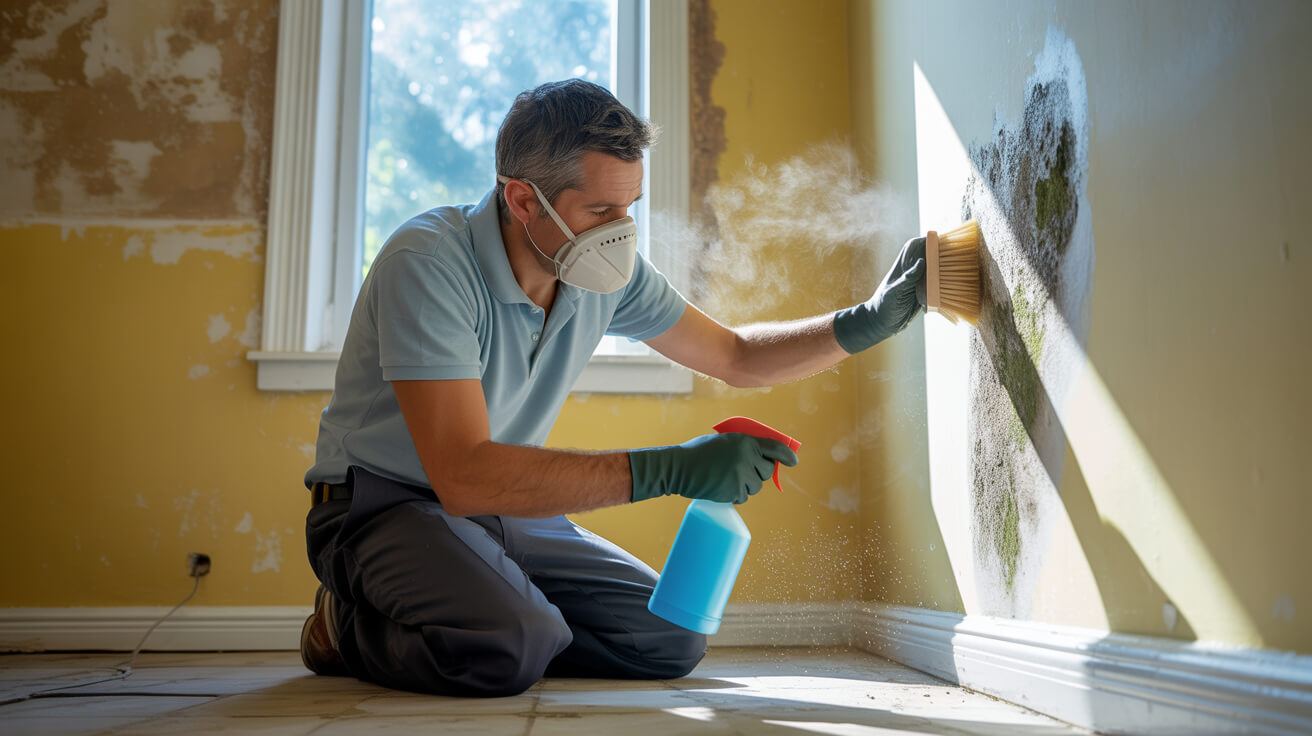
The RSH Standard is built on forensic, on-demand auditability. If you “think” you fixed something, but can’t show photographic, time-stamped, resident-endorsed proof, you might as well not have acted at all.
Without an unbroken digital chain, ‘intent’ is just a guess and ‘proof’ is a myth.
Evidence the Regulator Expects
- Linked case and job files: Every action attached to a property, from inquiry to fix to resident feedback (including photographs, signed processes, diagnostic readings).
- Resident-linked digital comms: All updates, complaints, sign-offs, and aftercare logged against the property’s digital file, with verification wherever possible.
- Rapid evidence turnaround: Regulator can demand to see a random case file at any moment; you must produce a complete, cross-linked digital record inside 24 hours—it must show an end-to-end trail from first report to aftercare.
Monitoring Forward
- Automated digital platforms (with GIS and AI, where possible) to red-flag patterns, such as repeat complaints or hotspots for condensation.
- Every comment, complaint, or query enters the audit chain and is tagged to the action log.
- Aftercare, guarantees, and follow-up visits automatically trigger calendar reminders and updates, so potential recurring issues are caught before becoming compliance breaches.
In the best systems, evidence is not built at inspection—it happens as a consequence of normal work. Asset data, resident engagement, and technical fixes are drawn together in one chain, not scattered or locked in paper folders.
Where the evidence lives, compliance lives too—and the future viability of your organisation depends on showing it at any moment.
What Are the Sector’s Best-In-Class Moves for RSH & Awaab’s Law Damp and Mould Playbook Compliance?

Sector leaders don’t wait for regulation to push them—they build systems, training, and platforms that surpass minimal requirements. Their differentiator? They treat every property and every complaint as the next audit.
Hallmarks of the Best
- Universal reporting reach: Residents, staff, contractors—all can flag an issue, and every action is followed digitally back to the source.
- Multi-layer surveying: Not resting on visual checks—combining technology (thermal cameras, moisture metres) with skilled diagnosis and instant digital logs.
- Named responsibility at every step: There is always a person—not a “team” or “department”—who signs, records, and is answerable for closure.
- Specialist escalation: When a standard fix doesn’t hold, or for high-risk locations (like basements or heritage properties), specialists (not general repairers) are automatically called in, logged, and tracked.
Audit-First Mindset
- All actions logged as they happen: No lag between work and evidence. If it isn’t logged, it didn’t happen.
- Continuous improvement built in: Ongoing, random file reviews, internal feedback, and staff cross-checks ensure nothing falls through cracks.
- Open for inspection: No panic at regulatory or media inquiry—the data and proof is always a mouse-click away.
Snapshot Table: Best-in-Class RSH Damp & Mould Playbook
Every best-in-class service playbook nails these steps:
| RSH 2024 Expected Outcome | Real-World Action | Audit-Ready Evidence |
|---|---|---|
| Top risks handled fast | 24–48hr repair response | Timestamped digital logs |
| Resident first, always | Direct feedback, clear owner | Linked message records |
| True root fixed | Certified diagnoser deployed | Photos + survey reports |
| Seamless workflow | No gaps or lapses in process | Full, downloadable archive |
A playbook that can’t demonstrate these wins may escape notice for a time—but eventually, they all get caught out.
Why Do Service Playbooks Now Make or Break Asset Managers and Landlord Reputations?

Reputation is no longer about what you “promise”—it’s about how convincingly, instantly, and repeatedly you can prove protection, action, and follow-up. The regulator, residents, and partners all judge on what you can show—not what you say.
Reputation is earned and lost in the gap between the problem and the proof.
Stakeholders across the board—councils, lenders, insurers—now tie support and contracts directly to audit evidence. Prospective tenants and buyers can access digital property histories, looking beyond a fresh coat of paint for evidence of genuine, ongoing care.
If a landlord or asset manager can’t open up a current, unbroken, digital chain of repair, inspection, aftercare, and resident engagement, they’re outplayed by anyone who can.
Trust has shifted—from good intentions or anecdotal success to quantifiable, digital outcomes. In this new climate, a service playbook backed by transparent, retrievable records is both your shield and your competitive edge.
How Can You Safeguard Your Assets and Residents—And Thrive—Under the RSH Standard?

Compliance isn’t a defensive game. Top performers embed systemic, decisive action backed by digital, resident-facing proof—making risk management a built-in asset, not a reactive fire drill.
Here’s what you can do:
- Commission external audits: Uncover weaknesses before the regulator or the media do. Apply the fixes now.
- Automate monitoring and records: Ditch paper, manual spreadsheets, and guesswork—ensure every action from complaint to aftercare lives in a retrievable digital chain.
- Hand the wheel to residents: True “resident voice” is a reporting channel that works, instant feedback to every update, and an evidence-tracked journey from report to fix to sign-off.
- Invest in upskilling: All staff and contractors should know your standards cold—weak links are a system-wide liability.
- Hard-wire escalation logic: Serious cases bypass the bottlenecks; they ping straight to a trained decision-maker who acts.
- Call in proven specialists for complex cases: Heritage or basement trouble? Experts only—never fudge or cheap out on the tough jobs.
- Make aftercare non-negotiable: Ongoing support turns a one-off fix into a lifetime compliance claim. Schedule it, prove it, repeat.
The investment you make now in systems and specialists buys you lower risk, fewer complaints, and more sustainable funding. The risk of delay isn’t just cost—it’s every lost opportunity downstream.
Contact Sussex Damp Experts for RSH-Proof Damp and Mould Compliance
Meeting the 2024 RSH Standard isn’t a line you cross once—it’s a state you must prove, every day, across every asset. If your property portfolio, housing association, or maintenance contract needs a live, audit-ready service playbook, Sussex Damp Experts offer the UK’s most compliant, technically advanced, and resident-focused support.
We blend deep regulatory understanding, advanced damp proofing science, and digital audit mastery. Our approach is hands-on, outcome-driven, and always traceable—equipping you to meet (and surpass) every requirement of the RSH Safety and Quality Standard.
Ready to lock compliance and confidence into your homes? Speak with us for a confidential review, technical site survey, or a complete service transformation.
With Sussex Damp Experts, your reputation won’t be left to chance. Every property: safer, healthier, auditable—every time.
Frequently Asked Questions
What hidden compliance pitfalls are catching social landlords off-guard under the 2024 RSH standard?
Modern compliance doesn’t stumble over big, obvious failures—it’s the invisible gaps that trip up even experienced teams. Minor lapses, like a missing photo, unsigned digital record, or a single unacknowledged resident query, now open the door to formal investigation and fines. Landlords are discovering the hard way that it’s not the size or cost of the job, but the reliability and visibility of every action that matters.
Even the most robust in-house routines can unravel at supply chain handoff points. For example, if an external contractor logs their repair via a PDF or email—rather than your digital system—the regulator classifies the job as “non-evidenced” and incomplete, risking audit failure. Data from RSH pilot audits indicates that over one in four regulatory breaches began not with technical failings, but with fragmented documentation or off-system reporting (RSH Audit Tracker, 2024).
It’s the single missing piece of digital proof—not a catastrophic event—that sinks compliance.
Common scenarios behind unexpected compliance breaches
- Contractor visits without system logging, leading to gaps in the evidence chain.
- Resident complaints acknowledged verbally, but not formally lodged in your traceable workflow.
- Post-repair aftercare—such as digital surveys or follow-up inspections—scheduled but not confirmed, breaking the “live audit” trail.
- Repairs completed, but no photo, timestamp, or asset-resident linkage is captured.
The new regime is unsparing: any “invisible” job becomes a risk exposure. Audit-ready compliance now means acting swiftly, and proving every step in a system your auditor can access in seconds. A routine glitch can snowball if it breaks this chain, making prevention far easier than repair.
How should a landlord prioritise damp and mould risks for rapid triage under continuous audit conditions?
Regulations now force you to rank every damp and mould case not solely by severity, but by the risk it poses to health—especially for children, older adults, or anyone flagged as vulnerable. Miss out on this step, and even prompt repairs can be found “non-compliant,” since urgency of response is every bit as important as eventual fix.
Key criteria include evidence of visible mould, persistent condensation, rooms used for sleeping, and medical data for at-risk occupants. According to sector best practice, an internal triage matrix should be embedded in your system—if a child’s bedroom presents with visible mould, escalation to urgent action (within 24 hours) is a must, not an option. The British Society of Damp Surveyors’ latest guidance tags late response to suspected health threats as a primary cause of compensation in legal settlements (BSD Surveyor Review, 2024).
The difference between a robust and rash response is knowing who’s affected, not just what’s affected.
Ranking approach for audit-proof triage
- Automatically prioritise complaints involving vulnerable demographics, using intake questions and resident records.
- Use instant digital logging—never leave an issue “pending input” from staff or surveyors.
- Deploy photographic and sensor-backed surveys as standard, so risk is never assessed by guesswork alone.
- Despite workload pressure, low-severity cases must still be logged and scheduled—no audit flexibility exists for backlogs.
Consistent, timely, and triaged response sets robust landlords apart. If your teams can show the “why” behind every rapid response, audit success and tenant trust rise together.
Which contractor and supply chain blind spots sabotage full compliance for damp and mould standards?
Your system is only as strong as its weakest contributor. The most modern digital setup loses value if contractors, surveyors, or emergency call-out firms bypass prescribed protocols. It’s no longer enough to instruct external teams—they must be fully integrated and digitally accountable within your compliance infrastructure.
Regulators have highlighted that “off-system” contractor actions, late or incomplete certifications, and temporary fixes handled outside your standard audit trail remain a central cause of failed compliance checks (Sector Enforcement Report, Q2 2024).
No proof in your system means no fix in the regulator’s eyes—contractor silos = compliance losses.
Contractor supply chain integration checklist
- Enforce digital sign-in and sign-off for all external teams, with real-time logging—not end-of-day batch uploads.
- Demand photo evidence and all notes be submitted through your monitorable platform—not as files or informal comms.
- Make contract renewal contingent on full protocol adoption: “complete integration, or no work.”
- Schedule random spot-checks and cross-match external logs against internal records.
Uniting every moving part of your supply chain under one compliance banner isn’t just a burden; it’s a reputation strategy. Audit failure nearly always comes from “the edge of your system”—not its core. Align every stakeholder, and the risk of sudden exposure drops sharply.
What role does aftercare play in preventing repeat damp and mould compliance failures?
Remediation is just a chapter—aftercare is the full story. Regulators increasingly focus on long-term outcomes, not short-term repairs, and treat missing aftercare as a risk multiplier. Properties with unresolved or recurring issues are under enhanced scrutiny; a fresh audit frequently examines whether problems truly stayed solved after the initial intervention (RSH Remediation Outcomes, 2024).
Aftercare means structured, ongoing visits (in person or digital), evidence updates, automatic reminders, and a formal mechanism for feedback from residents or caretakers. If there’s no asset-specific, time-stamped record of aftercare, compliance exposure grows with every passing month.
You can’t tick one box and walk away; only a closed aftercare loop proves the job’s really done.
Aftercare essentials for bulletproof compliance
- Schedule and log every follow-up visit in your compliance platform, linked to both the property and specific risk.
- Collect and archive resident sign-off, feedback, and environmental sensor results.
- Set up digital escalation for any aftercare missed or flagged as unsatisfactory—no reminders means no proof.
The real risk isn’t recurrence of damp—it’s the loss of audit-ready evidence that you acted to prevent it. Aftercare is your insurance, and that insurance is only valid when demonstrable, timely, and fully recorded.
How do digital systems transform the cost, speed, and reliability of damp and mould compliance workflows?
The days of juggling paper forms, scattered emails, and out-of-sync contractor logs are over. Digital compliance platforms enable real-time response, system-to-system checks, and data-driven improvement for all asset types—whether you oversee listed buildings, new developments, or sprawling portfolios.
Operational analysis across major UK social housing portfolios (2023-24) found that switching to an always-on digital compliance system cuts average time-to-resolution for damp and mould issues by 45%, slashes administrative overhead, and reduces repeat call-outs by a third (UKSHP Benchmark Study, 2024).
A digital trail never gets misfiled. It keeps you out of the audit crosshairs and in the clear with stakeholders.
Core digital platform features for compliance
- Unified dashboard: See every live, unresolved, or overdue issue at a glance.
- Automated reporting: Timestamps, photo uploads, technician notes, and resident feedback compiled as standard, retrievable for any auditor or stakeholder.
- Adaptive checklists and alerting: Auto-trigger additional surveys, aftercare, or escalation on anomaly—eliminating missed handoffs.
- Flexible integration: Link with existing asset, HR, and finance systems for a seamless end-to-end process.
Scaling to digital-first compliance is the fastest, most cost-effective way to survive and thrive in the new RSH landscape. Let Sussex Damp Experts help you scope, instal, and train on custom-fit platforms that win you time, trust, and audit success—across every asset and every risk profile.
Why should you future-proof your RSH compliance with experts committed to continuous legal and technical evolution?
The bar is rising, and there’s no slow lane. RSH regulations, case law, and enforcement tools evolve with sector feedback, new science, and sometimes tragedy—Awaab’s Law is only the latest. Adopting a “once compliant, always compliant” mindset is dangerous; yesterday’s bulletproof file could be tomorrow’s invalid record if the standards or evidence expectations shift.
A forward-looking compliance partner stays on top of regulatory updates, adapts your workflows proactively, and audits for unseen system drift before it spirals into exposure. They train your teams and contractors to spot not just visible moisture, but legal and procedural gaps, embedding resilience and trust into every operational layer.
A compliance expert isn’t your last line of defence—they’re your first 999 call when the rules change overnight.
Benefits of a future-proof damp compliance partnership
- Proactive legal and technical monitoring—never risk falling foul due to outdated SOPs.
- Regular compliance drills and mock audits simulate RSH scenarios before the regulator does.
- Tailored training, documentation updates, and after-action reviews ensure all staff and contractors move as one.
- Evidence management evolves, keeping you on the front foot with new digital, legislative, or funding requirements.
To lead, not chase the sector, anchor your compliance with Sussex Damp Experts: we build systemic defences strong enough to handle both today’s audits and tomorrow’s unknowns. Ready to keep every asset and every record audit-secure, rain or shine? Time to future-proof your operation—and stand apart as a compliance leader.

