
 By
By  August 26, 2025


How Does Environmental Protection Act 1990 Compliance Protect You From Costly Damp and Mould Risks?
The presence of damp and mould is no longer just a cosmetic nuisance—it’s a regulatory flashpoint that can trigger an immediate legal response under the Environmental Protection Act 1990 (EPA 1990). For any property owner, landlord, agent, or organisation responsible for buildings in the UK, this law turns persistent or potential damp and mould issues into statutory hazards. Under the EPA, health risks linked to “statutory nuisance”—including any building condition likely to endanger health or cause discomfort—carry weight and enforceable duties.
Legal duties start before mould is visible. Delay turns a patch into a statutory breach.
What does this mean for you? If your property becomes known for recurring damp or visible fungal growth, it can be formally declared a “statutory nuisance,” automatically activating new legal obligations. These duties cut across lease type—freeholder, managing agent, landlord, even local authority—no owner can dodge this. Early warnings from tenants, neighbours, or local authorities now trigger fast, formal action. Inspections may happen in days, and if compliance records are lacking or the property fails, you could face an abatement notice demanding resolution within 7–21 days—a deadline that outpaces most trade schedules.
Ducking these requirements isn’t just a small risk. Failure leads to compounding penalties: fines that escalate, forced council repairs (billed back at a premium), additional mortgage and insurance scrutiny, reputational fallout, and even criminal proceedings in severe cases. Any lack of evidence—especially for completed work or attempted fixes—exposes you to paying out five figures or more. A missing survey or repair report can turn an overlooked leak into a financial nightmare when the law comes knocking.
Sussex Damp Experts takes EPA 1990 compliance personally. Our entire survey, reporting, and remediation system is engineered to remove ambiguity and shield your portfolio from enforcement action. With council-grade inspection standards, robust audit trails, and defect-proof digital documentation, every stage of our process doubles as your legal defence file. This is more than just health protection—it’s your frontline insurance against financial, reputational, and legal losses.
What Proven Damp and Mould Diagnostics Secure EPA 1990 Compliance?
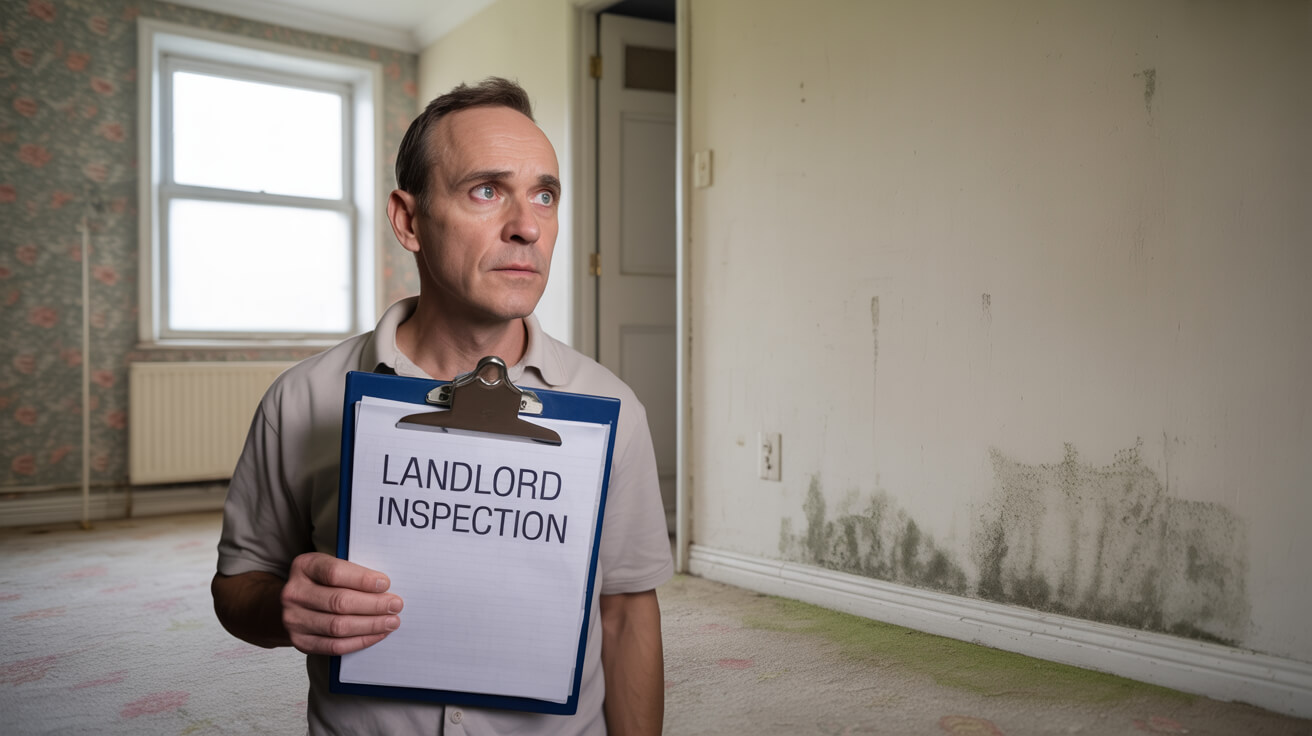
Compliance is not about box-ticking or poetic promises. Councils and lenders want cold, verifiable proof—diagnostics that stand up to inspection and legal challenge, not narrative or hope. Sussex Damp Experts deploys PCA-accredited surveyors equipped to gather evidence with the same rigour as Environmental Health Officers. Moisture mapping, salt analysis, substrate checks, borescope inspections, and targeted sampling are all standard issue: each finding is timestamped, geotagged, and archived for maximum credibility.
Miss the root cause and you risk fines and council-imposed works. Evidence beats goodwill every time.
Our approach goes several steps further:
- Digital survey packs: Timestamped photos, annotated moisture maps, thermal imaging, and salt test results create a visual audit chain that can be handed to council officers or insurance assessors within hours.
- HHSRS/EPA match: Every report mirrors the language and format of official inspection schemes, pre-empting future disputes and closing common compliance gaps.
- Independent professional sign-off: Each outcome is certified by senior, accredited surveyors—serious weight in court, mediation, or complaints.
- Cloud-archived compliance records: Records are organised, searchable, and accessible for years, safeguarding audit-readiness regardless of staff turnover or property sales.
This forensic approach wrests control from chance or last-minute fixers. Each reading, diagnostic event, and report is stitched into your “statutory audit trail,” extinguishing grey areas and making it far easier to settle or avoid future claims, disputes, or legal interventions.
Which Legal Triggers Make Damp and Mould Non-Negotiable—and Who Bears the Risk?

Damp and mould problems cross the private threshold the second a health concern is raised. EPA 1990 and HHSRS standards drag any recurring moisture or visible mould issue into the legal spotlight, activating statutory duties—fast.
- Rapid response triggers: Once reported, local authorities and environmental health can impose abatement notices, compelling action and documentation.
- Shared liability regardless of structure: Landlords, freeholders, managing agents, even tenants with some leaseholds—responsibility sticks to whoever controls or manages the issue.
- No waiver for slow contractors: Even if you’ve booked a fix, late repairs or paperwork leave you vulnerable to compliance breach.
- “Proof or penalties” regime: Old-school promises, email chains, or tenancy agreements don’t cut it. Only robust, date-stamped evidence closes the compliance gap.
EPA 1990 deadlines often outpace repair schedules. Compliance isn’t a comfort—it’s a requirement with teeth.
Ignore these triggers, and you unleash a cascade: fines, forced repair bills, insurance exclusions, even criminal prosecution. Sussex Damp Experts pre-load every survey, inspection, and treatment with the exact regulatory documentation needed, meaning you’re not left frantically assembling a defensive file after council intervention. With your compliance locked upfront, you push the risk back at the source—not your wallet.
How Do Sussex Damp Experts Create a Legally Robust Compliance Record?

If your documentation is weak, so is your legal defence. Our philosophy: treat every action, conversation, and repair as court-ready evidence.
- Multi-layered audit trails: Each moisture reading, diagnosis, repair, and even client or tenant exchange is logged, timestamped, and synced to an encrypted archive.
- Access-on-demand: Customers, agents, council officers, or legal representatives can securely access files, photos, and logs as needed, under strict privacy protocols.
- Acceptance chains: Everyone from tenants to contractors confirms visits and signoffs, closing loopholes for blame-shifting or dispute claims.
- Ongoing aftercare documentation: Every inspection, performance check, and maintenance record is stored long after the initial job—vital in proving sustained compliance.
You can’t backdate a survey or fake a repair log. A live audit file is your only legal insurance.
Our system eliminates missing paperwork and ends the panic that comes with surprise audits or complaint-driven investigations. If your property is ever inspected or questioned, your evidence stands tall, pre-empting disputes and protecting your investment.
How Do We Respond to Council Notices Before They Become Costly?
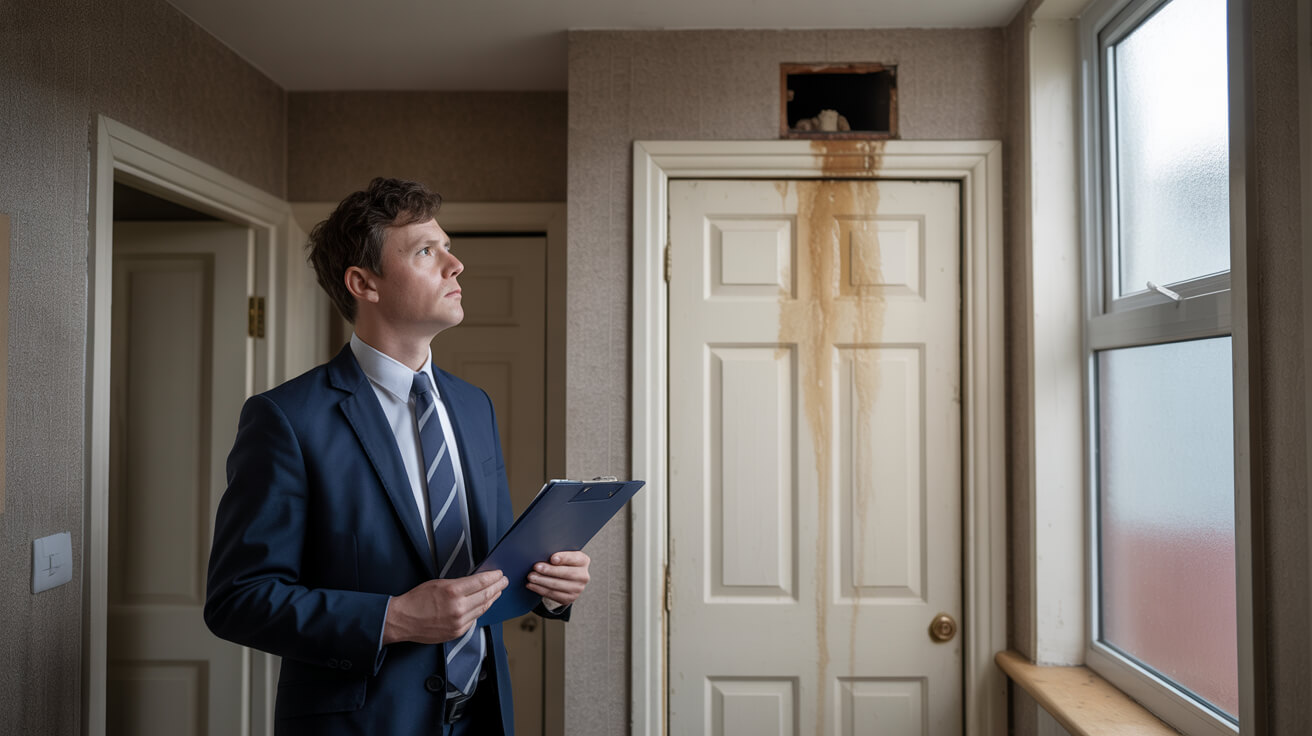
Most EPA headaches begin with a letter—ignore it, and minor hassle becomes major risk. Once a notice or tenant complaint arrives, the countdown to penalty starts fast.
At Sussex Damp Experts, we do not wait and hope:
- On-site within hours: Our surveyors respond to council timelines, not contractor comfort, matching government urgency with focused, professional diagnostics and documentation.
- Repair plans tied to compliance schedules: Action plans, trades coordination, and all paperwork align strictly to legal deadlines—no gaps, no excuses.
- Evidence-linked communication: From first notice to final clearance, every update, fix, tenant conversation, and official reply is timestamped and linked for regulatory review.
“Hesitate, and costs soar—councils penalise poor record-keeping and late action above all.”
By handling abatement timelines, evidence creation, and all stakeholder messaging, we take compliance risk off your plate. When others scramble, your record is already assembled, accurate, and ready for review, keeping your costs—and stress—firmly under control.
Does Communication Really Matter? How Stakeholder Engagement Locks in Compliance

Many property disputes stem not from the presence of damp, but from silence or unclear communication around it. The EPA requires more than technical fixes; it demands proof that every party—tenant, owner, and contractor—was kept fully informed throughout.
- Occupant reassurance: Residents receive plain-English updates about risks, remediation, and next steps.
- Clear mapping of duties: Everyone involved sees in writing who’s responsible for each step, with electronic signatures for full transparency.
- Full archive of all exchanges: Every text, email, or letter is catalogued—so if disputes surface months later, you can prove process, intent, and resolution every time.
Most legal disputes are seeded by broken communication. Clear chains prevent escalation before it starts.
We bake this engagement into our workflow. Result: complaints are rare, investigations are short, and councils see you as a diligent, responsible property manager—earning time and goodwill that translates directly to lower risk.
How Can Long-Term Compliance and Maintenance Safeguard Your Property’s Profitability?

Compliance isn’t a one-off event. Once fixed, damp and mould must be documented, monitored, and re-validated. Councils, insurers, and lenders increasingly demand a multi-year audit trail: no “paper-thin” certifications and definitely no let-up in aftercare.
Our approach is built for asset longevity and liquidity:
- Evergreen compliance packs: Warranty certificates, maintenance logs, improvement recommendations, and signed surveys—kept together for future-proofing.
- Automated reminders: No missed reviews or expiry dates—digital prompts ensure you and your contractors stay ahead.
- Records that age well: Every update, maintenance, or inspection is logged and version-tracked, reflecting evolving standards and regulatory changes.
“A missing document at sale or inspection can cost you a mortgage, a claim, or a buyer.”
This living compliance file doesn’t just ready you for next month’s audit—it smooths sales, protects market value, reassures lenders, and guards against retrospective claims. With Sussex Damp Experts, your compliance journey becomes an asset, not a burden.
What Value Does True EPA Compliance Deliver—And Who Notices?
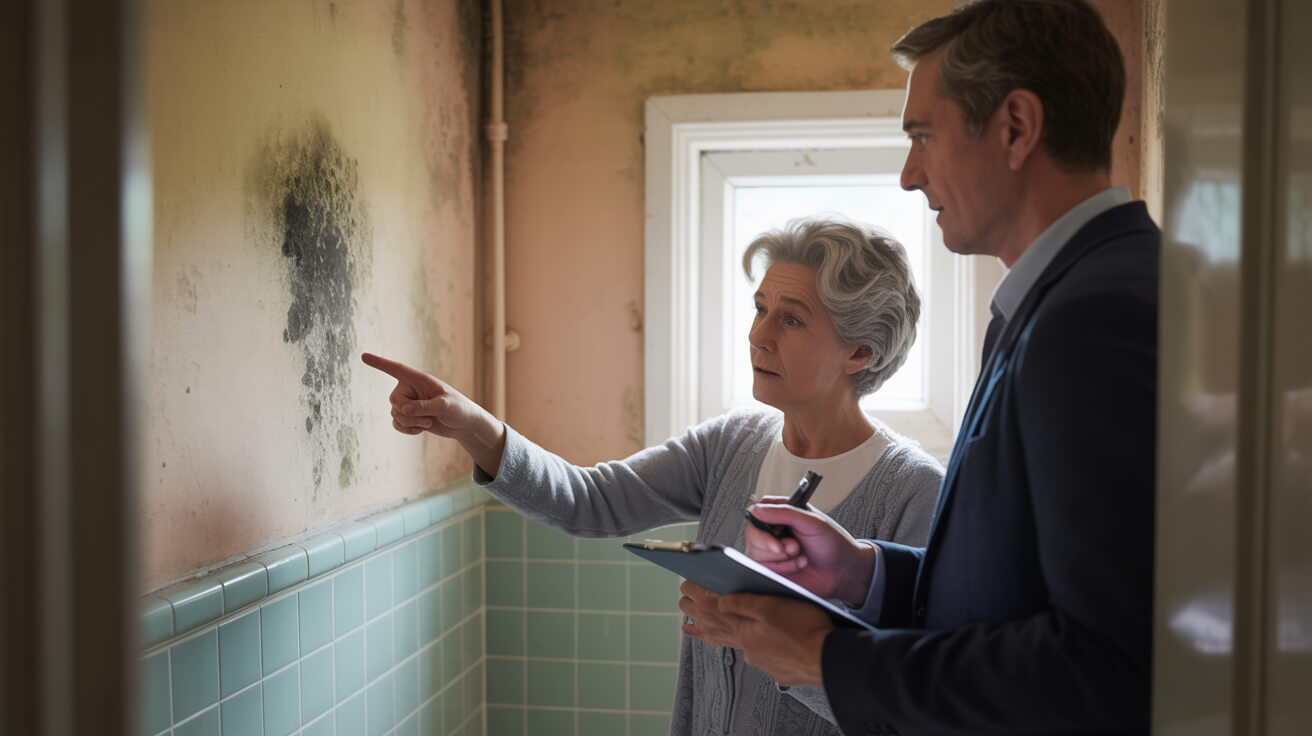
EPA 1990 compliance isn’t just a defensive shield; it amplifies your reputation, market access, and operational stability. Data shows properties with full documentation, aftercare, and transparent remediation experience:
- Fewer tenant and authority complaints: Up to 40% fewer statutory interventions are reported among audited portfolios *(Shelter, NHS data)*.
- Faster financing and sales cycles: Mortgage offers and insurance quotes processed faster for “compliance positive” properties.
- Sustained tenant loyalty: Transparency and clarity drive longer tenancies and positive word of mouth—a win for cashflow and local reputation.
- Legal leverage: In disputes, your file provides unambiguous proof, neutralising false or exaggerated claims before they escalate.
“Risk turns into asset value when your file is as strong as your building is dry.”
This transformation reframes compliance from grudge spend to profit lever, setting you apart with regulators, tenants, and buyers. When your record is robust, your assets move, your rent returns climb, and your headaches shrink.
Safeguard Your EPA 1990 Compliance with Sussex Damp Experts Today
EPA 1990 compliance is non-negotiable, unpredictable, and ever-evolving. A neglected corner of mould can spiral from home comfort issue to regulatory showdown in weeks. Without airtight survey, evidence, aftercare, and communication, you risk everything: value, liquidity, and peace of mind.
Sussex Damp Experts delivers total assurance. Our accredited team pairs rigorous, council-ready diagnostics with evidence-driven remediation, ongoing digital record-keeping, and gold-standard aftercare. Every report, photo, and action completes your living compliance file—accessible any time to you, your tenants, agents, or regulatory authorities.
“You cannot control when the next inspector knocks—but you can control how confidently you answer.”
Trust your EPA 1990 compliance—and your property legacy—to a team that makes enforcement officers nod, not frown. Let Sussex Damp Experts put your portfolio on solid ground: resilient, protected, and unbeatable in any compliance test.
Frequently Asked Questions
What legal conditions trigger statutory nuisance enforcement for damp or mould under the Environmental Protection Act 1990?
Statutory nuisance is triggered the moment damp, mould, or condensation impacts health or normal living standards—well before a room’s walls look stained or the air turns musty. Under the Environmental Protection Act 1990, if moisture or fungal growth in a property puts the well-being of occupants at risk, or causes recurring discomfort, councils are compelled to act, often after a single complaint or health report.
Persistent symptoms—black mould, constant wet surfaces, lingering odour—can count as “statutory” if they are likely to worsen health, especially for children, elderly residents, or those with existing illnesses. Once a council’s environmental health team receives credible evidence, they must investigate rapidly, often issuing abatement notices with deadlines as short as seven days. This isn’t just red tape: failure to act can escalate straight to fines or prosecution, even if landlords tried a quick fix or blamed “lifestyle” factors.
The law doesn’t care if you see the mould—if conditions put people at risk, enforcement is a certainty.
Unlike minor leaks or splashes, law-triggering nuisance relates to any damp-driven hazard—whether that’s rising damp through a failed DPC, hidden condensation, or a pattern of complaints from “hard-to-inspect” basements and solid walls.
Enforcement Triggers & Immediate Response
- *Documented health risks*: Reports tying illness (e.g., respiratory problems) to living environment.
- *Unresolved complaints*: Tenants, neighbours, or social/health workers filing repeat concerns.
- *Failed or cosmetic-only repairs* flagged by council revisit or lender surveyors.
- *Entrenched damp sources*: Older properties, let flats above food outlets, or poorly converted HMOs.
Proving robust action starts at the first sign of trouble, not after a formal complaint. Inspect, document, and act quickly—councils won’t wait for “perfect” weather or tenant convenience.
How should landlords and agents build a defensible compliance record for damp or mould complaints?
To shield yourself from enforcement, every step—diagnosis, repair method, communications, and aftercare—must be locked into a systematic, time-stamped compliance log. This is not “best practice.” It’s the only lifeboat when councils, courts, or insurers challenge you.
A compliant record begins with professional surveys referencing BS6576 or BS8102, proceeds through photo evidence (ideally date-tagged with moisture metre readings in frame), and collects every invoice, method statement, and warranty in one place. Communication is vital: all letters, messages, access agreements, and tenant advice should be kept in the chain, each dated and referenced.
A scattered file is as much use as a leaky gutter. Your compliance pack should be council-proof—evidence stacked, chronologically clear, and signed by those who did the work.
Components of a Legally-Persuasive Log
- *Surveyor inspections*: Use PCA or RICS-accredited professionals, referencing BS and PAS codes.
- *Visual & digital evidence*: Timestamped site photos, annotated moisture mapping, and follow-up logs.
- *Signed communication*: Every interaction with tenants, agents, or tradesmen dated and summarised.
- *Detailed aftercare*: Warranty conditions, routine checks, and concrete guidance for occupants.
- *Proof of council deadlines*: Abatement notices, responses, and completed action breakdown with dates.
- *Stakeholder mapping*: For HMOs and blocks—who is responsible for what, legally and operationally.
Avoid shortcuts like “before-and-after” shots or invoice lists—authorities expect full causal documentation, not just surface proof.
Sussex Damp Experts consolidate and update this compliance chain by default, eliminating panic and gaps when legal or council scrutiny arrives.
What are the direct legal and financial risks if EPA 1990 damp or mould complaints are ignored?
Delaying action on damp or mould once a statutory nuisance is declared puts you on a rapid conveyor belt to fines, lost licences, and damaged reputation. Non-compliance under EPA 1990 is a criminal offence from the date an abatement notice expires—and there are no upper limits to the fines courts can apply.
Abatement notices carry enforceable deadlines; miss one and local authorities may fix the issue themselves and bill you (with a premium added). Persistent non-compliance often leads to tenants securing compensation for any period spent living with hazardous conditions—and recent trends show claims increasing year on year. For licenced HMOs and blocks, repeated breaches risk not just financial loss but eviction from the sector: councils may revoke or suspend your ability to let, often with little notice.
Every missed report, every delayed repair, is a step closer to criminal liability. Councils and insurers now share data—once flagged, a property stays under scrutiny.
Escalation Pathways
- *Abatement notice*: Legal order to fix the problem—criminal penalties if ignored.
- *Unlimited fines*: Courts have the power to levy substantial financial penalties for each offence.
- *Works in default*: Council fixes, bills owner, and may register a charge against the property.
- *Compensation claims*: Tenants gaining ground via No Win, No Fee action for disrupted living.
- *Licence or insurer loss*: HMO or selective licences revoked; insurers may withdraw cover or flag future policies as high-risk.
- *Mortgage blocks*: Lenders hesitate to release funds for properties with open EPA risk.
Sussex Damp Experts help you avoid escalation by providing hands-on remedial services tied to regulatory timescales, with compliance evidence always current and ready for review.
What documentation do authorities or tenants expect as proof of EPA-compliant remediation?
The gold standard for compliance is a full audit trail: from root cause diagnosis through treatment, handover, and ongoing monitoring, every step should be firmly evidenced with no gaps or ambiguities. Councils expect reports by accredited surveyors, moisture logs, and visual proof alongside signed records of every action, deadline, and communication.
For HMOs, managed blocks, or properties with vulnerable occupants, the paperwork becomes even more stringent. Authorities want evidence of roles and responsibilities, confirmation that advice was explained and received, and evidence that guarantees or aftercare checks haven’t lapsed.
If your file wouldn’t explain itself to a council officer, it won’t hold up in court or with a lender.
Evidence Checkpoints for Robust Compliance
- *Accredited surveyor reports*: Reference to BS6576, BS8102, or PAS2035 as appropriate.
- *Photographic and metre evidence*: Clear before/after images, with moisture readings visible and dated.
- *Completed corrective works*: Receipts, method statements, and lists of materials matching the problem.
- *Tenant communications*: Notices of entry, advice handouts, aftercare and guarantee letters all signed and dated.
- *Council interactions*: Copies of all notices/letters exchanged, with actions documented.
- *Ongoing monitoring*: Inspection logs, warranty check-ins, and aftercare visits recorded over time.
- *Multi-party cases*: Stakeholder role maps, signed consent forms, and handover chains for complex dwellings.
With Sussex Damp Experts, these records are systematised—delivered as a council- and lender-readable package, keeping your compliance ticking even in complex scenarios.
Why do Sussex Damp Experts outperform typical contractors in EPA 1990 compliance?
Where many providers “patch and dash,” Sussex Damp Experts set themselves apart by operationalising British Standards from day one—providing traceable, digital evidence every step of the way. Properties are surveyed by technical specialists referencing the latest codes (BS6576, BS8102, PAS2035), with each remediation step recorded, photographed, and archived for at least ten years.
Clients benefit from ongoing legal and council support—Sussex Damp Experts liaise with authorities, ensure deadlines aren’t missed, and adapt systems to suit unique building types (from solid Victorian walls to mixed-use HMOs and heritage-listed blocks). Aftercare is not a box-tick but a scheduled process—annual checks, maintenance advice, and warranty verifications form an unbroken chain of compliance proof.
When your paperwork is bulletproof and your site works are referenced to the right standard, council notices turn to sign-offs—and your reputation soars above the rest.
Compliance-First Methodology
- *Forensic diagnosis*: Survey-led services with compliance references embedded throughout.
- *Digital logs*: Time-stamped, evidence-anchored documentation for each stage.
- *Real-time council/agent liaison*: No delays between problem, response, and paperwork delivery.
- *Aftercare and monitoring*: Scheduled site revisits and warranty tracking, not just “call if it’s damp again.”
- *Audit-ready packs*: Records stored for fast retrieval in case of lender or legal scrutiny.
- *Adaptation across property contexts*: Protocols flex for heritage needs, managed blocks, and new build quirks.
Working with Sussex Damp Experts means less anxiety, full protection—and a compliance process that lets you focus on tenants, not tribunals.
Which buildings or ownership scenarios are most vulnerable to EPA non-compliance enforcement and why?
The highest-risk properties for non-compliance are those where complexity, divided responsibility, and historic oversights increase the chances of something slipping through the cracks. Victorian and Edwardian homes with fossilised DPCs, HMOs or conversions with rapid tenant turnover, and flats above commercial units—all create challenges for staying ahead of both damp and the law.
Managed blocks or properties shared between multiple landlords and agents struggle with role clarity, while tenancies involving children, older adults, or those under medical care trigger much stricter legal obligations.
Non-compliance doesn’t wait until you see plaster bubbling or tenants complain—it snowballs from gaps in accountability, inspection, or documentation.
High-Risk Triggers by Property Type
- *Victorian, Edwardian, and solid-wall dwellings*: Deep-set, often hidden rising or penetrating damp.
- *Multi-occupancy homes (HMOs/conversions)*: Accountability ambiguity and high-velocity issues.
- *Above restaurants/shops*: Persistent condensation and subpar ventilation with greater enforcement attention.
- *Managed estates and blocks*: Untracked handovers, half-done “repairs,” or mismatched documentation.
- *Properties with repeat council history*: Historic flags stick—once on a compliance watch-list, extra scrutiny follows.
- *Tenancies housing the vulnerable*: Health law and council action join forces where medical risk exists.
Sussex Damp Experts adapt their compliance chain for every context—preventing enforcement, protecting reputation, and ensuring operational confidence.
Elevate yourself from compliance anxiety and last-minute panic. Sussex Damp Experts offer a fully traceable, standards-driven route from survey to sign-off, making every audit, council query, or lender inspection a formality. When the risk of missing something matters most, our systems become your assurance.

