
 By
By  August 26, 2025


Why Do Councils Serve Improvement Notices for Damp and Mould—and What’s Really at Risk if You Stall?
A council improvement notice tied to damp or mould isn’t a gentle nudge—it’s a legally mandated demand for urgent change. Local authorities serve these under the Housing Act 2004 when your property doesn’t meet the safety criteria of the Housing Health and Safety Rating System (HHSRS). Typically, the trigger comes from a tenant complaint, a surveyor’s inspection, or mounting visible signs: think black mould, bullseye damp patches, or long-standing musty air. Category 1 hazards (immediate, serious risks to health) push councils to act with little delay, while Category 2 issues (dangerous, but less urgent) are still non-negotiable. Your clock is ticking once that paperwork arrives—usually 21 to 28 days to act before penalties ignite (Shelter 2024; Croydon Council 2024).
Even a routine notice hides a real threat: your response time decides if you face fines, forced repairs, or eroding property value.
This notice isn’t just a warning; it’s a line in the sand. If you respond with shortcuts—like a coat of paint hiding black mould—you risk not just larger fines and prosecution but repeat visits, increased costs, and the council stepping in to do the work on your tab. Your intentions won’t matter: only proof that the original issue is fixed, documented, and systematically tackled will satisfy enforcement (Housing Act 2004, s30–32).
A landlord who dismisses the urgency or assumes minor repairs will get them off the hook usually faces a cycle of escalating intervention. For landlords or managers, this isn’t just about one case—it’s about future lending, tenant retention, and reputation across Sussex agencies and portfolio buyers.
If the HHSRS “Category 1” box is ticked, you’re on a legal firing line. Miss the deadline, and the council can (and often will) take direct action and recover their costs with interest. It’s also a reputational red flag across lender databases—affecting re-mortgaging, landlord insurance, and even winning new tenants. This applies whether you manage one flat or a 50-unit block in Brighton.
What Kind of Evidence Shields You When Allegations of Damp Spiral—or When a Legal Case Lands?
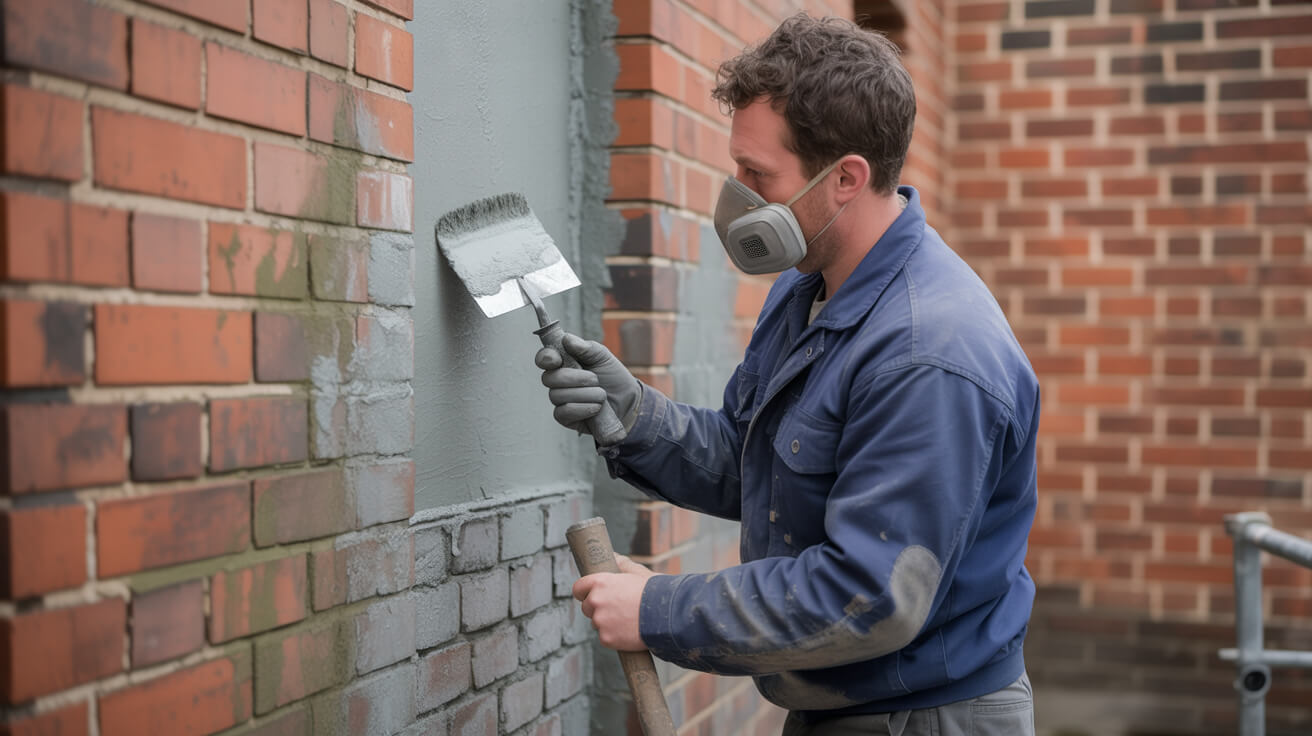
Solving a damp dispute safely—and proving it—relies on one thing above all: a rock-solid, forensic-quality paper trail. The law, insurers, ombudsmen, and buyers don’t care about intent—they want time-stamped evidence and a documented chain of decisions and repairs. Hasty photos, text threads with tenants, or DIY receipts aren’t enough in a dispute. For Sussex landlords, the difference between closing a case and wading into months of claims comes down to your record-keeping discipline.
Your paper trail is your lifeline: when allegations escalate, it’s documentation—not good faith—that shields your asset.
Create a file that covers each stage: surveyor-grade inspection reports, pre- and post-work photos, formal communications with tenants and contractors, quotes, invoices, and any certificates. Demarcate dates and locations in every photo—council teams and future buyers will require it (Croydon Council 2024; Shelter 2024). If you’re asked for more time or clarification during a council dispute or court action, this “gold file” is your first and last defence.
In practice, the most secure records will tie symptoms (mould patches, peeling wallpaper, salt staining) directly to root causes (condemned render, blocked air bricks, failed DPC). Surveyor reports should link each visible defect to a plausible moisture pathway and proposed fix. When every chain in this process is clear, councils—and crucially, mortgage lenders—are much likelier to accept that the original problem won’t just reappear.
Growing numbers of banks, insurers, and letting agents now demand historic repairs documentation before approving loans, policies, or even agreements, recognising that “the paperwork outlives the paintwork.” Armed with well-organised, audit-ready files, you’ll neutralise tenant grievances, refute council misclassification, and even improve future sales value.
How Do Landlords Prove They’ve Tackled the Real Problem Beneath the Surface—Not Just Dressed It Up?

Surface treatments—fresh emulsion, “anti-mould” spray, or hopeful vent tweaks—don’t withstand council reinvestigation or tenancy challenges. Enforcement teams expect to see not just that visible symptoms disappeared, but that their causes have been mapped, measured, and addressed by evidence-led intervention.
The safest way is to commission an independent, surveyor-led diagnosis. This should cover:
- Moisture profile mapping: —quantitative readings across affected substrates
- Salt analysis: —identifying hygroscopic deposits that reveal rising or penetrating damp
- Ventilation and atmospheric assessment: —proving if excess humidity is structural or tenant driven
Quick fixes dissolve under scrutiny; only a forensic approach satisfies HHSRS standards and closes a file.
UK and Sussex standards (BS 6576 / 8102) require more than a repair receipt. Your report should specify why the chosen method (say, chemical DPC) fits this property, substrate, and moisture path. If a tenant is blamed for inadequate ventilation or indoor laundry, only time-stamped data and a clear log of landlord interventions stand up to legal review (BS6576 2022; Shelter 2024).
This approach also helps in negotiating council deadlines or defending at tribunals and ombudsman hearings. The council’s focus is always “risk eliminated?”—not “was effort expended?”. Present an evidence-backed solution and you move from adversary to partner.
What Does a Council-Proof (and Lender-Proof) Damp Remediation Plan Actually Require?

Councils, lenders, and agents want more than a builder’s invoice—they want a remediation plan that demonstrates technical competence, regulatory fluency, and forward-planning. The plan should include a schedule with:
- Clear identification: of every affected room or wall—ideally with diagrams, photos, or layout plans
- Referenced repair methods: (e.g., tanking, chemical DPC, external membrane) citing British Standards (BS 6576/8102)
- Specification of all materials: (including brand/type for long-term suitability and warranty compliance)
- Timeline and disruption plan: , noting when tenants will be affected and exact handover/risk windows
- Formal scope of works (with surveyor sign-off)
- Invoices and signed certificates: —not DIY receipts
- Pre- and post-repair digital images: , all date- and area-stamped
A bare-bones fix will cost more in repeat notices, lost tenants, and nervous lenders. A robust remedial file is an investment in audit-proofing and value retention.
Best practice bundles this file into a single digital folder (or cloud share) that can be copied to agents, portfolio buyers, lenders, and tenants upon request. The effort up front translates to fewer emergencies, clearer handovers, and less stress—not just for this year’s inspection, but future property cycles.
How Should You Communicate Damp Repairs—and Defend Decisions—Without Putting Yourself at Legal Risk?
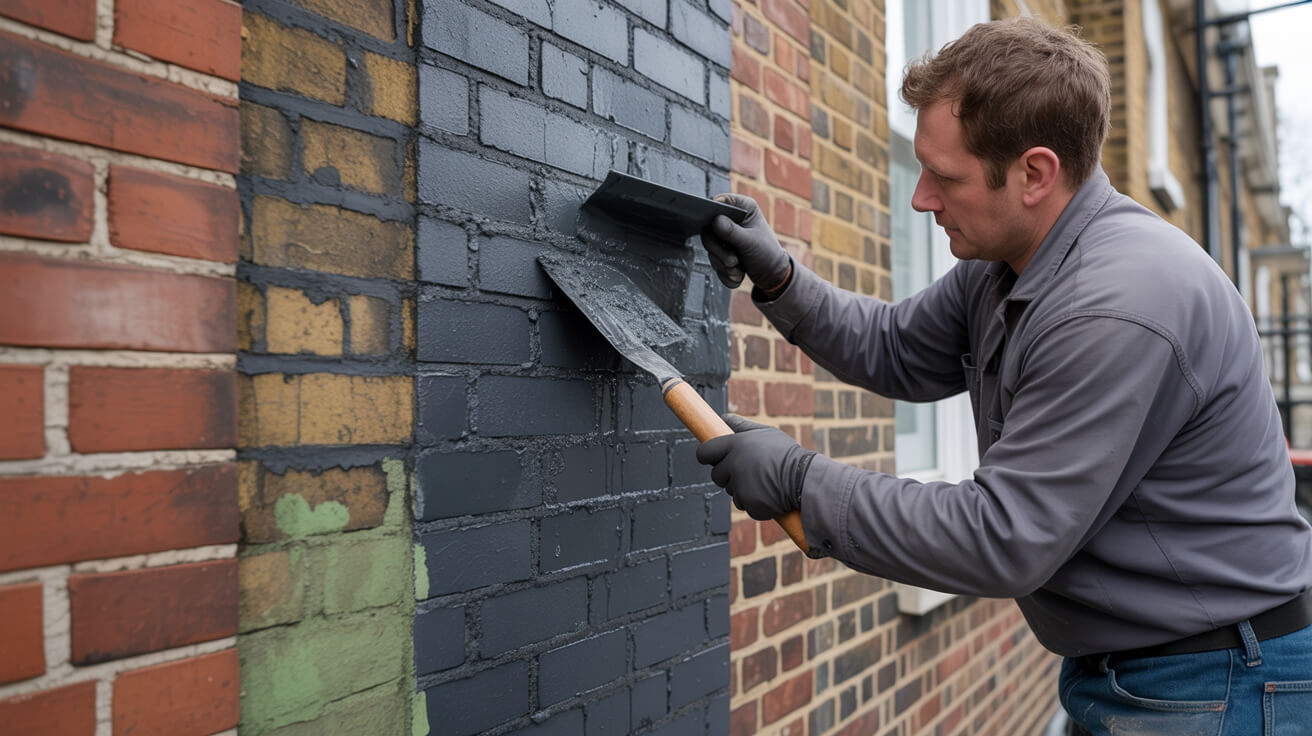
In the UK legal environment, every interaction can be challenged or put under the microscope. The safest play is full, clear, and redundant documentation of all communication. Every inspection, work date, or tenant notification should be written, with date, time, and specific action described—ideally by email (not WhatsApp or SMS).
If your communication isn’t captured in a retrievable format, it’s as if it never happened.
Educate tenants proactively: issue a plain-English guide on what to report, how to ventilate, and why cooperation matters. Don’t shift blame even if tenant behaviour contributed—unless you’ve got a chain of prior reminders, evidence, and expert opinion supporting your position. Respectful, informative dialogue both lowers dispute rates and demonstrates compliance if the case escalates (Citizens Advice 2024; Housing Ombudsman 2023).
Estate and letting agents need the same records and updates—repair timelines, certificate copies, and preemptive notifications for their compliance files. Providing these supports their own reputation, reducing the chance of a dispute with you or your tenants. This is especially vital when managing multiple units or short-let portfolios where turnover is high and historic memory is thin.
Why Accredited Contractors and Robust Guarantees Make the Difference on Future Audits and Repeat Scrutiny

Choosing credentialled contractors—ideally with PCA (Property Care Association) or TrustMark accreditation—future-proofs your compliance. Unaccredited “quick fix” work often unravels under later tests or mortgage checks, leaving you exposed to disputes, insurance refusals, or forced reworks at double the price.
- Use surveyors and trades working to BS 6576/8102 (or more advanced) standards
- Secure transferable warranties: —preferably insurance-backed, especially if selling or restructuring an asset soon
- Get all handover and compliance documentation signed and retained
Only accredited teams produce the paperwork, guarantees, and service records that councils and lenders insist on seeing.
These measures give you an edge if you face a challenge: fewer callbacks, lower costs, and—crucially—a defensible position whether the challenge comes from a council, buyer, or regulator (TrustMark 2024; BS6576 2022). Store all documentation in both physical files (for legal safety) and digital folders (for rapid retrieval during out-of-hours enquiries or surprise audits).
What Long-Term Systems Keep You “Compliant” (and Unflappable) When Inspections, Audits, or Crisis Strike?

Staying compliant isn’t done when your latest council issue is closed; repeat offenders are flagged for random audit, and “old” cases often return unexpectedly when a property is sold, refinanced, or tenant turnover triggers new inquiry. The only real protection is a long-term, systematic approach.
Keep a full repository of all correspondence, surveys, tenant exchanges, repairs (including photos and certificates), and log everything for at least five years. Proactive landlords in Sussex increasingly run annual damp surveys, plug findings into cloud-based maintenance cycles, and track interventions—even if turnover means changing faces.
One-and-done is a myth—council files never quite close, and your history gets checked when it matters most.
This up-to-date file is your shield during council spot-checks, property sales, or lender deep-dives. Not only does it support value retention and hassle-free transactions, but it also makes property management more predictable and less stressful for you, your agents, and your tenants (CommonsLibrary 2022; Mortgage Strategy 2024).
Bring your file up to date, back it up in real time, and make it accessible to stakeholders when needed. That’s how crises stop being financial emergencies—and become routine maintenance.
Contact Sussex Damp Experts for Council-Ready Damp Defence and Long-Term Asset Protection

Facing improvement notices, legal escalation, or tenant threats over damp or mould? Sussex Damp Experts delivers from the ground up: surveyor-grade diagnostics, technical repairs that meet (and exceed) all British Standards, full insurance-backed guarantees, and a documentation pack that keeps councils, lenders, and agents satisfied for years.
You get:
- PCA/TrustMark-qualified surveys and remediation teams (audit-tested)
- Works completed to BS 6576/8102 (for council and lender approval)
- A consolidated dossier: communications, certificates, warranties, and evidence photos—ready for compliance or sale
- Liaison and documentation support for agents, tenants, and portfolio managers
- A straight “council sign-off or your money back” guarantee on qualifying schemes
Successful landlords and managers don’t gamble on minimum fixes; they opt for accredited specialists and see cases close faster, with tighter paper trails and increased asset security.
Protect your asset, keep tenants content, and calm future compliance headaches—contact Sussex Damp Experts. It’s the simplest way to lock down your investment and end the cycle of repeat notices for good.
Frequently Asked Questions
Who holds ultimate legal responsibility when councils issue a damp or mould improvement notice?
If the council serves a damp or mould improvement notice, statutory responsibility lands directly on your plate as the property’s legal owner—whether you self-manage, use a letting agent, or operate via a company. The Housing Health and Safety Rating System (HHSRS) is crystal clear: the council pursues the name on the land registry, not your agent or nominee. Delegating to an agent may shift day-to-day management, but legal liability for hazard elimination, fines, and reputational consequences pins to the titleholder or, if you run through a company, its directors. Section 21 evictions are paused for at least six months once a notice is served, and letting contracts or sub-management deals cannot shield you. Tenants remain responsible for reasonable access and preventing new damage, but aren’t answerable for strategic repairs.
Liability for eliminating damp or mould always traces back to the registered owner—there’s no passing the buck with legal notices.
Can managing agents or corporate ownership insulate you from liability?
- Company structures make directors answerable, not anonymous.
- Agents with full management contracts handle logistics; enforcement still targets owners.
- HHSRS enforcement cuts through nominee or layered arrangements.
The legal system values action over clever paperwork. If in doubt, address the hazard directly—courts and councils always pursue the entity with ultimate control.
What obligations fall on the tenant’s side?
- Tenants must permit access after reasonable notice.
- Willful sabotage or neglect may void tenant protection—but only where council finds clear evidence.
What are the fixed deadlines for landlords after a damp or mould improvement notice arrives?
Landlords have a statutory minimum of 28 days from notice service before required works must commence, as set by section 13(3) of the Housing Act 2004. Councils rarely demand faster action—but real deadlines are stated in your notice and flex based on work complexity. Straightforward interiors get 28–35 days; heritage, complex, or listed properties see deadlines of 42–60 days. Both start and completion dates are stamped on the notice, and missing either exposes you to enforcement or penalty. Delays caused by supply issues, contractor lead times, or specialist consents need written extension requests and evidence—filed with the council before your time runs out. Most authorities favour proactive updates over formal escalation.
Every notice must specify required works and compliance deadlines—landlords who stay ahead on communication rarely face surprise enforcement.
How can landlords manage these deadlines effectively?
- Calendar deadlines and milestone reminders the day you get the notice.
- Confirm all materials and trades in writing to evidence readiness.
- Store extension requests and proofs as PDFs for dispute defence.
What happens if you need more time?
- Councils grant extensions if delays stem from weather, material shortages, or heritage permissions—provided you notify them pre-deadline with proof.
- Failing to meet deadlines without update or cause triggers fines, council contractors, and public registry appearances.
What are the legal and financial risks for landlords who ignore or breach council damp or mould improvement notices?
Ignoring or breaching these notices exposes you to both civil and criminal penalties:
- Civil fines up to £30,000: —issued per hazard or per room not rectified.
- Magistrates’ court prosecution: for persistent or willful breach, leading to unlimited fines and a criminal record.
- Rent repayment orders: Tenants can claim up to 12 months’ rent back in breach cases.
- Council works in default: Authorities appoint their own contractors and recover costs—with interest, and typically at top market rates.
- Landlord bans and rogue registers: Serial offenders face letting bans and public registry listings, reducing future letting or selling potential.
- Section 21 freeze: No ‘no-fault’ eviction if an improvement notice is live.
Multiple Sussex landlords have been blacklisted or fined tens of thousands for ignoring repeated damp breaches—insurers and banks flag these assets.
Partial or shoddy repairs only reset the compliance window and risk escalation. Public records of enforcement can limit your pool of tenants, spook buyers, and erode property value far beyond the cost of timely professional repair.
Is there a smart path if you’re struggling to comply?
- Seek extensions before expiry, always in writing.
- Document proof of effort—councils and magistrates may reduce penalties if they see active engagement.
- Don’t gamble with partial fixes; council feasibility is binary: hazard gone, or not.
How can landlords and agents build a rock-solid evidence trail to defend against damp improvement enforcement?
To avoid enforcement surprises, maintain a layered, digital evidence archive covering:
- Tenant communications: Record every complaint, report, and access request with date stamps and full content.
- Surveyor diagnostics: Use PCA, TrustMark, or RICS-accredited reports—councils and mortgage lenders trust these above all.
- Repair records: Secure all contractor credentials (quotes, receipts, insurance, work stages/after images), named and date-tagged for dispute context.
- Council files and responses: Store all improvement notices, reply letters, extension requests, and completion sign-offs.
- Certification and standards: Retain BS6576/BS8102/PAS2035 certificates, warranties, humidity and post-repair monitoring logs.
- Tenant engagement: Show evidence of preventive guidance (e.g., condensation risk, ventilation leaflets).
An accredited, chronological record can win cases in council hearings and mortgage reviews—a missing folder often loses them.
The archive should cover at least six years. Quick access to relevant files for specific properties is essential. Delayed, missing, or retrospective record-building rarely satisfies compliance scrutiny—maintain your digital house as carefully as your physical one.
Why do landlords still get caught out?
- Overestimating verbal agreements—unwritten promises are worthless in court or council cases.
- Relying solely on agents’ record-keeping—ultimately, the owner bears the burden if files are patchy or incomplete.
- Neglecting aftercare logs—failure to record monitoring or advice opens old cases years later.
How should records be organised?
- Use cloud folders named by year, property, and remediation phase.
- Name every file descriptively for rapid search—e.g., “2024-05-bed2-postDPC.jpg”.
Which industry accreditations and proof-points safeguard your damp remediation works from legal or lending challenge?
Start with credentials: councils and lenders react best to repairs and surveys by PCA (Property Care Association), RICS (surveyors), TrustMark, and evidence of British Standard (BS6576, BS8102, PAS2035) compliance.
| Expert Role | Must-Have Accreditation | Documentation for Council/Mortgage |
|---|---|---|
| Surveyor | PCA or RICS | Full diagnostics, methodology report |
| Contractor | TrustMark, insured warranty | Quotes, receipts, certificates, before/after photos |
| Repairs & Method | BS6576, BS8102, PAS2035 | Detailed work description, completion certificate, digital log |
- Always insist on insured warranties for works—repairers unable to show coverage or compliant process often sink deals.
- Retain digital bundles of diagnostics, repair details, and completion reports—one error or omission means repeat council inspection or lender withdrawal.
- Council officers look favourably on proactive updates (before/after images, conformity certification), and so do mortgage providers.
- Properties without a clean, signed-off evidence pack will rarely proceed smoothly in sale, refinance, or upon council review.
Jobs without accredited paperwork are those most often rejected by councils and sidelined by lenders.
How to vet specialists:
- Ask for up-to-date accreditations—inspect, don’t just trust.
- Verify insurance or TrustMark status online.
- Cross-check completed works against British Standard requirements, especially for heritage or basement jobs.
How do damp improvement notices—current or historic—reshape your property’s lending, selling, and long-term risk landscape?
Active or unresolved improvement notices lock up your property’s financial and operational future. Sales are delayed or derailed if buyers or lenders spot gaps in the remedial record; incomplete sign-offs mean mortgage refusals and stalling in the survey process. Insurers raise premiums or deny cover if a property lacks a clear remedial closure trail, sometimes voiding cover mid-term if legacy issues resurface. Local authority registers and public “rogue landlord” databases are now checked as routine by buyers and tenants—persistent unresolved notices drag down desirability, even after repairs are finally made.
A single outstanding notice or missing file can kill a deal long after the actual problems are gone.
Landmarks for protecting asset value and reputation:
- Complete all council closure paperwork—anything less remains visible to lenders, insurers, and prospects.
- Pair every sign-off with digital, time-stamped evidence packs.
- Use accredited contractors and surveyors for all key steps; anything less almost always leads to repeat scrutiny.
- Keep a running log of aftercare, monitoring, and tenant guidance to prove sustained compliance.
Properties remediated according to council protocol and British Standards—with every proof in order—re-enter the lending and letting pipeline much faster. Sussex Damp Experts’ documented remediation pathway moves problematic assets back into lenders’, agents’ and buyers’ good books efficiently—helping you reclaim value and showcase documented responsibility.
A single council notice can cost you tenfold in lost value, reputation, or opportunity. Treat each one as a public safety flare—and respond with trusted specialists and watertight evidence.

