
 By
By  August 26, 2025


Why Damp and Mould in Rentals Are a Legal Time Bomb for Landlords
Damp and mould issues in rental properties are never just about unsightly patches or surface stains—they point directly to a landlord’s duty under UK law, especially the Environmental Protection Act 1990 (EPA 1990). If ignored, even minor patches can fast evolve into full-scale statutory nuisances—the kind that draw council eyes, legal orders, and serious financial pain. The EPA 1990 spells it out: as a landlord, you have an unbreakable duty to ensure any property you let is not hazardous to tenant health or local surroundings.
What creeps in slow—damp, condensation, or faint mould—can kick down the door as a statutory nuisance, with costs and consequences landlords rarely see coming.
This legislation isn’t a theoretical shield. It’s hardwired to protect public health. Persistent damp and mould are recognised as major contributors to respiratory disease, long-term illness, and poor living standards (NHS/PHE; Housing Committee, 2023). Local authorities are now empowered to inspect any property—private or social—on suspicion or complaint, and to enforce compliance if there’s a whiff of hazard.
For anyone renting out property, legal prevention isn’t just wise advice—it’s your most practical, affordable insurance policy.
The Modern Reality of Landlord Compliance
Your obligations aren’t “tick boxes” or PR. They are live wires, judged daily. Being on the front foot—fixing root causes, proving inspections, detailing repairs—makes the difference between sleepless nights and peace as a property professional.
How the Environmental Protection Act 1990 Classes Damp and Mould as “Statutory Nuisance”

Under Section 79 of the EPA 1990, a property becomes a statutory nuisance if conditions exist that are “prejudicial to health or a nuisance.” Persistent damp patches, black mould blooms, peeling or bubbled paint, and the chill of untreated condensation risk all land squarely in this definition. A single inspection can trigger this designation; the tenant’s formal complaint isn’t required. If the physical environment threatens health, the law jumps into action.
What Powers Does a Council Have?
A local authority officer discovering this state of affairs can:
- Serve an abatement notice: This is a formal order demanding that specified works are completed to remove or control the nuisance within a set window. Miss the date, and you’re on dicey ground.
- Complete repairs at your expense: If you don’t comply, the council can step in, do the work, and bill you every penny—including staff time.
- Prosecute in court: Fines stack fast—one breach per day, plus criminal penalties for ongoing resistance or repeat behaviour.
Statutory nuisance findings are based on evidence—photographs, logs, or even a whiff of mould at inspection. If a property is “likely to endanger health,” severity isn’t up for debate.
It only takes one council letter—often unexpected—to put your entire portfolio at risk.
The days of “We’ll deal with it later” are over.
What Precise Legal Steps Must Landlords Take to Prevent and Combat Damp or Mould?

EPA 1990 obligations go far beyond cosmetic improvements. You are required to take all reasonable and proven steps to prevent, identify, and repair damp and mould at the root—not simply patch over the problem. This is now statutory best practice.
The Real “To-Do” List for Legal Diligence
- Tackle building faults immediately: Roof leaks, gutter failures, cracked render, and defective damp proofing are urgent priorities. Delay amplifies damage and legal risk.
- Address internal faults: Any sign of water from pipes, failed heating, out-of-action extractor fans, or even tell-tale rising damp, should trigger instant repairs.
- Upgrade and maintain ventilation: Modern extractors, trickle vents, and Positive Input Ventilation (PIV) systems should be regularly tested and serviced—missing kit is a red flag.
- Maintain consistent heating: Cold fosters condensation, which is a highway to black mould and tenant complaints.
- Document every inspection: Every site visit, new tenant move-in, storm follow-up, or scheduled check must have time-stamped, photographic, and written records.
- Keep bulletproof documentation: Digital logs, photographs, receipts, professional reports—these are the “receipts” that win council or court battles.
It’s the process behind your repairs—not just their presence—that matters most. The council looks for proof of anticipation and ongoing prevention, not just emergency patching.
Proving Your Efforts: Real Evidence, Not Promises
Court cases are routinely won or lost based on the clarity of a landlord’s paperwork, not their stories. A folder of logged maintenance, inspection records, and professional surveyor reports is your strongest shelter when the wind blows.
What Triggers Enforcement—and How Bad Can It Get for Landlords?
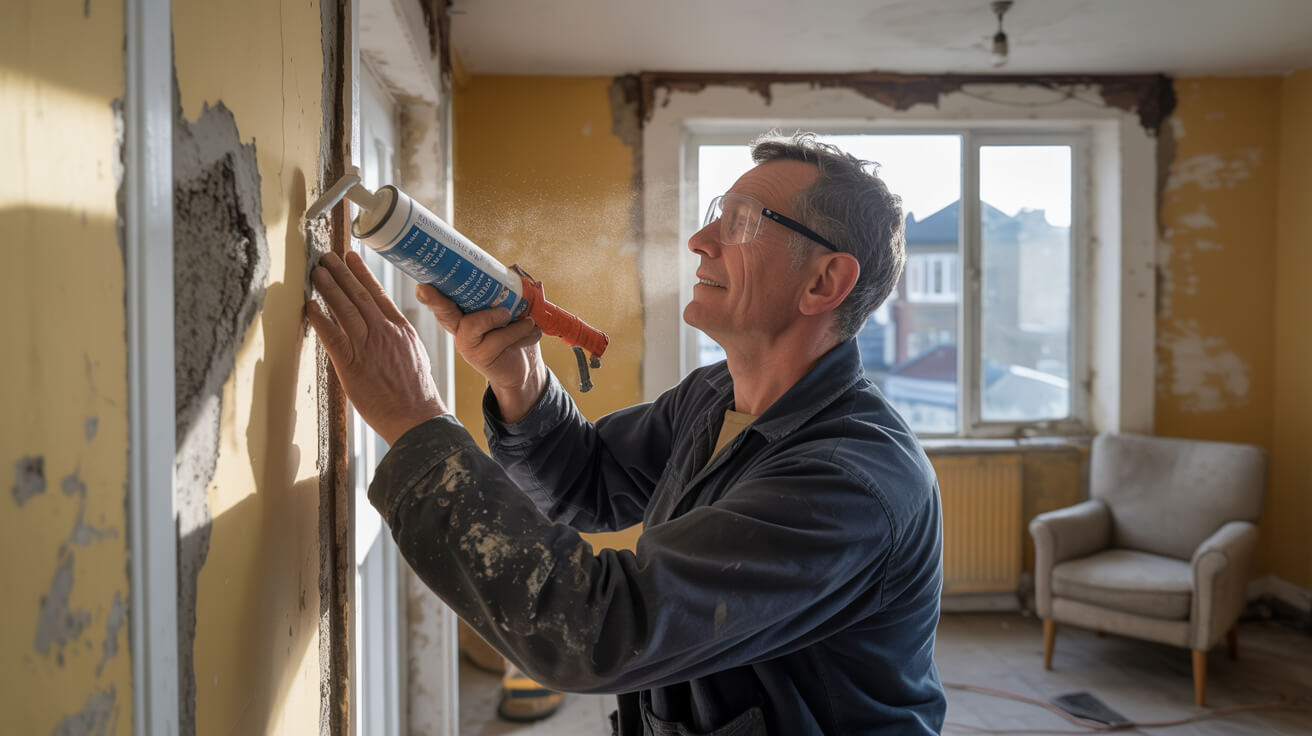
Enforcement does not require a disaster or even loud tenant complaints. Local councils act on:
- Direct tenant, neighbour, or third-party reports
- Anonymous tip-offs, social worker alerts, or routine neighbourhood blitzes
Once an environmental health officer sees “prejudicial to health” damp or mould, formal procedures begin—often at speed.
An abatement notice is not a warning shot—it’s the legal starter pistol.
Consequences of Failing to Act:
- Council “step-in” repairs: The council fixes, then recoups full costs—often several times higher than a private job.
- Daily fines and court action: Each day paints a bigger cost—up to thousands per week, plus legal fees.
- Severe bans and sanctions: Repeat or egregious failings, especially in properties with children or vulnerable adults, trigger bans on letting or even criminal prosecution.
- Insurance and lender risk: Insurers may refuse claims on properties under statutory notice; mortgage providers can flag or freeze loans.
The Awaab Ishak case wasn’t a one-off. Both social and private landlords are now scrutinised at a new intensity (UK Parliament Housing Committee, 2023). Even a minor delay can wipe out profits for years.
What Counts as “All Reasonable Steps”—and How Can a Landlord Prove It?

There is no loophole: “all reasonable steps” means “do what a prudent, informed landlord would do, before tenants are at risk.” Landlords who react only after a complaint are already on the back foot.
Essential Practices for Proving Compliance
- Keep a detailed logbook: Record every damp investigation, repair, or tenant report—date it, time it, and store securely.
- Respond quickly to tenant reports: Proactively investigate moisture issues within *two days*; prioritise the vulnerable.
- Routine exterior and interior surveys: Schedule gutter, roof, and window checks after storms and every autumn or spring.
- Service critical systems: Investigate or fix even minor plumbing, heating, or ventilation glitches before they spiral.
- Instal prevention tech: Fit humidity sensors and moisture monitors—document all readings and follow up.
Professional landlords and agents: create chains of accountability. Who’s responsible? Who checks the work and timelines? Keep accountability crystal clear and visible through documentation.
In a dispute, records command; guesswork gets you nowhere.
Courts and councils don’t just “trust”—they measure your consistency and depth.
Why Fast, Thorough Action Shields Landlords from Legal and Financial Fallout
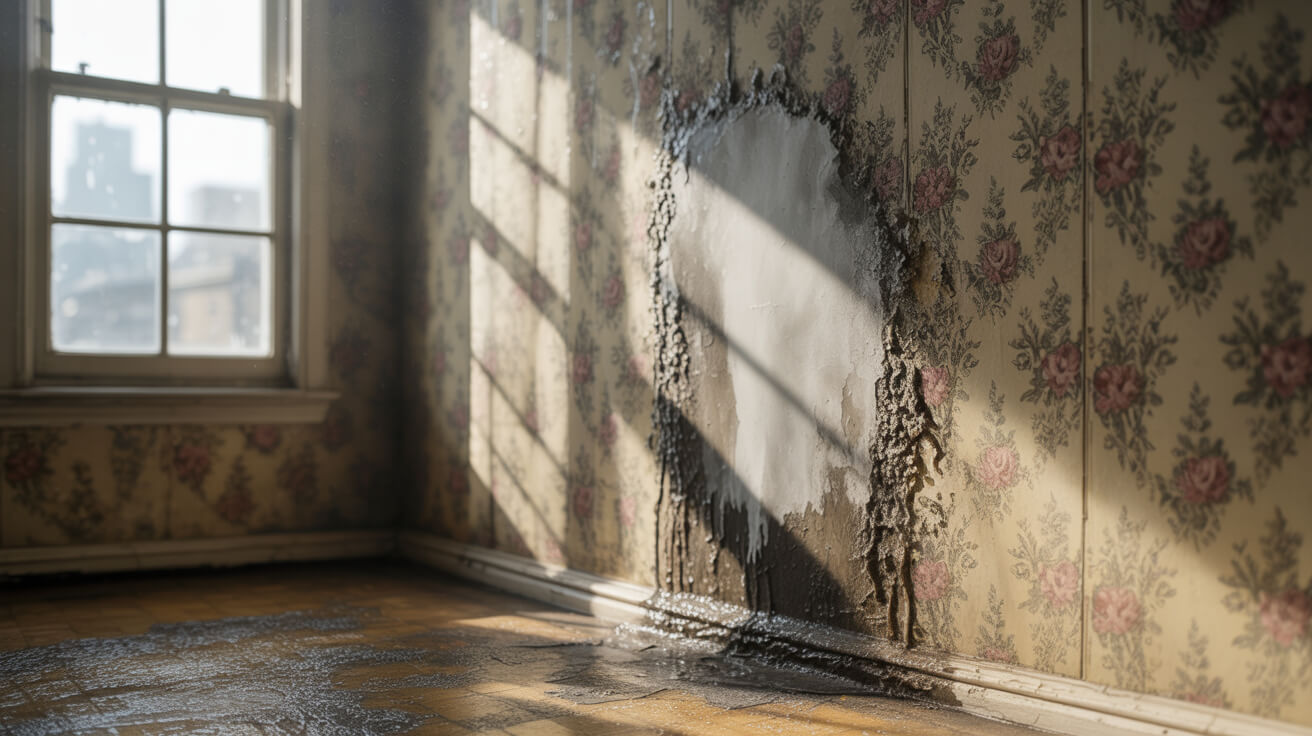
Delaying repairs never cuts costs—it simply multiplies them. Damp is water on the march: seeping through plasterwork, wrecking joinery, and exploding repair budgets.
Risks of Delay and Inaction
- Plummeting property value: Surveys flag unresolved damp for buyers and lenders. Sales stall, remortgaging halts.
- Tenant health and compensation: Illness causes claims, mandatory rehousing, and mounting admin headaches.
- Lost rental income: Enforcement notices can block new tenancies or eject current ones until repairs finish.
- Reputational hits: Public action by environmental health appears in searchable registers, lowering trust with buyers and tenants alike.
- Insurance refusals: Claiming for mould or structural damage flops if maintenance fails or duties aren’t met.
A minor drip, left unchecked, grows into a full-blown insurance, legal, and reputational disaster.
Every proven hour spent on proactive maintenance is a pound saved in court.
Which Everyday Prevention Habits and Upgrades Keep Your Properties Complaint-Proof?

Legal safety isn’t about luck—it’s systems, records, and culture. Build these into your rental business:
- Assign regular damp and condition checks: Use a yearly “moisture calendar,” increasing to post-storm, post-works, or high-humidity intervals.
- Train everyone touching your property: From caretakers to agents, ensure anyone on-site scouts for leaks, musty smells, or stained paint.
- Get professional help where needed: Challenging materials, heritage settings, or persistent problems should mean a PCA-accredited damp survey (per BS 6576/HHSRS).
- Upgrade and service ventilation: Swap tired fans, check PIVs, and introduce “smart” controls to keep air—and compliance—moving.
- Evidence every action: From phone snapshots to formal letters, every bit traced to the root cause is insurance against future disputes.
Seasoned landlords, or those managing portfolios, may want to invest in remote moisture monitoring—timestamped, exportable logs that stand up to the legal microscope if disputes arise.
What Clever Lies Trip Up Landlords—and Why Are They So Dangerous?

- *“It’s just cosmetic; a quick paint will handle it.”*
Wrong: Surface repairs without resolving root causes win you nothing but repeat visits from the council (and rising legal costs).
- *“The tenant causes condensation—it’s on them.”*
Wrong: Even so-called “lifestyle damp” is your duty to monitor and mitigate, with adequate heat, ventilation, and clear advice.
- *“Old houses are all a bit damp; you can’t win.”*
Wrong: Older properties require more diligence and proof, not less, according to every recent ruling.
- *“I’ll wait for better cashflow—it can sit for now.”*
Wrong: Deferred repairs almost always balloon—both financially and in regulatory pain.
Landlords who do a rapid 180—moving from defensive delay to proactive transparency—find the legal and financial dividends dramatic. Compliance is both an operational guardrail and a market advantage.
Secure Your Properties and Reputation with Sussex Damp Experts
Rental property today is a public trust—enforced not just by science and law, but by the lived health of tenants and the reputation you carry in every letting. Sussex Damp Experts offers a full-spectrum, survey-grade service: rapid diagnosis, plan of action, certified repair, and bulletproof compliance records that defend you before any council, insurer, or court.
You never face this alone. From the first call to the last check, we’re your advocates—specialists who ensure your property assets, and the people living within them, are shielded from risk.
Book a confidential, no-pressure consultation with Sussex Damp Experts today. Avoid the legal time-bomb. Make preventive action the story people remember about your professionalism.
Frequently Asked Questions
What forms of evidence now trigger Environmental Protection Act 1990 action on damp or mould in rental properties?
Council enforcement operates on evidence, not just visible harm. Under the EPA 1990, property managers now face investigation for minor moisture issues the moment credible signs exist—a damp metre spike, tenant health report, musty odour log, or even pattern-mapped complaints. Properties “prejudicial to health” require urgent intervention, whether or not the problem is obvious on the surface. Councils respond to routine data: patterns of condensation, persistent cold areas, recurring salt stains, or cluster complaints. These are flagged as statutory nuisance catalysts by both housing officers and environmental health teams.
How do local authorities prioritise evidence?
- Environmental Health Officers depend on external survey data and digital photographic records rather than landlord assertions.
- Seasonally updated logs, digital moisture monitoring, and tenant communications are now standard evidence requests—often pre-complaint.
- GP or school nurse health referrals tied to respiratory symptoms will prompt direct council action, even in the absence of physical mould.
- Recurring patterns (same flat, block, or agency) fast‑track enforcement chains, especially if a previous notice exists.
Real risk accumulates invisibly, one quiet patch or complaint at a time, until the council intervenes as a matter of public health.
By treating even minor signals with statutory seriousness, you future‑proof against costly abatement notices, rushed repairs, and formal legal dispute. Sussex Damp Experts provide audit‑grade investigation and evidence, aligning your property’s defence with the EPA 1990’s reality.
Which subtle building symptoms signal the start of statutory nuisance risk—even before mould or health complaints?
The silent build-up of moisture is a statutory red flag, but the warning signs are usually faint. These can be missed by visual checks and are more common in high‑risk corners: behind wardrobes, under windows, near skirting boards, and in ground‑floor flats after a wet season.
Which indicators are weighted heavily in investigations?
- Persistent cold or “clammy” walls, especially after rain or during seasonal change.
- Fleeting window condensation every morning despite using heating.
- Unexplained pale markings, salt crusts, or even minor blisters on plaster—typically mistaken for everyday grime or minor damage.
- A gradual build-up of musty odour when rooms are left shut for several hours, even after cleaning or airing.
- Peeling paint or warped finishes, especially low on external or party walls.
These patterns catch the eye of both forensic surveyors and council officers, as science confirms they precede rapid mould escalation and structural decay. Statutory nuisance thresholds—a property “prejudicial to health”—can be triggered before any dramatic outbreak, simply by cumulative signs of persistent water movement or condensation.
It’s not the darkest patches that cost most—it’s the slow, silent spread you don’t see until the council makes it your problem.
With forensic inspection and material analysis, Sussex Damp Experts locate these invisible signals early, providing clients with actionable reports and digital evidence long before abatement notices or complaints surface.
How do professional damp surveyors like Sussex Damp Experts resolve EPA 1990 risk beyond routine landlord maintenance?
Statutory compliance now goes far beyond DIY fixes or reactively treating visible mould. True protection comes from forensic diagnosis and professionally documented remediation—tools and protocols that hold up to council, lender, and legal scrutiny.
What professional processes close compliance risk?
- Forensic mapping: advanced moisture metres, salt and surface pH analysis, and thermal imagery reveal hidden trouble spots.
- Date-stamped reports and digital photo evidence form a “chain of custody,” which council officers and insurers accept without challenge.
- Precision treatment plans target the moisture pathway, not just surface symptoms, with material and system specification tailored to substrate and environment.
- Repair verification includes post-treatment moisture monitoring and warranty documents, preventing recurrence and future litigation.
- Aftercare logs, periodic inspections, and full communication records build a “living” compliance profile ready for the next audit or sale.
In an EPA 1990 dispute, a single expert report can outweigh months of personal effort—compliance is proven, not performed on trust.
Engaging Sussex Damp Experts means your properties are protected by quantitative evidence, respected in legal process, and prepared for lender or council review at any time—substantially lowering risk and future repair cost.
What documentation and routines are now considered “baseline” for compliance under the EPA 1990?
Good intentions are no longer enough—inspectors, lenders, and insurers now want process, not promise. The modern standard is structured: every claim, complaint, and solution must tie back to dated evidence and actionable documents. “Just in time” emails or informal notes are easily picked apart in council enforcement actions.
What forms the backbone of statutory compliance?
- Digital inspection logs with systematic checks—wall by wall, season by season—and time-stamped action records.
- Photographed, sequenced “before and after” archives for all investigations and completed repairs.
- Copies of receipts, product warranties, and official certificates for materials, ventilation systems, or site upgrades.
- Complete tenant communication chains—guidance given, complaints received, and the documented step-by-step response.
- Professional diagnosis and follow-up reports, especially for recurring or complex situations.
- Automated maintenance schedules—ventilation, insulation, drainage, and seasonal rainwater management—with alerts to cover critical deadlines.
These records empower you to pre-empt scrutiny and close new risk flags in real-time. Sussex Damp Experts provide landlords with a digital evidence suite, structured for legal defence and compliance audit, proven decisive in insurance claims and refinancing.
When your records can answer every question before it’s asked, compliance becomes your silent asset—not an emergency scramble.
Maintaining evidence‑grade documentation ensures you are at the front of the compliance curve, ready for any inspection and ahead of the next regulation wave.
Why is “prevention as habit” the lowest-cost route to avoiding fines and abatement notices for damp in rental homes?
Statutory nuisance law is calibrated for prevention, not just reaction. Councils now move directly to penalty, repair mandates, or even rent repayment orders at the first sign of missed diligence. Each day of documented inaction costs more; every prompt intervention lowers the risk curve for good.
What proactive steps define modern landlord leadership?
- Routine, timed moisture and ventilation surveys—scheduled independently of complaints.
- Immediate attention to all new leaks, blocked vents, or unusual condensation.
- Training for all on-site staff, trades, and agents to spot, log, and escalate even minor moisture signals.
- Smart sensors or digital recorders for portfolio-wide monitoring—stops problem creep between inspection windows.
- Commissioning professional reviews and updates for known high-risk buildings, especially after upgrades or tenant turnover.
Routine action doesn’t just prevent enforcement—it builds a track record visible to insurers, lenders, and tenants alike.
Sussex Damp Experts hardwire prevention into your property systems, putting compliance routines on autopilot and making every asset more insurable, saleable, and resilient to regulatory change.
What practical routines set apart landlords whose compliance earns trust and value in the eyes of councils and tenants?
The leaders in property compliance aren’t those with flashy crisis responses—but those who embed visible, teachable routines that earn council approval and tenant loyalty year-round.
What routines become your compliance reputation?
- Calibrated inspection calendars matching seasonal risk—aligning surveys with weather, turnover, and maintenance.
- All staff, from cleaners to contractors, trained for “eyes-on-moisture” and digital flagging.
- Automated reminders and checklists—to prevent missed gutters, boiler tests, or vent service at peak times.
- Portfolio-wide digital logs and moisture readings—forming a “visible proof” barrier against claims and objections.
- Proactive, independent surveys for older assets, complex conversions, and protected buildings—now expected in most mortgage or insurance reviews.
Landlords with these routines secure not only compliance but also stronger asset value and reputational trust—long after the last council letter or insurance renewal.
Risk management is not about one-off fixes, but systems visible to every stakeholder at a glance.
Partner with Sussex Damp Experts and transform compliance from a source of anxiety to your signature business asset—protecting people, value, and reputation every season.

