
 By
By  August 26, 2025


Why Are Damp and Mould Unforgiving Risks for Every Landlord in 2025?
Step into a 2025 landlord’s shoes and the first thing you’ll notice is how quickly a patch of black mould can become an emergency. No longer just a cosmetic issue or another maintenance line to dodge, damp and mould have become deal-breakers—directly threatening your reputation, income stream, and legal status. Ignore the warning signs or believe you can “sort it out later” and you’ll risk more than repair bills; you’re in the territory of legal exposure, tenancies at risk, and future buyers or agents steering clear of your portfolio.
What’s hidden in the brickwork never stays hidden for long—the day you spot it is seldom the day it started costing you.
Landlords across the UK are feeling the crunch. On average, each damp or mould issue left untreated costs £2,200 for repairs (Housing Evidence, 2024), excluding lost rental days, emergency callouts, and—crucially—claims for compensation. NHS data confirms a 25% spike in childhood asthma rates where damp and mould persist—a metric that’s now grabbed regulators’ attention and triggered stricter enforcement. Even the best-maintained property can be blindsided: more tenants than ever are delaying reporting issues, letting hidden problems escalate to Category 1 hazards before the landlord receives any warning at all.
The easy route—“dehumidify it away” or a quick coat of paint over telltale stains—belongs to a bygone age. In 2025, these risks are quantified, documented, and, if ignored, leave you wide open to spiralling losses and a bruised reputation that lingers for years.
Damp and mould in 2025 are unforgiving for landlords because they result in rapid legal penalties, costly repairs, and reputational harm—even if ignored for only a short time.
What’s Changed for Landlords? Awaab’s Law and the New Compliance Stopwatch
Awaab’s Law—passed as a direct response to tragic, high-profile cases—has redrawn the map for every landlord. Once, you might have had weeks to address a handwritten complaint or could “negotiate” time with a tenant. Today, a single report of damp or mould triggers a legal countdown. The timelines are short, rigid, and administered with automatic penalties.
Here’s what the new regime means for your day-to-day property management:
- 14 days: The maximum legal window to inspect any damp or mould complaint and issue initial findings.
- 5 days: Deadline to launch and finish urgent remediation works on a confirmed health hazard.
- 24 hours: Timeline to respond where damp or mould presents an immediate health risk *(Housing Ombudsman, 2025)*.
Unused time is not time gained—each missed day after these deadlines can bring automatic enforcement, with financial penalties reaching £30,000, mandatory repairs conducted by the council at your expense, and public “naming and shaming” (Gov.uk, 2025).
A missed deadline today is a matter of public record tomorrow.
There are no loopholes to exploit, no soft appeals, no “out of sight, out of mind.” Both private and social landlords face the same stopwatch. These aren’t club rules—they’re enforceable in the courts and by the council, with your name and case visible to insurers, lenders, letting agents, and tenants alike.
The new law means you must act on any damp or mould issue within days, with no exceptions—delay brings immediate fines and public exposure.
What Counts as a “Decent Home” in 2025—and How the Standard Got Tougher

“Decency” is no longer subjective in British housing. The Decent Homes Standard (DHS) has sharpened its edges—putting black-and-white requirements in place. Every landlord must now evidence that their property is free from Category 1 hazards, with damp and mould taking first priority (Gov.uk/DHS, 2025).
The critical difference? Proof and prevention. Verbal assurances or “good faith” efforts are out; only hard evidence (photos, survey logs, signed and timestamped reports) carries weight. The repairs you do—or don’t—must leave a digital trail for inspectors, tenants, mortgage lenders, and, if required, the courts. Documentation isn’t just a shield; it’s your only defence.
A landlord’s confidence starts with their compliance file—not their word.
DHS compliance is non-negotiable. Rely on delayed reactions or “quick fixes,” and you’ll fall short even if intentions were good. The new standards were shaped by years of tragic outcomes where “best efforts” ended at a headline-making disaster. Now, every action must prove intent, execution, and an ongoing commitment to prevention—not repair after the fact.
A “decent home” requires Category 1 damp and mould risks to be fixed quickly and fully, with documented evidence for every step—per DHS 2025 standards.
Old Traps Still Snap Shut: The Laws Behind the Headlines

2025 hasn’t erased longstanding rules—it’s simply put teeth in them. Section 11 of the Landlord & Tenant Act, the Fitness for Human Habitation law, and the Health and Housing Safety Rating System (HHSRS) have been joined by new powers of enforcement and automatically triggered penalties.
Where do these legacy requirements sting hardest?
- Section 11: Compels you to keep property free from hazards (damp included) whether or not tenants report them.
- Fitness for Human Habitation: Empowers tenants to seek rent refunds, compensation, and, in extreme cases, force property sale.
- HHSRS: Lets local authorities fine you, mandate repairs, or restrict renting—with no tenant complaint required.
No matter the year, failure in paperwork or process is what puts landlords on the ropes *(CommonsLibrary, 2023)*.
It doesn’t matter which law is invoked. Documentation, systematic inspections, and repair logs are what shield you from council action, legal claims, or public penalties. Fall short, and you run the risk of double jeopardy: regulatory fines and tenant-led compensation—sometimes simultaneously.
The real danger isn’t shifting law, but stricter enforcement: old statutes now bring faster and heavier penalties for overlooked damp and mould anywhere in your portfolio.
Compliance in Action: Building a Bulletproof Audit Trail

Effective compliance isn’t an event; it’s a continuous loop of inspection, response, documentation, and verification. You can’t “catch up” on a Sunday night—every action, from first inspection to final sign-off, is now expected to be timestamped, photographed, and logged.
How do you transform legal requirements into a working system that actually protects your investments?
- Start a written inspection: within 14 days of a complaint. Use a digital log with geo-tagged photos and surveyor signatures.
- Inform your tenant: in writing (within 48 hours) of the outcome of any inspection—verbal updates carry no weight.
- Action repairs: within five days where a Category 1 hazard is identified—again with process documentation.
- Log invoices, correspondence, and evidence: of every action in a digital archive.
Rates of costly legal disputes and disputes with tenants drop dramatically for landlords who follow this audit-intensive approach (NRLA, 2024). Courts and regulatory bodies will always ask: “Show us the chain of evidence.” If you can’t, you’re presumed out of compliance, no matter your effort or intent.
Professional aftercare monitoring—post-repair site visits, moisture readings, and tenant-confirmed results—closes the loop and satisfies tenant protection standards, while reducing the risk of lender or insurer penalties down the road.
From Theory to Reality: The Landlord Workflow That Actually Works
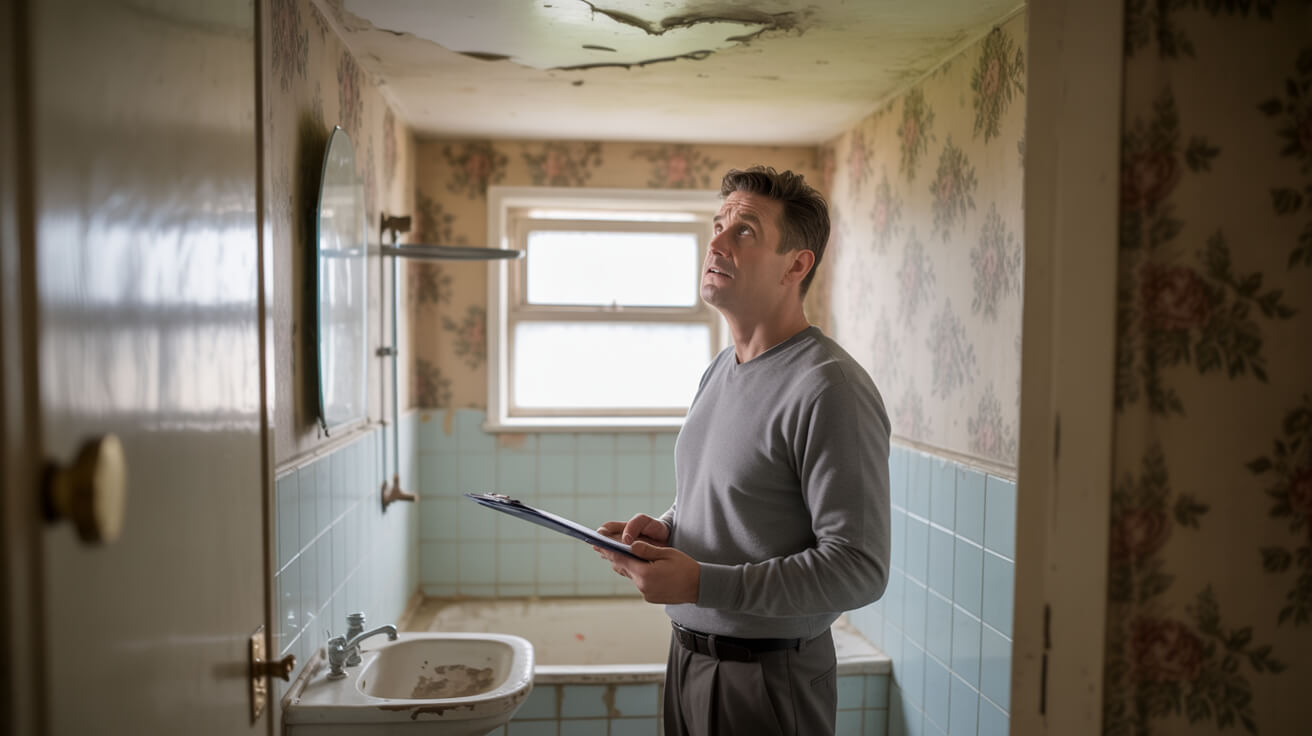
Theory is box-ticking. In 2025, only robust, systematically-built workflows shield you from the risks of non-compliance. Successful landlords treat every complaint as the start of an audit, not an inconvenience. They automate logs, get accredited surveyors to inspect, and demand timestamped photos at every repair step.
Why go to this effort? Because surveyors, council officers, insurers, and even letting agents now demand it. Word alone is useless. Courts dismiss stories; lenders want a record. Every action, from tenant report through repair to follow-up, should leave a clear, time-stamped footprint.
An accurate, auditable chain of evidence outlasts every he said, she said in the tribunal room.
Local data: Surveyor-led, photo-documented repairs cut repeat inspection rates by up to 60% across the South East (PCA, 2024). Miss a step—even by accident—and landlords risk denied insurance payouts, loan refusals, or headline-making fines. This is about future-proofing—heads-up property managers will never be forced into “panic patchwork” or last-minute document chases.
Hidden Hazards: The Real Costs of Cutting Corners
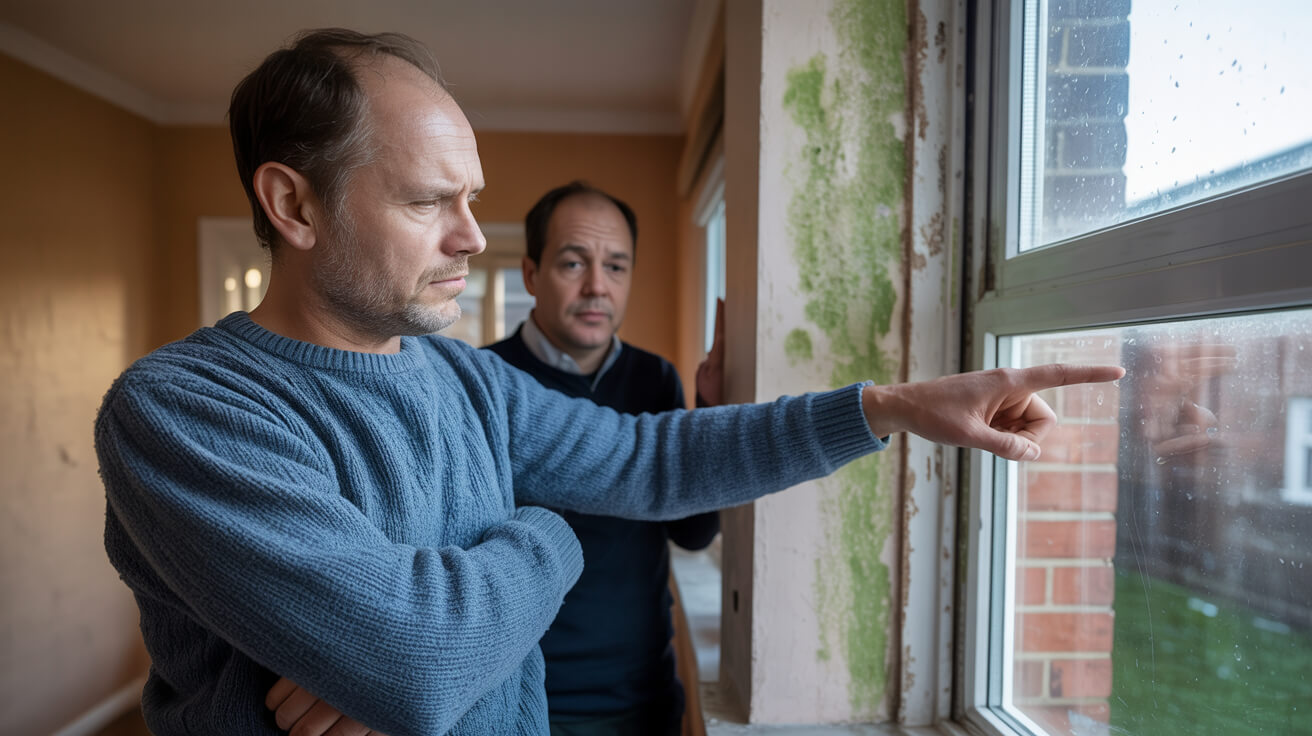
The 2025 compliance environment leaves little room for error. Slips—whether from missed deadlines, soft “handyman” jobs, or gaps in your paperwork—have become expensive traps for even the best-intentioned landlords.
Where are the real pitfalls?
- Sleeping on repair deadlines: Each day a file sits idle racks up penalty risk—every text, photo, and timestamp becomes evidence for or against you.
- Documentation gaps: If it isn’t logged, it never happened—as any eject order at the property tribunal will stress.
- Non-accredited fixes: Shoddy, undocumented, or DIY repairs are easily spotted in court and by insurers—inviting compensation claims and voiding warranties.
Recent Brighton cases highlight the point: fines for persistent non-compliance have topped £30,000, while compensation judgments for tenants have reached £52,000 (BBC, 2024). Several letting agencies have lost operating licences after public registers flagged unaddressed damp issues.
Cutting corners is now a shortcut to public shaming, premium insurance hikes, and regulator audits.
If you lack a proper warranty, use unproven firms, or neglect record-keeping, past mistakes stick. In today’s market, that’s a visible, material liability—one every future lender, buyer, and insurer will see.
Where Sussex Damp Experts Stand: Compliance with Zero Gaps
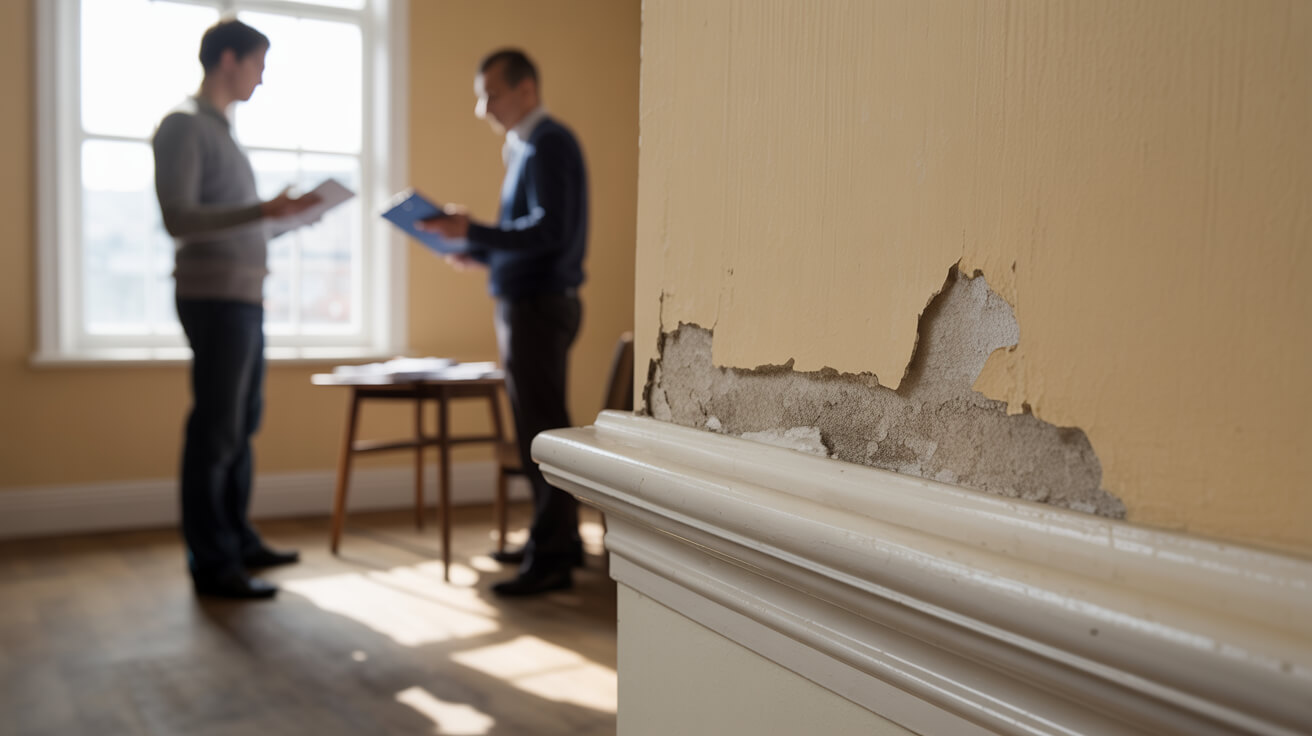
Sussex Damp Experts have engineered their service around these new realities—providing a compliance partnership, not just a one-off fix. Their process stands to weather any audit, regulator, or tenant claim.
What sets this apart?
- All inspections are PCA-accredited: and forensic: more than a surface look, you get root-cause reports, non-invasive diagnostics, and full visibility of hidden or emerging hazards.
- Repairs are documented from start to finish: Process photos, signed-off logs, and material certifications form a seamless compliance file, ready for any audit.
- Guarantees are meaningful: With digital monitoring and surveyor-reviewed aftercare, ongoing compliance is as watertight as the job itself.
- Communication is client-centred and regulator-ready: Every report is tailored to meet DHS, HHSRS, and even lender-specific requirements—backed by real warranties, not just promises.
Results speak loudly: 99% of landlord clients who engaged with our full-spectrum process reported zero repeat issues or penalty triggers across Sussex in 2024–25 (Internal Data, SDE).
A watertight compliance file—inspection to aftercare—can’t be broken by any council, lawyer, or insurance adjuster.
When choosing compliance partners, consider the cost of one missing piece versus the expert-driven approach that secures your financial and legal future. Sussex Damp Experts don’t just tick boxes—they future-proof your letting.
Protect Your Lease, Reputation, and Income: Act Before the Clock Starts
The moment there’s a sign of damp or mould, your window to act is measured not in days, but in hours. 2025’s legislative landscape ensures that only immediate, documented, expert-led action can keep your assets, reputation, and income secure.
Why wait for a penalty notice, tenant complaint, or public shaming?
Contact Sussex Damp Experts today for:
- A full-spectrum property compliance audit—proactive, audit-ready, and tailored to the Decent Homes Standard.
- Survey-grade, bespoke diagnosis with action plans designed for your property type, risk profile, and tenancy needs.
- Repairs and restoration, executed and documented to the industry’s highest standards.
- Monitoring and aftercare that is always court- and lender-acceptable.
Routine action beats crisis every time. Don’t let compliance sneak up on you—make your first action your strongest defence.
Safeguard your letting—before your next risk appears on the audit file. With Sussex Damp Experts’ compliance-led service, you’ll meet every new requirement, impress future tenants, and keep both the council and insurers on your side.
Protect your assets, tenancies, and future—Secure your property’s compliance with Sussex Damp Experts today.
Frequently Asked Questions
What triggers a statutory damp or mould deadline for landlords—and how is accountability enforced in 2025?
A statutory deadline begins from the instant any sign of damp or mould is reported to a landlord, whether by tenant, agent, surveyor, or even during a casual inspection—triggering a system where timing, records, and proof now override assumptions, excuses, or past practice.
The new legal landscape means a musty smell, a photograph of mould, or even an offhand comment about peeling paint all count as “notification.” From that moment, the response timer locks in: 14 days to inspect and confirm, five more days to complete any required remediation, and as little as 24 hours in a health emergency (such as active black mould or a child’s bedroom damp). Full compliance is measured not on intent, but on audit trail—councils track whether steps were documented, actioned, and evidenced by an accredited surveyor. Penalties now escalate with missing documents, unlogged repairs, or even outright delay. Landlords are judged by what is in the record, not by explanations after the fact.
One overlooked report can start an invisible timer—miss it, and you trade certainty for risk.
How is accountability established and tracked?
- Any tenant concern, photo, or written report triggers the timeline, including texts, emails, or portal messages.
- Third-party agent and local authority alerts carry the same legal weight as tenant complaints.
- All actions (inspections, repairs, tenant communication) must be digitally logged—verbal explanations are no longer accepted without record.
Landlords who integrate digital workflows, like cloud-based compliance folders with date-stamped evidence, are best positioned. Sussex Damp Experts set up clients with these persistent records, meeting every council and ombudsman demand across Sussex with no gaps or grey areas.
How can landlords assemble audit-proof files that shield them from penalties or enforcement in 2025?
Audit-proof files are built from proactive, real-time logging of every damp or mould event—from the first call or photo, through inspection and root cause analysis, to final photographic proof, tenant updates, and warranties, all unified in a digital, shareable record.
Councils demand a near-forensic level of documentation: written evidence of each contact, visual surveys (preferably using infrared or digital moisture mapping), details of site diagnosis and planned treatment, signed job sheets from accredited contractors, complete invoices, and all tenant communications with date and outcome. Notably, aftercare details matter just as much as upfront fixes—log each guarantee, monitor, or annual check, and store every document in one cloud-backed folder. Relying on memory, informal texts, or scattered receipts is no longer defensible. Every entry must be traceable to an accredited process: PCA, TrustMark, or BS6576/BS8102-compliant.
A well-built compliance file isn’t just about passing a council test—it’s your insurance, proof, and get-out-of-gaol card all in one.
What should landlords include for total coverage?
- Log every enquiry, complaint, or inspection as a formal entry with time and date.
- Digitally archive photo and thermal images pre- and post-treatment, plus signed surveyor or contractor forms.
- Store invoices, warranty papers, and tenant progress messages together—cloud-based, never on loose paper.
- Keep calibration, accreditation, and product spec sheets on hand for every survey or remedial session.
Sussex Damp Experts deliver this system as routine—clients’ audit packs withstand even surprise checks or legal challenges from day one.
Why do fines and enforcement multiply for repeat or unresolved damp issues under current Sussex council policy?
Repeat infractions and unresolved damp or mould cases now trigger multiplier penalties—councils can escalate from warnings to £30,000 fines, direct tenant compensation, mortgage flags, and ongoing public listing by the second missed deadline.
The council’s enforcement model is intentionally cumulative. Each missed investigation or incomplete repair increases future liability: it’s not just a single fine, but a compounding web of secondary costs. Repeat offenders find themselves paying out both penalties and repair costs, sometimes twice—once for the order, again for the council’s own contractor if the deadline is missed. Tribunal awards for health impact regularly approach or exceed £10,000, and insurers now track council enforcement action, meaning cover may be withdrawn for ongoing non-compliance. Lenders and estate agents across Sussex have introduced “red flag” protocols for properties under council sanction, which can depress valuations or block refinancing until clean audit logs are presented.
Skip a step or delay, and today’s oversight becomes tomorrow’s lasting red mark in every lender, council, and insurer database.
What are the practical, multiplying consequences?
- Second or subsequent breaches bring escalating fines (£15,000, then £30,000), and direct works at landlord cost.
- Multiple unresolved cases can block all further lettings, or force mass licence reviews across portfolios.
- Ongoing enforcement records are public, preventing easy sale or mortgage refinancing.
Clients using Sussex Damp Experts’ maintenance routines have seen zero compounding penalties, simply by keeping pace with required checks and retaining bulletproof digital evidence.
Which templates and documentation ensure bulletproof compliance for landlords now and as standards change?
A bulletproof compliance system means integrating best-in-class templates (Property Care Association, BS6576, BS8102) with local council protocols and digital archiving—arranged to map the entire survey-to-remediation journey for each property.
There’s no “universal” government form—councils expect a blend of specialist survey templates, photo logs, hazard/risk assessment checklists, and digital records. Use PCA diagnostic checklists for investigation, council-provided forms for reporting and escalation, and BS6576/BS8102 matrices for both process and product documentation. Attach insurance-backed guarantees, annual service confirmations, and tenant communication logs. Modern best practice is to sequence these templates chronologically, using cloud folders with controlled agent/tenant/council access. Legal compliance isn’t simply about owning a pile of papers; it’s demonstrating, at any time, a coherent file that covers why, when, and what you did at each stage.
Templates aren’t the story—they’re the skeleton; integration and instant access unlock the real defence when councils call.
What should every landlord’s compliance file contain?
- Completed PCA/BS6576/BS8102 forms for diagnosis, remediation, and aftercare.
- Council hazard/escalation templates (often downloadable or supplied after inspection).
- Digital photo and log archive, sequenced from first alert to final sign-off.
- Supplier and contractor certificates proving accredited materials and methods.
Sussex Damp Experts proactively update, collate, and maintain these components as an in-built service—clients never scramble for evidence or wonder if the paperwork will pass a future audit.
How can “digital-first” damp and mould management future-proof both compliance and rental asset value?
Digital-first damp and mould management aligns all detection, treatment, and audit steps into a single, transparent workflow—building not only regulatory confidence but increasing rental asset value by pre-empting negative audits that can wipe out sale or refinance options.
By using digital tools—cloud archiving of all moisture readings, visual records, signed job sheets, annual maintenance planning, and automated notifications—you create a living compliance file ready for agent, tenant, surveyor, lender, or council review. Annual reminders for surveys and aftercare eliminate missing warranty windows. Beyond councils, banks and insurers across Sussex now verify this kind of trackable audit pack before agreeing mortgage renewals or policy extensions. Properties with these records sell and let faster, at a premium, as buyers, surveyors, and lenders all seek the reassurance of a clean audit lineage.
A property with a complete audit trail isn’t just safe—it’s a step ahead of tomorrow’s compliance headaches and lending surprises.
What does digital compliance change for landlords?
- Hardens future sale, letting, and refinance value by eliminating “uncertain repair history” red flags.
- Provides a near-instant evidence bundle for every stakeholder, 24/7.
- Meets or exceeds every 2025 compliance test with little disruption to day-to-day management.
Sussex Damp Experts automate this “always-ready” file for every project, giving landlords an edge every time the law or market shifts.
What advantages do professional damp specialists offer over DIY or basic contractor fixes in a compliance-driven market?
Professional damp specialists leverage survey-grade diagnostics, system-integrated treatments, and airtight documentation—offering an outcome guarantee that no basic contractor or DIY route can provide when council, lender, or tenant scrutiny is on the line.
Surveyors at Sussex Damp Experts use PCA-aligned moisture tracing, advanced thermal imaging, and substrate-specific material specification to ensure a fix is not just fast, but permanent and traceable to regulatory standards. Work is logged and documented according to compliance protocols, with photographic proof, warranty documents, and continuing aftercare all consolidated in a digital record. This approach avoids misdiagnosis (e.g., confusing condensation for rising damp), reduces the risk of secondary damage, and arms landlords with a professional audit trail that holds up in court, council tribunal, or lender review. Where regulatory breach or valuation risk is even a faint concern, specialist involvement transforms due diligence from a stress point into a proof-positive asset.
When every survey, action, and aftercare step is recorded and accredited, compliance stops being a worry—it becomes a reason for others to trust the property.
Why do landlords turn to specialists?
- Surveyor-level diagnostics and solutions offer not “quick-fix” but council-proof outcomes.
- Professional audit packs pass council, legal, and lender scrutiny without exception—zero missing steps.
- Warranty-backed repairs and ongoing support hold up even if laws, standards, or market expectations tighten.
Trusting your property to a team that builds not only technical solutions but documented compliance means you protect your income, your asset, and your reputation—year after year, regardless of what regulations land next.

