
 By
By  August 26, 2025


Why Did Damp & Mould Become a Legal Crisis in the UK?
A single patch of black mould on a wall won’t just earn you a slap on the wrist anymore—it’s the thin end of a legal wedge now driven deep into the property world. The catalyst? The tragic death of Awaab Ishak, a young child whose life was cut short by exposure to persistent mould in his Rochdale council flat. This was no isolated “bad landlord” story: it revealed a nationwide, systems-level failure to diagnose, report, and solve avoidable damp—and it forced lawmakers to strike hard. Suddenly, what property teams once shrugged off as “just maintenance” now plays out under national scrutiny, with Ombudsmen, lenders, and courts weighing your every step.
A silent patch of mould can spiral into tragedy and court. Now, the risk is in what you don’t see or log.
The numbers drive it home. Hospital admissions for children with respiratory problems have surged in regions blighted by damp (NHS England; Shelter). These aren’t PR statistics—they’re a real measure of household risk, and they arm every regulator and media outlet with a loaded question: “Why wasn’t it fixed?” Politicians, pressured by a stream of exposed tenant horror stories, gave new teeth to the rules. Painting over mildew or “patch-and-forget” repairs now land landlords, agents, and property managers in direct, documented breach of major statutes.
The legal playing field has been reshaped beneath your feet. Failing to log, act, and proved the fix isn’t just “bad management” anymore. It’s defined as risk-inducing neglect. One overlooked damp patch can unravel a whole portfolio’s market value—and your hard-won standing—nearly overnight.
What Does Awaab’s Law Now Force Landlords to Do—And How Fast?

Awaab’s Law is no paper tiger. As of April 2024, every social landlord is under a new, hard-clock compliance regime. Every report of damp or mould starts a legal stopwatch—and “good intentions” mean nothing if your systems miss a beat.
If it’s logged, it’s actionable. If it’s actionable, delays and weak fixes now mean public, legal, and financial risk.
Here’s how it works in reality:
- Any health or safety-threatening damp or mould: Required action, logging, and *written communication within 24 hours*. No more “We’ll get you in the calendar next week.”
- Full investigation, completed records, and statutory updates within 7 days, backed by full audit trails—not just “someone’s on it.”
- Deadlines don’t just punish slow work—they hammer failures to properly *document* your action, too.
- You must retain, cross-reference, and be ready to produce detailed logs: emails, repair photos, site visits, and contractor notes—all forming a “chain of custody” for every incident.
Fall short? Fines, forced council entry, legal costs, compensation claims, or even entry to a public register of failing landlords await. Missed emails or holes in record-keeping will now sink your legal defence even if the repair was completed.
“Trust-based” or informal processes are as dangerous as visible mould. Only a mapped, statute-driven workflow offers legal cover. The future-proof portfolio will be the one with a provable trail of diagnosis, response, and sign-off—not just a list of old repair jobs and groaning in-trays.
Does the Health and Safety at Work etc Act 1974 Really Apply to Damp and Mould?

Treating a mouldy ceiling or cracked skirting board? You’re not just fulfilling housing law—you’re running a workplace under UK health and safety law. The Health and Safety at Work etc Act 1974 (“HSWA”) applies not just to traditional firms but to every site where a contractor, inspector, or even a handyman is engaged.
Your building isn’t just a home. Every room is a workplace when workmen set foot inside—and you are responsible for their safety.
Section 3 of the HSWA goes further than many realise: it’s not just tenants who count, but anyone affected by your building’s maintenance or inspection regime. Every agent and landlord is now on the hook to document risk assessments, PPE use, site-specific hazards, and—crucially—evidence that these were shared with everyone on site.
Unreported or untreated damp or mould is a direct tripwire. A workman falls sick on a property and their symptoms link back to hidden mould? You can face prosecution, personal fines, or even a criminal case—no matter how well you get on with your tenants. The Health and Safety Executive (HSE) is proactive, not just responsive, and they can intervene based on anonymous tips or accident reports.
The only sensible route: combine your property maintenance and compliance records with robust, regularly reviewed HSWA documentation. Treat every repair, inspection, or handyman visit as a potential audit point. Paper trails now win the day—don’t wait until enforcement arrives at your door.
How Do Landlord-Tenant Laws and Housing Fitness Rules Stack with HHSRS?
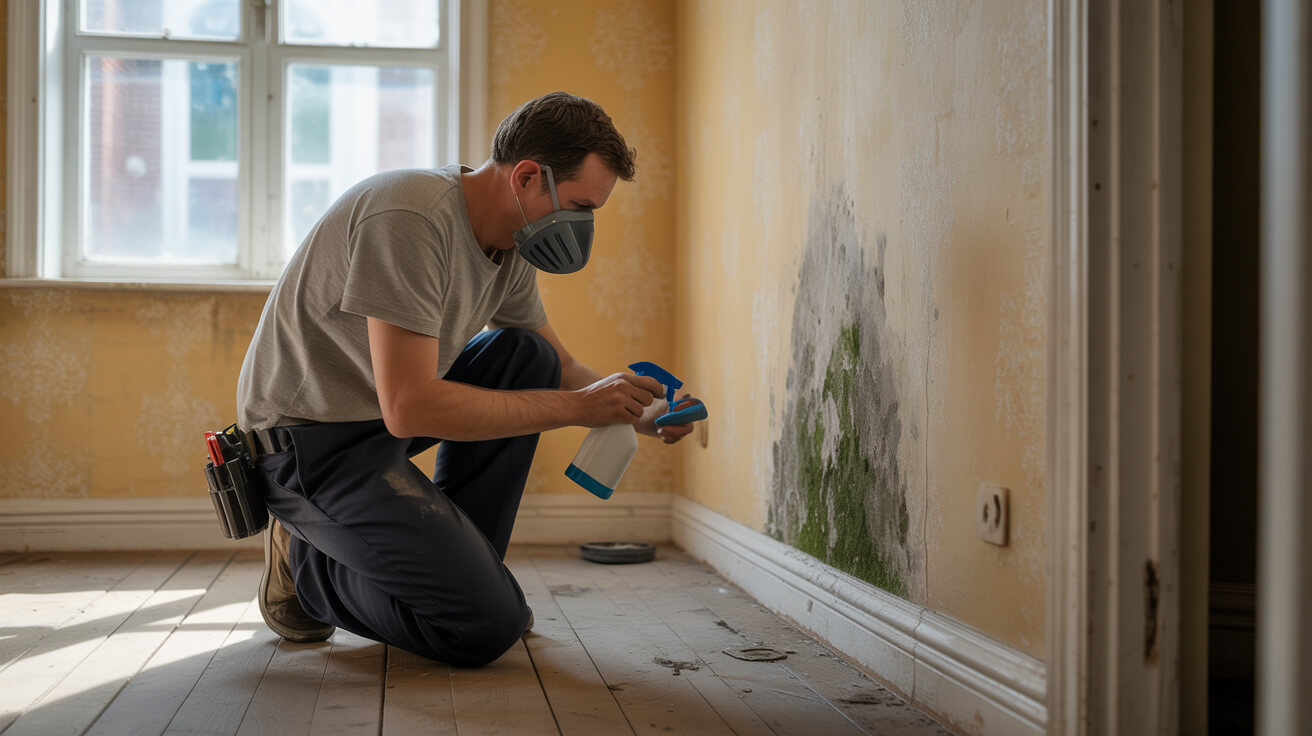
Today’s property manager, agent, or landlord has to navigate a triple-locked regime. Yes, the Landlord and Tenant Act 1985 still forms your minimum standard: every home must be weatherproof, structurally sound, and habitable. But surface-level repairs are legally worthless—meaningful compliance means going for the root of the damp, not the visible symptoms.
The newer Homes (Fitness for Human Habitation) Act empowers tenants to take direct legal action for a single instance of unfitness, whether or not you’ve “tried your best.” No fix that skirts the core problem will hold up; if your mould cure is just a layer of paint, you’re exposed to claim and counter-claim.
The third strand, HHSRS (Housing Health and Safety Rating System), triggers public enforcement. Should an environmental health officer (EHO) find a Category 1 hazard—and both damp and mould count here—they can issue an improvement notice, fine you, or even make emergency repairs on your behalf at your expense.
The overlap between tenant law, health laws, and housing standards is a web. Only those with clear, cross-team systems avoid losing ground or reputation.
Coordinating compliance isn’t a favour to tenants—it’s your shield against cascading liability. Teams that cross-reference HHSRS hazards, document every action under Section 11, and keep aftercare logs ready for both local government and court inspection now set the standard. Sloppy paperwork fails as surely as lazy repairs—one missing evidence link and the chain collapses.
What Does True Damp and Mould Compliance Look Like in Practice?

Modern compliance has nothing in common with cosmetic “cover-ups.” It’s a rigorous, stepwise process that lives and breathes British Standards at every step—namely BS 6576 and BS 8102—and leaves a transparent audit trail.
Key compliance pillars you’ll now need:
- Diagnosis and reporting: Go by the book—no guesswork, no “experience says it’s rising damp.” Every decision, from moisture readings to substrate analysis, must be logged and mapped as per British Standards.
- Evidence from start to finish: Immediate complaint logging, full photography, site logs, and signed-off contractor notes are now your legal firewall.
- Tailored repairs and records: Historic build? Basement flat? New block? Record why you picked one method over another and show exact compliance for every situation.
- Aftercare you can prove: Post-repair moisture checks, tenant sign-off, scheduled system audits, and readiness for council/lender checks—no gaps, no guessing.
Band-aids lose in court. Diagnostics, evidence trails, and tailoring to context turn risky repairs into watertight compliance.
Without this, you risk not just legal penalties but the slow rot of asset value: repairs fail, insurers drop coverage, and lenders flag your portfolio. The only winning move: treat compliance as a living, breathing asset—one that expands market opportunity and cuts risk at every stage.
How Are These Laws Enforced—And What Does the Real Penalty Chain Look Like?
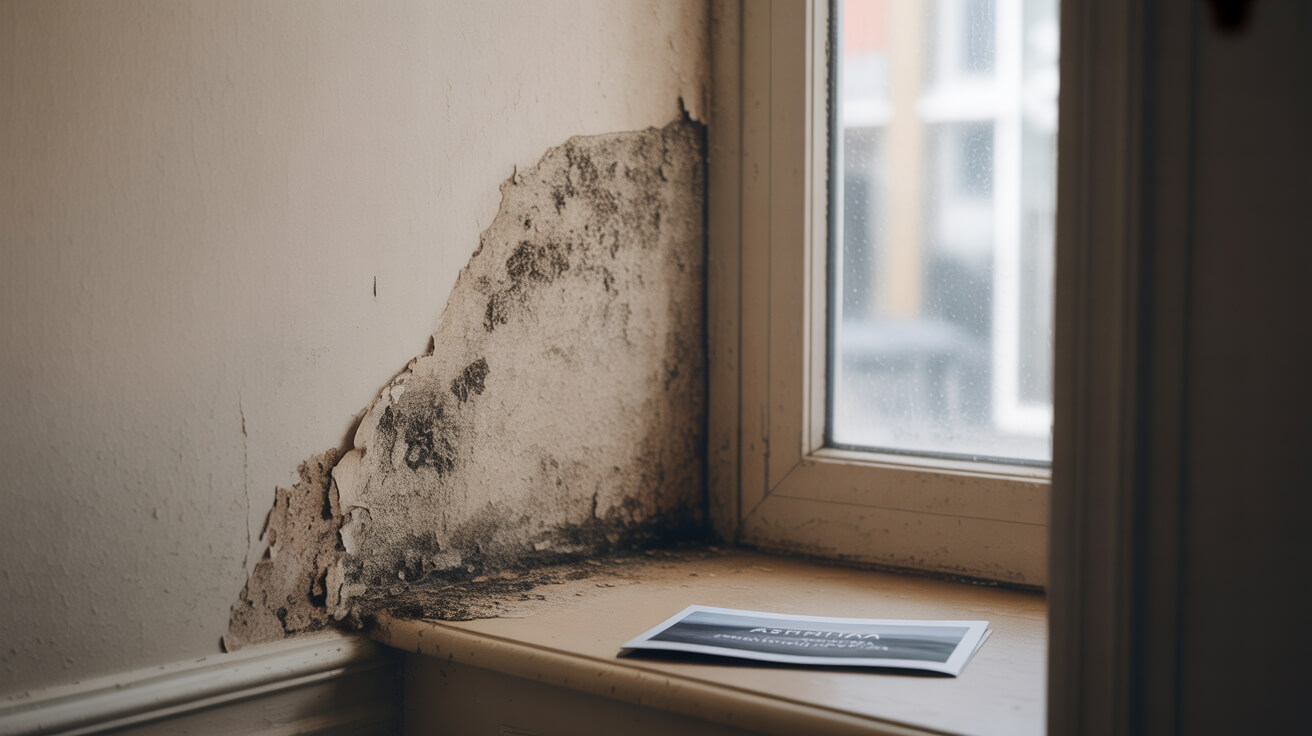
No more slap-on-the-wrist warnings. Enforcement is now fast, public, and stacked. Fail to repair, delay a record, or submit a vague response? Your case sets off an alarm chain—tenant report, EHO investigation, council fines, ombudsman review, lender scrutiny, insurer rejections.
- Local authorities trigger repairs and start fines, from £3,000–£10,000 for “routine” failures—more for serial offenders or severe risks.
- Major breaches go public: name-and-shame council press, government registers, and lender/insurance compliance “blacklists.”
- Ongoing issues mean lenders can pause sales, deny mortgage applications, or require expensive security or insurance premiums.
- Insurers routinely refuse claims (or policies) on any flagged property.
The chain doesn’t stop with a warning letter. Insurers, lenders, and funders all keep score now.
You need every record—inspection, diagnosis, contractor quote, completed works log, aftercare survey—ready for scrutiny at a moment’s notice. Staff must be trained and records routinely reviewed; “passive compliance” now fails audits, buyers, insurers, and funders alike.
Only property professionals who pre-empt issues, record every step, and can prove both compliance and aftercare keep their market edge and legal defence.
Hidden Costs: Why Proactive Repairs Beat Waiting for Escalation
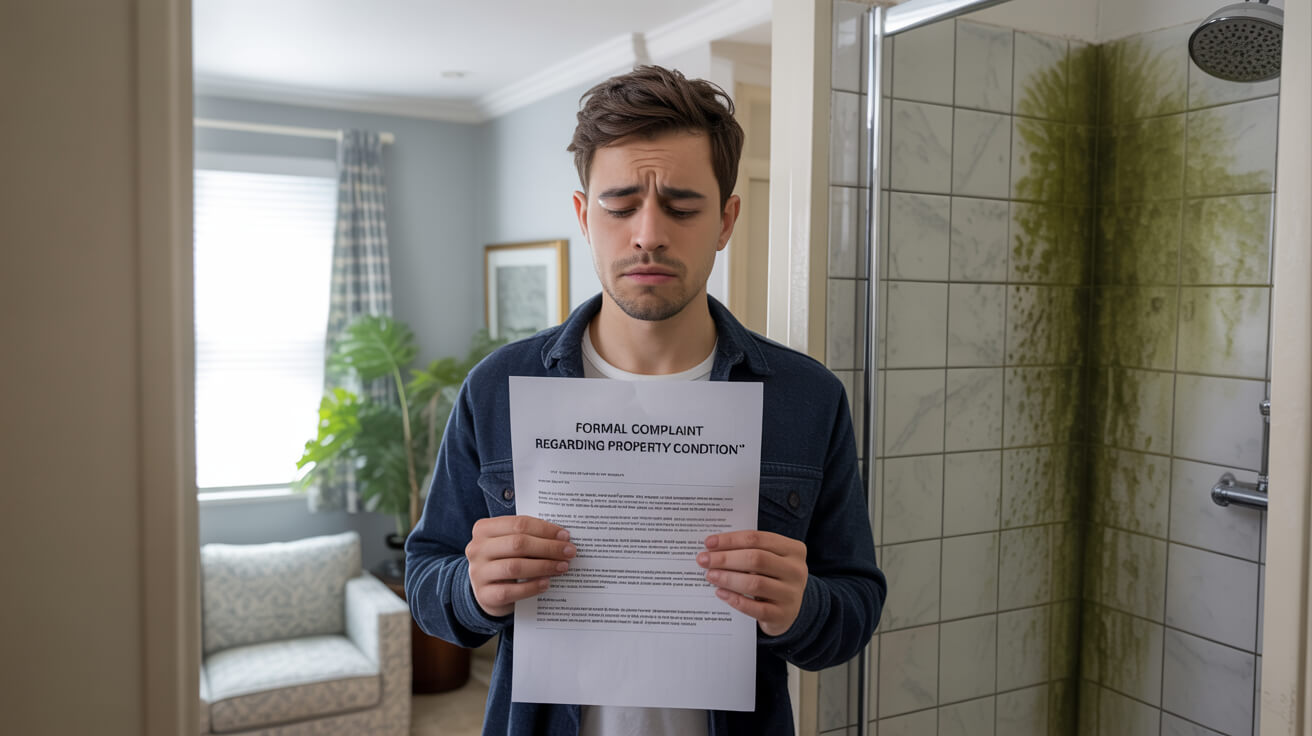
You might think waiting to act saves money—or at least preserves short-term cash. But the real cost comes from erosion: slow leaks, missed paperwork, and mounting reputation damage all grind away at your property’s value and earning power.
Triple the cost, ten times the stress—delay is never as cheap as it looks.
The big risks:
- Sales crash: Unresolved or badly logged damp means lender refusals, failed surveys, or panicked buyers.
- Insurance pain: Providers want audit-ready records, not hearsay. Gaps mean denied claims, higher premiums, or total refusals.
- Reputation risk: One digital complaint or council notice can drive rents (and asset values) down for months or years.
Documentation and full-spectrum repairs aren’t a cost sink—they’re your best investment against legal threats and commercial loss. Well-kept records smooth transitions, support warranty and insurance claims, and turn every repair into a marketable asset.
Compliance-first property teams, armed with digital repair logs and surveyor-ready checklists, capture premium buyers, hold on to funding, and fend off price cuts when the market tightens.
Why Partner with Sussex Damp Experts for Legal and Forensic Damp Solutions?

You’ve got a lot riding on your next repair—asset value, compliance risk, and your standing with clients, regulators, and lenders. Cut corners, and you gamble with all three. Sussex Damp Experts deliver what the legal system now demands: British Standard diagnostics, forensic documentation, and practical aftercare built for the reality of the UK’s risk-driven property market.
- Site-grade diagnosis, with photographic logs, moisture mapping, and inspection notes that satisfy mortgage, ombudsman, and council demands.
- Repairs tailored to context—heritage or new build, tenanted or vacant, complex substrate or standard brick—with all reasoning and evidence filed for future scrutiny.
- Aftercare systems integrating scheduled monitoring, maintenance prompts, and digital handover packs for buyers or funders.
- Proof and reporting that slips seamlessly into compliance systems, cutting disruption and baking in audit resilience as standard.
Lead the conversation—not the complaint cycle. Own your compliance, your evidence, and your building’s health, or pay the cost when systems fail.
Now, property professionals command higher ground by making compliance visible to every audience—council, lender, tenant, buyer, or journalist. Sussex Damp Experts builds this shield: practical fixes, bulletproof records, and smooth processes that let you focus on growth, not crisis management.
Secure Certainty and Compliance—Contact Sussex Damp Experts Today
Damp and mould are no longer “maintenance issues”—they’re legal, reputational, and financial turning points for every property investor and manager. Sussex Damp Experts meets this head-on with stepwise, British Standard–led systems and rapid response teams that integrate compliance, asset protection, and client-first service.
Whether you need a watertight report to convince a lender, a schedule of repairs to satisfy council, or a root-cause remedy that stands up in court, we’re ready to deliver it—together with digital documentation, aftercare, and ongoing support. This is how you stop damp from becoming a crisis and turn property risk into market resilience.
Protect your property, your tenants, and your own reputation with East Sussex’s trusted specialists. One call to Sussex Damp Experts means moving from risk to resilience—documented, defended, and ready for whatever standard tomorrow brings.
Frequently Asked Questions
What specific legal obligations must landlords and employers meet under Awaab’s Law and the Health and Safety at Work Act?
You are now required to deal with damp and mould issues faster and more transparently. Awaab’s Law makes this immediate: social landlords must investigate damp complaints within 24 hours, deliver clear, written updates to tenants within three days, and see repairs through on a clock visible to any regulator or ombudsman. The Health and Safety at Work etc Act 1974 places additional weight on employers and anyone managing property—if a worker, tenant, or even a visitor suffers harm from moisture or mould, you are answerable both civilly and, in severe cases, criminally.
There’s no longer a safe retreat into “we’re working on it.” The law expects a clear chain of action, from the first sign of trouble to final fix, with every step documented. Landlords must prove that structure, living standards, and interior safety are prioritised, while employers must show that all on-site personnel and visitors are shielded from risk, using proper assessments and PPE.
The paper trail is now as important as the repair—miss a step, and it’s not just property at risk.
These obligations extend beyond social landlords: private owners, property managers, letting/managing agents, and commercial employers all face tightening expectations, with systems judged by their ability to handle complaints—fast, fairly, and in writing. Sussex Damp Experts’ compliance-driven surveys and handovers put your response and reporting above the legal minimum, so every stakeholder sees risk managed before it ever finds an audience in court.
Core responsibilities by role
- Landlords / Agents: Maintain defect-free structures and respond diligently to all issues. Deliver written proof of remediation.
- Employers / Site Managers: Protect everyone on-site, documenting all risk controls.
- Tenants / Occupants: Required to report, not repair—liability only arises for negligence in basic living practices.
How have repair deadlines, inspection standards, and communication changed under Awaab’s Law?
Landlords are now on a regulatory stopwatch for any issue related to damp or mould. Awaab’s Law sets mandatory 24-hour inspection deadlines for hazards and 72-hour delivery for written findings, flattening the grey area that once let slow responses slide past unnoticed.
Every tenant complaint—however minor—requires its own entry in a central log, with automated escalation for unresolved issues. Repairs deemed urgent must start immediately, and if resolution isn’t possible within a reasonable period or the home becomes unliveable, landlords are responsible for arranging and covering alternative accommodation.
Whereas former standards under the Fitness for Human Habitation Act or the Landlord & Tenant Act referenced “reasonable periods,” they rarely enforced timelines or demanded audit-level communication. Now, incomplete record-keeping, missed deadlines, or verbal-only updates lay open a risk corridor all the way to regulator investigation and financial penalty.
Sussex Damp Experts designs repairs and reporting to pass this new scrutiny: you receive not just a fix, but an evidence chain timestamped for every raised concern—strengthening your position when the authorities check your work.
Key legal timeframes and communication checkpoints
| Action | Timeframe (Awaab’s Law) |
|---|---|
| Inspection after hazard report | Within 24 hours |
| Written update to tenant | Within 72 hours |
| Commence repair (urgent) | Immediate |
| Accommodation if unfit to occupy | Arrange and fund without delay |
Ombudsmen and local authorities increasingly expect private and commercial landlords to operate to Awaab’s “track and trace” regime, meaning property standards and client trust go hand-in-hand.
What systems protect you from legal fallout and failed audits—step by step?
Defensibility starts with how you triage your first call—not just at site, but in your records. Every touchpoint must be chronicled: who reported, when, what symptom, what action, and who owned the next step. Audit readiness is the default, not the exception.
System architecture for watertight compliance
- Contact and complaint logging: Every report receives a unique log entry, complete with images and context.
- Urgency grading and scheduling: Automated rules direct critical cases to 24-hour workflows, with less urgent tracked on a strict weekly schedule.
- Evidence chain: Pre-fix and post-fix photos, moisture readings, and repair sign-offs are instantly archived—no memory gaps.
- Written communications: All tenant and worker updates sent by email or SMS, with delivery and read-confirmation.
- H&S protocols: PPE logs, on-site risk assessments, and training records for all operatives and site visitors.
- Continuous monitoring: Moisture sensors, scheduled inspections, and annual reviews provide a rolling history, securing your file if disputes arise.
- Redundant, immutable storage: Back up evidence in tamper-proof digital systems with client-accessible portals, so nothing disappears under dispute.
Your audit story should be readable by anyone—no heroics, just evidence from start to sign-off.
Sussex Damp Experts crafts these structures into every survey, so you’re never caught off guard—whether it’s a casual council email or a high-stakes ombudsman demand.
Sample compliance evidence chain
| Step | Evidence Required | Typical Storage |
|---|---|---|
| Complaint logged | Timestamp, photo, initial notes | Cloud + paper file |
| Inspection | Moisture readings, photographs | Survey report archive |
| Repairs done | Material receipts, before/after pics | Digital ops dashboard |
| H&S controls | PPE issued, risk assessment logged | H&S portal or report |
| Tenant notified | Written message, response tracked | Tenant comms module |
| Aftercare | Monitoring data, follow-up scheduled | Ongoing care log |
What are the biggest financial and legal consequences of ignoring compliance standards for damp and mould?
Failure to meet requirements means exposure on every front: fines, court claims, insurance disputes, and reputational burns that outlast the property itself. Each missed repair or delayed proof puts your business closer to public register listings and formal legal blocks on property activity.
Main consequences at a glance
- Regulator and council fines: Each compliance breach is typically countable per event, making stacked penalties a real threat—regulators can demand proof down to individual fixes.
- Ombudsman action: Compensatory orders, forced repairs, and public reprimand don’t just sting financially—they carry future audit requirements.
- Council intervention: Fines to £7,000 per incident are routine, with direct council-commissioned rectification (billed to you) if you stall.
- Civil litigation: Rent repayment, distress damages, and forceful court-mandated repair schedules routinely follow gaps in documentation or slow action.
- HSWA prosecution: Should neglect cause harm to staff or contractors, your liability moves from the insurance department to the criminal courts.
- Market delays: Lenders and insurers now expect fully evidenced histories—missing data stalls transactions, or worse, blocks funding.
- Name and shame exposure: Public listings become permanent warnings to future tenants, buyers and business partners.
A system that responds to risk at reporting, not at regulator level, pays for itself—what you fix, you keep off the front page.
All Sussex Damp Experts projects build continuous evidence, so compliance is proven as you go—not just hurriedly after a letter arrives.
Which records and proof matter most for audits, loan approvals, or legal rows?
Winning trust in any compliance or litigation scenario means your evidence needs cross-verifiability—records that tell a frictionless, logical story for every party, from surveyor to ombudsman.
The non-negotiables for rock-solid property files
- Incident chain: Lodged at complaint—date, identity, images, initial assessment.
- Diagnosis trail: Surveyor reports, instrument readings, defective area diagrams, root-cause narrative.
- Remediation proof: Material purchases, contractor logs, photo evidence before and after, repair sign-off.
- Communications log: Timed transcripts of every tenant or staff correspondence, including “no answer” scenarios.
- Workforce safety file: Risk assessments, PPE audits, medical incident reports, contractor induction forms.
- Maintenance and aftercare: Printed and digital logs for all checks, complete with sensor data where monitoring is ongoing.
When your file allows any outsider to replay the repair—stepwise, with proof—future claims rarely stand up.
Sussex Damp Experts arm you with both digital and physical compliance folders—winning time in every audit and strengthening negotiation position with lenders, insurers, and courts.
How does combining technical damp remediation with legal and audit-ready reporting benefit you long-term?
Joining British Standard-grade site practice with compliance-rated reporting isn’t just protective—it multiplies property value and futureproofs every asset against tightening law and shifting risk appetite in insurance or lending.
Why integrated compliance gives you an operational edge
- Faster, frictionless audits: Jobs pass muster at first council sweep or ombudsman call, minimising interruption and unbudgeted spend.
- Fewer disputes: Transparency eliminates grey area, making most tenant or regulator concerns a one-email close.
- Retained asset value: Complete, legible histories maintain valuation during sale, remortgage, or refinancing stages.
- Lower insurance hurdles: Providers increasingly demand real evidence for every repair—no proof, no payout.
- Strong, positive reputation: Clean files attract tenants, lower vacancy rates, and impress partners up the supply chain.
- Regulatory flexibility: As compliance targets tighten, your systems are ready to adapt—not scramble.
Sussex Damp Experts uniquely merge robust field knowledge with legal accountability—delivering not only a drier property but a file ready for any challenge, next week or next year.
When site craft and compliance move in step, you earn more than peace of mind—you gain control over your asset’s future.

