
 By
By  August 26, 2025


Are You Legally Protected If Your Home Has Damp or Mould Under the Decent Homes Standard 2025?
The landscape has shifted: damp and mould are now officially health and safety hazards—not just “maintenance issues”. The Decent Homes Standard 2025 draws a bold line: if your home’s walls, air quality, or surfaces are threatening your comfort or health, responsibility isn’t a debate—it’s law. That means homeowners, tenants, landlords, agents, and contractors all share a clear set of rules, but for tenants, power has moved your way. Damp and mould are now triggers for mandatory landlord action—with penalties if they stall, obscure, or deny (gov.uk).
If you’re cracking the window each morning just to breathe right, you already have grounds to act.
How Has the Law Changed for Damp and Mould in 2025?
The 2025 Decent Homes Standard elevates damp and mould from “should fix” to “must fix.” Any sign—from visible patches and peeling paint to persistent colds, coughs, or rashes—can trigger legal protections for you and a duty of remedy for the property owner. You don’t need perfect proof—well-documented symptoms and a clear timeline are now enough to activate council enforcement (citizensadvice.org.uk). Even mentioning suspected health issues, especially in vulnerable groups, immediately escalates the landlord’s responsibility to act.
Key upgrades:
- Damp and mould reclassified alongside fire and gas threats under HHSRS
- Landlords must respond to health-linked complaints within seven days—or face council intervention
- The “evidence bar” is lower—you only need credible records, not expert diagnosis, to trigger enforcement
- Councils have more power to fine, inspect, and even ban repeat-offender landlords
This legal shift means your ability to demand a safe, dry home finally matches what should have always been common sense.
What Counts as a Decent Homes Standard Violation—and Does Your Case Qualify?

A “violation” under the new regime is not just about dramatic black mould or leaks pouring down the wall. It’s about any persistent symptoms (physical, visual, or health-related) that threaten the health or comfort of anyone living or working in the property.
A musty-smelling room and minor rash can carry as much legal weight as a dripping wall.
Signs That Place Your Complaint Inside the Law
- Visible Mould: Any black, green, or brown fungal growth on walls, ceilings, window frames, behind fixtures, or around skirting—no matter how minor.
- Peeling Paint and Plaster: Bubbling, crumbling, or patchy finishes, including soft walls and discolouration.
- Salt Staining or Efflorescence: White, chalky residue on surfaces, a dead giveaway of trapped or rising damp.
- Warped Timber or Rot: Soft, distorted window sills, door frames, or floorboards.
- Persistent Health Symptoms: Ongoing coughs, wheezing, runny noses, sore throats, rashes, or tiredness—especially in children or those with asthma ([asthmaandlung.org.uk](https://www.asthmaandlung.org.uk/advice/damp-and-mould?utm_source=openai)).
- Odours: A “cellar smell,” mustiness, or heavy, sour air.
- Condensation Zones and Cold Spots: Water beads on glass every day or ice-cold corners that never seem to dry out.
You do not need to identify the precise type of damp. The new regulations mean that any documented effect—no matter how “normal” it seemed before—can now activate your rights.
How Do You Build a Damp or Mould Evidence File That Authorities Respond To?

Building a case isn’t about endless emails or emotional arguments. Success comes from simple, systematic, daily documentation—a straight line of photos, dates, and facts that no landlord or agent can brush off. With the 2025 standard, every day you log evidence stacks the odds in your favour.
A diary and four photos will win where ten angry emails just fizzle.
What Evidence Actually Moves the Needle?
- Photos: Take wide shots, close-ups, and repeat snapshhots after rainstorms or cold spells. Mobile phone photos are fine—just make sure timestamps are visible or save them by date.
- Damp Diary: Brief, neutral descriptions every time you note a change (growth, new stains, symptoms, or failed repairs). Always record communication attempts: text messages, WhatsApp, or agent portal submissions.
- Medical Support: GP letters, prescription emails, pharmacy notes, or school records—anything linking coughs, rashes, or asthma flare-ups to your living space.
- Receipts & Confirmations: Screenshots of sent emails, agent replies, upload receipts, and even recorded (dated) letters. If you hand something in, photograph the moment or log the handover.
- Independent Survey Reports: Reports from the council’s Environmental Health team or from recognised outfits like Sussex Damp Experts (especially potent for property managers, agents, and lenders).
Sequence always trumps emotion. Bundle your records by date and clarity. This paper trail makes you hard to ignore under the new law—it’s both your shield and your lever.
What’s the Step-by-Step Process for Filing a Damp or Mould Complaint That Can’t Be Ignored?

Getting landlords and agents to act is about triggering legal clockwork, not stirring sympathy. The updated Decent Homes Standard leaves no excuse for dragging feet: your first complete, evidence-backed complaint obligates them to respond—and the clock starts ticking the moment it lands in their inbox.
A clear, formal written complaint isn’t red tape — it’s your trigger for council scrutiny.
Filing an Unstoppable Damp/Mould Complaint
- Submit in Writing: Use email or the official landlord/agent portal; attach evidence (photos, diary, medical records). Always reference “Decent Homes Standard 2025” in your subject and body (england.shelter.org.uk).
- Flag Urgency: If health or children are affected, start your subject with “Public Health Risk—Immediate Attention Required”.
- Ask for Confirmation: Blind copy yourself, use read-receipt requests, or get upload/reference number. Save everything.
- Stay Factual and Concise: List all supporting evidence. Avoid speculation, blaming, or emotion-laden language—precision matters most.
- Record All Responses: Every reply, promise, or claim goes into your log. Silence is also a record.
The moment this hits the agent’s, landlord’s, or council’s system, a seven-day countdown (for health-linked cases) begins—and repeated delay increases the penalty risk for them.
How Long Does the Landlord Have Before You Can Escalate, and What Triggers Escalation?

The legal clocks are more visible than ever. For health-linked complaints, landlords and agents have 7 days to act; for standard cases, 14 days—and “no reply” counts as non-compliance (insidehousing.co.uk). Every silent day tilts power to you.
No answer after a week is your signal to raise the stakes.
When Does It Become Time to Push Further?
- Missed Deadline?: After 7 or 14 days (as applies), escalate to the local council’s Private Sector Housing or Environmental Health team without delay.
- “Lost” Emails or Excuses?: Document every instance. Each attempt bolsters your case, whether the reply is adequate or stalling.
- Missed Appointments or Partial Fixes?: Keep note. A failed repair, broken promise, or recurring mould isn’t “progress”—it’s more evidence for escalation.
Every non-response, delay, or failed repair strengthens your hand. Under the 2025 Standard, this documentation doesn’t just get attention—it triggers council penalties, repair orders, or, in egregious cases, landlord bans.
What Are Your Rights If the Landlord or Agent Ignores or Rejects Your Damp Complaint?
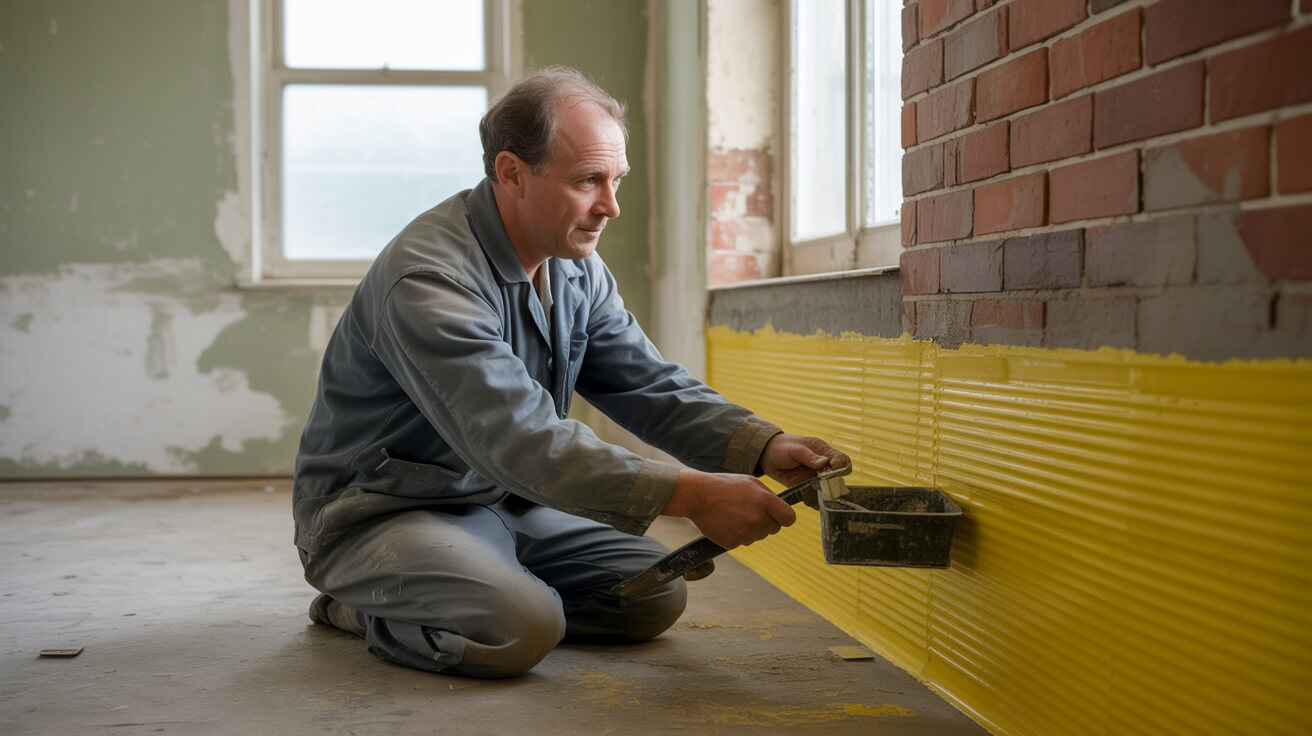
When the response is a stall, denial, or flat-out silence, the law doesn’t leave you powerless. A full, date-tagged evidence file transfers authority from uncooperative landlords to the council—who now wield the power to investigate, fine, and, where necessary, prosecute under the Decent Homes Standard.
A logbook and dated photo tell the story no agent spin can erase.
Making Escalation Work for You
- Contact the Council Fast: Use the Environmental Health or Private Sector Housing team (search your local authority website for direct lines or online case forms).
- Attach Every Shred of Evidence: Send your logbook, photos, complaint copies, and record of non-response as a package.
- Request a Case Number: This cements your timeline and increases the council’s accountability.
- Push for Inspection: For health and child cases or failings with no repair after three weeks, ask for a Housing Health and Safety Rating System (HHSRS) inspection.
- Demand Progress: Councils are obliged to issue formal notices, force repairs, fine negligent landlords, and even take emergency remedial actions. For managing agents, repeated inaction can result in registration bans or formal prosecution ([commonslibrary.parliament.uk](https://commonslibrary.parliament.uk/helping-tenants-with-damp-and-mouldy-housing-england/?utm_source=openai)).
Persistence, facts, and clarity now get rewarded by law, not brushed aside—especially when health is on the line.
What If Even the Council Won’t Fix the Damp or Mould—What Are Your Next Steps?

Every system has its failure points, but here your evidence becomes your shield and sword. If the council drags its feet, or you’re facing serious health or financial loss, escalation routes widen for both social and private tenants.
A full logbook and a surveyor’s diagnosis open doors that emotion can’t.
Where to Press Next When Local Action Stalls
- Social Tenants: After going through your landlord’s formal complaint process, file with the Housing Ombudsman. Their orders are legally binding for urgent repair or even compensation ([housing-ombudsman.org.uk](https://www.housing-ombudsman.org.uk/complaints-process/?utm_source=openai)).
- Private Renters: Keep pressure on Environmental Health. Councils have powers to fine, arrange works-in-default, or block retaliatory evictions. If still unresolved, legal routes open for damage compensation.
- Major Harm or Loss: Prepare for court or insurance action—here, independent evidence is king. Detailed health records, repair rejections, and expert reports can mean the difference between dismissal and a successful claim ([bartletts.co.uk](https://www.bartletts.co.uk/damp-and-mould-compensation/?utm_source=openai)).
The more you push factually and persistently, the more the system adapts to protect your interest—even if the first attempt flounders.
How Can You Guarantee Repairs Are Complete and Damp or Mould Won’t Return?

“Job done” needs to mean permanently resolved, not simply cleaned up or painted over. The Decent Homes Standard demands repairs that last—and the burden of proof that they’ll hold falls right back onto landlords, agents, and their contractors.
Signed certificates outlast fresh paint—never accept a fix without paperwork.
After Repairs: Keeping Your Safety and Rights Intact
- Inspect Everything Yourself: Don’t just accept, verify—take new photographs, run your hands over previous problem areas, and question anything that “looks off”.
- Demand Proper Certification: For damp problems, request BS6576 or BS8102 compliance certificates, or independent surveyor sign-off. Guarantees should cover all key repairs, ideally with at least a 10-year term ([gov.uk](https://www.gov.uk/government/consultations/consultation-on-a-reformed-decent-homes-standard-for-social-and-privately-rented-homes?utm_source=openai)).
- Keep Your Records Going: Resume diary entries and photos as part of your normal routine. New leaks, odd patterns, or recurring decay go straight back into your escalation file.
- Re-Escalate Quickly for Relapses: Any hint of recurring damp or mould is a red flag for council, ombudsman, or insurance—your existing paper trail means you never start from scratch.
The only real insurance is vigilance. Landlords and their contractors must now document—and prove—that the problem is retired for good.
Why Independent Damp Surveyors Are the Game-Changer in Unresolved or High-Stakes Cases
No matter how detailed your photos or logbook, disputes about cause or recurrence sometimes hit deadlock, especially when repair quality, blame, or past failures are at issue. Independent, professional damp surveyors swing the scales by delivering evidence, diagnosis, and legal leverage—recognised by every major UK authority, from councils and mortgage lenders to insurance underwriters and courts.
A forensic survey slice through doubt—fixing blame, solutions, and value in one sharp report.
How Sussex Damp Experts Add Legal and Practical Muscle
- Court and Council Recognition: Reports compliant with BS6576 and BS8102 stand unchallenged in any official process.
- Root-Cause Clarity: Distinguishes condensation from rising damp, bridging from leaks, poorly executed past “repairs” from new ingress. No more blame ping-pong.
- Step-by-Step Support: Help at every stage—from building your evidence file, submitting complaints, liaising with authorities, right through to closing or escalating unresolved repairs.
- Top-Tier Diagnostics: Advanced moisture mapping, thermal imaging, salt/surface analysis—these transform your evidence from “I think” to “Here’s the proof”.
- Continuous Aftercare: Post-repair monitoring, compliance certification, and practical guarantees that outlast quick fixes.
For toughest disputes or high-value properties, a reputable surveyor marks the difference between cycles of blame and definitive solutions.
What’s the Real Secret to Winning Damp or Mould Complaints in 2025? (Hint: It’s About Process, Not Drama)
Here’s the critical lesson from decades of damp disputes: success is won through systematic action and evidence, not by debating your landlord or begging for understanding. The Decent Homes Standard 2025 rewards whoever stays composed, keeps a clean chain of proof, and escalates through the official steps.
Those who keep records, not just rage, find the law tips their way.
The Winning Playbook
- Start Fast, Log Everything: After the first sign, start your diary, photos, and every email/SMS.
- Fire Off a Formal Complaint: Reference the 2025 Standard, send your evidence bundle by email/portal, ask for a receipt.
- Give Only the Minimum Legal Deadline: 7 days for health-attached cases, 14 otherwise; act after any missed window.
- Escalate Systematically: Council, ombudsman, legal claim—order matters. Your file only strengthens with time and layers.
- Call in Professionals When Needed: Sussex Damp Experts strengthen your case with BS6576 and BS8102 reporting, end-to-end support, and aftercare.
By sticking to this path, you decide how much stress, cost, and time you spend in complaint limbo. Your records and resolve are now the system’s validation cues; wield them.
Ask Sussex Damp Experts for Decent Homes Damp Support—From Evidence to Aftercare
Whether you’re a homeowner, landlord, managing agent, or tenant, Sussex Damp Experts gives you exactly what the new law values most: clear evidence, scientific diagnosis, practical solutions, and guaranteed aftercare. From first complaint template to full council-compliant survey and post-fix sign-off, we bring local knowledge and national standards together.
Don’t let your health or property value decline for another year—take control, reach out for rapid support, or ask for a Decent Homes-compliant checklist. When the law is finally this clear, staying “dry” isn’t about luck—it’s about process, proof, and people who know both the system and the science.
Frequently Asked Questions
Why does the Decent Homes Standard 2025 give you more protection when reporting damp or mould?
You now have a concrete legal right to demand a dry, healthy home—no matter your tenancy, who your landlord is, or how long you’ve lived in the property.
After 2025, it isn’t left to a landlord’s judgement call or the “character” of an old building. If your comfort or health shows any sign of being compromised by moisture, you can trigger formal action under the new rules. This includes social housing, private rentals, tied accommodation, HMOs, shared houses, and non-freeholder leases—if you’re living in a UK home, the umbrella covers you.
What cases or residents are now firmly protected?
- Council and housing association residents
- Private renters (all tenancy types, including short-term and student lets)
- Residents in tied cottages, shared homes, employer provision, or larger HMOs
- New tenants, long-term renters, and anyone moving into newly built or refurbished homes
Traditional obstacles like “it’s just condensation,” “buildings this age always feel damp,” or “you didn’t open the windows enough” no longer hold water. The law looks at impact and evidence—not finger-pointing.
If damp’s affecting your lungs or peace of mind, you don’t need to prove fault—just speak up. The statute is now on your side.
Does it cover grey-area or disputed properties?
Yes. Any issue undermining health, comfort, or safety can be reported, even before it gets severe, and regardless of building vintage. The focus is the harm, not the excuses.
How do you create proof that councils and courts will accept for a damp or mould case?
Your strongest asset is a well-kept record—clear photos, a running log, copies of communications, and health notes if your symptoms worsen inside the property. Ditch the technical jargon and chase solid, everyday evidence.
A complaint is as robust as the file you build: date-stamped images (wide and close-up), symptom diaries (what, when, and how often), medical notes if damp is aggravating conditions, and every back-and-forth with your landlord or agent. If repairs are attempted, before-and-after photos and receipts matter.
Essential steps for airtight evidence
- Photograph the issues in detail—don’t miss recurring patches or spreading stains
- Log every event or symptom with dates and times
- Ask your GP to link flare-ups (cough, rash, breathing trouble) to your home
- Save every message, letter, or email exchanged; screenshot app conversations
- Commission and file independent damp surveys that meet BS6576/PAS2035 standards (Sussex Damp Experts provides this expertise)
Recent complaints confirm that councils and ombudsmen act faster on well-ordered, timestamped packs than on mountains of jargon or unclear claims.
Stop thinking official language beats your record; councils back the clearest evidence, not the cleverest turn of phrase.
What process ensures your complaint about damp or mould triggers legal action from landlords in 2025?
Formality wins. Written complaints—with your evidence attached—kick off legally binding countdowns for the landlord to act. Voicemail and chat apps are not enough. Email, online portal, or recorded delivery are now best practice.
Core steps to a compliant, enforceable report
- State the property address, your tenancy type, and issue history
- Attach photos and a chronological log, including any failed repair notes
- Explicitly reference the Decent Homes Standard 2025 and any health concerns (Awaab’s Law amplifies this for child or vulnerable occupiers)
- Request both acknowledgement and a specific repair plan, in writing
- Save all submissions, ask for ticket/case confirmation, and BCC yourself when possible
A single, well-structured letter triggers legal timers and compels written responses; they can’t claim they didn’t know.
What happens if the process is ignored or brushed off?
Any formal complaint ignored or parked triggers escalating penalties, beginning with written council warnings and ending with enforced council repairs or fines up to £30,000.
What steps can you take if your landlord delays, ignores, or resists urgent damp or mould repairs?
Every non-response, empty promise, or repair dodge adds weight to your legal standing—and builds pressure for action under the 2025 standards. If you’re met with silence after 7–14 days, start escalating with your full file.
Next moves if you hit a wall
- Send your documented case to Environmental Health at the council; they can now intervene forcefully
- Use complaint templates from housing bodies like Shelter or Citizens Advice
- Ask for a Housing Health and Safety Rating System (HHSRS) inspection—priority is given to repeated, unresolved, or hazardous damp
- Social tenants can approach the Housing Ombudsman, triggering direct orders or financial redress
- Keep adding to your log: note missed appointments, every further symptom, and all submitted items—dominance in legal process comes from detail
The more dates and specifics in your file, the sharper your legal leverage; inertia has flipped from obstacle to asset.
How rigid are the landlord’s response times?
Extremely. Health-linked repairs are required to start within 7 days; all other damp-related works must be inspected or underway within 14. Missed deadlines now have real consequences for property owners and agents, not just tenants.
Where do you find the best template or online form for damp and mould complaints under the 2025 law?
Universally accepted templates and self-populating complaint logs are now widely available, helping you tick every compliance box the first time. Councils and charities prioritise complaints that follow these standards, fast-tracking cases for inspection or enforcement.
Most effective resources for raising a complaint
- The (https://england.shelter.org.uk/housing_advice/repairs/damp_mould_social_housing/letter_template_report_damp_private_landlord?utm_source=openai) is editable to suit any rental type
- [Shelter’s complaint log builder](https://england.shelter.org.uk/housing_advice/repairs/damp_mould_social_housing/damp_mould_complain?utm_source=openai) offers a structured, time-stamped event template
- Local council web portals almost always handle online reports and upload attachments
- For difficult or technical cases, accredited specialists like Sussex Damp Experts can supply full survey documentation, technical diagrams, and compliance-ready reports
Key contents of a winning digital complaint
- Your identity and address, plus any relevant occupants (especially children or vulnerable adults)
- Timeline of symptoms, failed repairs, and new developments
- All supporting evidence (photos, GP notes, earlier correspondence)
- A formal request for — and confirmation of — next action steps
Use a formal template, file it digitally, and mirror your complaint to all parties—the faster the report, the faster the fix.
What legal deadlines and enforcement powers now force real change on damp and mould complaints after 2025?
The landscape has changed. Statutory response times and large financial penalties now replace wishful thinking. Under the Decent Homes Standard 2025 and Awaab’s Law, repair actions must move from gloss to mandatory schedule.
Practical legal requirements for landlords and agents
- Repairs must start in 7 days: for health-linked cases, especially where children are involved
- All complaints must produce a repair plan or inspection within 14 days—no exceptions:
- Missed deadlines trigger fines, enforced repairs, or even transfer of property management to councils:
- Legislation: Landlord and Tenant Act 1985, Homes (Fitness for Human Habitation) Act 2018, Housing Health and Safety Rating System (HHSRS), Social Housing (Regulation) Act 2023, and [Awaab’s Law (2025)](https://questions-statements.parliament.uk/written-statements/detail/2025-02-06/hcws423?utm_source=openai)
One written complaint is now a fuse—delay no longer buries hardship. The statutory clock is running, and councils are not afraid to use their teeth.
Reports from accredited surveyors—anchored in standards like PAS2035 and BS6576—carry massive weight. The right professional evidence closes fault loops and puts repairs front and centre.
How can an independent damp surveyor unlock resolution, speed, or insurance approval in damp-related disputes?
Surveyors aren’t just reporters—they analyse, diagnose, and trace every moisture path and failure point in your property. Under the new regime, their expertise turns disputes, mortgage roadblocks, or warranty headaches into clear, actionable outcomes.
Specific advances offered by independent surveyors
- Evidence that withstands litigation, lender scrutiny, and insurer reviews—far beyond simplistic damp gadget readings
- Full-spectrum testing: moisture, substrate, salts, airflows, root cause analysis, all referenced to PAS2035 or BS6576
- Stepwise repair specs—no “give it a wipe” nonsense, but full plans matching landlord, tenant, and council needs
- Aftercare, monitoring, and warranty documentation to support ongoing property health, resale, and compliance
- Professional interface for insurers, councils, or builders needing third-party validation
When disputes spiral or deadlines pass, the surveyor’s forensic report turns your complaint from hope into outcome—every number and diagram tells a story regulators can’t ignore.
The right survey means you’re not left at the mercy of anecdote or “he said, she said.” A specialist like Sussex Damp Experts cuts through the noise and ensures your rights translate into results.
If you want your property, your health, or your legal standing to move ahead—not just stall—Sussex Damp Experts bring the evidence, experience, and compliance expertise that transform moisture complaints into guaranteed, lasting solutions.

