
 By
By  August 26, 2025

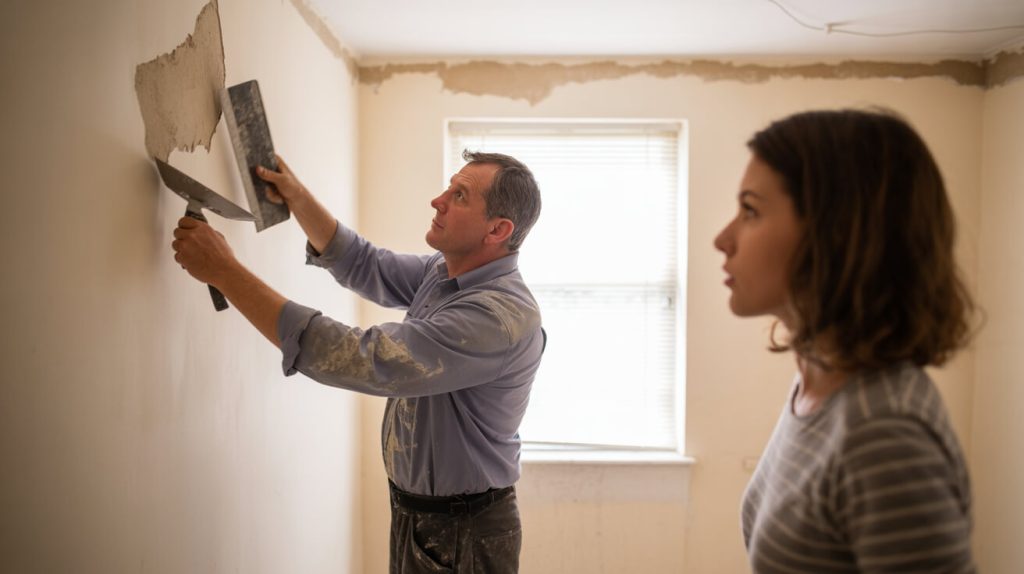
Why Do Damp Problems Keep Reappearing After Past Repairs in Heritage Properties?
Damp that keeps coming back—even after you’ve paid for repairs—isn’t bad luck or proof that old houses are “damp by nature.” The reason is simpler, but more stubborn: earlier patch-jobs used materials or methods that suffocate heritage walls, turning ordinary moisture into a recurring nightmare.
You can paint over stains, but the wall remembers every drop you hide inside it.
Most heritage walls were built to handle moisture differently than modern ones. Original lime mortars, old bricks, stone, timber beams—these materials “breathe.” They take in and release moisture with the seasons, preventing water from building up inside. The trouble starts when modern repairs swap out these breathers for cement, gypsum plasters, acrylic paints, or tanking slurries. These new layers trap water rather than letting the wall dry down. Trapped moisture begins to migrate sideways or upwards, showing up as black mould, peeling paint, or tide marks in places that used to look fine.
You patch the symptoms, but ignore the cause. Patch over the damp, and soon another spot fails. Owners, surveyors, and landlords end up circling around the same problem, season after season. Beyond the mess and frustration, this endless loop bites hard—homes lose value, buyers spook, and lenders or insurers might refuse cover if the paper trail shows repeated failed repairs (see HHSRS, PAS2035; Landlord and Tenant Act 1985). Heritage properties especially risk declining market appeal, since visible damp or repair history makes them harder to sell or remortgage.
Hidden Reinforcement: “Heritage Means Breathability”
Victorian, Georgian, and timber-framed homes simply can’t be treated like modern cavity-walled buildings. When new layers block the original breathability, you trade short-term “dryness” for long-term damage. The wall fights back by pushing damp around, sometimes moving it out of view for a season—then coming back worse.
Repeated quick fixes don’t cure damp—they give it new places to hide.
How Do Incomplete Repairs Sometimes Create New Types of Damp in Old Properties?

Botched or partial repairs don’t just fail—they reshape moisture patterns inside your walls. Imagine fixing a single leak in a roof but ignoring the cracked valley: rainwater simply finds another way in. Damp is no different.
Short-term “solutions”—like cement render, tanking, or chemical DPC creams—don’t always suit old homes. Rigid cement plaster can push rising damp sideways, so instead of drier rooms, you get musty skirtings or rotten floor timbers. Chemical DPCs injected where no original barrier ever existed either have no effect or, worse, bridge old membranes, re-routing water to adjacent fireplaces, alcoves, or corners (cadw.gov.wales).
Add modern double-glazing without proper ventilation? Now condensation joins the party, clinging to cold internal walls and hidden pipework. Plug up a chimney? Unless you provide a new vent, airborne moisture simply settles somewhere less obvious—often behind skirting or inside wardrobes.
Quick repairs try to erase symptoms, not causes. If you only treat what you can see, water keeps moving out of sight. It’s the architectural equivalent of playing whack-a-mole: cure one form of damp, create two new ones elsewhere.
Symptom Blurring: One Source, Many Outlets
A solid brick that once breathed easily now swells with water. Modern acrylic paint hides the first sign until pressure causes the next paint layer to fail. Old timber beams take the hit; so does internal plaster, or—worse—a neighbour’s shared wall.
If a patch-up just moves the problem, it’s not a cure—it’s a blueprint for new failures.
What Damage Do Modern Materials Cause in Heritage Walls?

When modern meets historic, the outcome is rarely tidy. Most modern repair products—cement renders, gypsum plasters, synthetic tanking paints—can’t flex or breathe like lime mortar or aged brick. Once applied, water that enters the system sits trapped, unable to escape by evaporation. The wall can’t dry down, so pressure builds and the system fails from within.
Cement render and gypsum block traditional moisture movement; tanking slurries might hold stains back, but the water seeks a new exit point. That might be your skirting, floorboard, or even the neighbouring wall. The result is surface rot, salt blooms, flaking paint, and—if left unchecked—serious structural movement.
| Repair Material | Common Problem | The Symptom |
|---|---|---|
| Cement render | Zero breathability | Blown plaster, stains |
| Gypsum plaster | Holds salts/moisture | Crumbling, spalling |
| Acrylic/sheen paint | Seals surface, traps water | Peeling, black mould |
| Tanking/slurry | Redirects water sideways | Rotting wood, odour |
Quick-fix materials often promise “waterproofing” but forget the point: historic homes must manage moisture, not banish it. The penalty for covering up? The wall loses the fight. Instead, owners find their “repairs” have only led to new outbreaks or full-scale timber rot. It’s why the best survey reports and warranty groups in Sussex warn: “Always match repair to original material.”
Every incompatible repair layers in more risk, not more cure.
Why Do Quick Repairs Reveal Themselves So Quickly—And Cost More in the Long Run?

A wall that’s worked for 100 years to balance ground and air moisture knows its rhythm—until you interrupt it. Quick surface patches try to disguise this cycle. They slap a waterproof finish over a problem, only for damp to betray the cover-up as soon as pressure finds a weak spot.
The first sign is usually subtle: a musty smell after heavy rain. Then, a growing scraper-mark or yellow tide line snakes up the wall. Before long, the “fix” fails, often in places that looked untouched before.
Surveyors and lenders see quick-fix histories as warning signs. Sussex properties riddled with overlapping tanking, cement, and incompatible paints end up flagged for further investigation or even down-valuation during purchase due diligence. Insurers may refuse cover if documentation proves incomplete or oversight is suspected.
Eventually, the price of compounded damage outstrips the cost of a thorough repair. You may start by trying to avoid cost or disruption; in the end, you confront the far higher bill of structural remediation, joinery replacement, or legal compliance works. Patience and planning up-front prove far cheaper in the long run.
The quick fix is never cheap—it’s merely the first stage of a more expensive cycle.
How Does Forensic Damp Diagnosis Protect Heritage Buildings?

Proper repair planning starts with knowing where every drop of damp comes from—never by guessing. True damp diagnosis uses a forensic approach: not just poking a moisture metre at surface stains, but mapping the bigger picture:
- Moisture metres (pin and non-invasive): reveal the depth and spread, not just the top millimetre.
- Thermal imaging: highlights cold spots, leaks, or hidden voids—crucial in solid walls or timber beams.
- Salt testing: tells if you’re facing rising damp (nitrate/sulphate salt profile), penetrating ingress, or hygroscopic—each needs a different fix.
- Ventilation audit: checks humidity sources—from sealed windows to blocked chimney pots.
Heritage damp diagnosis pulls in the building’s history: has a physical (slate or bitumen) DPC been bridged with later render? Is a tanking system pushing water up into skirting, or sideways into a next-door wall? Sussex Damp Experts know that only by unpicking all this can you avoid the trap of repeating failed repairs (BS 6576, PAS2035, TrustMark compliance).
The Surveyor’s Paper Trail
Solid survey documentation keeps lenders, buyers, and councils onside. Photos, salt logs, metre readings, and method statements tell the whole journey—from diagnosis to proof of dry-down. That’s how problems stay fixed, disputes are prevented, and value is restored, not questioned.
The best diagnosis finds the hidden path, not just the visible stain. That’s how old walls win back their strength.
Which Treatments Actually Hold Up in Historic Damp-Heavy Homes?

Repairs that last treat the whole system, not just the symptom. Every heritage fix starts with careful removal of the old “repairs”: cement renders, acrylics, other blockages need stripping back to let the wall begin drying. Only then can you safely reintroduce breathable plasters, mineral-based paints, or hybrid membrane-plus-plaster combos that work with the building’s original rhythm.
Hydraulic lime render or correct lime-based plaster is the gold standard—restoring the wall’s ability to manage daily humidity swings. For below-ground work or tough sites, well-vented membrane systems or lath-and-lime “breather” upgrades outperform most modern slurries in older bricks. All work must be scheduled with enough dry-down time—speed ruins both craft and outcome.
Most important, all stages must be pH- and substrate-matched: no point applying lime to gypsum, or mineral paint to acrylic, else the bond fails. British Standards BS 6576 (rising damp), BS 8102 (basement), and PAS2035 (retrofit) spell out each step; Sussex Damp Experts fine-tune every job to local heritage needs, from listed cellar to Regency attic.
- Document the process: —proof for lenders, buyers, councils.
- Photograph every stage: —shows the next surveyor it’s not a cover-up.
- Warrant repairs with an auditable paper trail: —not just a handshake, but a legal guarantee.
Strong repairs let walls breathe at their own pace. Block them, and you start the problem all over.
How Can Aftercare, Monitoring, and Warranties Protect Heritage Damp Works Long-Term?
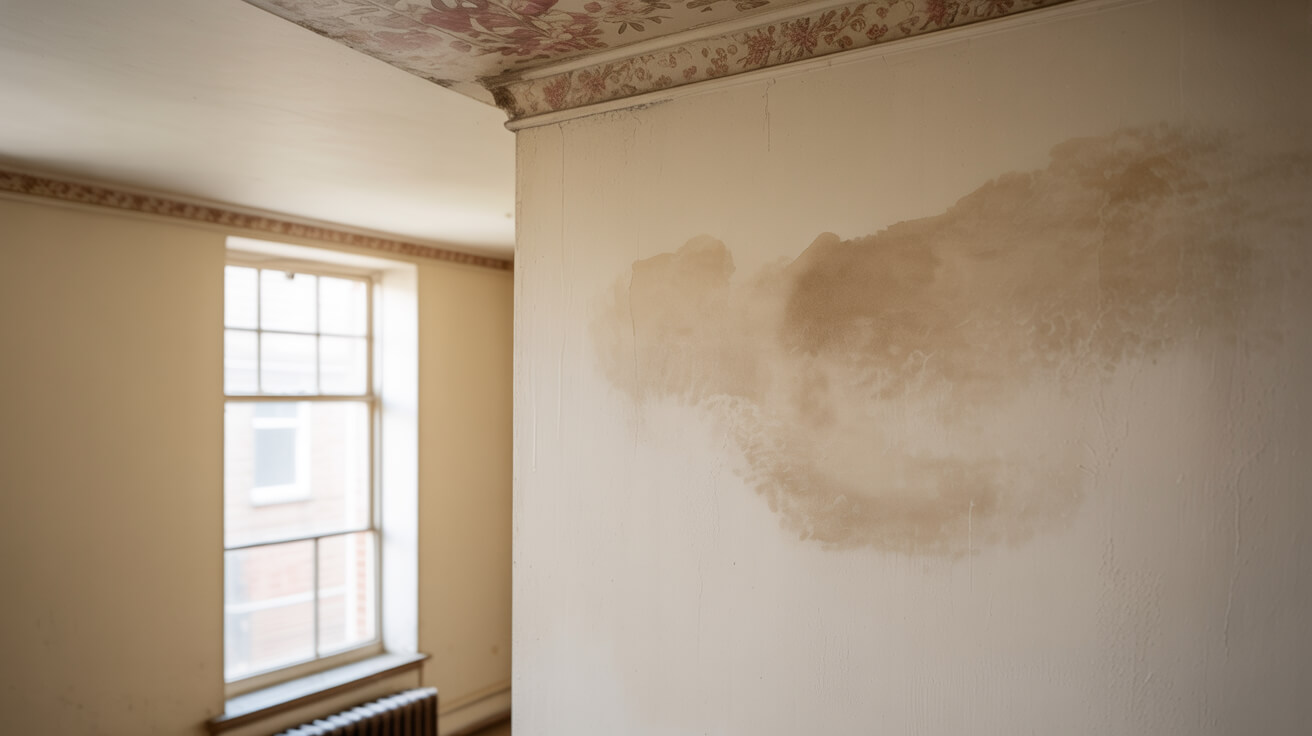
No repair is complete without monitoring and follow-through. Heritage jobs demand a “chain of custody” for dryness: ongoing moisture checks, ventilation reviews, and owner/tenant education make the difference between a short fix and generational dryness.
Annual moisture readings—backed by logs—build evidence for every future buyer, lender, or council check. Where properties are let, landlords already know HHSRS and Fitness for Habitation laws require that damp isn’t just “temporarily abated,” but properly resolved and documented.
Sussex Damp Experts include aftercare in every plan, using:
- Moisture sensor logs/annual check-ins
- Tailored ventilation upgrades (where needed)
- Full documentation for insurance, council, or mortgage queries
- Warranties backed by PCA and TrustMark
When a tenant reports a musty smell after heavy rain, owners don’t scramble—they check the records and call up the repair guarantee. For heritage buyers or sellers, credible documentation and mapped dry-down mean smooth sales and satisfied surveyors.
The best guarantee is a documented history of healthy walls—not a paragraph in small print.
What Role Do UK Regulations and Survey Standards Play in Heritage Damp Repairs?
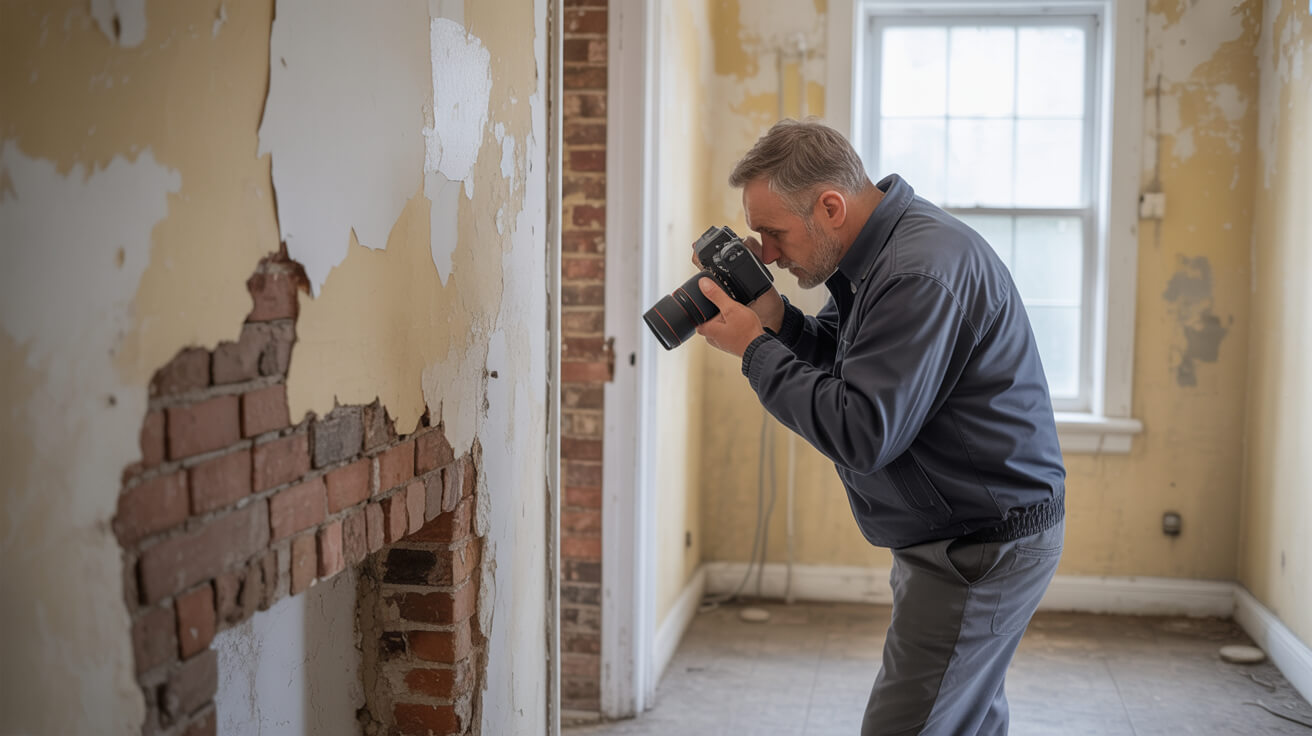
The legal environment isn’t just a paper chase—it shapes what you can do, from survey to sale. Historic homes face extra eyes from local authorities and lenders. Building regulations Part C (moisture), Housing Health and Safety Rating System (HHSRS), and heritage-specific codes (BS 6576, BS 8102) combine to demand compliance at every stage.
- Building Regulations Part C: Ensures barriers against damp are suitable and proven—not bodged or blocked.
- PAS2035: For retrofits and insulation, especially relevant as new energy standards intersect old homes.
- Landlord and Tenant Act 1985, Homes Fitness Act: Forces landlords to prove repairs are effective, not just cosmetic.
- Warranty Schemes and TrustMark: Demand that damp works are traceable, compliant, and independently verifiable.
Surveyors flag heritage homes with mismatched records or a history of failed fixes. That red flag ripples on: devaluing the asset, threatening insurance, or even incurring legal penalties if tenants report unresolved damp as “statutory nuisance.”
Compliant records aren’t a hurdle—they’re a door to full value, peace of mind, and a building future generations can trust.
Sussex Damp Experts: Our Promise for Heritage Properties
Every Sussex Damp Experts project begins where others end—with a forensic survey, not a frantic patch-job. Heritage properties get the respect they deserve: breathability, layered diagnosis, and repair methods tuned to both building and law.
You receive:
- A full diagnostic report—photos, readings, mapped moisture, cause-and-effect logic
- A tutorial (owner, landlord, or tenant) in what to look for and when
- Repairs sequenced and specified for long-haul performance—not a “seasonal solution”
- Compliance and warranty documents, good for lenders and local authorities
Our team respects history. We’re not here to slap on a surface fix, but to refit your property for generations. From the first phone call to the final annual check-in, you’re supported at every step, and every claim is backed by evidence—not fluff or guesswork.
Ready to cut out recurring damp and future headaches? Let Sussex Damp Experts restore your heritage home to the dry, healthy, and valuable asset it was meant to be. Call or enquire today—your walls, your wallet, and your legacy will thank you.
Repair with truth, guarantee with proof—your heritage deserves nothing less.
Frequently Asked Questions
What are the invisible ways that past repairs can silently turn heritage damp into a bigger problem?
Quick fixes using modern products often smother the natural “breathing” of old walls, trapping moisture that should have evaporated harmlessly. If patches of hard, glossy plaster, rubbery paints, or rigid insulation suddenly appeared—or a wall started flaking or “sweating” behind newer work—you’re right to suspect a hidden damp time-bomb. Beneath the surface, these material choices redirect water into timber frames, skirting boards, and the fabric itself, quietly accelerating decay and mould.
Why do modern materials cause more harm than good in period homes?
- Cement and gypsum: act as moisture sponges with no escape, keeping walls cold and damp.
- Plastic-like paints (acrylic, vinyl): form a sweat-trap, making underlying walls brittle or discoloured behind a “tidy” coat.
- Tanking barriers and injection creams: block one path but force water to take another, often into neighbouring rooms or up into structural timbers.
- Non-breathable insulation boards: supercharge condensation between surfaces, growing unseen black mould.
Most damage in listed homes doesn’t start with rising water—it begins with the wrong fix cloaking an ancient wall’s natural logic.
A true diagnosis peels back each layer to match later repairs with the building’s original intent. When in doubt, a professional survey using salt and moisture testing, thermal cameras, or even a discreet core sample will reveal just how deeply a well-meaning “update” has seeded future costs.
Why do so-called permanent damp solutions tend to fail—or cause new risks—in heritage and listed buildings?
Promised permanent barriers sound convincing, but most are designed for modern cavity walls, not Sussex’s century-old houses. Old properties rely on evaporative “breathing”—not airless blockade. Introducing rigid chemical injections, cement tanking, or plastic renders without understanding the wall’s origins turns a fix into fertile ground for fresh failures: water races around the barrier, migrates higher, or finds its way into hidden timber and plaster.
What’s the domino effect of misguided repairs?
- Sealed walls force moisture to migrate: —leading to unexpected mould or decay well away from the visible damp area.
- Quick surface fixes rarely tackle blocked drains, failed gutters, or poor airflow: , so the root problem lingers.
- Basement tanking: often diverts water sideways or upwards, shifting the problem deeper into the property.
- Airless finishes cut off all escape routes: —resulting in hidden outbreaks or warped materials with zero warning.
Every time a wall is wrapped up tighter, water gets smarter—finding new, destructive ways to escape or cause silent chaos.
Preventing this cycle means full mapping: tracking the moisture’s source in context and designing a repair line-up that suits both the era and fabric of your home. Old houses need patience and a tactical partner, not a generic modern “miracle cure.”
How can you determine if previous repairs have put your property’s compliance—or heritage status—at risk?
Listed or period homes aren’t just bricks and boards; they’re a legal and historical puzzle. Any repair—however minor—can have regulatory consequences if not planned in line with preservation law, building standards, or even mortgage contracts. Warning signs of non-compliance include unexplained cement renders, interior tanking without listed building consent, lost documentation, or “off the shelf” DPCs used instead of tailored solutions. Such shortcuts risk enforcement, insurance delays, or lost sale value.
Which rules and documentation cannot be skipped?
- BS 6576, BS 8102, PAS2035, and TrustMark: provide audit trails and material standards specific to older and listed properties.
- Listed building consent: is legally required for everything from new plasters to wall damp-proofing systems.
- Building Regulations Part C (moisture) and F (ventilation): are enforceable even for “repair” jobs.
- Landlord/tenant law: expects a documented workflow from survey to aftercare.
- Clear paperwork from diagnosis to signoff: —lenders and insurers won’t accept guesswork or missing histories.
Most compliance headaches begin when a contractor dodges paperwork or an owner assumes a ‘quick fix’ won’t matter in a grade II listed wall.
In heritage environments, documentation serves as both shield and evidence. Where compliance is in doubt, arrange for a heritage-compliance check—protects your asset and satisfies council, buyer, and insurer alike.
What immediate steps should you take if past repairs are creating new or lingering damp?
Start by reconstructing the timeline: link new stains, bubbling paint, or musty odours to when and where repairs were made. If trouble shadows an old injection treatment, tanking patch, or change in wall finish, suspect an incompatibility at play. Next comes a methodical inspection—looking for trapped barriers, lost ventilation routes, and changes in wall texture or colour.
Stepwise plan for smart remediation
- List every significant change or contractor intervention.:
- Track symptoms against repair history: to unearth cause and effect.
- Request a forensic survey: —moisture metres, thermal cameras, and salt tests can distinguish between true rising damp and the side-effects of repair.
- Order borescope or core sampling: to unveil buried tanking or incompatible layers.
- Review property compliance: —chase missing reports, consents, or warranty documents.
- Commission a “compliance roadmap”: for future-proofing and restoring value.
Stacking modern fixes over historic layers is how simple repairs turn into a puzzle—one that’s best solved by peeling back, not piling on.
Restoring a dry, stable building means not just “fixing” but validating and documenting each intervention so every stakeholder—tenant, council, or lender—knows the property’s health is proven, not just presumed.
Which advanced diagnostic methods best expose concealed, trapped, or redirected damp in older properties?
The most powerful tool isn’t the metre—it’s the method. In seasoned Sussex walls, damp rarely travels in a straight line, and cheap metres can’t distinguish between condensation, rising damp, or trapped moisture from a failed fix. Layered approaches—combining salt analysis, moisture gradient mapping, thermal imaging, and endoscopic exploration—uncover both the pathway and cause behind elusive or persistent damp.
When should you move beyond basic tools?
- Pin and capacitance metres: detect hidden saturation below flawless finishes.
- Thermal imaging highlights cold bridging and sub-surface moisture tracks: —helpful for unmasking previous mistakes.
- Salt/nitrate test kits: clarify the original source: groundwater, leaks, or mismanaged condensation.
- Gravimetric core analysis: proves what’s dry, what’s not, and which layer is holding water.
- Borescopes: check for hidden tanking layers or non-compliant mortars nestled in joints.
- Long-term environmental loggers: track how the building actually breathes across seasons.
A survey that combines tools—backed by deep context—does more than find water; it reconstructs your property’s unique moisture story for lenders, insurers, and future buyers.
For heritage assets, always demand surveyors specify both the methods and the standards used so repairs match the sensitivity (and legal complexity) of the building itself.
How does Sussex Damp Experts guarantee heritage repairs last—and what exclusive benefits does our process provide?
With Sussex Damp Experts, strategy and compliance are as important as hands-on craft. Each survey builds a “moisture biography” of your building: every repair method, material, and regulatory link is mapped, explained, and photo-logged. That means repairs match both your property’s era and the invisible standards demanded by banks, planners, and insurers—and your peace of mind sits above water, not on shifting sand.
What do clients gain beyond a “dry” certificate?
- Detailed, photographic surveys: connect every repair stage to building performance—a resource that smooths lending and sales.
- Root-cause repairs: resolve moisture at its true source, avoiding the domino effect of repeated quick fixes.
- Bespoke strategies for lime, stone, brick, or timber: —with materials and aftercare tailored to Sussex’s climate and regulation.
- Paper trail for full compliance: —every step proven against BS 6576, PAS2035, and local authority requirements.
- Annual maintenance and transferable warranties: —making each success defendable for owners, buyers, or tenants, without hassle.
- Plainspoken, advisor-led process: —so you get expertise, candour, and no line-blurring jargon.
The legacy of a house isn’t measured by its age—but by the care and clarity of those entrusted with its future.
To ensure your heritage property is protected for decades, secure an expert-led assessment with Sussex Damp Experts—where visible confidence meets invisible assurance, and every layer delivers strength, not stress.

