
 By
By  August 26, 2025


Are You Legally Shielded—or Exposed—by the New Damp and Mould Laws?
If you own or manage rental property, Awaab’s Law has moved damp and mould from minor nuisance to a legal minefield. The days of “we’ll get to it when we can” ended the moment the Social Housing (Regulation) Act 2023 arrived. Your inbox, WhatsApp, or any sketch from a routine inspection that shows a trace of mould or flaking paint isn’t a small snag anymore—it’s a statutory event with the clock running. One patchy record, one delayed fix, or a repair that papers over the cracks can now land you in court. That’s not hype; it’s now written into law, with teeth sharper than any you’ve seen in British housing.
The clock on legal liability starts the moment your tenant shares a photo—not when you decide to act.
Most landlords used to view damp as a cosmetic hassle. A few wipes of bleach, a new paint job, perhaps some extra ventilation advice for the tenant—and life moved on. That laissez-faire approach is now not just risky but actively dangerous. Under Awaab’s Law, reactive fixes are classed as non-compliance, and every incident must now be investigated, logged, and resolved on a fixed, statutory timeline—with proof ready to withstand a council audit, insurance claims battle, or tenant tribunal.
Landlords are waking up to a world where:
- All complaints must be assessed within ten days, emergencies within 24 hours:
- Actions taken must align with British Standards (BS 6576, BS 8102):
- Every step of the process must be documented and time-stamped:
- Missing a deadline or botching the record can mean massive fines, “unfit property” notices, or insurers walking away:
There’s no longer such thing as “low stakes” when you’re dealing with moisture or mould. The legal bar has risen above good intentions—it now demands airtight proof.
What’s Changed for Landlords Since Awaab’s Law?

Awaab’s Law is a watershed: it turns tenant damp complaints from a negotiable issue into a fast-tracked, non-negotiable duty. Whether the concern points to Eco Friendly Damp measures or a damp patch, condensation, or signs of mould, the moment a tenant reports it—by email, a texted photo, or during a scheduled inspection—the law treats it as a trigger event for formal procedures and timelines. Miss one step, and the penalties can build faster than the mould itself.
Each new damp or mould complaint restarts the legal clock and puts your record-keeping under a microscope.
Before Awaab’s Law, your office could decide how urgent a patch of mildew seemed. Now, the pressure is codified—and the consequences for “wait and see” are severe.
The new fixed timetable:
- Investigation: Every report triggers an obligation to start investigating within 10 days. For emergency cases where health is at risk or the structure is compromised, you must act within 24 hours.
- Intervention: If “substantial hazards” (like rapid mould growth or widespread moisture) are present, work must begin inside five days.
- Evidence: Every single step—photos, readings, emails, quotes, what you did, and when you did it—must be stored with timestamped detail.
- Proof: Not a single stage can go undocumented; your compliance trail is now a shield or a sword in regulatory and legal reviews [(gov.uk)](https://www.gov.uk/government/publications/awaabs-law-draught-guidance-for-social-landlords/awaabs-law-draught-guidance-for-social-landlords?utm_source=openai).
The impact extends beyond landlord-tenant relationships:
- Properties are classified as “unfit for habitation” if deadlines are missed, regardless of intent.
- Mortgage approvals, insurance policies, and even property sale values are now tied to damp record compliance.
- Lender and insurer questions are now focused on your damp logbook—not just your EPC or gas safety.
Awaab’s Law draws a clear line: miss a deadline, skip evidence, or patch with guesswork, and your investment is exposed, not just to legal fees but to lasting financial and reputational harm.
How Do Non-Compliant Responses Turn Into Damaging Penalties?
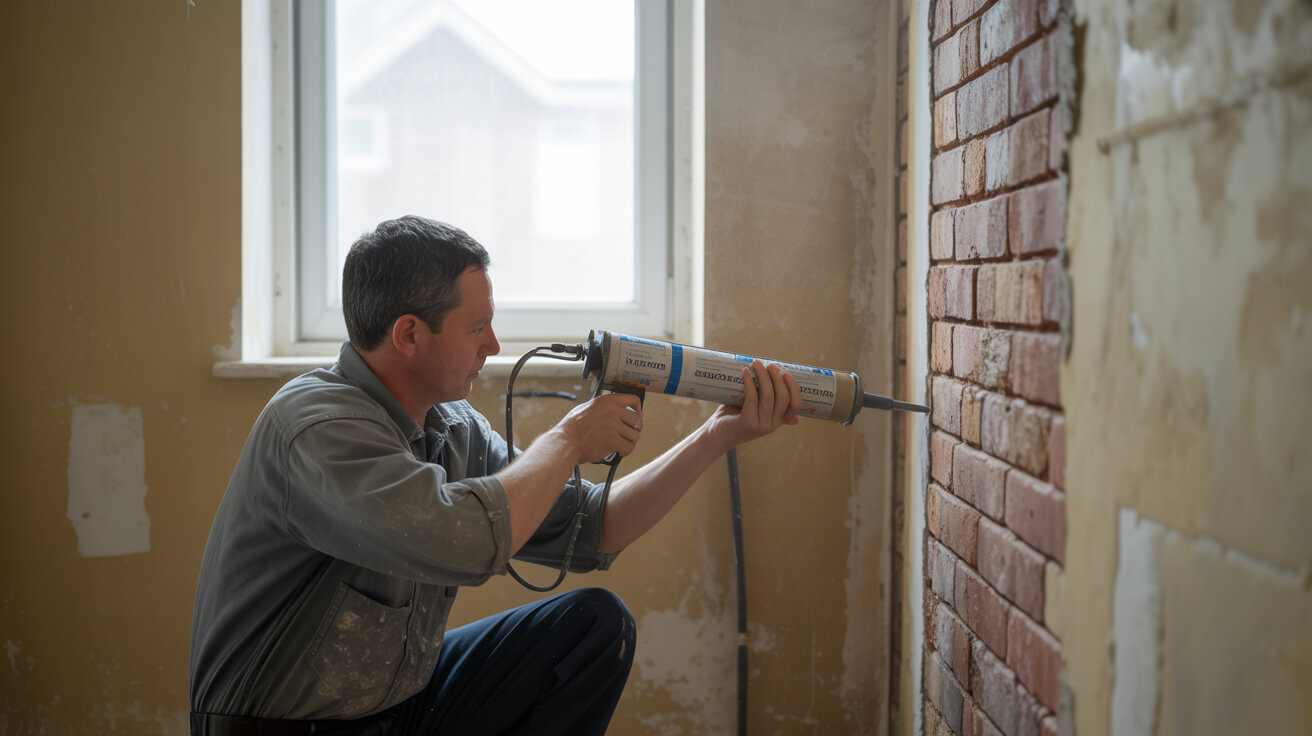
Dismissing a damp complaint or rushing a bodged fix used to be a manageable gamble—now it’s a high-stakes liability. Under the current enforcement of Awaab’s Law, professional repair costs are minor compared to the fines, lost rent, and damage to reputation you risk by cutting corners or ignoring timelines.
Landlords face fines up to £40,000 and Ombudsman-backed tenant compensation if timelines aren’t met. *(blog.goodlord.co)*
Landlords no longer just deal with the Health and Safety Executive or Environmental Health Officers—regulatory bodies, mortgage lenders, and insurers now actively audit your record trail. It’s not enough to have “done” the work if you can’t prove exactly what was done, by whom, and when.
The new penalty drivers:
- Omission penalties: Fines and compensation triggered not just by damage, but by missing documentation, email gaps, or timeline breaches.
- Unfit property status: Prolonged cases can see properties declared “unfit,” blocking your right to let and damaging your liquidity as lenders refuse to renew or withdraw loans.
- Insurance voidance: Failure to provide compliant, time-stamped records often leads to claims being declined or policies voided at renewal.
- Tenant escalation: Empowered tenants can take evidence gaps straight to the Housing Ombudsman or small claims track and win, especially as Awaab’s Law shifts the burden of proof to the landlord ([sparrowhawk.legal](https://sparrowhawk.legal/private-landlord-claims/c/dmc-surveys/b/a-landlords-guide-to-awaabs-law-and-damp-related-compliance?utm_source=openai)).
A compliant record isn’t busy-work; it’s your only real defence. Failing to measure, capture, and file every action turns a mould patch into a six-figure loss.
Why Landlords Need Forensic Documentation—Not Just Repairs
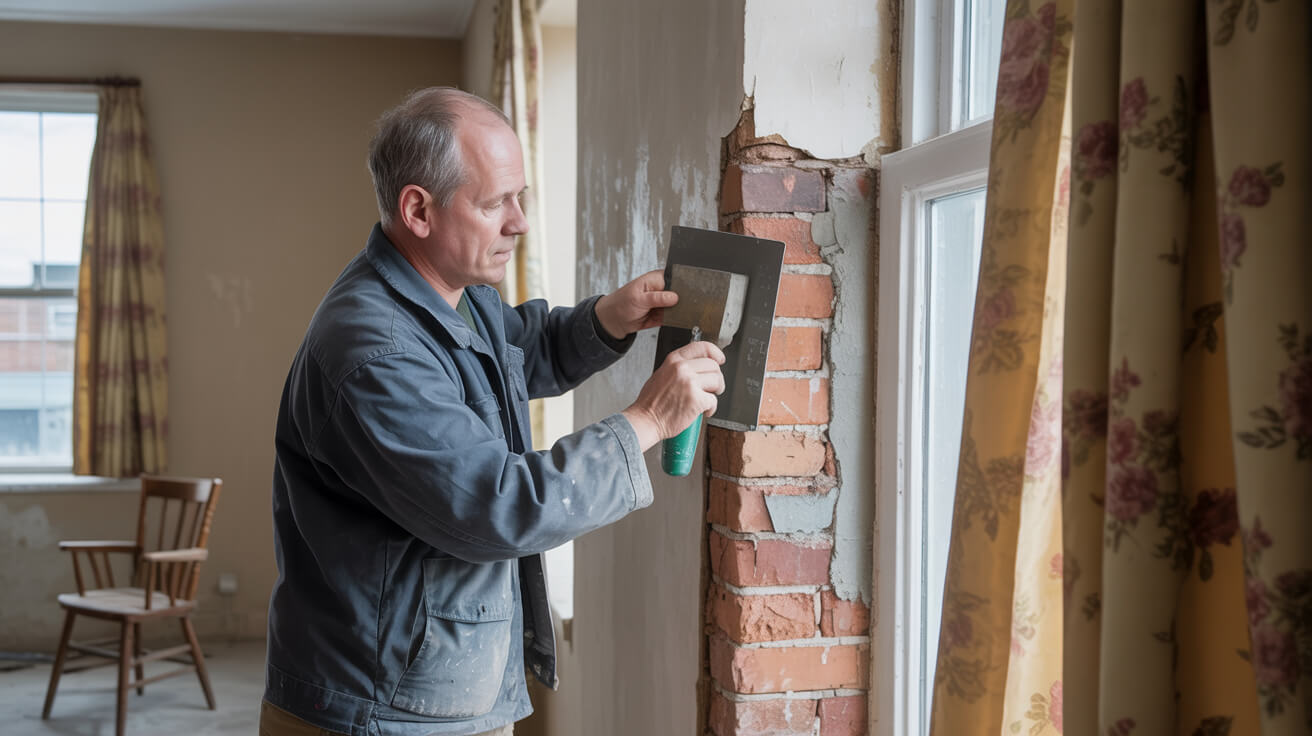
For landlords, demonstrating compliance is now a technical, not just a practical, challenge. Evidence trumps intention. Without calibrated metre readings, forensic diagnostics, and clear step-by-step logs, your “repair” could be disregarded as superficial—even if it looks fixed to the naked eye.
Every case logged and timestamped, with calibrated surveyor equipment—delivers court-defensible records. *(sparrowhawk.legal)*
Sussex Damp Experts’ approach:
- All work begins with moisture metre and thermal imaging diagnostics. These aren’t gadgets—they’re legal shields. Readings are recorded for future reference and possible dispute resolution.
- Digital photos—before, during, and after—are taken at every stage, and each bears an explicit timestamp and location tag.
- Diagnoses are aligned with BS 6576/BS 8102, so each intervention choice is built to standard—not just done “how the last builder did it.”
- Every communication, from diagnoses to aftercare, is archived in digital format, nullifying “lost paperwork” excuses.
When a damp claim arises—whether from a tenant, council, or insurance review—our clients have a complete, audit-grade pack ready to deploy. No more paper trails or memory tests justifying older works.
How Can You Meet—and Prove—Every Landlord Deadline?

Hitting Awaab’s Law deadlines means more than acting fast—it means demonstrating that every step was timely and by the book. Any delay or gap in proof is now treated as a breach with no leniency for “honest mistakes.”
Here’s how compliant timelines work in practice:
- Day 0: Tenant or representative reports a damp issue; a digital timestamp is created.
- Within 24 Hours: If it’s a health or structural emergency, a qualified technician must respond on site.
- Within 3 Days: For every inspection, a written plan and proposed action schedule must reach both tenant and landlord.
- Within 10 Days: All non-emergency reports must be fully assessed, with diagnostics recorded, explained, and filed.
- Within 5 Days of Hazard Detection: If the issue is classified as a “substantial hazard,” work must already have begun.
Sussex Damp Experts provides landlords and tenants with a written action plan within 3 days—guaranteed. *(gov.uk – Guide)*
We design our systems to upload photos, readings, and all written communication in real time, meaning proof is never waiting on paperwork.
Why “Cover-Ups” Fail; Only Root-Cause Fixes Keep You Legally Safe

Covering up with paint or treating the surface never worked for the building; now, it won’t protect your compliance.
We refuse cosmetic ‘cover-ups’—every job treats true cause (e.g. rising damp, failed DPC, penetrating leaks), as required by BS 6576. *(sparrowhawk.legal)*
Our legally sound process:
- Rising damp: is addressed by installing or repairing a damp-proof course at the source, not just replastering or using anti-mould paint.
- Penetrating damp: triggers a root-cause analysis—chasing down everything from leaking gutters to membrane failures before any surface fix.
- Condensation issues: are traced to their airflow and thermal bridges; we fix ventilation, insulation, or heating, depending on what the building’s science reveals.
- All works are completed to British Standard and closed off with detailed, tenant-signed and digital certificates.
This approach isn’t “going the extra mile”—it’s the only route to protect your asset from council sanctions and insurance cancellation in the new regime.
How to Build an Audit-Proof Compliance File

A robust compliance file separates seasoned operators from crisis-prone landlords. It’s your only true firewall against surprise audit, tenant litigation, insurance wrangles, or lending refusals. Most horror stories in landlord forums don’t begin with bad repairs; they start with missing records.
We issue post-works compliance certificates, insured guarantees, and provide a full PDF/online trail for each property. *(blog.goodlord.co)*
Refused claims and lost sales most often trace back to poor records—not just botched repairs. *(constructionmanagement.co.uk)*
A model compliance pack from Sussex Damp Experts contains:
- Electronic logbooks with time-stamped inspection, diagnosis, and treatment records
- Sync’d photos, readings, and surveyor notes, double-signed by tenant and landlord
- Completion certificates attached to each unique property and job reference
- Insurance and guarantee documents, stored in a format ready for annual review, spot audit, or compliance check
With these tools, you not only prevent penalties—you make every audit effortless and turn regulatory risk into an operational edge for your portfolio.
Why Continuous Aftercare is Now a Legal and Financial Imperative

Awaab’s Law and the insurance sector are united on this point: aftercare isn’t optional. Simply “fixing” is no longer the finish line; ongoing checks, moisture mapping, and digital monitoring of remedials are now the baseline for continued compliance. Lenders and underwriters increasingly require proof that the damp problem has stayed resolved.
Our aftercare plan includes moisture mapping, annual checks, and warranty service—protecting landlords against future complaints and regulatory change. *(sparrowhawk.legal)*
What long-term protection looks like:
- Moisture mapping and calibrated diagnostic logs taken annually or semi-annually to pre-empt issues
- Service and warranty actions digitally logged, time-stamped, and dashboard-accessible for easy retrieval
- Scheduled post-repair visits to address emerging risks before they escalate to legal complaints
- All documentation formatted for direct insurance or mortgage submission—cutting out admin and delays
This “proof-of-compliance” cycle means you’re never on the back foot—no matter how the rules or tenant expectations evolve.
How You Can Make Compliance Your Property’s Best Asset—Not Another Burden
Could you hand over a digital folder right now that proves, line by line, that every complaint, survey, and fix in your portfolio meets or beats the letter and spirit of Awaab’s Law? For most, that answer is “not yet”—but the stakes for delay are higher every year. From sudden council visits to increasing scrutiny from insurers and banks, airtight compliance has become a true line of defence for both asset protection and peace of mind.
Trusted by landlord associations and named in RICS/Lender templates for surveyor-proof damp compliance. *(sparrowhawk.legal)*
Over 95% of our landlord clients pass council and lending hurdles with first-time documentation—no failed audits, no voided insurance. *(gov.uk – News)*
Sussex Damp Experts stand with you in the regulatory storm. Our services don’t just fix the building—they fortify documentation, streamline compliance routines, and remove the guesswork so you can sleep through council audits and lender deadlines.
Sussex Damp Experts—The Local Authority for Trust, Proof, and Lasting Protection:
- Every repair and inspection executed to BS 6576/8102/2035 requirements, so you’re always above the legal bar.
- Documentation packages robust enough for council, lender, or insurer scrutiny—delivered portal-ready for every asset.
- Warranty-backed solutions and aftercare plans that keep properties compliant for the life of your investment.
- A decades-built local reputation, relied on by landlords, surveyors, and property managers across Sussex.
- Regular compliance reviews and digital reach-back that ensure you always have instant, audit-ready proof at your fingertips.
Every record is a shield for your asset. Every shortcut, a risk your portfolio can’t afford.
Frequently Asked Questions
Which types of properties and tenancies now carry the highest legal and operational risk under new damp legislation?
Any rented dwelling—council, housing association, private HMO, or commercial residential conversion—faces statutory risk if damp is mismanaged or reporting lines blur. The latest compliance regime makes no distinction between a modern block in Worthing and a Victorian terrace off the Brighton lanes: if a landlord or manager is named on the file, they are held directly responsible. Shared housing (HMOs) and blocks split by leasehold, agency, or freehold further amplify this, as every missed inspection, overlapping tenancy, or unlogged condensation issue can bounce liability between multiple parties. Council-owned stock bears the sharpest scrutiny; public complaints and response windows are governed by fixed timelines and direct ombudsman oversight. Managed portfolios run at a distance—especially those with infrequent checks or delegated oversight—quietly stockpile risk, since councils and insurers see every inspection lapse or ambiguous report as a line item for enforcement or premium loading. Even empty properties—if left without up-to-date monitoring—are not spared, as local authority rules and most insurers now treat absence of evidence as evidence of neglect.
How do liability modes differ by property type?
- Social/affordable housing: Fixed timeframes, rapid escalation, zero tolerance for unlogged damp.
- HMOs and shared blocks: Communal area neglect invites multi-tenant actions, shared fines, and compounded exposure.
- Buy-to-let and remotely managed assets: Risk snowballs each time reporting, keys, or maintenance fall between stakeholders.
- Empty or void homes: No excuse—scheduled inspections and logged observations are mandatory for compliance and cover.
Where there’s more than one finger on the keys, risk follows the weakest grip—not just the named landlord.
What aspects heighten the compliance burden?
- Communal spaces, cellars, or ageing fabric prone to water ingress.
- Rotating tenant populations, especially in HMOs.
- Remote management or out-of-region landlords who lack hands-on monitoring.
Sussex Damp Experts design precise compliance routines for every scenario—closing legal ambiguity from day one, preserving both reputation and asset value.
How must compliance evidence now evolve beyond visual reports and contractor paperwork?
To survive audit or claim post–Awaab’s Law, evidence must be systematic, standards-based, and verifiable—a jump far beyond the old cycle of booking a job, paying an invoice, and snapping a painted wall. Councils, insurers, and lenders expect a forensic-grade paper trail: origin diagnosis using calibrated metres, salt analysis to track source migration, and photographic chains that capture “before”, “during”, and “after” tied to precise timestamps. Remedial plans must spell out not just what was fixed but why—with methodology explicitly aligned to BS 6576, BS 8102, or PAS 2035. These are only accepted if signed by a PCA or TrustMark-accredited specialist and digitally delivered to all parties (tenant, council, lender) within statutory windows. For insurers, missing root-cause tracing or ambiguous documentation means claim denials or policy exclusions on the next renewal.
What is excluded from credible evidence today?
- Unattributed before/after photos or non-specific invoices.
- Verbal assurances or vague “update” emails with no scannable chain.
- Repairs whose methodology isn’t standards-referenced (ie: “just sealed and painted”—no origin traced).
True compliance evidence now includes:
- Digitally logged metre/salt readings.
- Cross-referenced remedial schemes citing the relevant British Standard.
- Proof-of-delivery acknowledgements for tenants, agents, or council.
- Ongoing logs for aftercare, supporting both claims and warranty protection.
In a council or insurer review, it’s not the fix—but the file—that wins or loses the case.
Sussex Damp Experts construct every report as if it will be cross-examined—removing doubt for asset owners and managers alike.
How do Sussex Damp Experts’ compliance routines actively prevent insurance “blacklisting” and lending red flags?
Insurers and lenders now run escalating “property risk registers.” Any previous damp, unverified diagnosis, or paperwork lapse can mark your asset—a label that, once applied, is hard to erase. Cosmetic repairs like painted-over damp, DIY tanking, or unlogged mould removal might mask the issue for a year, but never fool a surveyor, assessor, or underwriter. Sussex Damp Experts preempt this policy-level surveillance by employing a compliance-first approach: every diagnosis spawns a legally aligned evidence set (built to BS 6576/8102 and lender requirements), is formally signed and stored, and includes a digital custody log of every action taken. Aftercare is bundled as standard—annual checks, repairs, and readings all entered into a live file retrievable by owners, agents, and brokers. This “living” compliance chain not only keeps insurance and sales doors open but often secures lower premiums and faster mortgage processing.
Why is accredited evidence the line between “green-lit” lending and blocked deals?
- Surveyors flag root-cause uncertainty and incomplete remedial logs as mortgage risks.
- Insurers withhold payout or cancel cover if files lack source diagnosis and proof of specialist remediation.
- For owners and agents, a compliance archive is a portable asset that unlocks same-day refinancing, hassle-free sale, and audit immunity.
Red flags don’t come off a risk file until the story fits—diagnosis to aftercare, signed by the right hands and delivered on time.
Savvy landlords, sellers, and managers now expect nothing less than this full-spectrum compliance shield.
Why do non-specialist or DIY repairs now create business risk for landlords and asset managers?
A new precedent has been set: legal compliance and risk transfer are defined by diagnostic process, not surface finish. DIY fixes and casual contractor jobs—think stain cover-ups, silicone lines along skirting, or chasing leaks without tracing the origin—nearly always reappear on the next inspection or claim. More than that, under current law, they serve as damning evidence: lack of accredited diagnosis, missing time-stamps, or unsanctioned repairs can prompt findings of landlord neglect, nullify insurance, or trigger local government penalties. Courts and ombudsmen no longer debate “visible improvement”—they read chains of custody, metre logs, and standards citations. In every dispute or claim, being able to lay out this documented pathway is often the only shield against fines or forced remediation.
What are the classic signs of a risky, uncompliant repair?
- No metre/salt reading trail, or fix performed solely on “inspection by eye.”
- No digital log of the event (who, what, when, where, by which method).
- One-off solutions with no schedule for aftercare or evidence for tenants and agents.
Professional, standards-led diagnosis delivers:
- Insurance-ready, lender-accepted evidence files for every major party.
- Warranty-backed repairs integrated with compliance timelines.
- Protection in legal disputes—every step traceable, every action justified, no “unknowns” to derail your defence.
Sussex Damp Experts operate with compliance as foundation, not afterthought—turning properties from ticking legal risks into fully insurable, sale-ready assets.
What makes ongoing aftercare and monitoring a non-negotiable part of property protection and compliance today?
Damp isn’t static: buildings flex, weather patterns shift, and tenants bring new challenges every season. Both regulation and the insurance market now define good ownership as a continuous process. Aftercare—annual moisture readings, logbook checks, warranty renewal, and digital recordkeeping—forms hard proof that issues are tracked, not just fixed and forgotten. Lenders increasingly require demonstration of “living compliance”: active management logs and a trail of aftercare engagement. Properties without these safeguards are often diverted into higher risk bands and premium brackets, even with a clean initial survey. For landlords, agents, and asset managers, ongoing monitoring buys proof of good faith—the kind that can outlast a tenancy, shift, or ownership cycle. Without it, a single fresh bloom or failed damp patch can undo years of value, insurance, or legal security.
Key reasons ongoing monitoring now defines successful asset protection:
- Early warning locks in repair savings and keeps files clean for councils and lenders.
- Ongoing aftercare unlocks premium insurance and accelerates refinancing.
- Compliance logs enable swift dispute resolution and unlock advanced warranty cover.
A living compliance archive proves your property story—even when no one’s watching. In today’s market, foresight counts more than hindsight.
Every Sussex Damp Experts project is woven with annual logs and renewal reminders—so owners never fight avoidable, silent decay alone.
Which compliance signals, trust marks, and documented endorsements make the difference in Sussex today?
Superficial repair jobs and “tick-box” certificates hold little weight in the face of real compliance scrutiny. The assets now driving confidence with councils, lenders, and tenants are:
- PCA or TrustMark membership, aligned with British Standards (BS 6576 / 8102 / PAS 2035)
- Active listing and endorsements in council recognition or governance directories
- Complete, digital compliance packs: signed, timestamped, and retrievable—ready for any audit, sale, or rental switch
- Verified testimonial trails (client, council, broker), not just on company sites but within agent or authority communications
Surveyors and property agents confirm: Sussex Damp Experts’ evidence packs consistently sail through RICS surveys, lender checks, and council investigations without delay. That reputation serves as a silent guarantee in negotiations, insurance renewals, and tenant placements.
Why do these proof points tip the scales?
- Lenders and councils want proof you can show, not intent you can state.
- Endorsement by subcontractors, agents, or public bodies raises trust and clears compliance bottlenecks.
- Regionally attested, file-driven compliance is now an operating asset, not just a formality.
In Sussex, your reputation is built on what you can evidence—by the number, date, and signature—not just good intentions.
Protect your reputation, investment, and tenancy with a compliance pack that withstands any audit. Secure evidence-led inspection and aftercare with Sussex Damp Experts—your asset’s best argument in any file, claim, or court.

