
 By
By  August 26, 2025

Is Government Funding Actually Available for Damp and Mould Remediation—and Can Landlords Get Access?
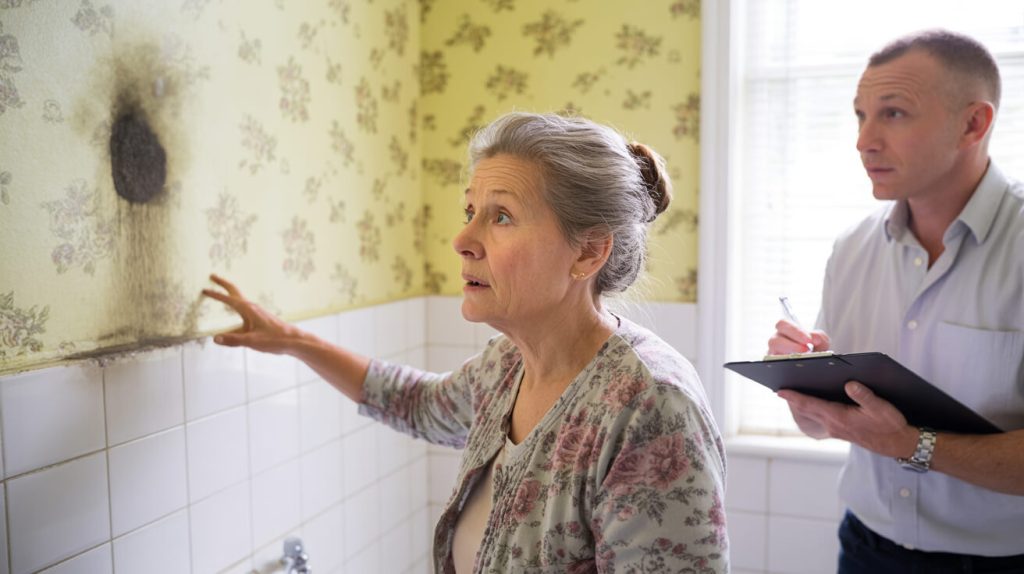
The short answer is yes—government funding and council grants for damp and mould remediation do exist, but landlords must work for every penny. There’s no “universal cheque” or magic tap you can turn on: only those with airtight paperwork, credible evidence, and disciplined compliance win support. If you treat the process like a handshake, you’ll end up out of pocket and out of options.
When damp shows up, two clock faces start spinning—your tenant’s health and your own compliance risk. Blink too long, and both costs rack up with interest.
Across Brighton, Hove, and Sussex, landlords hit the same wall: you have to clear tough eligibility tests, maintain laser-sharp audit trails, and jump through the entire “compliance firewalk” before funding or grants open up. Councils and central government reward process discipline and undeniable evidence, not just claims of good intention. Those who play by these rules—swift action, survey-grade proof, and strict chain of accountability—protect not only cash flow but also their standing and reputation in the toughest audit.
“Is there help for landlord damp and mould work?” The answer is—yes, for those who prove, not just plead.
Key pain-point summary
- No universal grant—only targeted schemes with strict, moving criteria:
- Funding is compliance-first, evidence-second, and paperwork is everything:
- Delay or shoddy records mean missed support and regulatory risk:
If you want access to government funding, your property—and your file—have to be watertight.
What Legal Duties and Compliance Risks Do Landlords Face With Damp and Mould?

Landlords aren’t just patching up leaks; they’re walking a regulatory tightrope. In the UK, the legal landscape is set by the Homes (Fitness for Human Habitation) Act 2018 and the Housing Health and Safety Rating System (HHSRS), placing a sharp spotlight on damp and mould as statutory failings—specifically health hazards.
One complaint, one inspection, and the council can land with both feet—direct orders, forced works, and bills sent straight to the landlord’s pocket.
Your Real Liability
- Council enforcement is active and accelerating: Brighton, Hove, and Sussex councils can—and often do—issue improvement notices, demand swift remediation, or even carry out repairs directly, billing you for all works and admin.
- Penalties stack up fast: Every week’s delay or incomplete fix risks rent refund orders, financial penalties, and court action—multiplied if tenants raise health complaints or the case gains media or council attention (NRLA 2024).
- Funding access is linked to compliance discipline: You must show a verifiable audit trail—documented tenant communications, accredited surveys, and a provable response to each complaint or problem.
- Weak documentation is an open wound: Many landlords sabotage their own defence because they lack evidence chains—councils and funding bodies will not chase you for missing files; they’ll simply refuse support (gov.uk/private-renting/repairs).
Your record-keeping is your shield. The best landlords aren’t just handy—they’re “file-first” risk managers.
What Evidence Do Councils and Funding Bodies Demand Before Approving Support?

Every grant, rebate, or funding decision lives and dies on the paper trail. Grants aren’t handed out for good intentions; they go to landlords who deliver a “document story” with proof at every step. In the modern compliance game, if it’s not in the evidence chain, it didn’t happen.
What Survives an Official Audit?
- Accredited surveyor reports: Only assessments from Property Care Association (PCA), TrustMark-accredited, or similarly qualified pros get past initial review. Contractor “notes” or basic invoices get binned.
- Photographic proof—every stage: Dated, labelled images of the problem, the works, and the completed repairs, all cross-referenced to your survey.
- Tenant communication logs: Every complaint, acknowledgment, and timed response should be logged and available, preferably digitised with timestamps.
- Works and completion ledger: A linked file or timeline—survey, quote, invoice, warranty—so nothing is missing and councils can “follow the money.”
- Aftercare and future monitoring evidence: Show clear aftercare planning—regular follow-up visits, damp readings, or tenant feedback over time.
In a grant audit, a single broken link—a missing invoice, an undated image—can freeze applications for months or void eligibility altogether.
It’s not about volume of paperwork—it’s about unbroken, bulletproof chains of evidence from survey to aftercare.**
What Grants and Support Schemes Are Actually Open to Landlords—and What Are the Triggers?
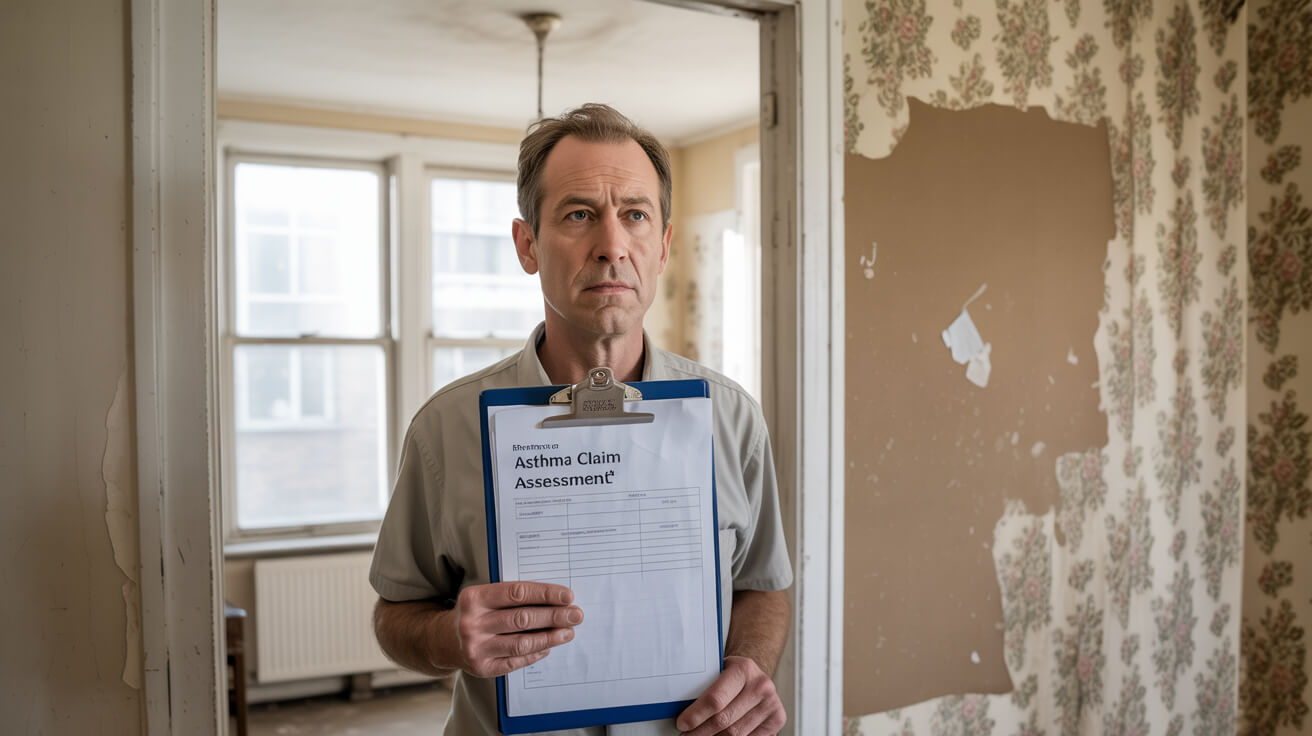
There is no single pot of “damp money.” Today’s grant system is a patchwork of energy, health, and local council funding—each with its own shifting demands and priorities.
The schemes that matter are the ones you can prove you qualify for. The rest are as useful as a chocolate teapot in a rainstorm.
Main Streams of Support
- Energy Company Obligation (ECO4, Great British Insulation Scheme): For homes with EPC rating D or below, vulnerable tenants, or low-income risk. Damp mitigation is covered if it is part of an energy upgrade (loft insulation, wall upgrades, ventilation) (ofgem.gov.uk/eco4).
- Local council grants (“Warm Home” or discretionary health hazard grants): These are limited, often first-come, and only apply where there is documented risk to health (children, elderly, health conditions; see Brighton & Hove council pages).
- Heritage and listed building support: Requires not just proof of risk, but strict evidence that works respect all listed-building, BS 6576, BS 8102, and Historic England requirements.
- Whole-house retrofit grants (PAS 2035): For landlords willing to take a “complete property upgrade” approach. Evidence must lock each element—damp, insulation, heating, ventilation—into a single application.
- Health-urgency or “emergency” funding: Council or NHS-backed, only for properties where health risk is life-altering and can be proved with medical or safeguarding reports.
Key Triggers
- Tenant vulnerability (health, age, disability, income)
- Low EPC or energy performance ratings
- Documented active damp/mould risk per HHSRS or professional survey
- Overlap with heritage/listed building consents
If you don’t satisfy the evidence bar, scheme entry is locked. Openings are rare, so readiness is everything.
How Do You Build a Successful Application—and Why Do Most Grants Get Rejected?
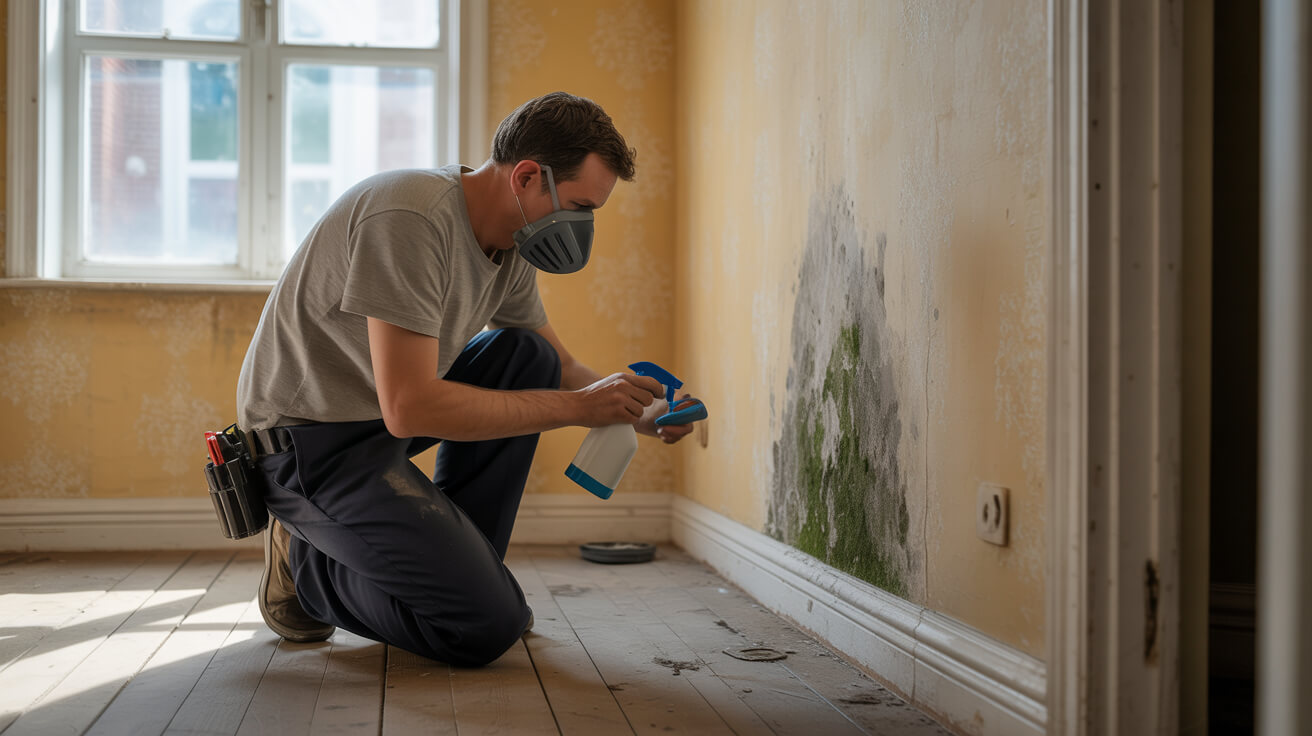
Here’s where even experienced landlords slip up: it isn’t enough to tick boxes and upload files—your application must tell a robust, airtight story. Councils and funders aren’t in the detective business; missing or unlinked documents get your application binned, not queried.
What Separates Success From Delay (or Flat Rejection)?
- A linked audit trail: Your file must run in tight chronological order—problem → survey → quote → works order → completion evidence → aftercare. No skipped steps.
- Eligibility, made explicit: Don’t assume the reviewer knows or cares about your tenant’s situation. Over-document vulnerability, EPC ratings, and previous history.
- Cross-checked budgets and timings: Invoices, formal quotes, and dates must match up—miss a figure, restart the process.
- Demonstrate aftercare, not “tick-box” fixes: The best applications promise—and prove—scheduled checkups, digital monitoring, and practical follow-up, not just “job done.”
- For listed or heritage homes—full planning and material statements, backed by council consent: Funding is voided if the works aren’t approved “in advance, on paper, in detail.”
Rejections are rarely about eligibility—they’re about missing evidence, timelines with gaps, or failure to spell out the full client journey.
Treat every application as if a hard-edged auditor will check every link. Because they will.
What Typical Mistakes Lead to Funding Refusal or Months of Delay?

Even honest, well-meaning landlords lose out through oversight. Most failures aren’t sabotage—they’re about discipline and attention to detail.
Classic Pitfalls That Cost Funding
- Survey standards too low: Only TrustMark, PCA, or regulated pro surveys will pass. DIY, generic, or missing surveys are an immediate red-flag for councils.
- Weak record discipline: Grants now favour applicants with *digital, chronological chains*—not paper scraps, scattered files, or fuzzy scans.
- Tenant evidence missing: Funding is often tied to tenant vulnerability—health, age, income. If you don’t prove it, you don’t qualify.
- Gaps in aftercare and compliance: You need future monitoring, repeat moisture readings, and a clear contact trail. If you’re missing proof, you’re missing out.
- Deadline drift: Funding pools run dry. Submit late or with incomplete docs and you go to the back of the queue—or out entirely.
Landlords who master digital records and compliance-first habits see not just more funding, but fewer audits, tenant disputes, or sudden regulatory storms.
Discipline isn’t painful; it’s future-proofing.
Can Combining Damp Works With Energy Upgrades Unlock More Funding or Fast-Track Approval?
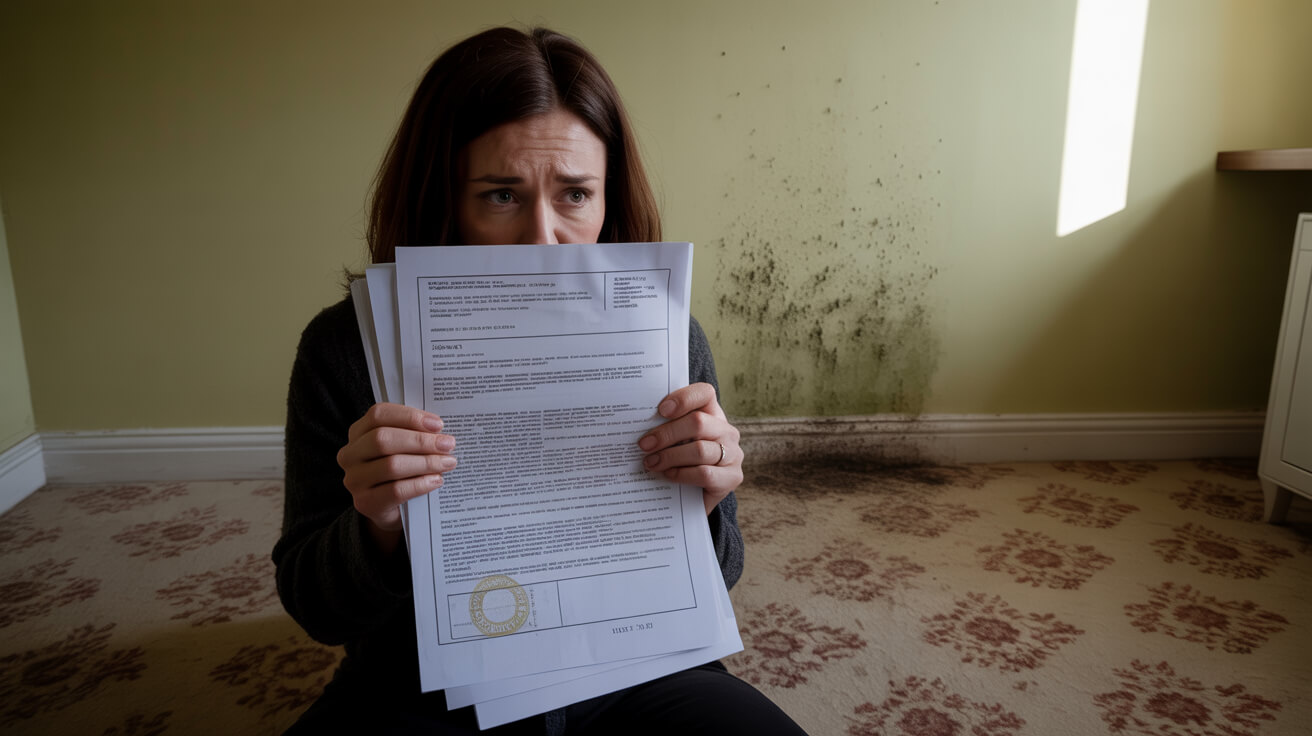
The new trend is clear: authorities reward bundled, “whole house” upgrades over piecemeal work. A fix for just one wall won’t slice through competitive queues—combining energy improvements with moisture control gets noticed, funded, and delivered faster.
How To Beat The Odds:
- Bundle it up: Tackle insulation, ventilation, and damp remediation as a single, coordinated project, with one, verified file for every step.
- Retrofit coordinators: Professional coordinators tie all evidence and planning together—from site survey to schedule, compliance paperwork, and aftercare. This isn’t optional if you want to unlock premium grants, especially under PAS 2035.
- Digital asset management: Each property gets a live, digital file—scanned docs aren’t enough. Digital apps and cloud platforms are now a compliance baseline.
- Scheduled compliance checks: Promise and document future inspections, not just repairs. This signals “systematic prevention,” which funding bodies prefer.
- Prevention-first, not patchwork: Make a future-proofing case—show that your property is managed “for the next decade,” not just today.
The properties that present as integrated, evidence-rich, and prevention-focused get funded—those stuck in patchwork mode fight uphill.
If you work like a system, you get treated like a leader.
What Ongoing Steps Protect Your Funding, Compliance, and Investment After Works Are Done?
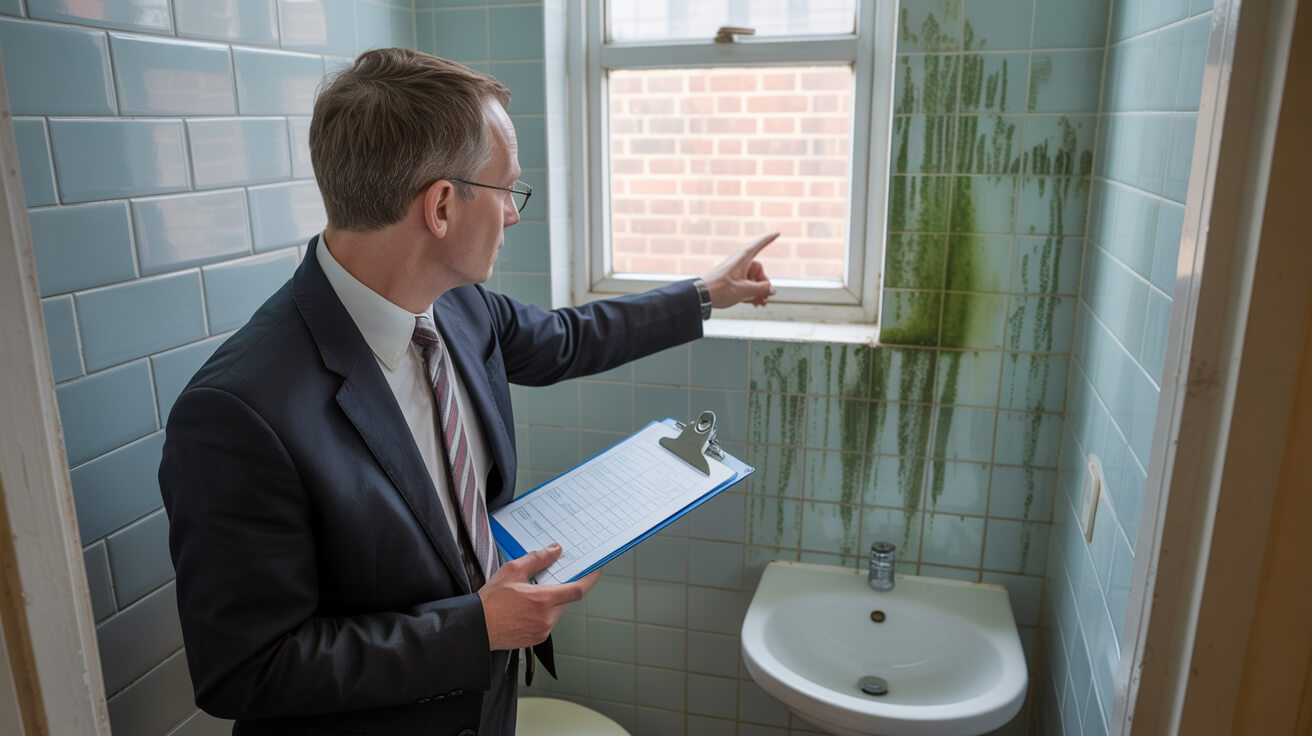
Success is never final in landlord compliance; damp and mould management is now an ongoing duty, not a one-off clean-up. Funding eligibility and audit processes can cycle back years after works finish—poor discipline now equals lost support (and fines) later.
Your Post-Works Playbook
- Digital record storage, minimum five years: Cloud-based files are now the baseline for re-approval, audit, and insurance. If you can’t produce every document instantly, you’re at risk.
- Automatic, scheduled inspections: Mark dates and keep proof of every professional/moisture/damp check, logged in one file per asset.
- Real-time, logged tenant communications: Treat every tenant report as an audit checkpoint. Log the complaint, your reply, all visits, and repairs—preferably in digital form.
- Ongoing regulatory “radar”: Keep informed on Brighton, Hove, and Sussex local authority updates, central government changes, plus annual grant and compliance scheme launches.
- Local authority networking: Engage proactively (not just in emergencies). Be the landlord whose name council teams respect—grants and audits are easier for those with strong working relationships.
Landlords who treat aftercare as a legal and financial safeguard sleep better—and see fewer sudden storms in their inbox.
Winning the funding battle is only half the job; staying audit-ready is where the real money and peace of mind live.
Book an Accredited, Council-Trusted Damp Survey—Protect Your Compliance and Funding Today
Grants and support don’t wait for good intentions; they reward who’s ready. If your compliance file is missing links, your application and reputation are vulnerable.
Sussex Damp Experts deliver council-approved, grant-eligible damp and mould surveys and full digital audit support. Our team has decades of experience building the precise evidence chains funding bodies demand. Your survey includes property-specific advice, accredited documentation, and a full plan ready for both council officers and funding deadlines. We don’t just diagnose—we structure your defence, paperwork, and aftercare so you’re eligible (and protected) for everything—now and next year.
Secure your asset, protect your cash, and lock in your reputation. Book your council-accredited survey by Sussex Damp Experts today—one call covers proof, process, and peace of mind.
Frequently Asked Questions
Which government grants or council-backed funding are genuinely available to landlords fighting damp and mould in 2024?
Not every “damp grant” comes with fanfare; most funding hides in wider schemes for energy efficiency, tenant health, or urgent repairs. In 2024, landlords face a landscape where ECO4 (Energy Company Obligation) and the Great British Insulation Scheme (GBIS) lead for insulation, ventilation, and heating upgrades. Councils—including those in Sussex—periodically activate “Warm, Safe Homes” or “Healthy Homes” programmes in response to local health risk or fuel poverty data; these have tight windows and demand robust evidence. Heritage property custodians can access Historic England or local retrofit grants, as long as every detail matches conservation rules. Direct repair grants purely for private landlords are rare, so the best route is wrapping an ironclad damp survey and risk file around broader energy, vulnerability, or safety cases.
Table: Core UK Grants & Schemes for Landlords (2024)
Many schemes update quarterly—always confirm with your local authority before starting application work.
| Funding Scheme | Landlord Eligibility | Typical Coverage |
|---|---|---|
| ECO4 & GBIS | Tenant on means-tested benefits, EPC D or lower | Insulation, ventilation, heating |
| Local Council Health Grants | Disrepair, health or safety risk, vulnerable tenants | Urgent repairs, upgrades |
| Historic England/Heritage Funds | Listed buildings, proof of need | Breathable remediation, compatible systems |
| Social Housing Decency / Retrofit | Housing associations, block owners | Multi-dwelling upgrades |
| Discretionary Emergency Funding | Proved high-risk cases | Emergency works, mould mitigation |
Act fast—every council pound is chased by a hundred claims. It’s the first complete file, not the first to ask, that wins.
How can landlords confirm if their property or case meets eligibility criteria for damp or mould grants?
Proving eligibility isn’t just a box-tick—it’s a game of evidence, timing, and matching your case to scheme targets. Most national funding—like ECO4 or GBIS—requires a qualifying tenant (usually on benefits), a low EPC (typically D or below), or triggering health risk backed by a proper survey or HHSRS hazard notice. Council-run programmes demand urgent risk, documented vulnerability, and often a site visit or environmental health report. Heritage and listed property owners face stricter tests: both the need and every fix must align with legal conservation logic.
- Typical Eligibility Axes:
- *Tenant status*: On benefits, medically vulnerable, or with formal risk notice.
- *Property Energy Rating*: EPC D or below scores funding preference.
- *Health Risk or Enforcement*: HHSRS hazard, council notice, or NHS/GP letter.
- *Geographical priority*: Some postcodes or risk hotspots are fast-tracked.
- *Ownership Type*: Housing associations often advance first, but private owners unlock options with bulletproof evidence.
If you’re missing any key document—survey, EPC, medical letter—pause and gather them early on; applications with holes stall or vanish.
Key Tip
Landlords in Sussex frequently unlock support by presenting a sequence of council evidence, tenant benefit status, and airtight survey diagnostics. Heritage applications nearly always require early planning consent—no shortcuts.
What’s the step-by-step process for landlords applying for a damp or mould grant in 2024?
Winning support isn’t paperwork theatre—it’s evidence choreography. The journey begins with a PCA or TrustMark-accredited survey, ideally with a photographic record of both the initial issue and any attempted repairs. Photograph each problem spot—room by room, and phase by phase—with clear date-stamps. Collate all tenant communications, complaints, and your responses. Engage your local council’s housing or environmental team the moment you sense risk—delay costs precedence. Sussex councils, for example, now expect digital bundles: survey, EPC, tenant vulnerability evidence, repair logs, and welfare/benefit proofs, all synchronised. For national grants, tenants with qualifying benefits may initiate the process (but your documentation is the clincher). Every form, quote, and communication log must agree on dates, names, and sites—council reviewers cross-check obsessively. And only proceed with contractors holding PCA, TrustMark, or PAS2035 credentials. Without them, even the best application stalls.
Progression Blueprint
- Commission a PCA or TrustMark-accredited survey and log every key finding.
- Build a photographic, date- and room-labelled archive.
- Collate tenant claim logs and all correspondence.
- Upload supporting evidence: EPC, benefits, medical risk if relevant.
- Gather accredited contractor quotes and aftercare plan.
- Submit only after rechecking every data point for consistency.
- Store all records digitally—council audits expect rapid proof on request.
Claims don’t crumble on technicalities—they fail the discipline test. The best-prepared landlord nearly always snatches the funds.
Which survey and evidence formats do funding bodies actually accept for damp and mould cases?
Council grant panels won’t sift anecdote or guesswork. They require accredited, precise, and time-linked evidence. Employ a PCA or TrustMark professional—DIY surveys or off-the-cuff builder notes don’t count. Evidence must specify the type of damp, precise locations, and probable cause. Embed photographic logs: shots before, during, after works, date- and address-labelled. Track every repair and intervention with contractor names, product types, batch codes, and warranty certificates. Health-risk cases need GP or NHS letters explicitly referencing the property. All tenant communications—complaints and your replies—should be time-stamped and stored. If the site is listed, add planning consents and a note about conservation-grade materials. Sloppy or missing links will see your claim bounce.
Evidence Snapshot Table
| Evidence | Who Provides | Why It Matters |
|---|---|---|
| PCA/TrustMark damp survey | Specialist | Compliance, diagnosis, audit trail |
| Dated photographic record | Owner/contractor | Proves scale, sequence, intervention |
| Contractor/aftercare log | Contractor/owner | Shows diligence, enables warranty |
| Tenant communication sequence | Both parties | Verifies complaints, duty of care |
| Medical risk evidence | NHS/GP | Triggers urgent or discretionary funding |
| EPC and benefit/council docs | Owner, tenant | Required for energy/health grants |
| Listed site/planning approvals | Owner, council | Required for heritage/conservation |
One chain breaks—one photo missing, one letter late—and even the strongest case hits a wall.
Why do landlord claims for damp or mould grants collapse, even when they seem eligible?
Rejections nearly always trace back to paperwork or sequence, not real-world risk. Missing, non-accredited, or incomplete surveys—especially written up by non-specialist contractors—lead to auto-decline. Out-of-order photos or logs cause chaos; applications are binned at the first sign of confusion. Most health-risk claims fail for lacking formal GP/NHS evidence. Errors in form-filling—especially on names, dates, or addresses—can create instant mismatches. For listed property, forget one consent or attempt a modern fix with old walls, and the council won’t hesitate to reject. And aftercare is often underestimated: fail to upload warranties, evidence of monitoring, or follow-ups, and future grant access evaporates. In Sussex, local authority desks will bin applications for the lack of even a single date-stamped photo.
- Common Grounds for Failure:
- Survey not PCA/TrustMark accredited
- Disorganised, missing, or non-sequential logs/photos
- Health claims missing professional NHS/GP proof
- Incomplete or inconsistent forms/data
- Submissions past fund deadlines or with gaps
- No evidence of aftercare or monitoring
- Heritage works without planning or unsuitable materials
Failure-Prevention Insight
Landlords who build files fit for council or lender audit rarely see claims fall short. The “order and discipline” test is rigid—luck and shortcuts are no match.
How can Brighton, Hove, and Sussex landlords best secure grant funding and compliance for damp and mould?
Act with speed and order: Brighton & Hove landlords should contact Private Sector Housing or Environmental Health, explaining tenant risk and prepping a photo-rich evidence bundle. Download the latest “Damp and Mould” pathway guide from the council. Commission a PCA/TrustMark-accredited survey—Sussex Damp Experts supply reports that satisfy even the strictest lender or council review. Structure your records: cloud-based file storage, action and communication logs, EPC and tenant proofs, all ready for digital review. Heritage property? Secure planning and list every breathable material intended. Don’t wait for risk or compliance letters to escalate—take action before funding deadlines choke access. The best-case files move to the top of crowded council queues.
Brighton/Sussex Action Checklist
- Early council contact: state risk, submit complete forms, start evidence trail
- Accredited survey—backed by sequential documentation
- Dated and room-by-room photographic archive
- Full tenant/EPC/health evidence bundle
- Contractor proofs and aftercare scheduled
- Planning/heritage paperwork completed where relevant
- Redundant (cloud, USB) file backup for audit-readiness
The best-protected properties in Sussex aren’t lucky—they’re managed with the discipline of an air traffic controller.
Ready to set your claim apart? Sussex Damp Experts build compliance and proof bundles that win council trust—and funding. Leave no piece to chance; secure your property, future, and standing today.

