
 By
By  August 26, 2025


Can Nano and Green Technologies Truly Revolutionise Damp Proofing — or Is This Another False Dawn?
Sussex properties have endured a revolving door of supposed “breakthroughs” in damp proofing—each one promising to end the cycle of damp recurrence for good. Nanoparticle sprays, “eco” coatings, self-healing membranes, and so-called green treatments have all paraded through the market with bold claims. On the surface, they offer irresistible hope: a simple spray, a clean conscience, and a future without creeping black mould or haunted survey reports. Yet behind every glossy launch is the patient truth property owners know too well: damp is a stubborn, multifaceted adversary, thriving when diagnosis is rushed and documentation is thin.
Moisture cuts corners. The cheapest fix rarely stays put.
Ask any surveyor or seasoned landlord in Sussex: beneath the promise of innovation, rising damp still finds a foothold, condensation returns each winter, and homes marketed as “fully treated” end up back in the hands of repair teams, months or years later. Why? Because genuine breakthroughs never spring from buzzwords alone. They’re built on forensic site assessment, hard proof underpinned by standards, and a tailored partnership between material science and the way a building actually lives and breathes. The real revolution lies not in what’s fashionable, but in backing every solution with accountability—diagnostics, documentation, and a logic chain that any lender, insurer, or future buyer can trust.
Why Damp Remains Hidden for So Long in Modern Buildings
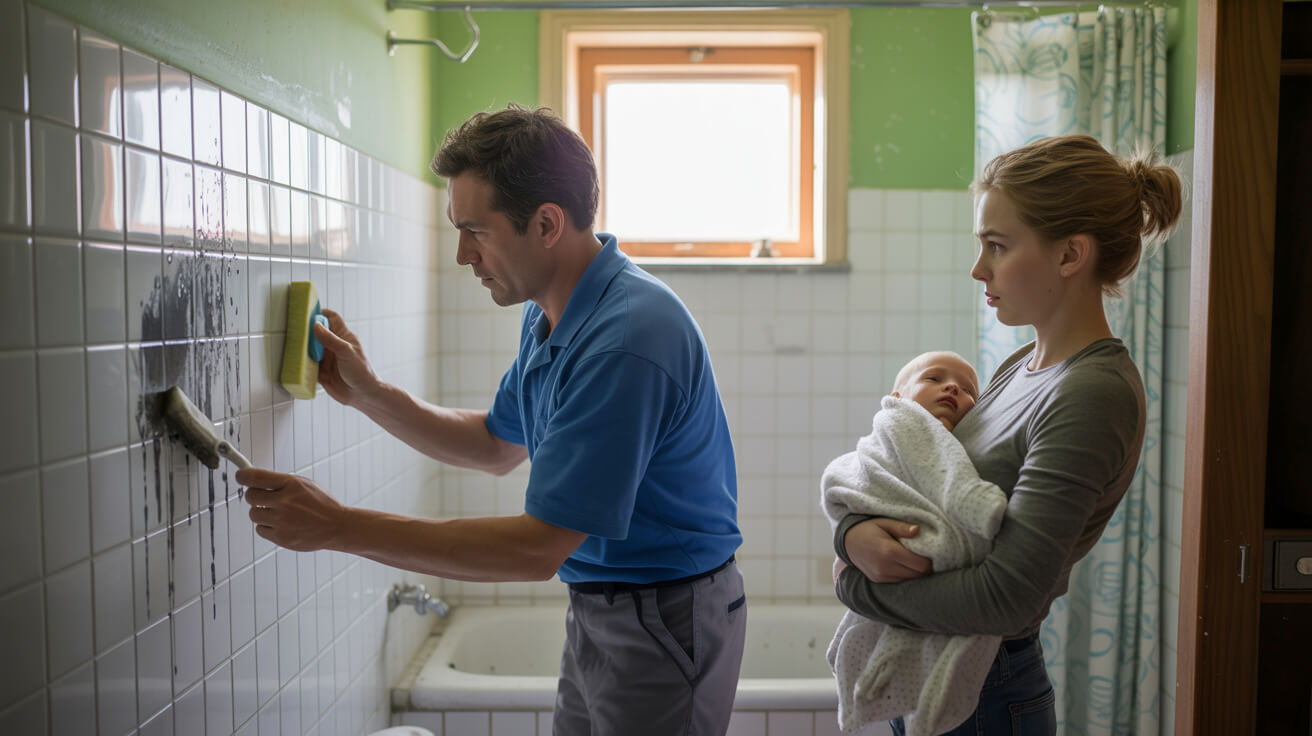
Damp doesn’t crash through the door. It seeps in—quiet and undetected, often for years—until symptoms emerge in ways most people don’t recognise as critical. Typically, trouble shows up when:
- Paint at skirting boards begins to powder, flake, or bubble
- Black or green spots appear on wallpaper, furnishings, or behind wardrobes
- Musty, earthy smells linger—especially after cleaning or during wetter months
- A professional survey picks up moisture patterns far beyond what a cheap metre can reveal
Here’s the rub: Over 70% of visible damp cases are misdiagnosed at first glance (Property Care Association). Structural issues get labelled as “just condensation.” “Old house smell” is often fossilised minor leaks. Each type of damp—rising, penetrating, condensation—hides in different ways and attacks from a different angle. Most delays happen because symptoms are ignored or guessed at, paperwork is missing, or assumptions are made because “it’s always been like this.”
Most lost value isn’t from water alone—it’s from the cost of waiting, guessing, and patching.
Delays carry a bill: lower property values, survey flags that sink mortgages, tenant complaints morphing into legal headaches per the Homes (Fitness for Habitation) Act, and escalating repair bills because root causes go untreated. For landlords and managing agents, a missed diagnosis quickly becomes an administrative and financial liability.
That’s why property protection at Sussex Damp Experts always starts with forensic investigation—moisture mapping, substrate analysis, airflow tracing, and honest, image-rich documentation. Green or nano isn’t enough if the wrong walls are targeted or if the installation skips critical compliance. Start with science; finish with confidence that lasts.
Where Old Meets New: Classic Damp Proofing, Its Limits, and How Modern Tech Extends the Playbook
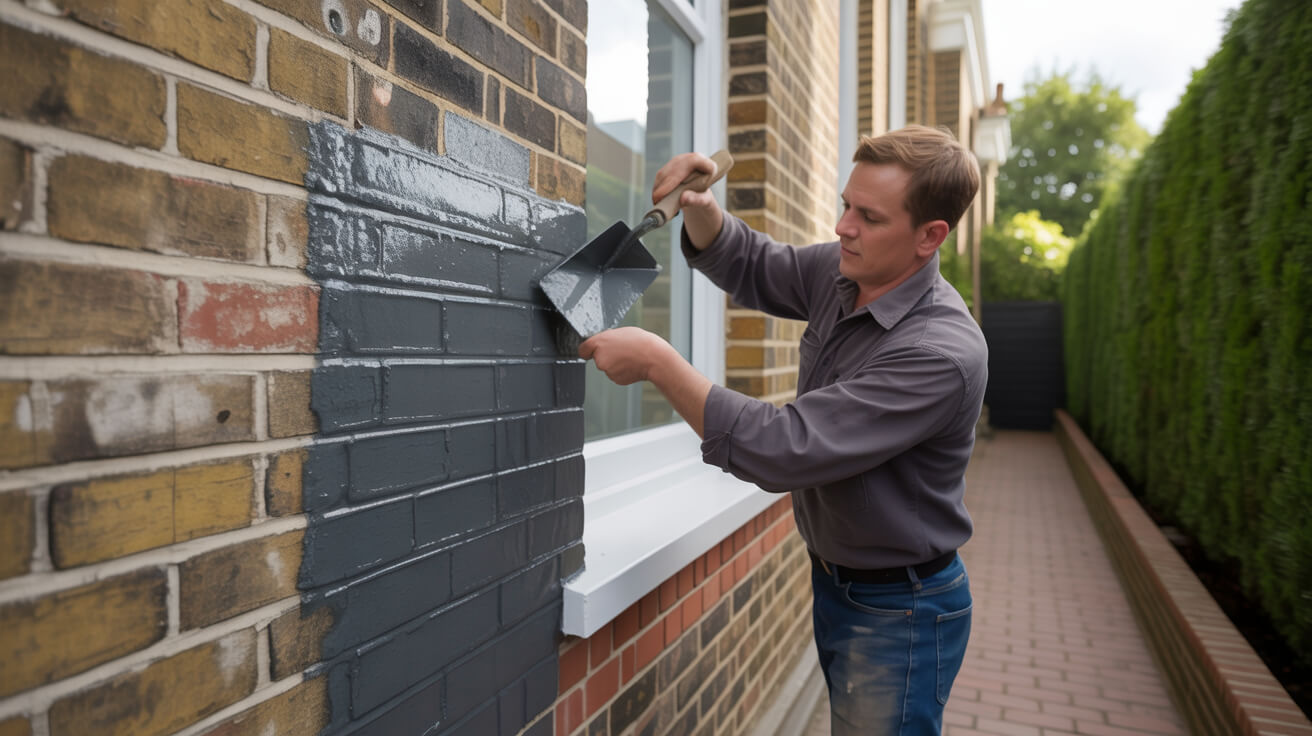
Physical and chemical barriers—DPCs, tanking membranes, and breathable plasters—are cornerstones in British damp control. Their track record isn’t flawless, but when matched to the right problem they do real, lasting good. Failures erupt not because the tech is old, but because diagnosis is sloppy or follow-through is lacking. Trouble often strikes when:
- Properties treated for “rising damp” actually suffer structural cold bridging or persistent leaks—turning expensive DPC work into a wasted investment
- Historic or solid wall properties are entombed in tanking or modern membranes, quietly trapping moisture and feeding future rot
- Landlords and sellers skip compliance documentation, only to be stung by failed insurance claims, mortgage holdups, or regulatory fines
A chemical injection DPC—done right—costs £50–£100 per metre (inc. guarantee), while full tanking in a cellar or a basement runs well into five figures. But guesswork leads to loss: For English Heritage sites, the wrong fix can trigger enforcement, while homeowners rushing pre-sale works risk losing 10-15% on flagged surveys because warranties and records are absent.
Best practice now means combining proven classics with new tech. Sussex Damp Experts do this as standard—every intervention is evidence-driven and logged, paired with photographic site history, specification and compliance records, and warranty documents. The result? No surprise survey failures, smoother property transactions, and the kind of paper-chain lenders actually trust.
Nano-Enabled Barriers and Smart Hydrophobic Systems — Breakthrough or Branding Exercise?

Innovation in damp proofing now includes the micro scale. Nanomaterials—engineered particles 1-100 nanometres wide—are turning decades of chemical science into powerful tools for property protection. Their strengths include:
- Ultra-fine penetration: Particles migrate into brickwork, stone, or render, establishing a durable, near-invisible water-repellent matrix
- UV- and weather-resistant barriers: Withstand freeze/thaw cycles and British rainfall, outperforming many organic alternatives
- Eco-friendly profile: Low or zero-VOC, water-borne carriers allowing application in occupied property or sensitive heritage settings
But here’s the catch. Nano-treatments are a hammer, not a magic wand. They block capillary action and reinforce existing barriers—but they don’t address leaky pipes, missing airflow, or condensation from blocked vents. Marketing promises a universal fix, yet the real world shows: damp always finds the open channel if preparation skips a step or context is overlooked.
No miracle coating survives a hidden leak or chronic ventilation problem. Ignore the basics and you’ll repeat the pain.
Nano-barriers, applied after proper diagnosis and prep, can add decades of dry life to brickwork or supplement failing DPCs—especially in places where invasive work isn’t possible. The key is professional application, standards compliance, and a willingness to say “no” when the tech doesn’t fit the building. Sussex Damp Experts don’t sell nano as a panacea; it’s integrated into a broader evidence-based toolkit, designed for your actual risk, not just the spec sheet.
Sustainable, Breathable, Heritage-Friendly — How Modern Materials Protect Old and Unique Buildings

Not all properties can stomach modern membranes or chemical barriers. In fact, solid wall buildings, listed homes, and period cottages often deteriorate when trapped behind non-breathable or irreversible treatments. Sustainable and heritage-safe solutions focus on:
- Breathable lime- or earth-based plasters and renders to channel excess humidity, manage condensation, and halt the upward spiral of trapped damp
- Vapour-permeable membranes and recycled underlays that allow for technical upgrades without damaging the building’s fabric or failing conservation approval
- Systematic logbooks: Full documentation matching PAS 2035, TrustMark-led schemes, and local authority guidance for listed or historic dwellings
Hasty use of standard tanking or DPC creams in older stock can quietly trigger hidden rot, boosted energy bills, and a new cycle of undiagnosed mould. Heritage compliance demands transparency: you must prove treatments are reversible, filter out synthetic-only fixes unless justified, and preserve external and internal lines without bodging.
This shift means that clients—from landlords to property managers—now win through full compliance, not just hard sell. Sussex Damp Experts field heritage-trained teams for every such job, documenting the process from survey to certification and protecting you from future challenges in sale or grant negotiation. Properties cared for in this way sell faster and suffer less haggling, because the new owner or stakeholder can see the logic and proof at every step.
Financial Truths: Cost, Payoff, and the Hidden Risks of Doing It Wrong
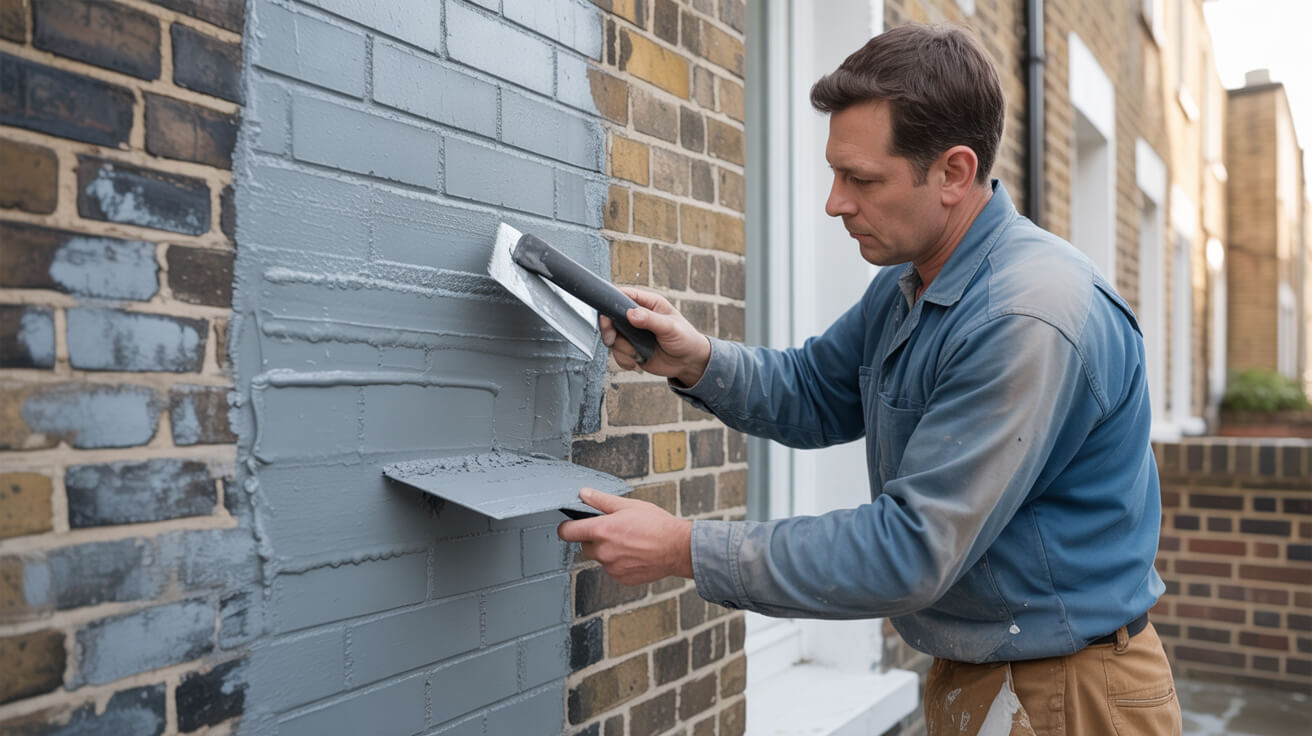
Property decisions always come down to risk versus reward—and the fine print. Damp proofing costs are only half the story; misdiagnosis or failing to document every detail can double your true bill. The figures look like this:
| System Type | Upfront Cost | Expected Service Life |
|---|---|---|
| Nano-barrier treatment | £30–£50/m² | 25–30 years+ |
| Chemical injection DPC | £50–£100/m | 10–30 years |
| Physical membrane system | £2,000–£10,000+ | 30+ years (variable) |
| Eco/heritage lime plaster | £60–£150/m² | 15–50 years (with care) |
These numbers miss out loss from asset value hit, legal exposures, warranty voids, and council or insurance headaches that only arrive if your paperwork is missing or incomplete:
- Redoing a failed treatment (due to missing diagnosis or not matching BS 6576 / PAS 2035) almost always costs more than double a first-time correct fix
- Landlords without mapped and validated records face claims and enforcement; their insurance and resale power hang on the right logs
- Sellers lose upwards of 10% value when buyers’ surveys flag hidden, untreated, or undocumented damp defects
Sussex Damp Experts treat documentation as inseparable from installation. Every report, photo, test result, and product spec is turned into your audit trail. Whether for an insurer, a council, a buyer, or your own peace of mind, this evidence divides those who weather a crisis from those left with a cancellation letter.
You’re not buying a barrier—you’re buying credibility that stands up to lenders, insurers, and the next buyer in line.
Why Documentation and Compliance Are the True Heart of Damp Risk Management
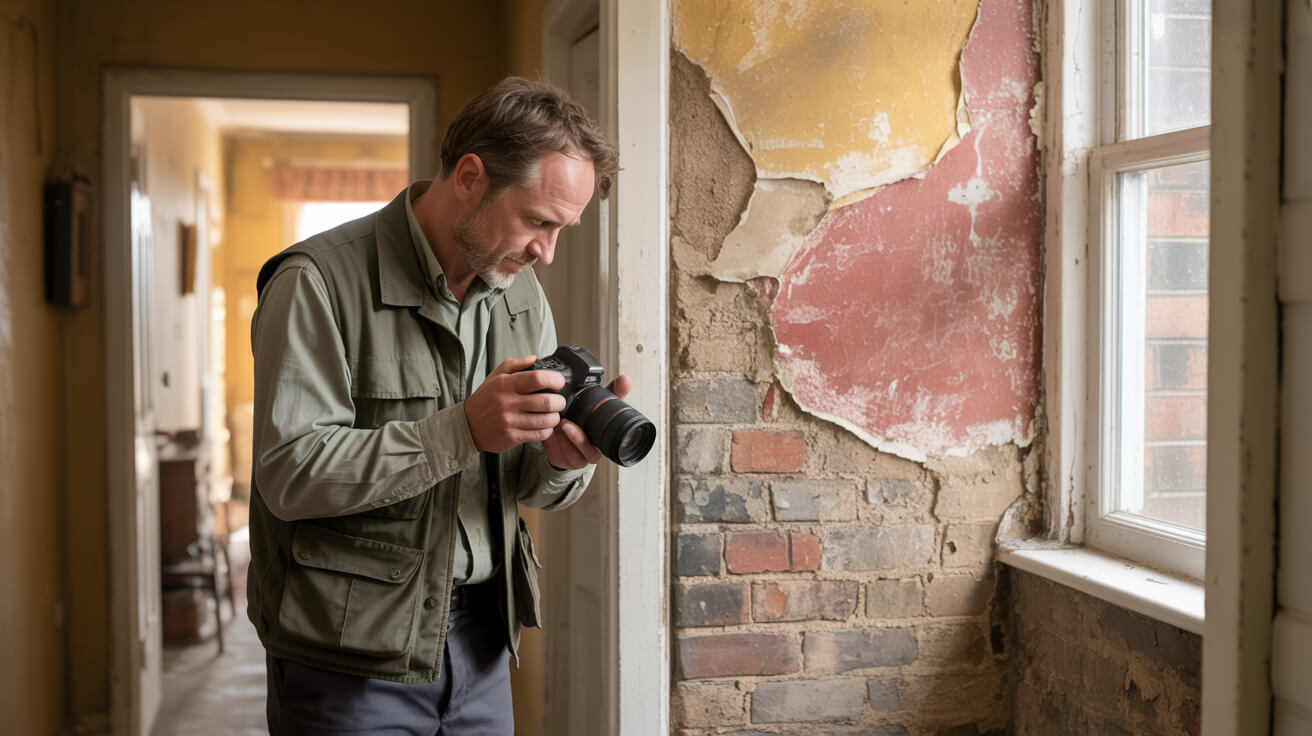
In today’s property world, the “dry” claim means little until it’s proven, documented, and ready to show an auditor, a buyer, or a letting agent. The essentials now include:
- Transparent diagnosis logs: Moisture readings, full pictorial evidence, and mapped root cause
- Product and job data: Manufacturer specs, batch numbers, installer accreditation, and compliance logs
- Reference to standards: BS 6576 for rising damp, PAS 2035 for retrofits, BS 8102 for basements; site notes to match
- Signed-off heritage and planning compliance: For listed and conservation work, plus post-work audits verifying reversibility
- Full landlord compliance with the Homes (Fitness for Habitation) Act 2018, supported step-by-step with digital records
Miss these, and the door swings open to claims denial, control orders, halted sales, and council or legal challenge. In Sussex, audit-proof solutions are the new currency. Sussex Damp Experts lead by supplying not just the “fix” but the traceable chain, so no stakeholder has a shred of doubt.
Proving Dryness and Building Buyer Confidence With Aftercare: The New Normal
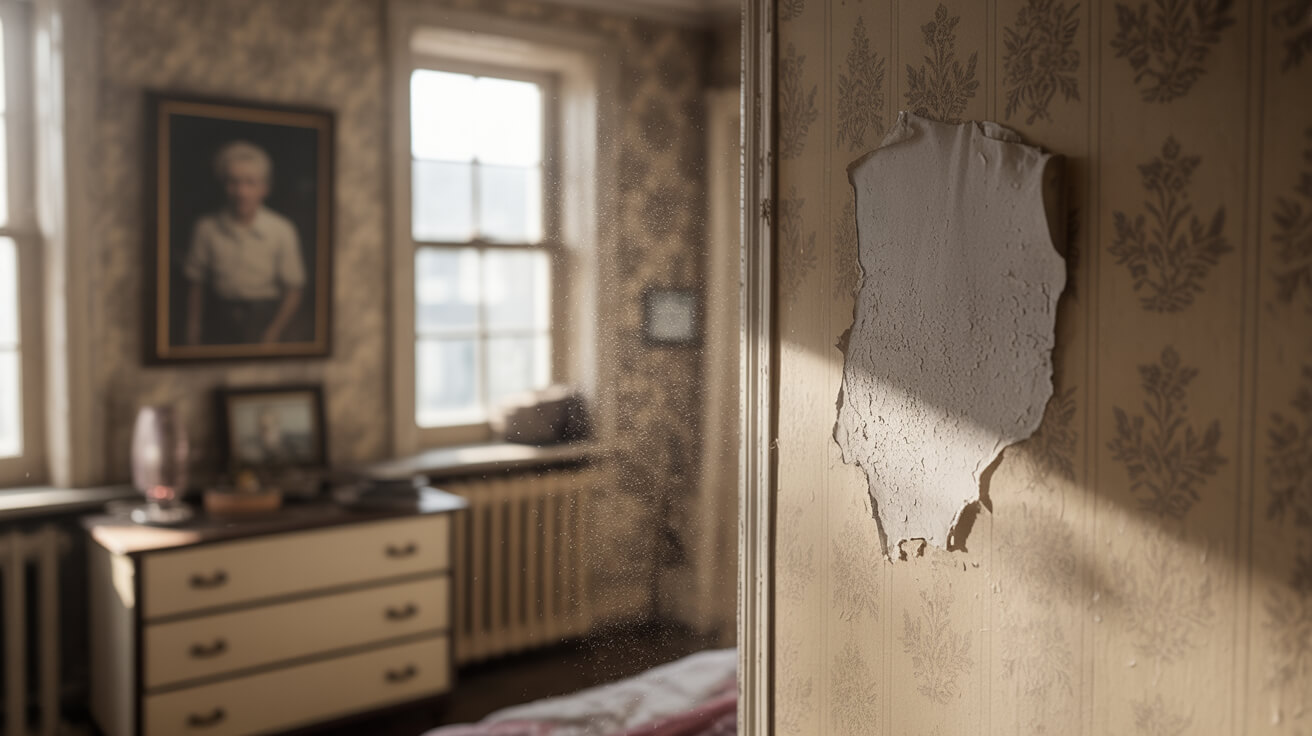
Protecting your property’s reputation and ongoing value isn’t a one-day job. It’s a process: establishing dryness, validating it over time, and arming every owner or manager with the evidence to defend it at every milestone. The modern aftercare gold standard delivers:
- Digital logbooks: Every client gets cloud access to surveys, step-by-step treatments, certificates, warranties, and aftercare paths
- Structured maintenance: Timed prompts for humidity checks, visual inspections, and independent spot-testing—so issues are caught before they snowball
- Transferability: Records that can be handed directly to buyers, new tenants, or estate agents, smoothing sales and sidestepping “buyer’s remorse” that drags down closing prices
- Optional site or remote re-assessments: Ongoing monitoring for tricky sites or high-value assets, ensuring even out-of-sight issues are found before they bite back
Proof of outcome, not just of work done, is now what lets homes trade quickly, win insurance payouts, or let with confidence. Sussex Damp Experts embed this from day one, so that each pound spent turns into transparent, lasting value.
Secure Your Sussex Property — Book With Sussex Damp Experts Today
Shielding your Sussex property from future damp is about discipline, insight, and best-in-class science—never faith in a label or last-minute promises. Relying on Sussex Damp Experts, you get:
- Forensic, property-specific survey and success mapping—diagnosis first, specification second, “miracle” never
- Access to the full spectrum: proven chemistry, next-gen nano, breathable and heritage materials, plus old-school fixes when required
- All interventions logged, pictured, and traced—ready for any buyer, insurer, or auditor
- Transparency in sustainability, performance, and compliance, backed by the region’s best-trained teams
Dry homes aren’t accidents—they’re the product of verification, follow-through, and the right documentation at every step.
If you want assurance your property can stand scrutiny, keep its value, and pass the string of legal, insurance, and survey tests coming its way, book your diagnostic assessment today. Sussex Damp Experts deliver not hope, but certainty—built on evidence, embedded resilience, and the kind of trust that holds up for decades, not just until the next rain.
Frequently Asked Questions
Why are Sussex property owners increasingly choosing nano and sustainable damp proofing—and who benefits most?
Owners of Sussex’s heritage, premium, and compliance-sensitive properties are leading the shift to nano and sustainable damp proofing because these methods address risks that outpace standard DPCs and old-style tanking. If you own a period home, a basement, or a flat headed for remortgage or sale, you’re in the crosshairs of strict regulations and fussy surveyors. Nano and eco approaches excel at:
- Satisfying conservation officers and surveyors with minimal disruption and materials that respect historic masonry.
- Meeting the Fitness for Habitation Act and Council HHSRS inspections, avoiding the legal headaches that come from hidden mould, failed tanking, or patch repairs.
- Improving your EPC and unlocking green funding or Retrofit grants not available to those using old chemistry or quick-fix systems.
- Keeping air quality high for families and tenants—crucially, nano and plant-based treatments often contain zero VOCs or biocides.
The surest way to avoid protracted disputes with lenders, councils, or future buyers is engineering evidence you can hold—not just a receipt.
Sussex is unique. Old brick, coastal air, tight conservation rules and a mixed bag of property stock make it essential to upgrade to breathable nano or eco solutions. If you’re planning works on listed walls, in shared buildings, or for sensitive occupants, these systems quietly outperform and build an audit trail that stands up in any scrutiny.
Where are the “big wins” concentrated?
- Listed or conservation-area homes where a traditional membrane could violate listed building consent.
- Leasehold and shared freehold cases where noisy, invasive works risk all-party fallout.
- Landlords seeking to pre-empt tenant health complaints or fitness notices.
- Buyers and sellers wanting “survey-proof” logbooks and transferrable warranties for fast-moving transactions.
How does nano damp proofing actually differ from chemical or membrane systems in Sussex homes?
Nano damp proofing works by sending engineered particles into the pore network of your walls, locking water out but letting vapour through—a critical distinction from injection creams (which depend on a perfect line of mortar) or physical membranes (which seal, but don’t breathe).
- Penetration: Nano-proofers migrate farther into variable brick, stone, lime, or cavity infills found across Sussex, especially in quirky basements.
- Breathability: Unlike tanking or cementitious barriers, these treatments allow old and mixed-wall houses to “exhale,” reducing risk of trapped moisture, surface condensation, and hidden decay.
- Longevity: With warranties spanning 25–30+ years and resistance to salts, frosts, and UV breakdown, nano systems routinely outlast standard chemical DPCs—a huge benefit for survey, resale, or remortgage.
- Low-disruption fitting: Less drilling, less time on site, lower dust—the installation respects both the fabric and the people in the building.
| System | Instal Cost (Avg) | Lifespan |
|---|---|---|
| Nano barrier | £30–£50/m² | 25–30+ years |
| Chemical injection | £50–£100/m² | 10–25 years |
| Physical membrane | £2,000–£10,000+ | 30+ years |
A membrane still wins out deep underground or for certain mortgage lenders, but for most solid, mixed, or character Sussex properties, nano keeps structure and value intact without changing the “breathing rhythm” of the building.
Practical advantages for Sussex:
- Proven in clay-rich soils and lime-mortar walls where standard DPC fails.
- Well-suited to use with digital audit trails—batch numbers, instal logs, PCA sign-off and warranty entries that appease risk-averse surveyors.
- Fitted with minimal impact for tenanted flats, busy family homes, or businesses unwilling to shut down for dusty remediation.
When do breathable, ecological damp systems outperform older methods—and are there limits to their use?
Ecological damp solutions—like lime plasters, plant-resin injectables, or recycled fibre membranes—shine in Sussex homes where breathability, visual harmony, and retrofit eligibility matter.
- For period, solid-wall, and listed properties, eco systems match the “intent” of historic construction: vapour moves out, not in, preserving both finishes and substrate.
- Retrofit, PAS 2035, or TrustMark compliance often hinges on using “like-for-like” materials—lime or plant-based compounds tick the right boxes for grant eligibility and multi-party sign-off.
- In sensitive-occupant or high-occupancy contexts, zero-VOC, nontoxic methods cut down on triggers for allergies, asthma, and chemical sensitivity.
Still, eco systems aren’t a one-size solution. When applied over the wrong substrate (e.g., non-lime mortar, gypsum base, salt-saturated brick), they can fail—leading to visible flaking, patchy cures, or future warranty rows. In high water-table areas, even the greenest system won’t deliver if the roots of lateral ingress or capillary rise aren’t tackled first.
Not every wall welcomes ‘green’—sometimes the best system is the one custom-matched wall by wall, not just by label.
Eco system selection must consider:
- Surveyor-led substrate diagnostics for salt, moisture profile, and risk mapping.
- Need for audit trails that verify product and installer credentials—especially where lenders or insurers have a say.
- Professional aftercare, since eco systems are often part of a “living” wall regime needing periodic review.
How do surveyors, lenders, and planners treat nano, eco, or hybrid proofing—can you assure future sales and compliance?
You aren’t just damp proofing for today. Surveyors, lenders, and property planners now expect an audit-ready record—diagnosis, instal logs, and guarantees documented with timestamped photos, product batch ID, and PCA (Property Care Association) sign-off.
- Lenders increasingly check for insurance-backed, transferable guarantees—without them, buyers may face mortgage or insurance delays.
- Conservation and planning authorities want evidence that listed or period works were reversible, traceable, and compliant with BS6576, BS8102, or PAS 2035 as mandated.
- Housing associations, landlords, and agents must field HHSRS or “Fitness for Habitation” checks, often at short notice.
Sussex Damp Experts provides every property with a cloud-stored, unique “damp passport”—a ready-to-produce digital record that removes sale, remortgage, or council barriers.
In Sussex, it’s the audit trail—not just the treatment—that unlocks the next deal or settlement.
Actions that protect asset value:
- Store all damp proofing certificates, photo-logged installations, and warranties in accessible digital folders—not “in a drawer.”
- Insist on PCA-accredited survey and handover documentation, not just an invoice.
- Ensure aftercare schedules match the warranty length, and that transfer options for subsequent buyers are clearly outlined.
What hidden failures or myths still sink advanced damp proofing systems in Sussex?
The biggest risk is not the product—it’s the process. Most failures stem from botched diagnosis, shortcut installation, or poor ongoing documentation, not “weak” treatments.
- Treating condensation as rising damp leads to wasted DPC and no cure, while the true cause—ineffective ventilation or insulation—remains.
- Overlaying lime or nano systems onto walls still contaminated by salts or hidden leaks invalidates the whole warranty, leading to visible failure.
- Fitting “breathable” systems, then sealing with modern paints or non-breathable plasters, traps moisture and seeds hidden decay, despite a green sticker.
- Skipping batch, instal, and survey logbook entries means your guarantee may be worth nothing if challenged by an insurer, buyer, or tenant.
- Relying on “miracle cure” marketing undermines the importance of site-specific surveys and forensic planning.
A Sussex home remembers hidden mistakes—the surest defence is proof at every join and junction.
Neutralising these traps:
- Commission a multi-method forensic moisture survey—combining thermal imaging, salt checks, and substrate inspection.
- Specify treatments and materials only after full root-cause mapping, not just surface symptom chasing.
- Demand signed logbooks, digital photo evidence, batch details, and accredited installer records with every job.
- Schedule aftercare—warranty holds best when defects are nipped early, documentation is current, and handover is seamless.
Which first step guarantees dry, future-ready Sussex property protection—and how do you take it?
The most valuable move is to book a forensic damp survey with Sussex Damp Experts. This launches a complete evidence chain for your building—making every intervention, warranty, and aftercare protocol bulletproof.
- A detailed survey delivers root-cause answers, not just quick fixes—no more bouncing between short-term patch-ups.
- Your plan will explicitly match property type, aspirations (sale, lettings, legacy), and compliance windows—hedging against incoming regulation or resale scrutiny.
- Every diagnosis, design, and instal step is logged, time-stamped, and digitally delivered for transfer to any buyer, lender, landlord, or agent—years ahead of any compliance drama.
Be recognised as a Sussex property leader—one who makes visible, documented, and future-ready decisions. Secure your professional damp survey today and set the standard others will follow.

