
 By
By  August 26, 2025

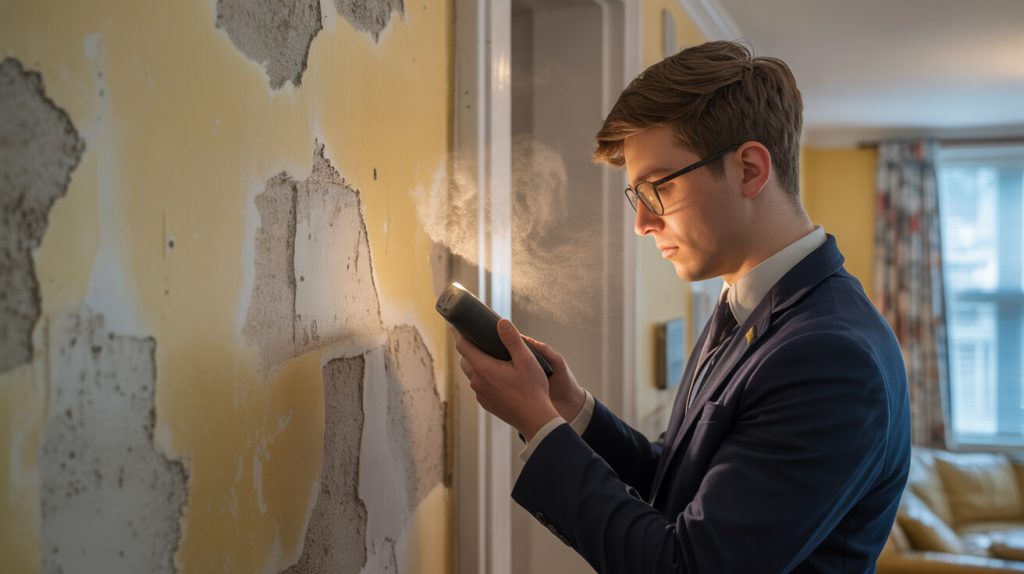
Is Damp or Mould in Your Home a Legal Time Bomb—or Just a Nuisance You Can Ignore?
Damp, condensation, and mould in Sussex properties have a nasty habit of creeping from overlooked corners to centre stage—often at the worst possible time. That dull musty aroma, the paint cratered and puffy, or that dark patch recurring along your skirting? These aren’t just an “old house quirk.” They are the visible warning lights of a problem that gets expensive, adversarial, and legally charged if left untended. For homeowners, buyers, landlords, agents or tenants, early warning signs of damp put you on the clock with the Housing Act 2004 and the Housing Health and Safety Rating System (HHSRS). Under these rules, “minor” damp isn’t minor: category 1 and 2 hazards include mould, and not addressing them can mean fines, council action or even court—especially where children, the elderly, or anyone with health vulnerabilities live (Shelter.org.uk; CitizensAdvice.org.uk).
Damp ignored is risk multiplied—costs, complaints, and health issues escalate quietly behind the wallpaper.
The uncomfortable truth? If your property shows repeated symptoms—blotchy patches, black spores, musty air, or warped skirting—the law expects action, not decoration. Landlords have a binding responsibility; tenants and homeowners face financial and mortgage risks if they let evidence mount unaddressed. Documenting early makes all the difference. Fail to do so, and small headaches morph into outsized financial, legal, and health consequences.
Why Damp Crosses the Line—from Nuisance to Legal Trigger
Moisture isn’t simply an aesthetic flaw. It destabilises the fabric of your property, spreads hidden decay, and—crucially—crosses the line into statutory “hazard” as soon as living conditions risk “serious harm or threat to health and safety.” Once a resident’s health suffers (persistent coughs, aggravated asthma, kids with respiratory symptoms), complaints become enforcement issues. NHS-backed links between mould and lung problems have reset how councils respond. Now, your logbook—symptom lists, humidity readings, photographs—forms the front line of your legal defence.
Key Point: If you live with vulnerable residents, legal urgency is multiplied. Your evidence could be the difference between quick resolution and blame being pinned on “lifestyle.”
How Do You Build an Evidence Trail That Forces Real Action on Damp and Mould?

Finger-pointing and emotional pleas rarely win property disputes. What decides outcomes under the Housing Act is a methodical, well-kept file—your own archive of the problem, symptoms, and responses (or lack thereof). With local authorities, lenders, or insurers, documented “impact and persistence” carries the weight; unsupported assurances do not.
The best protection isn’t a promise from your landlord—it’s the file you keep as backup when promises fail.
Start strong:
- Photograph everything.: Use your smartphone for wide shots (entire wall or ceiling area) and close-ups capturing texture, colour, and scale. Time-stamp every file.
- Note dates, weather, and symptoms.: Is the issue worse after rain? Has anyone developed a rash, cough or stronger reactions? The NHS and GPs routinely link mould to patient health complaints—ask your GP for a written note *(Asthma.org.uk)*.
- Keep a written log.: Record every repair request, agent or landlord reply, and what was said, promised, or done. Email threads are your friends—never just settle for “we’ll sort it.”
Over time: A pattern of persistent issues—unchanged after reported “fixes” or repeated in the same area—carries more weight than any single dramatic photo.
Handling “Lifestyle” Blame: Your Defence Is Evidence
Landlords and letting agents often default to blaming “your lifestyle” (“You’re drying clothes inside,” “You don’t air enough”). The way to neutralise this? Stay clinical. Reference your written records, annotated photos, and—if possible—third-party opinions from healthcare providers or the local council. The best surveyors, like Sussex Damp Experts, are expert witnesses: their logs and reports override a landlord’s dismissive reply.
Why Is a Written Complaint the Key That Unlocks Legal Protections?

Verbal gripes, texts, and offhand calls carry no legal weight if the dispute escalates. The lever that moves councils and locks down your legal rights is a formal written complaint: dated, time-stamped, and delivered by email or post. This isn’t bureaucracy for its own sake. It’s the line the law draws between temporary frustration and enforceable remedy—a requirement under the Housing Act 2004, and the point at which councils are obliged to step in (gov.uk; Shelter.org.uk).
Until you write it down, your complaint is gossip. Written evidence brings the law to your side.
Make your written complaint count:
- Describe the problem: detail the damp, mould, odour, visible symptoms, and health impact. Use the term “Category 1 or 2 hazard” if risk is to health.
- Specify who is affected: spell out any residents with extra health vulnerability—children, elderly, asthmatics.
- Attach evidence: add photographs, symptom logs, and GP letters.
- Ask for a formal inspection and specific repairs: with a clear deadline (14 days is standard).
- Copy in previous communications,: showing the pattern of concern and your effort to resolve things peacefully.
Store both sent and received messages—this file is the crux of your claim.
How Written Complaints Activate Protection Against Retaliation
Once submitted, your written complaint is effectively a legal shield. Landlords cannot lawfully evict, increase rent, or terminate agreements in retaliation for flagged hazards. Any attempt to escalate rent, terminate tenancy, or ignore major repairs is automatically scrutinised, and councils have statutory power to intervene. Most importantly, it helps defeat the excuse that “it’s just tenant behaviour.” Documentation rules the outcome (Shelter.org.uk; gov.uk).
What Happens When You Escalate a Damp Complaint to Environmental Health?
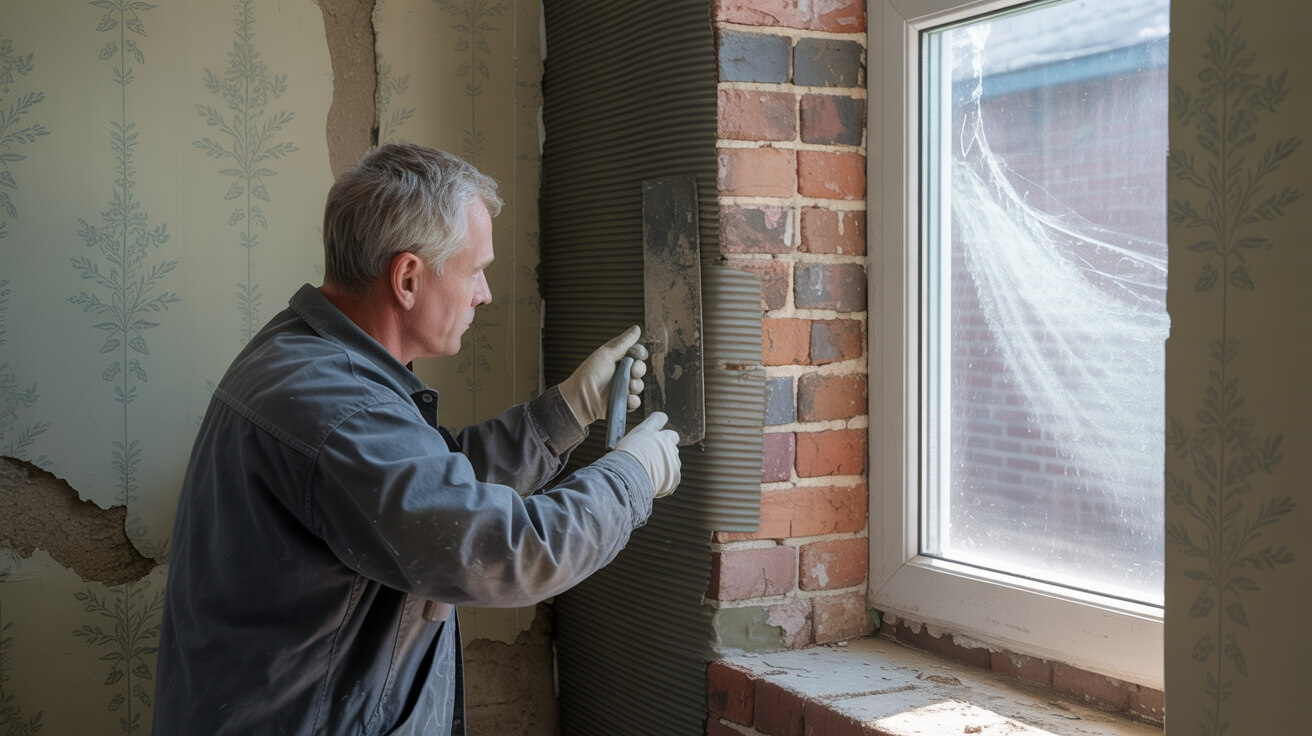
If you’re ignored or fobbed off—even with a flood of polite communication—the next step is not only justified, but protected by law. Contacting Environmental Health at your local council is a right supported under the Housing Act 2004 for all tenants and, in some cases, owner-occupiers. These teams are required to investigate Category 1 and 2 hazards, and their findings carry real legal muscle (lewes-eastbourne.gov.uk).
Escalating isn’t troublemaking—it’s claiming the legal right to healthy living and a safe investment.
Bring your evidence: every photograph, log, GP letter and written request. Highlight health vulnerability, as this often expedites council response. Local council teams use tools—moisture metres, salt analysis, even thermal imaging—to assess and document the true source and severity of damp.
Retaliation fears are misplaced. Under current law, once Environmental Health is involved, you cannot legally be evicted or face a rent hike as punishment. The timeline resets in your favour.
What Council Investigations Actually Do for You
Councils don’t take complaints at face value. Their own surveyors inspect the problem—quantifying damp, condensation, or mould with professional equipment. They investigate root causes: failed damp-proof courses, inadequate ventilation, bridging or leaks. What they find becomes enforceable—they tell the landlord (or property owner) exactly what must happen, by whom, and when.
Once Councils Investigate, What Powers Actually Force Landlords to Fix Damp?
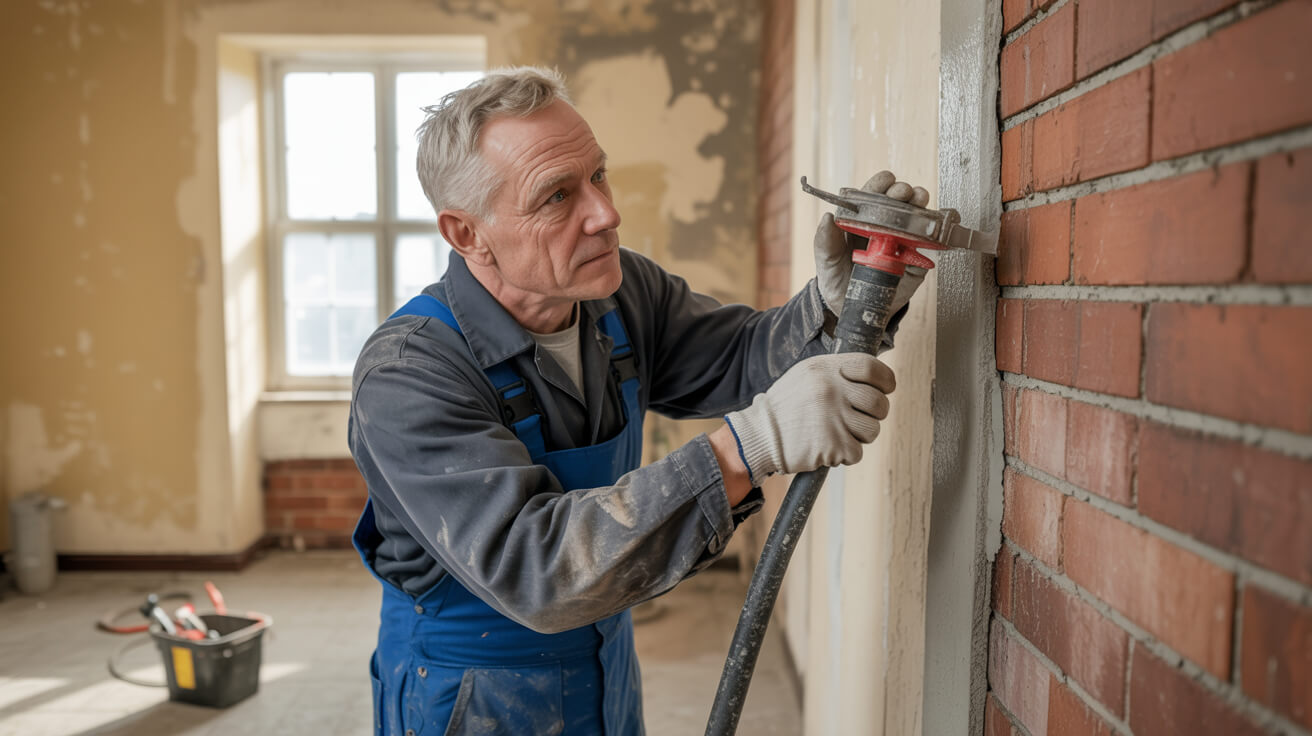
If Environmental Health’s inspection finds hazards (Category 1/2), formal powers kick in. An Improvement Notice is served, instructing what repairs or remediation are required, how fast, and at whose cost. This is not a “request”—it’s an enforceable order with consequences (legislation.gov.uk).
Council notices bite; they can fine, arrange urgent works, or block future lettings if risks persist.
Expect active follow-up: council teams revisit to ensure work is not only started but completed to standard. Landlords dodging their duties face heavy penalties—fines up to £30,000, forced repairs (council organises, bills the owner), being named as a “rogue landlord,” and in some cases, criminal charges or being banned from renting out property. For owner-occupiers, this legal attention can force repairs before a sale or insurance renewal.
Council action creates a record—one that helps with insurance claims, compensation for ruined belongings, or future sales.
No “Quick Fixes” Accepted: Repairs Must Address the Source
Superficial solutions—a dollop of paint, a borrowed dehumidifier, or a new extractor fitted without addressing cause—do not meet legal or lender requirements. Councils check not just the symptom, but the chain of moisture sources: are downpipes leaking, is the ground waterlogged, has a historic DPC failed? Only root-cause repair satisfies the council and resets your risk.
Can Temporary Fixes or “Quick Paint Jobs” Satisfy Council or Lender Demands?
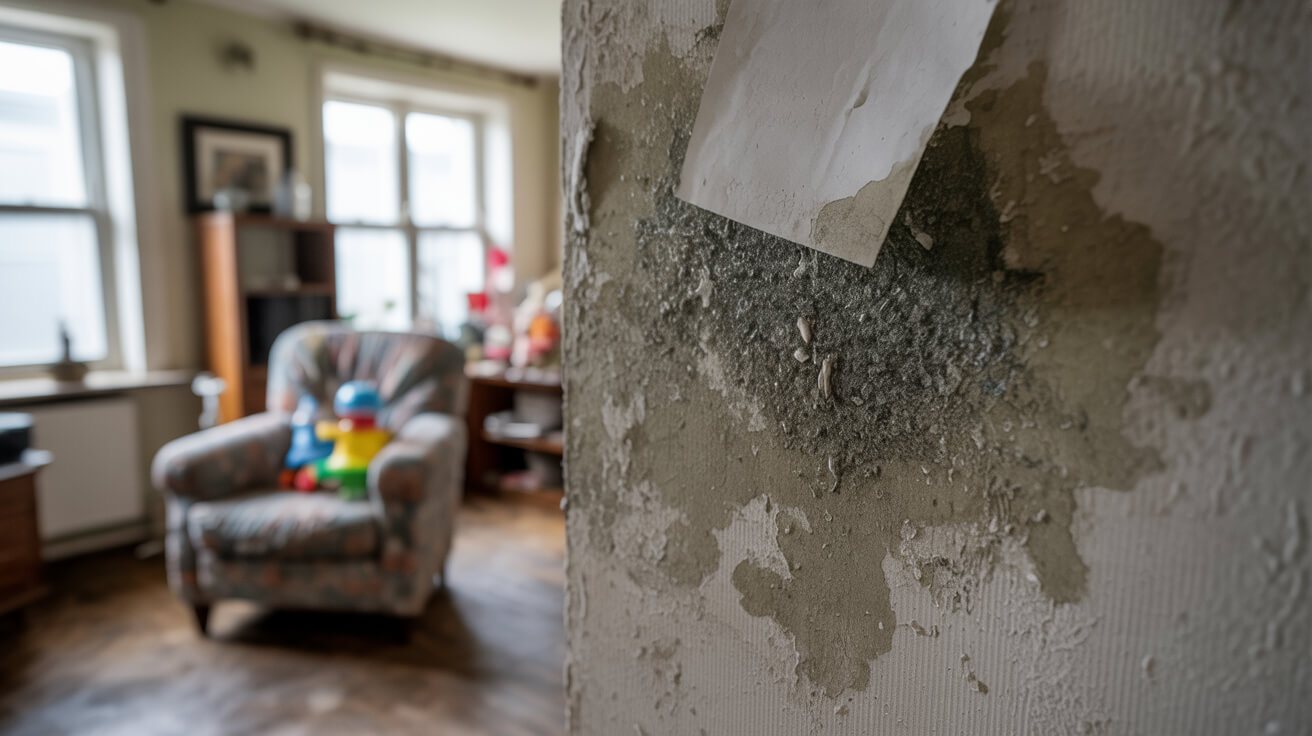
A fast cosmetic cover-up—a patch of paint, a budget fan—won’t get lenders, insurers, or councils off your back. Repairs have to be traceable to their causes, with evidence in writing. Structural fixes, DPC upgrades, proper tanking, drainage repairs, and ventilation system overhauls are all documentable interventions that carry weight (trustmark.org.uk).
Cosmetic fixes invite comeback—only root-cause repairs protect health and legal standing.
What should you expect after repair?
- Evidence report: Written statement spelling out inspection findings, treatment, and whether British Standards (BS6576 / BS8102) compliance has been reached.
- Warranty documents: If DPC or tanking done, a written guarantee (often 10-20 years, sometimes insurance-backed).
- Aftercare plan: Instructions or recommendations to prevent recurrence.
If the same problems reappear, your file and report let you demand stronger council action or escalate with insurers or future buyers/lenders.
Tip: Always request post-repair documentation, ideally with photos and a reference to the standards met.
Why Does a Forensic Survey by Sussex Damp Experts Offer an Edge in Legal and Insurance Disputes?

Rushed surveys (five minutes and a damp metre) are routinely shredded by councils, banks, insurance, and—ultimately—courts. Sussex Damp Experts invest with forensic thoroughness: full moisture mapping, annotated diagrams, photographic records, and recommendations specifically mapped to British Standards and statutory expectations. This isn’t just for show. It wins disputes, accelerates repairs, and unblocks mortgage or insurance delays.
The strongest file wins: a forensic survey closes every loophole and elevates your case above doubt.
A professional site survey delivers for you:
- Clear evidence: Moisture mapping, photos, annotated analysis. No jargon cloak—just direct evidence mapped to HHSRS, BS6576, and mortgage criteria.
- Defensible treatment plan: Legal routes, repair specifications, boundary of liability made explicit. Property rights are clear.
- Support for negotiation: Insurance and lender claims, warranty triggers, and basis for council/court escalation handled head-on.
- Follow-up assurance: Callback and recheck ensure that even underlying or hidden causes aren’t missed, and repair “drift” doesn’t occur.
This documentation is the difference between property devaluation or a successful transaction, denied or accepted insurance, and regulatory headaches or risk eradication. Every year, Sussex Damp Experts’ reports support successful buyer offers, landlord compliance, tenant protections, and council interventions around the county.
Contact Sussex Damp Experts Today

There’s an arc that runs from worrying about a dark patch or persistent odour to finding yourself protected—whether from council fines, insurance setbacks or unwanted repair bills. The journey succeeds only when your evidence is strong, your approach methodical, and the professionals you choose understand both law and the science of your building.
Start now:
- Begin your personal evidence file: start with a phone camera, a notebook, and a labelled envelope or digital folder.
- Refuse temporary or cosmetic fixes—only accepted, standard-based remediation counts.
- For every uncertainty or disputed repair, call in a forensic-grade survey. Sussex Damp Experts make property protection, legal compliance, and a robust defence routine.
Let Sussex Damp Experts equip you to push back against delays, legal wrangling, and the fog of fake fixes.
The strongest home protection is built on evidence—start your defence and restore your peace of mind today.
Book a Damp Defence Checklist or arrange your Sussex Damp Experts site survey—your guard against legal risk, hidden health dangers, and property value erosion.
Frequently Asked Questions
Why does the council hold ultimate authority over damp and mould decisions—beyond landlords or agents?
When damp or mould threatens health or safety, your local council—specifically the Environmental Health team—steps in with statutory power under the Housing Act 2004 and HHSRS. Unlike a landlord or letting agent, who may focus on budgets or surface fixes, only the council can declare a “Category 1 Hazard,” making action mandatory. Their officers follow strict protocols: inspecting, gathering evidence, and scoring hazards based on real risk, not landlord assurances. This hierarchy means your rights—and your safety—don’t hinge on anyone’s goodwill or repair budgets.
If a council officer finds your home’s damp is a Category 1 Hazard, the landlord’s timetable and options are replaced by legal requirements.
What triggers council enforcement against landlords?
- Health complaints, particularly for children or vulnerable adults
- Mould or damp spreading across rooms or through building materials
- Evidence of structural faults (e.g., failed DPC, leaks, cold bridges)
- Persuasive photos, professional surveyor reports, or persistent inaction
With these powers, even expensive repairs shift from “discretionary” to “compulsory.” The council’s decision protects tenants and owners by ensuring true safety—not just cosmetic assurance.
How does robust evidence influence the council’s verdict on damp or mould disputes?
The solidness of your evidence can tip the scales from stalled repairs to urgent enforcement. Environmental Health officers treat anecdote as noise—but a pack of dated, clearly labelled photos, a well-kept timeline of reported issues, and medical letters linking symptoms to the environment will cut through. Professional damp surveyor reports—especially from PCA-accredited inspectors—are weighted most heavily. These supply technical diagrams and British Standards references, which can disarm landlord denial and push the council to act.
Meticulous documentation converts frustration into prompt, official leverage.
Key elements of an evidence pack:
- Time-stamped photographs at intervals showing spread or persistence
- All written correspondence: emails, texts, complaint logs
- Copies of landlord, letting agent, or contractor replies and invoices
- Surveyor-level reports featuring tools like moisture metres or salt analysis
- Medical notes (with consent) from GPs or respiratory clinics, if applicable
A thorough evidence pack accelerates council action, stiffens negotiations with uncooperative landlords, and sets the stage for insurance or legal claims.
What legal force does written notice to a landlord or agent have for damp repairs?
Written notice isn’t just a formality—it’s your opening chess move under English housing law. The moment your written complaint is submitted as a detailed, dated complaint by email or signed letter, you activate your statutory repair protections. This notice starts a legal stopwatch: for “fit for habitation” claims under the Homes Act 2018, landlord obligations become enforceable immediately, and under the Deregulation Act 2015, the threat of so-called ‘revenge eviction’ is suspended if councils confirm the hazard. Relying on spoken reminders or WhatsApp alone leaves you exposed; only written, timestamped records count.
A written complaint is more than a request—it’s a shield against eviction and a lever for real repair.
Make your notice count by:
- Clearly specifying the problem and affected rooms
- Requesting action within 14 days or less
- Referring to “fitness for habitation” and quoting any observed health impacts
- Saving digital or paper copies with delivery receipts or acknowledgment
- Logging all replies and responses as proof of timeline
A water-tight notice protects your tenancy, strengthens council involvement, and provides crucial evidence if disputes escalate.
What can you expect during a council Environmental Health visit and its aftermath?
After receiving a formal complaint, councils dispatch qualified Environmental Health Officers to carry out a site inspection—bringing calibrated moisture metres, borescopes, and documentation protocols. These specialists scrutinise visible and hidden areas alike: skirting boards, window reveals, ceilings, and even beneath floor coverings. Their goal isn’t to diagnose at a glance but to map the moisture source, survey underlying damage, and verify compliance failures. If a serious hazard is confirmed, they issue a legally binding Improvement Notice with specific deadlines and repair standards. Non-compliance invites penalties: fines, rent repayment orders, and, where urgency demands, council-arranged repairs at the landlord’s expense (with admin fees).
Council enforcement isn’t a threat—it’s a blueprint for safe, habitable homes.
Council action sequence:
- Formal report with supporting data and photographs
- Improvement Notice with itemised repairs and timelines
- Follow-up inspection—only closing the file after full compliance
- Records available for tenant, landlord, and future buyers or insurers
- Ban on eviction or harassment until all repairs and compliance steps are ticked off
This process guarantees not just a return visit for accountability, but a roadmap to a properly repaired, compliant property.
Why are only root-cause repairs—never quick patch-ups—approved by councils and insurers?
Surface-level fixes, like repainting or plugging in a dehumidifier, deliver only short-lived relief and fail British Standard scrutiny (BS 6576/8102). To pass council re-inspection—and satisfy insurers or lenders who may review repairs when you sell or remortgage—all remedial work must tackle the core moisture pathway. That means replacing or renewing a damp-proof course, fixing leaks, redesigning ventilation, or rebuilding defective junctions. Councils reject any repair “on the cheap,” demanding photographic evidence, warranties, and compliance documentation before closing the file. For owners, this diligence future-proofs value; for tenants, it protects their health and legal rights.
A root-cause repair is an upgrade—not just to the building, but to everyone’s peace of mind.
Which works do councils and banks actually accept?
- Certified DPC installation or high-quality tanking, with guarantees
- Mechanical ventilation systems or passive solutions fitted to building type
- Repair or replacement of failed gutters, downpipes, and roofing
- Proper cavity-drainage or moisture barrier upgrades in basements or extensions
- Professional replastering with specified, breathable materials
Always secure before-and-after photos, compliance certificates, and written warranties—these are your proof against future disputes and setbacks.
What advantage do accredited specialists like Sussex Damp Experts bring in council and lender cases?
Engaging a PCA-accredited, British Standards-driven professional like Sussex Damp Experts gives you a strategic edge. Their forensic surveys go beyond “opinion”—they provide moisture mapping, source tracing, root-cause diagrams, and fully referenced reports that councils, lenders, and insurers treat as definitive. These reports neutralise denial or delay tactics, accelerating council enforcement and unblocking mortgage or insurance decisions. For buyers, their pre-purchase audits prevent property chain breakdowns; for landlords and tenants, their guidance lowers the risk of legal standoffs and insurance denials. Every report includes clear aftercare advice, warranty support, and documentation for future reference.
Specialist support includes:
- Authoritative reports that match council and bank standards—no guesswork, just proof
- Recognition and official acceptance by surveyors, insurers, and housing authorities
- Actionable repair plans aligned with compliance—and zero risk of repeated notices
- Provision of completion paperwork, warranties, and a lasting reference pack
Ready to turn confusion into confidence? Book a survey or download Sussex Damp Experts’ evidence checklist to reinforce your case—trusted facts protect property value and health for years to come.

