
 By
By  August 26, 2025


Is Your Home Truly Safe, or is Damp Quietly Undermining Everything?
Walk into a room and catch a whiff of must, or spot paint wrinkling around the skirting boards, and you’re right to feel uneasy. Damp is never just a surface problem—it’s a warning light flashing for your health, property value, and legal standing. When black mould shadows the corners or condensation runs like sweat down windowpanes, these are not mere annoyances. They’re early signals: your property is at risk and, by extension, so are your rights as a resident, landlord, or building manager (nhs.uk).
What you ignore behind the walls can tip the balance from minor nuisance to major liability.
For tenants, unaddressed damp isn’t a “quirk of British weather”—it transforms a tenancy into a health threat, and escalating complaints into a matter of statutory law. Under the Homes (Fitness for Human Habitation) Act 2018, substandard housing loaded with persistent damp or mould counts as a direct breach of legal duty. Council officers now have teeth; landlords and agents who cut corners or stall repairs risk enforcement, fines, and a trail of digital complaints that taint reputations and trigger void periods (citizensadvice.org.uk).
For those managing portfolios, the risk runs deeper: unchecked damp erodes asset value, leads to spiralling remedial costs, and sets up years of headaches—especially when insurers or lenders demand compliance proof. Inaction is no longer a safe bet.
What’s the Secret to Building a Damp Complaint That Gets Action?
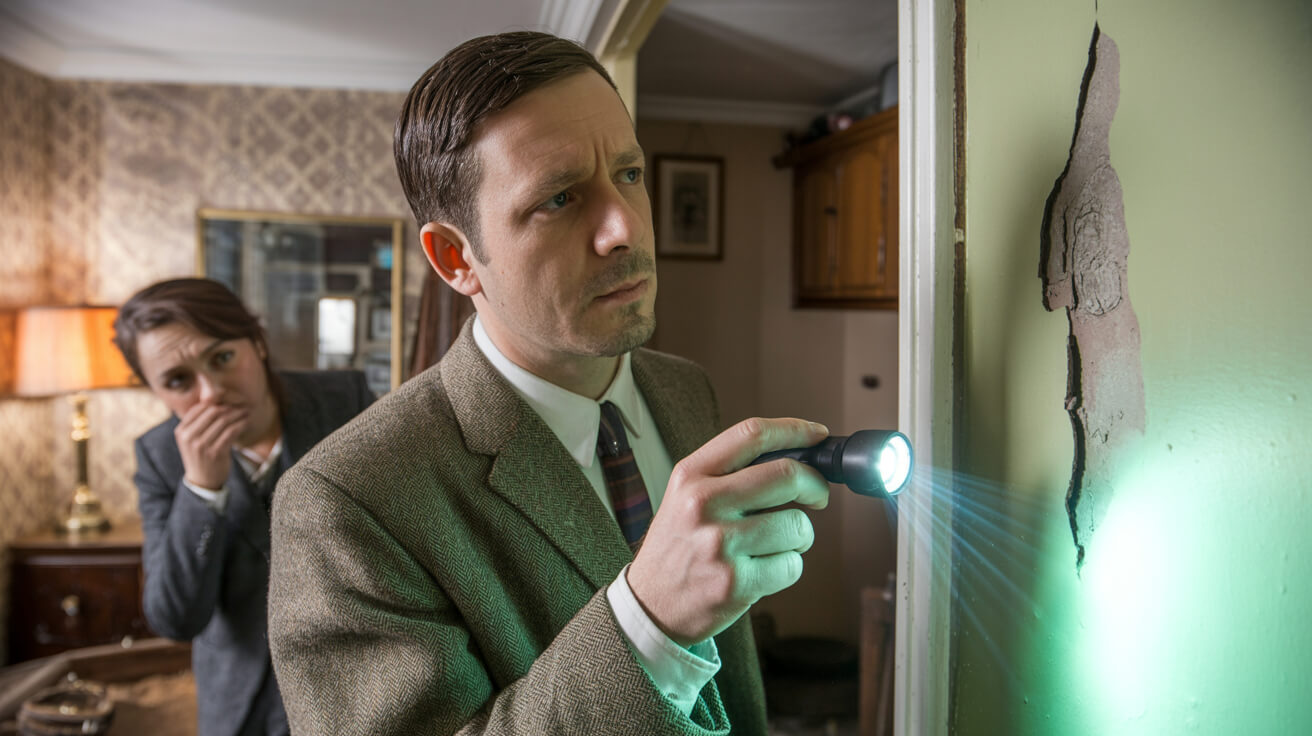
Effective complaints don’t start with shouting—they start with evidence. If you want a response that works, think like a builder mapping a weakened joist: gather, label, and structure. Each photo of peeling paint, every email about persistent headaches, and all records of blackening grout become the backbone of your claim (contend.legal).
The difference between a forgotten email and a winning claim? Meticulous, dated evidence.
Move every conversation to writing. Snap photos of water stains or condensation beads, save every message from your landlord or agency, and keep a “damp diary” noting times, smells, and impact on your daily life. Attach GP letters or NHS leaflets if health is in question. Spend a few quid on a humidity metre—readings from inside and outside can unpick “tenant lifestyle” excuses.
Don’t wait for weeks of back-and-forth to prove the obvious. An independent report from a respected surveyor—like Sussex Damp Experts—translates lived experience into clear, compliance-ready evidence. Their technical breakdowns are pitched for property owners, legal teams, and councils, bridging the credibility gap that often traps tenants in circles.
Do Landlords Actually Have to Fix Damp, or Will They Just Pass the Buck?

The long tradition of blaming tenants for damp—“it’s your cooking; open the windows more”—crumbles under today’s law. The Homes Act 2018 and Housing Health and Safety Rating System (HHSRS) are unambiguous: landlords must provide homes fit for living, free from significant damp or mould that can jeopardise health (shelter.org.uk).
Focus on three critical triggers for urgent repairs:
- Leaks, rain penetration, or rising damp: —where a landlord’s neglect fuels mould or recurring damp, blame cannot be shifted to the tenant.
- Health risks: —damp or mould affecting vulnerable people, such as children or seniors, demands swift landlord action.
- Failed repairs or repeated complaints: —a pattern of failed fixes or delayed responses tightens the legal noose for owners.
Once you have a written complaint and supporting technical evidence, statutory “reasonable time” clocks start ticking—often around 14 days. Cosmetic responses, like repainting or odour sprays, fail the legal test and leave landlords exposed in court or tribunal challenges (contend.legal). Technical fixes, not patch-ups, keep properties compliant.
How to Structure a Complaint That Demands Results

Complaints need teeth: clarity, structure, and proof. Think of it like building a wall—every brick counts.
Key Elements of a Complaint That Gets Noticed
- Chronological facts: List issues, dates of reporting, any attempted fixes, and when relapse occurred.
- Visual proof: Embed timestamped images—black patches above skirting, bubbling wallpaper, salt trails down the plaster.
- Corroborating documents: Attach receipts, medical notes, damp survey reports, and any landlord or agent correspondence.
- Direct, time-bound request: Phrases like “Please confirm repair arrangements within 14 days under the Homes Act 2018” signal seriousness.
Quoting relevant laws—especially the Homes Act or regulatory standards—positions your claim above passive moans and puts it on firm legal ground. Mirror the language of letting agents, councils, or property tribunals, and you’ll find doors opening faster.
Officials act on complaints that read like a surveyor’s report, not a rant.
Surveyor’s reports—particularly from known names like Sussex Damp Experts—tilt proceedings in your favour, whether dealing with insurers, local authorities, or mortgage lenders (sussexdampexperts.com). Their neutral, expert documentation is hard for any party to dismiss.
What to Expect After Filing—Landlord Reactions That Matter
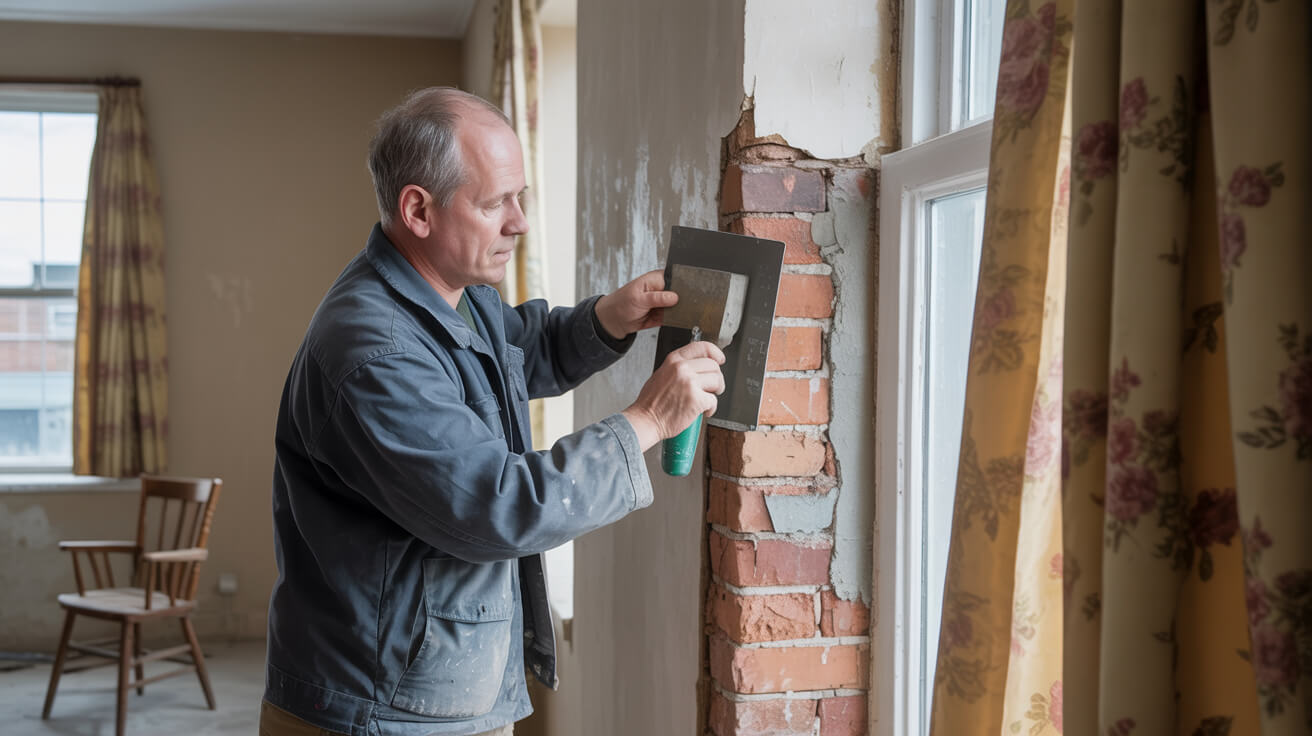
Delivering a complaint packed with documentation puts the ball squarely in the landlord’s court. From the moment your evidence lands, most professional landlords and agents move faster—prolonged delays now carry risk. Record every step from here: who replies, what they claim, and the timing of site visits.
When faced with blame or dismissive answers, keep your “paper fortress” growing. If patchwork repairs follow, demand guarantees—ask for specifics. If repeated damp returns, top up your records with follow-up photos and correspondence.
If engagement stops or responses remain spineless:
- Contact Environmental Health; their officers hold statutory power to inspect, order repairs, and levy fines.
- Tap into tenant support services, advice clinics, or advocacy networks; pooled knowledge accelerates results.
- Every new symptom or cost (from worsened clothing to added heating bills) deserves a diary entry—the thicker your evidence, the heavier your claim.
Consistent logs crush empty denials. Silence or superficial fixes only boost your leverage.
Blaming “condensation from drying washing” doesn’t hold when landlords neglect insulation, proper ventilation, or ignore prior property weaknesses (bbc.co.uk). Inspectors notice patterns; your records build the case.
Escalation Moves When the Process Hits a Wall
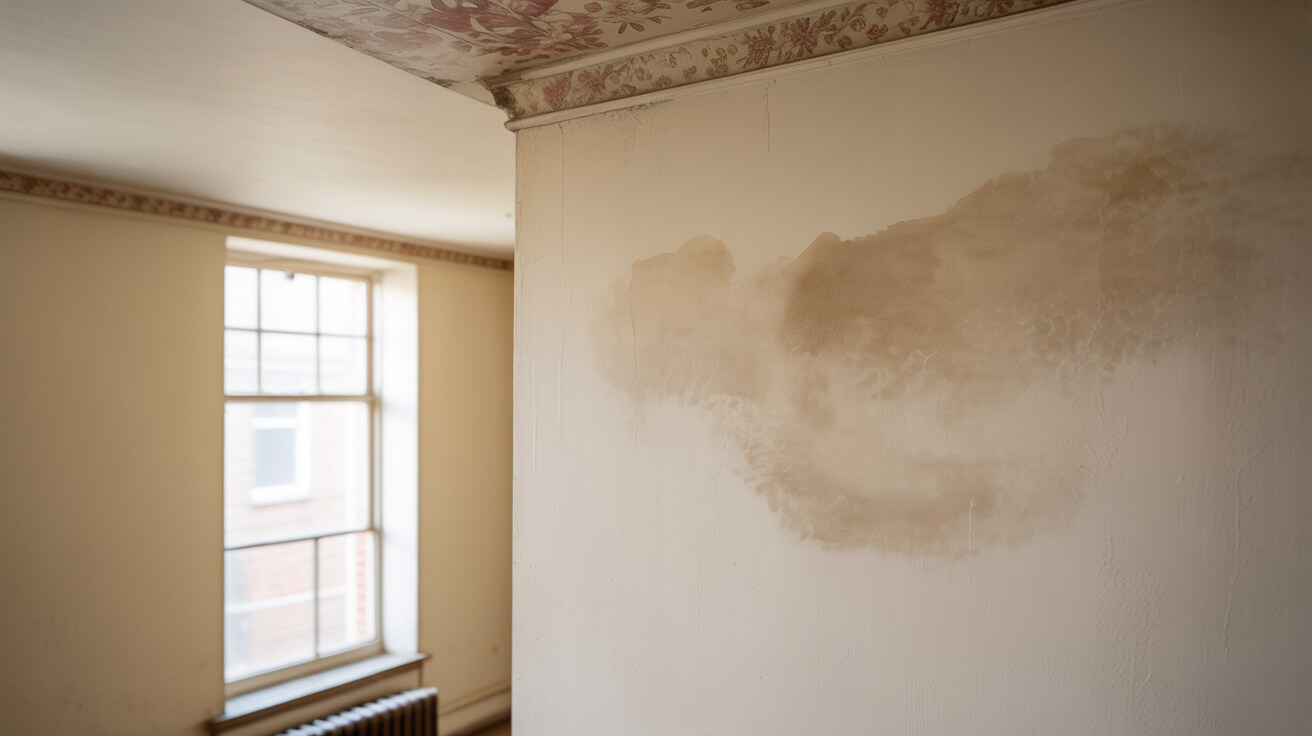
When the polite dance stalls—landlords vanish, repairs slide, or symptoms return—escalation isn’t overreacting. It’s acting in your interest, and sometimes your duty to others (especially in flats or shared buildings).
Steps When Landlords or Agents Refuse to Act
- Go to Environmental Health: Council teams now have power to view, test, and enforce remediation of damp or mould. They can issue improvement notices and, in severe or repeated neglect, pursue prosecution ([shelter.org.uk](https://england.shelter.org.uk/professional_resources/legal/housing_conditions/repairs_and_hhsrs_enforcement/damp_and_mould_problems)).
- Seek legal or group advocacy: Law clinics, Citizens Advice, and tenant unions supply template letters, procedural advice, and often know the council’s next moves.
- Produce independent evidence: Surveyor reports from firms like Sussex Damp Experts carry substantial weight—councils and insurance adjusters rely on third-party technical verdicts ([pca.org.uk](https://www.property-care.org/)).
- Hold for comprehensive repairs: Accept no “band-aid” approaches. Record every attempted fix and secure written warranty confirmation.
If you reside in a listed or heritage building, compliance to British Standards BS 6576 and PAS 2035 may be decisive—not just for repairs but for future insurance or sale.
What Does “Winning” a Damp Case Actually Deliver?
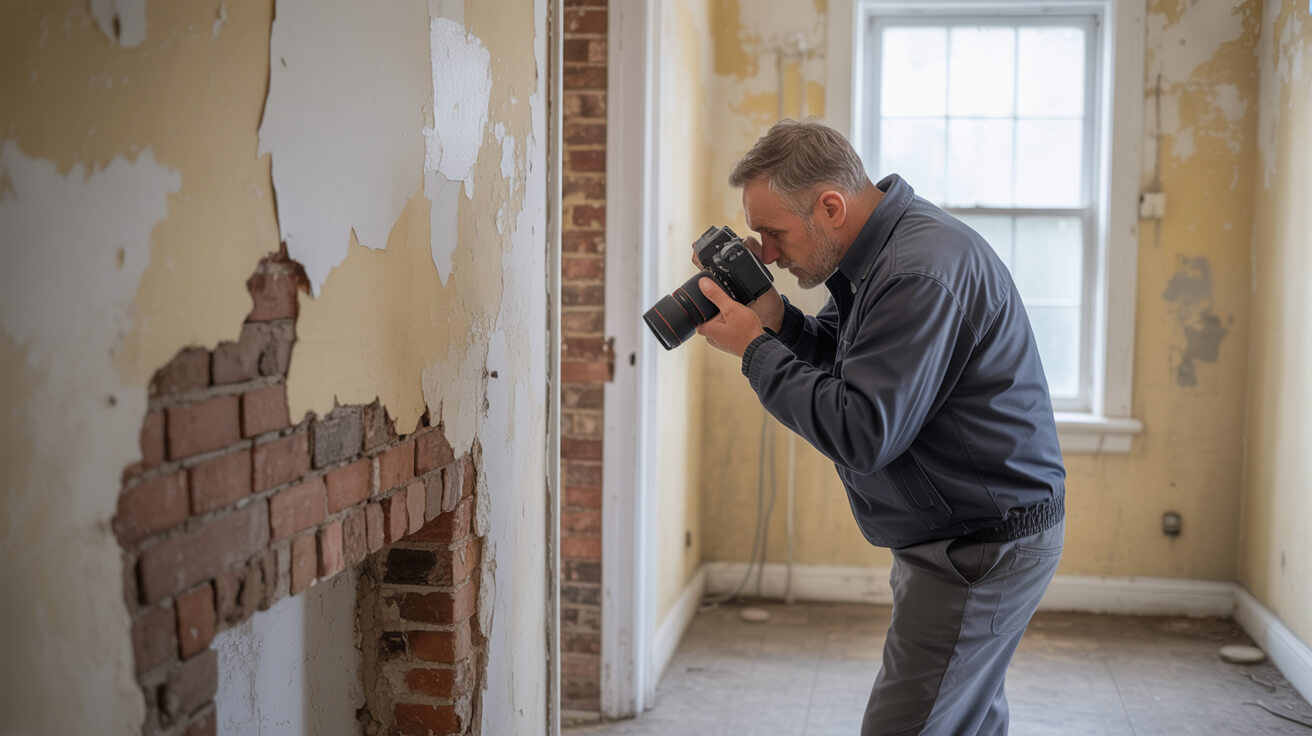
A true win is more than surface gloss. It results in:
- Permanent repairs, covered by guarantees: , not short-term masking or cosmetic coverings.
- Cost reimbursement or compensation: for proven loss of property or health (where evidence supports claims).
- Robust documentation: for deposit return, mortgage compliance, or insurance policy demands.
- Protection against future issues: —a clear evidence trail, and in many cases, discounted premiums or higher market value if professional rectification is carried out ([bbc.co.uk](https://www.bbc.co.uk/news/uk-england-manchester-63654398)).
The backbone of every lasting resolution is a blend of your own thorough record and recognised professional input. Sussex Damp Experts are routinely requested to inspect sites previously written off as “fixed,” proving or disproving the validity of work, and often resolving longstanding, mortgage-flagged damp for buyers and landlords (sussexdampexperts.com).
Turning a damp dispute into a win means refusing to settle for anything less than certified, preventive, and warranty-backed repairs.
Property rights and tenant comfort aren’t bargaining chips—they’re obligations, set in statute and best met with pragmatic proof.
How Sussex Damp Experts Secure Real Change—and Relief—for Tenants
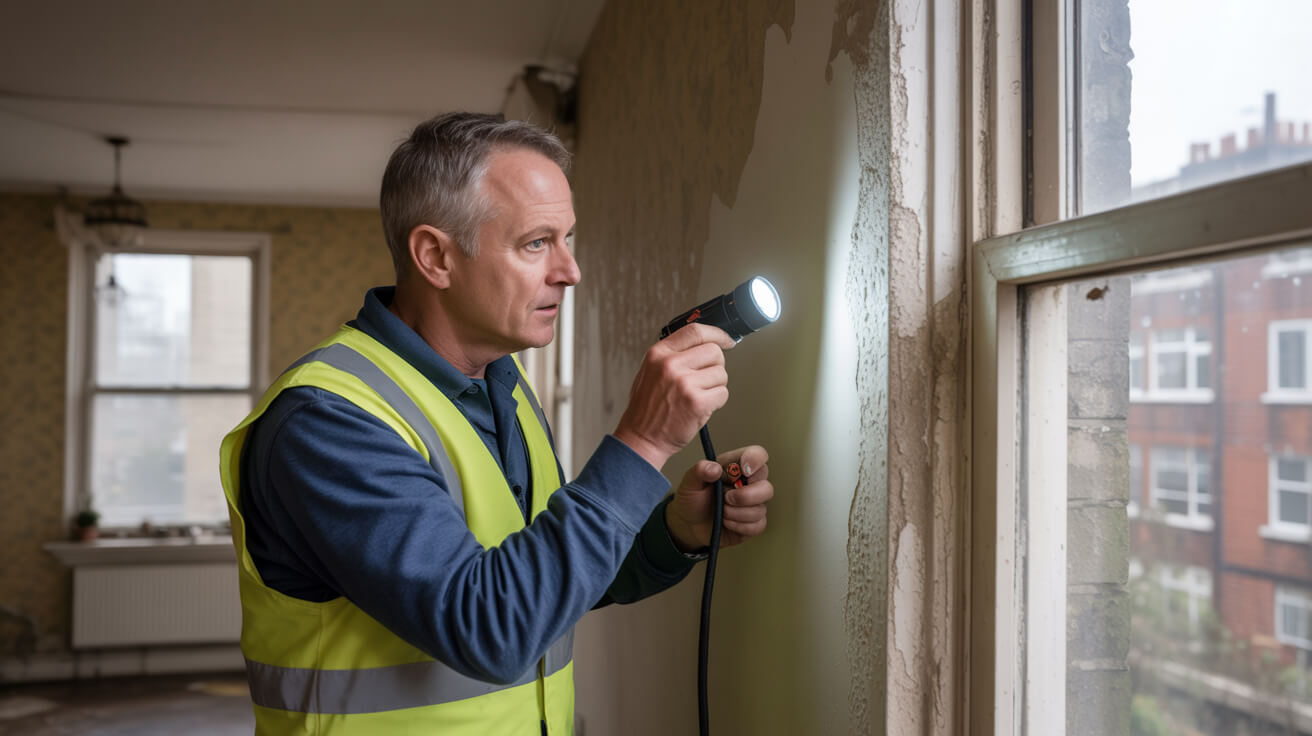
When complaints pile high and tension runs hotter than a radiator in January, specialist input turns the dial. Sussex Damp Experts step into the gap as trusted, independent voices. Their approach moves beyond checklist surveys—offering forensic moisture analysis, crystal-clear root cause reports, and compliance to BS 6576/BS 8102 for the legal and layperson alike.
Where disputes linger, their diagnostic clarity answers mortgage lender queries, settles insurer hesitation, and brings housing officer demands into line. They’re fluent in the headaches of heritage and buy-to-let, blending technical craft with legal literacy to keep home owners, tenants, and managers protected (trustmark.org.uk).
Support goes beyond the clipboard: from rush-call emergency site visits to long-term monitoring, Sussex Damp Experts transform “blame the tenant” standoffs into practical outcomes. They lock in compliance for commercial portfolios, anticipate changing regulation, and futureproof value—routinely integrating warranty and aftercare, so you stay protected after the teams and scaffolding are gone (pca.org.uk).
Contact Sussex Damp Experts Today
If repeating leaks, stubborn mould, or legal warnings have left you running out of road, Sussex Damp Experts offer a route back to stability. With expert inspection and evidence-driven reports that earn respect from councils, agents, and insurers, they arm you with certainty for your next move.
Protect your health, your property, and your reputation—whatever side of the tenancy divide you stand on. Landlord, new buyer, seasoned portfolio holder, or tenant determined to reclaim safe living: one inspection, one clear plan, and one binding guarantee can be the difference.
The days of muddling through with cracked windows and skirting-board buckets are past. Secure robust, permanent results—request a systemised damp inspection, plan your remediation, and let Sussex Damp Experts carry your case to a resolved, resilient finish.
Frequently Asked Questions
What specific types of evidence stop landlords and agents blaming tenants for damp or mould?
Nothing closes a damp dispute like date-stamped, survey-grade evidence. Your toolkit starts with wide and close-up photos of stains, blistered paint, mould, and even damaged furniture—think in weeks and months, not just single snapshots. Pair images with a plain notebook that logs humidity and temperature (digital metres are cheap these days), tracks smells, and records when marks spread after weather changes or attempted fixes.
Every concern must travel in writing. Your messages—emails or texts—should note the date, specifics (“after rain, bedroom wall soaking again”), and attach supporting images. Never rely on a call or WhatsApp, as those fade without trace.
If damp patches seem to vanish, a well-kept diary and folder of evidence mean the problem never disappears from the record.
When you spot a recurring issue, arrange a survey by a PCA- or TrustMark-accredited independent damp specialist. Their report is your legal backbone—accepted by councils and courts, it shows you’ve done more than complain: you’ve presented proof.
How do detailed records sway major decisions?
- Compiling photo evidence (before/after repairs) proves if fixes failed.
- Humidity logs highlight environmental causes or failed ventilation.
- Written complaint trails force a paper chain landlords can’t deny.
- Third-party reports anchor your version in compliance, not opinion.
- Tenancy start-point logs shield you from legacy blame.
Landlords, agents, and insurers respect documentation—without it, the narrative defaults to the property owner. Stay ready; the most thorough record-keeper usually wins.
Where do UK tenants get real leverage for urgent repairs under Fitness for Human Habitation laws?
Speed and structure. The most effective approach starts with a dated, written repair request that does more than say “damp present.” Specify the rooms, visible symptoms, changes over time, and attach your best evidence. Directly cite your rights under the Homes (Fitness for Human Habitation) Act to show you know the law and expect action.
Use template letters—Shelter and Citizens Advice both supply free versions built on legal foundations. Give a clear timeline: 14 days for most repairs, 48 hours for urgent threats to health or safety (young children, electrical faults, black mould). Every reply you receive stays in your folder—don’t delete or ignore even informal messages.
If deadlines pass, escalate quickly by writing to your council’s Environmental Health team with your evidence file. Councils have inspection powers and take written paper trails far more seriously than phone calls ever will.
Truth travels further when it’s written and backed by law, not just voice.
What structure turns reporting into action?
- Formal request, with attached evidence and a legal reference
- Concrete deadline for remedy—ask for dates, not vague promises
- Ongoing log of all responses and actions taken
- Escalation to council, including copy of your full paper trail
Clear, persistent documentation moves cases from “maybe” to “must.” The more structured your case, the faster inertia shifts.
Why have written logs and independent surveys become the gold standard for challenging damp cases?
No one expects you to win a blame game on memory and phone calls alone anymore. Today’s disputes are about records and compliance: the Fitness for Human Habitation Act and BS 6576 exit loopholes and “he says, she says” squabbles. Logs—showing incident timing, attempted fixes, and waxing or waning symptoms—create your timeline; no judge, surveyor, or insurer will ignore them.
Independent surveys from accredited firms raise the bar further. Their reports address what caused the issue, how it should be fixed, and whether any bandaid treatments are likely to fail. Mortgage lenders, local authorities, and insurance adjusters all take these documents seriously—often making them non-negotiable for big decisions.
The survey doesn’t just tip the scales—it places the entire balance in plain sight.
What faults reveal the limits of landlord opinion?
- Repairs that repeatedly fail or leave symptoms unchanged
- Conflicting statements about condensation vs. rising damp with no data backing
- Damp discovered prior to your tenancy that’s simply painted over
- Disputes where surveyors disagree, pushing the need for specialist review
Evidence transforms endless phone calls into outcomes. It’s your insurance against delay and blame.
How should tenants escalate if repairs are denied, delayed, or ignored, and who actually enforces repairs?
If the landlord or agent falls silent after a formal written request and supporting evidence, give them no easy escape. The council’s Environmental Health department is your next port of call—armed with your file of photos, logs, and ideally, an independent survey report. For health and safety emergencies, act within 48 hours; for slow-moving repairs, a 14-day window is standard before escalation.
Tenant unions and housing charities offer backing if you’re in a multi-occupancy block or face a persistent problem. Legal clinics or law centres can help frame escalation letters, accompany you to inspections, or clarify your rights under the Housing Health and Safety Rating System.
Remember, most successful escalations hinge on your evidence trail matching the compliance checklist used by authorities—don’t risk forgetfulness, loss of records, or delayed reporting.
Every day lost to silence erodes your leverage—resolve is the difference between patched paint and a real repair.
Who acts, and how do roles change?
- Landlord: first to respond, must provide documentation of remedy
- Council: inspects, issues enforcement notices, can levy fines or take direct repair action
- Damp specialists: anchor cause, recommend remedy, bridge technical and legal worlds
- Support orgs: guide escalation, provide templates, coordinate group action
Don’t fight alone—systematic evidence brings the full force of compliance to your side.
Which landlord or agent tactics signal the need for strict evidence and immediate escalation?
Be wary of old tricks: blaming you for cooking, pets, or laundry instead of addressing leaks, cold bridging, or failed damp proofing. “Just open the window” or “it’s only condensation” with no measured readings are dodge tactics. Cosmetic surface wipes or quick paint jobs don’t cure the problem; insist on proof of deeper fixes, and log every surface-only remedy in writing.
When problems keep returning or reports mysteriously vanish, it’s time to escalate. Heritage cases, listed buildings, and party wall situations raise the stakes—improper repairs may be illegal, not just ineffective.
If you get only WhatsApp promises, or repair “schedulers” cancel more than they show up, respond with written demands and include your compiled evidence every time. Stand your ground on compliance and track every stage.
Cosmetic cures last until rain returns—your file needs to outlast the next storm.
What warning signs point to a need for outside help?
- Being told the problem is lifestyle-based, despite contrary evidence
- Repeated cosmetic-only “resets” of the visible surface
- Denials of previous complaints or erased repair histories
- Delayed or multiple reschedules, with no end in sight
Anticipate blame deflection. When in doubt, elevate with hard evidence and a call for proper enforcement.
How do Sussex Damp Experts tilt the odds in your favour during complex or disputed damp complaints?
Nothing calms nerves—or unlocks enforcement—like a mapped, evidence-rich report from Sussex Damp Experts. PCA-accredited, trained in the heritage and compliance maze, they craft property-specific documentation that matches lender, council, and legal needs. Their surveys pin down root cause, cost, and treatment sequence—and explain it in plain English for decision-makers and residents alike.
For homeowners, that means preserving property value, closing out costly insurance exclusions, and protecting health. For tenants, it means turning opinion battles into a file of facts, and for landlords, it means proving due diligence, not buck-passing. Aftercare, template packs, and hands-on project supervision cover you from the first complaint to final repairs—no “paint and pray” fixes needed.
- Homeowners: Reliable damp diagnosis and repair plans keep the value—and warmth—locked in.
- Tenants: Documented timelines protect your deposit, lease, and peace of mind.
- Property managers/landlords: Get mortgage and insurance sign-off—and confidence that compliance has been met.
Turning a complaint into a compliance-backed remedy is easier—and less costly—than another cycle of blame or failed patchwork.
Your next move is simple: download the evidence pack or book a damp survey with Sussex Damp Experts. Precision and proof shift every negotiation your way, making lasting remedies the only way forward.

