
 By
By  August 26, 2025


Can Part L Energy Upgrades Really Cause Damp and Mould Problems?
Sealing your property for better heat retention sounds straightforward—until you discover how easily water flips the script. When a building is made more airtight without a deliberate moisture control strategy, those “eco” improvements can actually Cause Damp and mould to spread slowly and silently beneath new finishes. That’s not just theory; it’s the reality Sussex homeowners, landlords, and letting agents face after “green” upgrades go forward without a forensic moisture plan.
Airtightness keeps warmth in, but can turn your home into a moisture trap unless you take action.
Many Sussex properties chasing EPC improvements or “green mortgage” incentives are insulated or draught-sealed in a rush, skipping the crucial pre-upgrade damp survey. The old belief—that heat upgrades fight every kind of cold and damp—is out of date. The real risk comes days, weeks, or even years after works are done: black mould erupts in corners, timber starts to rot, or you open a mortgage survey to find “failed damp diagnosis” in print.
Energy upgrades change your building’s physics. Water vapour from showers, cooking, and simply breathing used to find its way out through nooks and cracks. Seal it all up, and that moisture searches for weak spots—behind insulation, under floors, or in the cold junctions a spot-check survey never sees. It’s one of the clearest ways upgrades can Cause Damp: airtight gains may look good on the EPC chart, but at the expense of structural safety, indoor air quality, and future saleability.
Yes—if you tighten up a property under Part L (energy efficiency) without mapping and managing moisture flow, you can absolutely set yourself up for condensation, “mystery” damp, or black mould problems that undermine the very value you’re trying to protect.
The Hidden Cost of Ignoring Moisture Audits
- A rushed energy upgrade can hide or even worsen existing damp—from historic leaks or chronic condensation—trapping it deeper.
- Water vapour finds new ways to escape: through cold bridges, cracks in insulation, or gaps in detailing.
- Insurance claims and mortgage flags often surface *after* the upgrade—long after the builder’s van has left.
Skipping these steps sets you up for surprise costs and disputes. Sussex Damp Experts combine scientific building surveys, years of site experience, and regulatory compliance to make sure the only thing sealed in is value—not hidden risk.
Where Does Moisture Hide After an Energy Retrofit?
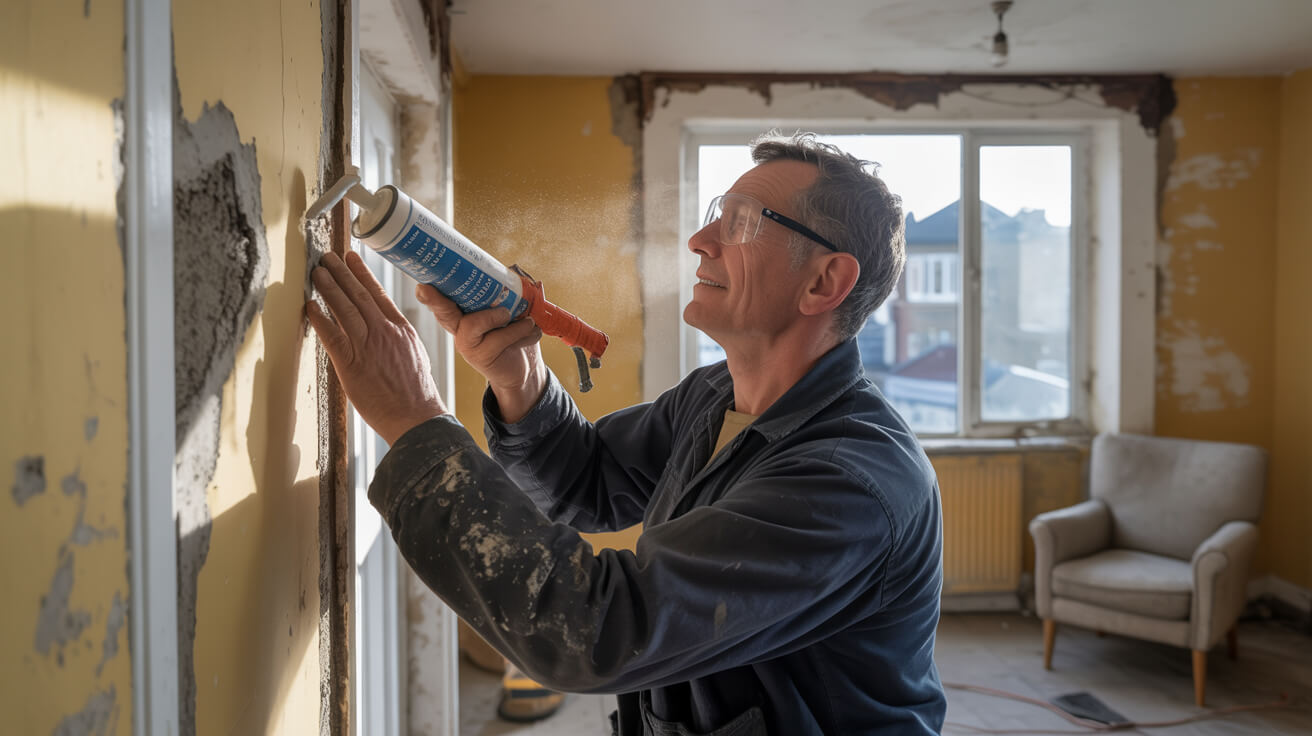
It’s a myth that “well-insulated means dry.” The truth? Each new layer closes one door for water, but opens another. Modern insulation and airtightness (as required by Part L) force water vapour—created by everyday living—to seek out the next path of least resistance. These new paths are usually out of sight but not out of trouble.
Tighten your home for warmth, and water will find the coldest, weakest spot to build up and bite back.
The Moisture Trap: What Actually Changes Inside Your Walls
- Hidden Corners: Vapour bypasses draught-stopping upgrades, targeting cold corners that now act as dew points.
- Behind New Insulation: Moisture sealed in behind rigid boards or vapour barriers can’t escape, creating musty smells or “ghost” stains months later.
- Historic Leaks Resurface: Old, untreated leaks become trapped, unable to dry, leading to sudden outbreaks of rot or black mould.
- Thermal Bridges: Areas where insulation coverage is incomplete—around steel lintels, window sills, wall junctions—collect condensation and drive silent decay.
A Sussex survey reveals that most post-upgrade damp doesn’t start on day one. Instead, it builds up, hidden by new plaster and paint, only to explode into a legal or financial headache down the line.
After energy retrofits, moisture tends to pool at cold bridges, behind rigid insulation, and anywhere that historic damp wasn’t fully dried or treated. Only a joined-up survey and moisture control strategy can prevent these hidden risks from surfacing in your property.
What You Can’t See Can Still Cost You
- A wall “sweating” beneath insulation can wreck timber or create persistent black spot mould.
- Sub-floor condensation, triggered by altered airflow patterns, quietly attacks joists and flooring.
- Damp and salts from decades past can reactivate, even when a property “looks” modernised.
With Sussex Damp Experts, every added layer or upgrade includes a forensic moisture path map, stopping the “where did that come from?” surprises that ruin value and peace of mind.
Are You Legally Responsible if Damp Appears After Energy Upgrades?
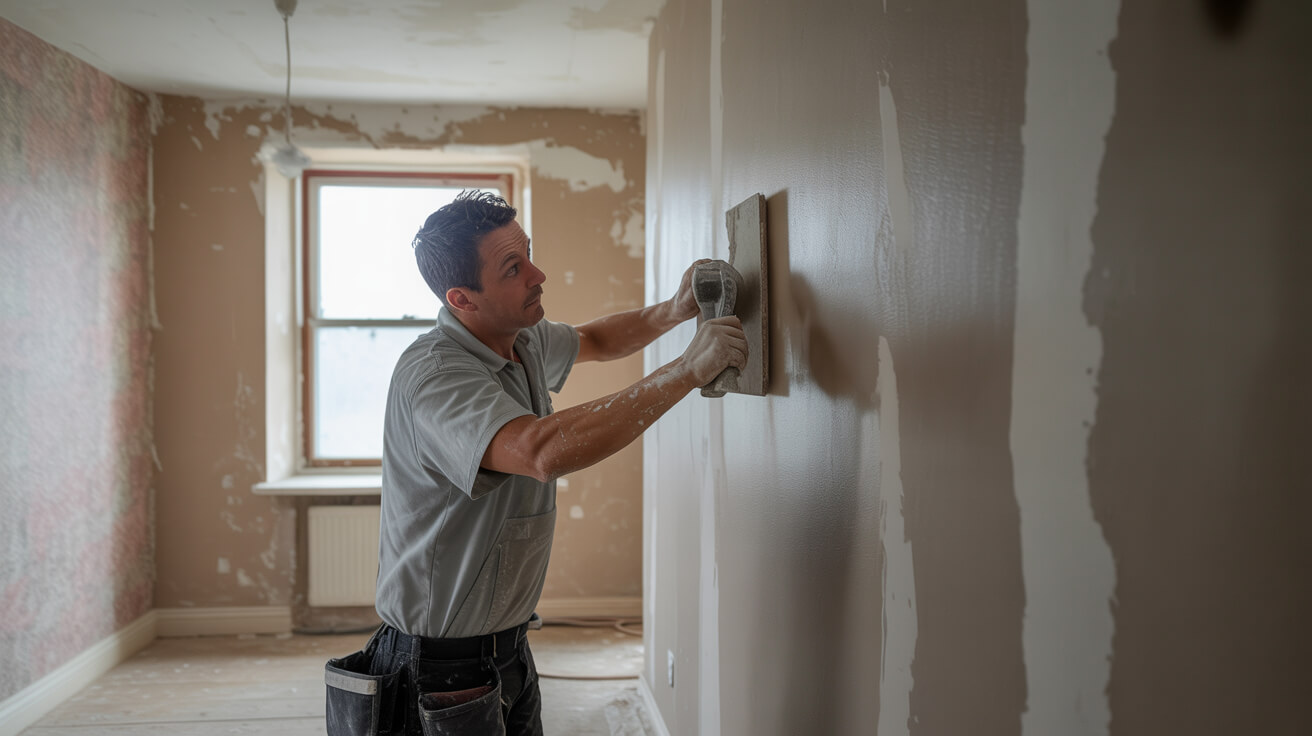
Retrofitting might save on bills, but it doesn’t protect you from legal action if new damp or mould rears its head. For property owners, agents, and landlords, compliance is not a paper exercise—it’s a real liability. The Landlord and Tenant Act 1985, HHSRS, and Environmental Protection Act all require the property to remain healthy for occupation. Fail that, and “I didn’t know” won’t wash in court.
The law doesn’t excuse energy upgrades that cause damp; if it appears, you’re on the hook for repairs and claims.
What the Law Really Demands
- Section 11 of the LTA (1985): The property must remain free from hazards—including damp or associated mould—that impact health or habitability (Shelter UK).
- HHSRS Enforcement: Local authorities are investigating more energy retrofit-induced condensation and mould clusters than ever before.
- Documentation is Key: Courts now expect pre-works surveys and post-works reports. If you can’t show them, rectifying a damp complaint may fall on you—even if “the contractor did everything by the book.”
We provide full forensic diagnostics and documentation fit for legal, insurance, or resale scrutiny—from initial risk mapping through aftercare monitoring. This isn’t extra—it’s your legal line of defence.
How Legal Risks Appear in Practice
- Tenants reporting post-upgrade black mould can trigger council action, enforcement notices, or compensation claims.
- Mortgage surveyors flagging damp post-retrofit force reworks or kill sales outright.
Confidence comes with a compliance shield. Sussex Damp Experts evidence every step—so if questions arise, you’re ready.
Does Modern Ventilation Make or Break Your Upgrade—and Your Compliance?

Good insulation keeps heat in. Good ventilation keeps water out. When you upgrade one without the other, you invite trouble. Under Part F, mechanical ventilation is now mandatory for most airtight retrofits—natural air leaks are no longer enough.
Relying on just open a window is yesterday’s answer; today’s law demands a designed solution.
Who’s Most at Risk from Poor Ventilation?
- Period Properties: Lack original DPCs; tight retrofits without active airflow transform hidden timber and wall sections into damp hotspots.
- Basements & Garden Flats: Below-ground rooms can’t “breathe out” moisture, so condensation and mould dig in for good.
- Solid-Wall Conversions: Changing vapour dynamics leads to trapped humidity, unless extractors and passive vents are mapped and monitored.
- Listed Buildings: Restrictions on external vents make getting ventilation right extra critical (and complicated).
Best Practice for Compliance:
Every energy upgrade comes paired with a bespoke vent plan and post-upgrade airflow test. This doesn’t just tick PAS2035 and TrustMark boxes; it keeps insurance and lender boxes green, too.
Quick Checklist: Is Your Ventilation Future-Proof?
- Is new mechanical extraction specified for every wet zone?
- Are old airbricks, vent paths, and sub-floor flows mapped and protected?
- Will the system meet ongoing compliance as regulations tighten further?
Sussex Damp Experts cover every vent, junction, and airpath—backed by in-use monitoring. You get evidence, not just promises, for peace of mind.
How Do Thermal Bridges and Detailing Failures Breed Hidden Mould?

“Mould after insulation” isn’t bad luck; it’s missed details. The danger zones aren’t always the obvious leaks—they’re the overlooked edges and interfaces where old and new materials meet, creating cold spots primed for condensation.
A single cold bridge can start a chain reaction—just one missed join lets water rewrite your walls, insulation, and your finances.
Vulnerable Hotspots You Can’t Afford to Ignore
- Window reveals and doorframes: Frequent gaps mean warmth leaks out and moisture settles in.
- Joist ends and sills: Timber especially, meeting cold uninsulated brick, is an open invitation to wet rot, especially after an incomplete survey.
- Patchy Insulation Lines: Any lap joint or transition (old render to new board, outer wall to inner lining) forms a “dew zone” where hidden mould starts.
Direct Winner-of-the-Week Strategy:
High-frequency thermal and moisture mapping—done before and after every major upgrade—gives you a reference baseline to spot trouble as soon as it arises.
Real Consequences of Overlooking Details
- Full redecoration, re-plastering, or even joist/floor replacement costs.
- Surveyor and lender suspicion, knocking thousands from property value or stalling sales.
- Uninsurable “hidden defect” designation for missed cold bridges and leaks.
Every Sussex Damp Experts upgrade is mapped and validated across risk-prone interfaces, not just the easy walls—so you get a future-proof record and a safer property.
Is a Quick Damp Survey Enough? What Forensic Damp Survey Adds

A visual “looks dry” check is no longer sufficient for energy upgrades—it leaves legal and financial holes you can fall straight through. Damp is often invisible to basic metres for months (or years) after insulation. Missing latent moisture means risking warranty voids, rejected insurance claims, or litigation.
Quick surveys catch wet patches—not chronic risks, subtle leaks, or historic salts that come back to bite.
What Sussex Damp Experts Forensic Surveys Deliver
- Full-site visual, moisture, and temperature records—no spots skipped, no questions left unanswered.
- Salt and moisture gradient mapping—exposing everything from historic condensation to active rising damp.
- Verified source tracing—ensuring every “mystery” patch is explained, not just ignored or painted over.
- Documentation pack—before/after diagrams, sensor logs, and photographic evidence, ready for mortgage or warranty queries.
This is not a “tick box”—this is your risk-proofing insurance.
With our forensic survey protocols, you own a permanent, legally robust record for every stage of your project.
Why “More Expensive” Pays Off Fast
- Forensic surveys catch £5,000-£20,000 problems before they get started.
- Lenders and insurers reject more claims each year due to missing or unsupported evidence (TrustMark, RICS).
- Surveyor-quality data protects your position if a dispute ever gets legal.
Investing in proper diagnosis beats covering up a failure. Sussex Damp Experts remove doubt, lower your risk, and leave your investment safer for years to come.
What Step-by-Step Process Actually Prevents Damp in Efficient Homes?

A “guess and hope” approach leaves you wide open to long-term issues, legal complaints, and spiralling repair costs. Sussex Damp Experts have built a zero-shortcut, mapped sequence that science and insurers both trust.
Before Any Retrofit or Insulation
- Deploy advanced moisture and salt mapping on all exposed surfaces and known weak points.
- Build a photographic and thermal record covering every bridge, cavity, and zone prone to hidden problems.
During Works
- Ensure all new insulation and mechanical ventilation are mapped as a joined, living system—no isolated “fixes.”
- Mechanical vent rates are never “bare minimum”—they’re benchmarked for Sussex heritage and climate.
- Every high-risk interface or thermal bridge is actively checked and logged; deviations are caught early, not papered over.
After Completion
- Final moisture, salt, and airflow audits validate results—not just “tick” compliance.
- Compile an aftercare record for ongoing warranty cover, lender queries, or legal peace of mind.
- Offer annual health-checks and sensor monitoring to pre-empt long-term surprise.
Client Benefits That Stick
- Evidence-backed compliance: All documentation is fit for lender, insurer, or council demands.
- Longtail support: Annual system feedback, rapid repairs, and ongoing legal updates as new rules emerge.
- Saleable faith: When you pass on your property, every buyer can see a confidence trail—no guesswork.
With Sussex Damp Experts, you prevent issues before they grow roots, save thousands on future repairs, and sleep better knowing your investment ticks every necessary box.
Why Sussex Damp Experts Are Your Smartest Line of Defence

Every builder claims to fix damp, but only full-scope, evidence-tempered specialists actually do. Sussex Damp Experts anchor every project—and every promise—on science, compliance, and forensic documentation. That’s why we’re trusted by buyers, landlords, letting agents, and council teams across Brighton, Lewes, Hastings, and throughout East Sussex.
Fast fixes fade—proven resilience is built, mapped, and validated to last.
What Sets Sussex Damp Experts Apart
- Our technical director leads from the front with years of hands-on experience and up-to-date BS 6576/8102 mastery. You deal with a bona fide damp expert, not a half-trained salesperson.
- Projects are mapped and tracked from first visit to aftercare, with surveyor-level data packages ready for lenders, insurers, or legal teams.
- Our solutions are heritage-sensitive (for listed buildings); PAS2035 and TrustMark-aligned (for compliance); and obsessive about detail.
- Aftercare and warranties aren’t marketing fluff—they’re hard-won insurance-backed assets that travel with the property.
“Cure” vs. Security: The Long-Game Win
- Where others skim over evidence, we go deep—down to thermal bridges, subfloors, and reportage every client can rely on.
- We know the Sussex regulatory and climate battleground: what councils want, what lenders inspect, and where damp plays its tricks.
Sussex Damp Experts mean more than “dry today”—we offer documented protection and value that stand up under mortgage, insurance, or legal scrutiny.
Speak to Sussex Damp Experts Today
When you want your home, investment, or client project to stay strong—and dry—you need more than a surface fix. Most firms patch and move on; we build legal, physical, and financial security that endures. Sussex Damp Experts lead with forensic diagnostics, compliance engineering, and a guarantee that means something. Whether you’re facing a new retrofit, fighting a claim, planning for a sale, or just worried by what you see and smell, we’re the trusted partner in your corner.
Secure your future: forensic damp diagnosis, custom moisture and vent management, plus lender and council documentation—all from the same source.
Don’t wait for black mould or legal costs to threaten your peace of mind or your building’s value. Reach out now to Sussex Damp Experts—for knowledge, proof, action, and the kind of robust assurance you can pass on to any buyer, agent, or family member. Your property needs more than good intentions; it needs expert-driven foresight and unshakeable risk protection.
Frequently Asked Questions
How do modern energy upgrades make homes in Sussex more vulnerable to hidden damp and mould, and what safeguards actually work?
Upgrading for Part L standards means better insulation and airtightness, but it also creates a tighter box for moisture, forcing every drop to stay put unless you engineer clear escape routes. Daily life pumps out litres of water vapour that, without adequate ventilation and moisture mapping, can quietly pool inside new wall layers, insulation, and the hidden corners that surveyors use to flag “cold bridges“. The greatest risks strike not at window level but behind the luxury insulation and newly sealed cavities—surprise cold spots, missed vent details, or insulation joints that become “moisture magnets” as soon as everyday living resumes.
Close your windows to the draught, and condensation will search for a softer target—usually the coldest shadow of your best upgrade.
Why isn’t basic ventilation enough after retrofits?
Even if your property already has air bricks or basic fans, the push for airtightness now calls for custom mechanical vent systems, mapped to every usage pattern and elevation risk in the building. Modern standards demand that each area at risk—basements, solid walls, or kitchens—has its own moisture “route out.” Miss this, and everyday actions—cooking, washing, just boiling a kettle—generate enough vapour to keep black mould and salt stains simmering behind the scenes.
Which property types need special scrutiny?
- Historic homes (lime plastered, solid brick, or timber frames)
- Basements or lower ground floors
- Listed properties where standard DPC or vents aren’t always an option
- Flats and conversions with less natural cross-ventilation
Proper protection only lands with a forensic pre-planning survey, property-specific vent design, humidity log, and post-upgrade monitoring—all of which Sussex Damp Experts embed as standard.
What mechanisms actually cause hidden damp after insulation upgrades, and where are the danger zones?
Insulation and sealing works for Part L are designed to trap heat, but they just as efficiently trap airborne water. Every time you block draughts, plug holes, or add insulation, water vapour loses its old escape ladders and looks for the next weakest point—window reveals, cold wall–ceiling joints, or poorly detailed skirting.
Uncorrected, this triggers “stealth” condensation: beads forming inside new insulation, plaster decay at previously dry junctions, and a creeping rise in indoor humidity that seems harmless until a lender’s surveyor flags musty odours or “unexplained” staining at sale. Water finds any break in the insulation’s continuity, especially at internal junctions and behind skirting, evading easy detection or repair.
Where does condensation typically break through?
- North-facing or unheated rooms
- Behind fitted furniture or built-in storage
- Cold bridges where new and old insulation layers meet
- Underneath or behind skirtings and window sills
Each of these sites can trigger significant devaluation or compliance failures if not actively tracked—especially when thermal imaging and salt-mapping aren’t part of your initial survey chain.
How can missing or poor documentation turn a building upgrade into a legal and financial liability?
Documentation is your single line of defence when disputes strike, or when lenders and surveyors start asking for proof. Homes insulated or sealed without clear humidity logs, vent commissioning evidence, or step-by-step moisture surveys are at high risk of non-compliance sanctions, withheld mortgage offers, and hard-to-reverse sale delays. Modern legal standards such as the HHSRS and Homes (Fitness for Human Habitation) Act put added burden on owners and landlords, demanding a traceable “chain of evidence” for all remedial works.
Sell a home with paperwork holes, and each gap becomes a bullseye for penalties, repairs, or complaint-driven compensation.
Which paperwork matters most?
- Pre- and post-retrofit damp surveys to BS6576 or PAS2035 standard
- Detailed vent specification, airflow logs, and commissioning certificates
- Time-stamped photographic records of works, including embedded thermal images
- Regular aftercare records (servicing, checks, remedial actions)
Gaps in any of these allow councils, insurers, or buyers to push costs—and blame—onto your shoulders, no matter how high-quality the onsite work appeared.
What technology and methods reliably prevent condensation and hidden moisture after Part L retrofits?
Protecting your property for the long-haul means integrating active moisture control into every retrofit, not kicking the problem down the road. Relying on “natural” airflow is a myth in high-performance properties. Effective solutions use sensor-driven humidity mapping, continuous insulation with zero weak links, high-end mechanical extraction in wet zones, and a digital log of all installed materials and vent paths. High-risk properties (basements, solid brick, older terraces, or listed buildings) demand hybrid insulation systems with breathable layers, plus active monitoring set for at least 12 months after works.
What must a defensible moisture strategy include?
- Forensic moisture and salt assessment using calibrated metres, borescopes, and thermal cameras before any work begins
- Mechanical ventilation system specs linked to new airtightness targets (aligned with Part L and PAS2035)
- Annual (or more frequent) professional aftercare checks with written reports and digital humidity logs
- Specification and commissioning evidence for all insulation, vent, and membrane instals—no oral assurances
- Thermal imaging when works are completed to flag “cold bridges” and structural shorts
When this approach is followed, even major insulation upgrades can be sold or refinanced without surprise deductions.
Who carries liability if damp or mould appears after an upgrade—and how do you future-proof ownership or investment?
Liability for post-retrofit damp usually lands with the owner or landlord, not the contractor, unless a bulletproof chain of evidence says otherwise. Courts, lenders, and local authorities side with tenants and buyers unless you can produce a mapped, time-stamped trail of diagnosis, installation, and monitoring—plus certified remedial action logs if anything goes amiss. Even the best workmanship won’t protect you if the documentation is thin or ambiguous. Every step must be easy for surveyors, claims assessors, or compliance officers to verify.
In a modern dispute, facts win—memories and invoices come last. A missing record is a blank cheque for liability.
What builds an ironclad defence?
- Book independent, specialist damp surveys at both project start and post-completion; never rely solely on installer reports.
- Insist your main contractor provides a full project pack—design specs, photos-in-progress, and final vent/membrane logs.
- Upload all evidence to your insurer or stakeholding authority as changes progress—making disputes nearly impossible.
- Respond in writing and with proof to any emerging issue. Strength multiplies the more you verify, log, and store.
Sophisticated owners treat paperwork as their greatest asset—offering compliance, dispute protection, and often a real increase in sale/resale value.
How does booking a Sussex Damp Experts forensic survey and retrofit care package deliver “future-sale ready” proof and peace of mind?
A forensic survey by Sussex Damp Experts is more than a tick-box exercise; it’s a fully mapped, standards-aligned record that outlasts ownership, lender reviews, and new government guidance. Our diagnostics blend precision moisture mapping, thermal bridge detection, salt analysis, and Part L compliance checks to flag “cold bridges” and provide an evidence trail that unlocks smoother transactions, stronger insurance positions, and immediate redress should any issue arise in future. You receive the benefits of ongoing aftercare: annual site visits, remote monitoring reviews, and fast-tracked claim support, all in plain English.
Why does this matter to buyers, lenders, and long-term owners?
- Survey logs and evidence packs now often required to complete mortgage, insurance, or compliance checks with councils or warranty providers
- Full digital archive means you don’t lose value if the property’s status changes—proof outlasts personal memory or staff turnover
- Every inspection and remedial tweak is backed by clear, plain-English reporting for surveyors and decision-makers
- Fast access to remedial support means minor moisture blips are solved before they become costly
- Resale isn’t disrupted—your investment is visible as “protected”
Book a Sussex Damp Experts forensic risk survey and retrofit compliance package before, during, or after your upgrade. Deliver what lenders, surveyors, and future buyers now demand: confidence and proof, not empty promises. Your decision today means a safer, healthier, and more profitable sale or tenancy tomorrow.

