
 By
By  August 26, 2025


How Do You Actually Pass a Damp and Mould Re-Inspection Now?
Passing a damp or mould re-inspection today is nothing like the paper-thin box-ticking of yesterday. The tragic case of Awaab Ishak didn’t just make headlines—it tore up old ways and set sharper teeth on every council inspection. Regulations now want cold, forensic truth, not warm words or a nice smell of fresh emulsion. With HHSRS and Awaab’s Law written into housing law, your proof is your only shield. Cosmetic fixes, promises scribbled on headed paper, or “it looks fine now” will have you straight back where you started—only poorer, angrier, and maybe facing legal action.
Compliance is no longer a tick-box; it’s a shield built from unbroken, well-documented facts.
These rules don’t care if you got a “nice contractor” and a handshake. Every step must be proven: from the cause of the damp, to the works done, to how you checked it’s actually fixed. If any photo, metre reading, or log is missing, expect red flags from lenders, insurers, or the council. Every missed document or skipped tenant notification is a loose end that can undo your entire job.
What Has Changed with Awaab’s Law, HHSRS, and New Council Expectations?
- Tolerance for “looks OK” is gone. Only scientific proof, fully recorded, stands up in council meetings or courtrooms.
- Landlords, property managers, and agents must now think like forensic surveyors—not just good builders.
- Failing to assemble the right evidence is no longer “bad luck”; it triggers repeat works, claims rejections, and sometimes even public naming by councils.
What started as a change in legislation has become a survival test: landlords failing this are either spending twice, or thrown into a spiral of enforcement and reputational risk.
Proof wins. Promises don’t. If you can’t show your work, you’ll show up in council minutes—unhappy.
What Kind of Evidence Is Required to Secure HHSRS and Awaab’s Law Sign-off?

Surveyors now expect more than a job well done—they want a stack of documented, bulletproof facts. The expectation is strict and stepwise. Anything less, and your effort risks being wiped out by a single challenge.
Core Requirements to Pass a Damp and Mould Inspection
- Surveyor-Signed Damp & Mould Safety Certificate (DMSC): This means a post-works certificate, not from any “guy with a clipboard,” but from a PCA-accredited, TrustMark, or RICS-qualified surveyor.
- Timestamped, Metered, and Photographic Evidence: You need logs and photos for before, during, and after the job, all tagged with time, place, and names of workers.
- Root-Cause Referencing: Every report must refer to the right technical standard—BS 6576, PAS2035, or similar. Anyone skipping this will be flagged as “incomplete.”
- Material and Team Traceability: Every chemical, DPC, slab, or membrane needs to be logged—by batch, lot, or installer. Vague “team” names or blank supply chains won’t pass.
- Tenant Communication Log: Notices, acceptances, updates—all signed and timestamped, stored digitally. Handwritten notes or generic mail won’t do.
- Address-Specific Warranty: Generic templates are a red line. Warranties must match the works, the site, and list a real escalation route that leads straight to a responsible name.
Any missing, untimed, or unsigned proof rapidly turns a neat repair into a compliance risk.
Lenders, insurers, or local authorities now hunt for holes not just in your walls but in your story. If your evidence trail is loose, expect to lose.
Snapshot Table: The Evidence Every Inspector Wants
A property owner, landlord, or contractor must tick all these—fail one, expect problems:
| Evidence Item | Must Be… | Acceptable Format |
|---|---|---|
| DMSC (post-works certificate) | Surveyor-signed | PDF/paper, digital copy |
| Metre readings & before/after photos | Timestamped | Embedded in the final report |
| Root-cause reference | BS6576/PAS2035 | Cited by clause/section |
| Tenant interaction logs | Digital + dated | Email record/CRM system |
| Warranty/certificate | Address-specific | Lists escalation contacts |
A chain is only as strong as its weakest link—and with compliance, every weak link is a loose end for a dispute.
What Survey-Grade Documentation Do Inspectors, Lenders, and Councils Now Demand?

Meeting the new bar isn’t optional for owners or contractors—it’s mandatory. Lenders will flag your sale, councils will order repeat works, and tenants will get legal leverage if you fall short.
What Belongs in a Modern Compliance Bundle?
- Expert Reports Only: Only PCA, RICS, or TrustMark surveyors carry weight. DIY or “in-house” sign-offs are rejected.
- Sequenced, Embedded Evidence: Photos, readings, logs, and communications must be arranged in sequence—random “before” and “after” images filed in a photo dump don’t cut it.
- Technical Standard Reference: All claims and fixes must explicitly mention clause numbers from BS 6576, PAS2035, or the specific standard your lender or council expects.
- Planned Follow-Up: Record, in advance, the next aftercare check, not “when convenient.” This forward calendar keeps the asset compliant and gives the council or lender peace of mind.
A compliance chain is only as strong as its weakest piece—lose one, risk the whole.
Slip on any of these, and you’ll see insurance refusals, sale delays, and spiralling aftercare calls. A neat finish or “good local name” isn’t enough.
Fast FAQ: What Gets Work Kicked Back?
- Evidence not signed or time-stamped? Fail.
- Generic or stock “aftercare” documents? Fail.
- No referenced diagnosis or standard cited? Repeat the whole process.
- Missing tenant logs or unsigned communications? High risk for dispute and repeat inspection.
If Everything Looks Fixed, Why Do Properties Still Fail Re-Inspection?

It stings: fresh plaster, a “clean” reading on one metre, and landlords are told to start over. Most failures don’t show up until the inspector quietly points to a missing file, an unsigned document, or a hidden moisture source. The root? Repairs that are only skin-deep or evidence chains that fall apart on scrutiny.
- Root Causes Untouched: Surface repairs that ignore leaking downpipes, blocked gutters, broken DPCs, or missing ventilation.
- Incomplete, Gappy Records: Skipped log entries, absent photos, unnamed operatives—holes inspectors hunt out fast.
- Ignored External or Systemic Issues: Even when fixes work indoors, unresolved guttering, roof leaks, or dodgy window seals kill the pass.
- Tenant Aftercare as Afterthought: No documentation on notices, repairs, or complaints means compliance is immediately suspect.
Cosmetic finishes fade fast—the real risk is what survives under paperwork and behind the plaster.
For surveyors, it’s not just about what’s visible—it’s about what’s properly, scientifically proven. Each missing piece leaves you vulnerable to the callback spiral.
Key Prevention Moves
- Insist every fix attacks the root cause, not just the visual result.
- Double log all readings, with time, equipment calibration, and operative signatures.
- Attend to roof, gutters, and all visible external elements before any internal re-fit.
- Keep a log of tenant and landlord communications, with handover signatures.
Why Is an Unbroken Chain of Evidence Now Your Main Legal and Regulatory Lifeline?
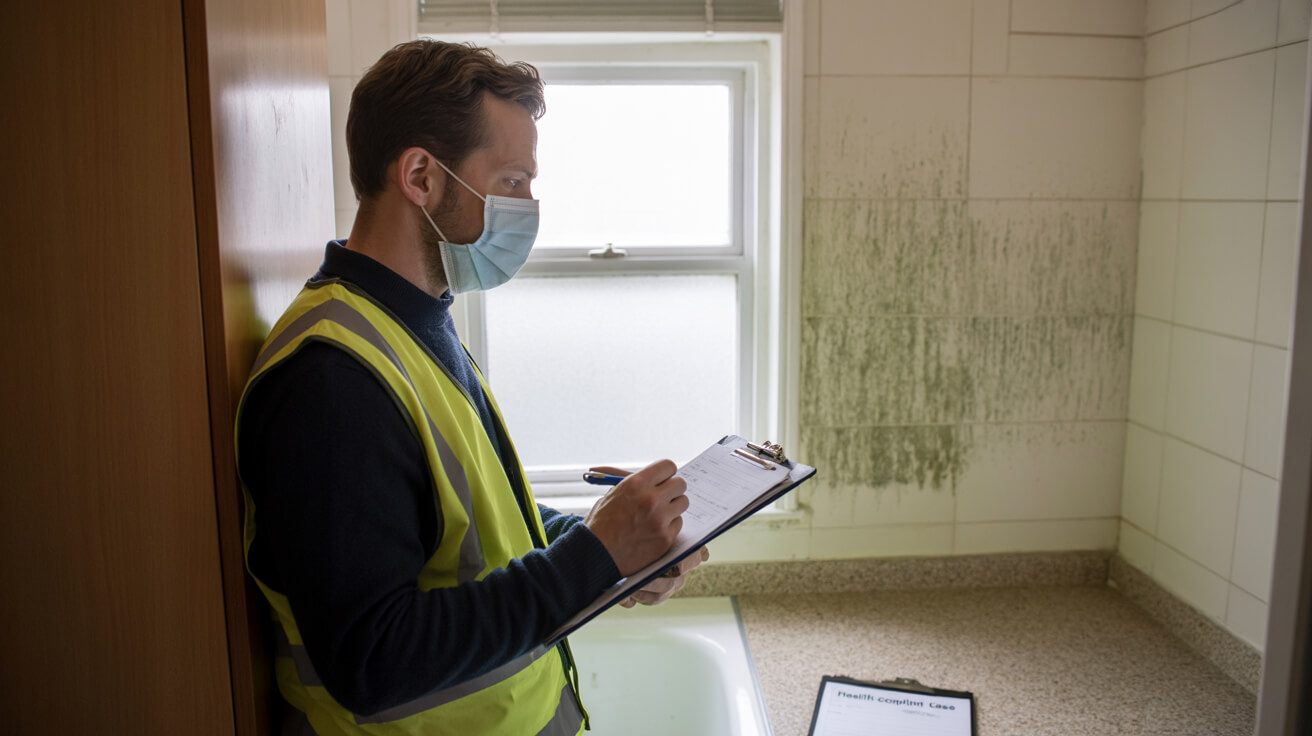
HHSRS, Awaab’s Law, and digital audits have completely flipped the enforcement model: now, the burden is on you to prove compliance—instantly, completely, forensically. Fuzzy memory, “It was done, trust us,” or a vanishing contractor will do you no favours.
How Legal-Grade Evidence Looks
- Double Logging: Actions are recorded both digitally and (when needed) on paper, each one time- and date-stamped.
- Complete Stakeholder Engagement: Each party—landlord, tenant, surveyor—must be acknowledged, with responses logged for each stage.
- Mapped Timeline: Every diagnostic reading, intervention, and aftercare action needs to connect in a logical, closed arc.
- Instant Indexing: Every compliance document must be accessible, ideally in a single digital vault—not scattered over SMS threads, email chains, and hand-written notes.
When a claim lands, your greatest asset is instant, tamper-proof recall of the right evidence—nothing left to memory.
When handled properly, evidence isn’t just protection—it unlocks easier refinancing, streamlined insurance, and a real defence if claims or complaints are raised.
How Can You Move Beyond ‘One-Off’ Fixes to Long-Term Compliance That Survives Any Audit?

A one-off fix is a short-term gamble. The rules expect you to run a living, dynamic evidence system: annual check-ins, cloud-based logs, and regular client engagement.
How to Design Perpetual, Audit-Proof Compliance
- Annual Digital/Physical Audits: Calendarised, not ad hoc—book your next review with each sign-off.
- Cloud-Backed Logs: No more lost files. Store metre logs, airflow data, and aftercare reports on secure drives as personnel or companies change.
- Live Stakeholder Updates: Use software that triggers alerts to tenants, landlords, and surveyors with every step.
- Structured Aftercare: Tailored, scheduled post-works support—never reduced to “call us if needed.”
Genuine compliance is awake all year—anything less lets problems, and risks, creep back in.
The reward? Inspections become routine, insurer queries are handled fast, and you sleep well knowing you’re protected if anything gets revisited.
What Makes an Audit-Ready Evidence Pack—and Why Does It Translate to Real Value?

An audit-ready evidence pack is a master key to value, certainty, and smooth running for landlords, property managers, or agents. Packed right, it doesn’t just win the inspection—it raises the value of the asset, smooths sales, and crushes disputes before they start.
What Goes Into an Audit-Ready Evidence Pack?
- Indexed, Single File Storage: Store all documents—photos, surveys, certificates, logs—under one master index.
- Instant Sharing: With one click, share your pack with councils, insurance, and tenants during re-inspections.
- Dual Redundancy: Keep both digital and physical copies, so no loss means a loss of compliance.
- Clear Chain of Custody: Every file is linked by name, date, and role—down to the person who delivered the aftercare log.
With a proper pack, even aggressive council or insurer investigations become tick-box admin, not full-blown disputes.
Done right, landlords see higher property value, lower premiums, and a stellar professional reputation.
Audit-Ready Evidence in Action
• Lenders process refinancing rapidly with full data-ready packs.
• Inspections are passed the first time—no time lost or profits sacrificed.
• Tenants and landlords both rest easy, knowing evidence supports both sides.
Where Do Most Landlords and Contractors Trip Up—and How Do You Avoid the Callback Spiral?
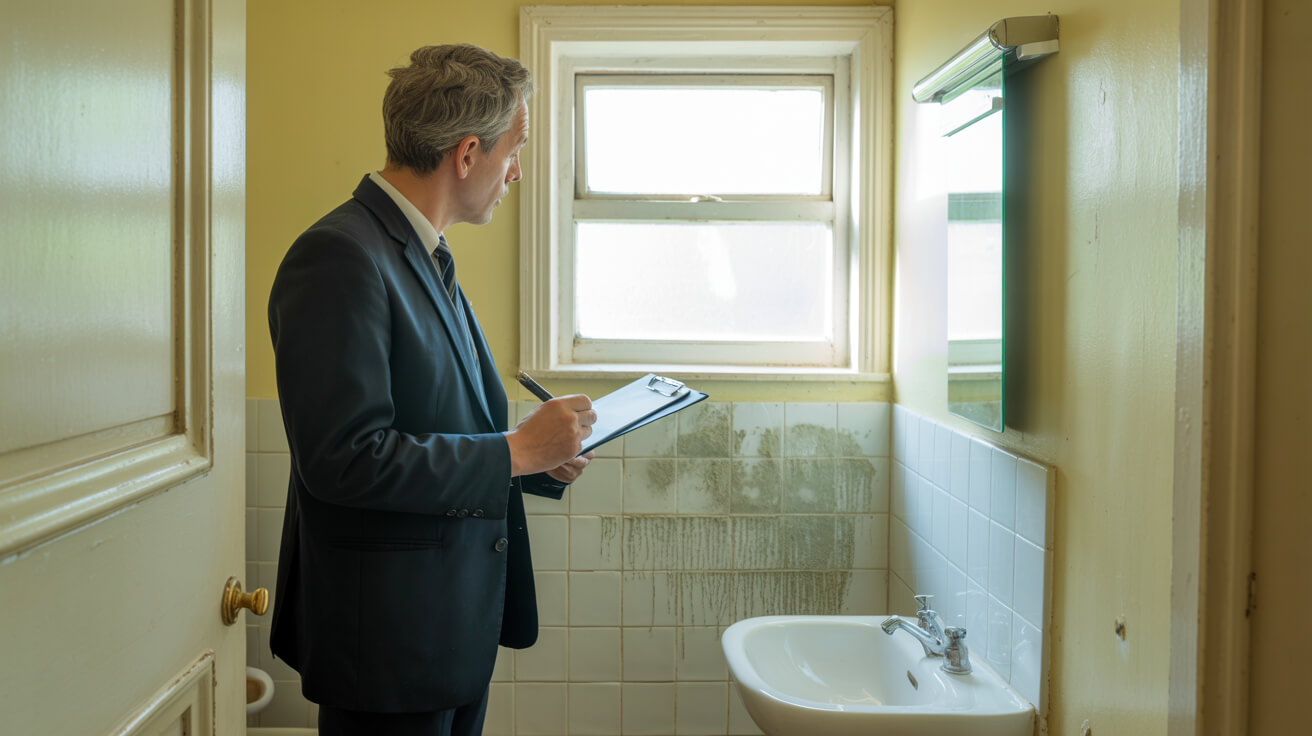
Most failures come from two kinds of mistakes: treating compliance as an afterthought, and trusting looks or feelings over evidence. Here’s what gets most into trouble:
- Only fixing what’s visible—a patch job ignores damp behind the surface.
- Forgetting to reference standards like BS 6576 or PAS2035.
- Taking unlogged phone-pics, with no metre readings or timestamps.
- Forgetting to document aftercare or tenant handovers.
- Using template, one-size-fits-all guarantees with no link to address or escalation process.
- Assuming aftercare is a gesture, not a regulatory expectation.
Every slip is an open door to costly, repetitive cycles, intervention orders, and fire-fighting reputational damage.
How Professionals Close the Loop
- Build compliance and documentation into the treatment plan from the start—not as a last-minute addition.
- Assign responsibility for every step: named installer, surveyor, aftercare lead.
- Train team members in evidence-gathering and documentation updates.
- Use surveyor checks as a checklist for every finish, not just for paperwork at the end.
Lose control of the process, and you lose control of your asset.
Push compliance and proof to the centre, and every re-inspection becomes another step toward stronger value and smoother operations.
Talk to Sussex Damp Experts for Lasting, Inspector-Proof Compliance
When new regulations threaten to catch you off balance or a random inspection has you reaching for old paperwork, it’s time to stop rolling the dice. Sussex Damp Experts doesn’t just clear the visible symptoms: our surveyor-led approach designs, documents, and guarantees each stage to meet HHSRS, Awaab’s Law, and modern compliance.
Choose Sussex Damp Experts and you’ll benefit from:
- Independent Surveyor Sign-Off: PCA, RICS, or TrustMark-accredited experts verify every job’s compliance.
- Total Evidence Bundles: Digital and physical, time-stamped, all operatives and materials logged—no holes.
- Signed, Address-Specific Warranties: Each pack links to your site, with escalation and aftercare paths baked in.
- Next-Stage Alerts and Aftercare: Scheduled, proactive, and proven so you’re always audit-ready.
Skip the scramble, the repeat call, or the legal headache. Sussex Damp Experts build a compliance chain that stands up in any room, with any inspector.
Don’t wonder if you’re compliant—know you are. Speak to Sussex Damp Experts today for a surveyor-led, fully-documented, and regulation-matched survey or remediation that keeps your asset, reputation, and tenants safe.
Frequently Asked Questions
What evidence forms a legally watertight trail for passing HHSRS and Awaab’s Law damp re-inspections?
No inspector trusts a patchy dossier. To clear HHSRS and Awaab’s Law post-remediation checks, every step from first diagnosis to final aftercare needs documenting—signed, time-stamped, and sequenced. The standard is no longer “can you show a repair?”—but “can you prove an unbreakable chain from complaint through inspection, works, and follow-up, with every link auditable and regulation-matched?”
Which documents and proof carry real authority in an inspection?
- Damp & Mould Safety Certificate (DMSC): Signed, dated, and address-matched by a PCA or TrustMark-accredited surveyor—this is your project’s compliance passport.
- Photographic Timeline: Record before, during, and after shots—each one time-stamped, referenced to metre readings, and linked to an exact room/wall location.
- Instrument Logs: Digital records from moisture metres, hygrometers, and thermal imaging (all calibration certificates on hand).
- Works and Material Logs: Every operative’s name, skill proof, and corresponding material batch, tied to its instal date.
- Communication Record: Notices, updates, acknowledgments, all tracked across written and digital channels, tenant receipts included.
- Warranty and Support: Copies of specific, address-bound warranties—no generic guarantees.
A Sussex Damp Experts file matches legal, audit, and lender requirements for any post-job challenge across East Sussex and beyond.
A photo tells a story—but a signed, indexed photo pinned to a metre reading closes every doubt.
Which overlooked gaps have tripped up experienced landlords and agents?
The constant offenders: missing surveyor signatures, mismatched addresses on key paperwork, photos that lack a timestamp, or repair logs that don’t tie back to the original inspection. Ignoring the digital indexing (or losing proof of tenant notification) puts the whole pack at risk during spot-checks or tenant claims.
What’s the safest delivery method for the whole evidence chain?
Bundle everything—certificate, logs, photos, comms, and signatures—into a clearly indexed digital vault; keep private share links for council, tenants, and stakeholders. When an audit comes, every piece is findable, verifiable, and up to grade.
Every landlord and property manager wanting “full pass or council-proof” opts for a compliance-grade evidence stack backed by surveyor expertise—and that’s exactly what gets delivered by Sussex Damp Experts.
Which scientific measurements and logs are absolutely essential to prove a property is both dry and legally compliant?
“Looks dry” is a bygone era. Inspectors, lenders, and surveyors now demand hard, logged metrics that track moisture shifts from diagnosis to handover. If it isn’t measured, time-stamped, and traceable, it fails compliance—regardless of cosmetic finish or warranty promises.
What are the non-negotiable instruments and readings?
- Digital Moisture Metres: Show under 20% Wood Moisture Equivalent (WME) for all masonry, plaster, and timber—date and location logged.
- Relative Humidity Logs: Track below 65% RH at multiple survey points (corners, mid-wall, subfloor); record over several days for legitimacy.
- Thermal Imaging Reports: Identify cold bridging or latent wet spots—especially where insulation or heritage finishes mask issues.
- Salt Ion Analysis: For properties with previous salt damage, confirm the zone is salt-free after works.
- Calibration Certificates: Every tool’s logbook entry is validated by up-to-date calibration evidence.
Evidence is only as strong as the metres and logs that guard it—never accept a visual pass for a statutory check.
Where are additional data points required?
Where tenants have flagged health issues, or when prior remediation failed, councils ask for spore sampling, air quality/VOC data, or even microbial assessments—especially in HMOs or social housing.
How do missing or uncalibrated logs impact post-work compliance?
Missed logs, metres not certified, or any reading that’s higher than regulations allow will see your property flagged for repeat works, extra council scrutiny, or insurance complications. That’s cash burn, lost tenancy, and possible tribunal.
Sussex Damp Experts use surveyor-traceable instruments and cloud-based logs—so no evidence ever gets lost, mismatched, or challenged during re-inspections.
How do Awaab’s Law and new enforcement rules force landlords and agents to overhaul post-damp job routines?
Awaab’s Law tightened every compliance bolt. Proof isn’t an afterthought—it’s a day-one expectation, enforced by tight turnaround deadlines, clear audit trails, and the real risk of legal penalty if even one communication or log is incomplete.
What core duties are now triggered the moment a job completes?
You need to:
- Provide tenants and agents with a signed, itemised work summary detailing diagnosis, repairs, and outstanding actions—within three working days.
- Archive all communication—calls, emails, SMS, letters—indexed by time, recipient, subject, and response/acknowledgment.
- Store logs so that council reps, ombudsmen, or mortgage lenders can access every milestone in the repair journey.
The property that can’t produce signed, time-stamped records on demand is the one that fails at legal or council review.
What changes for tenants and risk management?
Tenants now have a statutory right to demand—and receive—copies of every inspection record, work log, and warranty. If paperwork or logs are absent or late, the compliance protocol resets: expect follow-on inspections, potential escalation, and formal notices.
Codes and best practice change—and Sussex Damp Experts monitor the standards, ensuring your record-keeping always matches the law on the day the inspector appears.
What are the under-the-radar pitfalls that still get landlords failed—even after “fixes” and “full documentation”?
Most landlords imagine compliance issues start with shoddy repairs, but increasingly, it’s paperwork mismatches, logbook gaps, and non-traceable “repairs” that sabotage success. As evidence demands rise, audit failures tend to spring from the overlooked details, not obvious blunders.
What causes most technical audit fails (even after visual pass)?
- Not tracing the root moisture source—missing a hidden leak, capped vent, or bridge in the DPC.
- Paperwork that’s untied: logbooks missing a metre reading, surveyor sign-off not matching the job, or batch slips that don’t match installed products.
- Repair methods unsuited to substrate or not referenced to BS6576 or PAS2035; “one size fits all” documentation gets cut apart at audit.
- Photos staged or without clear before-after sequence; any sign of fudge, and inspectors dig.
Real compliance is a system, not just a checklist—miss the system, and you risk every asset at every audit.
How can these risks be “engineered out” on your next job?
Adopt a protocol where every action, proof, and sign-off is routed through a compliance-minded surveyor—and double-reviewed before any work is closed out. If a single leak or missed data point is found, reset the evidence pack before handover.
Landlords and managers across Sussex trust our method because each step—from diagnosis to surveyor sign-off—focuses on preventing the kind of surprise callbacks or legal trouble that sabotage lettable value.
Why is communication audit now at the very heart of passing compliance—beyond the repairs?
Whether for tribunal or tenancy, audits now look for a seamless digital chain that can be produced on short notice, not just a well-built wall. Owners and agents who skimp on documentation, slow on tenant updates, or lose track of correspondence are first for repeat notices or litigation.
What makes documentation “audit-grade” under HHSRS, Awaab’s Law, and council scrutiny?
- Written, date-logged, and tenant-delivered repair summary within three working days.
- Logs of all call, email, site notice, feedback, and repair acknowledgment tied to a digital record—no missed links, all channels included.
- Clear escalation routes, contact details, and tenant feedback points documented for future requests or disputes.
Audits don’t chase repair stories, they chase gaps in the documentation. That’s where liability starts and ends.
What can go wrong with “informal” or piecemeal communication?
Disjointed, missing, or informal updates are the top reasons for failed re-inspections, extra visits, or losing tribunal cases. One missing link and the whole showing falls apart. That’s why our systems build and store every interaction—not just the ones you hope the inspector sees.
How do you futureproof your compliance as the legal and audit landscape only gets tougher?
Property law and council audit tactics never retreat—each cycle brings new expectations. Futureproofing is no longer chasing new paperwork after the fact, but engineering a live system built for recurring scrutiny.
What are the core ingredients of a “living compliance archive”?
- Pre-scheduled digital surveys—before and after works, annually, and after notable events.
- All-asset uploads (photos, logs, calibration proofs, comms) to a secure, archived platform—tenants, agents, and legal parties all have their windows.
- Automated reminders to keep follow-ups, warranty checks, aftercare, and tenant feedback timely.
- Ongoing support for tenants and managers, with direct issue escalation channels—no report buries or missed feedback.
The compliant landlord or agent is the one who builds for what the law will demand—not what it did last year.
Why does this approach anchor legal and portfolio security?
When council, tenant, or mortgage lender asks for proof, your digital vault delivers the answer before questions get tough. Fail to futureproof, and every legal wrangle or lost tenancy leaves you at the mercy of patchwork paperwork. Sussex Damp Experts design every job for the next regulation—protecting your asset, reputation, and peace of mind.
Property compliance doesn’t end when the walls dry; it lasts as long as you own, manage, or let the asset. Rely on remediation from Sussex Damp Experts, and you equip every property with the kind of documentation and scientific proof that survives any audit, crosses any legal hurdle, and delivers peace of mind long past handover.

