
 By
By  August 26, 2025


Does UK Law Really Protect Your Privacy During Damp Repairs—Or Is It Just Legal Lip Service?
The moment damp creeps in, your home turns from safe haven to negotiation field. Tenant privacy is guaranteed on paper, yet when walls sweat and ceilings bubble, the boundaries get murky fast. The reality? The law gives you the right to “quiet enjoyment,” but the next knock on your door will test what that means. At Sussex Damp Experts, we see past the slogans and straight into the questions that keep you up at night: When can your landlord enter, and what stops repairs from turning into an invasion?
The battleground isn’t the wall—it’s who holds the door key.
Damp is an equal-opportunity nuisance. It waits for no one, respects no diary. But even the deepest leaks don’t override your privacy. Every landlord, letting agent, or contracted repair team is kept in check by the Landlord and Tenant Act 1985 and a chain of related regulations. The process isn’t a free-for-all. It’s a documented sequence:
- Written notice (minimum 24 hours),
- Details of who, when, and what,
- Your right to safe, reasonable appointments.
When handled correctly—with expertise and a paper trail—damp repairs don’t sacrifice your peace of mind. Our process at Sussex Damp Experts brings you the surety you want: repairs done, privacy unbreached, and legal lines never crossed. That’s more than lip service—it’s the difference between calm progress and chaos.
How Much Privacy Do You Really Have—And Where Is the Line During Damp Repairs?

Your privacy isn’t a privilege—it’s enshrined by law in every tenancy agreement, codified directly in the Landlord and Tenant Act 1985. The standard is “quiet enjoyment,” meaning no random visits, no wandering tradesmen, and absolutely no surprise inspections. If your landlord wants access for any purpose—especially repairs—they must give you at least 24 hours’ written notice (NRLA 2024), specify the reason, and offer a reasonable time slot. Respect is not negotiable.
But this privacy guarantee walks a tightrope. That same law demands landlords address serious issues—damp, leaks, mould—fast. Councils, insurers, and even lenders expect rapid response; ignored repairs can cost more than a claim—they can cost compliance, property value, and even licences for the landlord.
So What Happens When Privacy and Urgency Clash?
Your right to “quiet enjoyment” isn’t a shield for ducking repairs. Nor can landlords force entry for non-urgent issues, no matter how persistent. If the legal process (notice, consent, clear timing) isn’t followed, it’s a breach—no matter who’s at the door. Yet, once damp turns urgent or hazardous, a balance gets struck. Reasonable access must be allowed, and unreasonable resistance turns the playing field against you—risking tenancy, compensation, or worse.
“Missed emails and bad timing aren’t loopholes—every skipped step has real costs.”
When both sides respect the process, repairs proceed cleanly. Slipups invite complaints, council attention, or even court. Law punishes those who push their luck, so knowing where the line lies—notice, consent, documentation—protects both your privacy and your lease.
What’s the Legal Sequence for Landlords Entering to Address Damp?

Landlords can’t just barge in, even for urgent damp. The law is clear: before any tradesperson crosses the threshold, you must get written notice (email, post, or text), with at least 24 hours’ warning. The timing? Repairs must take place at sensible hours—typically weekdays between 8 a.m. and 6 p.m.—unless you clearly agree otherwise. Unforeseen crises don’t erase protocol; even then, immediate notification is required after the fact.
You are fully within your rights to decline access if the process wasn’t followed: insufficient warning, unsuitable hour, or real safety issues. Your landlord, however, can expect engagement—not stonewalling. Genuine emergencies—exploding pipes, floods—are the rare exceptions, where urgency trumps routine notice but not basic courtesy or subsequent communication.
Is Every Damp Patch an Emergency?
Hardly. “Emergency” in UK law means imminent danger—flood, fire, or collapse. Mould behind the wardrobe or a water stain on the ceiling doesn’t qualify. If a landlord claims “emergency” every time, or bends the rules to access your property without process, that’s legal overreach—and potentially harassment. False alarms breed distrust, and courts take a dim view of abuse on either side.
“Only genuine emergencies break protocol. Stains or musty smells still wait for the 24-hour clock.”
The best repairs happen when the rules are visible and respected—one side acting with urgency, the other with openness. That’s how we keep legal costs and drama out of the equation.
What If Access Is Refused—Or Your Privacy Gets Ignored?

Blocks and violations trigger real consequences. If you unreasonably deny access for verified repairs, it’s more than a delay—it’s grounds for escalation: warning letters, council involvement, even eviction if the refusal is persistent and unjustified. Judges are precise: stonewalling, missed appointments, or aggressive responses rarely end well.
If a landlord ignores the process—turning up at odd hours, entering unannounced, or sending workers without proper introduction—they cross into breach-of-law territory. Local councils can step in with fines; courts can award damages or even revoke renting rights.
| Perspective | What You Risk Ignoring Rules | Legal Trigger | The Sensible Move |
|---|---|---|---|
| Tenant | Loss of tenancy, health, reputation | Refusal of legitimate entry | Be reasonable, document all |
| Landlord | Fines, loss of renting rights, reputation | Entry without notice/consent | Document, notify, explain |
| Both | Delays, higher costs, mutual mistrust | Council/court escalation | Mediate, log, stay transparent |
The real price of legal missteps isn’t money—it’s control and peace of mind.
Documentation shields both sides—when disputes arise, the side with the clearer record almost always wins.
Can “Quiet Enjoyment” Override Serious Damp Repairs?

No legal right is absolute. The right to privacy is a wall, but safety and health can—not must—break through it. Landlords have a duty to act promptly on severe damp, black mould, and leaks, but must never use “urgency” as a pretext to override privacy for trivial or cosmetic issues.
For everyday repairs, all proper notice and scheduling steps apply. When inspectors or contractors overstep—too frequent, unneeded visits or unclear purposes—tenants have the right to push back or initiate complaints. However, clear, well-documented evidence of real hazard (risk to life or property) earns landlords a narrow lane of leniency on entry timing. That’s the law: balance, not brute force.
Sussex Damp Experts’ Proven Approach
Our method leaves nothing to chance or hope: every repair starts with
- Detailed written notice detailing who, when, and why;
- Timetable options—never “my way or the highway”;
- Clear, jargon-free explanations of works to be done.
Aftercare isn’t a handshake or quick wave—digital and paper records follow, offering a traceable, dispute-proof end to the job. That’s how you get safe walls without trading away hard-won privacy.
Why Do Disputes Still Happen—And How Does Process Solve Them?
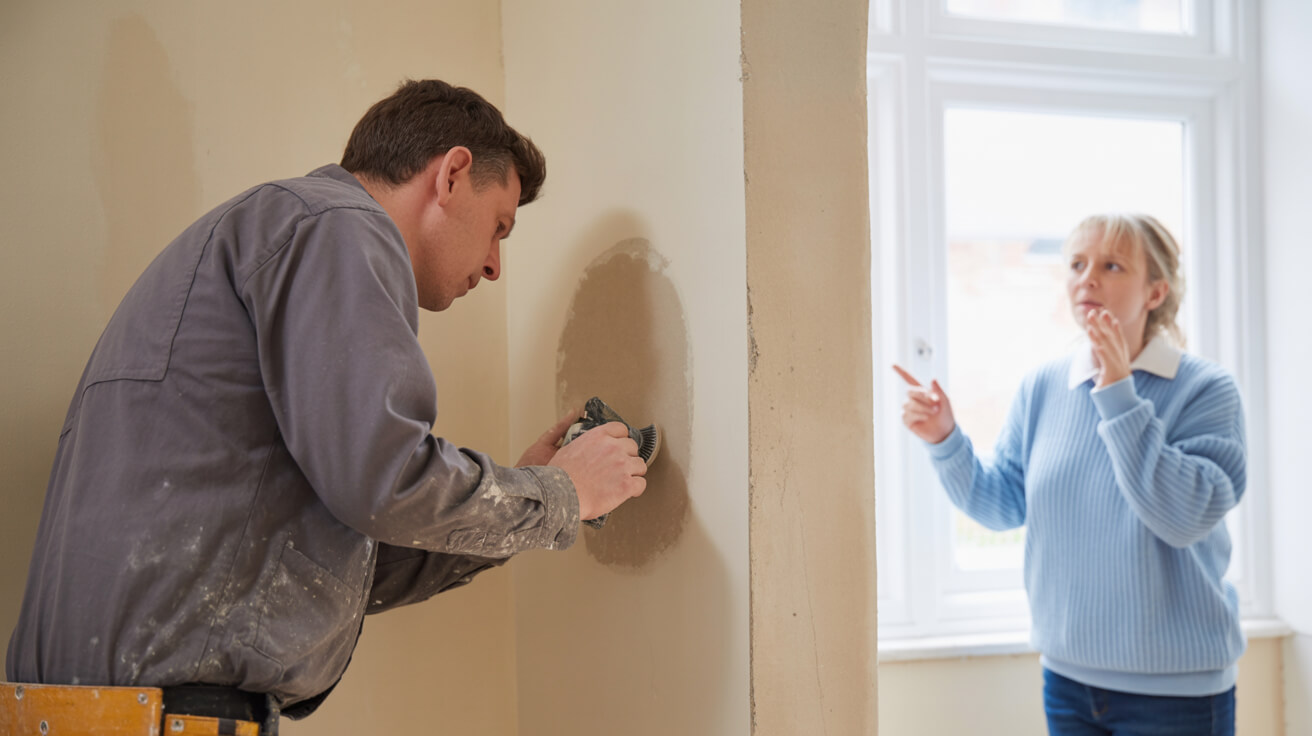
The truth? Most access disputes start from confusion, not conflict: missed texts, unclear emails, or last-minute tradesmen. Industry surveys show that over 40% of legal complaints and council interventions stem from “failed notice” or ambiguous communication. Repairs get blocked, tempers fray, and both sides lose—not because the law isn’t clear, but because the steps weren’t lived.
Sussex Damp Experts runs a process that eliminates fuzz. Every job is double-logged—digital and hard copy—every worker has visible ID, and every resident gets advanced notice and a follow-up report. This calm paper-trail ends arguments before they start and puts you in control if council or solicitors ever enter the scene.
Risks in Skipping Good Process
Miss the notice or fudge the appointment, and you court delays and escalating costs. Councils can order repairs and bill the landlord—without the tenant’s input. Tenants who block repairs for vague or personal reasons lose standing on future complaints. Landlords who bend rules pay in fines and reputational damage. Process isn’t “red tape”—it’s your best protection against disputes and unfair liability.
“Damp moves slow but disputes ignite fast—document early, repair cleanly, sleep soundly.”
How Sussex Damp Experts Defends Your Privacy—and Your Legal Standing

We don’t improvise: privacy and process are locked in from day one. Here’s how it works:
- Every request is detailed—in writing—before a tool leaves the van.
- Access depends on your written or recorded consent, whether by text, email, or signed note.
- All workers are introduced, named, and carry clear ID.
- Timeline and plans are tracked live; any changes are communicated instantly.
- All results, instructions, certificates, and warranties are shared for your records.
Information control is airtight: your details are used only as needed, with ironclad retention and sharing policies.
When disputes do arise, Sussex Damp Experts’ documentation provides a fair, unbiased witness—defensible to landlords, tenants, agents, and councils alike. Most importantly, our compliance-first ethos means both your peace and your property are protected at every stage.
Blocked Access or Breached Privacy? Clear, Legal Steps for Tenants and Landlords

Landlords: If you’re facing persistent access denial, patience and paperwork—not pushiness—work best. Keep written logs of all requests and replies. Escalate only when needed: first, model letters; next, mediation or support from Shelter/Citizens Advice/local council. Courts want to see reasoned effort—not bullying or shortcuts.
Tenants: Ignoring fair requests is a fast track to trouble. Can’t make the date? Suggest a valid alternative and keep all communication in writing. If in doubt about urgency or identity, ask for documentation or a trusted intermediary (your agent, a council officer). Mediation and straightforward dialogue diffuse most issues before they blow up.
With Sussex Damp Experts, you get more than a wet wall fix. Every job begins with a shared calendar, live status updates, contact names, and a transparent process. Everyone knows where they stand—before, during, and after repairs.
Risks and Solutions at a Glance
Before worry—or resentment—builds up, a clear chart:
| Who | If Mishandled | What Shields You |
|---|---|---|
| Landlord | Fines, court, lost income | Persistent but polite logs, pros |
| Tenant | Health, loss of comfort | Engaged, written replies |
| Both | Costs, legal battles | Open, logged communication |
The best defence against damp and dispute is trust—backed by records.
Ready to Keep Your Privacy—and Your Home—Safe? Choose Sussex Damp Experts
You shouldn’t have to choose between dry walls and secure peace. The law supports your privacy, but only when you meet it with flexibility and a commitment to clarity. Sussex Damp Experts is built for customers who expect both: a repair done right, and a process that stands up in court, with agents, and at family dinner tables.
“When repairs respect your boundaries, peace—and property—last longer.”
When letting agents and solicitors want a team who writes the process as tightly as they plaster a wall, they call in Sussex Damp Experts. From the first written invitation to the final guarantee booklet, you get evidence, assurance, and personal comfort. Avoid the tug-of-war and endless circular arguments—get your home dried out, privacy secured, and disputes put to rest. Sussex Damp Experts is ready to answer every call before walls—and arguments—crumble.
Frequently Asked Questions
How does UK law actually balance landlord and tenant power over access for damp repairs?
The UK legal framework splits the difference between tenant privacy and landlord repair duties: neither holds unchecked sway. Landlords have a legal duty to maintain property fitness, especially for issues like damp and mould, but you—whether homeowner, tenant, or managing agent—retain the right to quiet enjoyment. The Landlord and Tenant Act 1985 and Building Regulations (Part C) enforce a clear sequence. Written notice (not verbal, not doorstep) must be served at least 24 hours in advance, spelling out who’s coming and why. Tenants have the right to request rescheduling, to verify contractor identity, and to expect visits only within a reasonable window—8am to 8pm, weekdays. If you refuse access without just cause after proper notice, liability may shift; repeated obstruction opens the door to legal action or repair cost claims, especially if property damage compounds.
A well-documented notice today saves months of legal headaches tomorrow.
What is “quiet enjoyment” and how does it work in practice?
Your right to privacy means landlords can’t just appear without warning, even for necessary repairs. Only an explicit, emergency risk—think burst pipe, fire, or structural failure—justifies unannounced entry. Everyday damp, even visible mould or musty odours, follows the full notice protocol.
What does a compliant, legal access notice for damp work have to include?
An access request must be detailed, time-bound, and written. The law doesn’t allow approximations or last-minute late-night arrivals. Minimum requirements:
- Delivered at least 24 hours in advance, clearly naming the visiting contractor or surveyor.
- Specifies every space to be entered—say, “lounge east wall, rising damp check.”
- Lists the repair type, plus estimated duration and equipment required.
- Proposes a specific time window; the tenant’s normal schedule must be considered, not just contractor convenience.
- Emergency scenarios must be explicitly stated, with supporting evidence if entry is requested inside the 24-hour window.
Appointments are negotiated, not dictated. For repeated or particularly disruptive repairs (such as tanking or full-wall replastering), landlords are expected to coordinate alternative dates and keep a log of all attempts, even unreturned calls or emails.
Why is process so critical for landlords and managing agents?
Every access notice is a paper shield: surveyors, local authorities, and insurers all want a full record if damages or disputes emerge. Over 70% of denied entry complaints stem from shortcutting this basic step.
What happens when tenants continually refuse access after proper notice for urgent damp repairs?
Persistent refusal, even after all proper legal steps, usually backfires on the tenant or occupant—especially when there’s growing evidence of damage. The escalation runs as follows:
- Written reminders backed by a log of flexible scheduling attempts.
- Possible involvement of neutral mediators (Shelter, Citizens Advice) if relations break down.
- Formal notice that extreme refusal after several attempts may lead to legal injunction via county court.
- If court-enforced entry is ignored and repair urgency mounts (e.g. visible water ingress, mould linked to health hazard), the tenant could face both legal costs and liability for worsening damp.
Is there a point where financial liability flips?
Yes. If you turn away damp repairs and damage becomes materially worse as a result, courts may apportion some repair costs to the occupant, not just the landlord. Deposit deductions, damages, or even accelerated possession can follow.
What paperwork and proof do landlords need to stand up in disputes regarding damp access?
The winning edge comes not from debate but documentation. Savvy landlords and agents compile:
- Timestamps on every notice—date, time, recipient, and means of delivery (email, recorded letter, digital management system).
- Copies of every surveyor/contractor’s intro and planned work scope.
- Photographs and moisture readings before any initial visit, then again after treatment.
- Signed acknowledgements or logs of tenant responses—even unacknowledged notices must be recorded.
- Detailed logs for each attempted entry, rescheduling, or cancellation. The more complete the sequence, the clearer legal responsibility is in the event of dispute.
Which mistakes most often expose landlords or agents to risk?
Relying solely on text messages or phone calls leaves a paper trail gap. Skipping re-notification for switches in contractor or work timing breaks statutory requirements—and is a top reason insurer claims for damp are rejected.
When does an “emergency” truly allow entry for damp issues without tenant permission, and what defines true urgency?
An emergency overrides notice only where direct risk strikes: sudden water main rupture, floodwater ingress, electrics compromised by moisture, or black mould rapidly threatening health. Routine condensation, flaky paint, or minor leaks never meet the emergency bar. Even when emergency entry is taken, landlords must:
- Immediately disclose the entry and reason to the tenant.
- Document the issue with photos, metre readings, or a qualified engineer’s statement.
- Limit access strictly to the affected area and time.
- Prepare to prove why standard notice would have risked lives or property.
Real urgency is measured in hours, not days. When damp threatens health, justified emergency access is rare, but defensible if well-evidenced.
What should happen if you disagree about “emergency” status?
Neutral evidence—an engineer’s same-day report or council hazard assessment—bears more weight than argument. Without formal support, tenant objections usually prevail.
How do Sussex Damp Experts prevent access disputes while protecting reputations and legal standing?
Every Sussex Damp Experts project is mapped to airtight process:
- Notices detail who’s arriving, when, and why, using plain language and tracked delivery.
- Tenants or occupiers always see choice slots, with unhealthy timing avoided.
- All contractors arrive with visible ID, branded paperwork, and are introduced by name before the day—a no-surprise policy.
- End-to-end repair logs, from initial damp mapping to final warranty documents, are shared and archived—often electronically.
- If relations freeze, Sussex Damp Experts mediate, presenting an objective record that typically calms disputes before escalation is needed.
This process isn’t just best practice—it’s a proven shield in Sussex and Brighton for landlords, agents, and homeowners. Trusted documentation lets you solve damp safely, protect everyone’s statutory rights, and sidestep the delays and fines that so often damage reputation and investment.

