
 By
By  August 26, 2025

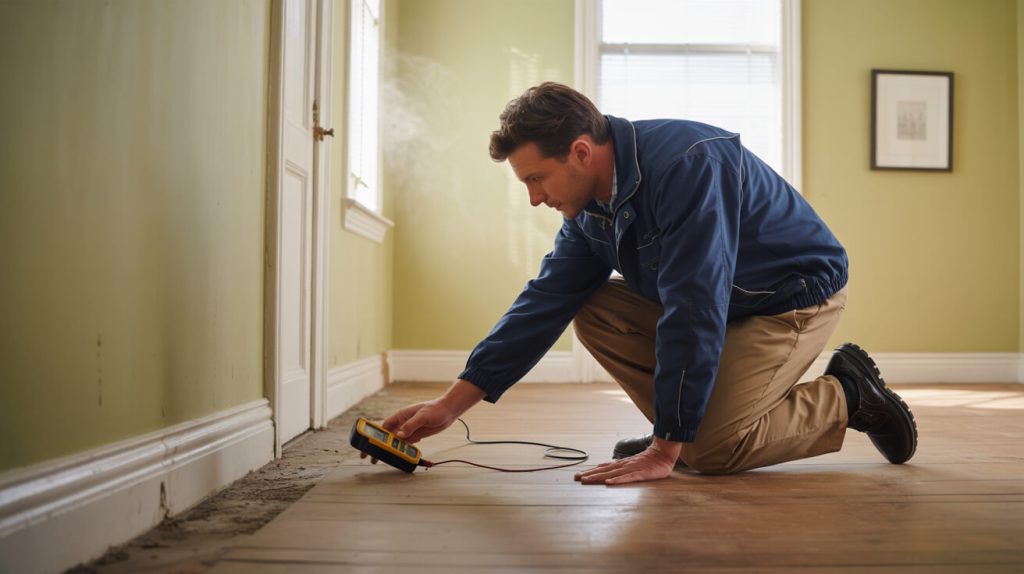
Why Was Awaab’s Law Needed—and What Has It Changed About Safe Accommodation?
Awaab’s Law wasn’t stitched together by policy wonks hunched over paperwork. It was forced into life by tragic fallout—a young child losing his life because a social landlord ignored persistent, visible mould. That loss turned the spotlight on systemic failures: too many tenants had their health, dignity, and safety set aside for convenience or budget. The government’s answer was not a half-hearted guideline but hard-edged, legal rules, including the awaabs law transitional arrangements: now, if your social landlord or council finds a “Category 1” hazard (think black mould, crumbling floors, or persistent damp that would make even a builder wince), they’re on a clock. Within five working days, or 24 hours if danger is immediate, they must fix it—or, if repair isn’t possible, provide proper alternative accommodation for your entire household, no delays, no excuses (Awaab’s Law Guidance – gov.uk).
Once a hazard’s flagged, every minute counts. Your health isn’t a budget line or a waiting list.
Previously, tenants in social or council homes could be left waiting for months or even years for repairs, sometimes being fobbed off with damp “patch jobs” or promised fixes that never materialised. Now, the moment a qualified inspector raises the Category 1 flag (using the HHSRS—Housing Health and Safety Rating System), your right to safe rehousing sparks to life. This isn’t goodwill: it’s statute, and failing to comply is a breach of law, not just poor service. Landlords can’t slap a coat of paint over the mess, offer a leaky bedsit, or promise “something soon.” “Suitable” is a fixed legal term—one that matches your needs and cannot be dialled down for convenience.
Awaab’s Law has forced housing providers to stare down old shortcuts. Temporary is no longer a blank cheque for uncomfortable, cramped, or unhealthy stopgaps. Compliance is now monitored and enforceable with new urgency—meaning, for your household, that safety and genuine suitability are no longer “nice to have,” but guaranteed by deadlines and statutory teeth.
What Makes a Temporary Home “Suitable” Under the Law—and When Can You Challenge It?

“Suitability” isn’t some fuzzy, sliding scale. Awaab’s Law (and well-established housing guidance) makes it clear: any temporary accommodation the council or landlord offers must be safe, healthy, free from known hazards (including damp and mould), and realistically fit for your family’s daily life (Shelter England—Suitability Guidance).
Accepting a box-room or a far-flung crash pad isn’t compulsory. If it cramps your life, you can—and should—say no.
The rules on suitability demand much more than “anything under a roof”:
- Health and safety: No Category 1 hazards (that includes damp and mould), no poorly maintained electrics, no risk to children or vulnerable occupants.
- Genuine affordability: You’re not expected to shoulder higher rent, steep utility bills, or impossible travel costs just to tick a box.
- Space and comfort: Overcrowding is strictly barred. Every household member should have a safe, separate space to sleep; bunking your teenagers in the living room isn’t a solution.
- Location and disruption: The temporary home must be within reasonable distance to work, school, and family or care support. “Relocating” you miles out as a shortcut is not lawful.
- Accessibility and needs: Any disability, medical, or special requirements must be fully accounted for—not “accommodated if possible.”
If what’s offered misses these marks—be it too small, too costly, too far, or fundamentally unsafe—you’re well within your rights to refuse. There’s no expectation for you to “make do” or “just cope.” The law instructs that you challenge anything substandard and press for the accommodation you’re actually entitled to.
What Legal Hammer Stops Landlords or Councils Cutting Corners with Box-Ticking Accommodation?

The safeguards don’t stop at vague promises. Inadequate or overcrowded offers are policed by hard law: the Housing Act 1985 (“bedroom standard”) strictly defines minimum room size, privacy and how many people may share a bedroom based on age and gender—all to prevent councils shoehorning families into boxes or sofas (Statutory Overcrowding – legislation.gov.uk). Going below these is not just dodgy practice; it’s statutory overcrowding—a breach just as serious as leaving you in a home with black mould.
Temporary shouldn’t mean ‘tolerate any old mattress or hotel room.’ Law sets the minimum, not the council’s resource list.
When emergency hotels are used (shadowing the dire state of affairs rather than fixing it), they’re allowed only as an ultra-short-term patch—never as standard, never as an excuse to dodge your proper rights. And if a council or landlord tries to “manage you down” into unsuitable space, you not only have grounds to complain, but statutory muscle behind your refusal—and the right to escalate when they ignore it.
How Does the Law Guarantee Actual Safety and Health When You’re Rehoused?
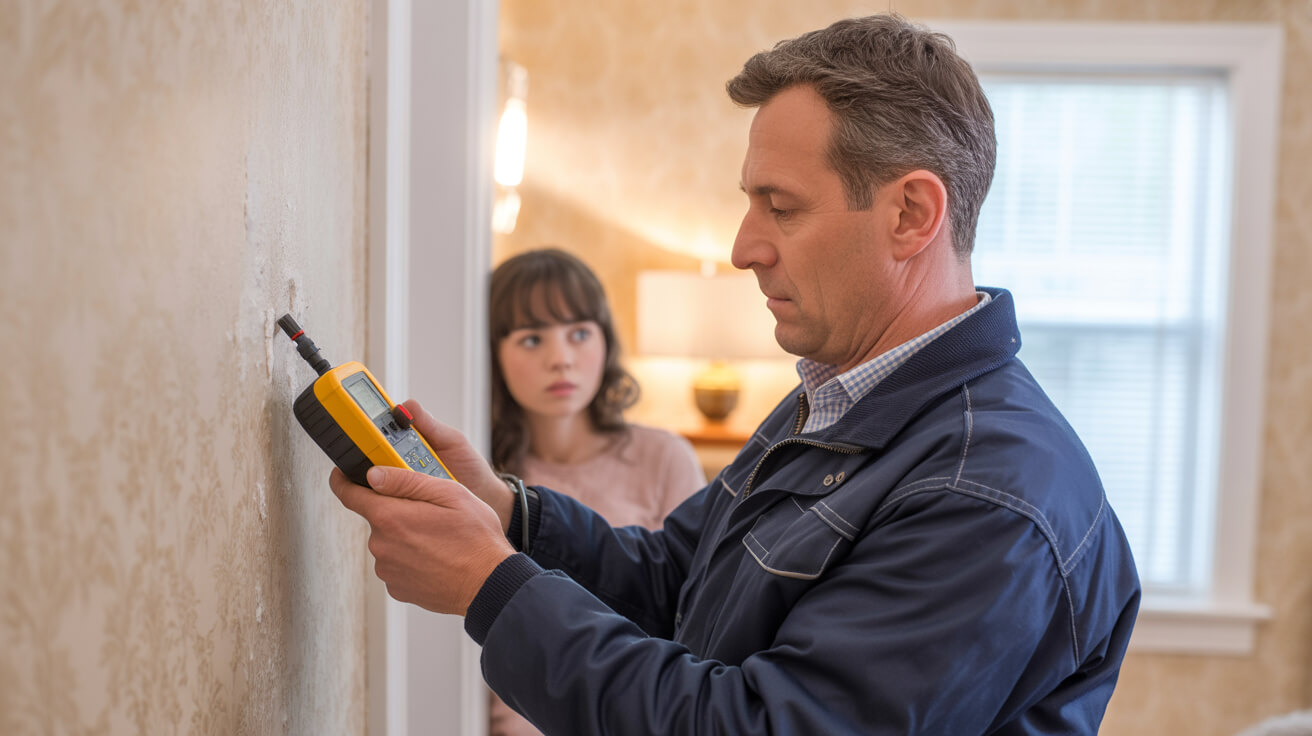
Every property offered as a safe alternative must be proven to meet the HHSRS (covering hazards from damp, electrics, gas safety, to security) as well as the Decent Homes Standard—no leak-prone pipes, no rot, no dodgy windows or locks, no “let’s hope it dries out” patches (UK Parliament—HHSRS Briefing).
Don’t trust a handshake or a promise—demand the inspection paperwork before you move.
Before your family steps through a new door, you’re allowed—actually encouraged—to ask for inspection records and evidence that any defect (especially those that triggered your move) has been fully remedied. You’re not stonewalling or causing trouble by demanding written, audit-ready proof; it’s exactly what the law envisions.
If history suggests previous problems—repeat leaks, missed repairs—push for clear guarantees and documented corrections. When in doubt, a survey from an independent expert (not the council’s “friend-of-a-friend” contractor) is your ace: documentation turns vague assurance into enforceable accountability.
How Far Can Councils Send You—or Make Temporary Living Financially Impossible?

You should not be sent to a different county, see your children bounced to far-flung schools, or cough up for “temporary” rents and bills you can’t realistically afford. Suitability means the full picture: “practicable” location, “reasonable” costs, and continuity of work, care, education, and support.
Legal duty always outranks budget panic. You can challenge a ‘solution’ that simply moves the problem on.
If the only option available is one that would tank your budget or isolate your household, probability says you’re not being given a fair compliance offer. It isn’t a negotiation. Your needs (medical, financial, logistical) shape the accommodation—never the other way round. If you’re pressured to accept otherwise, escalate; refusal can’t be used against you where the offer falls short of the law.
What If You’re Fobbed Off or Ignored? Steps That Force Action, Not Excuses

Where a landlord or council ignores legal deadlines or pushes shoddy offers, you hold the cards. Here’s the toolbox to force change:
- Submit a formal complaint: Quote Awaab’s Law, the HHSRS, and the Social Housing Regulation Act. Specify what makes the offer or non-action unlawful.
- List out every failed suitability point: Health risk, affordability, crowding, location, accessibility—itemised, not generalised.
- Escalate if stonewalled: Push to the Housing Ombudsman, Citizens Advice, legal aid, or even county court if needed.
- Know the stakes: Landlords and even councils now risk major fines—up to £30,000—and must pay damages for avoidable harm or distress (gov.uk – Repairs and Enforcement).
Precise detail and documented gaps turn your complaint from noise to legal dynamite.
You aren’t alone here; NGOs, legal clinics, and specialist surveyors (like independent experts) are ready to provide the power and credibility that prod systems into swift action.
What Evidence Tips the Scales When You Challenge a Decision?
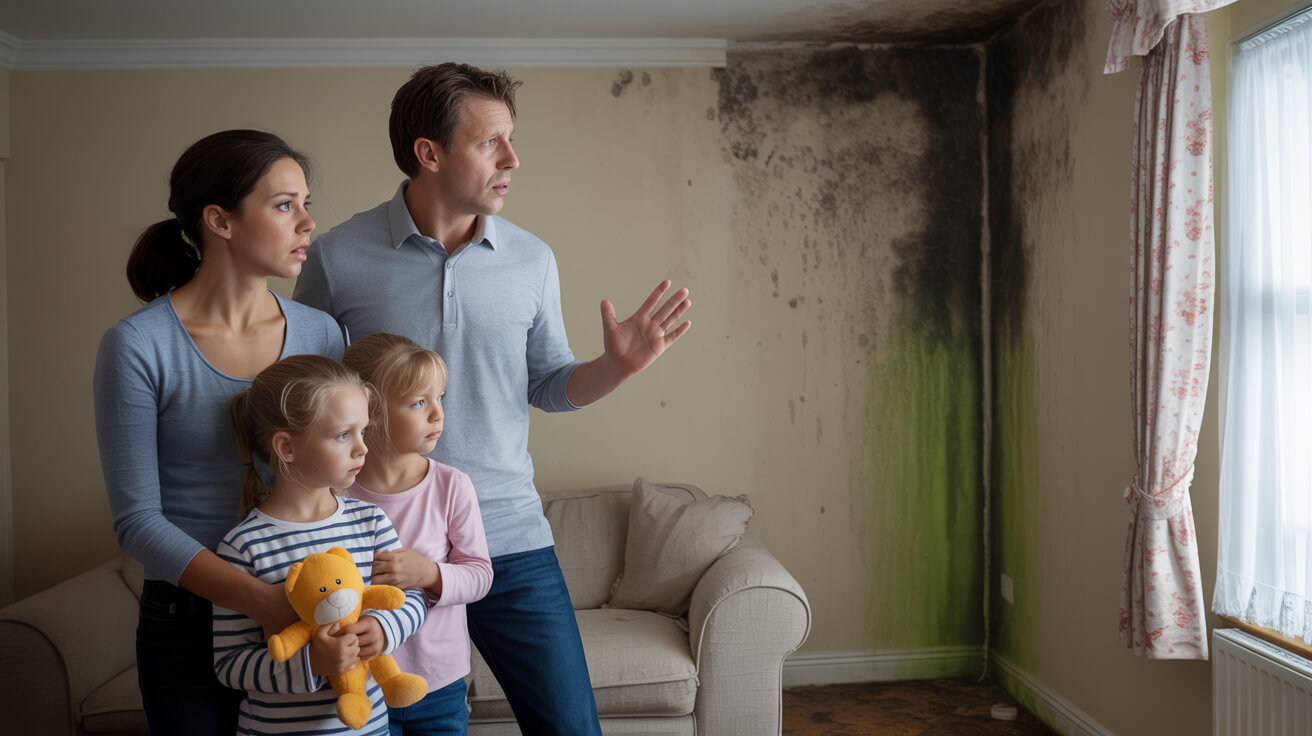
Concrete proof trumps claims, every time. Date-stamped photos, videos, and written logs—starting from the first complaint and updated through every interaction—form the backbone of your case. Seek out independent surveyors for professional reports; their words weigh heavy with councils, ombudsmen and courts—especially when linked to statutory codes and legislation (Shelter—Suitability in Homelessness).
An evidence file isn’t bureaucracy—it’s your best shield and legal lever.
Organise communications, record refusals or dubious offers, and keep every written response. Third-party reports—including those referencing Awaab’s Law and HHSRS directly—push your case from anecdote to audit-proof fact, making it harder for any party to ignore, deny or “kick the can.”
How Sussex Damp Experts Turn Legal Rights Into Real-World Results

When disputes turn technical, legal, or complex—Sussex Damp Experts provide survey evidence that threads building science with legal compliance. Their reports do more than note the surface issue: each finding is tied directly to regulation, from HHSRS categories, the Social Housing Regulation Act, to Building Regulations Part C and PAS 2035. This arms tenants, landlords, and property managers with undeniable, court-ready credibility—whether you’re pushing for quick rehousing, contesting suitability, or locking in legal-proof repair (Sussex Damp Experts—Legal Reports).
An expert report from Sussex Damp Experts does more than clarify— it compels action from the people who decide your fate.
Homeowners, housing associations, letting agents and councils use these assessments as evidence that moves cases forward: speeding up moves, unlocking funding, or defending against legal challenge. When suitable rehousing hangs in the balance, expert independence and technical alignment with the law is the most reliable lever you have.
Take Control: Sussex Damp Experts Is Your First Step to a Safe, Lawful Home
If you’re facing slow-moving landlords, vague promises, or are unsure what the law truly offers, Sussex Damp Experts bridge the gap between technical diagnosis and actual, legal rights. Their surveyors deliver clarity in plain English, documented with useful images and full regulatory cross-references. Whether you’re tenant, manager, or property owner, there’s no reason to walk alone: one conversation with Sussex Damp Experts cuts through confusion—and puts your household on a legally solid, comfort-first pathway.
The fastest route back to a dry, healthy home is through clear diagnosis—and Sussex Damp Experts leads the way.
Make today the day you act; statutory protection means nothing if you don’t claim it. Sussex Damp Experts turn legal rights into real repairs, comfort, and peace of mind—giving you back the control and dignity that every home should deliver.
Frequently Asked Questions
What triggers a social landlord’s duty to rehouse you under Awaab’s Law—and how does damp play into it?
If an accredited inspector identifies a Category 1 hazard—like persistent damp, mould, or a structure failing the Housing Health and Safety Rating System (HHSRS)—your social landlord’s legal duty to act is immediate. The moment this is recorded in writing, the clock starts: they have five working days (24 hours for emergencies) to make your home safe or arrange suitable alternative accommodation at their cost. There’s no need to push the system or “apply”—once your safety is formally at risk, your right to rehousing supersedes case-load excuses or resource issues.
The law doesn’t care for council delays—once a hazard is flagged, your dignity and safety become a statutory priority, not a request.
Who confirms these hazards, and what evidence do you need?
Only HHSRS-trained inspectors, surveyors, or housing officers can make the call. Their written report is your golden ticket—always request a copy and secure it. As the tenant or resident, you have a full right to see this report, and referencing it in every step ensures deadlines are met.
What if the landlord tries to stall or claim the issue isn’t urgent?
If repairs can’t be safely finished within the deadline, the law doesn’t bend for “patch jobs” or slow paperwork. Document everything, escalate directly to council housing enforcement, and cite both the Social Housing (Regulation) Act 2023 and your landlord’s HHSRS duties. Safety comes before system inertia every time.
What must “suitable alternative accommodation” legally deliver—and what does not qualify?
Suitable means more than four walls and a postcode. Legal requirements (Housing Act 1985, Homelessness Code of Guidance) insist that any offered home:
- Prevents overcrowding and matches your household size.
- Is demonstrably free of major health risks, including fresh damp, hard-to-cure mould, faulty electrics, structural problems, or persistent cold.
- Won’t push you into hardship—rent plus run costs must fit within reasonable local levels.
- Fits your family’s needs, including disability, health, dependents’ schooling, and essential routines.
- Respects your cultural, medical, or support requirements.
Temporary doesn’t mean “bare minimum.” If the alternative property fails any of these—documented damp, noisy electrics, unsafe rooms—you have the clout and the right to push back.
Just move for now, we’ll fix it later is not a valid offer—genuine suitability is your legal shield, not a favour.
How is this audited—and who checks compliance?
Landlords must supply evidence: room-by-room sizes, an HHSRS assessment, up-to-date certifications, and rent calculations that prove it passes the Decent Homes Standard. Pending paperwork is an instant warning light; nothing is “good enough” until officially documented.
Do standards change if it’s urgent?
Speed does not erase standards. The law mandates adaptations and supports even in emergency moves—disability access, medical needs, or religious requirements stay front and centre. Shelter confirms: urgency never justifies cutting legal corners (Shelter, 2024).
When are you lawfully protected if you refuse an alternative housing offer?
You can—and should—say no to any accommodation that fails legal suitability. This covers:
- Places that would crowd your household or force you into unhealthy conditions
- Homes with visible damp, unfinished repairs, or safety gaps
- Moves that sever essential schooling, care, or support links
- Any “solution” that breaks your budget or forces you to accept ongoing risk
Reject unfit offers in writing, referencing the specific regulation or guidance breached. Your refusal, if anchored in law, can’t be used against you.
Refusing poor accommodation isn’t awkward—it’s your right to protection from the same risks that triggered the original move.
What steps protect you from blowback or confusion?
- Always lodge refusals in writing, including property details and precise reasons (linking directly to the Housing Act, HHSRS, or Decent Homes Standard).
- Keep every email, offer, and supporting document in a dedicated file.
- If the impasse persists, escalate immediately to housing enforcement, the ombudsman, or legal advice with your evidence pack attached.
What if you’re pressured to accept—are there risks?
Documented, law-based refusals protect your rights. As long as you point to standards breached, you’re covered—councils and landlords remain responsible until a compliant solution lands on the table.
How can you independently confirm whether a replacement property is safe, legal, and fit-for-purpose?
Never move on promises. Before accepting keys, demand clear evidence:
- A formal HHSRS risk report and Decent Homes Standard certificate
- Current gas, electric, asbestos, and carbon monoxide safety certification
- Dated proof that damp, mould, and structural repairs are complete—not simply “scheduled”
- Rent and bill calculations to confirm you won’t be out of pocket
If the proof is vague or pending, insist on a third-party survey—either directly or through a trusted surveyor like Sussex Damp Experts. Even after moving, your rights don’t vanish; post-move inspections and evidence-based complaints remain open.
Evidence isn’t bureaucracy—it’s your guardrail against future blame and unsafe living.
Will councils or landlords accept external evidence?
Absolutely—independent surveyor reports referencing HHSRS, BS 6576, and BS 8102 often push slow-moving authorities to recognise faults in black and white. Sussex Damp Experts’ documentation is crafted to unlock action with precision.
What if an “emergency move” leaves checks incomplete?
Keep your own log and photographic record; request immediate post-move inspection and continue the paper trail until every hazard is resolved and certified as closed.
What can you do if landlords or councils ignore their duties or drag their feet?
If regulations are sidestepped or deadlines missed, assert your position in writing—repeatedly and systematically:
- Draught and date complaints with explicit mention of the statutes or safety criteria breached.
- Attach findings: photos, surveyor reports, missed fix dates, and correspondence.
- When stonewalled, escalate to the Housing Ombudsman, Citizens Advice, or commission a compliance audit—each step tightens pressure and improves your leverage.
- Remember: landlords and councils who ignore the law can face £30,000 fines, enforced repairs, or compensation claims, with public records tracking repeat failures.
Evidence moves cases—emotion alone won’t cross the finishing line if authorities try to delay or deflect.
Does this unlock compensation or other remedies?
Yes—keep every expense linked to failure (hotel bills, lost wages, ruined possessions). Courts routinely award compensation for properly evidenced claims: time, cost, and added hardship are all recoverable.
Is a formal complaint really worth it?
Well-documented escalation, layered with statutory evidence, delivers change far faster than calls or conversations. Let the official record make the pressure, not just your voice.
How do independent surveyors like Sussex Damp Experts make your legal rights actionable in damp and housing disputes?
A specialist surveyor’s forensic eye turns invisible risks into legal triggers that the council, courts, and insurers must act upon. Services by Sussex Damp Experts include:
- In-depth moisture diagnostics mapped to BS 6576/8102 standards and HHSRS
- Clear reports that translate mould, damp, and structural risk into language that fits legal, regulatory, and insurance requirements
- Evidence packages designed to trigger specific landlord or council duties, from emergency rehousing to remedial works and follow-up monitoring
- Practical aftercare planning—making sure hazards are fixed, not just shifted
Science doesn’t blink—independent, standards-aligned evidence turns ‘maybe’ into ‘must’ for even the slowest landlord or authority.
Who benefits from specialist surveyor intervention?
Anyone—from tenants and homeowners battling unsafe living to agents and property managers handling compliance headaches—especially when public health, saleability, or legal standing are at risk.
How do you gain leverage over generic property checks?
Generic inspections spot faults, but only tailored, standards-driven surveys unlock rapid compliance and sturdy legal footing. Sussex Damp Experts prepare your case to pass regulatory scrutiny and protect your long-term stake in the property.
For every move, every repair, and every right to safe, dry living, start with a specialist assessment from Sussex Damp Experts—where evidence gets things moving and legal hurdles are turned into doorways.

