
 By
By  April 5, 2025


Why Window Damp Demands Immediate Attention: Risk, Responsibility, and Your Asset’s Reputation
Unexplained moisture or staining around window areas signals a hidden process at work in your property—one that can threaten your home’s health profile, mortgage status, or tenant satisfaction record if allowed to persist. Damp at a window is not a seasonal nuisance to be excused away—it’s often the opening move in a sequence of failures that can erode structural integrity, indoor air quality, and legal defensibility.
How to Recognise Authentic Window Damp — And Why Fast Action Pays
You might notice:
- Persistent beads or streaks on glass and frames, even after ventilation.
- Peeling paint, spongy wood, or flaking plaster around window reveals or sills.
- Black, brown, or powdery white deposits (mould, mildew, salts).
Unlike brief condensation, recurring damp fails to clear after routine drying and sometimes brings a musty odour that signals internal material decay. NHS research underscores mould exposure as a leading asthma and allergy trigger, with HHSRS regulations placing landlords and managing agents under duty to eradicate recurring sources.
The decision to overlook a minor stain is what architects expensive future repairs.
Even single, isolated window patches must be investigated—especially for portfolios, heritage buildings, or when occupancy is changing. The cost of inaction is rarely immediate, but always cumulative.
Danger Table: When Is Window Damp More Than a Minor Annoyance?
| Visual sign | Likely hidden risk | Legal/financial impact |
|---|---|---|
| Black specks | Persistent moisture, spore base | Invalidation of insurance, health complaints |
| White tide mark | Salts from structural rise/ingress | May flag as high-risk on survey |
| Bubbling plaster | Prolonged water migration | Deterioration, higher future cost |
The right response isn’t hope—it’s a qualified inspection and documentation, setting up a chain of proof for finance, letting, or resale. Sussex Damp Experts prioritises this evidential logic in every diagnosis.
What Types of Damp Affect Windows and Building Health?
Treatment Method Comparison
Correctly naming the source is everything. Damp is not monolithic. The wrong fix—chemical, structural, or surface—frequently exposes you to repeat cost or risk.
Which Damp Category Matches Your Symptoms?
Comparison Table: Distinctive Features of Common Damp Types
| Type | Window Signs | Core Mechanisms | Diagnostic protocol (insurer/surveyor aligned) |
|---|---|---|---|
| Condensation | Droplets, minor black mould | Internal humidity not exhausted | Surface RH, thermal imaging, habits assessment |
| Penetrating Damp | Brown stains, local flaking | Leaks, failed flashings/seals, gutters | Controlled water testing, borescope scans |
| Rising Damp | Salt streaks, lower wall marks | Groundwater, DPC breach/bridge | Moisture/probe, salt test, contractor review |
| Lateral Damp | External ground higher than inside | Horizontal soak, drainage errors | Level measurements, flood residue exam |
| Construction Moisture | Patchy, recurs after work | Wet trades or un-dried renovations | Time since works, material humidity map |
Why Often More Than One Damp Type May Be Present
Hybrid causes abound: condensation sets up persistent internal humidity, making a small seal breach act like a much bigger structural fault. Only an integrated inspection, as routinely performed by Sussex Damp Experts, reveals layered failure.
Are Heritage and Commercial Properties at Special Risk?
Yes. Listed status blocks chemical DPCs or modern membranes. Commercial properties with constant occupation or window retrofit history often breed complex damp patterns due to unique ventilation or insulation layouts. These require an expert-granted, legally robust treatment plan.
Where Are the Hidden Entry Points and Danger Zones Around Windows?
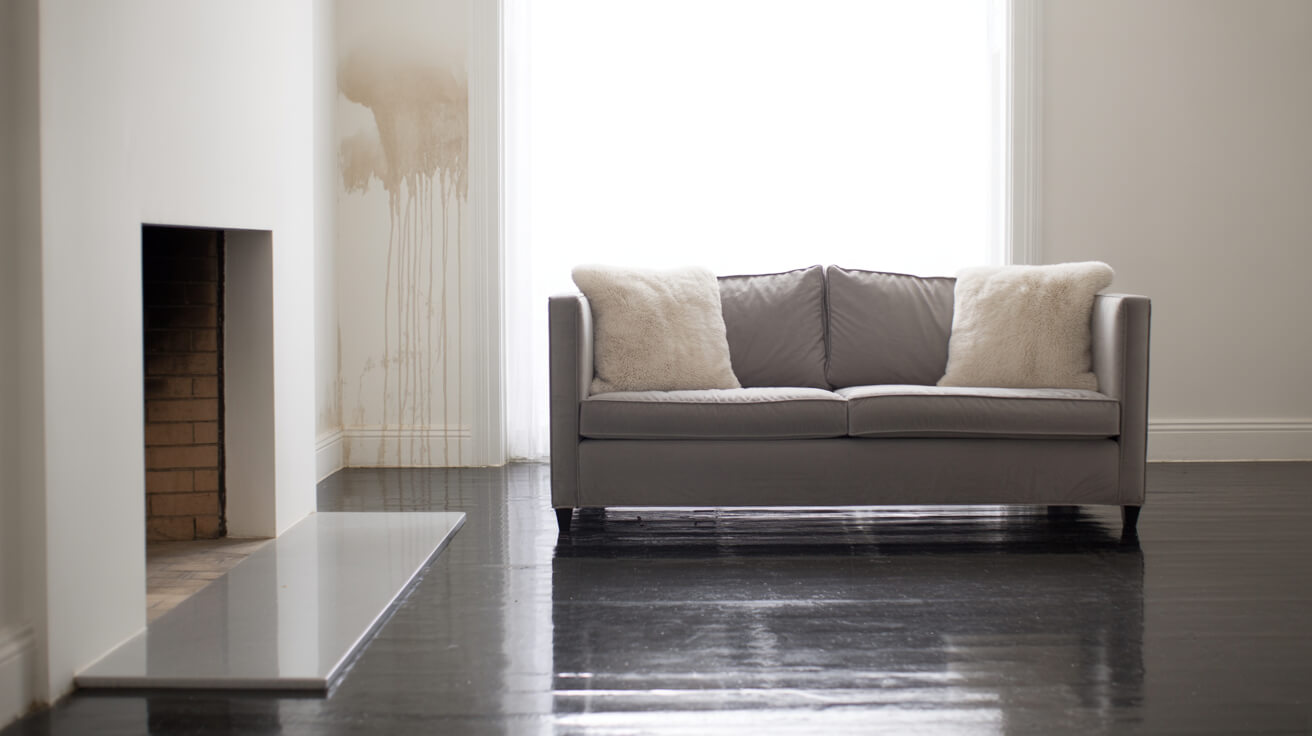
Most long-term window damp doesn’t surface at the leak or condensation site, but migrates there via less visible paths. Pinpointing these channels is essential for lasting repair and legal protection.
Where Are Properties Most Vulnerable?
Core Danger Zones for Window Damp
- Junctions of frame and sill, especially where prior repairs are visible.
- Cavity closures, where insulation has shrunk or wasn’t fully abutted.
- External faces with failing sealant; internal reveals smoothed over after previous moisture.
- Weep holes, often painted shut or incorrectly installed, channel water directly into masonry.
High-Risk Table: Inspection Value by Location
| Inspection site | Failure risk | Expert screening (value to owner/landlord) |
|---|---|---|
| Lower corners & sills | Traditional soak path | Moisture/probe, lift test |
| Mullions/beam junction | Discrete leak or cold bridge | Infrared scan, salt detection |
| Cavity closer | Unseen condensation pool | Borescope/removal for true-view |
| Render/paint lines | Bridged waterproofing | External survey + on-site probe |
A patch behind the radiator—or under a plant pot—can reveal more risk than an exposed stain ever will.
An accredited survey not only identifies loss before it accelerates; it supplies documentation that underpins insurance, warranty, finance, or tenant communication.
Why External, Internal and Seasonal Factors Exacerbate Window Damp

Window damp is the result of a system in dynamic flux: ventilation patterns, temperature gradients, and maintenance frequency interact to define the real risk level—regardless of build age.
What External and Internal Habits or Events Make Damp Recurrence Likely?
Environmental Contributors:
- Fast temperature swings or high outside humidity, causing dew point clashes at window surfaces.
- Wind-lashed rain—especially on SW or exposed elevations—penetrates frame-masonry interfaces over even tiny gaps.
- Overflowing or poorly designed gutters, often invisible until severe.
Internal Operators:
- Steam, showers, closed windows, and sealed trickle vents balloon air moisture, particularly during colder seasons or at night.
- Overcrowded window displays (books, plants) block free air movement, trapping humidity against glass and timber.
Why Do Some Properties Become Chronic Damp Hotspots?
Renovations that close off original air paths without replacement—common after plastic window upgrades—drive persistent window damp. Regulatory requirements (e.g., Building Regs Part F) demand airflow enhancements after such changes. These are rarely retrofitted unless specialist-guided.
Seasonal Risk Table
| Period | Main trigger | Preventive action |
|---|---|---|
| Autumn/winter | Cold nights, indoor heating | Humidity monitoring, timed airing |
| After rain | External leak risk | Frame/seal/gutter check |
| Renovation end | Incomplete drying | Moisture/mould check, passive dry-out |
Frequent reconstitution of these risks marks the difference between passing and failing an annual inspection, tenant handover, or mortgage condition.
How Window Damp Harms Health, Asset Value, and Legal Compliance

Neglected, window damp is a direct pathway to health claims, value loss, or enforcement. The pathway isn’t random: persistent moisture becomes chronic exposure and then regulatory or insurance concern.
Where Does Health and Asset Harm Accumulate Most?
Persona-specific Consequences
- Homeowners risk higher future repair costs and health issues for family.
- Landlords may trigger council sanctions or deposit retention disputes.
- Agents face reputational damage and increased vacancy durations.
- Commercial owners encounter operational downtime, audit failures, or voided warranties.
- Heritage status ups the ante: visible damp can jeopardise funding or official compliance.
Evidence Table: Window Damp Cost Escalation
| Stakeholder | Typical risk pathway | Consequence/Asset impact |
|---|---|---|
| Family occupant | Mould → respiratory symptoms | NHS HHSRS triggers/council alert/void policy |
| Private landlord | Damp complaint → formal notice | Deposit loss, works order, fine |
| Agent/manager | Repeat issue → reputation | Loss of inventory or contract |
| Heritage/commercial | Damp cited in audit | Funding suspension, occupancy ban |
Tenants don’t flag stains—they flag claims.
Proof-rich, compliance-aligned intervention is the trusted currency for every stakeholder group. Our services document every step for audit, funding, or sales evidence.
What Actionable Steps Provide Reliable Damp Prevention and Control?
Preventing window damp is half habit, half strategic timing—and always a test of system discipline.
What Routines Mark High-Performance Damp Avoidance?
Tactical List: Routine Schedule
- Daily: Open windows or run fans after generating moisture; check sill for condensation.
- Weekly: Clean frame tracks and trickle vents.
- Quarterly: Inspect gutters and external drainage.
- Bi-annual: Review frame seals, consider survey for persistent issues or after major weather events.
- Annually: Schedule a formal property moisture survey.
Mistakes (and Habits) That Trap You in Damp Cycles:
- Failing to reopen sealed/trickle vents after winter.
- Painting over warning signs without verifying dry-down.
- Ignoring sills after heavy downpours.
- Neglecting maintenance of external drainage or side-path slopes.
Prevention Table: Non-Compliance vs. Risk Reduction
| Habit | Damp risk if missed | Asset/legal risk |
|---|---|---|
| Blocked vent/fan | Recurring condensation | Health notice/HHSRS penalty |
| Poor gutter maintenance | Frame ingress/leak | Repair escalation/insurance issues |
| Skipping surveys | Missed progressive leak | Void mortgage, deposit penalty |
Our team can supply personalised maintenance calendars to reinforce these routines for homes, portfolios, or commercial spaces.
When Certified Professional Damp Surveys and Remediation Are Essential

Not every damp scenario is suitable for DIY or routine management; certain triggers elevate the legal, operational, or health consequences and demand expert evaluation.
What are the Clear Thresholds for Specialist Input?
Immediate Triggers:
- Recurrent or expanding zones, especially after “repairs.”
- Stakeholder documentation required: lenders, buyers, councils, agencies.
- Regulatory cycles for multi-let, commercial or heritage property.
Professional Inspection: What’s Involved?
A true damp specialist survey involves:
- Diagnostic equipment (thermal imaging, borescopes, moisture mapping).
- Integrated compliance review (insurance, HHSRS, PAS2035).
- Full reporting, including repair and prevention schedule recommendations.
Impact Table: Certified Survey ROI
| Use case | Diagnostic value | Follow-on benefit |
|---|---|---|
| Pre-sale/pre-let | Proof for buyer/tenant, higher sale | Faster transaction, higher price |
| Council/insurance | Evidence base for claim | Funds released, penalty averted |
| Heritage/commercial | Compliance/funding retained | Occupancy secured, audit passed |
Precision, not luck, insures value and compliance.
Our certified reports, completed by Sussex Damp Experts, double as formal compliance and planning documentation for any stakeholder or regulatory review.
Secure Your No-Obligation Window Damp Consultation With Sussex Damp Experts
Damp is indifferent to intention; only proven systems and timely response set apart those who lead in property health, value, and reputation. When you anchor your risk management to certified expertise and measurable outcomes, you become the trusted owner, landlord, or agent stakeholders remember.
Let your next step reflect that standard. Secure a personalised, audit-ready damp assessment from Sussex Damp Experts today. You won’t just solve what’s visible—you’ll protect what matters, prove it to every auditor, and fortify your standing as a property leader who never leaves risk unchecked.
Frequently Asked Questions
Why Does Damp Keep Appearing Around My Window—and Should You Take Action Immediately?
Damp around your window is rarely just surface trouble—it’s your property alerting you to a persistent moisture breach, a vulnerability that silently expands with every week you wait.
Spot the Signals Early—And Act Before The Problem Spreads
When condensation beads return each morning, paint bubbles along the sill, or a faint earthy odour never quite lifts, you’re seeing the earliest phase of a process that often ends in structural repairs or legal compliance headaches. Unlike fleeting mist from rapid temperature swings, genuine window damp resists your first attempts to clean or dry it out. It recurs because the underlying airflow, insulation, or water defence has been quietly undermined.
- Warning signs:
- Water marks or recurring droplets despite ventilation
- Discoloured patches around window reveals
- Black specks or streaks signalling early mould
- Cold, clammy zones near sills or frames even in otherwise warm rooms
Unchecked, these signals are less like a nuisance and more like an invoice—delivered in advance. The longer the moisture sits, the deeper it penetrates, opening doors to substrate decay, timber rot, and interstitial mould growth.
| Window Warning Signal | Hidden Danger Unveiled | Likely Long-Term Cost |
|---|---|---|
| Stubborn wet patches | Insulation collapse, timber decay | High: Material, comfort, value |
| Black or brown dots at frames/ceiling | Airborne spores, allergen loading | High: Health, insurance claims |
| Persistent, musty odour | Plasterboard, joist, sill infection | Severe: Remediation, structural reset |
A property manager in Brighton recently delayed tackling recurring condensation for six months. The repair bill jumped by over 200% after hidden rot was found during a scheduled survey.
The true cost of waiting isn’t measured in today’s minor inconvenience, but in tomorrow’s mandatory repair.
Your vigilance is what separates a simple fix from a compliance crisis. Sussex Damp Experts excel at forensic identification—arming you with the knowledge and confidence to stamp out minor issues long before they multiply into asset-threatening failures.
Which Damp Types Target Windows—and Why Does It Matter?
Every damp mark around your window tells a different story, and knowing the difference is the bedrock of resilient property management.
Not All Damp Is the Same—Your Response Must Match the Invader
Window damp typically falls into four patterns:
- Condensation Damp: You see droplets form and reform with daily cycles—most common in winter, post-bath, or in sealed rooms. It’s the signature move of modern insulation without matching ventilation.
- Penetrating Damp: Appears as spreading stains, blistered paint, or soft patches after heavy rain or wind. It means water is making its way from the outside in, following the path of least resistance.
- Rising Damp: Though less frequent exactly at windows, it can target low-level sills or bay windows, migrating up from ground moisture through brick or stone.
- Construction Moisture or Lateral Damp: Surfaces stay wet long after renovation work, or you see persistent damp from external landscaping or raised beds.
| Damp Type | Hallmarks at Windows | Driving Mechanism | Smart Detection Path |
|---|---|---|---|
| Condensation | Beads, reversible black dots | High internal RH, low air flow | Hygrometer, RH history |
| Penetrating | Irregular stains, soft touch | External leaks | Water test, thermal imaging |
| Rising Damp | Salt blooms, tide marks | Capillary rise, no DPC | Moisture metre, salt test |
| Lateral/Residual | Broad, lingering wet patches | Construction water, bridging | History review, site recon |
The homeowner who wipes “mist” every morning may actually be missing a latent leak. The buyer who shrugs off peeling under the frame risks inheriting a failed DPC. A listed building owner locked out of chemical DPC options faces even tighter consequences if penetration is misdiagnosed as condensation.
Mistyping isn’t just an academic risk: in two of every five cases reviewed by Sussex Damp Experts, failed DIY or non-specialist work had to be entirely undone and redone, multiplying cost, downtime, and regulatory exposure.
Precision is not a luxury in damp proofing; it’s the dividing line between restoration and endless repair.
Where Are the Hidden Entry Points Around Windows, and Why Are They So Often Overlooked?
Damp almost always finds its first access behind what you can’t see. By the time streaks, stains, or sags appear internally, the hidden damage may be months ahead.
Unseen Weaknesses Create Widespread Vulnerabilities
Critical failure points:
- Perimeter joints where timber or PVC meets masonry—tiny shrinkage cracks unleash chronic ingress.
- Blocked or painted-over weep holes and drainage slots let water pool instead of escape.
- Insulation voids or cavity closers (especially after window upgrades) become cold bridges that multiply condensation or mask leaks.
- Sills and external slopes: flat or backward-angled sills create a water-lake behind frames—a classic setup for extended saturation.
- In heritage or period buildings, concealed timber, original stone mullions, or layered paints multiply both entry and escape routes for moisture.
A property manager recently inherited a large Victorian letting with perfect outward frames—but spectral imaging revealed that a missing drip edge two stories up was channelling water deep into the wall core with every rain.
| Entry Point | Diagnostic Method | Hidden Damage Risk |
|---|---|---|
| Joint seal | Visual, probe, thermal cam | Framing, substrate rot |
| Blocked weep hole | Rod test, water flush | Persistent underframe pooling |
| Cavity closer | Borescope, RH profiling | Cold bridge, concealed mould |
| Sloped sill/ledge | Infrared camera, water run-off | Mould trap, difficult repairs |
The cheapest error is skipping the hidden search for visible comfort. Sussex Damp Experts integrate advanced detection—thermal, borescope, and historic build review—to flag what your eyes and untrained touch may miss.
The most expensive repairs happen out of sight—until they’re impossible to ignore.
How Do Changes in Weather, Ventilation, or Usage Turn Minor Damp Into a Major Recurrence?
Damp is not static. Its risk spikes when you think you’re protected, capitalising on routine, complacency, or unseasonal weather.
Damp Loves Cycles—And Environments That Refuse To Change
Day-to-day triggers:
- Winter: As outdoor temperatures collapse and houses stay sealed tight, humidity inside spikes, settling right where warm air meets cold glass.
- Rainy months: Small lapses in gutter checks or frame inspections after storms means hidden leaks can escalate in hours, not weeks.
- Surrounding beds or landscaping merging into sills create standing zones for moisture with no route to escape.
- Extended work-from-home cycles mean more showers, more cooking, and steady laundry—your own actions load the air and feed the risk.
In multi-unit or managed buildings, overlap of vents, blocked ducts, or unmonitored fans means “someone else’s” window mistake can rapidly become communal liability.
| Cycle/Trigger | Preventive Action | Why This Matters |
|---|---|---|
| Winter sealup | Scheduled airing, vent checks, dehumidification | Locks out airflow, locks in moisture |
| Rainy weeks | Visual walk-through post-storm | Early leaks = fast, low-cost fix |
| Renovation handover | RH monitoring for 6–8 weeks after completion | New surfaces sweat for months |
A managing agent in Seaford learned that failing to check single-occupant flat vents after a cold snap turned two flats uninhabitable. Seasonal, cyclic damp is relentless—and often entirely preventable.
You upgrade your weather app for a reason. Buildings aren’t less sensitive—they’re more.
What Real-World Risks—Health, Financial, Legal—Does Persistent Window Damp Drag into Your Life?
The cost of unmanaged damp can quietly escalate beyond a mere bill, undermining both physical well-being and property legitimacy.
Health Risks with Lasting Consequences
- Mould and spores: Especially aggressive in rooms where condensation meets organic dust or timber. NHS data links repeated exposure to chronic respiratory illness and child asthma.
- Air quality: Even light damp multiplies allergen and microbe load in the air, impacting vulnerable adults and pets.
Financial and Legal Exposure
- Survey and sales risk: Window damp is among the top five mortgage surveyor “red-flag” terms, routinely pushing buyers toward lower offers or walking.
- Lettings: Landlords and agents face statutory inspection cycles (HHSRS, Fitness for Habitation) that give tenants direct channels for legal complaint—sometimes resulting in rent return or local authority intervention.
- Insurance: Policies may explicitly exclude or refuse damp-related claims if you cannot prove documented, professional management.
| Stakeholder Type | Top Damp Risk | Business/Personal Consequence |
|---|---|---|
| Homeowner | Unaddressed persistent patch | Major valuation loss, sale risk |
| Landlord/agent | Frequent tenant complaints | Inspection or claim, forced repair |
| Commercial | Recurring compliance failure | Legal penalty, increased downtime |
One letting agent surveyed by Sussex Damp Experts in 2023 saw insurance premiums rise by 37% after three unresolved annual damp complaints.
Protecting property is more than maintenance—it’s defending your assets’ future.
What Steps Actually Work To Prevent Window Damp Recurrence—And Which Mistakes Do You Need to Dodge?
There’s more to prevention than airing the room. The right routines insulate you against most recurrence, while common mistakes entrench the problem for the long run.
The Damp Prevention Playbook (That Actually Carries You Through 5+ Years)
- Ventilation Upgrade: Use or fit trickle vents, keep them open during high-humidity routines, and fix blocked routes quickly. Schedule annual air change checks if you manage multiple dwellings or commercial space.
- Window Sill and Frame Upkeep: Check, clean, and re-seal frames and sills twice per year. Monitor external slopes and tilts after repointing or landscaping modifications.
- Gutters/Drains: Clean every autumn and spring, and right after any major storms.
- Renovation Check: After plastering or instal work, monitor for six weeks—keep records for both insurance and compliance.
- Annual Professional Survey: Build this into your property maintenance calendar, especially for heritage or high-value assets.
Mistake Table—What To Never Repeat
| Mistake | Short-Term Effect | Long-Term Consequence |
|---|---|---|
| Closing vents, sealing house | Quiet build of humidity | Condensation, rampant mould |
| Ignoring post-rain window check | Small leak missed | Internal timber/plaster decay |
| Only wiping spots, never inspecting | Recurring stains | Escalating rot, failed survey |
A high-performing agent or owner ensures no prevention routine becomes automatic—rotate priorities, personalise checks to your building’s unique exposure or history. Sussex Damp Experts issue annual aftercare schedules so nothing is left to chance.
Routine is your property’s best insurance—slip, and damp finds the gap.
When Is It Time for a Certified Damp Surveyor or Specialist—Not a Quick YouTube Fix?
The difference between short-term mitigation and enduring resolution is forensic expertise—especially as the financial, compliance, and reputational risks rise.
Red Lines That Signal: Get a Professional Now
- You’ve tried two or more fixes, and patches/stains keep returning or spreading.
- Survey flags, tenant complaint escalation, or insurance requests for documentation.
- Listed, heritage, or multi-use properties where legal or grant obligations require documented, trade-accredited intervention.
- Multi-unit sites with systemic or repeated window leaks.
What You Get from Specialist Evaluation
Sussex Damp Experts deploy PCA-standard surveys using thermal imaging, salts mapping, and multi-point detection—mirrored with compliance documentation set for warranty, council, or mortgage needs. More than a visual check, it’s your traceable asset assurance.
| Situation | What Expert Survey Offers | Why You Need It |
|---|---|---|
| Chronic return of stains | Cause pinpoint, fix plan | Ends recurrence, boosts value |
| Sale or let | Certified compliance report | Unlocks financing, avoids hold-ups |
| Regulatory/insurance | Warranty/document bundle | Demands pro-level evidence |
In damp proofing, certainty is not a goal, it’s a requirement.
Those who choose documentation and certified action gain not only peace of mind, but also transfer that confidence to buyers, tenants, insurers, and regulators—setting an operational standard others must meet.
When you act early, you own the outcome—rely on our certified inspection and strategy to make your property a case study in protection, not a casualty of neglect.

