
 By
By  January 7, 2025


Identifying Wet Rot: Understanding the Hidden Risks to Your Property
Wet rot isn’t abstract. It’s a specific, traceable threat to structural timber. Fail to notice it early, and property value, insurance eligibility, tenant safety, or project timelines can all fall under immediate risk—outcomes every responsible owner, landlord, architect, or asset manager has a duty to prevent.
What Sets Wet Rot Apart—and Why Timely Detection Matters
Wet rot arises when surplus moisture persists in timber for weeks or months, enabling fungi to digest cell walls; for anyone needing wet rot explained, the process is relentless and rarely confined to what is visible. A hidden pocket under a floorboard or behind panelling can become catastrophic before any external change becomes evident. This is not theoretical: studies reveal that undiagnosed wet rot drives more than half of all unplanned structural timber replacements in the South East each year.
Common Outcomes If Early Signs Go Unchecked:
- Lenders declining mortgages or applying “retention” conditions
- Local authorities forcing costly, urgent repairs on landlords or freeholders
- Blocked sales or failed auctions from unfavourable surveyor reports
- Extensive disruption to commercial or public buildings
If you own, manage, or are about to buy a property, it’s not enough to react to visible issues. Building resilience into your property management approach demands anticipation and precise detection.
Every overlooked symptom becomes a future negotiation—either with trades, authorities, or yourself.
What Causes Wet Rot? Key Environmental, Regulatory, and Neglect Factors

Moisture is the non-negotiable prerequisite for wet rot. While most know to watch for leaks, many ignore subtler causes—modest plumbing seepage, condensation in growing seasons, bridging damp-proof courses, or insufficient ventilation in concealed voids.
Primary Moisture Triggers and Compliance Links
- External Faults: Leaky gutters, missing pointing, ground level bridging the DPC
- Internal Risks: Poorly ventilated rooms, persistent condensation, failed plumbing
- Construction Weakness: Timber in contact with masonry or earth, historic bodges, incompatible repair materials
- Neglected Inspection: Skipped annual checks, delayed asset reviews
Building Regs (especially Part C and PAS2035) now require damp protection for new work, while HHSRS exposes landlords and portfolio managers to compliance hazard if visible or suspected wet rot is not urgently addressed.
Comparative Table: Vulnerability by Building Type
| Property type | High-risk zones | Typical undetected causes |
|---|---|---|
| 1930s terrace | Skirting/floor timber | Blocked air bricks |
| Heritage timber frame | Joist ends, lintels | Incompatible modern plaster |
| Multi-unit block | Cellar bearers, staircases | Shared plumbing stack leaks |
| Public/commercial | Entrance beams, voids | Overlooked HVAC condensate |
Takeaway: Proactivity is always less expensive than remediation. Sussex Damp Experts map risk routes and advise adaptation, reducing your exposure to regulatory or financial surprise.
How to Recognise Wet Rot: Authoritative Diagnosis, Signs & Industry Criteria

Wet rot is a forensic challenge; the signals require attentive, informed scrutiny. Missing them can mean unnecessary rebuilds or, worse, safety issues overlooked until someone’s hurt.
Checklist: Industry-Backed Wet Rot Signs
- Timber feels spongy/crumbly beneath a screwdriver or loses resistance at corners
- Localised surface discolouration, with no obvious external cause
- Paint or finishes peeling over wood—especially at floor, stair, or window junctions
- Cuboidal cracking along or across grain (“splintered brick” cues)
- Persistent musty or earthy odour, especially after damp weather—not masked, but genuinely absorbed
How Professionals Confirm Wet Rot (What DIY Can’t Replicate)
- Moisture metre readings: consistently over 20% MC in suspect timber
- Thermal camera imaging: highlights cold, damp pockets and ongoing drying failure
- Borescope or probe: visual inspection under floors or behind finishes
- Lab fungal swab—verifies species for insurance or legal evidence
When to Use This: Any time you observe one or two signs—especially after recent works, a plumbing leak, or long-held tenancy turnover. Always demand evidence-based, documentable results.
A problem missed today is tomorrow’s reason for the lender or surveyor to say no.
Where Does Wet Rot Originate and Spread Within Various Property Types?

Every property offers distinct “entry points” for decay. For Victorian homes, it’s often subfloor ventilators covered by a garden path or stored junk. In purpose-built flats, the risk lives in shaft voids and stairwells. Modern commercial buildings neglect plant rooms and wall voids, assuming newness equals immunity.
Scenario-Driven Mapping of Vulnerable Zones
- Residential homes: Below bay windows, behind built-in furniture
- Heritage: Where lime, timber, and modern materials meet; poorly ventilated crawlspaces
- Blocks/flats: Main service risers, perimeters of communal basements
- Public/commercial: Entrance supports, high-traffic corridor beams
Blind spot recurrence: The same areas are vulnerable decade after decade—because they demand difficult access or the risk is easy to minimise until it escalates.
Recurring Facility Oversight Points
| Location | Missed in | Risk Result |
|---|---|---|
| Under stairs | Home, block | Out-of-sight collapse |
| Crawlspaces | Heritage | Hidden spread |
| Behind skirtings | All | Tenant injury |
| Service voids | Commercial | Compliance breach |
A well-documented survey finds what routine checks seldom do—future-proofing every asset from legacy errors.
Why Timely Remediation Is Critical: The Cost, Compliance, and Safety Imperative

The cost delta between early and late action is not linear: it’s exponential. Treating a small area early might mean simple drying and patch repair; waiting can mean structural timber replacement, floor or ceiling collapse, legal enforcement notices, or major asset insurance exclusions.
Operational and Financial Case for Immediate Action
- Insurers require proof of eradication before restoring coverage after a single incident of wet rot
- Delays result in second-order losses—rental voids, resale block, mortgage refusals
- Surveyors or local authorities force urgent remediation with compliance deadlines (HHSRS, PAS2035)
- Health and safety consequences: especially for tenants, the vulnerable, or sites accessed by the public
Cost/Benefit Table: Early vs. Late Engagement
| Action timing | Average direct cost | Average indirect loss |
|---|---|---|
| Prompt (discovery) | £400–£900 | None or <£250 |
| Delayed (structural) | £3,000–£12,000 | £5,000+ (voids, legal, sale delays) |
Narrative Pivot: Risks Are Not Static
If you’re deciding whether to act, consider who depends on your decision—family, tenants, clients, future buyers. Sussex Damp Experts deliver rapid-response investigation and documentation calibrated to insurance, lender, and council standards, accelerating asset protection at your pace.
Protection is a practice—never a single event.
How Professional Diagnosis and Remediation Surpass DIY Limitations

Well-meaning attempts to treat symptoms without understanding root causes lead only to repeated cost and stress. Chemicals, “damp paint,” or visible repairs don’t neutralise hidden ingress or future compliance checks.
What Professional Diagnosis Delivers
- Forensic tracing of the *origin*—all moisture must be mapped, not just masked
- Neutral, documentary evidence for every insurance, lender, or regulatory claim
- Warranty-backed treatment—guarantees up to 20 years, transferable at point of sale or management handover
- Consistent alignment with surveyor, mortgage, landlord, and heritage regulation requirements
Comparative Table: Professional vs. DIY Results
| Feature | DIY Attempt | Professional Diagnosis |
|---|---|---|
| Surface repair | Temporary, non-compliant | Root-cause or multi-zone |
| Moisture mapping | Absent | Documented, live tested |
| Compliance | Rarely met | Integrated from first step |
| Warranty | None, at risk | Fully transfer-eligible |
If you hold a duty of care, manage schedules, or just want peace of mind that lasts longer than the next rainy season, industry-aligned support is a necessity.
Can Preventative Maintenance and Aftercare Guarantee Long-Term Protection?
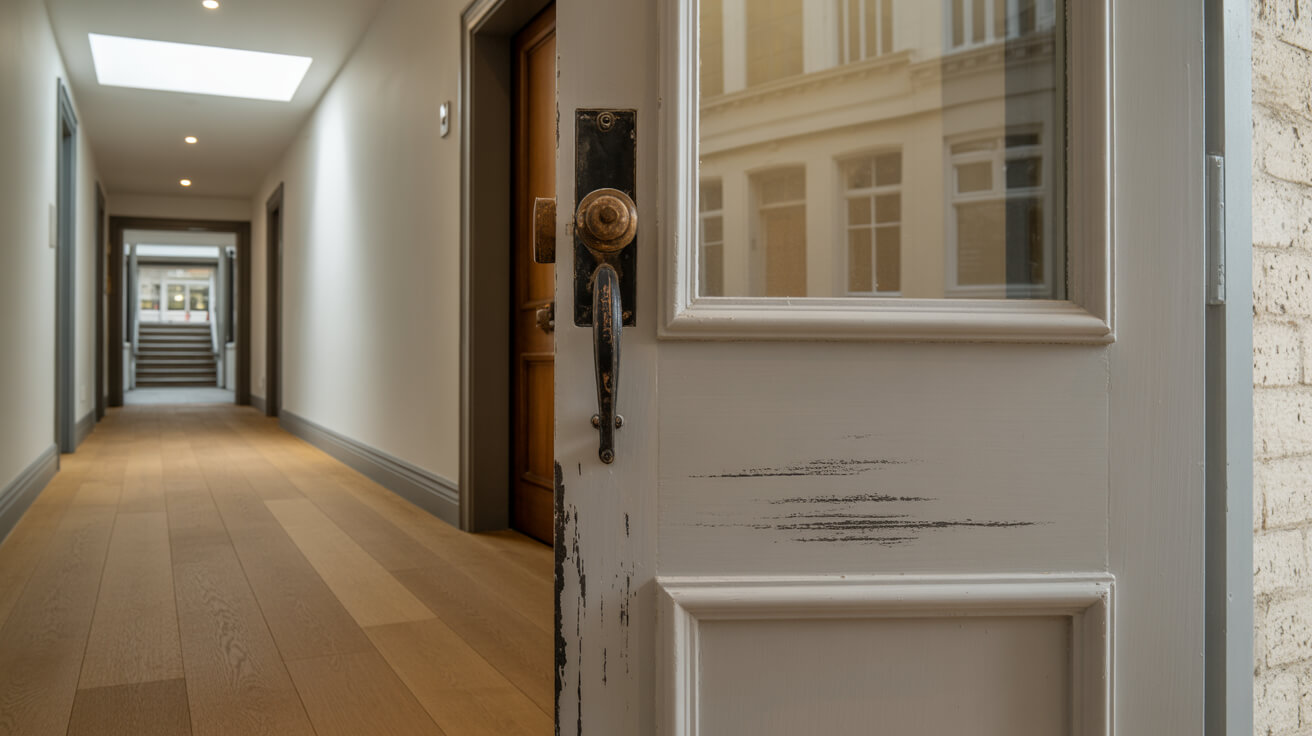
Aftercare is not a luxury; in regulatory, heritage, or revenue-dependent properties, it’s insurance for everything you have worked to protect. Routine checkups catch early-stage decay before it becomes eligible for insurance claims or triggers remedial orders.
What a Structured Aftercare Programme Looks Like
- Moisture sensor logs where historic and modern risks converge
- Annual or maturity-based surveys—especially before tenancy changes, sales, or major works
- Ongoing maintenance of ventilation, drainage, and compatible finishes
- Regular reporting—transferred on sale, lease, or management change
Table: Preventative Aftercare Contract Components
| Element | Outcome |
|---|---|
| Moisture log | Early-warning detection |
| Scheduled surveys | Asset value proof |
| Documentation transfer | Easier sale/insurance |
| Warranty verification | Next-owner coverage |
Enrolling your property in an expert aftercare plan isn’t just about repeat business—it’s about guaranteeing no future survey, claim, or audit finds you offside.
Aftercare is trust—made visible, transferable, and defensible for years.
Book Your Free Consultation With Sussex Damp Experts Today
Every overlooked risk is a missed opportunity to protect—yourself, your reputation, and those who rely on your vigilance. Even if you’re uncertain which symptoms indicate a problem, an early review anchors your asset’s status and your role as a prudent owner or steward.
Choosing Sussex Damp Experts is more than a transactional fix; it’s an investment in future-proof credibility. Expect compliance across legal, insurance, and market-facing demands—delivered by a team whose only goal is your long-term peace of mind.
The difference between disaster and confidence is the moment you act.
Frequently Asked Questions
What Signs Reveal Wet Rot Early—and What Risks Escalate When You Overlook Them?
As part of wet rot explained, the condition often reveals itself through distinctive timber failures: spongy or soft wood, cuboidal cracking, paint blistering, and musty odours that rarely disappear with surface interventions. You’re most likely to notice the subtle give underfoot, skirting boards flaking, or persistent discolouration around windows and floors—signals that fungi have begun consuming structure beneath the surface.
Recognising the Hidden
- Brittle or deformed window sills, door frames, or joists:
- Paint or paper peeling repeatedly, despite frequent repairs:
- Odours that intensify after rainfall or in closed rooms:
- Darkened, friable wood or localised fungus “mycelium” webs:
Owners, agents, and landlords frequently rationalise minor symptoms as wear or “character,” delaying a survey until a surveyor’s note or insurance block exposes the truth: delayed identification leads to exponential repair costs and potential loss of market, compliance, or occupancy.
The reality is, every day unnoticed wet rot expands the scope of intervention, placing critical timber, property value, and future insurability at risk. Whether you’re safeguarding a heritage cottage or readying a rental portfolio, a professional damp inspection structures your prevention before minor signals escalate.
What Causes Wet Rot—and Where Do Most Buildings Hide Their Weak Spots?
Wet rot emerges in timber wherever moisture has an uninterrupted route—think of leaking pipes, bridged DPCs, blocked airbricks, or slow-draining gutters quietly feeding the problem behind finishes. Even “upgraded” or newly converted spaces are not immune if drainage, ventilation, or insulation choices mismatch the building’s context or era.
Typical Moisture Gateways
- Persistent plumbing leaks under floors or behind insulation:
- Defective flashing, pointing, or external renders:
- Chronic condensation in poorly ventilated rooms or basements:
- Heritage walls infilled with non-breathable materials:
Building regulations—especially Part C (moisture) and PAS2035 (retrofit)—hold property owners and managers responsible for addressing these hidden failures, regardless of a building’s age or listed status. Ignoring early indicators allows minor ingress to snowball into structural, legal, and financial headaches, with regulatory enforcement or loss of tenant confidence as the next consequence.
The difference between a routine site check and a discovery of deep rot is vigilance—something Sussex Damp Experts implement with property-specific surveys tailored to map both visible and invisible risk vectors before compliance demands or insurance exclusions take control.
How Do You Distinguish Wet Rot from Other Problems—and What Are the Most Costly DIY Mistakes?
Detecting wet rot demands more than a cursory glance; it’s about measuring, probing, and contextualising every clue rather than mistaking mildew or casual damp for a systemic threat. The most expensive errors involve assuming rot is “just old wood,” replacing superficial boards, or attempting a paint-over fix.
Manual vs. Professional Detection
- DIY misidentification: Relying on smell or flex without using a moisture metre (>20% is a warning, not a number to ignore).
- Partial vs. thorough: Only checking exposed ends, not subfloor or boxed-in timber.
- Surface focus: Painting, sanding, or filling over cracks while underlying fungi continue.
- Scenario: A landlord reapplies paint every six months, ignoring soft skirting. His next compliance check triggers a full mitigation order, shutting down letting.
Professional diagnosis employs thermal imaging, borescope access, sample lab confirmation, and gradient mapping across rooms and elevation. Where a basic repair fails to halt recurrence, a specialist survey stops costly guesswork cold—delivering the documentation and insurance-safe evidence needed for confident remediation. Your investment or compliance chain is only as strong as your initial diagnosis.
Where Does Wet Rot Start and Spread—Why Do Even Diligent Owners Miss Early Inroads?
Timber most at risk lies out-of-sight: under suspended floors, below bay windows, behind panelling, or within poorly ventilated substructures. In heritage and multi-unit buildings, original joinery or party walls in contact with damp masonry create ideal entry points that rarely receive scheduled inspection.
Overlooked Risk Zones
- Subfloor beams beneath kitchens, bathrooms, or ground-floor rooms:
- Skirting adjacent to exterior or cellar walls:
- Cellars, crawl spaces, and infilled voids in period properties:
- Shared stairwells and service risers in commercial or multi-resident sites:
A single season’s blocked vent or undetected leak can push a shallow ingress into a load-path failure, making minor repair impossible. And as many discover, insurance and council authorities expect your inspections to include these “unseeable” pockets. Sussex Damp Experts’ mapping surveys guide your maintenance budget where it matters, ensuring historic or operational continuity by eliminating blind spots before audits, tenants, or surveyors raise the alarm—because in asset protection, planning beats reaction.
Why Is Early Wet Rot Remediation a Compliance Asset and Not Just a Cost-Saver?
Reacting at the first sign of decay doesn’t just trim your repair bill—it defends your property’s legal, financial, and operational standing. HHSRS, PAS2035, and Building Regs now place the onus on swift, documented remediation, not future intent. Insurance adjusters and mortgage lenders rely on certified evidence of survey and repair, penalising delay with exclusions or transaction hold-ups. Left to expand, wet rot can render rooms, flats, or whole properties uninhabitable, accelerating regulatory response or licence withdrawal.
Key Impacts of Delay
| Consequence | Early Action | Delayed Response |
|---|---|---|
| Direct Cost | £350–£900 | £3,000–£10,000+ |
| Insurance/Mortgage | Retained | Rejected/Conditioned |
| Legal/Regulatory | Proof satisfied | Enforcement, possible eviction |
| Occupancy timeline | Maintained | Extended void, lower revenue |
Every asset manager, steward, or landlord knows: the lowest-cost repair is the one you undertake before rot spreads. Sussex Damp Experts ensure your remediation is not just reactive but preventive—anchored in formal documentation, warranty, and market/insurer expectation.
Readiness isn’t a slogan—it’s a reputation.
How Do Professional Surveys and Aftercare Outperform Patch-Repair and Protect Your Property’s Future?
A property’s risk horizon doesn’t close with the first completed remedial job. Specialist surveys expose all weak links, document repairs that stand up under legal, audit, or resale scrutiny, and provide warranties transferrable to new buyers or tenants—a critical advantage for anyone planning a sale, refinancing, or portfolio acquisition. Patch repairs, by contrast, are rarely tested, seldom documented, and almost never accepted by surveyors, insurers, or councils for compliance.
Components of a High-Trust Aftercare Plan
- Post-repair audits: Routine wet rot and moisture mapping when seasons, tenancies, or regulations shift
- Sensor monitoring: Alert logs for humidity and leaks in high-risk voids
- Heritage property focus: Tailored reports and maintenance cadence calibrated to conservation rules
- Transferable warranty: Written documentation valid for future sales, lettings, or refinancing
Sector leaders know maintaining a property’s compliance, insurability, and market value means choosing the path with the clearest accountability. Sussex Damp Experts make that possible, offering you not generic “piece of mind,” but fact-based, market-respected aftercare that amplifies your asset’s story. In compliance and asset protection, early action and ongoing expertise signal the stewardship that marks you as an owner—or partner—others can count on.

