
 By
By  June 13, 2024


How to Treat Damp in Skirting Boards
Property maintenance professionals and risk-focused homeowners recognise that damp in skirting boards is never just a superficial fix. It signifies that moisture intrusion is quietly impacting your timber fabric and, unless addressed with precision, can silently erode both asset value and regulatory standing. The earliest signs—warping, swelling, slow paint peel, or a musty odour—warrant immediate scrutiny. Each of these marks the boundary between minor intervention and escalating remediation.
Why Taking Action Early is a Value-Safe Decision
Unchecked, even moderate skirting board damp can spawn rot fungi, devalue property by compromising survey results, and endanger future insurability. Mortgage and insurance stakeholders often flag unresolved moisture as a transactional risk—delaying approvals or issuing costly prerequisites for professional certification. Health implications also intensify over time; decaying timber raises air quality and allergen concerns, an issue increasingly cited in environmental health reports.
Every day you pause, moisture finds a new route deeper into the fabric of your home.
Fast Identification Reduces Long-Term Stress
A rapid, fact-based diagnosis isn’t simply prudent; it’s the single best way to protect your budget and reputation as a responsible owner or manager. Early professional involvement sharply reduces time, cost, and logistics compared to delayed, crisis-stage intervention. Our experience demonstrates that proactive site inspection not only preserves value, it establishes a paper trail trusted by surveyors and insurers alike.
Key reasons to address skirting board damp now:
- Stop unseen rot progression and associated costs.
- Maintain eligibility for competitive insurance or mortgage rates.
- Demonstrate compliance to tenants, surveyors, and local authorities.
- Preserve healthy indoor air and long-term liveability.
Why Do Skirting Boards Suffer Damp and Rot?
Damp Diagnosis Quiz
- 1 Location
- 2 Appearance
- 3 Timing
- 4 Pattern
- 5 Results
Most Likely Diagnosis
—
—
What Is This?
—
Recommended Next Steps
Confidence Breakdown
This quiz provides general guidance only. A professional survey identifies the exact cause and recommends the right treatment.
Book a Professional Diagnosis →Skirting boards frequently act as the “canary in the coal mine” for broader building moisture issues, making them a pivotal diagnostic touchpoint for building scientists, letting agents, and asset managers alike. Damp almost never arises from a single route; instead, it is the byproduct of capillary action from failed DPCs, persistent lateral penetration due to external wall flaws, or chronic condensation from airflow mismanagement and improper insulation upgrades.
Root Causes Vary by Age, Construction, and Historic Intervention
For heritage and period buildings, materials like lime plaster and solid wall substrates are especially susceptible to poor moisture migration. Modern polymer-based repairs often block needed evaporation, redirecting water into timber elements. Newer builds can encounter risk from missed DPC membranes at the slab interface or substandard post-construction ventilation.
Table: Common Damp Origins in Skirting by Property Type
| Property type | Vulnerable to | Typical triggers | Favoured solution |
|---|---|---|---|
| Victorian/Edwardian | Rising damp | No DPC, lime-based finish | Breathable tanking, lime upgrade |
| 20th-century solid | Penetration/bridged | Render cracks, bridging | Targeted DPC, drainage correction |
| Post-war cavity | Condensation | Blocked vents, airtight seal | Enhanced ventilation, monitoring |
| Listed/heritage | Rot/bridging | Incompatible repairs | Conservation-compliant reworking |
Is Hidden or Accumulated Defect the Real Threat?
Lack of visible incident—no obvious leak—does not mean your timber is safe. Capillary creep and “bridging” often bypass detection until substantial substrate damage is done. Past interventions, like re-skims or new flooring, may have compounded vulnerabilities by blocking vapour pathways, trapping moisture underneath a pristine surface.
Unmasking underlying defects before major decay ensures that your next fix is the last one needed. Our proprietary diagnostic protocol, rooted in decades of fieldwork and compliance leadership, isolates root cause with certainty.
What Are the Key Signs of Damp and Timber Rot?

Superficial visual inspection provides clues, but real certainty comes from correlating symptoms with professional diagnostic markers. Skirting suffering masked decay can mimic harmless surface wear for months—leaving risk-averse professionals and cautious homeowners to play catch-up when floor-level damage first spreads.
Symptom Hierarchy: Beyond Simple Visual Cues
At the surface:
- Bubbling or flaking paint at the skirting line.
- Unexplained dark streaking or “waterline” marks transverse to the board length.
- Persistent or recurring musty odour.
- Crumbling, soft, or deformed wood fibres under gentle probe.
Deeper confirmation requires:
- Moisture metre readings well above 18%, peaked lower wall zone.
- Detection of white mycelium (active wet/dry rot).
- Skirting board detachment or localised swelling away from wall.
- Cold spots on thermal imaging in the timber zone, distinct from masonry.
A single swollen board can be the tip of an unseen network of rot. Right identification is recovery’s beginning, not its end.
When Calibration is Essential
DIY fixes may resolve momentary unsightliness but, without a professional toolkit and experience, you risk missing real risk—especially in multi-let, high-turnover, or high-value properties. Our expert assessments, using calibrated equipment and regulatory reporting formats, extend beyond the visible to assure your next step is the right one.
How Is Damp in Skirting Boards Diagnosed Correctly?
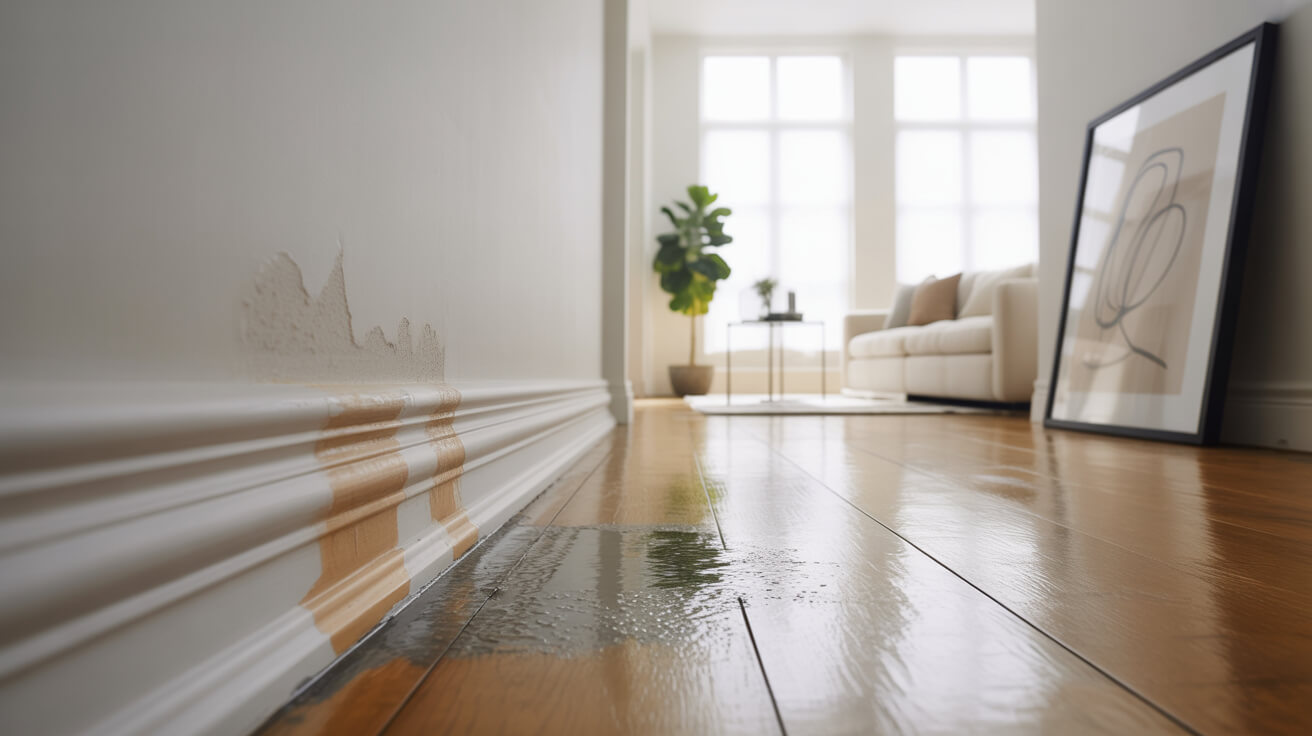
Determining source is not a guessing game—it’s a discrete workflow involving standardised testing, trace analysis, and cross-verification of moisture gradients, construction details, and regulatory records. Surveyors and technical leads recognise that each unverified “cause” is a risk multiplier for future cost and dispute.
The Professional Diagnostic Workflow
Initial on-site analysis starts with calibrated moisture readings—recorded both vertically and laterally to distinguish between rising damp, pure condensation, and bridging. This is followed by salt analysis: sub-samples are tested for nitrate and chloride to pinpoint the water source, separating capillary migration from atmospheric origins. Where ambiguous, thermal and borescope imaging is commissioned to check voids, bridging, or sub-surface fungal colonisation—techniques that non-specialists simply can’t leverage without advanced training.
Insurance and Regulatory Documentation
A surveyor-grade diagnosis includes evidence: raw readings, annotated photos, compliance references (e.g., BS6576/BS8102), and statutory repair proposals. These meet insurer, mortgage, and local authority criteria, and serve as defensible artefacts for tenant/landlord disputes or property transfer.
- A compliant diagnosis:
- Proves root cause, not just effect.
- Satisfies documentary requests from surveyors, lenders, and public officials.
- Secures access to proper repair funding, warranty approval, and legal safety.
All Sussex Damp Experts reporting is formatted for multi-stakeholder review, providing the confidence and legal standing you deserve.
What Options and Methods Deliver Permanent Repair?

Repair takes meaning only if it’s built upon accuracy—both in diagnosis and in matching solution to substrate, building age, and legal context. The patch-and-paint cycle ends only when the underlying cause is physically interrupted and the fix is monitored through to dry-down and aftercare.
Selecting the Right Method and Material
Treatment choices must marry durability, breathability, and regulatory fit:
- New builds or modern renovations: Targeted chemical DPC or specialist cavity membrane, with minimal disruption.
- Older, solid-walled properties: Breathable tanking, lime-based plaster reinstatement, or drainage fixes to preserve vapour pathways.
- Heritage/Listed buildings: Conservation-grade materials, breathability compliance, and approvals from conservation officers.
When dry rot is advanced or timber loss severe, affected boards must be removed, adjacent timbers “overdrilled” or treated with deep-penetrating fungicide, and all voids plastered with compatible, non-synthetic renders.
Warranty, Compliance and Documentation Table
| Solution | Lifespan | Regulatory | Warranty available | Best for |
|---|---|---|---|---|
| Chemical DPC | 10–20 years | BS6576, BS8102 | Yes | Modern/cavity builds |
| Lime tanking/replaster | 25+ years | Conservation | By approval | Heritage/solid wall |
| Physical barrier | 20+ years | All | Yes | Proven persistent damp |
| Membrane system | 15+ years | BS8102 | Yes | Cellar, high-risk zones |
Only a repair built on regulatory match and substrate knowledge can close the book on recurring expense.
Is DIY Ever Enough?
DIY spot repairs may look appealing, but they rarely satisfy lenders or insurers—and can void existing guarantees by masking underlying causes. Full-spectrum remediation, staged to match your building’s profile, is the only way to satisfy buyer, surveyor, or public health scrutiny.
When to Involve an Accredited Damp Specialist?
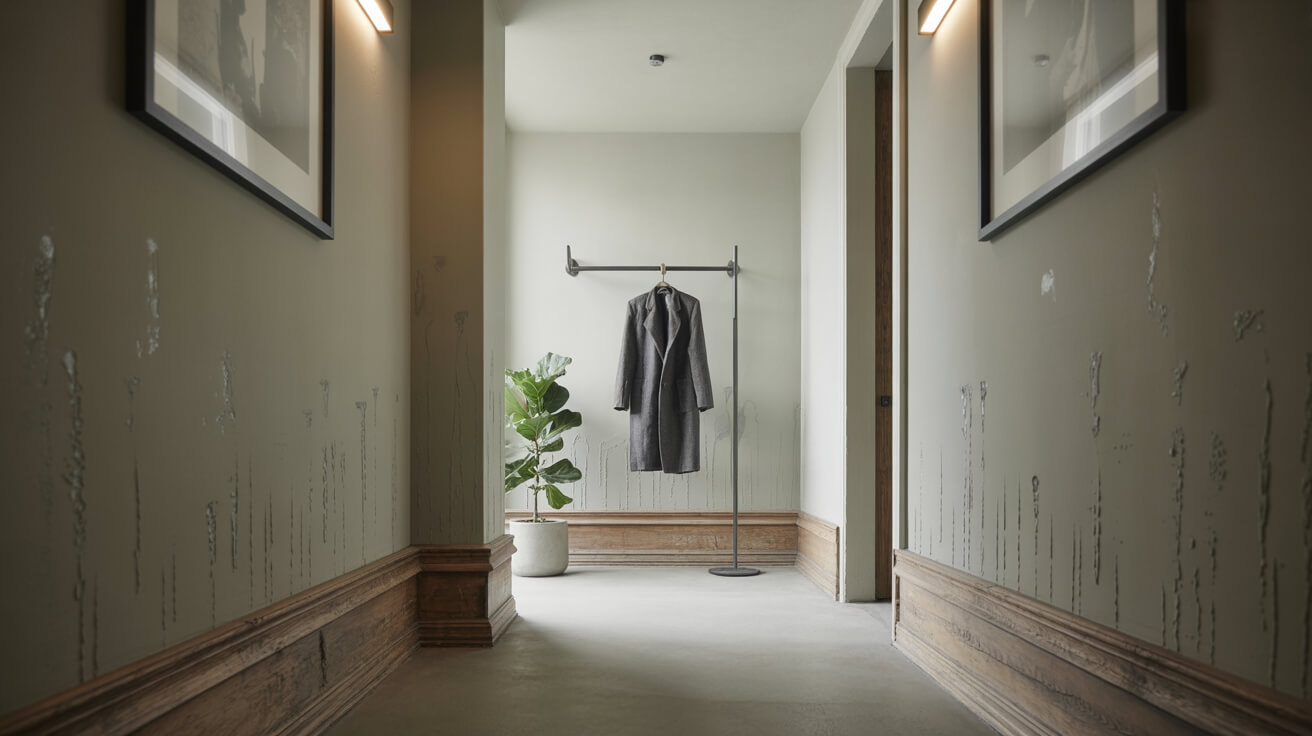
There is a distinct threshold where amateur intervention ceases to buy time and starts to cost money, legal standing, or peace of mind. If you or your occupiers are seeing recurring symptoms—even after multiple “solutions”—or if risk signals are noted by tenants, surveyors, or regulatory bodies, escalation is both a compliance and safeguard step.
Clear Escalation Triggers
- Documented recurrence after DIY or cosmetic repairs.
- Demand for surveyor or lender documentation.
- Tenant, local authority, or buyer request for regulatory compliance.
- Asset value or legal standing at risk.
- Heritage or non-standard property types requiring approved materials and techniques.
A documented defect with no paper trail is a risk. With the right report and fix, it’s a resolved issue.
Sussex Damp Experts backs every fix with auditable reporting, insurance-supporting documentation, and stakeholder-ready communication. Professional standards keep legal and operational risk away from your ledger and your reputation.
How to Ensure Long-Term Protection and Prevent New Issues
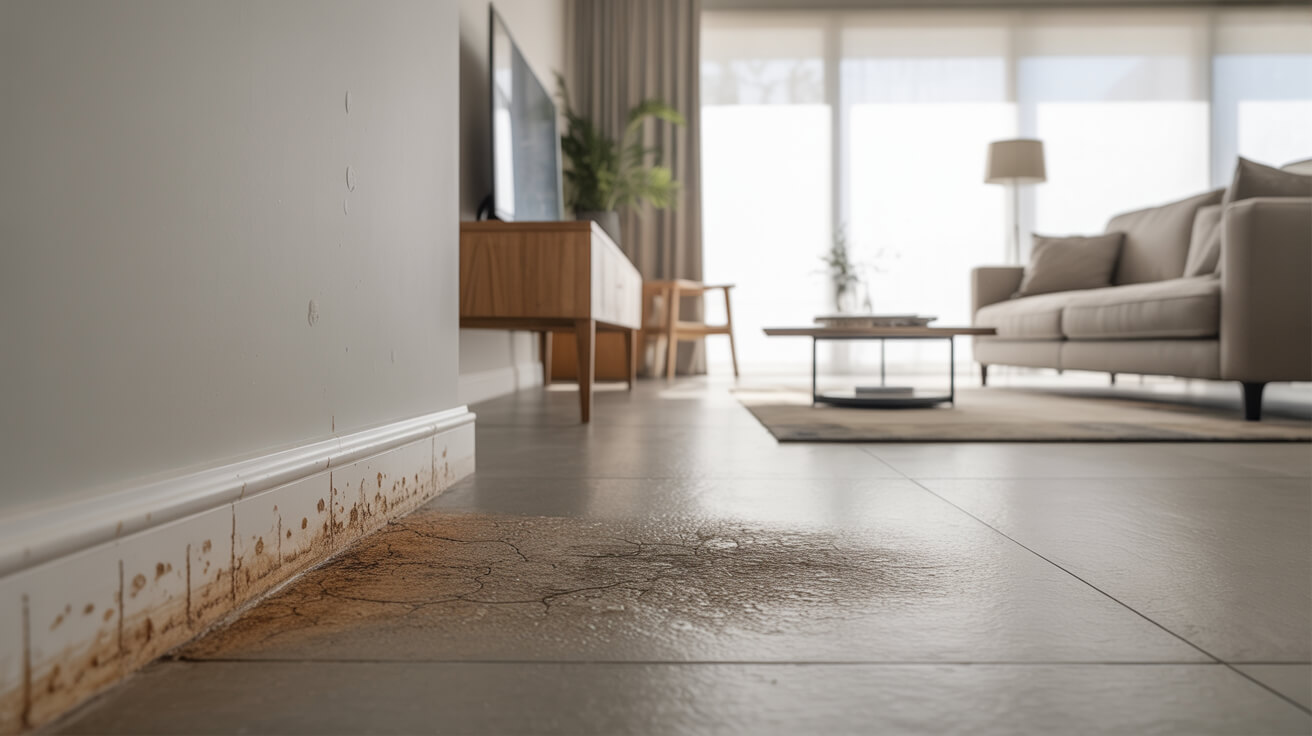
Guaranteeing a dry, healthy building is a continuous—not one-off—process. Maintenance and monitoring, automated where possible, create a feedback loop that makes recurrence rare and, should it arise, easily caught before escalation.
Critical Elements of Long-Term Damp Prevention
- Scheduled property health checks: Yearly (or more frequently in high-risk properties), covering all at-risk areas and record-keeping for regulatory review.
- Smart moisture monitoring solutions: IoT-enabled sensors deliver real-time alerts, driving early and efficient intervention.
- Seasonal aftercare: Gutter and downpipe cleaning, ventilation checks, re-sealing of risky substrate junctions.
- Heritage and conservation support: Ongoing compliance with conservation best practices, using only approved materials and documentation.
Table: Example Preventive Maintenance Schedule
| Task | Frequency | Who performs | Notes |
|---|---|---|---|
| Visual inspection | Quarterly | In-house | Use standardised checklist |
| Moisture sensor data review | Ongoing | Automated | Alerts sent for >18% readings |
| Gutter/downpipe clean | Biannual | Contractor | Pre-winter & post-leaf-fall |
| Professional survey/inspection | Annual | Sussex Damp Experts | Aligns with warranty and compliance needs |
Buildings rarely fail overnight. The ones with a plan always last longest.
Book Your Free Consultation With Sussex Damp Experts Today
Decisive action, not delay, signals ownership, expertise, and long-term savings. If you recognise the earliest indicators of skirting board damp, want documented compliance, or simply value peace of mind, our assessment and repair service is designed to anticipate every need—from stakeholder evidence to practical aftercare.
Secure a no-obligation consultation—gain access to surveyor-standard diagnostics, outcome-focused repair, and a service history stakeholders trust. Your action now is proof to tenants, buyers, agents, and insurers that your property is managed for value, health, and compliance in every detail.
Leaders always act before their options shrink.
Frequently Asked Questions
Why does waiting to fix damp in skirting boards end up causing greater risk and higher costs?
Damp in skirting boards is far more than a cosmetic blemish; it’s the silent architect of financial loss, regulatory scrutiny, and operational headaches you can’t afford to ignore. When visible symptoms—swelling, flaking paint, a persistent musty odour—appear at floor level, they’re not a surface flaw, but proof that moisture has breached your property’s most vulnerable perimeter. If left untreated, what starts as localised staining quickly migrates to timber rot, undermining structural integrity, damaging subfloors, and sabotaging valuation.
The Escalation Cascade
- Short-term neglect breeds compound costs: Minor local repairs give way to major interventions—full board replacement, subfloor remediation, and potentially disrupted insulation or wall finishes.
- Regulatory and legal risks explode: Mortgage lenders, insurers, and tenancy authorities increasingly look for proof that you’ve evidenced and resolved damp issues methodically. Failure means lost sales, voided policies, or tenant-enforced works.
- Reputational risk bites harder: For managers and professionals, unresolved damp maps directly to audit failures and complaint escalation—tarnishing status and tenant trust.
When you move fast—arranging professional assessment, pursuing proof-driven repair, and anticipating documentation standards—you seize control of the narrative. Our experience at Sussex Damp Experts is clear: the lowest-cost fix is always the earliest fix, and every day of delay is a gamble against your own property’s standing and solvency.
What underlying building science makes skirting boards the “weak link” in moisture control—and how do unseen defects drive persistent rot?
Skirting boards are more than a finishing touch; they’re a system’s first responder, revealing what’s truly happening in your walls, floors, and unseen cavities. The root cause of damp is rarely the board itself—it’s the sum of your home’s weakest moisture barrier, whether a missing DPC, failed perimeter render, lateral leak, or blocked air route. Modern energy upgrades, while improving efficiency, often sabotage legacy ventilation, trapping moisture against cold timber.
Unseen Pathways, Accelerating Risk
- Capillarity: draws groundwater up—exposing the lower wall and floor junction, making the skirting the first visible victim.
- Bridging: from poorly executed repairs allows new damp to bypass older barriers, embedding risk where the eye can’t follow.
- Condensation: flourishes where floor insulation, vent blocks, or recently sealed properties starve rooms of air movement.
Every building type faces unique vulnerabilities. Victorian solid-wall homes suffer more from rising and bridging damp; post-war homes may face airborne condensation; listed buildings are especially prone when non-breathable materials or non-compliant surface treatments are used.
The only way to outmatch building science is to understand how your specific property channels moisture. Sussex Damp Experts employ forensic moisture profiling, advanced borescope and salt mapping, and compliance-anchored diagnostics to expose—and close—these silent routes before major harm unfolds.
Which warning signs demand immediate escalation from DIY to professional survey, and why do superficial fixes often miss the big picture?
What seems like a “minor issue” at skirting level is often a slow-motion crisis building just out of sight. DIY detection—tapping timber, touching for softness, or scraping off blooms—offers only the illusion of certainty. The telltale signs demanding escalation are seldom dramatic, but when ignored, they guarantee financial and legal regret.
Professional-Grade Red Flags:
- High moisture readings: not just at the skirting, but tracking up the wall or out across the subfloor.
- Swelling and persistent detachment: —especially when repairs “never seem to last” at the same spot.
- Fine white salt deposits: (efflorescence) or faint brown staining, signalling deep-rooted moisture migration.
- Any recurrence after redecoration or prior trade intervention: .
DIY quick fixes—sanding, caulking, painting—may mask visible symptoms, but invariably force hidden decay deeper, setting up the next, larger failure. Moisture metres, salt tests, and thermal imaging—used systematically—tell a complete story that amateur inspection cannot. In regulated properties, surveyor-standard reporting is the only line between you and costly dispute, failed sale, or forced intervention.
For those whose reputation or asset value is tied to lasting outcomes—landlords, agents, premium homeowners—only a full-spectrum survey, with results accepted by lenders and authorities, closes the loop. Our advanced diagnostics at Sussex Damp Experts cut through uncertainty, anchoring your repairs in irrefutable fact.
How do surveyor-grade damp diagnosis and documentation eliminate repeat work, locked warranties, and insurance pain?
Diagnosis without documentation is a promise worth nothing more than the next invoice. In regulated markets, surveyor-grade reporting is your “get out of claim-free” card—or the lifeline preventing a warranty denial. Sussex Damp Experts’ protocols are engineered for compliance, attestation, and risk reduction—not just a tick-box fix.
The Compliance Chain:
| Step | Implication | Regulatory Hook |
|---|---|---|
| Systematic moisture mapping | Ensures cause is found, not guessed. | BS6576, BS8102 |
| Salt analysis & void access | Identifies true source, runs past failed repairs | Lender & insurer acceptance |
| Full chain-of-custody reporting | Shields from future dispute, enables warranty | HHSRS, PAS2035, Landlord-Tenant Act, sale proof |
| Actionable, timestamped documentation | Unlocks claim, protects sale, enables legal defence | Insurer, buyer, agent, council acceptance |
A quick repair with poor paperwork is an open invitation for claim denials, service disputes, and rework. Professional reporting ensures every stakeholder—buyer, insurer, agent, authority—accepts your repair as truly complete. Where you stand to lose most—time, money, legal ground—proof of diligence becomes your status asset.
In regulated space, undocumented repair is no repair at all.
Which repair methods truly future-proof skirting board damp, and how can you guarantee a fix that lasts?
No two damp problems—especially at floor level—share a solution. Generic “one size fits all” approaches default to failure, especially in homes where value, health, or compliance matter. A future-proof repair is always property-specific, sequenced, and documented; it outlasts patchwork by isolating the cause, removing affected materials, and reengineering moisture routes for your building type.
Proven Repair System:
- Isolate the Cause: Stop further moisture ingress via DPC reinstatement, subfloor sealing, or drainage correction.
- Material Science Match: Only compatible, breathable, and regulation-certified materials prevent recurrence—lime-based plasters for heritage, select membranes or chemical DPC in approved contexts.
- Full Timber Removal and Treatment: Excise all affected skirting and adjacent subfloor or wall; use deep-penetration fungicide or specialist sealers.
- Monitored Aftercare: Guarantee fix integrity with sensor-driven damp monitoring and scheduled professional reviews.
Warranties and insurance cover only truly complete repairs—where material, process, and proof intersect. Anything less drags future liability into every transaction and complaint.
Sussex Damp Experts tailor this property-matched sequencing to every client, embedding guarantees at each repair stage—proving your proactive status to every buyer, lender, and council.
When does calling Sussex Damp Experts or another accredited specialist move from optional to essential—and what distinct risks are you locking out by escalating?
The “right time” is before the system triggers—never after. For homeowners, agents, and property managers, the professional’s value spikes when:
- DIY or trade “fixes” recur three times, or move into adjacent rooms.:
- Any legal, insurance, mortgage, or local authority request triggers documentation.:
- Timber rot, subfloor movement, or unexplained humidity show up anywhere outside your direct action window.:
- Heritage/listed property is involved; failed repairs risk prosecution or enforcement measures.:
- Health complaints or air quality warning—especially with children, vulnerable people, or regulated occupancy.:
The risk you’re truly excising isn’t just visual decay or repeat cost—it’s loss of control, status, and asset momentum. Accredited assessment and repair isn’t about “fixing” damp; it’s how you show lenders, buyers, authorities and tenants that your property and process are best-in-class, insurance-ready, and bulletproof against scrutiny.
Waiting for outside pressure to fix a building is an admission that you don’t really control it.
Every day you delay, the window narrows. Sussex Damp Experts streamline escalation—with compliance, speed, and documentation that reasserts your command.

