
 By
By  September 17, 2023

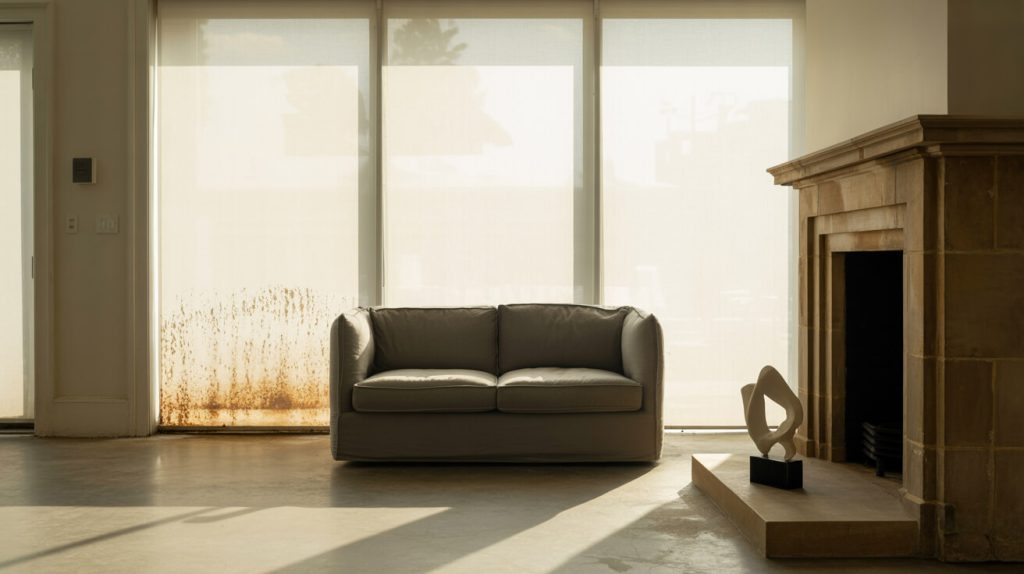
What Are the Main Environmental and Structural Causes of Damp?
The causes of damp are rooted in how your building confronts its environment and maintains internal balance. Rather than guesswork, understanding the mesh of climatic exposure, design age, and everyday use gives you a blueprint for identifying risks early and acting before expenses spiral.
Which External and Internal Conditions Raise Damp Risk?
Properties in Sussex and across the UK face specific environmental pressures:
- Persistent rainfall or sudden storms raise ground saturation, pushing moisture up through brickwork.
- Properties near the coast deal with salt-laden air and humidity, taxing porous mortar and old renders.
- Blocked gutters, eroded pointing, or slipped roof tiles channel water where it shouldn’t go.
Inside, risk grows wherever internal air and outside conditions collide:
- Double-glazed windows without ventilators hijack natural airflow, locking in steam from showers or kettles.
- Drying laundry indoors injects litres of water into small spaces, feeding condensation and mould.
Are Some Construction Details More Vulnerable Than Others?
Yes.
- Pre-1950s homes often have missing, bridged, or collapsed damp proof courses (DPCs).
- Solid-walled heritage buildings are especially moisture-sensitive—cement repairs or latex paints trap water where it can do the most harm.
- Cavity fills or energy upgrades may create cold spots, worsening condensation.
Where Do Old Repairs or Modern Fixes Go Wrong?
Quick fixes lead to recurring costs:
- Cement renders applied over lime mortar suffocate walls, accelerating decay from within.
- External landscapes shifted above the DPC turn walls into wicks.
- Homeowners patch small leaks or stains, missing underlying permeability crises.
Property Features That Inflate Damp Risk
| Construction Element | How It Fails | Impact | Optimal Check |
|---|---|---|---|
| Rainwater goods | Blocked/overflow directs water at masonry | Penetrating damp, rot | Annual full run |
| External ground levels | Above or at DPC invites wicking | Rising damp “tide lines” | After major work |
| Party walls/hidden voids | Shared weakness, missed in solo inspection | Damp migration, staining | Specialist imaging |
| Modern insulation fill | Traps moisture in cold spots | Condensation, black mould | Thermal survey |
Whether you’re responsible for a single house or an entire residential portfolio, ignoring these environmental and structural triggers costs your future self more than today’s prevention. Sussex Damp Experts’ property mapping highlights these silent vulnerabilities before they become emergencies.
How Do Condensation, Rising Damp, and Penetrating Damp Differ?

Damp rarely stems from a single cause, making misdiagnosis one of the costliest mistakes for property owners, landlords, and investors. Each type leaves distinct fingerprints, but symptoms often overlap—making a methodical, evidence-based process essential.
What Are the Telltale Mechanisms and Indicators of Each Damp Type?
Condensation
- What it is: Water vapour in internal air condenses on cold surfaces (windows, walls, ceilings) when ventilation or insulation is inadequate.
- Visual symptoms: Black spot mould, surface water, persistent window mist.
- Behaviour: Worsens in winter or after heavy use rooms; may move room to room; fluctuates with heating and occupant habits.
Rising Damp
- What it is: Ground moisture moves upwards via capillary action; classic in old or bridged DPCs.
- Visual symptoms: Horizontal “tide mark” up to 1m high on ground-floor walls, fluffy salt deposits, crumbling skirting boards.
- Behaviour: Consistent problem zones at base of walls; doesn’t come and go with seasons.
Penetrating Damp
- What it is: External water—rainwater or leaks—penetrates bricks, cracks, or joins, spreading horizontally or at stress points.
- Visual symptoms: Damp patches that grow after rain, discoloured masonry, peeling paint in upper stories or below leaks.
- Behaviour: Tied tightly to weather patterns or external defects; migrates as damage spreads.
Treating every patch the same leads to wasted money and accelerated damage. Type determines cure.
Table: Main Damp Types vs. Symptoms
| Type | Key Symptom | Diagnostic Trigger | Recurs After Repair? |
|---|---|---|---|
| Condensation | Black mould, misted windows | Poor vent/insulation | If root cause not fixed |
| Rising Damp | Tide mark, salt crust | DPC test fails | If bridged/defective |
| Penetrating | Patch after rain, peeling | Leak, cracked render | Until ingress blocked |
Technology—such as moisture metres, borescope inspections, and salt mapping—provides the data to confirm diagnosis and track implementation. Sussex Damp Experts implement a multi-modal assessment, ensuring you only invest in solutions that last.
What Early Signs Reveal Damp Problems Before Damage Escalates?
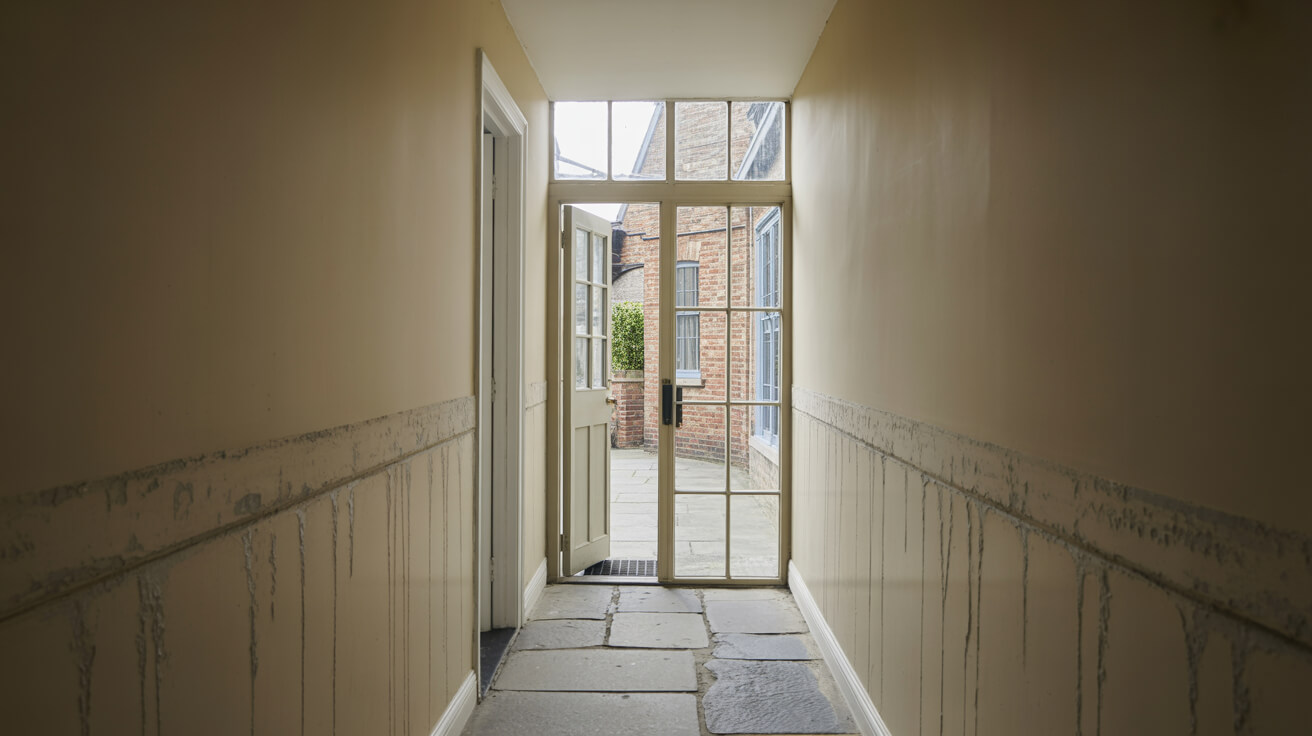
Damp lingers for months before you see the classic rot, mould, or wall collapse. Your aim should be to intercept warning indicators—saving cost, safeguarding resale, and protecting tenants or occupants.
Which Early Indicators Demand Action?
- Unexplained persistent odours, particularly earthiness or “wet laundry”.
- Paint starting to bubble or flake on lower wall corners.
- Salt deposits (white powder) or staining on wallpaper.
- Occasional misting of windows lingering long after the room is in use.
- Uneven temperature or “chill” against specific walls.
Checklist: Self-Assessment for Early Damp
- Are there any recurring marks or peeling areas at the base of walls, below windows, or near ceilings?
- Does a musty or earthy smell persist when rooms are closed up?
- Are specific spots in the house always cooler or damper to the touch?
- Do you notice black dots in bathroom corners, kitchen windows, or behind furniture?
- Have you observed salt crystals on any internal or external wall surfaces?
- Did these signs return after a recent repaint or fixture repair?
Where Should You Start Investigating First?
Experience shows that damp first appears in:
- Unheated rooms (spare bedrooms, box rooms, basements)
- North-facing walls exposed to wind and rain
- Behind heavy furniture or built-in units (which trap humidity)
- Around chimney stacks or extended party wall zones
- Window reveals and under windowsills with frequent condensation
Catch damp while it’s just a mark or a smell, and you control the cost. Wait, and you’ll face structural repair.
If you answered “yes” to more than one point on the checklist, or your property matches more than two of these risk areas, it’s time for a specialist survey. Sussex Damp Experts reports use these first clues to direct strategic repairs instead of scattershot fixes.
Why Do Heritage, Listed, and Older Buildings Face Persistent Damp?

Stewarding a heritage or listed property means balancing conservation with occupant health and investment security. These structures carry centuries-old design decisions that interact poorly with modern living. Retrofitting for comfort can create unforeseen vulnerabilities, while legal compliance restricts intervention options.
Which Features of Character Properties Make Damp Management Complex?
- Solid brick, stone, or cob walls intended to “breathe”, but at risk from modern synthetic paints or cementitious renders.
- Absence of, or degraded, original damp proof courses—reconstruction or intrusive repair may violate listing rules.
- Lime-based mortars and plasters that are saturated by historic leaks or ground moisture.
- Windows and doors replaced or sealed for efficiency, stifling formerly ventilated rooms.
- Surcharged ground levels resulting from centuries of landscaping and building use.
Table: Heritage Risks vs. Solutions
| Heritage Constraint | Typical Risk | Smart Solution | Regulatory Path |
|---|---|---|---|
| Solid wall, lime render | Trapped moisture | Breathable replaster | Listed Building Consent |
| Cement over lime | Spalling, decay | Strip and lime render | Heritage survey required |
| Blocked chimney | Internal condensation | Controlled venting | Specialist recommendation |
| Sunken ground around base | Rising damp | Drainage, DPC review | Minimal intervention, survey |
Sussex Damp Experts stay current with every regulatory nuance. Our heritage surveys guide you through regulatory frameworks (BS 6576, HHSRS, PAS2035), so every fix preserves both your asset and your standing.
What Happens if “Standard” Repairs Are Applied to Listed Buildings?
A cement render or a standard tanking system traps moisture inside historic walls, causing unseen decay and, inevitably, more expensive and legally complex repairs. Surface-only fixes may satisfy the eye but court future enforcement or devaluation when a subsequent sale or audit exposes the reality.
Essential Heritage Compliance Tips
- Always seek specialist guidance before beginning any repair or material change.
- Document all interventions and keep dialogue with local heritage/conservation officers.
- Prefer reversible interventions when regulations allow.
- Use only lime-based or certified breathable systems for any visible repair.
Conservation and compliance are intertwined: the right solution now avoids forced removals later.
How Does Damp Threaten Health, Safety, and Asset Value?

Damp is a direct adversary to occupant wellbeing and property investment. Every missed diagnosis or cosmetic repair increases health liability, legal risk, and devaluation threat—reality, not theory.
Which Health and Legal Risks Are Involved?
- Mould and damp propagate spores, which inflame airways, worsen asthma, and threaten immune-compromised groups.
- Properties with active damp risk categorization as unfit for habitation under HHSRS; landlords face fines, rent bans, or enforced repair.
- Surveyors may flag active or historic moisture, reducing sale price or delaying refinancing.
- Insurance claims can fail if earlier repairs were non-compliant, undocumented, or “unwarranted” (absent real cure).
Table: Impact of Damp on Occupants and Owners
| Stakeholder | Damp Risk | Potential Consequence | Proactive Defence |
|---|---|---|---|
| Family/Elderly | Asthma, cough, fatigue | Hospital trips, lost work | Preventative maintenance |
| Landlord | Tenant legal action | Repair, rent loss, fines | Compliant repairs, survey |
| Seller/Buyer | Survey fail, price drop | Chain breakdown, delays | Documentation, reporting |
| Business Owner | Loss of business use | Downtime, insurance loss | Routine inspection |
Damp shrinks what you own—first the asset, then your options.
If your responsibilities cross any of these groups, your best step is documented, certified repairs that stand up to buyer, lender, or legal scrutiny. Sussex Damp Experts issue evidence-based reports, accepted by all major insurers and compliance bodies.
What Steps Prevent and Fix Damp for Every Property Type?
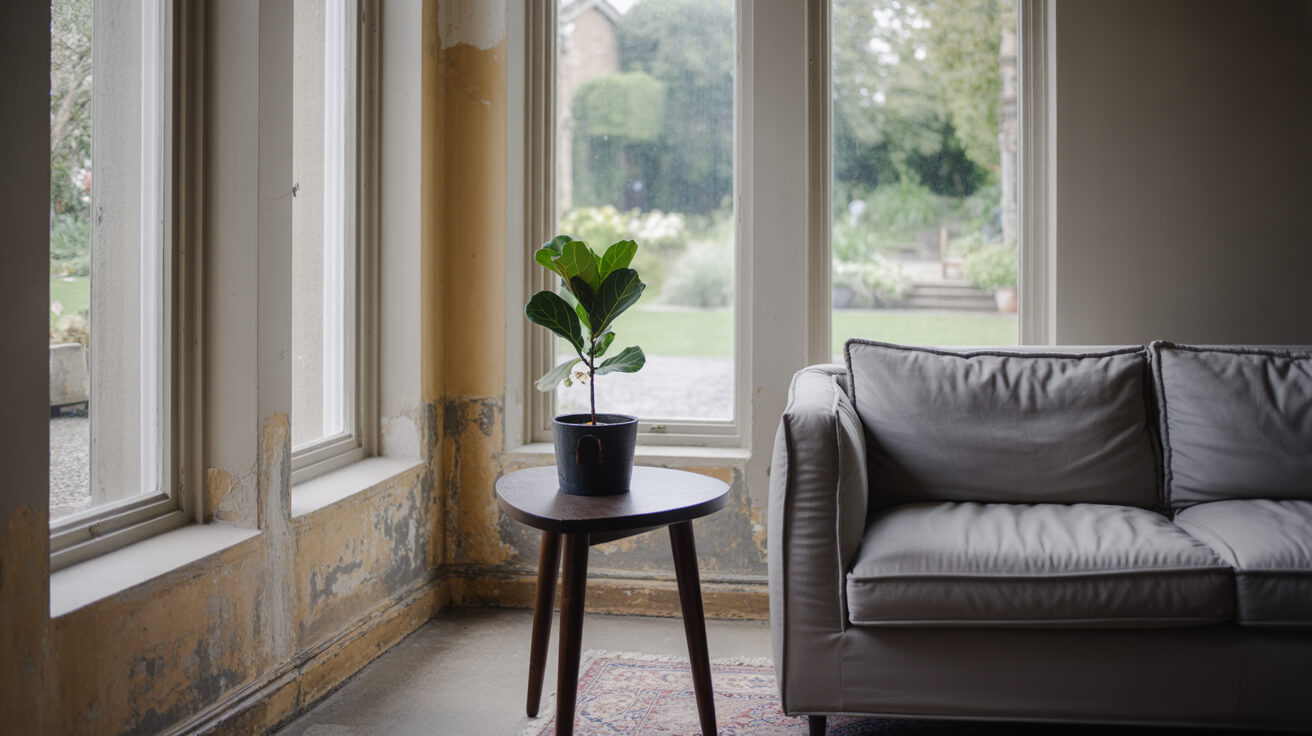
You cannot remove water from the outside world, but you can engineer your property and processes to resist, expel, and recover from every moisture challenge.
Which Maintenance and Prevention Routines Actually Work?
- Schedule annual inspections for guttering, downpipes, and external walls.
- After storms or winter, physically check ground levels and DPC exposure.
- Modernise room-by-room ventilation—one extractor fan, properly fitted, can eliminate persistent condensation.
- Inherit a heritage property? Commit to annual lime plaster review and localised moisture mapping.
Stepwise Approach for Damp Control
- Immediate remedial action: Identify and cure direct failures (leaks, broken drains, blocked gutters).
- Professional diagnosis: Demand multi-tool survey (thermography, moisture mapping, salt analysis).
- Systemic solution: Implement correct repair (DPC, damp course, full ventilation, not surface-only fix).
- Compliance and documentation: Secure surveyor/insurer acceptance—bypass legal snags with pre-approved paperwork.
- Yearly aftercare: Log, review, and upgrade as needed to match new building use, climate, or regulatory standards.
Why Is a Professional’s Aftercare Plan a Game-Changer?
Properties with scheduled, digital/logged maintenance:
- Show improved long-term asset value retention.
- Outperform comparable sites at sale or lease.
- Reduce emergency repair outlays.
Sussex Damp Experts build customizable maintenance plans and digital aftercare logs for each property type, bridging today’s repairs with tomorrow’s resale or inspection confidence.
When Is It Essential to Engage Certified Damp Surveyors or Remedial Specialists?
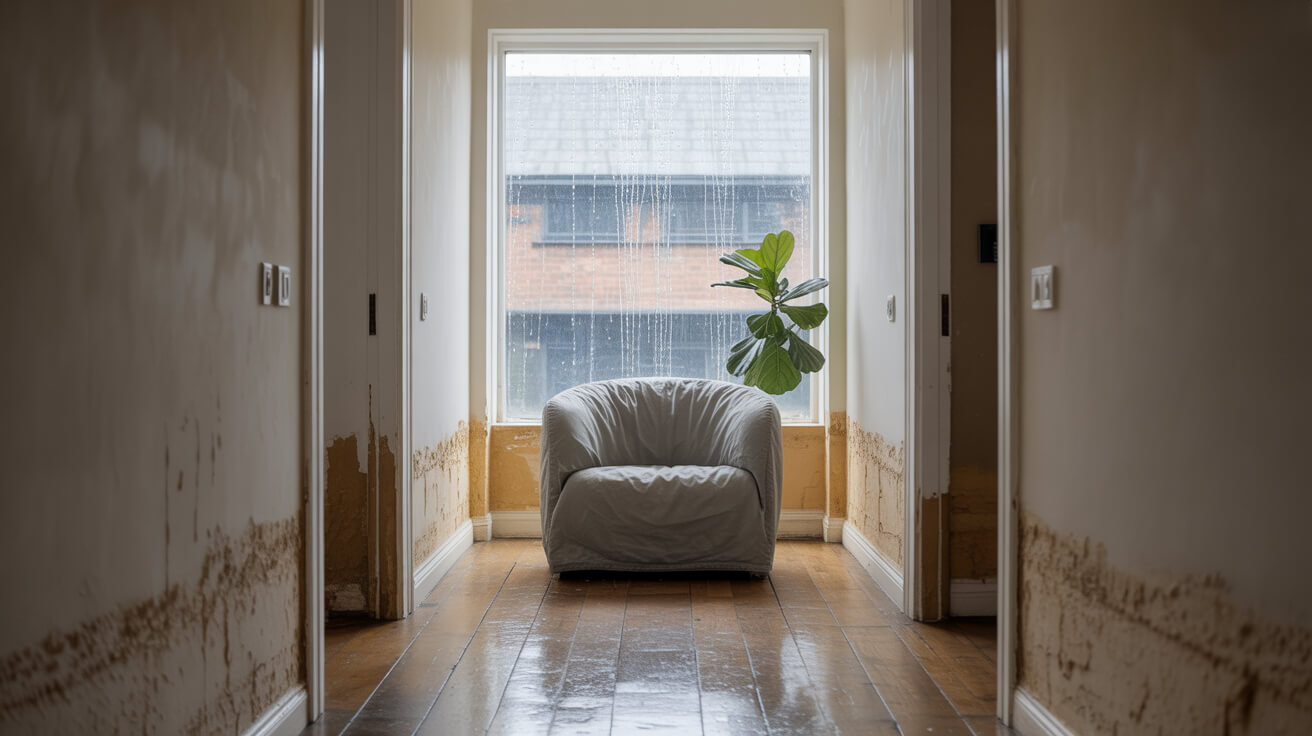
DIY has its place—fresh paint, minor silicone replacement, or patching an obvious fault. Your expertise, however, stops when cost, health, legal, or repeated failure stakes appear.
What Are the Non-Negotiable Triggers for Certified Support?
- Past attempts have failed, repeats indicate hidden source.
- A mortgage, buyer, or tenant requires independent proof and legal-grade report.
- Regulatory action seems likely, with council or environmental health involved.
- Property is historic, heritage, or value extends beyond modern quick-fix remedies.
How Does a Certified Survey Transform Outcomes?
- Collates all key evidence (visual, moisture, salt, thermal imaging) in a format recognised by lenders, local authorities, and courts.
- Delivers recommendations that cut future disruption, ensure compliance, and document warranty eligibility.
Documentation from a certified expert is ammunition, not expense—it’s what stops negotiation from turning into litigation.
Our surveyors are accredited to the highest standards for legal, insurance, and compliance purposes across Sussex and the South East. Their reports minimise delays, cut disputes, and bring your property safely through transition, sale, or legal review.
Book Your Free Consultation With Sussex Damp Experts Today
Your property’s resilience—and peace of mind as an owner, landlord, manager, or buyer—depends on the quality and precision of your first assessment and every follow-up step. Every missed diagnosis multiplies costs and reduces future options.
Reach out to Sussex Damp Experts for comprehensive, bespoke support:
- Detailed, surveyor-grade assessment and action plan for your unique building type.
- Ongoing support through every repair, with live reporting and documentation.
- Guidance through compliance, insurer claims, and future sale preparation.
Stake your confidence—and your property’s health—on the region’s only warranty-backed, regulator-ready experts.
Frequently Asked Questions
What Are the Main Environmental and Structural Triggers for Damp—And Why Does Even the Best-Built Home Suffer?
Damp is more than a seasonal nuisance—it’s the visible sign that your property’s defences are under siege from daily weather, incremental wear, and choices made at the architectural level. No structure, historic or modern, is immune; persistent moisture finds chinks in every shell.
Why Moisture Penetrates “Well-Maintained” Properties
Even minor oversights amplify risk:
- Persistent rainfall and saturated soils raise groundwater, which wicks into masonry and bypasses ageing damp proof courses.
- Blocked gutters, damaged pointing, or slipped flashing quietly channel rainwater into hidden voids and wall cavities, seeding trouble that surfaces months later.
- Overzealous energy retrofits—cavity insulation, sealed double glazing—trap steam from kitchens and bathrooms, making condensation a fixture of daily life.
- *What starts outdoors rarely stays there*; any pathway, from a cracked sill to a bridged DPC, grants entry for capillary rise or lateral ingress.
Sussex Damp Experts’ regular diagnostics map:
| Factor | Impact Pathway | Consequence |
|---|---|---|
| Saturated ground | Upward through brick/stone | Rising damp, salt bands, rotten skirting |
| Lost gutter paths | Directs water to foundation | Penetrating damp, rapid wall decay |
| Poor ventilation | Air steams, then condenses | Persistent mould, paint blistering |
| Modern materials | Blocks wall “breathing” | Moisture entrapment, hidden structural loss |
The costliest symptom is the one you overlook—twice as expensive to repair and infinitely harder to insure. Before deteriorating plaster, blackened corners, or chronic must invade your space, invest in a risk assessment that respects both your property’s age and the region’s relentless damp triggers.
How Do Condensation, Rising Damp, and Penetrating Damp Each Attack Your Property in Their Own Way?
Surface similarities deceive—the hidden villain in each room plays by its own rulebook. Grouping all damp under one label is the most expensive oversight.
Table: What Sets Each Damp Type Apart
| Category | Origin | Classic Symptoms | Control Method |
|---|---|---|---|
| Condensation | Internal air + cold surfaces | Black mould, streaming windows, odours | Ventilation, insulation |
| Rising Damp | Groundwater through walls | Tide marks, salt deposits, crumbly wood | DPC instal/repair, groundworks |
| Penetrating Damp | Rain through shell/leaks | Expanding patches, after storms | External repair, brick sealing |
What Happens When You Misread the Signs?
Condensation shifts with seasons and habit—persistent in poorly vented rooms.
Rising damp stays where ground pressure is constant—creeping up but rarely moving sideways.
Penetrating damp tracks storms—vanishing only in dry weather, often high or isolated on walls.
A Brighton landlord once spent thousands “curing” black spot mould in a kitchen, only to see it return each autumn. The culprit? Blocked vents and cold surfaces—not rising groundwater. That’s why a misdiagnosed type is a blank cheque for repeat visits and frustrated tenants.
When you demand a Sussex Damp Experts’ survey, you instruct the team to map and match cause to cure—ending the cycle.
What Early Signs Signal Damp Before Repairs Become Unavoidable—or Unaffordable?
If you’re reading this at the faintest whiff of must, you’re twenty steps ahead. Damp never starts with disaster. It sidles in through habit and neglect, wrapping itself in subtle warnings.
Your Building’s Quiet Alarm Bells:
- A chill emanating from walls or corners, even when rooms are heated
- Peeling, bubbling paint or swelling plaster at floor level or beneath sills
- White, powdery salt bands, especially after wet weather or plumbing leaks
- Persistent streaming on window glass where ventilation is lacking
- Black flecks in bathrooms and behind wardrobes, especially on external walls
- Timber (skirting or floors) darkening or softening to the touch
Neglect is expensive. While every home has quirks, patterns that repeat or spread signal danger. Delays invite rot, structural compromise, or legal complaint—none of which respect your schedule.
Early Intervention Tactics
- Run your hand along ‘problem’ walls regularly; note temperature and dampness.
- Ventilate after all moisture-producing activities.
- Track new or worsening patches with photos—patterns tell stories.
- Use a moisture metre for walls and wood at symptom sites.
- If 2+ symptoms reoccur or spread, consult a damp specialist before redecorating.
Confidence comes from knowing the difference between “character” and “crisis.” A Sussex Damp Experts’ check clarifies whether you’re seeing age or an unresolved moisture attack, and keeps minor repairs from snowballing into budget-busting restoration.
Why Do Heritage, Listed, and Ageing Properties Struggle More with Damp—and Why Can Poor Fixes Make Them Worse?
Not all walls speak the same language. The secrets of a centuries-old cottage or Georgian terrace require codebreakers, not cookie-cutter solutions. What preserved homes in a pre-modern era now challenges every owner and manager.
Unique Risks in Heritage Buildings
- Solid masonry or lime plasters ‘breathe’—modern cements and paints suffocate them, instantly trapping damp.
- Original DPCs, if present at all, may be undermined by shifts, bridging, or landscaping.
- Conservation laws constrain interventions—an off-the-shelf dampproof renders your paperwork (and your fix) void.
Case Scenario: The Retro-Fit Backfire
A listed farmhouse near Lewes was made “weatherproof” with an exterior cement render and gypsum skim indoors. Within two winters, walls bubbled, rooms smelt of earth, and surveyors traced profound moisture entrapment. The project needed full strip-out, specialist limework, and considerably more expense—all to return the home to breathable ways it was designed for.
Heritage-Safe Solutions
- Use only materials and systems compatible with both the substrate and regulations (lime, breathable plasters, passive venting, floor-level drainage).
- Secure all legal permissions before work.
- Map routings for old flues and blocked chimneys; hidden voids are classic damp reservoirs.
- Document all works with photographic, humidity, and compliance data for future audits.
Choosing a specialist team like Sussex Damp Experts is protective, not just for your building’s reputation but for your own. The right fix is heritage-respecting, legally footed, and designed for a century—not a sales cycle.
How Does Damp Undermine Health, Safety, and the Assets You’re Building?
Every “harmless” stain or ignored patch of black means inhaled risk—there’s no such thing as an innocent leak or a “characterful” bit of rot. The fastest way to lose a tenant, stall a sale, or see your property value plummet is to let damp write its story unchecked.
Risks to Wellbeing and Wallet
- Black mould and lingering damp multiply airborne spores, spiking asthma, aggravating skin, and triggering costly NHS visits.
- Structural wood—joists, beams, floorboards—rots from within, invited by persistent, unresolved damp.
- Surveyors and insurers treat signs of active or recurring damp as red flags, often barring loans, insurance claims, or imposing immediate costly repairs.
- Landlords face council enforcement, legal costs, and potential bans or fines under the HHSRS if issues are not seriously addressed.
Table: Consequences of Neglect
| Risk Signal | Health Consequence | Asset Impact | Regulatory Ramification |
|---|---|---|---|
| Persistent black spot mould | Asthma, respiratory | Value reduction, repair | HHSRS enforcement, tenant |
| Peeling paint, salt bands | Allergy aggravation | Loss of buyer interest | Mortgage holdbacks |
| Musty odours, cold walls | Immune suppression | Emergency restoration | Underwriting disputes |
What starts as a minor comfort issue becomes a compelling legal, financial, and health risk. Certified repair and documentation from Sussex Damp Experts not only resolves current challenges—it signals to buyers, tenants, and inspectors that you’re a steward of both health and value.
What Steps Ensure Complete Damp Control—Not Just Another Temporary Fix?
Action beats reaction. Robust damp prevention and repair are not events but ongoing practices—the opposite of “quick fix culture.” Think cycles, not patches.
The Essential Steps to Ongoing Damp Management
- Keep ground and landscaping below DPC by design—never allow gardens or driveways to bury your barriers.
- Maintain, inspect, and clean all water-handling systems at regular intervals.
- Equip problem zones with modern, properly vented extractor fans and invest in humidity monitoring for closed rooms or commercial spaces.
- Address suspicious signs with a multi-tool diagnostic—not just a quick skim by a general builder.
- For repairs: choose systems backed by warranty, insurance, and compatibility for building age/type.
- For heritage or special properties: always seek specialist intervention that keeps you compliant and preserves value; do not risk “unlicensed” work.
Ongoing Maintenance Table
| Activity | Frequency | Rationale |
|---|---|---|
| Gutter/downpipe checks | Twice/year (spring/autumn) | Water ingress, overflow avoidance |
| Internal ventilation | Monthly filter check | Stops condensation, ventilation lag |
| Surface/proofing audit | Annually | Validates repair, tracks performance |
| Survey update | 1–5 years (risk/council) | Required for insurance, compliance |
The cost of an annual system check is less than 2% of most full-scale repairs. Our service agreements at Sussex Damp Experts ensure you step back from the repair cycle— and toward proactive property leadership.

