
 By
By  May 10, 2023

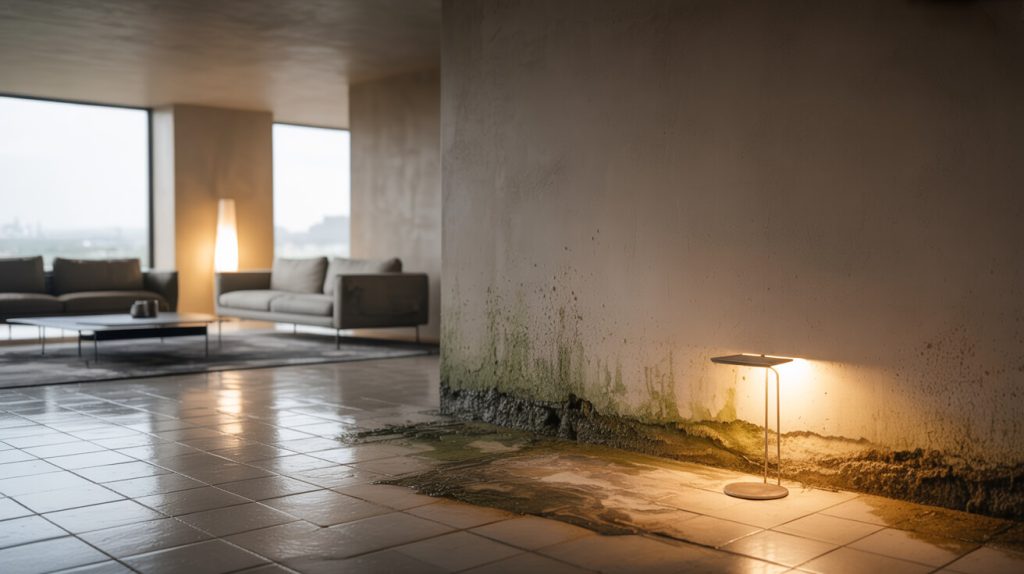
How Dangerous Is Damp to Your Health
Damp in buildings is not a trivial maintenance concern—it is a documented catalyst for both health deterioration and legal liability. Across the UK, thousands of cases each year show how Damp Develop alongside persistent indoor moisture links not only to building decay, but also to increased hospital admissions for respiratory and allergic illnesses. Health authorities recognise that mould, condensation, and undiagnosed moisture are all pathways to more serious outcomes. For property owners, managers, and those responsible for compliance, the risks of damp can no longer be underestimated or left to chance.
Unchecked moisture is never benign—it matures into either health loss, asset decay, or legal exposure.
You face clear stakes: safeguarding your family or tenants, preserving the longevity and value of your asset, and ensuring your compliance posture remains intact. Authorities require that you take notice. Insurers and lenders are tightening their standards, and the NHS associates avoidable damp with higher rates of asthma, eczema, and chronic respiratory infection—especially in families with young children, the elderly, or those managing long-term illnesses. If you’re reading because you suspect damp, you’re not just preserving a home; you’re preempting compounding risk, aligning your responsibilities with current standards, and actively defending your property’s market standing.
What Core Health and Compliance Risks Does Damp Present

Damp acts as a legal and health accelerant within any property. The NHS and WHO document increased rates of asthma, bronchial infections, sinusitis, skin rashes, and eye irritation in occupants exposed to damp over time. Children, immune-compromised adults, and elderly residents are especially at risk—evidence links higher rates of hospital admissions directly to persistent indoor moisture. In parallel, a suite of regulatory frameworks including the HHSRS and Homes Act define clear lines of responsibility for owners and property managers.
Direct Health Impacts
- Respiratory Risks: Damp creates optimal breeding grounds for black mould (Stachybotrys chartarum) and bacteria. These amplify asthma triggers, chronic cough, and in sensitive cases, life-threatening pneumonia.
- Allergy/Immunity: Symptoms can manifest as skin irritation, persistent sneezing, and conjunctivitis, all of which are proven to lessen or disappear once affected individuals relocate or the issue is resolved.
- Chronic Fatigue: Long-term exposure is now associated with lingering tiredness, headaches, and poor sleep quality, diminishing everyday wellness.
Compliance and Legal Risks
- Immediate enforcement: Local authorities can intervene and fine for damp or mould hazards, especially in rented homes.
- Insurance exclusion: Policies can be voided for “lack of maintenance” or “pre-existing conditions” if moisture is ignored or ineffectively addressed.
- Mortgage derailment: Surveyors routinely mark properties with visible or suspected damp, undermining valuations or halting completions pending remediation.
| Health Outcome | At-Risk Groups | Compliance Trigger | Potential Consequence |
|---|---|---|---|
| Asthma escalation | Children, tenants, elders | HHSRS, NHS indication | Litigation, hospital admission |
| Structural devaluation | All property owners | Surveyor report, mortgage check | Sale collapse, price reduction |
| Insurance claim rejection | Landlords, managers, owners | Documented damp presence, maintenance lapse | Full cost liability, coverage removal |
There is no separation between health risk and compliance risk in modern UK property management. Sussex Damp Experts supports you with survey documentation, systems-level analysis, and warranty-backed remediation that meets both preventative and audit standards.
What Specific Health Effects Are Linked to Damp and Mould

Damp triggers a cascade of symptoms, many of which are misattributed until a professional diagnosis reveals the link. Early warning signs include nasal congestion, headaches, and itching eyes. These can progress to diagnosed asthma, chest infections, eczema flare-ups, and, in rare severe cases, hospital stays. The NHS and WHO routinely flag buildings presenting with even modest visible or “musty” smell damp as active health risks—especially for newborns, asthmatics, or older adults.
Who Is Most At Risk
- Infants and children: Developing lungs and immune systems are highly sensitive to airborne mould and dust mites. Increased absenteeism from school and misspent hours at GP clinics are linked to undiagnosed property damp.
- Elderly and immuno-compromised: Lower resistance makes even low-level mould exposure a trigger for severe infection.
- Pregnant women and those with chronic conditions: NHS guidance prioritises rapid intervention in homes supporting these individuals.
Common Health Red Flags
- Increased coughing or sneezing indoors
- Rashes or eczema worsened at home
- Eyes stinging or watering after time in a certain room
- Breathing feels easier outside the property
For families, the implications go far beyond discomfort—frequent doctor visits, prescription escalation, and absenteeism all add hidden costs. For owners, every overlooked symptom can multiply future obligations or claims. Sussex Damp Experts’ diagnostic process focuses on these issues, raising warning flags before they become hard costs or distressing family events.
Why Does Damp Develop Across Different Property Types

Damp finds vulnerability not just in old, cracked buildings but in renovated homes, new flats, commercial blocks, and any structure where environmental balance is lost. The causes reflect both building science and usage: construction era, material incompatibility, upgrades, and unattended leaks all invite moisture.
Key Development Scenarios
- Heritage and listed properties: Lack of cavity walls, breathable lime mortar, and complex original features mean a single incompatible patch or modern coating can trap decades of moisture inside, instead of letting surfaces “breathe” as designed.
- Modern builds and refurbs: Retrofits aiming for energy efficiency—insulation, double glazing, new roofs—can stop draughts but also prevent damp escaping; new buildup accumulates, unseen, until structural or health issues suddenly surface.
- Tenanted portfolios: Kitchens, showers, and indoor drying routines combined with old extractors or window insulation foster a continuous cycle of indoor humidity that goes unreported, resulting in disputes and copycat tenant claims.
- Commercial/facilities: Basements, plant rooms, and minimally used spaces may pass initial handover checks but suffer from ongoing ingress and capillary movement, especially after heavy rainfall or plumbing failures.
| Property Type | Typical Vulnerabilities | Damp “Trigger” |
|---|---|---|
| Heritage/Listed | Breathability, incompatible repairs | Trapped moisture under tanking/render |
| Modern/Refurbished | Over-sealing, blocked ventilation | Insulation bridging, undrained leaks |
| Tenanted Portfolio | Poor lifestyle reporting, lack of upgrades | Excess humidity from routine life |
| Commercial | Unused zones, plant service pipe ingress | Burst, capillary absorption post-event |
Damp diagnosis is not a one-size-fits all exercise. Our surveys adapt to property context, highlighting root causes, forecasting further risks, and proposing expert solutions recognised by insurers, lenders, and local authorities.
Where Can You Spot Early Warning Signs of Damp
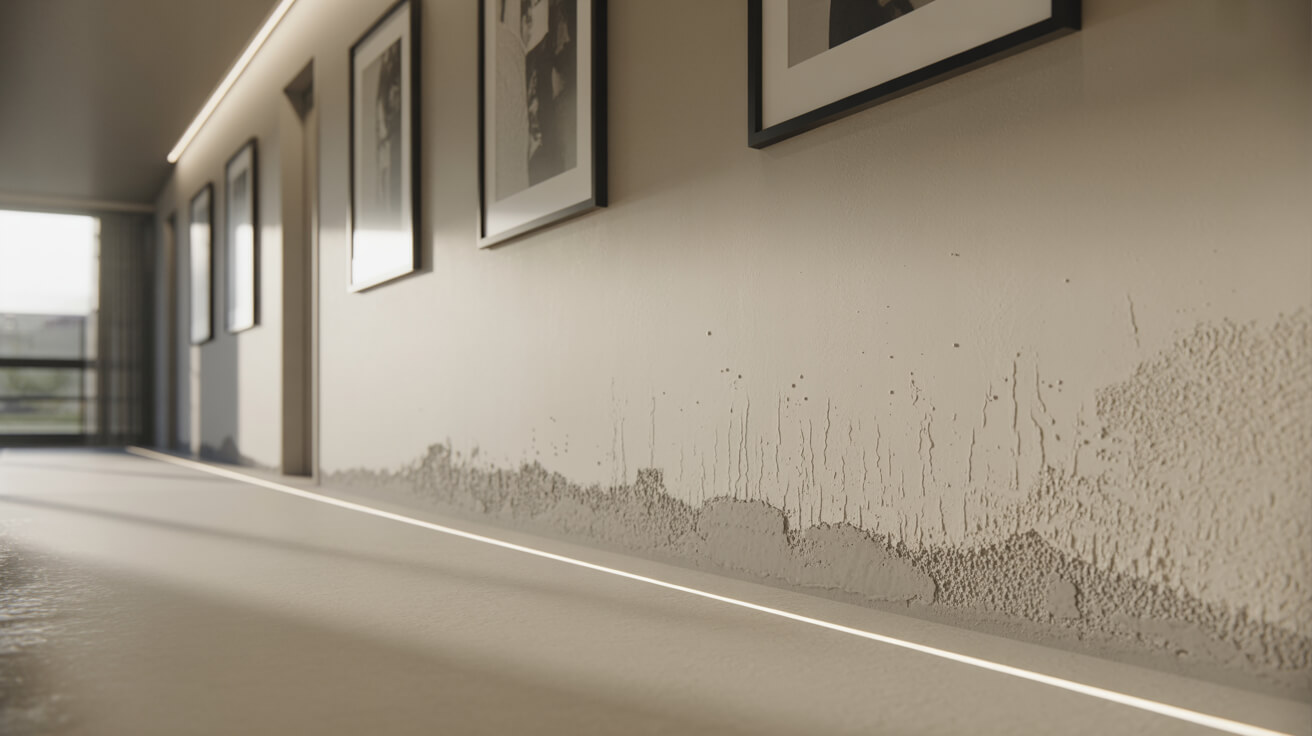
Knowing where to look can turn an expensive crisis into a manageable fix. The earliest observable indicators can be subtle—visual, olfactory, or behavioural—but they all precede visible mould or structural decay.
Residential and Rental
- Musty, persisting odour in a room even after cleaning or airing
- Peeling paint or wallpaper, particularly on cold external walls or corners
- Discolouration or white “salting” along the lower wall—early capillary/rising damp
- Black or green spots on windowsills, around showers or behind beds
Heritage and Commercial
- Salt deposits, “fluff,” or white stains on floorboards, beams, or brick surface; blackened or soft timber
- Crumbling plaster, texture change in lime finish
- Hidden moisture in service voids, underfloor cavities, or plant rooms
Stepwise Approach for Rapid Self-Assessment
- Walk each room, touching skirting and checking wall texture for softness, flaking, or coolness.
- Use a torch (smartphone or otherwise) to look behind furniture and appliances for colour change or surface irregularity.
- If the problem persists despite good airflow and heating, or if rooms feel uncomfortably humid, escalate to a professional survey.
A hidden issue today can become a dominant cost tomorrow. Sussex Damp Experts deploys advanced tools—thermal imaging, endoscopes, niche moisture metres—ensuring nothing escapes documentation.
How Rapidly Does Damp Escalate If Left Untreated
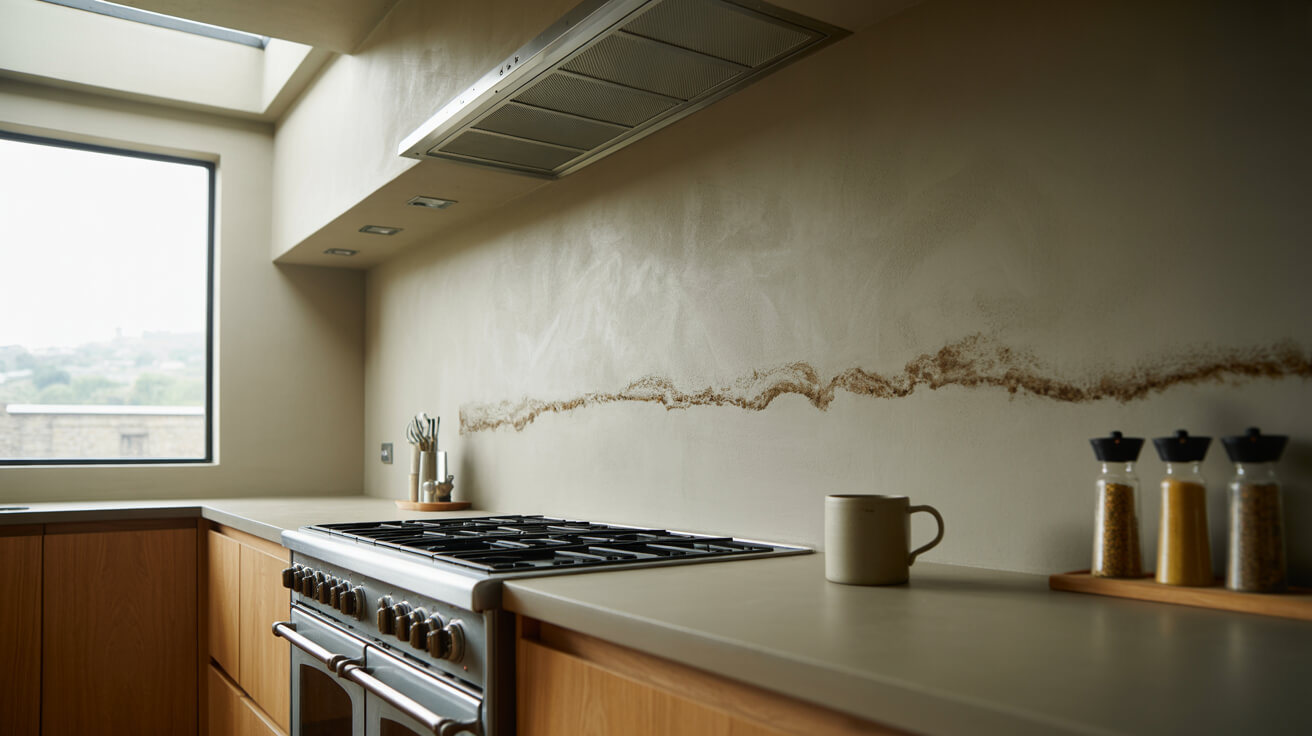
One winter. That’s how quickly a “non-urgent” wall patch or bathroom spot can evolve into actionable risk. The escalation curve for untreated damp is exponential, not linear: initial symptoms compound quietly, but legal, compliance, and market costs spike the longer resolution is delayed.
| Time Unchecked | Escalation Outcome |
|---|---|
| 1–3 weeks | Mould propagation, paint damage, indoor air deterioration |
| 1–2 months | Cough and allergy persist, tenant/occupant escalation |
| 3–6 months | Wall/floor rot, insurance/landlord liability triggers |
| 6–12+ months | Mortgage hold, property price drop, legal fines |
Key Triggers That Transform Inconvenience Into Urgency
- Health complaints by tenants or family (especially for vulnerable persons)
- Surveyor damp flag at valuation, sale, or remortgage
- Regulatory inspection, e.g., council, insurer, or mortgage provider
- Repeat maintenance failures or unexplained bill increases
Ignoring early signals will not lower costs. Every delay narrows your repair options, increases your liability, and can restrict future sale or lending potential. Our fast-response assessment is structured so that no risk, once known, remains unmitigated.
What Are Your Legal, Insurance, and Compliance Obligations

Legal, lending, and insurance systems now see damp as a precondition for property fitness. The Homes (Fitness for Human Habitation) Act, HHSRS, and tenancy/letting codes give you as owner or manager clear, documented duties.
Essential Obligations: Landlords, Agents, Heritage, Commercial
- Immediate response to reports: Local authority can intervene and fine for delayed intervention—tenant, buyer, or employee complaint is often enough to trigger escalation.
- Survey and documentation: Modern insurance and mortgage terms stipulate professional survey, evidence of remediation, and warranty for any prior, ongoing, or visible damp and mould.
- Fit-for-purpose repairs: DIY solutions or “paint-over” fixes can void cover, escalate claim amounts, or block future lending—even if visible issues appear resolved for a short period.
- Heritage/listed enhancements: Modern upgrades that ignore breathability, material compatibility, or regulatory sign-off can draw penalties and force re-restoration.
| Duty | Audience | Consequence of Failure |
|---|---|---|
| Survey/documentation | All owners | Insurance, lender, or authority dispute |
| Warranty-backed fix | All, especially rental/heritage | Rejected claim, enforcement notice |
| Rapid escalation | Agents/landlords | Fines, court order, rent withholding |
| Heritage compliance | Listed owners | Conservation penalty, further works |
Sussex Damp Experts’ compliance consulting, reporting, and warranty structure are designed to be accepted by all regulatory bodies and satisfy strict new documentation standards—whether for property managers, landlords, homeowners, or portfolio compliance officers.
How Can Damp Be Professionally Treated and Prevented Long-Term
A professional approach transforms “problem chasing” into sustainable moisture management. Understanding why Damp Develop patterns emerge is part of true damp and condensation control, which begins with pinpoint diagnosis and ends with aftercare, warranty, and proof. Across all property types, compliant solutions are rarely “one and done” applications—most successful outcomes leverage building science, targeted intervention, health-safe materials, and ongoing support.
Framework for Lasting Damp Resolution
1. Survey and Forensic Diagnosis
- Full building envelope check (external/internal, above/below ground)
- Substrate compatibility (testing for lime, brick, composite cross-integration)
- Airflow/ventilation logging and analysis
2. Prescription and Treatment
- Bespoke strategy for property age, construction, and usage pattern
- Upgrade or installation of compliant DPC, membrane, or breathable render
- Removal and safe disposal of all contaminated or ineffective prior treatments
3. Aftercare and Ongoing Support
- Monitoring: scheduled annual inspections and spot checks as needed
- Warranty: written documentation for all works, coverage for asset transfer/sale
- Documentation: compliance packets for all property changes (sale, let, mortgage, insurance)
| Step | Owner Value | Buyer/Seller Value | Portfolio/Heritage Value |
|---|---|---|---|
| Survey & diagnosis | Pinpoint source, root fix | unlocks finance, confirms value | Preservation, compliance, audit-safety |
| Treatment protocol | Fast, health-compliant | Rental-ready, buyer-ready | No “hidden fix” liability |
| Aftercare/warranty | Re-sale/rental advantage | Proof for next owner | Portfolios: streamlines asset manager reporting |
Sussex Damp Experts provides all three layers—seamlessly, transparently, and in compliance with both property age and regulatory requirement. Our clients gain not only a dry home or managed portfolio, but a reliable, paper-trail-proven basis for future value, lending, and tenancy shift.
Prevention isn’t a hope—it’s a prescription built into every service, every survey, every warranty.
Book Your Free Consultation With Sussex Damp Experts Today
Your home, building, or portfolio is more than an investment. It is the environment that protects health, shields value, and affirms your diligence in a regulated, reputation-driven marketplace. Suspending action on suspected or confirmed damp is not just a risk—it is a choice to forfeit future control. With Sussex Damp Experts, you receive more than remediation. You inherit a compliance partner; a health advocate; a record of proof built to defend your interests with certainty.
The decision to act is not technical—it’s a signal of pride, leadership, and long-term vision. Take ownership of your property’s health and regulatory safety. Arrange your certified inspection, full compliance audit, or portfolio-wide review with Sussex Damp Experts, and know you are seen, respected, and safe in every conversation that follows.
Frequently Asked Questions
How Fast Can Damp Threaten Your Property or Health?
Unchecked damp can shift from subtle warning to serious hazard far more quickly than most realise—sometimes in weeks, rarely longer than a single season. The first sign, often a faint must or a peeling edge behind heavy furniture, is already a signal that silent decay is in progress. Left alone, that moisture will colonise wall cavities and floors, tighten its grip during cool or humid periods, and soon provide ideal breeding ground for the black mould strains (Stachybotrys, Trichoderma) associated with increased medical complaints and respiratory risk.
The Hidden Timeline of Escalation
| Symptom | Likely Onset | Consequence If Ignored |
|---|---|---|
| Musty odour, peeling | 1–2 weeks | Early-stage surface mould, unseen spread |
| Black spots, salt marks | 2–4 weeks | Immune challenges in sensitive individuals |
| Paint/plaster failure | 1–2 months | Wall/floor structural risk, lender flags |
| Tenant complaints, re-let voids | 2–3 months | Enforcement action, repair compounding |
A property manager or homeowner who responds when damp is still a suspicion—not a headline on a survey report—unlocks minimal repair cost, avoids legal escalation, and proves their leadership in the eyes of residents and regulators. The only thing that compounds faster than moisture is regret: move early, and your decision is the difference between minor correction and major crisis.
What Are the Real Health Risks Linked to Damp and Mould?
Damp and mould transform a property from a safe environment into a chronic health battleground. Even at low levels, indoor moisture supports growth of fungi, dust mites, and airborne bacteria that fuel persistent cough, wheezing, throat irritation, and sinus pain. NHS data and peer-reviewed studies show that children living in damp homes face at least a 40% increased risk of developing asthma, and adults report higher rates of hospital admission for bronchial conditions.
Who Is Most Affected?
- Children and infants: Developing lungs are acutely sensitive to spores, with higher rates of wheezing and allergy.
- Elderly or immunocompromised: Infections escalate quickly, complicating existing health challenges.
- Asthmatics and allergy sufferers: Flare-ups increase without warning as mould circulates unseen.
- Tenants or staff: Longer hours indoors—higher exposure, higher grievance, higher management risk.
No home, office or managed block is immune. The absence of visible black mould does not guarantee safety. A persistent “cold,” skin conditions that don’t fade, or unexplained fatigue are often the first health signals that moisture has breached your defences. As managers and owners pivot towards proactive care, robust diagnosis and swift remediation become both a health imperative and an asset to your professional standing.
Why Does Damp Affect Heritage Homes, Modern Builds, and Commercial Properties Alike?
No building ‘type’ is immune; the mechanisms differ, but the result—a habitat compatible with moisture, salt migration, and decay—is universal. Heritage properties lose breathability with every modern fix that forbids walls to “dry from within.” Modern homes may trade airflow for insulation, trapping everyday humidity from cooking, showers, or simply drying clothes. Commercial and multi-use buildings endure low-level leaks, failed pumps, or HVAC breakdowns that managers miss until an annual audit or legal complaint reveals the cost.
Where Does Trouble Hide?
- Heritage fabric: Under dense render, at junctions of new and old plaster, behind baseboards.
- Modern builds: Window reveals, cold bridges in unventilated rooms, floor/wall insulation joints.
- Commercial stock: Basements, plant rooms, and underused corners with poor air movement.
Every missing airflow check, DPC bridge, or unmonitored gutter can snowball into a full-scale loss within months. The real risk lies in assumptions: assuming age protects, or that new equals dry, is the trap. Sussex Damp Experts calibrate every inspection to property context—catching faults early, adapting solutions to building DNA, and supplying the proof your asset deserves.
Where Do the Earliest and Most Dangerous Signs of Damp Appear?
The most dangerous indicators rarely reveal themselves dramatically. It’s the small cues that spell out destiny: a window corner where paint bubbles, a carpet edge that stays cold and dank, plaster that “sheds” the light differently, or that familiar, persistent scent of earth or old laundry. Any unexplained patch—no matter the surface—demands scrutiny, not a shrug.
Strategic Inspection Map
- Start at ground floor skirting, especially on exterior-facing walls
- Open wardrobes, look behind appliances, feel beneath rugs or mats in humid rooms
- Bathrooms, kitchens, and basements: check silicone lines, grouting, and under sinks
- For heritage homes, pay special attention where new meets old—patches, repairs, cavity closings
- Commercial facilities: check under-floor service runs and around HVAC/ventilation entry points
| Area | Common Early Signs | Risk If Missed |
|---|---|---|
| Window corners | Condensation, flaking paint | Mould growth, substrate rot |
| Skirting/floor | Cold, paint blisters | Capillary rise, bridging |
| Walls, bathroom | Discoloration, must | Fungal bloom, paint failure |
Early intervention means you stand apart—owners who wait for visible bloom or sick tenants don’t just pay in cash. You pay in compliance, trust, and reputation. Diagnosing early is more than maintenance: it’s a visible signature of your intent, written in every survey, owner review, and lease renewal.
How Rapidly Do Damp Damage and Repair Costs Compound?
Delay is the equity thief that stalks every owner, agent, and investor. The crawl from an “annoying” smell to full-scale remediation can happen faster than you would believe because moisture does not rest—it migrates, pools, and saturates, turning repair into excavation. A single winter of ignored warning signs can shift a property from lender-friendly to “declined,” from insurable to “denied,” from trusted to “avoidable risk.”
Cost Compounding Table
| Timeline | Repair Profile | Financial Impact |
|---|---|---|
| Issue caught early | Localised drying/vent fix | Minimal—small job, low disruption |
| 4–8 weeks | Skirting/plaster removal | Moderate—multiple trades, minor delay |
| 3–6 months | Floor/wall retanking | High—voided survey, agent disputes |
| 12+ months | Structural reworks | Severe—tenancies lost, asset flagged |
What barely registers today generates invoices no insurer or buyer wants tomorrow. Those who document their actions, engage with expert inspection, and track interventions are the ones whose names become the standard in owner and tenant networks. Sussex Damp Experts do not simply repair; our process provides an audit trail that preserves value, builds trust, and turns response into unmistakable competence.
Can You Really Solve Damp for Good—and Who Can You Trust for Lasting Results?
Yes, when property, risk, and people are placed at the centre of the solution. Rushing in with paint, bleach, or “quick” DPC isn’t a fix—it’s a delay. The only approach proven to prevent recurrence and guarantee insurance, resale, or compliance is source-led, evidence-mapped, and tailored to your building’s design, usage, and legacy.
The Sussex Damp Experts Advantage
- Forensic, multi-stage diagnosis (moisture mapping, thermal imagery, salt analysis)
- Targeted, reversible interventions for heritage and modern properties (lime-compatible systems, precision membrane/ventilation upgrades)
- Proof-ready documentation for every repair (photos, benchmarks, regulatory crosswalk)
- Ongoing maintenance and annual review plans—proactive not reactive
| Solution Feature | Benefit to You |
|---|---|
| Evidence-driven plan | Delivers authority for lenders/insurers |
| Heritage compatibility | Secures asset value and legal cover |
| Compliance support | Eases letting/sales, streamlines audit |
| Futureproof warranty | Investors, buyers, and tenants trust |
Choosing the right partner is an identity move. The market may be slow to update their standards—but you control your property’s story, your compliance record, and your client’s safety. Stake “lasting” in your asset profile; let Sussex Damp Experts script your next review. No blank spaces, no mysteries—just proof, confidence, and known outcomes.

