
 By
By  April 3, 2023


What Is Freeze Thaw Weathering And Why Is It Critical?
Freeze–thaw weathering is an often underestimated process: moisture enters the smallest defects in your property’s masonry or concrete, freezes, and expands, gradually widening any opening it inhabits. Unlike dramatic weather events, the damage occurs incrementally—undermining your asset’s envelope and future value before major warning signs emerge.
The Unseen Structural Threat
Freeze–thaw cycles are not “one-off” hazards. Most structural disasters begin with repeated freezing and thawing that can destabilise walls, foundations, or external finishes. The process leads to hidden cracks, internal stress, and progressive deterioration—problems that manifest as damp, crumbling facades, or even structural movement. For property owners looking to maintain high asset value and reduce operational anxiety, awareness is the first and only line of defence.
Most structural disasters begin as silent, recession-deep cracks.
Your Asset’s Hidden Vulnerability
While superficial flaws like peeling paint or faint stains can seem minor, in reality, they’re signals of more substantial decay—especially in regions with frequent freeze–thaw cycles. If your inspection schedule overlooks these early indicators, small imperfections can become urgent crises, triggering everything from failed surveys to regulatory inspection failures.
Key Reasons to Prioritise Early Detection
- Minor cracks widen with every freeze, making repairs more complex and expensive.
- The progression from invisible to irreversible is rapid in high-exposure buildings, especially older stock.
- Delay leads to lost energy efficiency, jeopardised health standards, and diminished asset reputations.
For owners, early detection equates to lower total ownership costs and enhanced control over asset lifecycle risks.
How Does Water’s Freeze Expansion Erode Structural Elements?

Moisture infiltration powered by capillary action occurs unnoticed—water migrates relentlessly into the finest pores of brick, render, or mortar, even with moderate external damp. When sub-zero temperatures hit, this water expands, exerting with each freeze cycle a powerful yet silent force that pries these materials apart.
Mechanisms of Progressive Erosion
Capillary action is the engine drawing moisture deep into substrates. The physics is straightforward but relentless: water freezes, expands by nearly 10%, and exerts internal pressure. That force exceeds the tensile strength of most construction materials, resulting in microcracks that enlarge with every cycle.
Engineers monitor this cycle using moisture metres, thermal imaging, and laboratory tests that quantify water content and movement rates in various substrates—direct data points used by Sussex Damp Experts to diagnose at-risk zones.
Summary Table: Material Expansion Under Freeze–Thaw
| Material | Water Uptake | Freeze Expansion | Resulting Risk |
|---|---|---|---|
| Brick | High | Substantial | Spalling, lost bonds |
| Concrete | Moderate | High | Internal microcracks |
| Limestone | High | Variable | Facade peeling |
Impact of Temperature Swings
In southern England, freeze–thaw cycles may occur on consecutive days or even within a single night. Repeated expansion and contraction causes breaks in both visible and invisible layers—render, DPC (damp proof course), joint seals. The uninterrupted advance of this cycle accelerates asset depreciation and increases remediation costs.
Recognising the first signs with a moisture scan can mean the difference between a manageable repair and catastrophic failure.
How Do Different Building Materials React To Freeze Thaw Cycles?

Not all properties or materials offer the same resistance to freeze–thaw cycles. Your risk profile depends on both your construction’s age and the substrate’s properties.
Masonry: Risk in Porous Tradition
Historic and cavity-wall masonry absorbs water easily—lime-based mortars, being breathable and capillary-active, allow repeated moisture entry and expansion. Brick face spalling and crumbling pointing often start where maintenance schedules have lapsed or modern cements override original breathability.
Surprising Weak Points
- Painted or rendered finishes can trap water, creating pressure pockets and hidden cracking (especially if not vapour-permeable).
- Gypsum over lime, or incompatible repairs, create moisture traps with nowhere for expansion to relieve itself.
Concrete: Modern Material but Not Invincible
While generally denser, concrete remains susceptible, especially at expansion joints, cut edges, and slab connections where tension concentrates. Once microcracks develop, freeze–thaw exploits these entry points, leading to loss of strength and possible failure of DPC barriers.
Table: Freeze–Thaw Resistance by Material
| Material | Inherent Resistance | Typical Vulnerabilities |
|---|---|---|
| Lime Mortar Brick | Low | Capillary water uptake, breathing cycles |
| Cement Mortar Brick | Moderate | Rigid, prone to crack on movement |
| Poured Concrete | Mod-High | Edges, joints, surface weathering, DPC breach |
| Stone | Variable | Grain/porosity, face bedding, mortar mismatch |
Choosing compatible repair materials and techniques is not just compliance—it’s a route to lasting lower costs and survey confidence.
Why Do Freeze Thaw Cycles Lead To Damp And Mould Issues?

The expansion-driven widening of cracks is more than cosmetic—it sets up a continual channel for external moisture to pass deep into the building envelope. Once established, these passageways compound with every rainfall, introducing significant damp into solid walls, voids, and internal finishes.
Damp: The Entry Point for Greater Damage
Persistent moisture causes mortar to weaken, salts to migrate, and insulation to lose effectiveness. The direct outcome is an environment perfectly suited for mould growth—unhealthy air, discomfort, and slower depreciation of your asset.
Every unchecked crack invites more than water—it welcomes future repairs, occupancy complaints, and unwelcome audits.
The Health and Energy Implications
Chronic damp brings with it health hazards: allergies, respiratory complaints, and, for managed properties, heightened risk scrutiny in HHSRS and fitness assessments. Simultaneously, lost thermal efficiency means higher energy use, increased bills, and downgraded energy performance certificates (EPCs).
Prevention at the Entry Point
Early detection, moisture management, and targeted intervention (such as use of breathable, compatible plasters and frequent ventilation checks) are your most dependable defences. Detailed internal mapping by Sussex Damp Experts combines forensic inspection with proven post-repair monitoring.
How Can Prolonged Freeze Thaw Damage Diminish Property Value?

Neglected freeze–thaw damage can halve asset value through compounded repair needs, failed surveys, and visible decay. Minor cracks unchecked become entry points for invasive damp, which rapidly erode both aesthetics and the perception of value among buyers, tenants, and lenders.
The Cost-Escalation Curve
Data from residential and commercial properties shows a direct relationship between deferred maintenance and escalation of spend. For example, a £300 repointing left for three years resulted in over £12,000 of combined render, internal, and remedial works after just two English winters.
Table: Cost Trajectories
| Damage Stage | Typical Cost (GBP) | Common Outcomes |
|---|---|---|
| Minor Crack Early | 200–400 | Localised repair |
| Expanding Damp Patch | 1,000–3,000 | Investigation, replaster |
| Mosaic Cracking/Spall | 5,000+ | Major remedial, downtime |
| Regulatory Referral | 10,000–20,000+ | Litigation, tenant move |
Regulatory & Financial Triggers
A failed survey (for buyers or new tenants) can result in mortgage refusal, insurance exclusions, or enforcement under fitness laws. For portfolio managers, every recurring defect compounds reputational risk across occupancy and compliance cycles.
Scheduling timely assessment and repair is not a precaution—it is future-proofing your asset’s valuation and attractiveness.
How Can You Proactively Mitigate Freeze Thaw Damage?
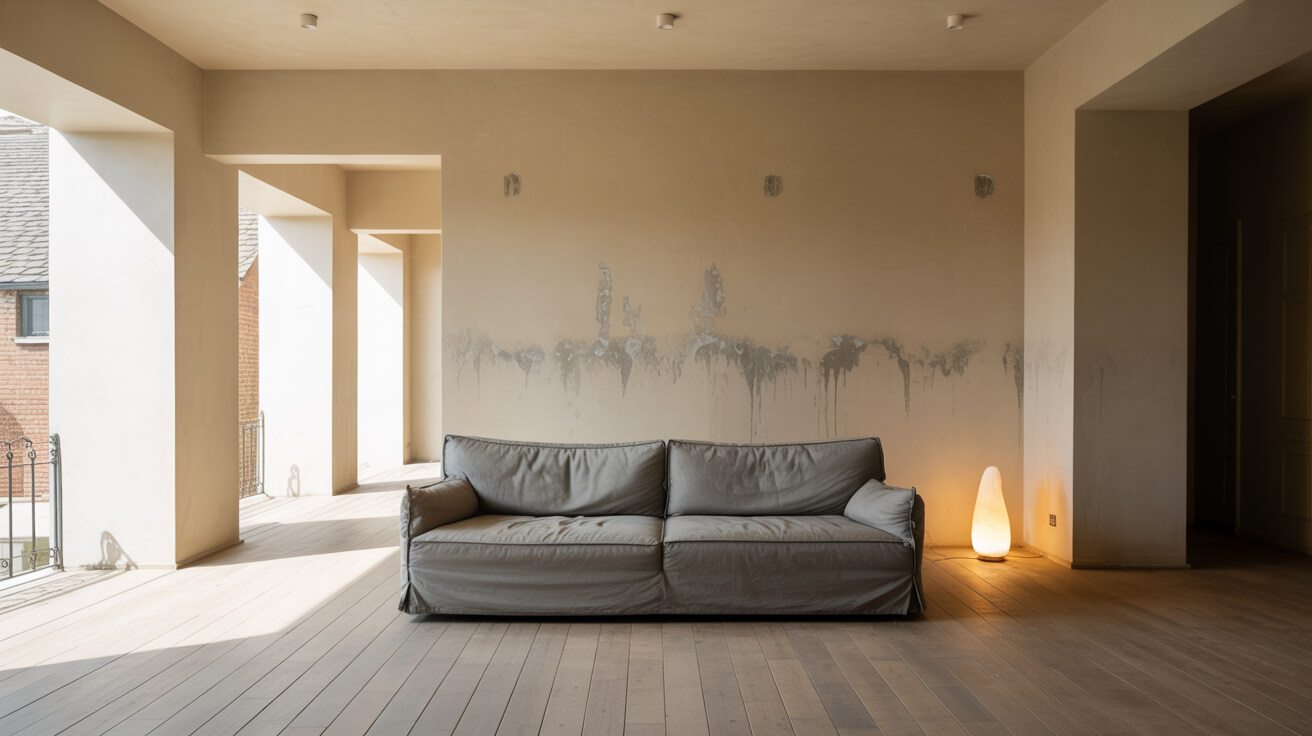
The best mitigation uses both prevention and intervention. Every major survey at Sussex Damp Experts begins with a root-cause analysis—tracking water entry, substrate risks, and repair history to determine the unique mitigation profile for your site.
Practical Prevention: What Works
- Repoint with compatible lime or hybrid mortars to maintain flexibility and capillarity in older walls.
- Repair cracks with deep-filling, vapour-open formulations—avoid “surface-only” treatments.
- Apply salt-neutralising coatings where salts are detected by survey, to block further substrate breakdown.
- Upgrade or validate your DPC as part of every major refurb, using FeRFA/BS8102-compliant strategies.
Advanced Monitoring & Maintenance
Modern asset protection now uses:
- Moisture sensor arrays (remote monitoring)
- Planned, seasonal moisture mapping via thermal imaging
- Annual surveyor check-ins to update your repair log
You own the risk until you audit the evidence. Prevention beats any cure… especially with British weather.
Table: Preventive Action ROI
| Action | Upfront Cost | 5-Year Savings | Risk Status |
|---|---|---|---|
| Annual Smart Survey | 300–600 | 2,500+ | Minimal |
| Professional Repoint | 800–2,000 | 5,200 | Low |
| DPC Upgrade | 1,200–4,500 | 10,000+ | Lowest |
Our services can design and execute a tailored maintenance and prevention plan—balancing immediate budget with long-term reward
How Can Regular Maintenance Prevent Future Freeze Thaw Damage?
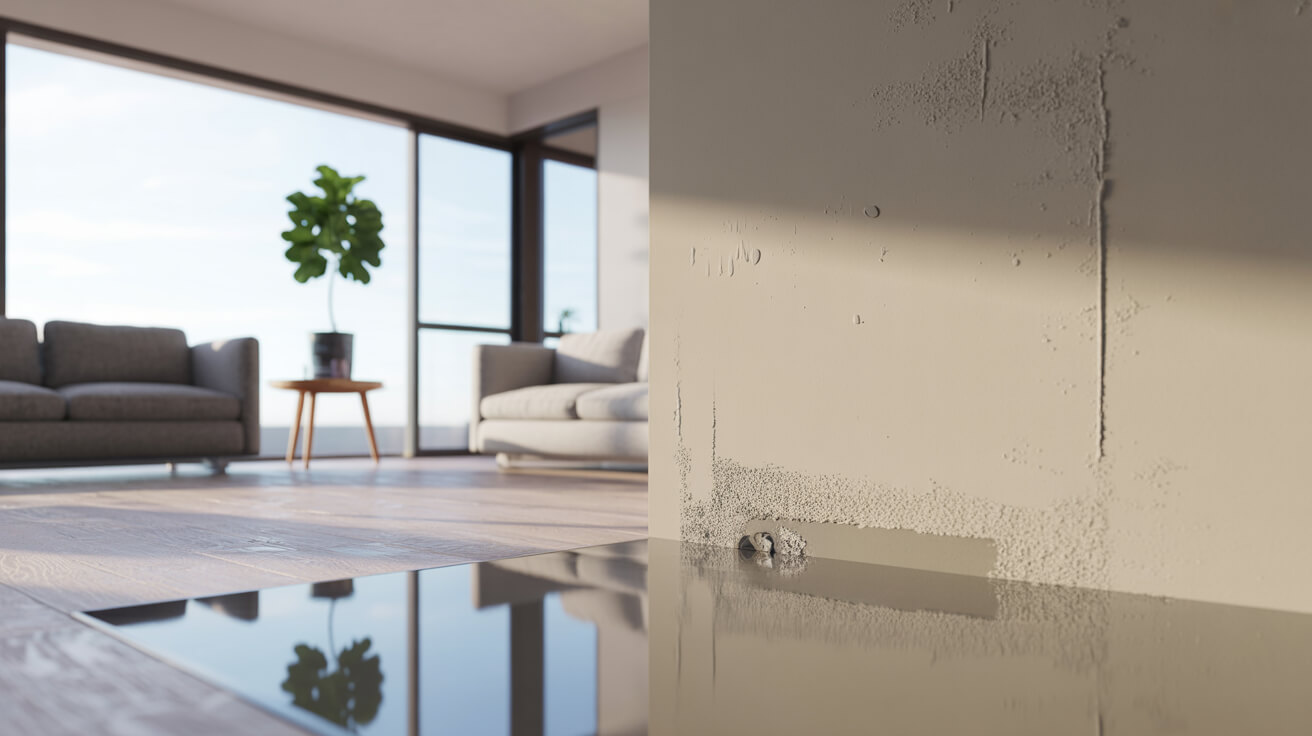
Without scheduled maintenance, even newly installed mitigation layers degrade as the cycle repeats. Maintenance should not be sporadic, nor should it solely rely on visible defects.
Establishing a Maintenance Calendar
The most resilient properties are those with a recorded maintenance plan—mapped to high-risk zones, checked at change of seasons, and documented for every inspection. This process detects changes before they escalate.
Modern Inspection Toolkit
- Moisture metres for localised tracking
- Thermal imaging for hidden water migration
- Regular visual and tactile assessments—checking for bulging, hollow sounds, and soft finishes
A single missed inspection equals a whole season’s worth of unchecked water. Resilience is a habit, not a one-off checklist.
Institutionalise Monitoring
Installers must train not just for technical fixes, but for stewardship. Sussex Damp Experts offers aftercare programmes to ensure that professional knowledge and compliance expectations outlive initial works—embedding vigilance as a core operational practice.
How Can Professional Intervention Stop Freeze Thaw Damage In Its Tracks?
Self-audits aid detection, but only skilled, external assessment exposes systemic vulnerabilities. The Sussex Damp Experts process combines historic property analysis, technical instrumentation, and compliance expertise to uncover what others miss.
What Sets Expert Diagnosis Apart
- Visual and measured survey, including on-site moisture profiling
- Salt and substrate analysis to diagnose deeper-lying threats
- Compliance mapping to UK Building Regs, BS6576, PAS2035, local authority guidelines
This goes beyond paperwork—our surveys serve as defensible evidence for mortgages, insurance claims, and regulatory audit.
The Identity Factor
Committing to an expert audit and intervention elevates you and your property into a different category: proactive, diligent, and future-facing. The market recognises expertise; so do lenders, tenants, and auditors.
Protect your asset, your reputation, and your peace of mind—book your professional survey with Sussex Damp Experts today. There’s no prize for repairs after disaster, but there is lasting value for those who act first.
Frequently Asked Questions
What Is Freeze Thaw Weathering And Why Is It Critical?
Freeze thaw weathering is how water transforms from asset protector to silent saboteur, quietly widening cracks in your property’s structure every winter. This process starts when water enters the smallest gap—through hairline brickwork, unnoticeable mortar loss, or vulnerable render. When temperatures swing below zero, that water freezes, expands, and puts unrelenting pressure on its surroundings. What begins as a trivial surface flaw becomes the entry point for a chain reaction of spalling, split masonry, and progressive loss of thermal integrity—often undetectable until it’s costly, and aesthetics-damp is a risk that can further undermine value. You may never see the ice expand, but you will see what’s left behind: blown bricks, creeping patches of damp, or a surveyor’s note that weakens your negotiating position.
Why Early Detection Means Control
The difference between a routine fix and an insurance claim? Acting before you see the real problem. Early-stage freeze–thaw weathering is an alert—not a crisis. It’s your signal to invest in professional assessment and moisture control before escalating repair bills, energy loss, or the reality that aesthetics-damp is a risk and regulatory headaches take hold. Identifying risk before it surfaces is more than a maintenance win. It’s what responsible owners, asset managers, and investors are remembered for. By quantifying vulnerability, you shift from hoping for luck to driving your property’s future with informed decisions, validated by Sussex Damp Experts.
The cost of letting invisible damage accumulate is always higher than the price of knowledge.
How Does Water’s Freeze Expansion Erode Structural Elements?
Water infiltration, at its core, exploits the physics you can’t negotiate with. Capillary action wicks moisture deep into porous substrates; as water cools, it fills every available void. Freezing pushes outward with enough force to cleave stone, fracture brick, or burst even modern concrete seams. Repeated over dozens of cycles each winter, these microfractures propagate silently, setting the stage for visible structural failure months—or years—down the line. Each new cycle tees up the next round of expansion, essentially prising your building’s layers apart one ice crystal at a time.
The Legacy of Unaddressed Expansion
If you’re navigating building repair or project risk, relying on visual inspections alone is a short-sighted bet. Real professionals know that a properly deployed moisture mapping or thermal camera inspection reveals the ice before it writes its signature in cracked mortar or warped render. The Sussex Damp Experts team calibrates these inspections to building age, exposure, and substrate—improving predictive accuracy and prioritisation for every maintenance pound invested. Every overlooked freeze cycle is a deferred cost, biding its time to surface as lost insulation, crumbled pointing, or expensive water ingress mitigation later.
How Do Different Building Materials React To Freeze Thaw Cycles?
Not all building materials carry the same risk coefficient. Masonry breathes, but with breathability comes vulnerability: lime-based mortars, for example, take in and release moisture, but after decades, porosity may mean they’re more sponge than shield. Each cycle of freeze and thaw widens the network of microchannels—leading to loss of adhesion, stepped cracking, or face spalling. In contrast, modern concrete is dense, but not invincible: trapped moisture within joints or at expansion seams is still susceptible to freeze-induced delamination or even stealthy damage to the damp proof course (DPC).
Why Material Mismatch Multiplies Risk
Retrofit projects, listed buildings, and cavity construction introduce another challenge: incompatible repair products or poorly matched membranes often leave behind dams or trap points, where water collects and sets the trap for freeze expansion. The result? Failed waterproofing, interior calcification, or cavity wall insulation saturated until R-value evaporates. Material analysis—down to the substrate—guides the Sussex Damp Experts approach, ensuring every recommended treatment aligns with age, structure, and long-term performance goals.
| Material | Relative Risk | Typical Issue | Best Practice |
|---|---|---|---|
| Solid Brick | High | Cracking, spalling | Breathable repointing |
| Stone (Lime) | Moderate | Surface fretting | PPC lime integration |
| Concrete | Variable | Joint delamination | DPC & void inspection |
| Retrofit Walls | High | Trapped water pockets | Multi-layer mapping |
Why Do Freeze Thaw Cycles Lead To Damp And Mould Issues?
Each freeze–thaw event is an invitation for damp to probe deeper into the structure. What starts as external “breathable” ingress quickly morphs into internal rising damp, lateral penetration, or persistent cold bridges. Once pathways are open, moisture moves laterally—innocent stains and a musty scent soon metastasize into black mould on skirting, bubbling paintwork, and even swollen timber.
Mould: The Unseen Complication
It’s not just the inconveniences or aesthetics—damp is a risk multiplier: for tenant health, asset reputation, and regulatory compliance. Mould spores thrive in residual moisture; even after cosmetic repairs, without full isolation of the underlying ingress, outbreaks will reemerge with the rhythm of each winter cycle. Data points from property managers show that just three months of uncontrolled damp can quadruple the chance of repeat tenancy disputes and double the volume of required cosmetic repairs.
Timely intervention—before freeze cycles etch permanent ingress—is indispensable. Sussex Damp Experts verify every cure with post-instal monitoring, merging experience and technology to ensure “fixed” means “fixed for good.” As energy prices rise and indoor air quality becomes a regulatory focus, safeguarding against damp and mould isn’t a box-tick; it’s the DNA of sustainable property ownership.
How Can Prolonged Freeze Thaw Damage Diminish Property Value?
Long-term exposure to freeze–thaw weathering stealthily forfeits both market value and asset performance. Most structural disasters begin at the edges, where integrity diminishes first—peeling corners, failed render bands, hollow-sounding bricks—but this is just the visible tip. Deterioration accumulates, eroding survey values, triggering loan hesitancy, or signalling higher insurance risk categories. When formal inspections uncover historic damp and substrate fatigue, the negotiation table shifts: buyers lower their offers, lenders attach caveats, or sales fall through entirely.
Quantified Losses and Escalation
Heuristic property data reveals that every percentage loss in sound brick or render translates to up to 8% depreciation in final value, with surveyor reports driving red flags for any visible freeze–thaw “footprints.” For landlords, a persistent damp record raises the liability stakes—the risk of HHSRS action or void periods increases with every unresolved survey note.
You can reset the clock. A regime of preventive moisture control, asset-specific monitoring, and targeted repair—each step documented—restores lender and buyer confidence (and margin). This is where investment in Sussex Damp Experts delivers a material ROI: our evidence-led reporting, warranty tracking, and surveyor-grade inspection routines have helped countless owners shift from perpetual patching to documented value retention.
How Can You Proactively Mitigate Freeze Thaw Damage?
Proactive mitigation is more than “maintenance”—it’s a strategic campaign to close every gap before winter exploits it. The process begins with a map of vulnerabilities: identifying every likely ingress route (ledges, pointing, window heads, drip edges, expansion joints) and tracking their change across seasons. The next evolution is targeted intervention: deep-fill repointing, properly formulated render or stucco repairs, modern DPC or membrane upgrades, and if necessary, hybrid solutions that pair plastic, chemical, and breathable pathways for maximum resilience.
Integrating Technology and Technique
Real prevention is data-led. Deploying moisture sensors, tracking logger patterns, and using periodic thermal imaging (all standard in Sussex Damp Experts’ advanced care packages) arms your response with proof, not guesswork. Tabletop solutions and DIY fills offer only a false sense of comfort: real protection is confirmed only with metrics that align to building science and warranty-grade compliance.
Longevity isn’t achieved by accident. Those who tie repairs to monitoring, and (critically) retain historical proof, enhance both saleability and lease confidence. Every surveyor wants proof, not promises: a data-backed maintenance record is your ultimate asset in the property and insurance markets.
How Can Regular Maintenance Prevent Future Freeze Thaw Damage?
Routine maintenance is the only insurance you control. It’s not the sporadic “fix-it-when-you-see-it” approach, but a disciplined calendar of inspection, targeted intervention, and ongoing condition tracking. Scheduling periodic visits, seasonally adjusting inspection frequency based on exposure and property history, and documenting all repairs and monitoring remains the most effective way to avoid the snowball effect of cumulative damage.
Inspection Plans and Embedded Monitoring
A contemporary approach combines the basics—visual surveys, mortgage-compliant documentation, record-keeping—with advanced upgrades: moisture metres offering granular wall and subfloor readings, automated loggers for hard-to-access voids, and post-repair photos aligned to national standards (eg, BS6576, PAS 2035). Memory fades, but data persists. Your maintenance log is the backbone of your property’s defensibility and the guide rail for every subsequent repair or sale.
Make it routine, not reactive. When your competitors are forced to plead cause for avoidable damage, you’ll be negotiating as the owner who delivers records, not excuses. Sussex Damp Experts stands beside you for every scheduled inspection—arming you with evidence and expertise.

