
 By
By  February 10, 2023

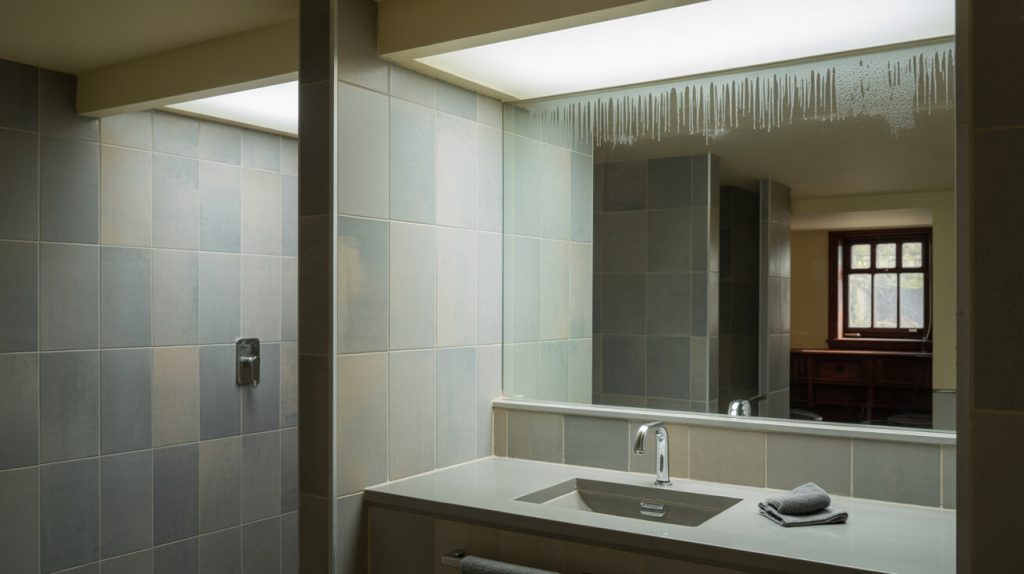
How Do You Recognise Early Signs Of Damp In Bathrooms?
Early detection is your edge when it comes to persistent bathroom damp. If you’ve started to notice recurring patterns—repainted areas flaking too soon, black specks reforming in silicone, a musty odour that lingers in the air even after cleaning—these are signals your property demands intervention, not just surface attention.
Early Indicators That Signal Action Is Needed
- Black or dark mould along silicone or grout: (often returns after cleaning)
- Peeling or bubbling paint on lower walls: or behind the toilet
- Persistent damp smell: that survives ventilation
- Fine salt crusts or tide marks: forming near baseboards or window recesses
- Condensation that pools rather than dries: anywhere in the bathroom
While a brief window of fog after a hot shower is expected, bathroom surfaces that never truly dry, or areas where a finger pressed against the wall feels cool and slightly sticky, highlight deeper issues.
The signs you ignore today are the repairs you can’t avoid tomorrow.
Diagnosing Symptoms Across Building Types
Owners of heritage or solid-wall homes often confront subtle, rising damp—small white powdery salts on plaster, localised peeling, or irregular damp edges following heavy rain. In modern properties, poor ventilation or failed extractor operation causes condensation, instantly evidenced by glass that beads, grout that darkens, and recurrent mould outbreaks.
| Symptom | Implied Cause | Severity |
|---|---|---|
| Black mould in grout/corners | Condensation, poor ventilation | Moderate |
| Salt efflorescence (white powder near sills) | Rising/hygroscopic damp, failed DPC | High (heritage) |
| Peeling/flaking paint (lower wall) | Persistent moisture, failed moisture barrier | Moderate |
| Soft or crumbling skirting boards | Penetrating damp or rising damp | High |
If symptoms persist despite improved cleaning or ventilation, you can prevent escalations by consulting specialists with the tools to diagnose, not just treat, the visible effects.
What Causes Damp Build-Up In Bathroom Environments?
Damp Diagnosis Quiz
- 1 Location
- 2 Appearance
- 3 Timing
- 4 Pattern
- 5 Results
Most Likely Diagnosis
—
—
What Is This?
—
Recommended Next Steps
Confidence Breakdown
This quiz provides general guidance only. A professional survey identifies the exact cause and recommends the right treatment.
Book a Professional Diagnosis →Damp in bathrooms isn’t only a matter of frequent showers. It’s a consequence of compounded, often overlapping factors, many of which are tied to your building’s design, the materials used, and habits established over years.
Key Damp Sources in UK Bathrooms
- Condensation: Warm, moist air in contact with cold surfaces; frequent in poorly ventilated, well-sealed spaces.
- Penetrating Damp: Water ingress via cracked tiles, deteriorated external seals or pointing, or around poorly maintained windows.
- Rising Damp: Groundwater rising through masonry due to aged or breached damp proof courses, especially prevalent in heritage or pre-war properties.
- Leaks and Plumbing Issues: Persistent or slow leaks below baths or sinks, defective seals, or aged pipework.
- Ventilation Deficiency: Blocked or undersized extractor fans, missing trickle vents, or closed bathroom doors preventing airflow.
Pathways: How Moisture Moves and Lingers
Once inside, moisture migrates along the path of least resistance—settling first on cold, poorly insulated surfaces, then penetrating porous grout, unsealed timber, or cracks in plaster. This migration isn’t always visible; water can accumulate unseen until evidence appears in the form of soft floors, rusted fittings, or long-standing odours.
Building Type and Usage: Unique Risk Profiles
- Modern flats: Tend towards condensation; glass/tiles meet minimal airflow, making regular fan inspection essential.
- Victorian/Solid-walled homes: More likely to face rising or bridging damp, especially if prior repairs covered original brick with impermeable materials.
A root-cause approach, not reactive fixing of symptoms, is the only proven way to achieve long-term control.
Why Is Bathroom Damp A Threat To Health, Value, And Legal Compliance?
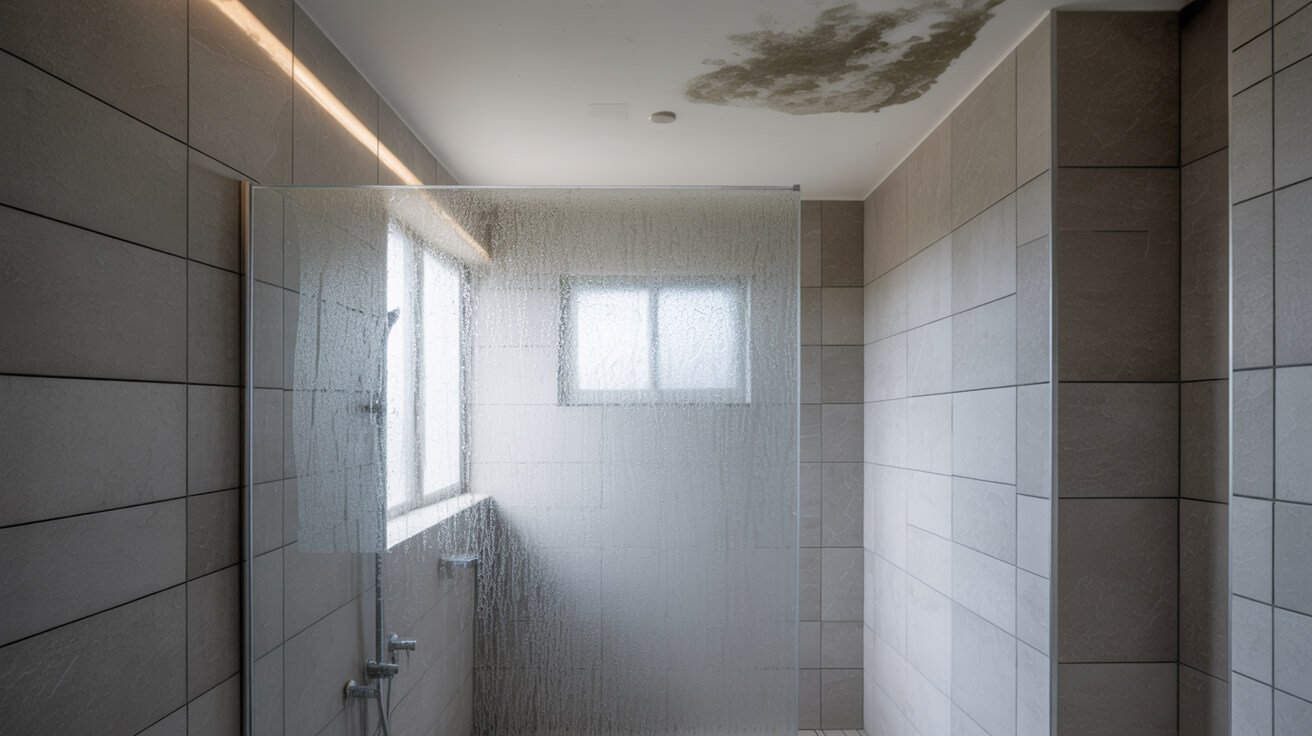
Bathroom damp isn’t a minor housekeeping failure; it’s a challenge to your health protection, asset preservation, and—especially for landlords—your compliance status.
Health: Beyond Superficial Irritation
UK research links persistent damp and mould to higher rates of respiratory issues, childhood asthma, and recurring allergies. Vulnerable populations—including young children, elderly tenants, or immunocompromised individuals—face amplified risks from even low-level exposures.
Ignoring moisture is gambling with health, not waiting out an inconvenience.
Value: The Financial Cost of Inaction
Surveyors regularly down-value properties with visible or detected damp conditions; hidden moisture or mould is a red flag for potential buyers and lenders alike. Historical claims analysis reveals that properties with a recorded damp or water ingress incident face substantially increased insurance premiums and longer selling cycles.
Table: The Downside Risks—Survey, Insurance, Law
| Issue | Consequence | Action Required |
|---|---|---|
| Damp noted on valuation | Mortgage approval complications | Specialist survey |
| Untreated moisture complaint | Refused insurance, claim denial | Professional fix |
| Repeat tenant complaints | Compliance breach, deposit loss | Documented solution |
Compliance: Landlords and Asset Managers
The Housing Health and Safety Rating System (HHSRS) mandates timely action on reported damp. Non-compliance—especially in HMOs or regulated rentals—invites fines, loss of licensure, and forced repairs. For heritage or listed stock, unauthorised repairs threaten not just the building fabric, but consent and asset legitimacy.
Tackling damp decisively is an investment in both peace of mind and the defensibility of your decisions under scrutiny.
Where Do Damp Issues Most Frequently Occur Within Bathrooms?

Damp does not distribute itself evenly. To safeguard your property’s integrity, check both obvious and hidden sites for known patterns of moisture accumulation.
High-Visibility and Concealed Problem Zones
- Grout Lines and Silicone Seals: Mould, blackening, flaking—especially after failed cleaning or resealing attempts.
- Window Frames and Sills: Condensation gathering on cold surfaces, swelling or peeling of paint.
- Lower Wall Corners and Floor Edges: Signs of rising damp, soft/mushy texture suggest hidden leaks.
- Under and Around Baths/Showers: Use an inspection mirror or engage professionals for areas not immediately visible.
- Ceilings Above Showers: Occasional moisture staining indicates ventilation inadequacy.
Multi-Occupant, Heritage, and Commercial Bath Spaces
Student lets, shared properties, and business settings typically reveal patterns of damage where cleaning is rotated and oversight falls between stakeholders. Heritage properties show telltale salt efflorescence or crumbling plaster, often after unsympathetic renovations blocking wall breathability.
| Location | Typical Failure Mode | Mitigation Checklist |
|---|---|---|
| Around tub/skirting | Seal failure, trapped splash | Probe with light tap; replace seals |
| Vent outlets/trickle vents | Blocked dust, inadequate extraction | Clear every quarter, consider upgrades |
| Pipe chases/voids | Slow or hidden leaks, condensation | Regular inspection or pro BORESCOPE |
Regular checks save council notices, lost deposit disputes, and the hidden escalation from minor neglect.
Consistent, methodical inspection—especially in risk-prone zones—prevents the escalation of minor moisture into major capital or legal headaches.
How Can You Prevent Damp From Occurring And Spreading In Bathrooms?

The difference between managing damp and defeating it altogether lies in planned prevention woven into your property’s daily and seasonal routines.
Sustainable Routines for All Property Types
- Post-Use Protocol: Open windows and doors immediately after showers; operate extractor fans for at least 20 minutes post-bath.
- Quarterly Essentials: Clean and inspect fans, check for dust and motor function; examine silicone and grout for softening or spread of mould.
- Periodic Upgrades: Apply vapour-permeable paints in heritage spaces; investigate sensor-driven fans in busy residential or commercial sites.
Upgrade Pathways: When Routine Isn’t Enough
- Retrofit passive or mechanical ventilation: for inadequately vented older homes.
- Renew/upgrade grout, tile, and perimeter seals: annually, especially before autumn/winter.
- Implement moisture monitoring: (sensors or manual tracking) in high-turnover or high-use properties.
| Prevention Task | Frequency | Applicability | Typical Impact Level |
|---|---|---|---|
| Vent absorbents/sachets | Monthly | All (esp. no extractor) | Moderate |
| Paint renewal | 3–5 years | Heritage, Commercial | High |
| Professional review | Annually | Rentals, high-use | High |
Maintaining strict prevention routines, adapting upgrades as usage or property types change, and documenting these actions is how proactive owners, managers, and agents build both physical resilience and a record of defensible care.
What Are The Best Solutions For Persistent Or Severe Bathroom Damp?

Not all damp responds to regular routines. For persistent problems, escalate to properly tiered interventions that prioritise long-term survival of your bathroom space.
Solution Tiers for Stubborn Damp
- Self-administered fixes: Mould sprays, routine sealant renewal, and increased manual ventilation.
- Professional investigation: Moisture metre mapping, borescope for hidden voids, external wall analysis for bridging damp.
- Advanced interventions: DPC injection, cavity tray fitting, structural corrections (brick, timber, membrane), official documentation for compliance/re-sale.
Compliance and Warranty DNA
Transactions—selling, renting, or remortgaging—often require you to provide proof of effective, warranty-backed damp work. Sussex Damp Experts supply both the technical solution and compliance paperwork needed by agents, lenders, and surveyors.
| Scenario | Solution Path | Documentation Benefit |
|---|---|---|
| Tenant complaint in HMO | Specialist survey & rapid fix | Defends deposit/avoids fine |
| Recurring damp in heritage home | Breathable repair, listed survey | Safeguards consent |
| Failed sale due to damp survey | Fast remediation, guarantee | Resale confidence |
If you encounter persistent symptoms after professional work or need to ensure code compliance, schedule a fresh, warranty-issued inspection and keep every step evidenced.
When Should You Engage A Professional Damp Proofing Specialist?

You reach a decision point when the cost and risks of experimenting exceed those of hiring certified expertise.
Key Escalation Triggers
- Persistent damp after all routine interventions
- Formal complaints (tenant, buyer, agent) or incoming compliance checks
- Damp discovered in pre-listing or surveyor reports
- Heritage/listed or regulatory property where specialist documentation is required
Expertise vs. Uncertainty
Professionals bring more than tools—they decode conflicting moisture patterns, apply evidence-based interventions, and supply legal and insurance-ready documentation. For landlords and portfolio managers, professional intervention is not optional; it is a requirement for lawful, loss-averse practice.
Act before delay enforces your decision—and before the costs become legacy rather than a fix.
Once direct experience suggests repetition or uncertainty, committing to expertise is the only action that protects your asset, time, and compliance reputation.
Book Your Free Consultation With Sussex Damp Experts Today
Resolve uncertainty and retake control. Sussex Damp Experts stands behind your property with diagnostic certainty, clear reporting, and remediation that’s recognised by the authorities, lenders, and insurers you depend on.
Every inspection or fix is designed to move your asset out of recurring repair, avoid future regulatory intervention, and build lasting value—whether you own a family home, heritage asset, HMO, or commercial office. Secure your compliance, protect those who reside or work within your buildings, and close the loop on bathroom damp with a single, commitment-free consultation.
Our team’s job isn’t done until your bathrooms are genuinely protected—warranted, documented, and compliant. Don’t wait for the next complaint or failed survey to define your story. Make your next decision the one that sticks.
Frequently Asked Questions
How Do You Recognise Early Signs Of Damp In Bathrooms?
Damp reveals itself through a sequence of subtle warnings—if you know where and how to look.
Unmasking Early Warning Signals
You might notice a faint musty scent after every shower, or detect flaking paint that starts near the skirting and slowly invades the wall’s surface. Black specks or greenish fuzz at the edge of silicone or grout are the bathroom’s first plea for help. Condensation forming overnight on windows, even in mild weather, suggests trapped humidity far beyond normal use. Sometimes it’s the paint that never seems to dry, or sealant that quickly discolours even after attentive cleaning—these are red flags, not mere cleaning chores.
- Soft plaster, cool patches or hollow sounds: on lower walls point to moisture hidden deeper within the substrate.
- Swollen or rotten skirting, warped trim, or repeated need for fragrance: reveal underlying damp, not lifestyle.
- Salt crystals (“efflorescence”) or brownish tide marks: signal migrating moisture, often from below or behind tiles—especially in solid-wall and older properties.
| Visual Cue | Underlying Message |
|---|---|
| Persistent black mould | Poor ventilation, excess humidity |
| Peeling, bubbling paint | Moisture migration or leaks |
| Salt deposits, tide marks | Rising or penetrating damp |
| Musty odour after airing | Ongoing hidden moisture |
Why Overlooking “Minor” Clues Costs More Than Time
Tiny, persistent changes are the early tremors of a bigger structural threat.
Even experienced landlords or seasoned property owners are caught off-guard by the pace at which these signs accelerate. Tenants report “mould keeps coming back,” managers wonder why air fresheners can’t mask the must, and homebuyers are startled by what a damp survey uncovers that daily use disguised.
Acting at the first sign of change—whether it’s a new softness underfoot or that black corner fighting bleach for dominance—means protecting health, maintaining property value, and avoiding costlier repairs later. When in doubt, consult Sussex Damp Experts for a damp survey that reads deeper than the visible surface, safeguarding you against unwelcome surprises.
What Causes Damp Build-Up In Bathroom Environments?
The cause of bathroom damp is never just “too many showers”—it’s the sum of design, habit, climate, and building history, multiplied by neglect.
The Science and Strategy of Moisture
Every wet room is a microclimate: hot water, cold tiles, humidity-laden air, and a constant battle between evaporation and accumulation. Condensation starts when moist air hits cooler glass, tile, or wall. If your extractor fan is weak, windows stay closed, or trickle vents gather dust, vapour lingers and slowly seeps into grout, plaster, and joints.
Yet, there’s seldom a single culprit:
- External Causes: A cracked brick, failed gutter, or decayed seal lets rainwater enter walls, quietly feeding damp even on dry days.
- Groundwater: Many Victorian or solid-wall homes lack an effective damp proof course, channelling moisture upward by capillary action. Bathrooms at ground or basement level are especially vulnerable to this invisible advance.
- Plumbing Faults: A slow trickle under a bath, failed sealant around a waste pipe, or undetected pinhole leak beneath a tiled floor can create “invisible puddles” that feed microbial activity for months.
- Material Mismatch: Applying cement render, modern tanking, or even “waterproof” paint to old lime or solid walls blocks drying from below or within, forcing water and salts sideways and sometimes making the original problem worse.
Decoding Complex, Multi-Layered Damp
Bathroom upgrades or new insulation can disrupt airflow, changing how and where moisture settles. Poorly specified extractor fans (underpowered for room volume, not left running post-use) turn your routine into a test—one you can fail slowly, one drop at a time.
- Cross-check symptoms: is paint flaking evenly, or only in one area? Are window frames dry or persistently damp? Do black spots show up in one corner or spread across surfaces?
- Validate every fix: if your cleaning and venting routine has failed before, go upstream to the root source with professional inspection.
Quick fixes create the illusion of control. True diligence means viewing your bathroom as a living system: understand the source, and you avoid a cycle of endless repair.
Why Is Bathroom Damp A Threat To Health, Value, And Legal Compliance?
Bathroom damp undermines health, erodes equity, and signals regulatory weakness—far before it undermines structure.
The Overlooked Impact: Health, Wealth, and Obligation
Ongoing damp is a vector for airborne pathogens and persistent respiratory complaints. Vulnerable family members suffer most: NHS and WHO data draw strong links between chronic damp, recurring asthma, and suppressed immunity. The impact isn’t visible until the youngest or most at-risk occupants show symptoms—the price of delay is measured in missed workdays and GP visits, not cleaning bills.
- Structural Value: Untreated, damp rots joists, decays floorboards, and warps plasterboard, quietly turning a cosmetic complaint into a construction contingency.
- Asset Devaluation: A flagged damp patch in a buyer’s survey, surveyor’s report, or insurance inspection reduces property value on paper and delays sales months or years. Fewer fixes get more expensive with every surveyor that finds and flags new evidence.
- Regulatory (Landlord & Manager Risk): For landlords and property managers, letting a damp property quickly triggers HHSRS action or deposit disputes where tenants provide evidence of persistent neglect. Local authorities have the teeth to fine, force, or even block your property from use—whether you operate a single let or a commercial site.
| Damp Issue | Impact Angle | Downstream Effect |
|---|---|---|
| Recurring black mould | Health/legal | Tenant/occupant risk, deposit loss, fine, litigation |
| Soft timber, salt, or stains | Value/compliance | Devaluation, survey insurance block, forced works |
| Damp flagged in survey | Transaction | Sale delay, mortgage retainer, buyer withdrawal |
Why Waiting Dictates Your Reputation
The fastest way to lose a buyer or trigger council action is to let damp go unresolved on your record.
Guard your future by treating visible and reported damp as urgent, not routine. Sussex Damp Experts document fixes in a way buyers, insurers, and local authorities recognise—providing reassurance that’s provable, not just visible.
Where Do Damp Issues Most Frequently Occur Within Bathrooms?
Moisture may show up anywhere, but it hides in predictable places—the easiest missed are often the most expensive to neglect.
Deep Dive into Hidden and Overlooked Trouble Spots
The most damage isn’t always in plain sight. After every shower or bath, grout lines around shower trays and bath edges trap moisture. Discolouration at the base of walls or door frames rarely dries out—a sign that water isn’t just running, but staying.
- Check under baths and behind vanity units: Use a torch or compact mirror to look for streaks of staining, small pools, or white salts.
- Inspect skirting and trims: Press for soft spots or give a gentle tap—any hollow or damp feel is a warning.
- Gaze up: Corners of bathroom ceilings, especially above showers, collect condensation that signals failed extraction or insufficient insulation.
- Survey window reveals and sills: Persistent dampness, swelling wood, or peeling paint point to ongoing airflow blockage or a failed seal.
- Map down: Ground floor bathrooms, basement suites, or below-ground spaces are especially vulnerable to rising damp—tide marks or brownish stains along lower walls forecast deeper risk.
| Location | Risk Factors | Inspection Pro Tip |
|---|---|---|
| Around bath/shower tray | Splashes, poor sealing, ageing grout | Wipe, shine, and press |
| Skirting, trims | Capillary/drawn leaks, spills | Tap lightly, check give |
| Ceiling corners/above bath | Bath steam, under-ventilation | Look for microcracks |
| Window reveals/sills | Trapped humidity, seal failure | Watch for swelling, flakes |
| Pipe chases/boxed voids | Leaks, trapped water | Infrared temp gun/borescope |
The Complacency Paradox
Many property managers trust their cleaners to notice problems; most recurring damp is first seen by a new tenant, a surveyor, or your insurer—not your maintenance team.
Prevention always starts with familiarity: annual professional checks are a shield against silent escalation. Habit is good—expertise is better.
How Can You Prevent Damp From Occurring And Spreading In Bathrooms?
Damp is an accumulation of missed routines and misunderstood upgrades—a robust prevention strategy requires both.
Habit-Stacking and Smart Upgrades
- Ventilate Actively: Run extractor fans with humidity sensors; keep windows open after every shower, even in winter.
- Inspect and Renew Seals: Don’t let a softened bead of silicone or a cracked grout line become a seep route for months.
- Wipe Surfaces: Remove residual water from tiles, floors, and window sills, especially in rooms with young children or elderly occupants.
- Quarterly Fan and Vent Checks: Dust and debris defeat even the best fans—make it part of your scheduled to-do’s.
- Material Matters: Use only vapour-permeable paints on old or solid walls, and respect the difference—blocking “inside” moisture is not the same as stopping rain.
- Upgrade Intelligently: If you’re adding insulation or upgrading, always check the impact on airflow and moisture egress before making changes permanent.
| Preventive Routine | Benefit for Owner/Manager | Failure Consequence |
|---|---|---|
| Open windows/fan after use | Condensation dispersal | Recurring hidden damp |
| Seal/grout maintenance | Blocks seepage, easy DIY | Capillary growth, decay |
| Annual damp inspection | Early risk flagging | Costly future repair |
| Materials: vapour-permeable | Historic design compatible | Internal moisture traps |
| Tenant education | Reduced complaints, compliance | Ongoing liability |
When Being Proactive Pays Back
Simply “doing more” is often less effective than doing the right things: a proactive, holistic care plan divides the cycle of reactivity. If revision fatigue or confusion over best practice sets in, it’s wise to get a tailor-made prevention schedule from Sussex Damp Experts—calibrated to your property specification.
What Are The Best Solutions For Persistent Or Severe Bathroom Damp?
Persistent bathroom damp isn’t stubborn—it’s a system that’s been given every chance to fail.
Strategy, Not Just Tactics: The Tiered Resolution Map
- Upgrade extraction.: If basic cleaning isn’t enough and the fan no longer does its job, modern replacements cut stubborn humidity by up to 70% (according to industry studies).
- Reinforce seals and grout.: Regular resealing coupled with high-resistance grout—especially anti-fungal, moisture proof—prevents recurring surface spread.
- Diagnose at depth.: When issues return, insist on moisture mapping, borescope, or salt testing to confirm (not guess) source and migration paths, particularly in older or extended layouts.
- Suit your property: Listed or heritage homes require breathable, conservation-qualified approaches; modern tanking, cement, or waterproof paints are typically the enemy (not the solution) here.
- Professional damp proofing.: For rising or penetrating damp, consider DPC installation or renewal, internal membrane systems, or, for commercial sites, cavity drains. Insist service includes a warranty and compliance-grade reporting.
| Symptom/Finding | Best-Fit Solution | Value Proof |
|---|---|---|
| Black mould recurrence | Humidity/ventilation upgrade | Usage data, warranty |
| Tide marks, salt | DPC/membrane, breathable coat | Surveyor/insurer approval |
| Musty, slow drying | Infrastructure, inspection | Pre/post remediation data |
For the Ambitious: Systematic, Documented Victory
Sustainable bathroom repair isn’t about a single fix—it’s about taming every variable, tracing every leak, and securing proof.
The most forward-thinking landlords or renovation leaders commission a Sussex Damp Experts survey and demand a fully mapped, compliance-validated solution plan. That’s the signature investors, buyers, and agents respect—and the move that elevates your property to a class of its own.
When Should You Engage A Professional Damp Proofing Specialist?
Escalation is not giving in; it’s taking ownership before failure is forced upon you.
The Real Triggers for Expert Intervention
- Repetition: Two rounds of failed DIY or professional temporary fixes—same issue, same area.
- Emergence: Any new stain, odour, or decay appearing suddenly or spreading rapidly.
- External Risk: Damp notes in property surveys, insurance renewals, or tenant inspection reports.
- Obligation: Regulatory compliance for landlords, HMO, commercial, or heritage property—delayed action equals risk.
Expertise Delivers More Than Repair
Accredited specialists don’t just diagnose; they offer survey-backed, compliance-grade solutions and documentation recognised by your buyers, tenants, and insurers. The right report certifies your diligence, turns doubt into assurance, and positions your asset in the most defensible, future-friendly posture.
| Escalation Scenario | Professional Value Add |
|---|---|
| Recurrent repair fail | Fresh perspective, root-cause |
| Insurance denied claim | Compliance-level proof |
| Pre-sale, pre-let risk | Buyer/tenant confidence |
| Heritage/listed asset | Consent, legacy preservation |
Leadership is owning problems before they define your reputation or compromise your asset.
Take decisive action, elevate the value of your decision, and let your next move enhance your standing—not just patch a symptom.

