
 By
By  April 15, 2022


Damp Proof Courses: Master Moisture Control for Property Preservation
Proactive moisture control protects more than finishes—it upholds property value, keeps occupants safe, and ensures that every survey or audit lands on the right side of compliance, which is why damp treatment ROI matters in practical terms. A well-executed damp proof course (DPC) is the “hidden specification” that underpins lasting property integrity and minimal future cost, especially in climates and building stocks where water always finds a way in. If you manage property, build for others, or simply demand certainty that your investment remains defensible, keeping structural damp at bay is not optional—it’s the baseline for responsible stewardship.
You don’t spot neglect at the surface. You discover it in the costs nobody sees coming.
What Is a Damp Proof Course and How Does It Work?
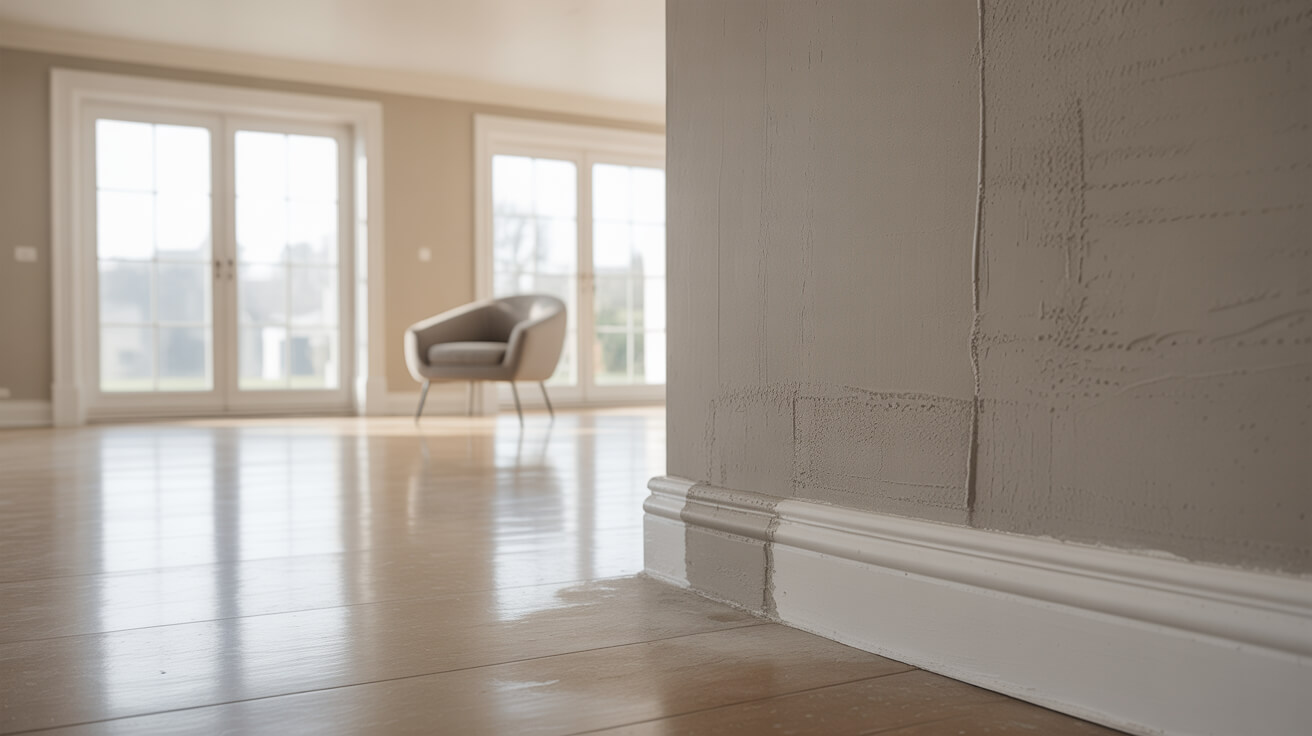
A damp proof course is a horizontal moisture barrier set inside masonry, designed to block the upward movement of water from ground to wall and finish. Its primary function is to prevent capillary action—the invisible syphoning of water through pores in brick, stone, or concrete—which otherwise causes plaster decay, visible efflorescence, and mould. This core mechanism interrupts the “wick effect” at its origin, denying water the opportunity to rise and accumulate where it damages the most.
Key Science and Regulatory Foundations
- Capillary action: In porous substrates, water defies gravity, moving upwards. DPCs use impermeable or water-resistant layers to sever this chain.
- Traditional materials: Slate and engineering brick have been standard for over a century; modern polyethylene sheets and creams offer easier installation and greater chemical stability.
- Key standards: BS6576 and PAS2035 outline the diagnostic methods and compliant materials, required for mortgage, insurance, and social housing projects.
Direct Reference Table (Material Comparison)
| Material | Capillary Block | Instal Ease | Retrofit Suitability | Lifespan |
|---|---|---|---|---|
| Slate/Brick | High | Low | Poor | Decades+ |
| Polyethylene | Very High | High | Excellent | Decades+ |
| DPC Cream/Resin | High | Highest | Excellent | Decades+ |
How Do Damp Proof Courses Function Effectively in Modern Construction?

Modern DPC effectiveness depends on three factors: the right material, proper installation, and precision diagnostics before, during, and after the job. Poorly applied or bridged barriers, even if technically compliant, often fail within years, making investment in proven technique non-negotiable.
Precision in Practice
- Pre-installation: Away from guesswork, moisture metres and salt tests identify the real source, not just symptom, of wall dampness.
- Installation: Depth, overlap, and continuous seal are enforced by detailed protocol. For new builds, DPCs are integrated at the correct brick course and never breached. In retrofits, attention to prior layers and new bridging risks (renders, soil levels) is critical.
- Post-instal verification: Thermal imaging and repeated moisture tests months later confirm success; no ‘fit and forget’ allowed.
Why Are Damp Proof Courses Essential for Protecting Property Integrity?

Moisture destroys value. Even periodic mild damp can shave 10–15% off sales prices, void insurance claims, or delay refinancing. More than cosmetic, uncontrolled ingress warps timbers, undermines mortar, and often violates tenancy law or lending criteria.
Beyond the Reactive Repair Cycle
A well-specified DPC is protection by design. It acts as a permanent, invisible safeguard that maintains wall and substrate performance.
- Legal and compliance assurance: Satisfies BS6576, PAS2035, and Building Regs Part C.
- Economic rationale: Reduces frequency and cost of redecorating, avoids health risk disputes, and eliminates the knock-on effect of hidden mould.
- Risk transfer: Moves liability from “unexplained” future damp to a traceable instal action—documented and auditable.
Where and When Should Damp Proof Courses Be Installed for Maximum Benefit?
Success depends on more than timing. A DPC added 150mm above external ground is the minimum in almost all contemporary and refurbished builds, but optimal placement varies with wall construction, history, and external conditions.
Guidance by Property Type
- New builds: Instal in the first brickwork layers—never after the fact.
- Heritage and Complex Sites: Adhere to conservation-appropriate methods (lime-compatible, non-barrier approaches when required). Avoid sandwiching vapour-impermeable layers in breathability-dependent walls.
- Refurbishment/Retrofit: Always remove or deeply inspect existing finishes. Only intervene after diagnosing why any previous DPC failed.
Periodic assessment is vital; Sussex Damp Experts document each step and adjust for real-world conditions, not just code book ideals.
Insight: Installation mistakes are cheaper to correct before secondary layers return. Skipping scrutiny here ensures repeat call outs and client frustration later.
What Are the Common Failure Modes and Challenges in Damp Proof Course Installations?

Most DPC failures occur when documentation, material choice, or context are rushed. Patterns emerge:
- Bridging: Raised garden beds, misaligned plaster, or render overrun bypass the barrier.
- Installation shortcuts: Skipping depth verification, using incompatible resins, or incomplete overlap.
- Post-works neglect: Soil, paving, or interior fit-out tweaks raise levels, undoing careful work.
Red Flags and Early Signals
- Persistent damp at 200–300mm, even after treatment.
- Horizontal tide marks suggesting “bridged” rather than absent DPC.
- Salt efflorescence in patterns matching skirting or previous interventions.
Sample Monitoring Cadence
| Action | Frequency | Rationale |
|---|---|---|
| Moisture metre check | Bi-annually | Catches seasonal/hidden ingress |
| Soil/ground assessment | Annually | Ensures no external bridging risk |
| Visual finish inspection | Annually | Early catch for paint/plaster lift |
Sussex Damp Experts integrate long-term DampCare™ logs for all monitored sites—anticipating breakdowns before new tragedies are cemented in place.
How Do Traditional Methods Compare with Modern Damp Proofing Solutions?

Confidence in old methods lingers: slate and brick DPCs, lead sheets, cement renders. While these work when untouched and installed perfectly, they’re all but obsolete for compliance, cost, and retrofitting. Polyethylene sheets, injection creams, and resins now set the standard for adaptable, documentable, and physically superior performance.
Comparison Table: Old vs. New
| Criteria | Slate/Brick/Lead | Polyethylene/Resin |
|---|---|---|
| Retrofit suitability | Low | High |
| Compliance fit | Fair (legacy builds) | High (BS6576, PAS2035) |
| Lifespan | Variable, maintenance-heavy | Decades with minor checks |
| Risk of bridging | Very high | Low (if installed correctly) |
Insight: Modern DPCs, when installed according to evidence and protocol, outlast the financial cycle of most building owners—and provide clear, auditable provenance.
How Can Diagnostic Tools and Compliance Standards Optimise Damp Proofing Performance?
Process and outcome improve every year as diagnostics evolve. Sussex Damp Experts employ multi-tool verification and always issue documented compliance for mortgage, letting, and insurance needs.
Key Diagnostic Tools Defined
- Moisture metres: Track readings beneath visible finishes—critical for accurate risk mapping.
- Infrared/thermal imaging: Exposes sub-surface cold spots or moisture pathways unsuitable for visual inspection.
- Salt/protein testing: Differentiates between active water ingress and legacy damp.
Continuous Compliance as a Service
Initial compliance is only half the job; scheduled audits and reporting deliver long-term assurance to anyone holding or managing the property.
- Evidence logs reassure future buyers and lenders.
- Social housing landlords preempt HHSRS risk.
- Homeowners protect both health and asset.
When property managers care about what’s below the surface, they avoid above-the-line regret.
Book Your Free Consultation With Sussex Damp Experts Today
Those who wait for visible signalling from damp risk paying with their time, budget, or reputation. Every week unchecked moisture works against asset longevity, comfort, and audit success. The difference between a compliant, value-retaining property and a serial repair cost generator is often the “invisible layer” set years earlier.
If you want certainty that stands up under survey or scrutiny, now is the moment to act. Sussex Damp Experts deliver evidence-driven specification, instal, and monitoring—because your confidence isn’t based on trust, but on tracked, proven performance.
Properties that stand the test of time aren’t just well built—they are continually protected by decisions you make now.
Schedule your forensic-grade, audit-backed damp consultation. Secure your future by choosing foresight over hindsight—because reputation, value, and peace of mind are not accidental in well-managed buildings.
Frequently Asked Questions
What Is a Damp Proof Course and How Does It Work?
A damp proof course (DPC) is an architected boundary—often a membrane, resin, or layered barrier—installed in your building’s wall to disrupt the relentless upward climb of ground moisture. Without this line of defence, capillary rise transforms every brick, block, or mortar joint into a conduit, inviting cold, damp, and invisible decay to migrate into your property.
Why Moisture Never Waits—and Precise Barriers Matter
Traditional construction relied on natural density (slate, engineering bricks, even lead sheeting) to block this movement. Modern DPCs leverage chemically engineered polyethylene membranes or injection resins, not only intercepting water but also resisting movement from subtle shifts, thermal expansion, or building settlement. Your property’s foundation is therefore not only physical but regulatory: every instal must comply with BS6576 and PAS2035, ensuring that even under the scrutiny of lenders, landlords, or building inspectors, your asset is provable, documented, and insurable.
A properly designed DPC doesn’t just address visible damp. It prevents salts, mould, and decay from appearing years after work is “signed off.” It locks in energy efficiency and preserves soundproofing. When a building lacks damp proofing, you’re not just risking surface blemishes—you’re exposing structural integrity to relentless, creeping attack.
Key types of DPCs:
- Slate/Brick/Lead: Dense, inert, long-lasting but vulnerable to bridging
- Polyethylene Membrane: Lightweight, high compliance, modern standard
- Chemical/Resin Injection: Retrofit-friendly, ideal for existing wall retrofits or complex foundations
Every unblocked capillary is an open invitation for loss; DPCs don’t reward faith, they certify control.
How Do Damp Proof Courses Function Effectively in Modern Construction?
Modern damp proofing effectiveness is no accident. It’s the outcome of choosing the right material, respecting your building’s unique substrate, and precision-installing with advanced diagnostic verification at every phase. Every deviation from prescription is a future rework, not a shortcut.
Substrate Profiling and Material Choice Define Outcome
Moisture metres and salt-testing kits let you map the true extent of damp intrusion—not just surface symptoms, which may mask the real scope by 10x or more. Sussex Damp Experts combine these tools with core sampling or thermal imaging to diagnose not only if but how and where your wall moves water, because that evidence also informs wider decisions around damp treatment ROI. Installing a membrane? Overlap, corner detailing, and elevation must be physically, not just visually, certified. Injecting resins? Curing timelines and environmental humidity are logged and documented before progressing.
What can go wrong when installation takes a back seat?
- Bridged barriers: Renders, internal floors, or careless groundworks that inadvertently override the DPC.
- Second-fix hazards: Joinery, kitchens, or hybrid upgrades installed before moisture content has stabilised.
- Regulatory surprise: Lender, council, or buyer-initiated survey revealing incomplete or non-compliant documentation.
A DPC isn’t a guarantee until it’s tested in your own building, under your real-world conditions. That’s why advanced damp proofing—properly undertaken—always ends with a documented, timestamped diagnostic pack.
Precision is rarely visible at the finish; it’s documented in every decision from excavation to final audit.
Why Are Damp Proof Courses Essential for Protecting Property Integrity?
Ignoring effective damp control is a gamble with escalating odds. The effects of unseen moisture—timber decay, corrosion, insulation collapse, and recurring black mould—rarely surface on your schedule. Missed and misdiagnosed, they’ve been found in over 45% of property transactions flagged by mortgage lenders for re-certification.
Damp Proofing: The Unspoken Enabler of Legal, Financial, and Operational Confidence
When you instal a BS6576-compliant DPC, you aren’t just preventing surface stains—you’re shielding internal structures, legal standing, and asset value. Property managers, letting agents, and owners all learn: non-compliance turns small issues into multi-party disputes. The current market penalises uncertainty; most insurance claims on damp are voided if compliance can’t be shown. Landlords face HHSRS enforcement and rent repayment orders. Sale processes stall or collapse under the weight of a single surveyor’s note about unchecked moisture.
Expected benefits of modern DPC:
- Legal Protection: Satisfy council, mortgage lender, or Housing Ombudsman
- Longevity: Avoid the “fix-fail-repeat” cycle, reducing major repair outlays by up to 80%
- Energy Performance: Dry walls insulate; damp walls do not
Should you wait? Delay adds layers of risk with no corresponding reward—the earlier you address underlying moisture, the more options, leverage, and value you retain.
The absence of visible damp is not assurance; only compliance and control fence off future regret.
Where and When Should Damp Proof Courses Be Installed for Maximum Benefit?
Perfect timing and placement are the silent strengths behind every resilient building. There’s no shortcut to the right level: your DPC must be continuous, at least 150mm above external ground, wrapping all wall leaves, and integrated before any internal finishes or groundworks.
Don’t Let Installation Blind Spots Become Permanent Weaknesses
For new builds, DPCs are best installed during early masonry stages—allowing you to manage changes as work escalates. In heritage properties, sympathetic retrofit techniques—sometimes lime-based, or hybrid with vapour-open membranes—may be necessary to secure conservation approval and maintain substrate health. In refurbishment or repair, stripping away at least 1m of finish (up, down, and sideways) is usually needed to trace and eradicate breaches or historical mistakes.
Typical scenarios demanding extra attention:
- Raised patios or paths: External ground rising after DPC instal bridges the barrier
- Retrofit insulation or membrane layers: Risks creating new damp flow unless detailed properly
- Complex or historic construction: Listed walls, beam pockets, or rubble-filled cavities require specialist protocol
Our services are engineered for legacy assurance: documented photographs, moisture logbooks, and trade hand-offs keep your risk map current and your compliance unchallenged.
Invisible excellence matters—what isn’t built in from the start can’t be patched in once consequences surface.
What Are the Common Failure Modes and Challenges in Damp Proof Course Installations?
Failure is rarely the fault of the material—it’s nearly always human error, process drift, or undocumented change after the fact. Damp returns where installers cut corners or when later residents or trades undo previous protection.
Silent Failures—And Why You Spot Them Too Late
Most commonly, bridging is the culprit: fresh render, rising ground, internal screed, or plaster installed without respect for barrier alignment. Then come sequence failures—DPCs placed but joined poorly at corners, or different wall leaves not tied. Even perfect instals may be undermined if aftercare—such as downpipe or gutter maintenance—breaks down, letting water overflow and bypass your defences.
Diagnostic warning signs:
- Persistent low-level staining or “tide marks”: along skirting or wall edge
- Salts or mould: appearing even after redecorating
- Measured surface moisture: exceeding 20% at the base of the wall, detected with a calibrated metre
- Internal air quality issues: , persistent must or health complaints
Our expert inspections use a combination of borescope, drilled sampling, and multi-point moisture logging to not just diagnose, but proactively confirm DPC performance—every maintenance cycle, not just at first fit.
Most common error table:
| Failure Mode | Symptom | Prevention |
|---|---|---|
| Bridged DPC | Recurring damp patches | Adherence to instal spec |
| Misalignment at corners | Point moisture ingress | Systematic detailed instal |
| Incompatible materials | Patchy, erratic damp | Substrate compatibility |
| Poor documentation | Lender/client disputes | Real-time logging & photos |
Moisture exploits oversight—every shortcut echoes longer and louder the deeper you bury it.
How Do Traditional Methods Compare with Modern Damp Proofing Solutions?
Legacy can be a liability if you inherit techniques blindly. Historic methods—like slate or engineering bricks—delivered solid in their era, but lack the adaptability and explicit compliance required today. Modern membranes and injection resins not only block capillarity but also future-proof your asset with faster instal, robust audit trails, and compatibility with insulation, ventilation, and retrofit energy upgrades.
Beyond Tradition—Active Defence Is the New Standard
Time-tested approaches are still valid in heritage contexts when maintenance is guaranteed and no subsequent construction alters ground or wall composition. However, new standards (BS6576, PAS2035) demand explicit audit trails, material traceability, and guarantee-backed fit for resale or lending. Sussex Damp Experts work as your compliance partner, navigating both old and new environments.
Comparison Table:
| Attribute | Traditional (Slate/Brick) | Modern (Membrane/Resin) |
|---|---|---|
| Heritage Compatibility | High | Moderate (vapour-open only) |
| Longevity | High (with stable context) | High (documented) |
| Instal Time | Slow | Rapid |
| Retrofit Suitability | Low | Excellent |
| Lender Acceptance | Variable | High (with compliance) |
| Ongoing Audit Evidence | Scarce | Built-in |
Remember—when the market or legislation shifts, only those with traceable, modern solutions retain leverage. Your goal isn’t just a fix, it’s archaeological immunity.
You don’t future-proof by looking back—you do it with written evidence, not hopeful inheritance.
How Can Diagnostic Tools and Compliance Standards Optimise Damp Proofing Performance?
Your ability to trust a DPC isn’t tied to hope—it’s anchored by methodical assessment and provable compliance. Diagnostic tools do what eyes can’t. Moisture metres confirm under-the-surface risk; infrared thermography reveals how cold spots facilitate condensation and hidden migration; salt analysis exposes long-cycle decay invisible to both touch and sight.
Regulatory compliance—BS6576 for diagnosis and installation, PAS2035 for risk assessment and whole-build context—transforms every instal into a provable, high-value asset. Combined with continuous monitoring (scheduled inspections, digital moisture logs), you create a living “health file” for your property.
Professional damp experts don’t just instal—they empower you with everything you need for future proof, insurance retention, and legal smoothness. You aren’t simply mitigating risk; you’re establishing your standing for every surveyor, managing agent, or corporate audit that ever queries your asset.
Trust is the residue of documented testing and unbroken compliance, not overlooked certificates.

