
 By
By  June 24, 2025

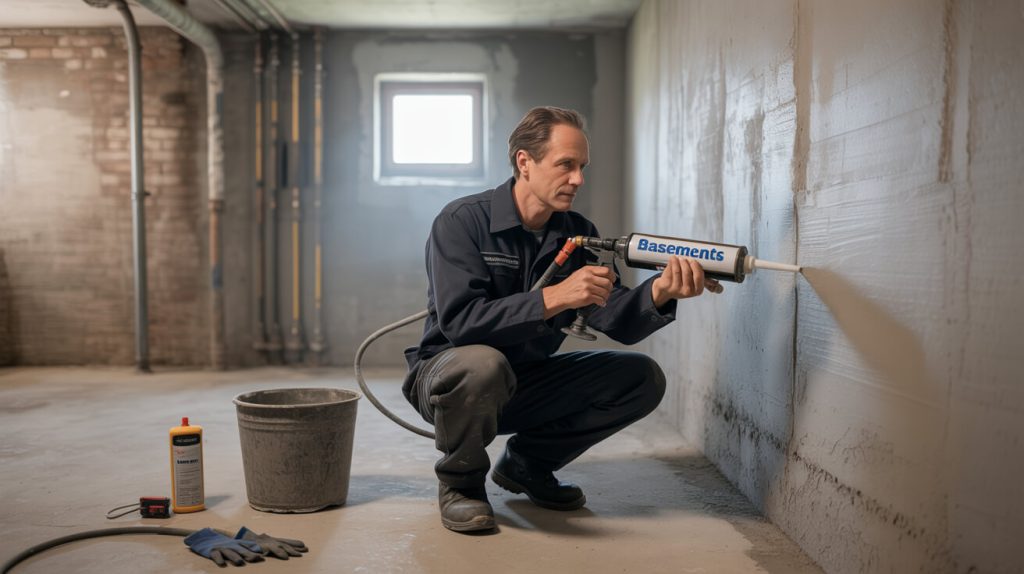
1. What Are the Most Transformative Ideas for Basement and Cellar Conversion?
Unlocking the latent potential beneath your property can mean more than added space—it’s a direct path to enhanced value, flexibility, and peace of mind. As more property owners seek avenues to maximize return and lifestyle, basement and cellar conversions rank as a financially and functionally strategic choice. Yet success depends on more than aesthetics; enduring conversions require a diagnostic-first approach, ensuring damp and moisture risks are addressed upfront.
Aspirational Opportunities for Underused Spaces
Converting basements or cellars isn’t just about fighting disuse; it’s about building future-proof assets. Typical upgrades deliver:
- Additional living or income-generating space
- Resilience for changing family, tenant, or commercial requirements
- Enhanced property valuation and market appeal
Your conversion’s true foundation, however, is a moisture-managed substrate. Anything less places your investment at the mercy of hidden risks.
Why Smart Planning Outweighs DIY Instincts
Many projects that fail post-conversion do so not for lack of design, but for ignoring underlying damp issues. You may envision a guest suite or cinema, but without a targeted site assessment and professional-grade waterproofing, lingering moisture can turn promise into rework.
“Your basement is only as strong as its weakest checkpoint—and that’s always hidden beneath the finish.”
First Steps Toward a Secure, Flexible Conversion
Start with a technical damp survey. Map any signs—mould, peeling paint, salt staining, cold zones—against airflow, substrate, and external grade. Ensure every planned upgrade, from head height to insulation, is compatible with moisture controls before you break ground.
2. How Does Professional Damp Proofing Enable a Lasting Conversion?
Basement Waterproofing Cost Calculator
- 1 Basement
- 2 Details
- 3 Estimate
Estimated Total Cost
£8,500 – £12,000
Type C cavity drain membrane for 20m² floor + 40m² walls
All Systems Compared
| System | Waterproofing | Finishing | Total | Warranty |
|---|
Property Value Uplift
+£36,000
Adding 20m² of habitable space could add significant value to your property
Payback Ratio
3.2x
Every £1 spent adds £3.20 in property value
Ready to waterproof your basement? Get a professional survey with an accurate quote.
Get a Basement Survey →Professional-grade damp proofing isn’t an aesthetic choice—it’s a technical prerequisite. This singular intervention preserves the integrity, comfort, and compliance of all subsequent improvements.
Diagnosing and Neutralizing Hidden Risks
A technical inspection, using advanced tools like thermal cameras, borescopes, and salt analysis, isolates not just active damp but future risk vectors (capillary rise, hydrostatic pressure, lateral penetration). Only then can interventions like cavity drainage membranes or tanking slurries be specified for lasting impact.
Surveyor-Ready Waterproofing—Why It Matters
It’s not enough for your solution to look right at signoff. Lender, insurer, and resale gatekeepers now expect traceable compliance with standards such as BS6576 and PAS2035. Sussex Damp Experts design every system for full auditability, offering warranty-backed installs documented for professional scrutiny.
| Risk Type | DIY Remedies | Professional Solution | Compliance Status |
|---|---|---|---|
| Capillary Damp | Paint, sealants | Membranes, injection DPC | BS6576, PAS2035 certified |
| Atmospheric Condens. | Fans, vent kits | Full airflow redesign + tanking | Surveyor-documented |
| Salt Bloom | Repaint cycles | Salt neutraliser + specialist replaster | Warranty + compliance log |
Linking Upfront Waterproofing to Long-Term Value
The initial outlay on specialist intervention recoups itself through greater buyer/lender confidence, uninterrupted use, and repeated savings on remedial work that would otherwise follow. If the goal is a stress-free, income-ready, or mortgage-eligible conversion, damp control is your non-negotiable first step.
3. Which Conversion Options Maximize Your Basement’s Potential?
After shoring up protection against moisture, a spectrum of conversion ideas becomes a practical reality. Each offers unique benefits, subject to the foundational controls already set in place.
10 Strategic Conversion Concepts
- Wine Cellar: Optimal temperature/humidity control; space becomes an asset for collectors or entertainment.
- Home Gym: Durable, insulated, and condensation-controlled for safe use of high-value fitness equipment.
- Cinema Room: Sound insulation and light management enhanced by a dry substrate for immersive experiences.
- Guest Suite/Bedroom: Egress-compliant, moisture-regulated sleeping space adds rental and resale appeal.
- Games or Family Room: Wear-resistant finishes plus air-quality controls for high-activity spaces.
- Workspace or Office: Reliable air flow and dryness essential for electronics and sustained focus.
- Creative Studio: Anti-fungal, climate-stabilized; ideal for art, crafts, or music with sensitive materials.
- Workshop or Utility Zone: Load-ready, easy-to-clean surfaces supported by optimal drainage and air cycling.
- Private Bar or Entertaining Area: Hospitality-grade finishes match comfort with durability.
- Organized Storage: Safeguard legacy items and valuables in a fully dry, monitored environment.
Comparing Conversion Value Parameters
| Conversion Type | Primary Value Driver | Technical Priority | ROI Timescale |
|---|---|---|---|
| Wine Cellar | Specialty appeal, resale | Humidity control | Long-term asset |
| Home Gym | Lifestyle, health | Condensation mgmt | Medium |
| Rental Suite | Income, flexibility | Egress/moisture | 2–5 years |
Tailoring the Conversion to Your Goals
Every conversion delivers more if based on realistic use cases, occupancy, and property profile. The key is validating design ambitions against technical survey data and ensuring each finish and system aligns with the pre-installed waterproofing solution.
4. What Drives Effective Design for Basement and Cellar Conversion?
Successful basement conversions demand much more than an appealing concept. Design must integrate technical realities, maximize livability, and sustain performance for the long haul.
Holistic Spatial Planning
- Zone for activities (sleep/work/leisure) with noise and privacy in mind.
- Incorporate multi-function fixtures—sliding partitions or modular furniture expand variability without sacrificing open space.
Illumination, Ventilation, and Comfort
Effective conversions address the frequent absence of daylight:
- Layered lighting schemes provide both ambiance and task illumination.
- Balanced mechanical ventilation counters condensation, staleness, and persistent odours.
- Smart insulation preserves comfort while varying seasonally.
“It’s not the space beneath your feet, but the design behind your decisions, that delivers long-term satisfaction.”
Material Compatibility and Durability
Floor covers, wall finishes, and fixtures must be specified against moisture readings and vapor transmission data from your initial survey. Prioritize finishes rated for damp-prone zones—engineered woods, vinyls, and specialist gypsum systems.
Integration with Pre-Existing Structure
Older and heritage properties may harbor unique features—stone walls, timber framing, or period brickwork. Your design must respect and leverage these features, maintaining compliance, and where appropriate, seeking listed building or conservation guidance to secure project viability.
5. How Do Basement Conversions Deliver Tangible Financial Value?
Conversion is not merely a cost—done right, it’s a compounding investment. Waterproofing forms the keystone for both initial valuation boost and ongoing protection against value drift.
Economic Leverage in Basement Upgrades
- Lender and surveyor-friendly documentation elevate resale quotes and facilitate refinancing.
- Rental yields increase, and vacancy periods shrink, when units are proven dry and regulation-compliant.
- Energy efficiency upgrades, often installed in tandem with conversions, double as value preservers and cost savers.
Cost–Benefit Calculation
Action before conversion minimizes the risk of future expenditures:
- Pre-installation waterproofing eliminates the most common post-works defect—recurring damp and finish failure.
- Proactive compliance reduces insurance premiums and strengthens claims positions in case of water ingress events.
Cost and Benefit Comparison Table
| Strategy | Upfront Cost | Long-Term Savings | Asset Impact |
|---|---|---|---|
| Professional Tanking | Moderate–High | High (repair avoidance) | Surveyor/Lender-Positive |
| DIY Damp-proofing | Low | Negative (likely rework) | Value undermined |
Tactical ROI Moves
Secure independent proof of works, maintain records for every input, and consult early with Sussex Damp Experts to align investment with long-term gains, not quick wins that unravel post-sale or audit.
6. Which Legal and Regulatory Requirements Shape Your Conversion?
Legal frameworks, mortgage criteria, and planning compliance form the invisible forcefield around viable basement and cellar conversions—ignore them, and even aesthetic or functional perfection will not shield you from downstream risk or costly redress.
Building Regulation Chains
- Adherence to BS6576 and PAS2035 enables both mortgage acceptance and tenant safety assurance.
- For heritage and listed properties, councils and conservation officers may set extra requirements around materials, airflow, or visible alterations.
Documentation & Approval Steps
- Secure detailed pre-works survey and submit documentation for building control sign-off.
- For period properties: apply for any Listed Building Consent prior to commencing modifications, and anticipate need for specialist review.
- Maintain all certification and inspection records for lender and insurer due diligence.
“Non-compliance isn’t ignorance—it’s an open door to stalled projects and hidden liability.”
How Sussex Damp Experts Bridge Compliance Gaps
Our operational chain integrates diagnosis, technical installation, and documentary proof. By acting as your technical partner, Sussex Damp Experts eliminates compliance guesswork and accelerates authority signoff, reducing project delays.
7. How Do Advances in Damp Proofing Technology Secure Long-Term Success?
New technologies extend the capabilities of professional conversion well beyond legacy expectations. Today’s waterproofing systems, diagnostic tools, and monitoring technologies empower property owners to preempt failure and safeguard investments.
Leading-Edge System Integration
- Wireless moisture metering and sensor logging provide continual feedback.
- Cavity membranes and tanking systems adapted for specific substrate and site profile.
- Diagnostic imaging (thermal, humidity mapping, wall section analysis) identifies latent issues before fitout—dramatically cutting the odds of remedial work.
Technology Comparison Table
| Feature | Legacy Approach | Advanced Solution | ROI Impact |
|---|---|---|---|
| Water Ingress Control | Paint/band-aid | Full cavity/tanking system | High |
| Ongoing Monitoring | Manual checks | Digital sensor integration | Asset protection |
| Compliance Reporting | Paper-based | Digital, audit-grade records | Audit-proof |
Smart Ongoing Maintenance
Conversion isn’t just an event—it’s a lifecycle. Remote monitoring allows for intervals of hands-off, low-cost, intervention only when readings trigger alerts, rather than waiting for failures.
8. Take the First Step: Schedule Your Expert Consultation
Position your property for lasting return and reputation by treating basement or cellar conversion as an engineered asset—not a speculative addition. You lead when you invest in certainty: technical insight, compliance, and data-driven controls form the bedrock of conversions that deliver for decades.
Your project deserves a technical partner with the compliance record, diagnostic depth, and warranty program to turn architectural ideas into enduring, income- and comfort-raising assets. Sussex Damp Experts welcomes your enquiry for a no-obligation consultation—evidence-backed, compliance-ready, and designed for the future you want to realize.
“Reputation is built not in bold claims, but in the invisible certainty behind every project delivered.”
Elevate your conversion ambitions and command your property’s trajectory—with insight, resilience, and leadership.
Frequently Asked Questions
What Should You Know Before Converting a Basement or Cellar?
Every hidden basement or cellar presents untapped potential—and overlooked risk. Real value in property emerges when underused, moisture-prone spaces are transformed into usable living or working areas. Yet lasting conversion begins not with layout ideas, but with recognizing what’s lurking in the structure: trapped humidity, residual damp, decayed lime mortar, and compromised ventilation.
Why Space Is Not “Blank Canvas”—It’s Legacy Plus Risk
Basements in heritage or listed buildings are often more “unknown variables” than clean slates. You may inherit beautiful brickwork or arched vaults—alongside the capillary action of rising damp, the remnants of ancient building techniques, and environmental uncertainty. Functional gains like new bedrooms, offices, or wine stores are secure only if the root causes of moisture are solved. Overlooked damp can quietly undermine even the finest fitout, leading to mold, rot, or future mortgage complications.
Unlocking Potential Without Compromising Character
Transforming a neglected space into a showpiece means first confronting the problems others skip. Sussex Damp Experts use detailed substrate profiling, non-invasive damp surveys, and regulated remediation techniques that preserve history while readying your abode for modern use. This approach not only ensures comfort and safety but protects the reputation and resale value of heritage assets—giving you a property both buyers and regulators respect.
“In restoring the old, your decisions echo forward. Start right, and your space becomes part of your legacy, not just your floorplan.”
How Does Professional Damp Proofing Influence Basement Conversion Outcomes?
A basement or cellar conversion’s success is shaped before the first new paint dries—by the integrity of its damp proofing. Entrenched moisture, weak ventilation, or quick-fix tanking render even the boldest ideas useless. For heritage and listed properties, the stakes climb higher: inappropriate membrane or cement can quietly destroy lime plaster, block historic brick’s breathability, and void consents or warranties.
Damp Proofing: Not a Product, a Process
Effective waterproofing means more than chemical DPC or generic tanking. For heritage properties, Sussex Damp Experts calibrate every intervention: using mineral-based renders, cavity drains, or permeable membranes that satisfy both current building codes and conservation mandates. Proper sequencing—stripping non-breathable layers, salt-neutralising old bricks, installing passive or mechanical ventilation—turns a high-risk basement into a compliant, comfortable space.
Proof Meets Protection
Converting cellars in protected buildings demands not just a dry substrate but a full audit trail: photographic reports, moisture logs, local authority consents, and ongoing monitoring. This ensures solutions stand up under scrutiny from surveyors, insurers, lenders, or future buyers. Sussex Damp Experts’ documented, regulation-first approach is designed to fortify both your asset and your reputation—building structural resilience into the very foundation of your property’s future.
“Proof isn’t paperwork. It’s the living record that your decisions withstand time, audit, and tomorrow’s buyer.”
What Are the Top Conversion Ideas for Heritage Basements and Listed Cellars?
Conversion Ideas Unlocking Both Utility and Character
- Wine cellars, where stable humidity and temperature preserve your investment—and become a talking point for guests.
- Home gyms or wellness spaces, where breathable flooring and regulated airflow support both equipment and user health.
- Offices or creative studios, where daylight solutions and regulated microclimates nurture productivity and inspiration.
- Self-contained suites for guests or high-value tenants, with compliant egress, integrated ventilation, and passive moisture monitoring.
- Private cinemas or media rooms, where underground acoustic advantage meets heritage charm.
- Luxurious storage areas for artwork, antiques, or documents, protected by continuous moisture sensing.
Conversations with Sussex Damp Experts often reveal more: utility rooms, music studios, or boutique business premises all become viable options once the damp question is resolved. High-performance waterproofing future-proofs every square metre, ensuring aesthetic success is never paid for later in rot or loss.
“In a listed property, conversion is not design by Pinterest—it’s strategic preservation. Every successful example is wired for compliance before the first finish is installed.”
How Does Strategic Design Turn Basement Challenges Into Lasting Value?
Great design absorbs and leverages the realities of heritage construction. Basements are rarely regular rectangles or free of constraint; success depends on integrating solutions for airflow, light, and comfort without nullifying historic merit or triggering compliance issues.
Optimizing Heritage Space Without Sacrificing Structure
- Lighting design in cellars is an exercise in subtlety, with uplighting highlighting old brick, discreet LED revealing arches, and borrowed light funnelling daylight into deep areas.
- Zoning—combining open-plan concepts with acoustic separation—optimizes usability while respecting the structure’s integrity.
- Material selection must match older substrates: breathable finishes, limewash, and specialist insulation maintain a balanced microclimate and prevent future salt or condensation problems.
Insulation and Ventilation: Balancing Tradition With Comfort
Modern insulation must not “trap” legacy moisture. Passive venting, mechanical extraction, and breathable insulation wraps ensure you live in health and comfort—while passing any conservation audit.
Sussex Damp Experts consult directly with architects, conservation officers, and property owners from blueprint to signoff, ensuring every innovation is underpinned by practical, specialist experience.
“Adaptive design in a heritage basement turns code compliance from a headache into a badge of honor. It sets your property apart—without risking its story.”
What’s the Financial ROI of Basement Conversion in Listed and Heritage Homes?
A professionally converted basement moves value on every axis: additional usable square footage, premium space for short-lets or office rental, and fortified resale numbers. But the long-term ROI is destroyed if the conversion isn’t watertight, compliant, and designed to age with both regulations and tastes.
Value That Stands the Test of Time
- Properties with heritage-compliant conversions command higher appraisal values and attract more resilient buyers or tenants.
- Mortgage providers and insurers increasingly demand documentation of compliant, reversible waterproofing before offering favorable terms.
- Energy savings accrue when heritage cellars are sealed and regulated for both heat retention and risk mitigation.
Finance-savvy owners recognize that up-front cost, when orchestrated by Sussex Damp Experts, rapidly vanishes compared to the cost of future remedial works, asset devaluation, or lost revenue from unusable space.
Strategy Table: ROI Factors in Heritage Basement Conversion
| ROI Factor | Heritage-Compliant Approach | Cost of Cutting Corners |
|---|---|---|
| Surveyor/Lender Approval | Consistent, high | Delays, refusals, higher risk |
| Structural Warranty | Full coverage, transferable | Voided, or non-existent |
| Long-Term Maintenance Cost | Minimal and predictable | Escalating with each “fix” |
| Rental Yield | Premium, resilient | Lower, high churn risk |
“ROI in heritage conversion isn’t a sprint—it’s your property’s reputation, liquidity, and security for the next generation.”
How Does Compliance Shape the Possibilities (and Pitfalls) of Basement Conversions?
Code is king—especially with listed buildings. Whether you’re tackling internal drainage, reinforcement of structure, or conservation of original features, success rides on pre-emptive dialogue with local authorities, conservation offices, surveyors, and insurers. Thriving in this environment means seeing regulations not as constraints, but as the main artery of value protection and enhancement.
Essential Compliance Elements for Heritage Success
- All work must be pre-approved—listed building consent is non-negotiable, and deviations can bring both legal and financial penalties.
- Waterproofing for historic premises requires documentation at every phase: photographic logs, condition reports, materials tracking, and reversible methods only (as dictated by planning law).
- Standards such as BS6576 and PAS2035 exist to protect you. Properly marshalled, they reinforce asset value and provide protection against future “compliance drift” as regulations inevitably ratchet up.
The Sussex Damp Experts difference is a compliance-first mindset: our method is not to “hope and wait,” but to proactively plan, integrate, and document every intervention. Your project will move not only on technical merit, but through audit-tested trust signals that enable smooth resale, premium valuation, and regulatory approval.
“Regulatory fluency is not a hassle—it’s the most valuable insurance you ever buy for your building’s future.”
Which Technologies Are Reshaping How Basements Are Made Safe, Usable, and Valuable?
High-performing, heritage-appropriate waterproofing now benefits from a wave of innovation: modern membranes, digital monitoring devices, and reversible substrate treatments for listed assets.
What’s Changed in the Toolbox for Listed Cellars?
- Wireless smart damp sensors track micro-climate in real time, helping maintain optimal conditions for both heritage preservation and utility.
- IoT-based air quality systems prevent invisible failures, alerting owners and managers before minor problems compound into major costs.
- Heritage-grade membranes and renders, formulated for lime-based and other older substrates, allow interventions to be high-performance yet removable.
Sussex Damp Experts operate at this intersection: integrating modern systems without sacrificing compliance or the future audit trail. The result is a space that’s dry, efficient, and always one step ahead of regulatory or insurance hurdles—making your next use case (or exit strategy) much easier.
“Licensing tomorrow’s tech in yesterday’s walls is not a gimmick—it’s a leadership move, and every owner, manager, and investor knows real innovation never comes at the expense of legacy.”

