
 By
By  August 26, 2025


What Are the Key 2025 Changes to the Decent Homes Standard for Damp and Mould?
From 2025, the Decent Homes Standard doesn’t politely suggest you “keep on top” of damp and mould—it demands actual, lasting prevention. Any untreated or persistent damp and mould instantly makes a property fail the “decent” test. Whether you own a Victorian terrace or a shiny new flat, the law is plain: dry, healthy, and permanently fixed, or you’re out of bounds. Excuses about age, bad weather, “tenant lifestyle”, or, “We always mean well,” are officially redundant.
A single spot of serious damp or mould, left unrestored, now drags your entire asset into non-compliance regardless of context.
These changes aren’t wishful thinking—they’re legal firepower triggered by coroners’ inquests, public outrage, and data showing a direct line between poor indoor air quality and avoidable illness, particularly for children, the elderly, and those with underlying health issues (NHS/ONS 2024). For the first time, “damp and mould” lives at the core of statutory housing decency: fail in practice and the penalty clock starts immediately, whether the issue is tenant-raised, surveyor-spotted, or council-detected.
What’s triggered this overhaul—and why it matters:
- *Clear cause-and-effect*: Recurring or untreated damp/mould means an unhealthy home; the standard now calls this a direct legal breach.
- *Tied to HHSRS and new regime*: The updated Decent Homes Standard directly references Housing Health and Safety Rating System (HHSRS) surveys and deadlines.
- *No more good intentions*: You must show repairs happened, with paperwork, by accredited professionals—claims of “we’ll get round to it” carry no weight.
The pressure is now on property owners and managers—not tenants—to demonstrate with hard evidence that homes are and remain safe. Light touch is gone; document and fix or expect hard costs.
Who Needs to Act?
- Landlords & managing agents: —must inspect proactively, respond swiftly, fix thoroughly, and produce the documents on demand. Wait for a complaint, and you risk immediate legal/fiscal penalty.
- Surveyors & repair contractors: —face regulation around their surveys, treatment standards (BS 6576, PAS 2035/30, TrustMark), and liability for any ambiguous, lazy, or failed diagnosis.
- Tenants & leaseholders: —gain rights to demand fixes, escalate directly to council, and access redress speedily.
- Councils & social landlords: —get new powers and fresh funding to audit, demand, and enforce repairs without the drawn-out process of before.
Real terms: Find serious or recurring damp—verified by tenant, surveyor, or official? Your property is instantly “non-decent”. The costs: fines, lost rent, damaged reputation, and a very public record.
How Is ‘Damp and Mould as a Core Criterion’ Defined in the 2025 Decent Homes Standard?
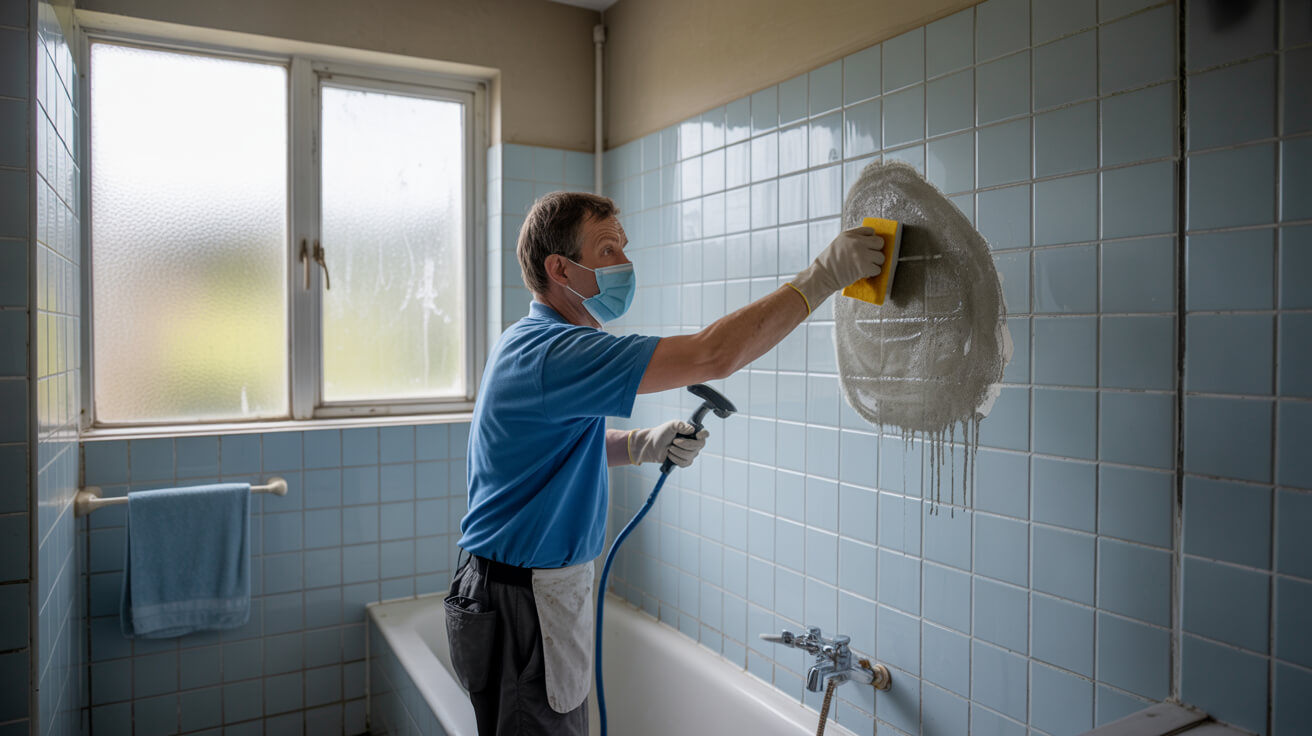
“Core criterion” means no wiggle room. Any property showing serious or recurrent damp or mould is automatically non-decent from 2025 onwards—regardless of building age, weather, or excuses about quirks of construction. Either your building is dry and healthy with evidence, or it fails.
Fit for purpose now means verifiably dry—by the book, not the eye.
What Actually Fails a Home?
- Any significant damp or mould—visible or hidden—triggers a fail.: Cellar, underfloor, crawl spaces, boxed pipes, roof voids, as well as walls and ceilings, all count.
- Signs like musty odour or persistent condensation?: These mandate professional investigation; ignoring “mild” symptoms isn’t an option.
- Tenant or surveyor complaint?: Just one triggers urgent need for certified remediation; no repeats or waiting games allowed.
Remember: the source is irrelevant—whether caused by rising damp, defective DPC, blocked gutters, bathroom mishaps, or dodgy insulation, it’s the result that breaks the rules. There’s no “historic exemption”—every property must be up to modern, documented standards.
Your property fails if:
- HHSRS Category 1 or 2 moisture risk noted, with no evidence of professional remediation
- Repairs aren’t certified or aftercare can’t be demonstrated with written, timestamped proof
The days of “We’ll paint over it and check later” are dead. Now, best-practice diagnosis and British Standard methods (BS 6576, PAS 2030/35) are the legal baseline.
What Legal Risks and Penalties Do Landlords Face Under the 2025 Standard?

Ignore moisture, risk your income. Every loophole for delay or partial fix is being welded shut.
Complacency now earns fines, lost rent, public badge-of-shame—and possibly criminal conviction.
Penalties You Cannot Evade
- Statutory Nuisance: Moisture or mould not fixed? The council can prosecute under the Environmental Protection Act. Fines can stack by the day and can begin at multiple thousands per offence.
- Rent Repayment Orders: Unresolved problems after a tenant, council, or ombudsman alert? Landlords can lose up to a full year’s rent *(Housing and Planning Act 2016 Updated)*.
- Letting Licence Revoked: Persistent or serious failures? Councils can suspend or pull your letting privileges.
- Repairs Done Without Consent: Local authorities are authorised to arrange works and slap you with the bill.
- Public Shaming: Properties (and landlords) enter public registers—buyers, renters and agents see the black mark. This can kill market value.
In 2024 alone, councils issued hundreds of statutory nuisance orders for damp worth over £10,000 each—plus a number of bans from the entire buy-to-let market (LocalGov UK 2024).
Excuses now outlawed: Claims like “tenant denies access” or “weather’s been unkind” don’t wash anymore. Only rapid, accredited actions, logged from complaint to completion, will meet the standard for legal defence.
What Must Landlords and Providers Do to Meet the Updated DHS for Damp and Mould?

From 2025, compliance boils down to proof, not promises. Your portfolio needs regular survey data, technical fixes, and a complete paperwork trail—every time, every property.
A Checklist for Staying Legal—and Safe
- Accredited inspections, regularly and proactively scheduled.: The standard is annual at minimum; higher-risk buildings may need more.
- Root-cause diagnosis by a certified professional.: That means a proper forensic report, not a guess or a phone snap.
- Certified contractors only.: If repairs aren’t PAS2030/2035, BS6576, or TrustMark-accredited, you’re exposed.
- Proof of performance.: Moisture metres, airflow checks, and follow-up logs—show dry-down, don’t just say it happened.
- Clear communication.: Tenants need results *and* aftercare in writing: how to keep things dry, what to watch for, easy lines for future reporting.
- Record retention, always digital-first.: You’ll need this for lenders, insurers, audits, and any future disputes.
Here’s a quick table to lock in your routine:
| Step | Standard | Frequency |
|---|---|---|
| Accredited inspection | PAS2030, BS6576 | At least yearly |
| Root-cause remediation | Certified pro only | At every incident |
| Moisture monitoring | Data-driven logs | 3-12 months post |
| Evidence retention | Docs, Photos, Logs | Every repair/visit |
Fall short and you’ll hit a compliance wall—risking forced council work, rejected insurance claims, reduced value, and black marks with tenants and agents alike.
What Rights Do Tenants and Leaseholders Have if a Property Fails the 2025 DHS Standard?
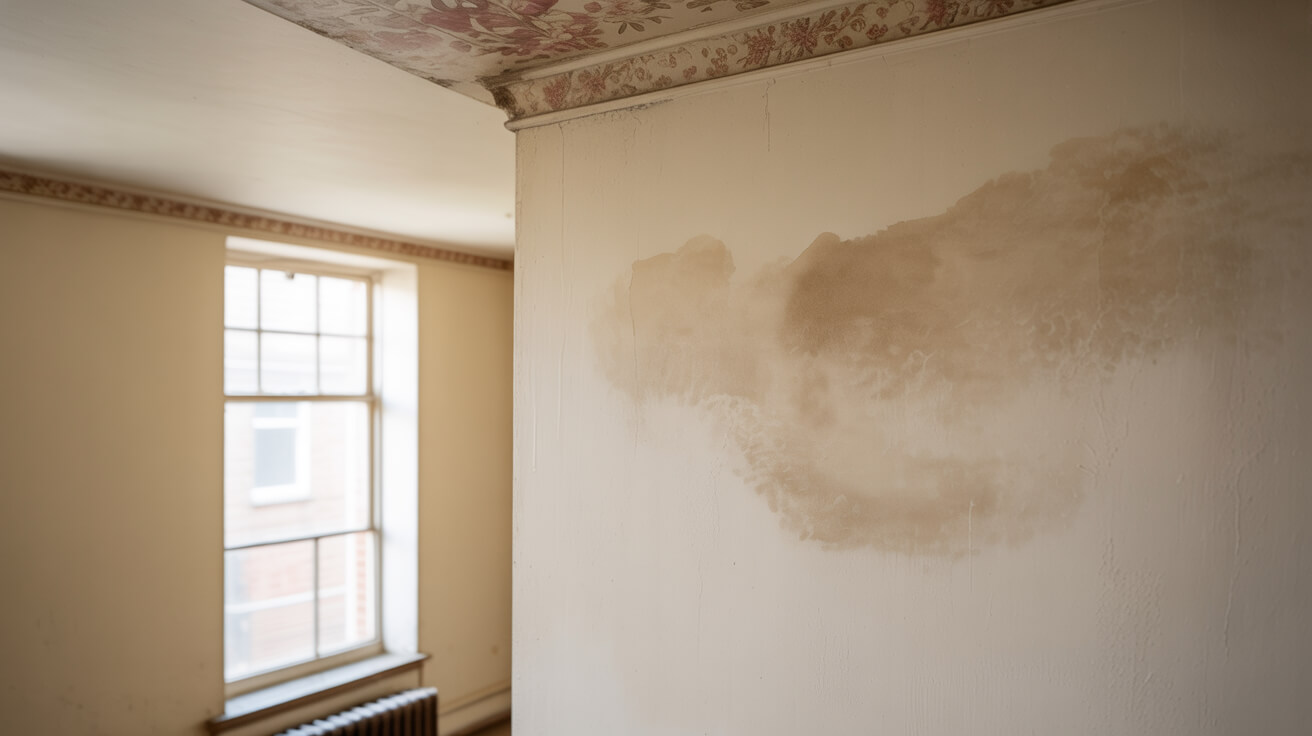
From 2025, “let’s see if it gets worse” is dead. Every valid damp or mould report is now a fast lane to inspection, investigation, and mandatory action—with money at stake for delays.
The moment a problem’s reported, the legal clock is running for your landlord.
Rights and Levers for Tenants
- Mandated rapid response: Landlord or agent must reply, diagnose, and schedule repairs typically within 14 days.
- Direct council/ombudsman involvement: Authorities now have power to fast-track surveys, enforce repair, and recover costs.
- Rent and damages claims: If repairs lag, tenants can seek reduced rent or damages (often 21–28 days is the cut-off).
- Fitness for Habitation Act: If a landlord delays, tenants can go straight to court. If your paperwork is in order, getting a judgement is now faster.
- Public health reporting: Damp/mould harms—no longer just regulatory, this can now escalate to local Environmental Health enforcement.
Practical advice: Take time-stamped photos, save every email and letter, and only accept repairs done by certified pros. Your documentation is now your legal lockpick if the landlord drags their heels.
How Does the 2025 Decent Homes Standard Interact with HHSRS, Housing Law, and Enforcement?

2025’s changes pack a punch because they synchronise core housing standards. Flunking the damp/mould test trips multiple traps:
Fail one housing standard, and you now fail them all—inspection scores, legal duties, financial risk, all at once.
The New Law Stack
- HHSRS (2023+): Treats damp/mould as high-risk, triggering automatic local authority follow-up.
- Environmental Protection Act: Lets councils enforce and prosecute under statutory nuisance, without needing tenants’ approval—power is now council-first, not tenant-burdened.
- Fitness for Habitation Act (2018): A single breach means “unfit”—giving tenants direct, simple legal pathways to demands and damages.
- Letting and Licencing Law: Councils can block lettings, fine, or force work if you’re non-compliant, with less warning and more power than ever.
No more blaming “process error” or “we tried”. The standard is practical, logged, and measurable: qualified work, permanent fixes, and records to prove it. Fail, and enforcement can roll in—across audits, insurance, lending, and public registers.
What Are the Most Common Pitfalls and Misconceptions About 2025 Decent Homes Damp and Mould Duties?

Even the most experienced landlords and property professionals can fall into traps that cost time, money, and reputation.
Danger zone thinking includes:
- “We can just repaint or throw desiccant at the problem.”: Any cover-up is non-compliance—auditors and inspectors look for real, deep repairs.
- “Tenants are to blame for condensation.”: Law is crystal clear: *structure and environment are your duty*, regardless of tenant “habits”.
- “Old or listed buildings get a pass.”: All ages, all contexts, must comply—only the method changes to suit substrate, not the requirement.
- “No complaints reported, we’re safe.”: Random audits and proactive checks are law; ignorance is no defence.
- “We’ll sort at end-of-tenancy.”: Delays collect daily penalties.
The heaviest asset loss is seeing thousands in value shaved off, or a whole portfolio blacklisted, because of a missed survey or shoddy fix.
Every reported issue should be met like a pre-audit: full checks, certified reports, and proof at your fingertips. Assume the files will be called for, and you’ll rarely miss.
How Can You Proactively Audit or Prepare Your Properties for 2025 Damp and Mould Compliance?

Nothing fixes risk like a well-oiled routine and airtight documentation. In 2025, “hope” isn’t a plan—scheduled prevention is.
Every documented survey and certified fix is a pound kept in your property’s long-term value.
Your Practical Preparation Playbook
- Catalogue your properties: Group by building type, risk level, and maintenance history.
- Front-load accredited surveys: Certified pros only—no shortcuts or DIY “checks”.
- Centralise and digitise all documents: Reports, photos, repair and aftercare logs—easy to access, ready for audit or mortgage requests.
- Train your team and partners: Annual briefings to instil standards, spot early signs, and understand escalation is a team sport.
- Instal smart monitoring in risk areas: Simple moisture and airflow sensors in basements and trouble zones.
- Rapid response chain: A reporting, inspection, and fix workflow, closing within days, not months.
- Only contract with certified repair teams: Every work order requires current accreditation (PAS2030/2035/BS6576/TrustMark).
- Always close with aftercare verification: Final site visit, photos, monitoring logs filed per case.
This is not fearful overkill—it’s strategic asset defence, protects your insurance and mortgage options, and proves value at sale or inheritance.
Set the Standard—Book a 2025 Damp and Mould Compliance Audit With Sussex Damp Experts
Damp and mould compliance isn’t an academic box-tick. It’s the new backbone of property value, safety, and legal standing. In 2025, your next audit starts the minute a tenant, agent, or surveyor flags a patch of trouble.
Sussex Damp Experts are ready to deliver:
- Forensic, accredited surveys and repairs: —BS 6576, PAS 2030/35, TrustMark: no question marks, only certified fixes.
- All-digit documentation: —From initial inspection photos through to aftercare logs, files are accessible before your lender or council ever asks.
- Owner-first advice and support: —We make compliance frictionless; every remediation thoroughly explained, every box ticked.
Protect your investments, your tenants, and your peace of mind. Book your 2025 audit with Sussex Damp Experts—set the standard that others follow.
Frequently Asked Questions
What new record-keeping and intervention standards must landlords and property professionals follow under the 2025 Decent Homes Standard for damp and mould?
Every property is now judged by objectively provable outcomes, not stories or intent. Compliance means you must demonstrate, at the tap of a screen, that every damp or mould action—diagnosis, fix, and aftercare—was signed off by a certified practitioner, documented with time-stamped photos and audit-grade logs, and stored in a digital record that can be instantly produced for council, lender, or tenant. “Wait and see” and informal fixes are history; recurring signs of damp, unresolved mould, or missing evidence make even a heritage-listed or owner-occupied building a compliance liability. Under the 2025 update, your paper file is obsolete, and only a provable, digital trail stands up to scrutiny.
What makes a property “decent” or “non-decent” under the new code?
- The presence of any damp or visible mould, regardless of building age or tenancy, triggers a fail.
- Every damp-related action must be independently verified—DIY or vague fixes don’t count.
- All compliance events must be tracked in a digital format for rapid council review.
How does this change daily operations for property professionals?
Routine surveying, certified repairs, and live documentation become non-negotiable steps. If a council auditor or tenant queries your records, the burden is instant—no time to catch up on missing certificates, aftercare logs, or survey files.
If a property’s records can’t be surfaced in under a minute, any compliance claim falls flat and risk compounds with each delay.
Upgrading to forensic, digital routines keeps properties—and reputations—fully protected, and marks you as a leader in property standards.
How can landlords, agents, or managers handle the new compliance demands without being overwhelmed by paperwork?
The old cycle of lost reports, paper files, and scattered emails will sink you under the incoming regime. Digital compliance platforms and bundled service providers now do the heavy lifting: annual inspection reminders, online booking and site reporting, photo-led repair logs, and cloud storage for legal documents. By working with partners who combine accredited surveys, certified repairs, and audit-ready documentation, you simplify compliance to a daily routine. Pre-schedule your checks for the entire year, automate repair logs and tenant notifications, and delegate the paperwork headaches to a trusted compliance partner like Sussex Damp Experts.
What features should an effective compliance setup provide?
- Integrated calendar for annual and interim surveys.
- Automated alerts and tenant check-in workflows to catch small issues.
- One-click access to digital files for any new buyer, surveyor, insurer, or lender.
Can landlords still pass using informal or manual processes?
Councils and auditors now expect live digital records. Paper folders, delayed responses, or incomplete email trails introduce compliance gaps—and mean higher risk at every audit.
“Success under the 2025 rules comes from making audit readiness a daily habit, not an annual scramble. Confidence comes from control.”
Leveraging digital compliance support transforms regulatory hassle into operational confidence, freeing your time while lowering legal stress across your estate.
What forms of evidence satisfy the new legal benchmarks—especially for older properties and conversions?
Regulators accept only objective, third-party proof: accredited surveyor’s reports, photographic records before and after work, certified repair documents, and written aftercare instructions. “It’s just old brickwork” or “that’s down to tenant behaviour” are arguments of the past. Even heritage sites and period homes are subject to the same moisture and health outcomes; only the technical route, such as using breathable lime plasters or tailored tanking systems, will adapt. If proof is missing at any step—or the evidence is unclear—the property is flagged non-compliant, regardless of history.
How does compliance adapt for heritage, listed, or complex structures?
- Diagnose with heritage-aware surveyors and record any tailored approach, such as lime-based materials.
- Document every adaptation and keep manufacturer or installer certificates accessible digitally.
- Record evidence that outcome standards are met—show, don’t tell.
What is the regulator’s view on excuse or tradition-based “exceptions”?
No exceptions. Outcome and evidence are everything. The same digital standards apply, whether for a 19th-century cottage or a modern flat.
Compliance is no longer a debate—either outcome is proven, or the penalty is on you.
Strengthening your records and using specialists familiar with diverse property types lets you manage risk for every portfolio entry.
What failures or delays expose landlords, property managers, and professionals to fines or sanctions under the new regime?
Documentation gaps, unfinished repairs, missed survey dates, or even an unanswered tenant email can now trigger significant penalties. Authorities escalate quickly: spot fines over £10,000, council repair orders at full commercial rate, rent repayment orders, and public “non-decent” registers for serial offenders. Audits now check for full digital trails going back years—missing one link opens the door to ongoing scrutiny and cumulative costs. Fast, traceable fixes and record-keeping are the only shield.
What new enforcement powers do councils and auditors hold?
- Authority to demand instant digital proof—and to backdate audits over several years.
- Power to order repairs and bill you directly, with no need for a prior complaint.
- Rights to ban persistent offenders from letting, or rescind licences for portfolio owners.
When does risk accelerate from warning to critical?
Failure to acknowledge, document, or resolve even a minor case inside council deadlines starts penalty clocks ticking in weeks, not months. Missing annual checks or aftercare? Every day compounds risk and cost.
“Compliance is a live exercise—preparation beats panic. The strongest portfolios build resilience before an inspector even knocks.”
Moving to a digitally updated, responsive regime lets you control exposure and turns regulation into a source of trust for lenders and tenants alike.
How are tenants newly empowered, and what actions must landlords take to meet strengthened rights and avoid conflict?
Tenants now control much of the escalation process—armed with photo logs, repair certificates, and written complaints, they can bypass slow landlords and contact councils or ombudsmen direct. Legal response windows (often 14 days) are enforced by penalty, with tenants’ own documentation now primary evidence. Owners must provide—not just promise—a healthy home, with proactive guidance, aftercare materials, and record of all responses. Transparent communication and digital logs for every repair or check aren’t just best practice; they’re now required for self-defence.
How can you constructively engage tenants under the 2025 standards?
- Provide tenants with clear aftercare instructions, phone apps, and online forms for rapid complaints and photo uploads.
- Store full communication logs and share inspection/repair proof with tenants whenever work is done.
What landlord lapses most commonly lead to swift penalties or losses in disputes?
Ignoring a complaint, failing to log aftercare, or relying on memory over documentation all weaken your case. Skipping a tenant’s right to repair or feedback is now a liability.
Empowering tenants with evidence-based tools for reporting doesn’t undermine owners—it protects both sides by fast-tracking resolution and reducing costly escalation.
Investing in collaborative and transparent record-keeping is now the fast route to smoother lets, better reviews, and healthier properties.
Which accreditations and compliance chains guarantee protection—for both legal defence and future audits—after 2025?
To guarantee legal protection, every damp or mould intervention must be proven by compliance logs and digital-certified certificates from recognised bodies: TrustMark, PAS 2030/35, BS 6576. Survey, repair, aftercare—each step needs a date/timestamped record, up-to-date insurance, and evidence that materials and methods suit the substrate or building type. Heritage projects may require extra details, but the expectation is clear: cloud-stored, instantly available files. Lenders, buyers, insurers, and council officers will all now ask for audit copies as a matter of routine, making airtight records the gatekeeper for finance, claims, and successful tenancies.
What does an ironclad compliance checklist include?
- Annual accredited survey (TrustMark, PAS 2030/35, BS 6576, as applicable)
- Full-spectrum before/after photos, stored securely online
- Recorded manufacturer and installer certificates, including heritage or specialist instals
- Digital aftercare guides delivered to all parties, with cloud backup
How can you quickly verify if your suppliers or contractors are up to standard?
Insist on certificates of accreditation, digital audit chains, and traceable records for every job—before you release payment. Accept nothing less than full evidence.
The right compliance partner transforms records from liability into your strongest asset—making every audit a demonstration of quality, not a scramble for paperwork.
Partnering with Sussex Damp Experts ensures your compliance record can withstand any audit, satisfies lenders, and continually protects your investment for years to come.
Keep your buildings, your business, and your reputation above the compliance wave. Enlist Sussex Damp Experts today to put digital certification, best-practice solutions, and trusted aftercare at the core of every property—turning risk into resilience, and regulation into asset value.

