
 By
By  April 11, 2025


What Is a Wood Boring Insect?
Healthy structures depend on sound timber. When your surveyor or home report mentions “wood boring insects,” they’re not flagging a trivial pest; they’re pointing to a category of beetles whose larvae actively reduce the strength and lifespan of beams, joists, and floorboards. If you own, manage, or plan to buy a property—especially one with older or moisture-prone construction, where moisture -often at exterior can increase risk—understanding what these insects are, why survey language is precise, and what you need to do is the first act of long-term asset protection.
How Do Wood Boring Insects Damage Properties?
These insects lay eggs on or inside timber. After hatching, larvae burrow and consume the wood, often for years before maturing and emerging as adult beetles. The living damage happens out of sight—only after serious weakening, or when adult beetles exit, do telltale holes and frass (wood dust) appear.
- Key Species:
- *Common Furniture Beetle* (Anobium punctatum): Most pervasive in UK homes, creating small exit holes in softwoods.
- *Deathwatch Beetle* (Xestobium rufovillosum): Prefers damp hardwoods, major threat to heritage timbers.
- *House Longhorn Beetle* (Hylotrupes bajulus): Largest exit holes, critical in southern counties.
- *Wood Boring Weevil* (Pentarthrum huttoni): Indicator of persistent moisture, often secondary to damp.
- Target Timbers:
- Floor joists
- Roof trusses
- Sills and window frames
| Insect Name | Typical Hole Size | Active in Softwood | Active in Hardwood | Survey Flag Urgency |
|---|---|---|---|---|
| Common Furniture | 1-2 mm | Yes | Sometimes | Medium |
| Deathwatch | 3-4 mm | No | Yes | High |
| Longhorn | up to 9 mm | Yes | No | Critical |
| Weevil | <1 mm | Only damp wood | Only damp wood | Medium/Secondary |
The broad, technical definition in legal and property documentation is deliberate—your next step depends on the exact species, so expert diagnosis is a requirement for any flagged risk.
Why Is This Term Used in Reports?
Because lenders require it, insurers recognise it as a red flag, and councils act on it for compliance. Surveys use the category to ensure that evidence triggers expert review—not just surface-level fixes.
It’s not just about holes and sawdust. It’s about ensuring that your structure is as strong as you think it is—before problems multiply.
If “wood boring insect” appears in your paperwork, you’re being given both a warning and an opportunity: with the right plan, you can protect your property—and often, enhance long-term value.
Why and Where Do Wood Boring Infestations Occur?

No building is immune, but some are far more likely to experience active infestation. Patterns emerge by era, material, use, humidity, and even maintenance history. You benefit most by understanding exactly where risk develops and why.
What Makes a Building Vulnerable?
Infestation risk rises when timber becomes available to larvae—typically softened, uncoated, or damp from persistent condensation, bridging, or faulty drainage. Heritage and pre-1950s buildings are especially at risk, as they lack modern barriers and often retain substrates that stay humid for weeks.
Key contributors:
- Persistent leaks, wet rot, blocked gutters
- Poor subfloor ventilation or missing air bricks
- Contact between timber and damp masonry
Risk Hotspots Inside Any Property
- Subfloors (especially suspended floor voids)
- Loft timbers and attic trusses
- Ground-floor window/door frames
- Boxed-in structural beams and historic joinery
- Areas below baths/kitchens or where leaks have occurred
Table: High-Risk Zones by Building Type
| Building Age | Hotspot Locations | Prevention Focus |
|---|---|---|
| Pre-1920s | Beams, joists, sash windows | Ventilation, lime plaster |
| 1920s–1970s | Subfloors, attic spaces | Subfloor checks, drainage |
| Modern/Converted | Insulated wall closets, extensions | Moisture monitoring |
Focus your energy where climate, usage, and building style make damage likely. Prevention and yearly inspections in these zones avert expensive surprises.
Are Modern Properties Safe?
No. Construction shortcuts, insulation bridging, and hidden voids introduce risk even to new builds—especially where additions intersect with older elements.
Your protection plan should start with a professional risk assessment. When you understand your building’s unique pattern of exposure, you can act before repairs become required.
What Are the Visible and Hidden Signs of Infestation?

Timber damage is a late-stage symptom of what starts as an invisible threat. Early, actionable warning signs let you stay ahead of both surveyor flags and unexpected repair bills.
What Should You Look For Right Now?
- *Fresh Exit Holes*: Clean, round holes in wood that weren’t visible last year
- *Frass Deposits*: Fine, powdery dust below timbers or spilling from joints
- *Surface Softness*: Timber edges that crumble or indent to a sharp point
- *“Blisters” in Paint*: Small bubbles or pinprick craters often mistaken for water damage
- *Unexplained Creaking/Flex*: Early indicator in stairs or floorboards
Active vs. Historic: How Can You Tell?
- *New exit holes + loose frass* signal current risk.
- *No dust, faded or closed holes* likely mean historic, not urgent, risk.
- *Comparison Check*: Repeat visual inspection quarterly; photograph suspect zones for expert review.
Ignoring a faint trace of dust in spring can cost thousands in repairs by autumn. Consistent vigilance beats costly intervention.
DIY vs. Professional Inspection?
DIY checks are valuable, but only a qualified surveyor using moisture metres, borescope, and sample analysis can confirm both the extent and urgency of the problem. If in doubt, arrange a PCA-accredited survey—this clears suspicion for lenders, buyers, and your own peace of mind.
How Do Wood Boring Insects Affect Safety, Value, and Compliance?

Infestations do not just erode timber—they erode market value, personal security, and transaction speed. If your report cites “wood boring insect” and it goes unaddressed, you face a compound risk.
Safety Consequences
- Loss of structural integrity in floors or roofs (serious risk in older homes)
- Increased vulnerability to secondary issues: wet rot, fungal outbreaks, further infestation
Impact on Value and Compliance
- *Devaluation*: Properties flagged by surveyors for unresolved infestation face 5-15% lower valuations, or negotiation stalling
- *Sale Delay*: Lenders may withhold funding pending specialist reports or repairs
- *Council/Legal Risk*: For landlords and social housing managers, non-compliance can trigger enforcement action
Table: Financial Impact of Unresolved Infestation
| Scenario | Estimated Cost/Loss | Regulatory Impact |
|---|---|---|
| Ignored survey flag | £2,000–£15,000+ repairs | Sale delay, fine |
| DIY misdiagnosis | £1,500–£7,000 rework | Lender pushback |
| No monitoring | >20% value drop (avg 6mo) | Tenant complaint |
A survey flag left open is a risk multiplier. Every week of indecision compounds both cost and uncertainty.
Rely on professionally documented, insurance-accepted reports. This is not just preferred—it’s demanded by buyers, lenders, and your own risk reduction.
What Species and Variants Are Most Common in the UK?

Not all wood boring insects pose the same threat to your building. Recognising the specific species present is the only way to act intelligently and efficiently.
The Beetles to Know
- *Common Furniture Beetle*: The UK’s most common problem; often flagged in soft pine timbers.
- *Deathwatch Beetle*: Most serious for historic homes, oak or hardwood beams.
- *House Longhorn Beetle*: A high-urgency threat, predominantly in the South; notifiable to BRE.
- *Wood Boring Weevil*: Feeds only where persistent wet rot is already present.
Why Does the Species Matter?
Because treatment, urgency, and reporting obligations change by beetle. A Deathwatch infestation demands heritage-safe intervention uninfluenced by chemicals used for softwood beetles. Notifiable species require formal reporting and documentation.
| Species | Prefers | Characteristic Sign | Reporting/Escalation |
|---|---|---|---|
| Common Furniture | Softwood | Fine dust, tiny holes | Standard treatment |
| Deathwatch | Hardwood, damp, age | Coarse dust, large holes | Heritage protocols |
| Longhorn | New pine, sapwood, S. England | Very large holes | Statutory report |
| Weevil | Rotted/damp wood | Mixed dust, minute holes | Moisture audit |
When your survey specifies species, your next steps become both clearer and more compliant—a route to cost, risk, and schedule control.
How Are Wood Boring Insect Infestations Professionally Diagnosed and Confirmed?

Expert diagnosis is the turning point between a lingering risk and actionable certainty. The process goes beyond checking holes, relying instead on standardised, repeatable investigative steps that protect both your building and your peace of mind.
Essential Diagnostic Steps
- Site Visual Inspection: Systematic checks of all at-risk timbers, not just flagged zones.
- Moisture Metering: Confirms or rules out environmental conditions favourable to infestation.
- Frass and Exit Hole Analysis: Determines if dust is fresh (active) or compacted/old (historic).
- Sample Testing: Laboratory identification of beetle species and stage.
- Documentation: BS6576/PCA format report—required for all lender and legal compliance.
Why Is Certification Essential?
Unaccredited or DIY reports are often rejected by insurers and lenders, leaving the risk on your shoulders. PCA-accredited reports from trusted experts—such as Sussex Damp Experts—close the loop on both operational and legal risk.
A survey is not a box-ticking exercise: it’s the front line in showing prospective buyers, tenants, and lenders you’re serious about asset preservation.
What Do You Receive from a Proper Diagnosis?
- Timetable for action, risk grading, site diagrams
- Full context on next steps: repair scope, aftercare, and monitoring
- Validation for appeals, claims, and property transactions
Can Infestation Be Prevented or Remediated Long-Term?
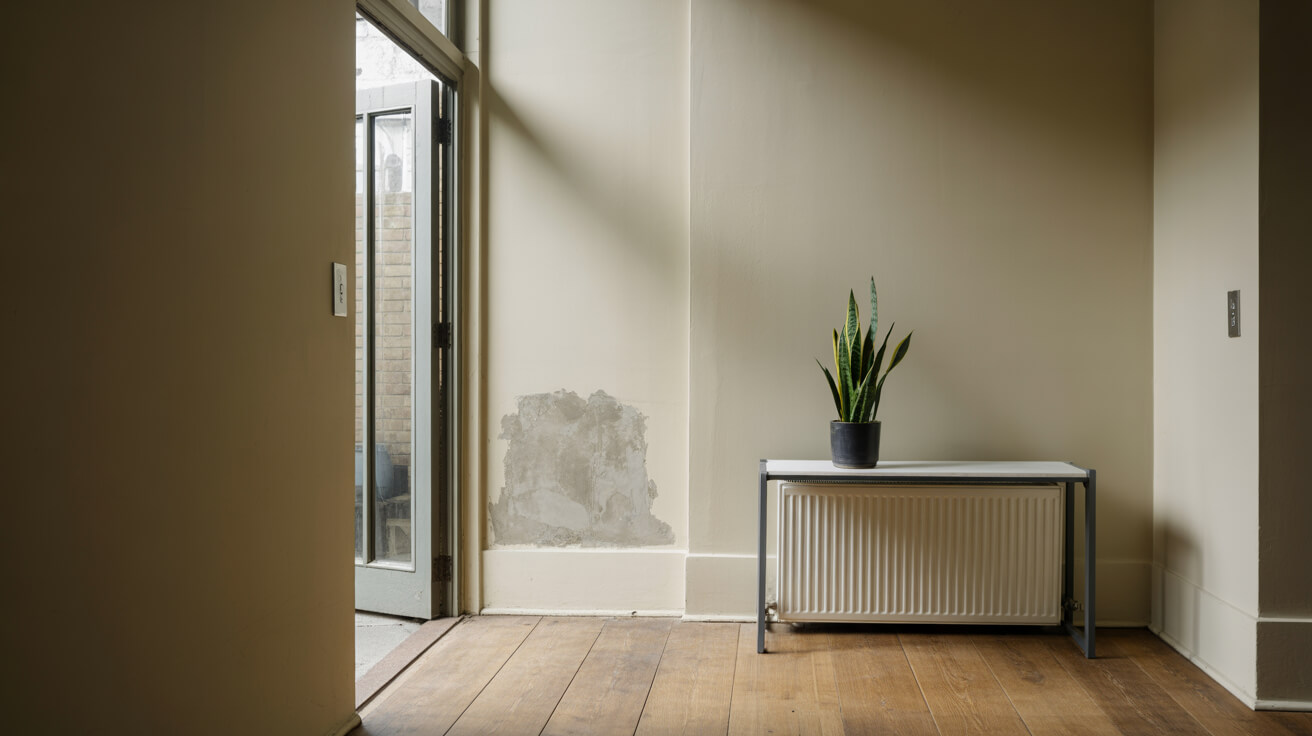
Treatment isn’t simply “get rid of the bugs.” If you want lasting freedom from repeated repair cycles, you must combine careful intervention, regular monitoring, and education for everyone responsible for the building.
Best Practices in Remediation
- *Targeted Chemical Treatment*: Only after moisture and environmental factors are under control
- *Removal/Replacement*: Severely weakened or rotted structural members must be replaced for safety
- *Heritage-Safe Techniques*: For older homes, breathable plasters, lime-based products, and specialist expertise are essential
Ongoing Prevention Strategy
- Schedule annual professional inspections in all at-risk spaces
- Ensure ventilation is adequate for property age and style
- After any leak or flood, re-inspect and, if needed, treat timbers
- Keep detailed records of all reports/treatments for future buyers or tenants
| Step | Frequency | Quick Notes |
|---|---|---|
| Inspect | Annually/quarterly | Target all hidden voids |
| Moisture monitor | Continuous | Dataloggers for heritage |
| Treatment | As required | PCA-specified only |
| Documentation | Post-intervention | Store for 10+ years |
Buildings don’t look after themselves. Peace of mind always comes from repeatable safeguards, not one-time fixes.
A living maintenance plan, including warranties and digital monitoring, upgrades your asset into a reliable, low-surprise performer.
Book Your Free Consultation With Sussex Damp Experts Today
Your property, project, or estate deserves more than a tick on a surveyor’s worksheet. The right consultation is not line-item spending—it defines whether your asset earns trust from buyers, tenants, and compliance authorities. Sussex Damp Experts leads with PAS2035- and PCA-accredited solutions; our surveys, reports, and technician teams are trusted not only by property owners but by insurers, lenders, and councils across the south.
Why Choose Our Services?
- Every survey is carried out by certified, experienced damp and timber surveyors with an unwavering focus on compliance and asset integrity.
- We offer both routine and urgent assessment—with a full risk/appraisal response in under 48 hours.
- Reports are formatted for lenders, insurers, and local authority requirements, including immediate remedies for critical finds.
- Our post-treatment monitoring and warranty documents follow you or your buyer, ensuring that your investment grows—not erodes—over the years.
Industry leaders—and the clients we serve—don’t accept doubt, delay, or shortcuts. Your building’s legacy should echo that standard.
When confidence, value, and compliance matter, connect with Sussex Damp Experts. Protect your building’s story—and reputation—by making the right call, now.
Frequently Asked Questions
What is a wood boring insect, and why does its mention on a report demand immediate attention?
A wood boring insect is a beetle whose larvae quietly chew tunnels inside timber, putting your structure, investment, and peace of mind at risk long before any outward damage appears. When your property survey, lender, or insurer flags “wood boring insect,” it’s not a suggestion—it’s a signal that something could be eroding your building’s strength from the inside out.
How timber becomes vulnerable
Adult beetles are drawn to damp or unprotected wood. Once eggs are laid—often in hidden joist ends, subfloors, attic beams, or old sills—larvae bore in, feeding for years under the surface while timber quietly weakens. The result? By the time you see tiny holes or frass (wood-powder dust), your structural security might already be undermined.
Why surveys and lenders treat this seriously
Surveys are designed to highlight hidden threats—especially those that compromise home safety, sales, or compliance. Lenders and insurers often halt deals, demand specialist proof, or attach expensive contingencies until a PCA-accredited expert like Sussex Damp Experts provides diagnosis and a path to repair.
Strength isn’t always visible. If you can’t vouch for your timber’s health, neither can your insurer or buyer.
Table: UK’s Key Wood Boring Species
| Species | Timber Preference | Typical Symptom | Risk Level |
|---|---|---|---|
| Common Furniture Beetle | Softwood | 1–2mm holes, edge frass | Ubiquitous |
| Deathwatch Beetle | Damp hardwood | 3–4mm holes, large tunnels | Heritage-critical |
| House Longhorn Beetle | Pine, new build | 6–9mm holes, rapid collapse | Statutorily notifiable |
| Wood Boring Weevil | Very damp/decayed | Minute holes, soft timber | Hidden moisture flag |
A surveyor’s phrase may sound clinical; in reality, it’s an urgent call to take control before invisible threats escalate. Don’t let uncertainty spread—expert diagnosis is your foundation for confidence and future value.
Why do some buildings and timbers attract wood boring insects while others remain untouched?
Properties don’t get infested by accident. Hidden risk builds over years of subtle moisture -often at exterior points, missed ventilation, or legacy construction details, leaving some homes as beetle havens while others stand strong.
What turns a safe beam into a target?
Moisture is the universal invitation.
- Timbers with >14% moisture—often at exterior walls, below bathrooms, or in under-ventilated subfloors—are prime real estate for beetles prepared to wait years for the perfect conditions.
- Heritage buildings, solid walls, and listed assets frequently skip modern damp proofing, making original joists, sills, and ornate beams perpetual risk points.
- Modern retrofits, insulated wall systems, and covered voids can trap condensation, creating new hiding places for insects even in recent builds.
Table: Hidden Hotspots for Infestation
| Building Element | Why It’s Vulnerable | Protective Strategy |
|---|---|---|
| Suspended timber floor | Damp crawlspaces, poor airflow | Domed vents, moisture checks |
| Attic beams/rafters | Leaky roofs, condensation pockets | Routine roof/insulation survey |
| Window/Door sills | Condensation, poor paint maintenance | Breathable paint, regular sealing |
| Historic beams | Ancient damp cycles, thick timber | Monitoring, breathable repairs |
| Boxed-in pipes | Hidden leaks, missed maintenance | Visual inspection, moisture sensors |
The lesson
If your building’s construction, repairs, or history traps moisture or shields timber from fresh air, your risk multiplies—and silent infestation begins. Proactive risk assessment from Sussex Damp Experts isn’t just smart; it’s asset armour.
Heritage status signals value. But it also warns: here, what’s hidden can cost ten times more.
What are the most reliable signs that wood boring insects are active in your property—and how do you avoid misreading the evidence?
You can’t stop what you can’t see. Yet, surface signs are your only chance for early intervention. Recognising patterns—and knowing which symptoms matter—keeps small issues from spiralling into major repairs or unbearable disruption.
Key signals hiding in plain sight
- Tiny, round exit holes (1–9mm) along timbers
- Fresh, pale frass (wood dust or pellet-like powder) beneath beams/floorboards
- Damp, softened, or crumbling wood at edges, especially in vulnerable rooms
- “Hollow” knock on joists—suggests internal tunnelling, not surface rot
- Strands/tunnels visible on cut timber (after repairs)
Isn’t every hole a sign of danger?
No. The real art is separating historic from active infestation.
- Old, darkened holes with no fresh dust are often the scars of past attacks—possibly resolved by prior treatment or simple drying.
- Active risk is revealed by newly appeared holes, shifting frass (especially after cleaning), and matching structural change.
Diagram: How to Read Signs
- Fresh dust: presence = urgent | faded = passive
- Clusters of holes: monitor pattern—spread suggests progression
- Crumbling when pressed = advanced larval phase
Misreading symptoms costs more than expert confirmation. Over-treating wastes years of asset growth, under-treating invites disaster. When doubt remains, consult accredited specialists; your decision should never rely on guesswork.
How does a wood boring insect infestation impact property safety, resale value, and legal compliance?
Timber decay isn’t just an aesthetic worry—it’s the slow undermining of everything your property stands for: stability, value, and the right to transact or lease with confidence.
Collateral impact is immediate
- Safety: Load-bearing joists, attic trusses, and floor beams lose integrity; collapse risk compounds after each new breeding cycle.
- Value: Buildings flagged with unresolved infestation routinely drop 10–25% in valuation. Sales stall, negotiations become fraught, lenders may walk.
- Compliance: Rental or managed properties with active risk or even suspected infestation can attract HHSRS (Housing Health and Safety Rating System) enforcement, council mandates, and in severe cases, forced repair or occupation bans.
Proof in Numbers
| Outcome | Impact Range | Remedy Required |
|---|---|---|
| Missed diagnosis | +£5,000–£25,000 repairs | Specialist report/repair |
| Mortgage paused | Weeks to months lost | PCA-cleared survey |
| Legal fines/council | £2,000–£10,000+ | Compliance doc/proof |
| Reputational loss | Owner & agent trust broken | Transparent reporting |
Buildings checked once a year don’t make headlines—they quietly build wealth.
Failing to get professional evidence or postpone treatment is nearly always the most expensive, disruptive option. In risk, ambiguity is the real hazard; decisive action signals credibility and unlocks asset growth for years.
What are the most important wood boring insect species and variants that UK property owners must recognise—and how does this change your management strategy?
Ignoring species ID is an invitation to waste or danger. Each beetle has a unique signature and management plan—guess wrong, and your solution could backfire or get rejected by specialists, lenders, even heritage officers.
Meet the adversaries
| Beetle | Typical Habitat | Visible Effect | Management Priority |
|---|---|---|---|
| Common Furniture Beetle | Softwood, home-wide | 1–2mm holes, edge dust | Standard but urgent |
| Deathwatch Beetle | Old oak, damp hardwood | Thick tunnels, structural risk | Heritage-expert only |
| House Longhorn Beetle | Pine, modern S. England | Massive holes, rapid collapse | Notify BRE, critical |
| Wood Boring Weevil | Wood with chronic damp | Minute holes, soft timber | Stop moisture first |
Why does correct identification matter?
Some treatment chemicals or techniques harm the property—or fail entirely—if targeted at the wrong species. Heritage properties must follow guidance unique to their structure, region, and conservation status.
- Wrong diagnosis = wrong solution = more money wasted, more value lost.
- Lenders/insurers expect professional evidence, not guesswork or home remedies.
A single phone-based ID with Sussex Damp Experts can mean the difference between targeted, warranty-backed resolution—and years of failed interventions.
How does a specialist diagnose, report, and certify wood boring insect infestation—and why is this crucial for your property’s future?
The real question isn’t if your building has wood boring insects, but how you can prove what’s true instantly, secure peace of mind for buyers or insurers, and guarantee a solution that lasts.
What you get with a real survey
- Full risk mapping: Exterior, subfloor, heritage beams—all checked to a lender-approved standard.
- Moisture & entry point analysis: Pinpoints sources, not just symptoms, anchoring prevention steps.
- Sample-based species confirmation: Clean hands, trusted eyes; evidence stands up to review.
- Historic vs. active status: Not every hole is a threat; get a precise report, avoid waste.
- PCA/BS6576 documentation: Used by lenders, councils, and buyers—you own the proof.
| Survey Step | What It Solves | Who Needs It |
|---|---|---|
| Visual + tool survey | Stops hidden escalation | Owner/landlord(s) |
| Sample/lab check | Avoids misdiagnosis | Surveyor, contractor |
| Report w/ photos | Satisfies compliance | Lender/insurer, council |
Why settle for “probably safe”?
Only a documented survey, tailored to your property’s legal and operational needs, confidently closes debate. It’s also the only ticket to unlock insurance settlements, enable stress-free sales, and avoid regulatory conflict. When Sussex Damp Experts handle your diagnosis, your building’s status shifts from risk to ready.
Show buyers and lenders you govern risk, not just respond to it. That’s how resilient ownership becomes obvious.
Can infestation really be prevented—or is recurring damage just the cost of old buildings?
You’re not hostage to cycles of repair. Consistent, species-specific maintenance guards your timber, your cashflow, and your legacy.
Enduring prevention means
- Monitoring and controlling subfloor/hidden moisture—where most infestations begin.
- Heritage-appropriate chemical or passive protection—tailored, not generic, for period buildings.
- Clear aftercare protocols—scheduled inspection, vent cleaning, touch-ups recorded for future owners/tenants.
- Documentation: Store and transmit survey evidence, repair schedules—proof to all parties of asset diligence.
Sussex Damp Experts’ long-term plan for your property
- Annual checkups for high-risk areas (especially after major weather, leaks, or tenant change)
- Digital, sensor-driven monitoring (for museums, churches, or commercial sites)
- Owner/manager training to spot shifts: ceiling stains, new board flex, debris gathering
- Warranty-integrated support—real assurance, not just a paper guarantee.
Ownership means more than putting out fires. It means leading with control, accountability, and pride—not waiting for siloed risks to sort themselves out.
If your asset matters, so must your standard of prevention. With Sussex Damp Experts, you instal that expectation—once, for everyone relying on the property today and tomorrow.

