
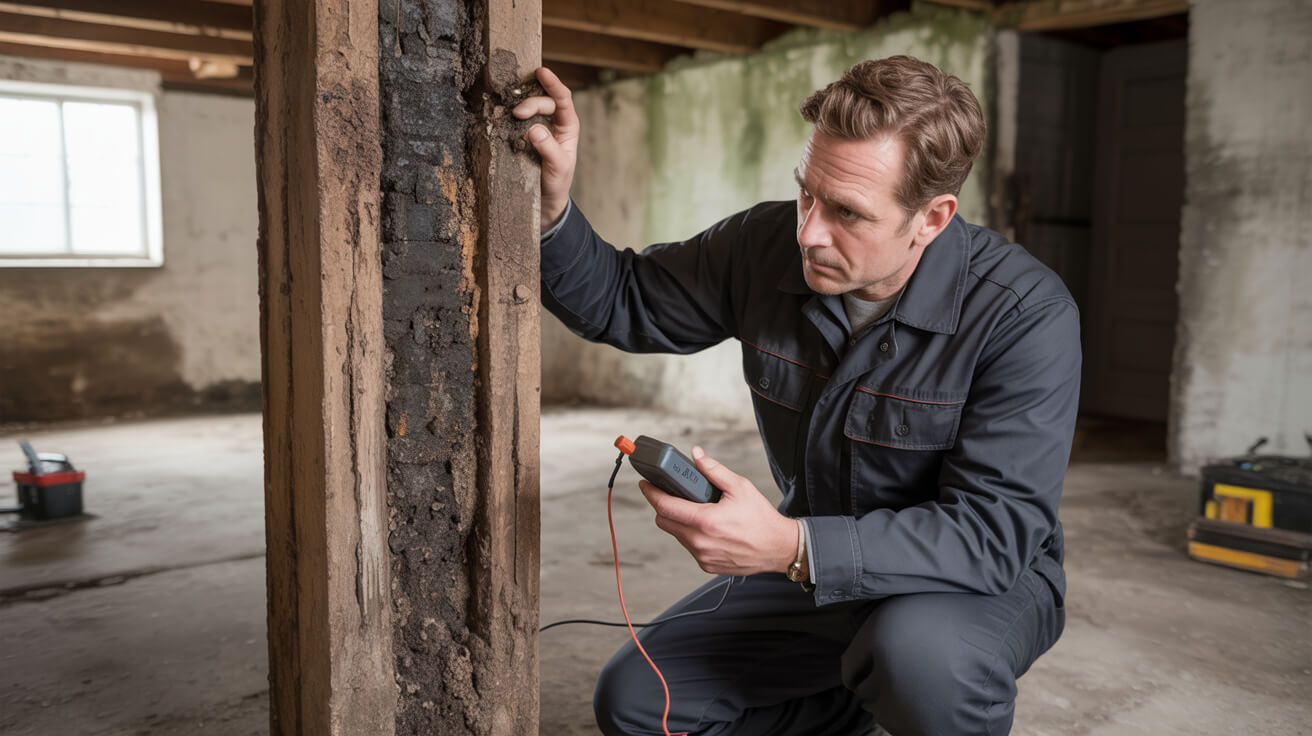
wet rot, primarily induced by Coniophora puteana, is a fungal infestation that deteriorates wood by breaking down its structural components. It poses a substantial risk to buildings with inadequate moisture control, leading to weakened timber and increased maintenance burdens. Effective damp proofing strategies are critical in preventing such decay, thereby safeguarding building longevity and functionality.
Etymology or Name Origin
The term “wet rot” derives from observable conditions in which timber becomes visibly softened and decayed under persistent moisture. The designation Coniophora puteana is the result of extensive taxonomic research in mycology, identifying the fungus as the principal agent in moisture-induced wood decay. Historically, early builders and surveyors noted the pervasive effects of damp on timber structures, eventually developing specialised nomenclature to distinguish wet rot from other forms of decay, including dry rot serpula lacrymans. Over time, this terminology has been refined to encompass both the biological and environmental aspects of the condition, thereby providing a clear framework for damp proofing practices.
Overview and Context
Wet rot is predominantly observed in environments where wood is consistently exposed to moisture, whether through water ingress, condensation, or high levels of ambient humidity. This decay process is of paramount importance within the field of damp proofing because it directly influences the durability and safety of buildings. Wet rot typically affects timber that is in direct contact with water, such as in areas with leaking pipes, poorly maintained gutters, or inadequate damp proof courses.
The phenomenon is embedded in a broader context of moisture control measures, where thorough damp proofing is essential for limiting the conditions that favour fungal growth. In buildings, especially those with older timber frameworks or heritage constructions, the use of chemical and physical damp proofing systems is crucial. These methods work to prevent moisture accumulation, thereby inhibiting the growth of fungi that cause wet rot. Furthermore, modern diagnostic tools such as moisture metres and thermal imaging contribute to early detection and effective intervention, reinforcing the critical role of technical expertise in maintaining building integrity.
History
Historically, the study of timber decay has been closely linked with the evolution of building maintenance practices. Early observations of wood deterioration under damp conditions set the stage for the development of mitigative strategies against moisture damage. In ancient times, builders recognised the detrimental effects of moisture on timber but lacked formal diagnostic methods to pinpoint the causes of decay.
Over the centuries, as scientific methods advanced, the specific role of fungi such as Coniophora puteana was identified and documented. The industrial revolution brought about an increased reliance on timber in construction, which in turn emphasised the need for standardised approaches to damp proofing. Early remedial techniques were largely empirical; however, with the advent of modern mycology and material science, these methods were refined significantly. Research during the 20th century led to the establishment of several industry standards such as BS6576 and BS8102, which provide guidelines for effective damp proofing and moisture diagnostics. This historical progression not only improved the reliability of treatment methods but also laid the groundwork for contemporary preventive measures that integrate advanced diagnostic imaging and chemical treatments.
Concept and Description
Wet rot is a decay phenomenon that results from the activity of the fungal species Coniophora puteana. This fungus thrives under moist conditions and feeds on the cellulose and lignin in wood, causing a reduction in its structural rigidity. The process involves fungal hyphae penetrating the timber and secreting enzymes that break down its organic material, ultimately leading to the softening and disintegration of the wood.
Biological Mechanisms
At the microscopic level, Coniophora puteana colonises wet timber by developing extensive networks of hyphae that infiltrate the cellular structure. The enzymatic reactions initiated by these hyphae degrade the chemicals that provide wood its rigidity, thereby reducing the mechanical strength of the timber. As the decay advances, affected areas often exhibit a spongy texture, increased moisture content, and a characteristic musty odour. The progression of wet rot is closely tied to sustained moisture exposure, meaning that effective damp proofing plays a fundamental role in interrupting this decay cycle.
Distinguishing Features
Wet rot is distinguished from other timber decay processes by its dependency on external moisture. Unlike dry rot serpula lacrymans, which can spread beyond damp areas, wet rot is typically confined to regions where moisture penetration occurs directly. Its symptoms include localised wood softening, discoloration, and the presence of fungal mycelium, making visual and instrumental diagnosis critical in differentiating it from condensation-caused decay. The decay pattern, combined with the specific fungal activity, serves as a diagnostic marker that influences remedial actions and treatment planning.
Functionality, Purpose, and Applications
damp proofing plays an essential role in mitigating the effects of wet rot by controlling moisture levels in susceptible environments. The primary purpose of damp proofing in this context is to prevent the conditions that foster fungal growth, thereby extending the lifespan of timber and safeguarding building structures.
Moisture Control and Preservation
- Prevention of Moisture Accumulation:
damp proofing techniques such as the installation of damp proof courses (DPCs) and the use of water-resistant membranes help to block moisture entry, reducing the risk of fungal proliferation.
- Timber Protection:
By limiting water ingress, damp proofing extends the structural integrity of wood. Chemical treatments, including fungicide applications, may also be used to arrest fungal growth in affected timber.
- Diagnostic and Remedial Methods:
State-of-the-art diagnostic tools, such as moisture metres and thermal imaging cameras, enable early detection of wet rot. These technologies form part of a broader maintenance protocol designed to monitor and address damp conditions before extensive decay sets in.
Applications Across Building Types
The principles of damp proofing and wet rot management apply to a diverse range of constructions, from historic structures to modern residential and commercial buildings. Effective damp proofing is particularly critical in:
- Heritage Buildings:
Where traditional construction techniques and materials require careful integration of modern preventive measures without compromising historical integrity.
- Residential Properties:
Where regular maintenance and preventive treatments help avoid costly repairs and potential devaluation.
- Commercial and Industrial Structures:
Which demand robust damp management systems to ensure operational continuity and compliance with safety regulations.
Damp proofing, therefore, functions not only as a remedial measure but also as a proactive strategy to enhance the longevity and performance of built assets.
Classifications, Types, and Variants
timber decay can manifest in various forms, of which wet rot is one significant variant. The classification of wet rot involves an assessment of the decay extent, distribution, and the underlying environmental conditions that foster its development.
Variants of Wet Rot
- Localised Wet Rot:
Limited to specific, moisture-prone areas where a minor water ingress or condensation issue is present. This form requires targeted remedial action.
- Widespread or Advanced Wet Rot:
Occurs when moisture issues remain unaddressed, leading the fungus to spread extensively across larger timber sections, including structural beams and joists.
- Severity Levels:
The impact of wet rot can be measured in terms of the extent of wood softening, discoloration, and loss of mechanical strength. Early-stage decay might be limited to superficial damage while advanced stages compromise the timber’s load-bearing capacity.
These classifications are instrumental in tailoring diagnostic and treatment approaches. For example, localised cases may respond well to chemical treatments and moisture control interventions, whereas advanced decay might necessitate partial timber replacement along with extensive damp proofing efforts.
Systems, Tools, and Methodologies
The detection and remediation of wet rot entail a sophisticated interplay of technological tools, diagnostic methods, and treatment protocols. These systems are designed to provide accurate assessments and facilitate effective interventions.
Diagnostic Tools
- Moisture Metres:
Used to measure the moisture content in timber, these devices provide precise readings that indicate whether conditions are conducive to fungal growth.
- Thermal Imaging Cameras:
Detect temperature anomalies associated with moisture accumulation, thereby highlighting areas of potential wet rot.
- Borescopes:
Allow inspectors to visually assess the internal condition of timber, providing insights into the depth and extent of decay.
- Chemical Testing Kits:
Tests such as salt analysis can be indicative of efflorescence related to moisture penetration and fungal activity.
Remediation Methodologies
- Chemical Damp Proof Courses (DPC):
Involve the injection of chemical solutions to create a barrier against moisture, thereby inhibiting fungal growth. This method is governed by robust standards like BS6576.
- Physical Barriers:
The installation of damp proof membranes, tanking systems, and other physical interventions that block water ingress.
- Fungicide Applications:
Direct treatment of affected timber with antifungal agents, aiming to reduce the fungal load and stop the progression of decay.
- Timber Replacement:
In cases of severe decay, structurally compromised wood is removed and replaced with treated or alternative materials that resist moisture intrusion.
Methodologies for Post-Treatment Monitoring
- Moisture Logging:
Continuous monitoring using moisture sensors ensures that treated areas remain below critical moisture thresholds.
- Thermal Follow-Up Inspections:
Regular thermal imaging surveys can verify that remedial measures are maintaining the desired temperature differentials.
- Scheduled Re-Inspections:
Annual or routine inspections are recommended to detect any resurgence of decay or moisture issues, ensuring long-term stability.
These systems, when used in tandem, provide a comprehensive framework for managing wet rot effectively. The integration of technology with traditional damp proofing practices has revolutionised the approach to viral timber decay, reducing the risk to both property assets and occupants.
Stakeholders and Entities Involved
Effective management of wet rot involves various stakeholders who contribute specialised expertise to the diagnosis, treatment, and prevention process. The collaboration among these groups is essential for healthy building maintenance and regulatory compliance.
Key Stakeholders
- Homeowners:
Typically the first to observe signs of wood decay, homeowners rely on professional inspections to understand the severity of the problem and to plan for remedial measures.
- Property Managers and Landlords:
Responsible for the upkeep of residential and commercial properties, these stakeholders must implement rigorous damp proofing strategies to maintain asset value and ensure occupant safety.
- Surveyors:
Experts in diagnosing timber decay, surveyors use advanced tools and standardised protocols to assess the impact of wet rot. Their reports often inform both treatment decisions and regulatory compliance.
- Building Contractors and Maintenance Teams:
These professionals carry out the physical remediation work. Their expertise in techniques such as chemical injection, membrane installation, and timber replacement is crucial in restoring structural integrity.
- Regulatory Authorities:
Government bodies that enforce standards such as BS6576, BS8102, and PAS2035 ensure that wet rot interventions meet necessary safety and quality benchmarks.
Collaboration and Coordination
The involvement of diverse stakeholders necessitates clear communication and coordinated planning. For property owners, aligning with experienced damp proofing specialists—such as those from Sussex Damp Experts—assists in achieving secure, compliant, and enduring outcomes. This collaborative approach minimises disruptions while ensuring that both immediate and long-term maintenance needs are met.
Legal, Regulatory, and Ethical Considerations
The remediation of wet rot is governed by a series of legal and regulatory frameworks designed to ensure that treatment methods are both effective and safe. These frameworks also provide guidelines that protect public health and preserve the structural integrity of buildings.
Regulatory Frameworks
- BS6576:
Specifies the requirements for the application of chemical damp proof courses, establishing procedures that ensure the treatment of timber under damp conditions meets stringent quality standards.
- BS8102:
Focuses on waterproofing measures for basements and other moisture-prone areas, offering guidelines that intersect with strategies for mitigating wet rot.
- PAS2035:
Addresses retrofit and conservation considerations, particularly in historic and heritage structures, ensuring that treatments are both effective and sympathetic to traditional building methods.
- Building Regulations Part C:
Outlines the legal responsibilities regarding moisture control in buildings, with specific provisions aimed at preventing conditions conducive to fungal decay.
Legal and Ethical Obligations
property owners and contractors must adhere to these standards not only to guarantee safe structural performance but also to comply with statutory regulations. Ethical practices in damp proofing involve transparent diagnostic processes and clear communication about treatment outcomes. Such transparency ensures that all parties understand the potential risks and benefits, facilitating informed decision-making.
Compliance with these regulatory requirements is fundamental to maintaining trust within the construction industry, promoting safety, and preventing the long-term deterioration of building assets.
Performance Metrics, Data, and Measurements
Quantitative assessment of treatment efficacy and timber health is crucial in managing wet rot effectively. Industry professionals rely on a range of performance metrics and data-driven methodologies to gauge the success of remediation efforts and to inform future interventions.
Metrics and Measurements
- Moisture Content Levels:
Regular monitoring using calibrated moisture metres provides precise data regarding the humidity levels in timber. Lower moisture readings post-treatment indicate successful damp proofing.
- Thermal Imaging Analysis:
Temperature variance maps can highlight areas of persistent moisture accumulation, acting as proxies for fungal activity and potential decay.
- Structural Integrity Tests:
Physical tests on treated timber assess improvements in strength and rigidity, ensuring that structural performance is restored.
- Inspection Frequencies and Schedules:
Detailed records of scheduled inspections and re-inspection intervals help maintain a documented history of treatment efficacy.
Data-Driven Approaches
The integration of real-time data logging systems, like moisture sensor networks and thermal cameras, has transformed the maintenance landscape. Such systems enable continuous monitoring of treated areas, triggering alerts when moisture levels begin to creep above acceptable thresholds. The resulting data not only validates the success of treatment methods but also guides adjustments in maintenance protocols, ensuring prolonged durability of timber and damp proofing systems.
These performance metrics, when systematically analysed, contribute significantly to the iterative improvement of treatment strategies and the overall reliability of damp proofing interventions.
Challenges, Barriers, and Limitations
Despite advances in diagnostic tools and treatment methodologies, several challenges persist in the effective management of wet rot. Understanding these barriers is crucial for optimising remedial actions and ensuring enduring structural protection.
Technical Challenges
- Diagnostic Discrepancies:
Early-stage wet rot may present subtle symptoms that are easily mistaken for other forms of decay. Even with advanced tools such as thermal imaging and moisture metres, slight measurement variations can complicate diagnosis.
- Inconsistent Treatment Outcomes:
Variability in timber composition and the uneven distribution of moisture often results in partial treatment success. The differential absorption of chemicals in various wood types poses challenges in achieving uniform results.
- Tool Calibration and Maintenance:
Regular calibration of diagnostic instruments is required to ensure accuracy. Without consistent maintenance, tools may deliver erroneous data, leading to inappropriate or ineffective interventions.
Economic and Social Barriers
- High Treatment Costs:
Comprehensive diagnostic and treatment protocols, especially in cases requiring extensive timber replacement or chemical injections, can be financially demanding. This often affects homeowner decisions and property management strategies.
- Coordination Among Stakeholders:
The multi-disciplinary nature of wet rot management necessitates smooth collaboration among homeowners, surveyors, and contractors. Misalignment in expectations or procedural delays can result in suboptimal outcomes.
- Regulatory Complexity:
Adhering to evolving standards and building regulations infuses additional complexity into the treatment process. Contractors must continuously update their methods to align with the latest legal and regulatory requirements, which can increase both project duration and cost.
Limitations in Current Practices
- Detection Limitations:
Although technologies such as moisture metres have advanced, limitations still exist in detecting early decay. Increased transparency in diagnostic processes is needed to bridge this gap.
- Environmental Influences:
Seasonal variations and external environmental conditions can affect moisture levels and, consequently, the accuracy of diagnostic assessments. This external variability sometimes complicates the evaluation of treatment effectiveness.
Addressing these challenges requires a dynamic approach that combines rigorous technological upkeep, clear communication among stakeholders, and continual refinement of treatment protocols based on performance data.
Impact, Influence, and Legacy
The influence of wet rot extends far beyond the immediate consequences of timber decay. Its management has shaped industry standards and set precedents for damp proofing practices, affecting both the economic value and longevity of buildings.
Structural and Functional Impact
Wet rot significantly compromises the load-bearing capacity of timber, leading to weakened structures that may necessitate costly repairs or partial rebuilds. The degradation of wood impacts not only the physical stability of buildings but also their thermal efficiency and overall performance, thereby escalating maintenance costs over time.
Economic Implications
Properties affected by wet rot often see a decline in market value due to the visible and measurable damage. Mortgage surveys and insurance assessments frequently flag damp issues, which can influence lending decisions and raise financing costs for property owners. The financial burden associated with recurrent treatment and maintenance can be substantial, prompting a greater emphasis on preventive damp proofing measures.
Industry Influence
The evolution of damp proofing practices in response to wet rot has spurred significant innovation within the construction and maintenance sectors. The adoption of advanced diagnostic methodologies, the integration of chemical and physical treatment systems, and the continuous refinement of industry standards such as BS6576 and BS8102 have all contributed to a more robust framework for timber conservation. This progress not only reinforces current maintenance practices but also informs future research and development initiatives aimed at further mitigating the effects of moisture-induced decay.
Legacy in Building Conservation
Over time, the lessons learned from managing wet rot have been instrumental in preserving historic and heritage buildings, where traditional construction methods meet modern remedial technologies. The integration of sensitive treatment protocols with rigorous standards has enabled conservation efforts to maintain the historical value of structures while ensuring their structural viability. This legacy influences both current practice and future policy, underscoring the importance of a balanced approach to historic preservation and contemporary damp proofing.
Future directions, cultural relevance, and design discourse
Future developments in the management of wet rot are poised to refine both detection and remediation practices while enhancing the integration of technology with traditional construction methodologies.
Technological Advancements
Ongoing research into non-invasive diagnostic technologies, such as enhanced thermal imaging and AI-driven moisture analysis, promises to improve the early detection of wet rot. Innovations in sensor integration and data analytics may soon enable real-time monitoring of timber conditions, allowing for proactive, rather than reactive, maintenance regimes. Additionally, advancements in material science are expected to yield more robust antifungal treatments and moisture-resistant construction materials that offer improved longevity.
Evolving Regulatory and Construction Practices
As building regulations and industry standards evolve, there is likely to be a greater convergence of traditional damp proofing techniques with modern technology. Future directions may focus on adapting existing standards to incorporate cutting-edge diagnostic tools and sustainable treatment methods. This integration will not only enhance the precision of remedial efforts but will also align with broader trends towards energy efficiency and environmental responsibility in construction.
Cultural and Conservation Discourse
Within the context of preserving historical buildings, the management of wet rot continues to be an area of significant cultural and ethical importance. In regions with a rich architectural heritage, such as the United Kingdom, there is a critical dialogue among conservationists, architects, and engineers regarding the best practices for maintaining structural authenticity while implementing modern damp proofing measures. This discourse covers a broad spectrum of issues—from the selection of appropriate materials that respect historical integrity to the balance between invasive and non-invasive treatment methods.
Cultural relevance further extends to the public’s perception of building maintenance, where increased awareness of environmental sustainability and property conservation spurs demand for high-quality, transparent remediation practices. Established entities, like Sussex Damp Experts, provide a model for integrating technical expertise with cultural sensitivity, demonstrating that effective damp proofing can preserve both the function and heritage of a property.
Interdisciplinary Integration and Future Research
Research into the interplay of environmental factors, fungal biochemistry, and timber physics is likely to deepen in the coming years. Interdisciplinary studies combining mycology, structural engineering, and data science could unravel new insights into early warning signs and optimal treatment windows for wet rot. Moreover, the integration of predictive analytics with sensor networks may foster a new era of preventive maintenance, where potential decay is identified and addressed before it reaches critical levels.
The resultant convergence of technology, regulatory reform, and conservation ethics will shape a future in which building maintenance is both highly efficient and environmentally sustainable. This forward-looking paradigm promises to enhance property resilience, reduce long-term repair costs, and preserve cultural heritage, marking a significant evolution in the field of damp proofing.

