
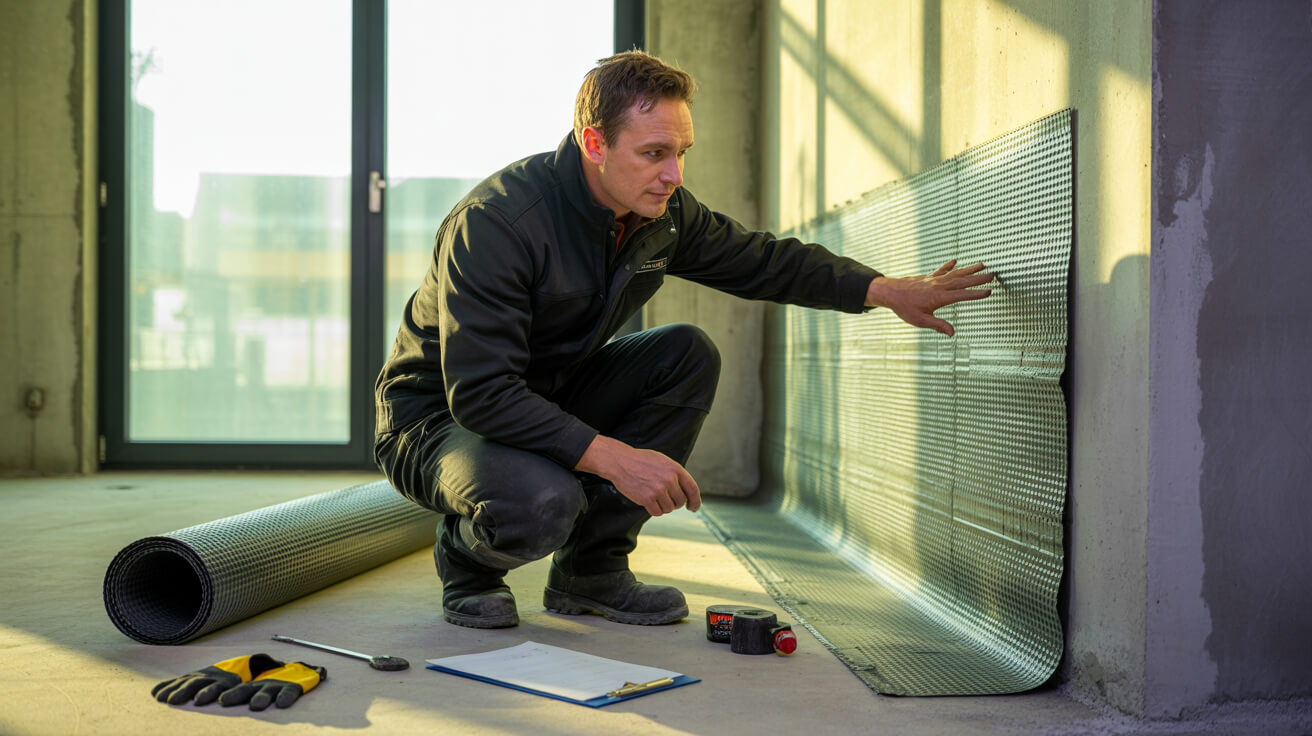
Visual impact assessments serve as a critical component within modern damp proofing practices. They provide quantitative and qualitative indicators of the condition of treatment membranes, incorporating digital imaging, thermal analysis, and moisture measurement. This approach not only facilitates the early detection of potential failures but also assists professionals—in fields spanning property management, heritage conservation, and inspection services—in establishing robust maintenance protocols. In environments ranging from contemporary residential properties to heritage-listed buildings, such assessments ensure that both performance and visual appearance are monitored and optimised over time.
Etymology or Name Origin
The terminology used in this field has evolved to encapsulate both the technical and aesthetic dimensions of damp proofing. The term “visible membranes” traditionally referred to the physical layers applied to building surfaces to prevent moisture ingress. Over time, as diagnostic technologies improved and digital image analysis became commonplace, the notion of “visual impact” expanded to include any systematic evaluation concerning the look and integrity of these treatments. This evolution reflects a growing recognition of the importance of not only mechanical performance but also the perceptual quality of surface treatments, especially in contexts where aesthetics play a significant role alongside functionality.
Overview / Context
Visual impact assessments are applied as an indispensable tool in determining the overall effectiveness of damp proofing treatments. Their primary function is to evaluate the condition of visible membranes, alongside related external membrane systems, which serve as the protective barrier against moisture intrusion. These assessments are performed using a combination of subjective visual inspection and objective diagnostic tools, including high-resolution photography, thermal imaging, and moisture mapping sensors. The integration of these methods allows for a comprehensive evaluation of both the appearance and material performance of the damp proofing system.
In the context of property maintenance and restoration, visual assessments help bridge the gap between traditional craftsmanship and modern technology. They support a balanced approach by ensuring that remedial actions not only secure the physical integrity of structures but also preserve or enhance their visual characteristics. This holistic method is particularly critical in heritage buildings, where aesthetic continuity is paramount, and in contemporary structures, where performance and design converge.
History
Origins
Historically, the evaluation of damp proofing treatments was based on simple, observational techniques developed by skilled craftsmen. Early methods relied on visual cues such as discoloration, efflorescence, and surface inconsistency to indicate the presence of moisture problems in visible barriers, including external membrane systems. The process was largely subjective, with experienced surveyors relying on their expertise to identify subtle signs of membrane failure.
Industrial Emergence
As industrial methods in construction advanced during the twentieth century, so too did the techniques for damp proofing. With the introduction of chemical damp proof courses and standardised materials, the need for more objective assessment methods emerged. During this period, basic diagnostic instruments such as moisture metres were introduced, allowing for more consistent measurements. However, the primary evaluation method remained largely visual, with assessments often recorded in handwritten reports that combined observational data with emerging measurement techniques.
Contemporary Evolution
The latter part of the twentieth century and the early decades of the twenty-first century witnessed significant technological advancements. Digital imaging, thermal cameras, and automated moisture controls began to transform the process into a more scientific discipline. These innovations enabled evaluators to capture a level of detail that was previously unattainable. Today, visual impact assessments are underpinned by strict industry standards—such as BS6576 and BS8102—that mandate precise diagnostic procedures. The evolution of these assessments has not only improved diagnostic accuracy but has also facilitated the development of comprehensive digital records, which are integral to monitoring long-term performance and compliance over successive treatment cycles.
Concept / Description
Core Principles
At its essence, a visual impact assessment is predicated on the evaluation of surface integrity and aesthetic coherence of damp protection membranes. The core principles include:
- Surface Uniformity: Evaluating the consistency and smoothness of the membrane, which directly relates to its ability to function as an effective moisture barrier.
- Material Integrity: Examination of physical properties, such as adhesion strength and the presence of visible defects like cracks or flaking, which may indicate underlying moisture penetration.
- Visual Evidence of Deterioration: Identifying signs such as discoloration, salt efflorescence, mould, or peeling of coatings, which serve as early indicators of potential system failure.
- Integration of Digital Tools: The use of advanced technologies such as thermal imaging and infrared thermography provides objective data points that supplement the examiner’s visual judgments.
These principles help create a robust framework whereby both qualitative observations and quantitative data contribute to the comprehensive understanding of a damp proofing treatment’s performance.
Component Analysis
To understand the efficacy of a visual impact assessment, it is important to analyse its constituent components:
- Visible Membrane Characteristics: These include surface texture, colour uniformity, and the presence or absence of visible defects. Distinct attributes such as the degree of salt staining or the manifestation of minor discolourations offer insights into the membrane’s performance.
- Digital Imaging Data: High-resolution photographs and thermal images help document the membrane’s condition over time. This data is critical for comparing before and after treatment states and for tracking the progression of any deterioration.
- Diagnostic Measurements: Tools such as moisture metres provide numerical data correlating with visual observations. For example, high moisture readings in areas that also exhibit visible efflorescence strongly indicate an active moisture ingress problem.
- Environmental Context: Factors such as ambient temperature, relative humidity, and the building’s exposure to weather conditions further influence the interpretation of visual cues. These environmental variables are integrated into the assessment to provide a comprehensive evaluation of treatment performance.
Theoretical Framework
The theoretical framework underpinning visual impact assessments draws on principles from material science and thermodynamics. Key theoretical concepts include:
- Capillary Action: Understanding how moisture migrates through capillaries in porous building materials directly impacts the performance of a damp proofing membrane.
- Vapour Permeability: The ability of a material to allow the passage of water vapour is critical in determining whether a visible membrane will deteriorate over time.
- Thermal Bridging: Differences in thermal conductivity between building materials can lead to areas where condensation occurs, thereby affecting the visual appearance of treatment membranes.
- Moisture Buffering: The capability of materials to absorb and later release moisture without degradation contributes to the longevity and effectiveness of damp proof treatments.
Integrating these principles with practical diagnostic methods allows for a detailed analysis that is both theoretically sound and operationally applicable.
Functionality / Purpose / Applications
Practical Use
The primary purpose of visual impact assessments is to provide an accurate and systematic evaluation of damp proofing treatment membranes. By verifying the condition of these membranes, property owners and building managers can determine whether maintenance or reapplication of treatments is necessary. This is particularly important in preventing the onset of structural failures and mitigating health risks associated with prolonged damp conditions.
Intended Outcomes
The intended outcomes of these assessments include:
- Early Detection: Identifying nascent issues before they escalate into major structural or aesthetic problems.
- Quality Assurance: Confirming that damp proofing treatments have been applied correctly and continue to meet industry standards.
- Data-driven Decision Making: Providing quantifiable data that can be used to plan maintenance schedules and allocate resources effectively.
- Increased Property Value: Ensuring that treatment membranes maintain their appearance and functionality contributes to the overall value and marketability of a property.
- Enhanced Safety: Reducing the risk of mould growth and other moisture-related hazards, thereby protecting the health of building occupants.
Areas of Deployment
Visual impact assessments are implemented across various sectors:
- Residential Properties: Evaluations ensure that homes are both safe and aesthetically pleasing, helping to preserve property value and reduce repair costs.
- Commercial Structures: In offices and retail spaces, regular assessments support ongoing maintenance and compliance with health and safety regulations.
- Heritage Buildings: Special attention is given to heritage structures to balance the requirements of modern damp proofing with the need to retain historical authenticity. In such cases, assessments are often conducted by experts with specialised knowledge, such as those associated with Sussex Damp Experts.
- Facilities Management: Large-scale property portfolios, including institutions and housing associations, use these assessments as part of routine condition surveys to inform maintenance and refurbishment cycles.
Classifications / Types / Variants
Assessment Variants
Visual impact assessments can be classified based on the severity and nature of the visual cues observed:
- Subtle Surface Alterations: These assessments focus on minor deviations such as light salt staining or slight colour variations, which may indicate the very early stages of treatment degradation.
- Intermediate Visual Defects: This classification encompasses assessments where clear, observable signs such as peeling, localised mould growth, or noticeable discolouration are present. These are typically indicative of moderate issues which warrant timely maintenance.
- Severe Aesthetic and Structural Failures: In these cases, pronounced imperfections like extensive peeling, widespread mould, or significant adhesive failures reflect a critical level of degradation that may compromise structural integrity and demand immediate remedial action.
Methodological Variants
The methodologies employed in visual impact assessments can also be subdivided into distinct variants:
- Traditional Visual Inspections: These rely on qualitative observations made by experienced practitioners using standardised checklists. They form the basis of historical practices and are still widely used due to their simplicity and cost-effectiveness.
- Digital and Sensor-Assisted Assessments: In these variants, the skill of the inspector is augmented by the use of thermal imaging cameras, digital sensors, and automated moisture logging systems. The integration of these tools allows for a more objective and quantifiable analysis.
- Hybrid Methods: Combining both manual and digital techniques, these methods aim to provide the best of both worlds by incorporating human judgement with automated data collection, enhancing diagnostic accuracy and reproducibility.
Systems / Tools / Methodologies
Diagnostic Instruments
A range of diagnostic instruments is utilised within visual impact assessments:
- Moisture Metres: These devices offer immediate readings of moisture content, which provide an objective measure correlating with visual signs of damp.
- Thermal Imaging Cameras: By capturing temperature variances across surfaces, thermal cameras can reveal hidden moisture accumulations that are not immediately visible.
- High-Resolution Digital Cameras: These are used to photograph the surface of treatment membranes, allowing for detailed analysis of colour consistency, texture, and the presence of stains or mould.
- Salt Test Kits: Employed to detect the presence and concentration of soluble salts, which are indicative of moisture-related efflorescence.
- Digital Survey Platforms: These software solutions compile and analyse visual and sensor data, generating comprehensive reports that assist in monitoring treatment performance over time.
Methodological Approaches
The process for conducting a visual impact assessment typically involves:
- Initial Visual Inspection: A systematic survey of the treatment membrane is conducted to identify any visible signs of deterioration.
- Data Collection: Digital tools and diagnostic instruments are used to record quantitative data, such as moisture content and temperature readings.
- Data Integration: Collected information is synthesised into a coherent analysis that correlates visual observations with objective measurements.
- Documentation: A detailed report is generated, including photographs, sensor data, and descriptive narratives that capture the current state of the membrane and indicate areas that may require further attention.
Comparative Analysis
An essential aspect of the assessment involves comparing various methodologies:
- Traditional vs. Digital Approaches: While traditional inspections rely primarily on human observation, digital methodologies introduce a level of precision and consistency that enhances reliability.
- Quantitative vs. Qualitative Data: The integration of numerical data with subjective evaluations results in a more balanced and comprehensive diagnostic process.
- Tool Efficacy: Assessors compare the performance of different instruments to ensure that the chosen tools provide accurate and reproducible results.
Stakeholders / Entities Involved
Professional Groups
A diverse group of professionals participates in the visual impact assessment process:
- Damp Proofing Specialists: Experts who are responsible for applying treatment membranes and diagnosing damp issues.
- Qualified Surveyors: Professionals who conduct detailed inspections and provide standardised reports that form the basis of assessment data.
- Restoration Consultants: Particularly in heritage contexts, these specialists ensure that damp proofing measures integrate seamlessly with the original fabric of the building.
- Technical Inspectors: Individuals assigned to verify that installations adhere to regulatory guidelines and industry standards.
Regulatory Bodies
Regulatory bodies play a crucial role in maintaining standards:
- Standards Organisations: Entities that develop and update guidelines such as BS6576 and BS8102, ensuring that damp proofing practices meet prescribed performance criteria.
- Local Government Authorities: These bodies enforce building codes and environmental regulations that directly impact the execution and assessment of damp treatments.
- Cultural Heritage Agencies: In cases involving listed or historic properties, these agencies oversee the compatibility of modern interventions with heritage preservation requirements.
Client Groups
Property owners, landlords, and facilities managers rely on the findings of visual impact assessments:
- Homeowners: Use assessment reports to make informed decisions regarding maintenance, treatment reapplication, and property valuation.
- Landlords: Rely on objective data to assess potential risks, ensure tenant safety, and comply with regulatory requirements.
- Facilities Managers: Employ these assessments to develop long-term maintenance schedules and optimise building performance across portfolios.
Legal / Regulatory / Ethical Considerations
Relevant Standards and Legislation
Visual impact assessments are conducted within a framework of established regulatory requirements:
- BS6576: Specifies standards for the installation of chemical damp proof courses, outlining acceptable performance criteria.
- BS8102: Provides guidelines for waterproofing below-ground structures, particularly in relation to basements and ground-level exposures.
- PAS2035: Sets forth the retrofit specification for a comprehensive evaluation of existing buildings, including moisture management protocols.
- HHSRS (Housing Health and Safety Rating System): Assesses potential health risks associated with damp and mould, thereby shaping inspection protocols.
- Listed Building Regulations: Impose constraints on interventions within heritage properties, necessitating additional considerations during visual assessments.
Legislative and Ethical Frameworks
The regulatory environment ensures that visual impact assessments are conducted responsibly:
- Compliance with Local Building Codes: Adhering to regional building regulations and environmental protection laws is essential for ensuring the integrity of treatment outcomes.
- Ethical Documentation: Maintaining transparency and objectivity in reporting, as well as safeguarding the confidentiality of assessment data, is fundamental to the integrity of the process.
- Quality Assurance: Implementing standardised methodologies helps prevent biassed interpretations of visual data, supporting reproducible and defendable assessment outcomes.
Performance Metrics / Data / Measurements
Quantitative Measures
The operation of visual impact assessments is bolstered by various quantitative methods:
- Moisture Content Analysis: Measurements obtained from moisture metres provide a quantitative indicator of the state of the membrane and the underlying substrate.
- Thermal Profile Mapping: Thermal imaging data is analysed to produce temperature maps that reveal areas of abnormal heat distribution, suggesting hidden moisture issues.
- Digital Image Analysis: High-resolution images are scrutinised using specialised software to detect subtle variations in colour and texture that may indicate surface degradation.
- Standardised Reporting Metrics: Benchmarking data against industry standards allows assessors to quantify deviations from normal performance levels.
Data Collection Methodologies
Effective data collection is central to the assessment process:
- Integration of Sensor Data: Combining real-time readings from various instruments ensures a comprehensive understanding of the treatment membrane’s condition.
- Longitudinal Monitoring: Repeated measurements over time allow for the tracking of trends and the early identification of potential failures.
- Comparative Analysis: Data is compared against baseline benchmarks established during initial treatment to assess the progression or improvement of the membrane’s condition.
Analytical Techniques
Advanced analytical techniques are employed to interpret collected data:
- Statistical Analysis: Numerical data is analysed to calculate averages, variances, and trends that delineate performance over time.
- Correlation Studies: Relationships between visual indicators and quantitative measures are examined to validate the accuracy of assessments.
- Predictive Modelling: Emerging models utilise historical data to forecast future performance, aiding in the proactive maintenance planning of damp treatments.
Challenges / Barriers / Limitations
Operational and Technical Challenges
Several challenges can impact the accuracy and consistency of visual impact assessments:
- Calibration Variability: Differences in instrument calibration and sensitivity can lead to discrepancies in moisture readings and thermal imaging results.
- Environmental Influences: Ambient conditions, including lighting, temperature, and humidity, can alter the appearance of treatment membranes, complicating visual evaluations.
- Operator Dependence: The subjective nature of visual inspections means that the skill and experience of the assessor can significantly influence the outcome of an evaluation.
- Integration of Diverse Data Sources: Combining qualitative observations with quantitative sensor data poses challenges in ensuring consistency and reliability across different measurement modalities.
Social and Economic Factors
External factors may also serve as barriers:
- Budget Constraints: High costs associated with advanced diagnostic tools can limit their widespread adoption, particularly in smaller organisations.
- Stakeholder Engagement: Variations in the level of engagement by property owners and managers can affect the thoroughness of assessments and subsequent maintenance investments.
- Market Variability: Economic fluctuations may influence the frequency and depth of assessments conducted, impacting long-term data reliability.
Methodological Critiques
Criticism of current methods focuses on issues of subjectivity and standardisation:
- Subjective Interpretations: Despite advances in digital techniques, the interpretation of visual data can vary significantly between different assessors.
- Lack of Unified Protocols: The absence of universally accepted methodologies can lead to inconsistencies in how visual impact assessments are conducted and reported.
- Technological Limitations: While digital imaging has enhanced assessment accuracy, limitations in resolution, data processing, and environmental adaptability continue to challenge overall reliability.
Impact / Influence / Legacy
Industry Contribution
Visual impact assessments have significantly influenced modern damp proofing practices:
- Enhanced Maintenance Strategies: By providing detailed and repeatable evaluations, these assessments support proactive maintenance and timely remedial actions.
- Standardisation of Practices: The evolution of assessment techniques has led to the development of standardised protocols that contribute to more uniform and reliable outcomes.
- Technological Integration: The incorporation of digital and sensor-based technologies has not only improved diagnostic accuracy but has also paved the way for continuous monitoring and data-driven decision making.
Economic and Safety Benefits
The benefits of effective visual impact assessments extend to both economic and safety domains:
- Property Value Preservation: Early detection of treatment failures allows for timely intervention, thereby protecting property value and reducing the likelihood of extensive repairs.
- Risk Mitigation: By identifying critical moisture-related issues, these assessments lower the risk of mould growth, structural damage, and potential health hazards that could affect building occupants.
- Cost Savings: Detailed diagnostic information facilitates more precise maintenance planning, reducing unnecessary expenditures on over-treatment or repeated interventions.
Legacy and Future Contributions
The legacy of visual impact assessments is reflected in their ongoing evolution:
- Continuous Improvement: The integration of advanced diagnostic techniques and digital tools has driven continuous improvements in assessment reliability and scope.
- Long-term Industry Influence: As a cornerstone of modern damp proofing practices, visual assessments have contributed to the broader development of maintenance standards and regulatory frameworks.
- Role of Specialist Organisations: Entities such as Sussex Damp Experts have played a significant role in refining assessment methodologies, contributing to widespread industry adoption and enhanced credibility.
Future directions, cultural relevance, and design discourse
Emerging Technologies and Methodologies
Ongoing technological advances promise to further transform visual impact assessments:
- Artificial Intelligence in Imaging: The integration of AI algorithms for processing digital images and thermal data is anticipated to yield even more precise and objective assessments. This evolution will likely reduce reliance on subjective interpretations and facilitate the automatic identification of visual imperfections.
- Internet of Things (IoT) Integration: The expansion of IoT-enabled sensors in building maintenance will allow for continuous, real-time monitoring of treatment membranes. Such integration will enable the early detection of anomalies and provide a dynamic feedback loop for maintenance strategies.
- Advanced Data Analytics: Predictive models that combine historical data with real-time sensor outputs are expected to play a critical role in forecasting membrane performance, guiding future maintenance and treatment schedules.
Cultural and Aesthetic Considerations
The cultural context and aesthetic standards of an era significantly influence how visual assessments are conducted:
- Heritage Conservation: For heritage buildings, preserving historical aesthetics while implementing modern damp proofing methods is paramount. Future assessments will likely incorporate cultural preservation techniques to ensure that interventions protect both the value and the character of historic structures.
- Design Trends: Shifts in design and architectural trends are prompting a reassessment of what constitutes acceptable visual performance. New materials and finishing techniques are continuously tested, and the dialogue between traditional aesthetics and innovative solutions is ongoing.
- Consumer Perceptions: As property owners and managers become more attuned to the visual aspects of building maintenance, there is an increasing emphasis on creating assessments that not only evaluate technical performance but also reflect a high standard of visual quality and appeal.
Design Discourse and Industry Debates
The future of visual impact assessment will be shaped by critical discussions and emerging academic discourse:
- Debates on Methodology: There is ongoing debate about the balance between subjective visual evaluations and objective digital analytics. Emerging methods aim to bridge this gap by integrating both parallel approaches systematically.
- Integration of Sustainability: With a growing focus on environmental sustainability, future standards may incorporate sustainability metrics alongside traditional performance parameters. This could include assessments of the embodied energy of treatment materials and the long-term environmental impact of maintenance strategies.
- Interdisciplinary Collaboration: The convergence of fields such as material science, digital imaging, and architecture is likely to drive the development of new standards and practices. Cross-disciplinary research will further refine assessment protocols and promote innovative solutions that are both equitable and effective.
- Regulatory Revisions: As technologies evolve, regulatory frameworks will need to adapt. Future guidelines may offer more granular criteria that incorporate both aesthetic and technical performance, ensuring that assessments remain relevant across diverse property types and environmental conditions.
Future Industry Impact
As visual impact assessments evolve, their influence is expected to extend well beyond damp proofing:
- Enhanced Predictive Maintenance: The integration of advanced diagnostics and predictive analytics will enable a proactive approach to building maintenance, potentially reducing costs and extending the service life of protective treatments.
- Global Benchmarking: Ongoing research and standardisation efforts will contribute to the establishment of global benchmarks that ensure consistency and quality across different regions, enhancing the reliability of visual assessments and fostering international best practices.
- Cultural Shifts in Property Management: As the importance of aesthetic value and comprehensive maintenance grows, visual impact assessments will become a staple in the toolkit of modern property management practices, bridging the gap between traditional craftsmanship and contemporary technical innovations.

