
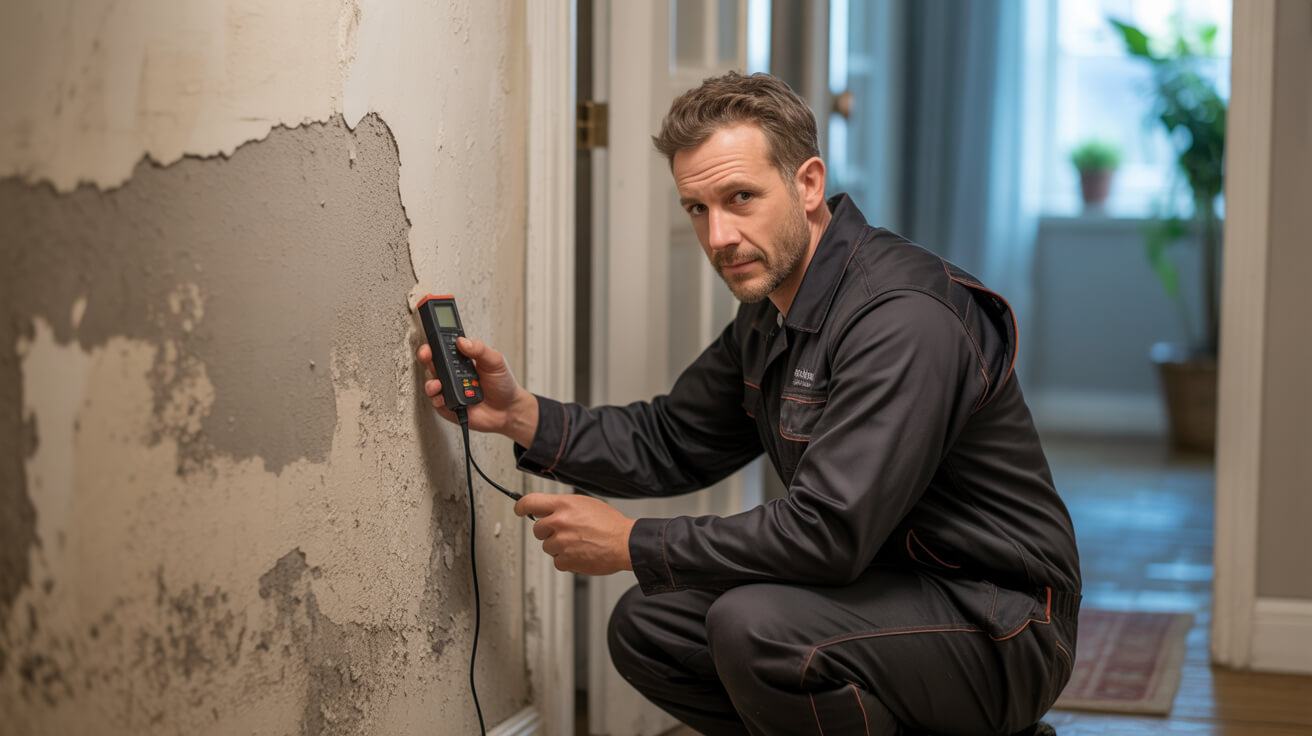
Internal damp impacts a variety of building types, from older residential properties to modern, well-sealed commercial spaces. It typically manifests as condensation on walls and windows, accompanied by minor surface discolouration and occasional musty odours. Over time, if unaddressed, internal damp can compromise thermal efficiency, contribute to the deterioration of interior materials, and create conditions that encourage microbial growth. As a subject of critical importance in the field of damp proofing, internal damp requires careful diagnosis, preventative strategies, and targeted remediation to ensure building longevity and occupant comfort.
Overview and Context
Internal damp arises when moisture generated within a building is unable to escape through sufficient ventilation, resulting in condensation when warm, humid air contacts cooler interior surfaces. In contrast to external damp forms, which are driven by water ingress from the exterior, internal damp is predominantly an outcome of internal climatic conditions and building performance issues. This topic occupies an intersection between building physics, material science, and environmental engineering.
Several key factors contribute to the development of internal damp:
- Environmental Conditions: Elevated indoor humidity can result from excessive moisture generation (such as cooking, showering, or drying clothes indoors) combined with low ambient temperatures, leading to condensation on walls and windows.
- Thermal Bridging: Poor insulation or structural elements that conduct heat more rapidly may create cold zones, leading to localised condensation.
- Ventilation Deficiencies: Inadequate air exchange prevents the removal of moisture-laden air, allowing humidity levels to rise beyond acceptable thresholds.
- Material Properties: The permeability of building materials influences how moisture is absorbed or released. Materials with low vapour permeability may trap moisture, subsequently leading to internal damp conditions.
Understanding these factors is crucial for discerning how internal damp differs from other moisture-related problems. The phenomenon also has broad implications, not only affecting thermal comfort and energy efficiency but also raising concerns regarding indoor air quality and the overall durability of building components.
History
The concept of damp within buildings has evolved significantly over time. In early construction practices, the management of moisture was an incidental aspect of building design rather than a defined area of focus. Builders relied on naturally breathable materials and less energy-efficient methods that inadvertently moderated internal humidity levels. However, as building designs modernised and more sealed constructions became prevalent during the industrial revolution, the risks associated with internal moisture accumulation gained prominence.
With the advent of modern building science in the mid-20th century, researchers began systematically investigating the mechanisms of condensation and moisture transfer within enclosed spaces. The development and application of diagnostic tools, such as moisture metres and thermal imaging cameras, allowed for the quantitative analysis of damp conditions and led to the formulation of preventative measures. Standards such as BS6576 were introduced to provide a framework for assessing and mitigating damp issues, and regulatory bodies began to enforce stricter compliance to ensure the health and safety of building occupants.
In recent decades, the increasing emphasis on energy efficiency in building design has compounded the challenge of internal damp. Enhanced insulation and air-tight construction methods, while beneficial for energy conservation, have inadvertently reduced natural ventilation, thereby creating new dilemmas in moisture management. This has prompted continual advancements in both diagnostic methodologies and remediation techniques, shaping current practices and regulatory frameworks in the field of damp proofing.
Concept and Description
Internal damp is fundamentally a manifestation of thermodynamic imbalances within a building. When warm, moist air comes into contact with surfaces that are cooler than the dew point temperature, condensation occurs. This process leads to the deposition of water droplets on interior surfaces such as walls, ceilings, and windows. At its core, the phenomenon is governed by principles of heat transfer, moisture diffusion, and material science.
Condensation Mechanics
The occurrence of condensation within a building is primarily a function of the relative humidity and the surface temperature. When air becomes saturated with moisture, typically due to heating and inadequate ventilation, the excess water vapour condenses as liquid. This condensation is most commonly observed during seasonal transitions, when indoor heating contrasts sharply with cooler external temperatures.
Thermal Bridging and Insulation
thermal bridging contributes significantly to internal damp by allowing rapid heat loss through structural elements. In areas where insulation is compromised, a thermal bridge can create a cold spot that triggers condensation. The design and composition of building envelopes therefore play a critical role in mitigating internal damp. Improved insulation and careful design considerations help maintain uniform surface temperatures, thereby reducing the probability of condensation.
Material Moisture Dynamics
The interaction between moisture and building materials is another cornerstone in understanding internal damp. Materials such as brick, concrete, and plaster have distinct properties regarding moisture absorption and release. The concept of vapour permeability is central in this context—it describes the ability of a material to allow moisture vapour to diffuse through it. Ideal materials facilitate a balanced exchange that prevents the accumulation of moisture while maintaining structural integrity. However, if the permeability is too low, moisture may become trapped, leading to persistent damp conditions.
Integration of Scientific Principles
The study of internal damp involves a multidimensional approach, combining physical principles such as capillary action, dew point measurements, and thermal conductivity. Advanced diagnostic techniques, including infrared thermography and moisture metres, provide numerical data to support theoretical models. These instruments not only measure present conditions but also help predict future trends based on environmental fluctuations and material properties.
Functionality / Purpose / Applications
The comprehensive study of internal damp serves several pragmatic functions that are directly relevant to building maintenance and energy efficiency. Notably, the identification and management of internal damp are crucial for ensuring both the longevity of building structures and the wellbeing of occupants.
Diagnostic Use and Prevention
Accurate detection of internal damp is critical to preventing more extensive damage. Professionals rely on a range of diagnostic tools—such as moisture metres, thermal imaging devices, and hygrometers—to quantify moisture levels within a building. By establishing baseline readings, these tools enable early intervention strategies that reduce the risk of long-term deterioration. For instance, timely detection of condensation enables corrective measures to improve ventilation and thermal insulation, ultimately preventing the onset of mould growth and material decay.
Remediation Techniques
Internal damp remediation typically involves a multifaceted approach that addresses both the symptoms and root causes of moisture accumulation:
- Ventilation Improvement: Enhancing air flow is a primary method for reducing humidity. This may involve installing mechanical ventilation systems or optimising natural ventilation pathways.
- Insulation Upgrades: Mitigating thermal bridging by installing or improving insulation helps maintain uniform surface temperatures and reduces condensation risks.
- Application of Damp-Proof Coatings: Specialised damp-proof paints and breathable plasters are used to treat surfaces suffering from moisture accumulation. These materials are engineered to allow vapour passage while preventing water ingress, thereby maintaining structural integrity.
- Monitoring and Follow-up: Ongoing maintenance, including periodic moisture readings and sensor-based monitoring, ensures that remediation efforts remain effective over time.
Impact on Energy Efficiency
Internal damp can affect a building’s thermal performance by compromising insulation and promoting heat loss. When moisture accumulates, it creates an environment where heat is transferred more rapidly from the interior to the external environment. This not only elevates energy consumption by increasing heating or cooling demands but also leads to an overall decrease in building performance. Remediation strategies that target internal damp serve a dual purpose by enhancing occupant comfort and contributing to improved energy efficiency.
Broader Applications
Beyond its immediate impact on individual buildings, the study of internal damp plays a role in the broader context of sustainable construction and maintenance practices. Effective management of internal damp supports resilient building designs that are responsive to both environmental imperatives and regulatory requirements. The integration of advanced sensor technologies and data-driven diagnostic tools further underscores the relevance of internal damp research in the evolution of smart, sustainable infrastructure.
Classifications / Types / Variants
Internal damp can be classified based on its severity and the nature of its causative factors. Although there is some overlap with other moisture-related conditions, internal damp is typically distinguished by the internal sources of moisture and the resultant condensation phenomena observed within the building.
Minor Condensation
This variant is characterised by occasional condensation on windows and walls during periods of high humidity. Typically, it reflects temporary moisture imbalances rather than persistent problems, often resolving with improved ventilation or temperature regulation.
Moderate Damp with Mould Formation
When condensation persists, it may lead to visible signs of damp such as mould growth and the degradation of surface finishes. This level of internal damp is often identified through localised damp patches, peeling or bubbling paint, and musty odours. Such conditions necessitate corrective interventions to prevent further deterioration and potential health risks.
Severe Structural Damp
In cases where internal damp has progressed unchecked, the condition can lead to severe structural issues. High levels of moisture can persist in the building envelope, leading to significant material decay, compromised insulation, and an overall degradation in building integrity. This severe form of internal damp represents a critical need for professional remediation and rigorous monitoring.
Systems, Tools, and Methodologies
Effective management of internal damp relies on a systematic approach that integrates advanced diagnostic tools with proven remedial methodologies. The following systems and tools are essential components in the detection and treatment of internal damp:
Diagnostic Instruments
- Moisture Metres: Devices that measure the moisture content within building materials, providing quantitative data essential for assessing damp conditions.
- Thermal Imaging Cameras: Instruments that reveal temperature variances on interior surfaces, identifying areas prone to condensation.
- Hygrometers: Tools used to monitor the relative humidity levels inside buildings, offering insights into ambient conditions that may contribute to damp.
- Infrared Thermography: A non-invasive method to detect cold spots on walls and ceilings where condensation is likely to occur.
- Moisture Gradient Mapping: Techniques that chart the distribution of moisture across different areas of a building, aiding in pinpointing problematic zones.
Remediation and Remedial Methodologies
- Ventilation Enhancements: Upgrading natural or mechanical ventilation systems to decrease indoor humidity.
- Insulation Improvement: Installing or reinforcing insulation to minimise thermal bridging and promote uniform temperature distribution across building envelopes.
- Application of Damp-Proof Coatings: Using specialised breathable materials that prevent moisture penetration while allowing vapour diffusion.
- Regular Monitoring Protocols: Implementing sensor-based monitoring and scheduled inspections to track changes in moisture levels over time.
Methodological Approaches
- Data-Driven Analysis: The use of quantitative metrics derived from moisture measurement tools to inform remediation strategies.
- Phased Remediation: A staged approach that begins with diagnostics, proceeds to targeted intervention, and concludes with post-treatment monitoring.
- Integrated Diagnostic Models: Combining various data sources, including thermal imaging and humidity measurements, to produce a comprehensive picture of internal damp conditions.
A table summarising key diagnostic tools and their applications is provided below:
| Tool | Application | Key Benefit |
|---|---|---|
| Moisture Metre | Direct measurement of water content | Quantitative assessment of damp severity |
| Thermal Imaging Camera | Detection of cold spots and condensation | Identification of high-risk areas |
| Hygrometer | Monitoring ambient humidity levels | Provides essential climate control data |
| Infrared Thermography | Non-invasive identification of temperature variations | Supports early diagnosis |
| moisture gradient mapping | Spatial analysis of moisture distribution | Enables targeted remediation |
Stakeholders and Related Entities
Effective management of internal damp involves the coordination of various stakeholders, each playing a critical role in ensuring that remediation efforts are successful and compliant with prevailing standards:
Key Stakeholders
- Property Owners and Managers: Tasked with maintaining building integrity and ensuring a healthy indoor environment. Their responsibilities include scheduling regular maintenance and coordinating remediation efforts.
- Surveyors and Building Inspectors: Utilise diagnostic tools to assess internal damp conditions and provide professional recommendations. They serve as the primary link between diagnosis and remediation.
- Maintenance and Facilities Managers: Oversee day-to-day operations that help prevent the recurrence of internal damp. Their role is crucial in implementing both preventive measures and remedial interventions.
- Specialised Damp Proofing Contractors: Provide expert services in diagnosing and treating internal damp. They are equipped with the knowledge and tools necessary to execute complex remediation projects.
- Regulatory Bodies and Standards Organisations: Establish guidelines and enforce standards related to building health, energy efficiency, and occupant safety. Standards such as BS6576 and frameworks like HHSRS are critical in shaping industry practices.
- Consultants and Technical Advisors: Offer expertise in integrating modern diagnostic systems with traditional remediation methods, ensuring that interventions are both technologically advanced and practically feasible.
These stakeholders collaboratively form a network that balances technical expertise with regulatory compliance, ensuring that internal damp is managed effectively over time.
Legal, Regulatory, and Ethical Considerations
The management of internal damp is governed by a robust framework of legal, regulatory, and ethical guidelines designed to promote building safety and occupant welfare. Compliance with these standards is essential to ensure that diagnostic and remediation practices are both effective and socially responsible.
Regulatory Standards
- BS6576: Sets out standardised procedures for diagnosing and managing damp within buildings. This standard informs the use of diagnostic instruments and guides remediation practices.
- HHSRS (Housing Health and Safety Rating System): A framework used to assess the health and safety risks associated with damp and mould in residential properties. It provides benchmarks that influence remedial priorities.
- Building Regulations Part F: Outlines the requirements for ventilation in buildings, helping to mitigate the conditions that lead to internal damp.
Adherence to these standards ensures that remediation strategies not only address the immediate problem but also align with long-term building maintenance and energy efficiency objectives.
Legal and Ethical Responsibilities
Building owners and service providers bear a legal and ethical mandate to maintain safe and healthy living conditions, which includes the proper management of internal damp. This responsibility extends to:
- Tenant Safety: Ensuring that high humidity and mould do not compromise indoor air quality or occupant health.
- Property Integrity: Maintaining the structural and aesthetic quality of the building to preserve its market value and longevity.
- Transparent Reporting: Providing accurate diagnostic reports and adhering to regulatory standards to avoid legal disputes.
Organisations such as Sussex Damp Experts integrate these considerations into their service models, ensuring that remediation practices are not only effective but also fully compliant with statutory requirements.
Performance Metrics and Data
The quantification of internal damp issues is essential for both diagnosis and the ongoing assessment of remediation effectiveness. Performance metrics provide a basis for evaluating the success of intervention strategies and guiding future maintenance protocols.
Measurement Techniques
- Moisture Content Analysis: Utilises moisture metres to determine the percentage of water present in building materials, offering an immediate measure of internal damp severity.
- Thermal Imaging: Identifies temperature variances that indicate moisture accumulation, particularly in areas where insulation deficiencies are prevalent.
- Relative Humidity Tracking: Through the use of hygrometers, professionals can monitor indoor air quality and determine if conditions are conducive to condensation.
Data Analysis
Collected data from diagnostic tools is used to establish benchmarks and performance indices. Such indices help in:
- Establishing Baselines: Creating reference points for expected moisture levels under normal conditions.
- Monitoring Trends: Tracking changes over time to detect early signs of damp recurrence.
- Evaluating Remediation Success: Comparing pre- and post-treatment data to assess the effectiveness of intervention strategies.
A simplified table illustrating typical performance metrics is provided below:
| Metric | Methodology | Benchmark/Range |
|---|---|---|
| Moisture Content | Direct measurement via metre | 10-15% in healthy conditions; above 20% indicates damp |
| Surface Temperature | Thermal imaging analysis | Should align with ambient indoor temperatures |
| Relative Humidity | Hygrometer readings | Ideal indoor levels approximately 30-50% |
| Condensation Frequency | Visual and sensor data | Occasional condensation may be acceptable; persistent presence indicates a problem |
Challenges, Barriers, and Limitations
Diagnosing and mitigating internal damp presents a range of challenges that span technical, operational, and economic dimensions. These challenges necessitate a comprehensive and adaptive approach to effectively manage moisture issues within buildings.
Technical Challenges
- Equipment Limitations: Diagnostic tools, such as moisture metres and thermal cameras, may have limited accuracy or be affected by environmental variables. Calibration and proper use are essential to obtain reliable data.
- Material Variability: Different building materials have distinct moisture absorption and retention characteristics, complicating the assessment of internal damp across varied construction types.
- Measurement Complexity: Isolating the source of internal damp can be challenging, as multiple factors such as thermal bridging, condensation, and capillary action often operate concurrently.
Operational Barriers
- Access Limitations: In many older or heritage buildings, restricted access to certain areas can hinder comprehensive diagnostics and effective remediation.
- Cost Considerations: Advanced diagnostic systems and remediation techniques can be costly, posing a financial challenge for property owners. Balancing cost with effective intervention is a critical concern.
- Maintenance Difficulties: Sustainable damp management requires regular monitoring and ongoing maintenance. Without a robust maintenance plan, even effective remediation may fail over time.
Economic and Social Factors
- Property Valuation Impact: Persistent internal damp can lead to significant reductions in property value, affecting mortgage assessments and resale potential.
- Health and Safety Considerations: Elevated moisture levels and subsequent mould growth may pose health risks, especially for vulnerable populations, necessitating interventions that are both timely and effective.
- Regulatory Compliance: Adhering to evolving standards and regulatory frameworks can present a barrier, particularly for organisations managing a large portfolio of properties.
Impact, Influence, and Legacy
The effects of internal damp extend beyond its immediate manifestations, influencing both the physical condition of buildings and broader economic and social factors.
Structural and Economic Impacts
- Material Degradation: Prolonged exposure to moisture leads to the deterioration of building materials. This degradation reduces the structural lifespan of walls, ceilings, and other critical components.
- Energy Efficiency Losses: As internal damp compromises insulation, buildings experience higher energy consumption due to increased heating or cooling demands. This not only affects operational costs but also has environmental ramifications.
- Property Devaluation: Properties afflicted with internal damp are often subject to lower market valuations. mortgage surveys and insurance assessments frequently flag damp issues, impacting investment potential and resale values.
Health and Environmental Influences
- Indoor Air Quality: The persistence of damp creates an environment conducive to mould and bacterial growth, which can adversely affect indoor air quality and occupant health.
- Occupant Comfort: High humidity and associated damp conditions reduce overall comfort, leading to potential increases in respiratory issues and other health concerns.
- Cultural Legacy: The study and management of internal damp have significantly influenced modern building standards and maintenance practices. Over time, advancements driven by academic research and industry innovation have established a legacy of rigorous damp management that benefits both safety and sustainability.
Industry Evolution and Technological Advancements
The challenges posed by internal damp have spurred numerous innovations in diagnostic and remediation technologies. With the development of sensor-based monitoring systems and data-driven analysis, the field continues to evolve, integrating modern technology with traditional construction practices. This evolution has enabled more precise interventions and fostered a legacy of continuous improvement in the damp proofing industry.
Future directions, cultural relevance, and design discourse
Emerging trends in the management of internal damp signal a transformative shift in both methodology and technological application. The increasing integration of smart sensor networks and IoT-enabled devices is poised to revolutionise how moisture levels are monitored, allowing for real-time, dynamic adjustments to building management practices. These innovations promise to significantly enhance the early detection and remediation of internal damp, thereby mitigating its long-term effects on building integrity and occupant health.
Research is progressively focusing on sustainable remediation techniques that not only address internal damp but also align with broader environmental goals, such as energy conservation and reduced carbon footprints. Developments in eco-friendly materials and advanced ventilation technologies are part of a larger movement toward resilient and energy-efficient building designs.
Furthermore, the regulatory landscape is expected to continue evolving alongside these technological advancements. Updates in building codes and standards will likely reflect the latest in diagnostic and remediation technology, setting new benchmarks for quality and performance in damp management. This evolution is particularly relevant for heritage and conservation projects, where maintaining historical integrity while ensuring modern standards of safety and efficiency presents a unique challenge.
Cultural considerations also play a critical role in the discourse surrounding internal damp. In regions with a rich architectural heritage, such as those serviced by Sussex Damp Experts, there is an inherent tension between preserving traditional building methods and adopting innovative, modern solutions. This interplay of tradition and innovation continues to influence design debates, regulatory practices, and the overall narrative of building conservation.
Looking ahead, the focus on integrated diagnostic models that combine thermal imaging, humidity tracking, and advanced moisture mapping will likely lead to more predictive and preventative approaches to internal damp management. As these systems become increasingly sophisticated, they will support a proactive rather than reactive stance, enabling early intervention strategies that preserve building integrity before extensive damage occurs.
Emerging debates around digital twins and real-time building performance monitoring are also expected to shape the future of internal damp management. These technologies offer the ability to simulate and predict moisture behaviour under varying conditions, providing a comprehensive toolset for managing internal damp comprehensively. Additionally, the cultural shift toward sustainable building practices emphasises the need for solutions that balance efficiency with environmental stewardship—a balance that is central to the evolution of damp proofing technologies.
In summary, internal damp remains a complex yet critical element of building maintenance and performance. The confluence of empirical research, technological innovation, and evolving regulatory standards continues to drive advancements that benefit both the industry and the broader community of building occupants. With a clear trajectory toward smarter, more sustainable management practices, the future of internal damp lies in integrated, data-driven approaches that are as adaptive as they are effective.

