
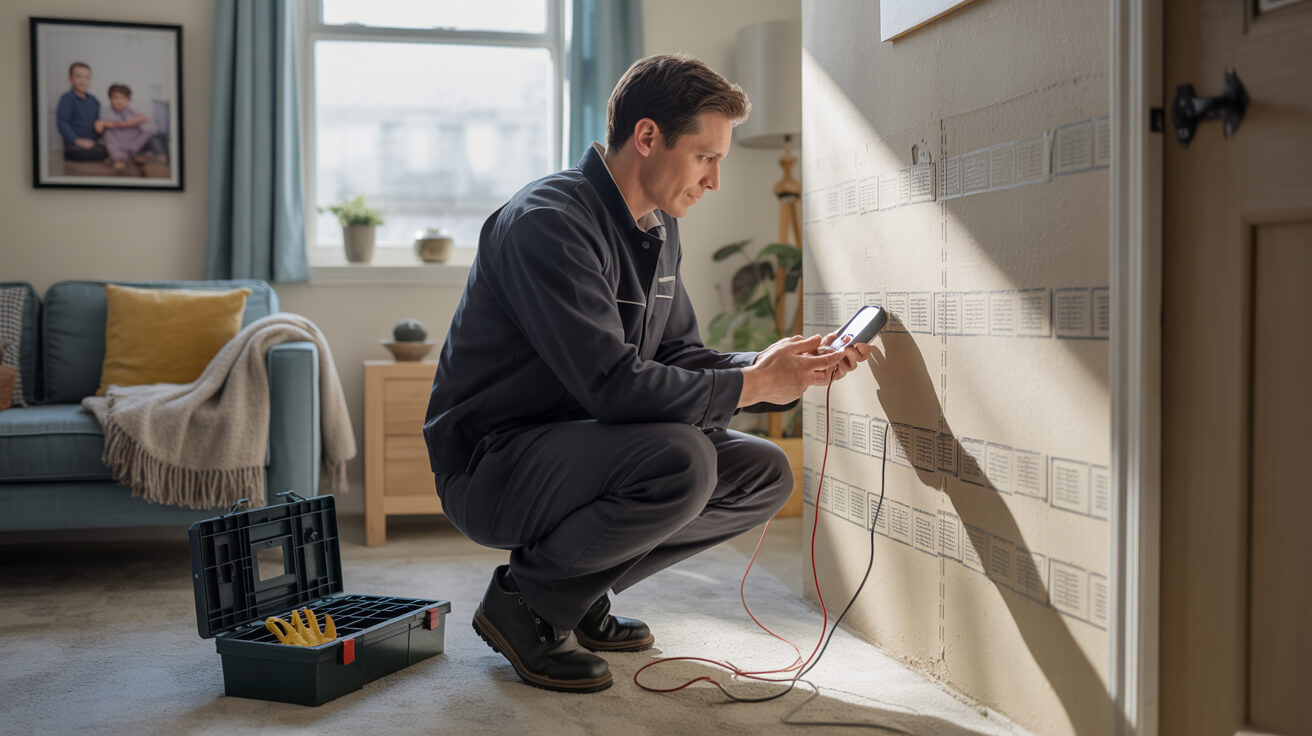
Housing associations serve as a cornerstone in ensuring community access to safe and affordable housing. Their operations encompass not only the provision and management of residential properties but also the continuous upkeep and enhancement of these assets through stringent maintenance practices. Among the various maintenance challenges, damp proofing is indispensable due to its direct impact on structural integrity, tenant health, and property value. Uncontrolled moisture ingress can lead to progressive deterioration of building materials, thereby necessitating robust diagnostic and remedial interventions. Regulatory frameworks like BS6576, BS8102, and PAS2035 play a pivotal role in guiding these interventions, ensuring systematic and proven approaches to damp management.
Etymology or Name Origin
The nomenclature “housing association” emerged during the mid-20th century as public and community-led initiatives sought to address housing shortages and improve living standards. The term reflects a shift from private ownership to collective, community-oriented property management. Similarly, the term “damp proofing” combines the everyday phenomenon of damp—a sign of unwanted moisture—and the engineering practice of establishing barriers to protect buildings. These terms have evolved in technical literature yet continue to underpin contemporary discussions on property maintenance and building conservation.
Overview / Context
Housing associations manage the operation and maintenance of a wide range of properties, from large-scale social housing complexes to smaller, community-managed dwellings. With an imperative to protect both assets and occupants, these entities employ a range of technical and operational strategies to combat the detrimental effects of damp. Moisture intrusion, if unchecked, can compromise the structural stability of buildings, lower property values, and pose health risks, particularly through the proliferation of mould and mildew.
In this context, damp proofing involves both diagnostic assessments and active remedial measures. Diagnostic processes rely on various technologies such as moisture metres and thermal imaging cameras to identify areas of excessive moisture. Subsequently, treatment protocols—ranging from chemical damp proof courses (DPC) to physical tanking methods—are tailored to the specific conditions of each property. Housing associations must integrate these strategies within the framework of strict regulatory standards, ensuring each intervention meets legal requirements and maintains the overall safety and viability of living environments.
History
The evolution of housing associations is deeply intertwined with broader social, economic, and technological reforms. Over time, these organisations have transformed from basic property management entities into sophisticated custodians of community housing.
Origins
In the post-war era, the establishment of housing associations was a central response to widespread housing shortages. Early associations were created as collective initiatives aimed at providing secure and affordable accommodation. During this period, rudimentary techniques for damp proofing were developed, largely based on simple physical barriers and ad-hoc chemical treatments. Basic methods such as the insertion of primitive damp proof courses were common, albeit with limited effectiveness due to the evolving understanding of moisture dynamics in building materials.
Industrial Emergence
The advent of industrialization brought significant advancements in construction technology and materials science. As buildings became larger and construction methods more complex, the challenges associated with damp intensified. This era saw the introduction of more systematic damp proofing techniques. Standardised diagnostic protocols were developed, notably influencing the formulation of building standards such as BS6576 and BS8102. Housing associations began to adopt these emerging practices as a part of comprehensive property management strategies. The focus shifted from merely addressing visible damp symptoms to preventing moisture ingress through scientifically validated methods.
Modern Evolution
In recent decades, the management of damp has become a highly technical discipline, underpinned by advances in digital technology and materials engineering. Housing associations now leverage sophisticated diagnostic tools, including thermal imaging, moisture metre analysis, and boreshooting techniques, to accurately assess and address damp issues. The regulatory landscape has also evolved, with frameworks such as PAS2035 and the Housing Health and Safety Rating System (HHSRS) providing detailed guidelines on sustainable retrofitting and maintenance. Contemporary damp proofing emphasises both immediate remediation and long-term monitoring, integrating IoT-enabled sensors and digital data logging to track moisture levels in real time. These advancements have enabled housing associations to adopt proactive measures that not only remedy current issues but also prevent future occurrences, ensuring durable property performance.
Concept / Description
Housing associations embody a dual role of property custodians and community service providers, tasked with ensuring that residences remain safe, livable, and financially viable. Their approach to damp proofing is rooted in a comprehensive understanding of moisture dynamics, materials science, and regulatory compliance.
Damp proofing itself is a technical process designed to prevent the movement of moisture into building structures. It involves a systematic assessment of moisture ingress—whether due to rising damp, Penetrating damp, condensation, or hygroscopic phenomena—and the application of appropriate remedial measures. At its core, damp proofing is built upon three key pillars:
- Diagnosis: The initial phase involves precise detection of moisture levels using instruments such as moisture metres, thermal imaging cameras, and borescopes. This phase is critical for mapping the extent of moisture intrusion and identifying the sources of damp.
- Treatment: Based on diagnostic results, various treatment methods are employed. For instance, chemical damp proof courses (DPC) are often used to impede capillary action, whereas physical methods such as tanking slurry provide a waterproof barrier. Each treatment is chosen according to the type and severity of the damp issue.
- Prevention: Post-treatment measures focus on sustaining the benefits of the intervention. Enhancements such as improved ventilation, installation of drainage systems, and the use of breathable materials contribute to long-term moisture management.
These principles underline the technical depth and operational precision required in damp proofing, ensuring that housing associations can extend the lifespan of their properties while protecting occupant health.
Functionality / Purpose / Applications
The functionality of damp proofing within housing associations is multifaceted. It spans from the initial diagnostic phase to the implementation of treatment regimes and ongoing monitoring. The purpose is to ensure that moisture does not compromise the structural integrity of buildings or the health of their residents.
Effective damp proofing is applied through a series of integrated steps:
- Diagnostic Phase:
- Moisture Assessment: Utilising moisture metres and infrared thermography to identify areas of concern.
- Visual Inspection: Employing borescopes for internal wall examinations and salt test kits to detect efflorescence.
- Treatment Phase:
- Chemical Interventions: Administering chemical DPC injections that form a moisture barrier by disrupting capillary action.
- Physical Barrier Formation: Applying tanking slurries or installing cavity drain membranes to physically block moisture ingress.
- Ventilation Improvement: Incorporating passive and active ventilation systems to reduce internal condensation and facilitate air exchange.
- Maintenance and Monitoring:
- Regular Inspections: Scheduling periodic re-inspections using diagnostic tools to verify the integrity of treatments.
- Digital Monitoring: Utilising IoT sensors to continuously log moisture levels, allowing for proactive intervention.
Applications of effective damp proofing are particularly significant in housing associations, as the longevity and safety of community housing stock depend on maintaining an environment that is free from the negative impacts of excessive moisture. By adhering to structured diagnostic and treatment protocols, housing associations can ensure that remedial measures are both efficient and sustainable, ultimately leading to reduced repair costs and improved tenant satisfaction.
Classifications / Types / Variants
Damp in housing association properties can manifest in several distinct forms, each demanding targeted intervention strategies. These classifications are based on the underlying mechanisms by which moisture penetrates building materials and the unique symptoms presented.
Major Types of Damp
- Rising Damp:
Moisture migrates upward through porous materials due to capillary action. This type is often characterised by the deposition of soluble salts on interior surfaces, leading to visible efflorescence.
- Penetrating Damp:
Water infiltrates from the exterior through defects such as cracks or gaps in the building envelope. This typically results in uneven moisture distribution and localised damp patches.
- Condensation Damp:
Arises from the accumulation of internal moisture due to inadequate ventilation and temperature variations. It predominantly affects interior surfaces, leading to mould growth and surface degradation.
- Hygroscopic Damp:
Occurs when building materials absorb moisture from the air, particularly in environments with high relative humidity and the presence of salts that attract water.
- Bridging Damp:
Manifests when the damp proof course is compromised—often by mortar or render bridging—allowing moisture to bypass the barrier and penetrate the structure.
Each variant presents specific diagnostic and treatment challenges. Housing associations must distinguish among these types to apply appropriate remedial measures, tailored to the nature and extent of the moisture ingress.
Systems / Tools / Methodologies
The technical backbone of damp proofing is supported by a range of diagnostic instruments and treatment methodologies, which enable housing associations to address damp issues systematically.
Diagnostic Equipment
- Moisture Metres:
Devices used to determine moisture content in building materials. These instruments are essential for quantifying the presence of damp and mapping affected areas.
- Thermal Imaging Cameras:
Tools that detect surface temperature variations, often indicative of underlying moisture issues. thermal imaging facilitates non-invasive inspection over large surfaces.
- Borescopes:
Endoscopic tools that allow inspectors to view internal conditions within walls. borescopes are useful for detecting concealed damp and evaluating the condition of substrates.
- Salt Test Kits:
Chemical assays employed to detect the presence and concentration of soluble salts, which are often a byproduct of rising damp.
Treatment Technologies
- Chemical Damp Proof Courses (DPC):
Involve the injection of chemical formulations into walls to create a barrier that inhibits the upward movement of moisture. This method is particularly effective against rising damp.
- Tanking Slurry Applications:
Consist of applying a waterproof coating to external surfaces, thereby preventing moisture from penetrating the structure. Tanking is commonly used in basement and foundation treatments.
- Cavity Drain Membranes:
Installed in areas prone to high moisture ingress, these membranes facilitate the drainage of water away from the building fabric.
- Ventilation Systems:
Enhancements to improve airflow and reduce the formation of condensation, these systems are critical in managing internal moisture levels.
- IoT-Enabled Sensors:
Advanced monitoring devices that continuously log moisture data, enabling real-time analysis and predictive maintenance.
Methodological Framework
- Standardised Diagnostic Protocols:
Procedures that ensure consistency in the assessment of moisture levels, including calibration of equipment and systematic data collection.
- Treatment Planning:
Mapping out remedial actions based on the diagnostic findings and aligning them with regulatory requirements. This phase typically involves collaboration with specialist damp proofing experts, such as those at Sussex Damp Experts.
- Continuous Monitoring:
Establishing a schedule of post-treatment inspections to verify the durability and effectiveness of interventions. Digital monitoring systems aid in the detection of early signs of moisture reoccurrence.
These systems and methodologies are integral to developing effective damp proofing solutions, ensuring that interventions are both technically sound and sustainable over the long term.
Stakeholders / Entities Involved
A network of stakeholders is essential to the successful implementation of damp proofing measures within housing associations. Each entity plays a specific role in the overall maintenance ecosystem, contributing to a coordinated approach that addresses both immediate and long-term needs.
Key Stakeholder Groups
- Housing Associations:
As the primary managers of residential properties, housing associations are responsible for overseeing all aspects of property maintenance, including damp proofing.
- Property Managers:
They handle the day-to-day operations, ensuring that scheduled maintenance and emergent repairs are executed efficiently.
- Surveyors:
Specialists responsible for assessing moisture levels and providing detailed diagnostic reports. Their assessments inform the selection and implementation of treatment solutions.
- Contractors:
Expert practitioners who carry out the technical work involved in damp proofing, from surface preparation to the installation of treatment systems.
- Local Councils:
Regulatory bodies that enforce building codes and ensure that housing associations adhere to legal and safety standards.
- Tenant Representatives:
Advocate groups that represent the interests of residents, especially in matters of health and living conditions.
- Insurance Providers:
Organisations that assess risk and influence the financial aspects related to property maintenance and remediation.
This collaborative network ensures that damp proofing is conducted in line with best practices, regulatory requirements, and the expectations of both management and occupants. Effective communication among these stakeholders underpins the success of maintenance protocols.
Legal / Regulatory / Ethical Considerations
The damp proofing process for housing associations operates within a stringent regulatory framework that governs building maintenance standards and tenant safety. Compliance with these regulations is not only a legal obligation but also an ethical imperative to protect occupants.
Regulatory Frameworks
- BS6576:
This standard provides guidelines for the diagnosis and treatment of damp within buildings, ensuring that remedial efforts are both effective and consistent.
- BS8102:
Focused on waterproofing measures, this standard is particularly relevant for mitigating damp issues in basements and similar environments where water ingress is prevalent.
- PAS2035:
A comprehensive framework for retrofit projects, PAS2035 emphasises performance, sustainability, and the integration of modern damp proofing techniques with existing structures.
- Housing Health and Safety Rating System (HHSRS):
This regulatory tool assesses the potential risks to occupants, particularly those associated with damp and mould, and guides maintenance priorities accordingly.
- Local Building Regulations:
Enforced by municipal bodies, these regulations set minimum standards for property maintenance and occupant safety. They ensure that any interventions, including damp proofing, are conducted in accordance with established legal criteria.
Ethical and Practical Implications
Housing associations must navigate a complex landscape of legal requirements and ethical considerations. Strict adherence to regulatory standards is crucial to avoid litigation, protect property values, and maintain the health and well-being of residents. Ethical considerations demand transparency in maintenance practices and a commitment to sustainable, long-term solutions that minimise disruption and prioritise occupant safety.
Performance Metrics / Data / Measurements
The efficacy of damp proofing treatments in housing associations is measured through a series of quantitative and qualitative performance metrics. These metrics help assess the success of interventions and inform ongoing maintenance strategies.
Key Measurement Techniques
- Moisture Sensor Logging:
Continuous monitoring of moisture levels in building materials, providing real-time data that can be used to detect early signs of damp recurrence.
- Infrared Thermography:
This non-invasive technique uses thermal cameras to identify temperature differentials on building surfaces, revealing areas affected by moisture.
- Diagnostic Report Analysis:
Detailed reports produced by surveyors quantify moisture levels and document the extent of damp, serving as a baseline for evaluating treatment success.
- Compliance Inspections:
Regular audits based on standards such as BS6576 and BS8102 ensure that damp proofing methods remain within regulatory guidelines and perform as expected.
- Quantitative Benchmarks:
Metrics such as moisture content percentages, sensor readings over time, and comparative analyses of pre- and post-treatment conditions are used to evaluate treatment effectiveness.
A table summarising these measurements is provided below:
| Measurement Technique | Purpose | Key Metric |
|---|---|---|
| Moisture Sensor Logging | Continuous monitoring of moisture levels | % Moisture content |
| Infrared Thermography | Identifying surface temperature variations | Thermal differential (°C) |
| Diagnostic Report Analysis | Baseline document of damp conditions | Moisture gradient, salt deposition |
| Compliance Inspections | Verifying adherence to standards | Audit scores, compliance percentage |
These methodologies enable housing associations to maintain a rigorous, data-driven approach to damp management, ensuring the long-term performance of remedial measures.
Challenges / Barriers / Limitations
Housing associations encounter a variety of challenges in the effective implementation of damp proofing measures. These challenges span operational, technical, social, and economic dimensions, each contributing to the complexity of the issue.
Operational and Technical Issues
- Diagnostic Limitations:
Inaccurate or incomplete assessments can lead to misidentification of moisture sources, resulting in improper remedial actions. Technological constraints and the variability of building materials further complicate diagnosis.
- Material Constraints:
Older or heritage buildings may use traditional construction methods and materials that are less compatible with modern damp proofing techniques. The need to preserve historical integrity can limit the available treatment options.
- Resource Allocation:
Budget constraints and resource limitations often restrict the extent to which advanced diagnostic and treatment technologies can be employed. Cost considerations may force housing associations to prioritise remedial measures over comprehensive, long-term solutions.
Social and Economic Factors
- Tenant Disruption:
Large-scale damp remediation projects can be disruptive to occupants, impacting their quality of life and potentially resulting in temporary relocations. Effective communication and planning are essential to minimise inconvenience.
- Financial Impact:
The economic burden of damp proofing can affect property valuations and the overall affordability of housing. Delays in addressing moisture issues may lead to increased repair costs and reduced market value.
- Regulatory Complexity:
Navigating a landscape of overlapping regulations—ranging from local building codes to national standards—can be challenging. Inconsistent application of standards across regions may result in varying quality of remedial work.
Philosophical and Policy-Based Objections
- Heritage Conservation vs. Modernization:
In properties with historical significance, there is often a tension between preserving original architectural features and implementing modern damp proofing techniques.
- Sustainable Practices:
The push for eco-friendly and sustainable maintenance methods sometimes conflicts with established, traditional approaches that have proven effective over time.
- Policy Inconsistencies:
Differences in local governance and enforcement practices can lead to uneven application of damp proofing standards and varying levels of compliance, undermining the overall effectiveness of interventions.
These challenges necessitate a nuanced approach that balances technical precision, regulatory requirements, and social considerations to achieve sustainable, cost-effective damp management.
Impact / Influence / Legacy
The influence of effective damp proofing on housing associations is both immediate and enduring. Proper management of moisture-related issues yields significant benefits for property integrity, tenant welfare, and overall community sustainability.
Structural and Financial Impact
- Enhanced Property Valuation:
Homes that have undergone successful damp proofing are less likely to suffer from progressive deterioration, thereby maintaining or increasing their market value.
- Reduced Repair Expenditure:
Proactive damp management reduces the likelihood of severe structural damage, minimising the need for costly future repairs and enabling more predictable budgeting.
- Mortgage and Insurance Benefits:
Compliance with established damp proofing standards facilitates smoother mortgage approvals and can lead to more favourable insurance terms, reducing financial risk for housing associations.
Tenant Health and Safety
- Improved Indoor Air Quality:
Effective damp proofing significantly reduces the risk of mould and mildew growth, contributing to healthier indoor environments and reducing respiratory risks among occupants.
- Increased Tenant Satisfaction:
Properties maintained with robust damp proofing measures tend to offer better living conditions, fostering higher tenant satisfaction and reducing turnover rates.
Institutional and Industry Influence
- Benchmarking Best Practices:
Housing associations that implement rigorous damp proofing measures can serve as exemplars in the industry, setting benchmark standards for building maintenance and inter-agency collaboration.
- Long-Term Sustainability:
Integrating advanced diagnostic and monitoring techniques ensures that damp proofing measures remain effective over time. This forward-thinking approach contributes to the durability and sustainability of housing assets.
- Knowledge Transfer:
Documenting successful case studies and performance data facilitates the transfer of knowledge across the industry, enabling continuous improvement and innovation in maintenance practices.
A table summarising the multidimensional impact is provided below:
| Impact Dimension | Key Outcomes |
|---|---|
| Structural Integrity | Long-lasting repairs, minimised deterioration |
| Financial Performance | Enhanced property valuation, reduced repair costs, better insurance terms |
| Tenant Well-Being | Improved indoor air quality, decreased health risks, higher satisfaction |
| Industry Benchmarking | Best practices, sustainability, and continuous knowledge transfer |
Through effective damp proofing, housing associations not only preserve the physical integrity of their properties but also contribute to broader economic and social benefits that resonate throughout the community.
Future directions, cultural relevance, and design discourse
The field of damp proofing within housing associations is poised for significant evolution, driven by technological innovation, regulatory shifts, and changing societal expectations. Future developments promise to further integrate advanced diagnostic tools, sustainable practices, and digital monitoring systems into the fabric of property management.
Technological Innovations
- IoT-Enabled Monitoring:
The integration of smart sensors and IoT devices is revolutionising the manner in which moisture is monitored in real time. Continuous data collection allows for immediate detection of anomalies and proactive maintenance, reducing the risk of severe damp-related damage.
- AI-Driven Diagnostics:
Advances in artificial intelligence combined with thermal imaging and moisture mapping are enhancing the accuracy and efficiency of diagnostic processes. These tools allow for the dynamic adjustment of treatment protocols based on evolving data trends.
- Sustainable Treatment Solutions:
Research into eco-friendly and bio-based damp proofing compounds is gaining traction. These innovations not only provide effective moisture barriers but also align with growing environmental concerns, contributing to more sustainable building practices.
Regulatory and Policy Evolution
- Enhanced Compliance Mechanisms:
It is expected that regulatory bodies will continue to update building standards to reflect the latest technological and scientific advances in damp proofing. More stringent guidelines will drive housing associations to adopt cutting-edge maintenance technologies that ensure long-term compliance.
- Digital Auditing and Reporting:
Emerging digital platforms and remote auditing tools are likely to streamline compliance processes, enabling housing associations to perform real-time assessments and leverage continuous feedback to optimise remediation efforts.
Cultural Relevance and Design Discourse
- Heritage Conservation Meets Modernization:
For properties of historical significance, striking a balance between conserving original architectural features and implementing modern, effective damp proofing solutions is critical. Future approaches will require a multidisciplinary collaboration between conservation experts, engineers, and designers.
- Integrative Design Approaches:
The future of damp proofing may witness greater integration of treatment methods into overall property design. Rather than being viewed solely as a remedial measure, damp proofing can be embedded within the architectural narrative, contributing to both the aesthetic and functional longevity of buildings.
- Participatory Maintenance Models:
Increased stakeholder engagement, incorporating feedback from tenants, local councils, and industry bodies, will foster collaborative approaches that transcend traditional maintenance paradigms. Transparent and participatory models of property management are likely to become a hallmark of contemporary housing associations.
- Trend Forecasts and Academic Collaborations:
Ongoing research partnerships between academic institutions, industry experts, and regulatory agencies will drive forward the theoretical understanding and practical methodologies of damp proofing. This collaborative innovation will promote adaptive practices that can respond to emerging challenges and shifting environmental conditions.
In summary, housing associations operate at the confluence of property management, regulatory compliance, and technological innovation, making damp proofing a critical aspect of their maintenance strategies. Through advanced diagnostic tools, sustainable treatment methodologies, and robust regulatory frameworks, these organisations can secure the integrity of their properties while ensuring optimal living conditions for occupants. As technological and regulatory landscapes continue to evolve, housing associations will increasingly leverage data-driven insights and collaborative approaches to address the persistent challenge of damp, achieving a future marked by both enhanced performance and cultural relevance.

