
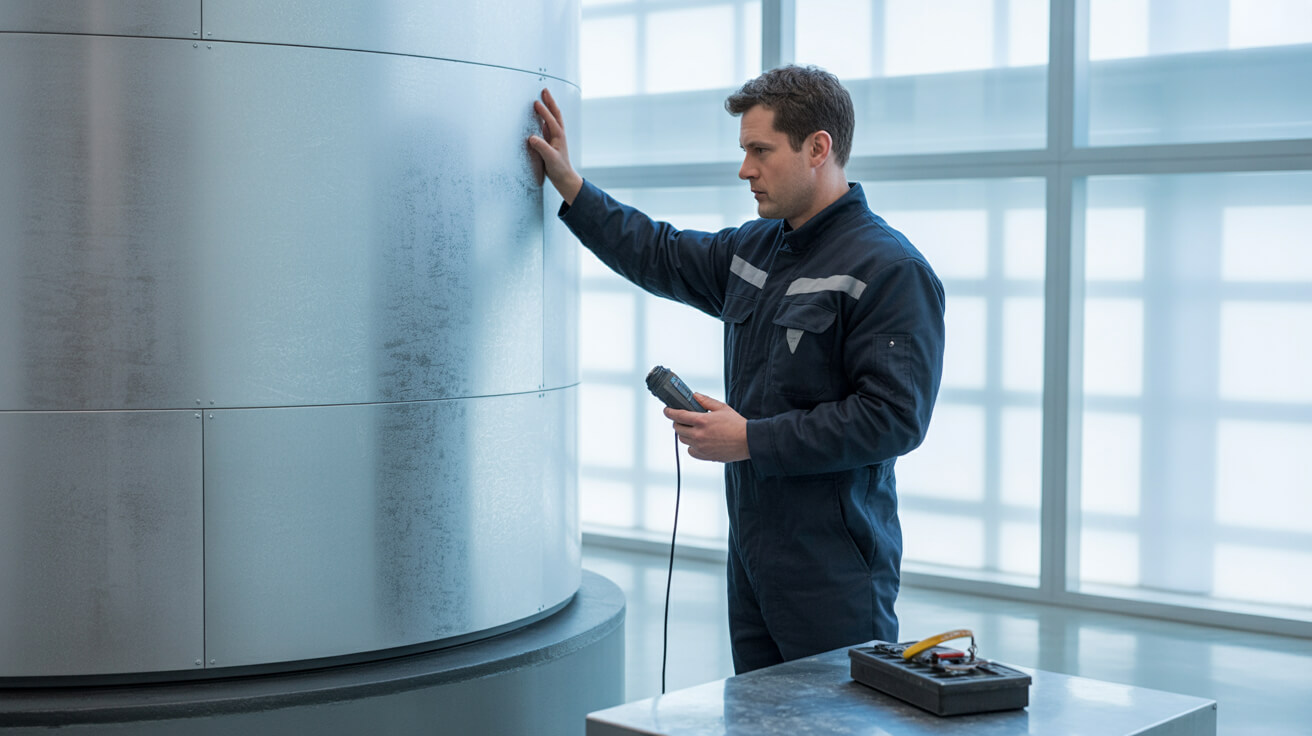
Cryogenic treatment applies controlled, subzero temperatures—typically through the use of liquefied nitrogen—to induce rapid cooling in construction materials. This innovative method reduces moisture content and disrupts biological growth without the use of chemicals. The approach is implemented to mitigate damp-related degradation and prevent infestations in heritage and modern properties alike, while adhering to established standards such as BS6576 and BS8102.
Etymology or Name Origin
The term “cryogenic” derives from the Greek words kryos (frost) and genes (to produce), initially describing processes designed to generate extremely low temperatures. Over time, the concept has expanded into various industrial applications, including medical preservation, metallurgy, and, more recently, damp proofing. cryogenic chambers emerged as a promising technology as researchers recognised that rapid freezing could be harnessed to alter moisture behaviour and eradicate pests without compromising substrate integrity.
Overview / Context
Cryogenic methods in damp proofing represent a convergence of advanced thermal physics and practical restoration techniques. The central idea is to leverage rapid cooling to transform the state of moisture within porous substrates—reducing free water availability and inducing conditions that inhibit the growth of mould and wood-boring insects. This method not only minimises the negative impacts of damp on structural elements but also offers an environmentally friendly alternative to chemical treatments.
By deploying controlled freezing environments, practitioners can achieve precise temperature management that disrupts capillary action in building materials. The approach is particularly valued in contexts where conventional damp proofing solutions pose risks to heritage fabrics, as it limits chemical interactions and preserves the original composition of the substrate. Advances in cryogenic technology have refined these methods, leading to improved reliability, consistency, and regulatory compliance in contemporary applications.
History
Origins
The conceptual roots of low-temperature technology stem from early scientific endeavours in the late 19th century, when liquefaction of gases was first achieved through the application of extreme cold. Pioneering experiments in cryogenics laid the foundational principles for understanding thermal dynamics, including the phase transitions of water and other substances under subzero conditions. These early scientific breakthroughs subsequently fostered innovations that would eventually cross disciplinary boundaries and influence diverse fields, including architectural restoration and damp proofing.
Industrial Emergence
Throughout the mid-20th century, cryogenic applications expanded into industrial domains such as food preservation and materials science. As industries began harnessing cryogenic technology for practical purposes, researchers and engineers experimented with its potential for controlling biological processes. Initial trials in the construction sector explored whether rapid cooling could effectively reduce moisture content in building substrates and curtail the biological activity of fungi and insects. These formative experiments demonstrated that rapid temperature depletion could physically alter both chemical and biological characteristics, offering a promising avenue for non-chemical damp proofing.
Contemporary Evolution
In recent decades, the integration of cryogenic treatments into damp proofing has benefited from significant technological and procedural advancements. Modern cryogenic chambers are engineered with precise temperature controls and safety mechanisms to ensure uniform treatment. Digital instrumentation, including moisture metres and thermal imaging systems, now provides robust diagnostics that reinforce the reliability of cryogenic interventions. Today, cryogenic treatment is recognised as a sophisticated alternative in both wet and heritage restoration projects. Its evolution reflects the growing demand for sustainable and non-invasive methods that align with stringent regulatory frameworks and environmental standards.
Concept / Description
Definition and Mechanism
Cryogenic treatment in damp proofing is defined as the process of exposing building materials to extremely low temperatures, typically facilitated by cryogenic agents such as liquefied nitrogen. The mechanism operates on the principle of rapid thermal exchange, whereby a swift reduction in temperature causes the moisture within the substrate to freeze. This rapid freezing decreases moisture mobility and interrupts capillary action, consequently reducing the conditions favourable to mould growth and insect infestation.
During treatment, the substance under exposure undergoes a physical transformation that shifts water from a liquid to a solid state. This phase change prevents continual moisture migration and stabilises the material’s condition. The controlled environment within a cryogenic chamber ensures that temperature gradients are maintained uniformly, thereby optimising the treatment’s effectiveness while safeguarding the structural integrity of the building elements.
Core Components
A cryogenic treatment system typically consists of the following components:
- Freezing Chamber: A sealed environment designed to enable controlled exposure of the target area to cryogenic temperatures. The chamber is engineered with advanced insulation and internal distribution mechanisms to ensure uniform cooling.
- Cryogenic Agent: Commonly, liquefied nitrogen is employed due to its ability to achieve rapid, sustained low temperature conditions. The agent is delivered through precision injectors or specialised delivery frameworks, such as nitrogen bubble chambers.
- Injection and Distribution Systems: These include various apparatuses for dispersing the cryogenic agent uniformly, ensuring that all regions of the treated substrate receive adequate exposure.
- Diagnostic Equipment: Tools such as moisture metres, thermal cameras, and hygrometers are incorporated to monitor treatment efficacy. These instruments provide quantifiable data on moisture levels and temperature variation before and after the treatment process.
- Control Systems: Automated regulators and sensors coordinate the treatment process, ensuring that exposure duration, temperature thresholds, and safety parameters are maintained within prescribed limits.
Scientific Principles
Cryogenic treatment leverages several fundamental scientific principles:
- Thermal Dynamics and Heat Transfer: The process is rooted in the rapid extraction of heat from the substrate, governed by the principles of thermal conductivity and heat transfer. The rate at which heat is removed determines the extent of moisture freezing and the resulting stabilisation.
- Phase Transition: As the substrate is cooled, water transitions from its liquid state to a solid state, effectively immobilising moisture. This reduction in free moisture decreases the potential for microbial growth.
- Capillary Action Inhibition: Freezing disrupts the natural capillary flow within porous materials, curtailing the movement of water and preventing subsequent damp issues.
- Biological Inactivation: Lower temperatures effectively inactivate wood-boring insects and mould spores. The lethal effect of rapid freezing minimises the risk of biological infestation without the use of chemical agents.
Functionality / Purpose / Applications
Operational Purpose
The primary purpose of employing freezing or cryogenic chambers in damp proofing is to offer a non-chemical, physical method for controlling moisture and mitigating pest damage. This approach has several critical objectives:
- Moisture Stabilisation: Rapidly reducing temperatures to freeze moisture limits its mobility, effectively curtailing the progression of dampness within walls and foundations.
- Pest Eradication: Exposure to low temperatures is detrimental to many wood-boring insects. This process assists in reducing infestations that compromise the structural integrity of timber.
- Non-Invasive Treatment: The method provides an alternative to chemical treatments that may damage historical materials or leave unwanted residues, making it especially valuable for heritage conservation.
Practical Applications
Cryogenic treatment has been successfully deployed in a variety of scenarios:
- Residential Properties: Homeowners have used cryogenic damp proofing methods as an alternative to traditional chemical treatments when managing moisture and pest issues in older housing stock.
- Heritage Buildings: In contexts where preserving original material is paramount, such as listed buildings, cryogenic treatments offer a means to address damp problems without altering the building’s historical fabric.
- Commercial Structures: For modern structures, rapid cryogenic treatments can be applied with minimal disruption, reducing downtime and maintaining operational continuity.
- Restoration Projects: Contractors and restoration experts employ this technology as part of a broader strategy to stabilise structures before undertaking ancillary repairs or renovations.
Comparative Analysis
A comparison between cryogenic and conventional chemical treatments reveals several key distinctions:
- Environmental Impact: Cryogenic treatments are non-toxic and do not introduce harmful chemicals into the building or the environment. This aspect is particularly valued in projects with sustainability or heritage preservation objectives.
- Structural Integrity: Chemical treatments may alter the physical properties of substrates over time, while cryogenic methods aim to preserve the inherent qualities of the material.
- Maintenance Requirements: Although initial costs can be higher, cryogenic systems tend to offer longer-lasting efficacy with reduced need for frequent maintenance, contributing to overall cost-effectiveness in the long term.
- Regulatory Compliance: Cryogenic methods are increasingly being evaluated against industry standards such as BS6576 and BS8102, ensuring that their application meets strict safety and performance criteria.
Classifications / Types / Variants
While cryogenic treatment for damp proofing is a relatively novel field, it can be classified along several dimensions:
- Design Variants: Different systems may be designed for portable, small-scale applications or integrated into larger, more permanent installations. Portable units are typically used for single-room treatments, whereas larger systems can service expansive commercial or heritage sites.
- Process Variants: Approaches include direct application of liquefied nitrogen versus the use of nitrogen bubble chambers. The latter provides a more controlled and uniform distribution of the cryogenic agent, which is particularly important in maintaining consistent treatment outcomes.
- Application Scale: Systems may be designed specifically for residential damp proofing or scaled up for industrial and commercial applications. Factors such as treatment area, exposure time, and equipment complexity vary accordingly.
- Integration Level: Some systems are standalone solutions, while others are integrated with diagnostic monitoring tools, such as moisture metres and thermal imaging systems, to provide a comprehensive treatment and control strategy.
Systems / Tools / Methodologies
Cryogenic Equipment
Modern cryogenic systems are engineered for precision and reliability. The freezing chamber is the core component, providing a controlled environment where target materials are exposed to ultra-low temperatures. Key features include:
- Temperature Control: Advanced sensors and regulators ensure that the chamber maintains a uniform temperature across the entire treatment area.
- Insulation: High-performance insulation minimises energy loss and maintains the integrity of the low-temperature environment throughout the process.
- Distribution Mechanisms: Equipment such as nitrogen injection devices and bubble chambers distribute the cryogenic agent evenly to maximise treatment efficacy.
Diagnostic Tools and Methodologies
The effectiveness of cryogenic treatment is monitored using a suite of diagnostic instruments:
- Moisture Metres: Quantify the reduction in moisture content before and after treatment.
- Infrared Thermal Cameras: Detect temperature variations on surfaces, validating the uniformity and depth of the freezing process.
- Hygrometers: Measure relative humidity levels to ensure that the environment remains within target ranges during and after treatment.
- Data Loggers: These devices record environmental conditions in real time, facilitating a post-treatment analysis to determine the success of the intervention.
Methodological Approaches
The methodological framework for cryogenic treatment typically comprises:
- Pre-Treatment Assessment: Detailed surveys are conducted to evaluate moisture levels, identify pest infestations, and document structural conditions. Tools such as borescopes and salt test kits may be used to gain a comprehensive diagnosis.
- Controlled Application: The cryogenic agent is applied in a regulated manner, often following a specific protocol that dictates exposure times, temperature thresholds, and safety margins. This phase is critical to ensure that the treatment achieves the desired physical transformations without causing damage.
- Post-Treatment Evaluation: After exposure, diagnostic tools are deployed to assess the efficacy of the treatment. This stage may include additional interventions, such as replastering or further moisture stabilisation measures, to consolidate the benefits of the cryogenic process.
Stakeholders / Entities Involved
A diverse group of stakeholders is engaged in the implementation and oversight of cryogenic damp proofing treatments:
- Property Owners and Managers: Responsible for ensuring that building integrity is maintained and that compliance with maintenance standards is achieved.
- Restoration Contractors and Technical Experts: Specialists who design and execute cryogenic treatments, drawing on their expertise in both modern technology and traditional restoration practices.
- Surveyors and Diagnostic Professionals: Utilise advanced diagnostic equipment to assess moisture levels and confirm treatment efficacy, ensuring that the treatment meets established quality benchmarks.
- Regulatory and Compliance Authorities: Bodies that enforce statutory and industry standards, ensuring that all treatments adhere to regulations such as BS6576 and BS8102.
- Heritage Conservators: In cases involving historical buildings, conservators play a key role in balancing effective damp proofing with the preservation of original materials and architectural features.
Legal / Regulatory / Ethical Considerations
Implementing cryogenic treatment in damp proofing involves adherence to a comprehensive legal and regulatory framework:
- Standards Compliance: Treatment systems must adhere to industry standards such as BS6576 (which governs chemical damp proof courses) and BS8102 (which addresses basement waterproofing). For heritage buildings, guidelines under PAS2035 may also apply, ensuring that restoration efforts do not compromise historical integrity.
- Environmental Safety: Cryogenic methods are non-chemical and environmentally benign, minimising the introduction of toxic substances. Regulatory frameworks emphasise the importance of reducing hazardous emissions and adhering to sustainable practices.
- Ethical Guidelines: The choice of treatment method must consider both tenant rights and the long-term sustainability of building materials. Ethical considerations include ensuring that interventions do not lead to disproportionate long-term costs or negatively impact the aesthetic integrity of heritage structures.
- Legal Framework: Local building regulations, the Housing Health and Safety Rating System (HHSRS), and statutory guidelines such as the Building Regulations provide the legal backbone for cryogenic treatments. Requirements for Listed Building Consent further ensure that such interventions are carefully assessed and approved by conservation authorities.
Performance Metrics / Data / Measurements
Evaluating the effectiveness of cryogenic treatment in damp proofing involves the collection and analysis of both quantitative and qualitative data:
- Quantitative Metrics:
- Moisture Reduction Curves: Recorded using moisture metres before and after treatment to quantify changes in water content.
- Temperature Profiles: Detailed recordings via infrared thermography show the extent and uniformity of temperature reduction.
- Pest Mortality Rates: Statistical measures that indicate the rate at which wood-boring insects are inactivated as a result of the cryogenic process.
- Qualitative Assessments:
- Structural Integrity Evaluations: Post-treatment inspections, often aided by surveyors, assess the physical condition of substrates and the longevity of the treatment.
- Diagnostic Calibration: Comparative analyses using repeated measurements ensure that the treatment meets the desired benchmarks.
- Standardised Reporting:
- Data and performance measurements are typically documented in SI units, ensuring consistency and facilitating comparisons between different systems and treatment outcomes.
- Lifecycle and Durability Assessments:
- Long-term performance is evaluated through scheduled inspections and ongoing monitoring, with warranty periods and maintenance frequencies documented to guide future interventions.
Challenges / Barriers / Limitations
The adoption of freezing or cryogenic treatments in damp proofing is not without challenges. Several factors must be carefully managed to ensure that the benefits are fully realised:
- Operational and Technical Issues:
- Equipment Complexity: High-precision freezing chambers require significant expertise and maintenance. Uniform temperature distribution without damaging the substrate is challenging and demands sophisticated control mechanisms.
- Integration Challenges: Combining cryogenic treatment with conventional diagnostic tools, such as moisture metres and thermal cameras, necessitates seamless integration and calibration across diverse systems.
- Economic Factors:
- Cost Considerations: The high initial capital outlay for cryogenic equipment may deter adoption, particularly in markets sensitive to cost. Although long-term savings may be realised through reduced maintenance, the upfront investment remains a barrier.
- Market Acceptance: In some cases, the novelty of cryogenic treatment compared to familiar chemical methods can result in hesitation among stakeholders, who may require empirical evidence and proven performance data before embracing the technology.
- Social and Knowledge Barriers:
- Technical Learning Curve: The specialised nature of cryogenic systems demands a higher level of technical understanding, which can pose challenges for widespread adoption among restoration practitioners.
- Heritage Constraints: In historic buildings, regulatory bodies impose additional requirements to preserve the original fabric and aesthetic. This necessitates a careful balance between modern treatment effectiveness and conservation principles.
- Environmental and Safety Considerations:
- Temperature Control Risks: Maintaining precise control over the degree and duration of exposure is critical. Any fluctuations can lead to uneven treatment and potential damage to the substrate.
- Operational Risks: Handling cryogenic substances, such as liquefied nitrogen, requires adherence to strict safety protocols to prevent hazards to operators and occupants.
Impact / Influence / Legacy
The implementation of cryogenic technology in damp proofing has brought a range of impacts and influences throughout the industry:
- Technological Advancements:
- Cryogenic treatment represents a paradigm shift from chemical to physical damp proofing methods. Its introduction has spurred further research into the benefits of low-temperature processing and its application in restoration and maintenance.
- The refinement of equipment and integration with smart monitoring systems has built a foundation for more advanced, precise treatments.
- Industry Practices:
- The method has influenced updates to industry standards and regulatory frameworks. By meeting benchmarks such as BS6576 and BS8102, cryogenic systems have established a new performance baseline for damp proofing.
- The technology has also prompted discussions on non-invasive and sustainable methods, leading to broader acceptance among practitioners, particularly in heritage conservation.
- Environmental Benefits:
- By eliminating the need for chemicals, cryogenic treatments reduce harmful environmental emissions and potential long-term degradation of building materials. This eco-friendly characteristic contributes to a reduced environmental footprint and aligns with modern sustainability goals.
- Economic Considerations:
- Although the initial investment is considerable, the potential for long-term savings through reduced maintenance and improved durability has gradually reshaped the economic rationale behind this approach. property owners and restoration experts increasingly recognise the value of a treatment that offers robust, lasting protection.
- Heritage Preservation:
- In conservation projects, cryogenic methods have proven indispensable for protecting historically significant structures. These treatments enable the stabilisation of damp without compromising the integrity of the original materials, thus preserving both the physical and cultural heritage of the property.
- Scientific Contributions:
- The method has incited interdisciplinary research that spans materials science, thermodynamics, and pest biology. This research continues to uncover deeper insights into moisture dynamics and thermal effects, paving the way for future innovations.
Future directions, cultural relevance, and design discourse
Advancements in cryogenic treatment technology are poised to further transform the field of damp proofing, with several emerging trends and research directions:
- Technological Innovation:
- Future systems are expected to benefit from miniaturisation and increased automation. Enhanced control mechanisms, including AI-driven temperature regulation and real-time diagnostic feedback, will likely improve treatment precision and efficiency.
- Integration with IoT devices and smart monitoring systems will facilitate continuous tracking of moisture and temperature metrics, allowing for adaptive adjustments during the treatment cycle.
- Research and Development:
- Ongoing studies are focused on the long-term effects of cryogenic exposure on various substrates, with research into material compatibility and durability being a priority. Mathematical models and computational simulations continue to refine the understanding of thermal dynamics in building materials.
- Comparative studies that assess the performance of cryogenic treatment against traditional chemical methods will contribute to a more nuanced understanding of its benefits and limitations.
- Regulatory and Industry Adaptation:
- As cryogenic systems gain broader acceptance, regulatory bodies are expected to update existing standards and guidelines. Enhanced reporting and measurement protocols will establish more rigorous benchmarks for performance and safety.
- Standardisation across the industry will facilitate wider adoption and provide clearer guidelines for contractors and surveyors, ensuring consistent quality in applications across different property types.
- Cultural and Aesthetic Integration:
- In the realm of heritage conservation, the non-invasive nature of cryogenic treatment supports the preservation of historical aesthetics. Future discourse in architectural design is likely to emphasise the balance between modern restoration techniques and cultural heritage preservation.
- Designers and conservators will continue to engage with emerging trends that advocate for minimal intervention while delivering effective damp proofing solutions. This dialogue is expected to shape new approaches that respect both modern performance standards and historical context.
- Market Dynamics and Economic Shifts:
- Economic analyses will increasingly focus on the life-cycle costs of restoration projects, with an emphasis on long-term durability and reduced maintenance. As more data become available on the performance of cryogenic treatments, property owners may find the approach more financially attractive.
- The convergence of environmental sustainability and economic efficiency is set to drive broader market acceptance, particularly in sectors where long-term property value and heritage preservation are paramount.
- Interdisciplinary Collaboration:
- Looking forward, the development of cryogenic damp proofing systems will benefit from interdisciplinary collaborations among engineers, materials scientists, conservation experts, and regulatory authorities. Such partnerships are crucial for addressing complex technical challenges and for setting new industry benchmarks.
- Collaborative research initiatives and pilot projects will likely pave the way for innovative solutions that integrate cryogenic technology with traditional methods, thereby expanding the scope and efficacy of damp proofing strategies.
- Societal Impact and Sustainability:
- As the construction industry increasingly prioritises sustainable practices, cryogenic treatment is expected to play a more significant role in the move towards non-chemical solutions. By reducing reliance on chemical damp proofing, the approach supports a cleaner, healthier environment.
- The shift towards sustainability, coupled with demonstrated efficacy in preserving building materials and reducing maintenance costs, will reinforce the position of cryogenic methods as a viable and forward-thinking alternative in the field of damp proofing.

