
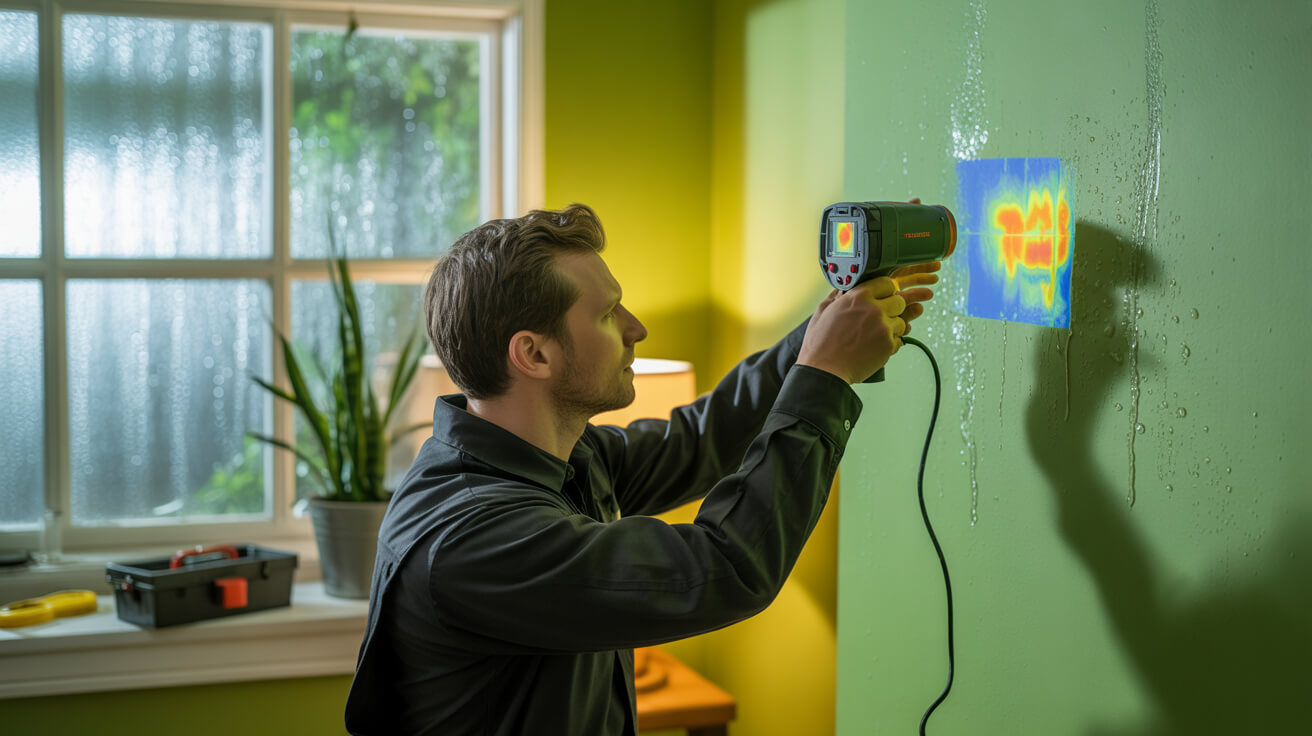
Energy inefficiency results when damp conditions, stemming from moisture ingress and inadequate damp proofing, disrupt the thermal envelope of buildings. The presence of moisture alters material properties, reducing the effectiveness of insulation and leading to significant heat loss. The consequent rise in heating demands and energy expenditure renders damp proofing not only a matter of structural preservation but also a determinant of energy conservation and sustainable building management. Our discussion encompasses the physical principles behind this phenomenon, the methods used to diagnose and remedy inefficiency, and the regulatory frameworks that guide material treatments and retrofit strategies.
Etymology or Name Origin
The terminology related to energy inefficiency, especially in connection with damp proofing, has evolved from early construction practices when moisture was predominantly seen as a sign of physical decay. Historical records indicate that early building manuals described damp conditions in terms of visible deterioration without a detailed understanding of heat loss mechanics. As research progressed, the terms “thermal bridging” and “moisture-induced insulation degradation” were introduced, reflecting a deeper scientific grasp of how damp compromises heat retention. This evolution paralleled the advent of standards such as BS6576 and BS8102, which formalised damp proofing practices and underscored the significance of addressing energy efficiency.
Overview and Context
Energy inefficiency in buildings linked to damp proofing faults involves a complex interplay of moisture dynamics, material properties, and environmental conditions. Moisture infiltrates building envelopes through various pathways—rising damp, condensation, or Penetrating damp—and compromises the structural insulation. As water occupies the voids in construction materials, its higher thermal conductivity compared to dry insulation materials facilitates thermal bridging, where heat is lost in localised areas.
Numerous factors contribute to this inefficiency, including:
- Moisture Ingress: Water penetrating through porous materials disrupts the integrity of insulating layers.
- Thermal Bridging: Damp patches can become conduits for heat escape, especially where damp proof courses fail.
- Capillary Action: The process by which moisture is drawn upward through capillary networks in masonry, leading to widespread saturation.
- Regulatory Factors: National and regional building standards require regular assessment and maintenance of damp proofing systems, influencing energy performance.
The integration of energy efficiency measures with effective damp proofing techniques has become essential in modern building standards. Regulatory frameworks in many countries now mandate both moisture control and thermal efficiency improvements as part of sustainable urban development.
History
The understanding of energy inefficiency due to damp was not always integral to building science. Early constructions primarily focused on the visible deterioration caused by moisture. Over centuries, as heating technology advanced and energy costs became more significant, the realisation grew that damp not only jeopardised structural integrity but also escalated energy consumption.
Origins and Early Theories
Early construction practices observed that walls exhibiting signs of moisture damage—such as salt staining and peeling plaster—tended to lose heat at a faster rate. However, the connection between these observations and energy inefficiency was not clearly defined. Early theories attributed cold interiors simply to poor insulation or inadequate heating systems, without the nuanced understanding of moisture interactions.
Industrial and Technological Emergence
The industrial revolution marked a turning point; as coal-fired boilers and central heating systems became commonplace, the cost of inefficient energy use grew apparent. The need to standardise construction practices led to early forms of damp proofing, though the scientific basis for energy loss was still rudimentary. The introduction of moisture measurement tools, albeit basic, allowed for more systematic approaches in diagnosing damp conditions.
Evolution of Standards and Practices
In the latter half of the twentieth century, comprehensive standards such as BS6576 and BS8102 were developed. These standards provided structured methodologies for applying damp proofing treatments and incorporated energy efficiency as a fundamental parameter. With the adoption of these standards, diagnostic techniques improved significantly, adopting technologies such as moisture metres and thermal imaging. Consequently, this era marked the integration of damp proofing as a key factor in reducing energy inefficiency, with retrofitting and monitoring becoming central to building maintenance practices.
Concept and Description
Energy inefficiency associated with damp proofing is a multifaceted challenge that arises when moisture disrupts the thermal barriers within a building. At its core, energy inefficiency is the loss of heat due to compromised insulation, where damp conditions facilitate increased thermal conductivity.
Definition of Energy Inefficiency
Energy inefficiency in this context is defined as the phenomenon wherein a building’s structure loses heat at an accelerated rate due to the presence of moisture. This manifests in increased heating requirements and energy wastage. The attribute of inefficiency is not merely due to inadequate insulation but is exacerbated by the overall damp environment that nullifies the insulating properties of building materials.
Mechanisms Linking Damp Proofing to Energy Loss
The principal mechanism linking damp proofing with energy inefficiency is thermal bridging. When damp penetrates insulation, it displaces air and introduces water molecules that conduct heat more readily. The passage of heat through these damp areas creates a direct reduction in the thermal resistance of the wall assembly.
Key processes include:
- Moisture Infiltration: The ingress of water into wall cavities diminishes the thermal lag.
- Capillary Action: Water drawn upward by capillary forces in masonry further deteriorates the insulation.
- Thermal Bridging: Moist regions within structural elements act as heat conduits, bypassing the intended insulation barrier.
Scientific Principles and Measurement Techniques
The quantification of energy inefficiency relies on several scientific principles. Measurements such as R-values (thermal resistance) and U-values (thermal transmittance) are used to evaluate the performance of insulation. Elevated moisture levels can be detected using hygrometers and moisture metres, while thermal imaging provides a visual map of heat loss. These techniques enable practitioners to diagnose and rectify inefficiency by identifying areas where damp conditions compromise energy retention.
Functionality, Purpose, and Applications
Addressing energy inefficiency through effective damp proofing measures has practical implications that extend across multiple domains. The primary goal is to restore and maintain the thermal integrity of a building, thus reducing energy consumption and operational costs.
Impact on Building Performance
Improved damp proofing methods ensure that moisture does not negatively impact insulation. This has several benefits:
- Thermal Stability: Maintaining an effective damp proof course ensures that thermal bridging is minimised, leading to more consistent interior temperatures.
- Reduced Heating Loads: With proper insulation intact, energy requirements for space heating decrease, thereby lowering utility costs.
- Extended Lifespan: Well-maintained damp proofing not only conserves energy but also prolongs the structural integrity and longevity of building components.
Practical Applications
The application of effective damp proofing is crucial in:
- Residential Buildings: Homeowners benefit from lower energy bills and enhanced comfort. Retrofitting older homes with modern damp proofing solutions, such as chemical damp proof courses or cavity membranes, can offer significant improvements.
- Commercial Properties: Office buildings and retail spaces, which often face stringent energy efficiency standards, can markedly reduce operational costs through targeted retrofitting.
- Historical and Heritage Buildings: Specialty systems that respect the original materials, such as breathable plasters and lime-based treatments, provide the dual advantage of preserving historical value while improving energy performance.
- Integrated Retrofit Strategies: Combining damp proofing interventions with insulation improvements and ventilation enhancements creates a holistic approach to energy conservation.
Use Cases and Comparative Outcomes
In practice, buildings treated with state-of-the-art damp proofing measures typically show a marked decrease in energy usage. For example, detailed energy audits on properties before and after treatment reveal significant improvements in measured thermal performance, translating to cost savings and enhanced occupant comfort.
Classifications and Variants
Energy inefficiency induced by damp issues can be classified according to the type of moisture problem and the treatment method employed. Understanding these classifications aids in selecting the appropriate remedy.
Types of Damp Affecting Energy Performance
- Rising Damp: Occurs when moisture is drawn upward from the ground through porous wall materials, compromising insulation over a broad area.
- Penetrating Damp: Results from water ingress through external defects, leading to localised zones of dampness that facilitate heat loss.
- Condensation: Arises when warm, moist air condenses on cold surfaces, creating damp patches that degrade insulation.
- Hygroscopic Damp: Involves the absorption of moisture by building materials that alters their thermal characteristics.
- Bridging Damp: Occurs when moisture bypasses effective damp proof courses, essentially creating a continuum of damp infiltration.
Variants of Damp Proofing Techniques
Different method variations exist based on the severity and type of damp:
- Chemical Damp Proof Courses: High-pressure injection techniques that introduce chemicals to create a water-repellent barrier.
- Physical Barriers: Techniques such as tanking, which use physical membranes or coatings to prevent water ingress.
- Electro-Osmotic Methods: Systems that use electrical currents to drive moisture out of damp materials.
- Cavity Drain Membrane Systems: Facilitate the drainage of water from within wall cavities, reducing moisture accumulation.
- Hybrid Approaches: Combine chemical and physical methods with modern insulation practices to optimise thermal performance.
Comparative Analysis
A side-by-side analysis underscores that each variant has distinct mechanisms of action, cost implications, and performance outcomes. For instance, while chemical DPC methods are effective for rising damp, they require periodic maintenance and monitoring; in contrast, physical barriers offer immediate protection but may not perform optimally in dynamic moisture conditions. Comparative studies suggest that hybrid systems, which integrate multiple treatment modalities, often yield the most significant improvements in both damp control and energy efficiency.
Systems, Tools, and Methodologies
Accurate diagnosis and efficient treatment of energy inefficiency in damp proofing require an array of advanced tools and systematic methodologies. These systems help practitioners gather quantitative data and implement precise interventions.
Diagnostic Tools
- Moisture Metres: Essential for determining water content in building materials, these devices provide immediate quantitative data essential for identifying moisture hotspots.
- Thermal Imaging Cameras: Offer visual representations of heat loss by detecting temperature variations across a building’s surface, which can indicate areas affected by damp and poor insulation.
- Hygrometers: Monitor relative humidity levels, contributing to the understanding of environmental conditions that encourage condensation.
- Salt Test Kits: Evaluate the presence of salts on surfaces, which serve as indirect markers of moisture penetration and damp.
- Data Logger Systems: Continuously record data over extended periods, allowing for the creation of moisture and thermal profiles that inform ongoing maintenance strategies.
Methodologies and Protocols
- Moisture Gradient Mapping: This technique creates a detailed profile of moisture distribution within a structure, making it possible to pinpoint areas at risk for energy inefficiency.
- Infrared Thermography Analysis: Utilised in conjunction with heat loss measurements to quantify the extent and impact of thermal bridging.
- Post-Treatment Monitoring: Continuous evaluation using moisture sensors and data loggers to ensure that remedial measures remain effective over time.
- Comparative Energy Audits: Pre- and post-treatment evaluations that document changes in energy performance, thereby validating the efficacy of interventions.
Treatment Implementation
The successful mitigation of energy inefficiency involves applying carefully selected damp proofing treatments. The integration of diagnostic data with treatment protocols ensures that interventions are both precise and effective. For instance, the decision to deploy chemical injection methods over physical barriers may be based on detailed moisture gradient maps and thermal imaging readings. This methodical approach enhances energy performance by reinstating the integrity of insulation and reducing the incidence of thermal bridging.
Stakeholders and Entities Involved
The ecosystem addressing energy inefficiency through damp proofing encompasses a diverse group of stakeholders, each playing a specific role in implementing, regulating, and monitoring effective solutions.
Property Owners and Managers
Property owners directly experience the financial burden of energy inefficiency and are motivated to invest in effective damp proofing measures. Homeowners and commercial property managers seek to protect their assets by ensuring that heating and cooling costs remain manageable, while also maintaining property value.
Technical and Surveying Professionals
Professionals, including damp proofing specialists, energy auditors, and surveyors, provide essential diagnostic services. Their expertise allows you to pinpoint inefficiencies and recommend precise interventions. Many industry practitioners, including those at Sussex Damp Experts, utilise advanced diagnostic tools and benchmark assessments to deliver actionable insights that improve energy performance.
Contractors and Retrofit Specialists
Contractors are responsible for the on-site application of damp proofing and insulation solutions. Their technical abilities ensure that interventions such as chemical DPC injections or the installation of cavity drain membranes are executed in compliance with industry and regulatory standards. Their role is critical in translating diagnostic data into effective, real-world applications.
Regulatory Agencies and Standards Organisations
National and local regulatory bodies establish the guidelines that govern damp proofing and energy performance. Building standard organisations, through standards such as BS6576, BS8102, and PAS2035, set the benchmarks against which interventions are measured. Compliance with these standards is essential not only for quality assurance but also for legal validation and environmental sustainability initiatives.
Research and Development Entities
Academic institutions and private research organisations contribute to the continuous improvement of diagnostic and remediation technologies. Their studies inform industry practices by exploring new materials, emerging technologies, and innovative methods for integrating damp operations with energy efficiency metrics.
Legal, Regulatory, and Ethical Considerations
The challenge of mitigating energy inefficiency in damp proofing is governed by an interwoven framework of legal mandates, regulatory standards, and ethical considerations. These guidelines ensure that interventions are not only effective but also safe, environmentally sustainable, and legally compliant.
Regulatory Standards
Key standards include:
- BS6576: Guidelines for the installation of chemical damp proof courses, which outline performance benchmarks intended to minimise moisture ingress.
- BS8102: Standards for waterproofing below-ground structures, emphasising the prevention of moisture penetration that can lead to energy loss.
- PAS2035: Framework for retrofitting existing buildings, integrating energy efficiency improvements with damp proofing interventions.
- Housing Health and Safety Rating System (HHSRS): Evaluates the health risks associated with damp, mould, and consequent thermal degradation.
These standards not only govern the techniques employed but also serve to benchmark post-treatment performance, ensuring that installations deliver measurable improvements in energy efficiency.
Legal Framework and Compliance
building regulations, such as those encapsulated within Building Regulations Part C, require that properties meet minimum standards for moisture control and thermal performance. Non-compliance with these regulations can result in legal penalties, diminished property values, and increased scrutiny from regulatory bodies. The statutory framework also outlines the responsibilities of landlords and property managers, particularly in rental properties, where energy efficiency directly impacts tenant welfare.
Ethical and Environmental Implications
Ethically, addressing energy inefficiency in damp proofing is critical due to its broader environmental implications. Inefficient energy use contributes to excessive fossil fuel consumption and higher greenhouse gas emissions. Ethically responsible practices emphasise sustainable materials, energy-efficient designs, and long-term maintenance strategies that mitigate adverse environmental impacts. As awareness of climate change intensifies, the adoption of energy-saving measures becomes a necessary component of ethically sound building management.
Performance Metrics, Data, and Measurements
The establishment of quantitative performance metrics is essential for assessing the success of interventions designed to alleviate energy inefficiency. Data-driven decision-making enables precise measurement of improvements and guides future investment in damp proofing and retrofit solutions.
Energy Consumption Analysis
Energy audits provide critical data on consumption patterns before and after treatment interventions. By comparing energy bills, heating load calculations, and overall expenditure on utilities, stakeholders have empirical evidence of the effectiveness of improved damp proofing measures. These analyses also inform economic models predicting the return on investment for various intervention strategies.
Thermal Performance Indicators
Metrics such as R-values and U-values offer objective measures of insulation performance. An increase in R-value or a decrease in U-value correlates directly with enhanced thermal resistance and reduced energy loss. Thermal imaging studies, which visualise temperature variations across surfaces, further validate improvements by identifying the reduction of thermal bridging.
Monitoring Techniques
- Moisture Logging: Continuous monitoring using data-logging equipment allows for the real-time capture of moisture levels across the building structure. This longitudinal data is crucial for tracking improvements post-intervention.
- Thermal Imaging: Periodic thermal surveys provide a visual record of heat retention improvements and highlight residual areas where damp may still be affecting insulation.
- Comparative Energy Audits: Repeated assessments over time, including pre- and post-intervention data points, help quantify the impact of treatment strategies on overall energy efficiency.
Data Interpretation and Reporting
The use of structured data collection and reporting mechanisms ensures that performance metrics are readily understandable. Tables and graphs illustrating changes in energy consumption, R-values, and moisture levels can be instrumental in communicating improvements to stakeholders, as well as in guiding future maintenance decisions.
Challenges, Barriers, and Limitations
Addressing energy inefficiency as it relates to damp within buildings is fraught with challenges. These barriers span technical, economic, socio-political, and operational domains.
Operational and Technical Challenges
The complexity of moisture dynamics in built environments makes accurate diagnosis inherently difficult. Factors that contribute to these challenges include:
- Variability in Building Materials: Differences in material properties affect how moisture is absorbed and retained.
- Subtle Early-Stage Indicators: Initial signs of damp-related inefficiency, such as minor thermal bridging, can be overlooked without precise diagnostic tools.
- Limitations of Diagnostic Tools: While technological advancements like thermal imaging have improved detection, environmental conditions and device calibration can affect accuracy.
- Integration with Legacy Structures: Many older buildings possess construction methods that complicate the application of modern damp proofing techniques. Retrofitting requires custom solutions, which can be both time-consuming and expensive.
Economic and Social Barriers
The financial implications of comprehensive damp proofing and energy retrofit projects can be significant. Many property owners face budget constraints that restrict the extent of interventions they can afford. Additionally, a lack of widespread understanding about the long-term cost savings associated with improved energy efficiency often leads to underinvestment in preventive maintenance. Socially, there can be resistance to adopting new technologies and practices, particularly when traditional building methods have been in use for decades.
Limitations of Current Technologies
Despite ongoing advancements, current technologies for diagnosing and treating energy inefficiency in damp environments have inherent limitations. For example:
- Measurement Accuracy: Tools may not capture all variables, particularly in dynamic environments where moisture levels fluctuate.
- Treatment Efficacy: Even well-executed interventions may only partially alleviate energy inefficiency, particularly if underlying structural issues persist.
- Interoperability of Systems: Integrating new diagnostic tools with existing building management systems often requires customised solutions that may not be scalable.
Social and Regulatory Challenges
The evolution of regulations and industry standards presents challenges in ensuring that treatments keep pace with both technological and environmental changes. Disparities in local regulations and variations in enforcement can lead to inconsistent treatment outcomes, further complicating the management of energy efficiency.
Impact, Influence, and Legacy
The consequences of energy inefficiency in the context of damp proofing resonate beyond immediate operational challenges, influencing property values, environmental outcomes, and industry practices over the long term.
Economic Impact
Energy inefficiency directly affects the balance sheets of property owners by increasing heating costs and degrading the overall value of a building. Buildings that suffer from unchecked damp often experience accelerated depreciation due to constant energy waste and the subsequent need for expensive repairs. In contrast, successful interventions that enhance thermal performance are correlated with measurable reductions in energy consumption, which in turn lead to lower operating costs and enhanced marketability.
Environmental Influence
From an environmental standpoint, energy inefficiency exacerbates the carbon footprint of buildings by necessitating higher fuel consumption. The widespread adoption of effective damp proofing solutions contributes to reduced greenhouse gas emissions by lowering energy needs. The ripple effect of such improvements supports broader sustainability initiatives and contributes to national and global strategies against climate change.
Regulatory and Industry Evolution
Regulatory standards developed over the past decades have steadily raised the bar for energy efficiency and damp proofing. As these standards become more integrated into building codes, the legacy of improved energy performance spreads across the industry. Enhanced standards drive technological innovation, which in turn raises both the expectations and the achievable outcomes in building maintenance. In this manner, successful damp proofing helps establish long-term benchmarks that benefit future constructions and retrofits.
Legacy and Societal Influence
The cumulative effect of prioritising energy efficiency in damp proofing strategies is evident in the transformation of building maintenance practices. Over time, increased awareness and improved technologies lead to smarter, more sustainable buildings. Such legacy improvements not only benefit the immediate owners and occupants but also contribute to the overall resilience of communities and economies.
Future Directions, Cultural Relevance, and Design Discourse
Emerging trends in technology, materials science, and regulation indicate a continued evolution in methods to address energy inefficiency in damp proofing.
Technological Innovations in Damp Proofing and Insulation
Future advancements are likely to involve hybrid systems that combine traditional damp proofing methods with state-of-the-art insulation technologies. Innovations in sensor technology, such as smart moisture sensors and real-time thermal imaging, promise to deliver a higher degree of precision in diagnosing moisture and energy inefficiency. Additionally, the development of adaptive materials that respond to environmental conditions could further optimise the building envelope’s performance.
Research and Development Initiatives
Ongoing research is exploring the use of novel, eco-friendly materials that simultaneously address moisture ingress and improve thermal resistance. Breathable plasters incorporated with moisture-buffering agents and energy-efficient coatings are emerging as potential game changers in both new builds and retrofit projects. These initiatives reflect a broader movement toward sustainable construction practices that prioritise long-term efficiency and minimal environmental impact.
Future Regulatory and Industry Trends
It is anticipated that regulatory frameworks will further tighten as governments and industry bodies strive to reduce energy consumption and mitigate climate change impacts. Revisions to existing standards may incorporate more rigorous performance metrics and encourage the adoption of integrated damp proofing and energy retrofit solutions. Industries are likely to witness increased collaboration between regulatory agencies, research institutions, and private enterprises, paving the way for harmonised standards that address both energy efficiency and moisture control comprehensively.
Sustainability and Environmental Forecasts
As the global community moves toward a more sustainable future, the emphasis on energy-efficient damp proofing will intensify. Future construction and retrofit projects will increasingly rely on data-driven insights to optimise building performance. Enhanced monitoring systems, combined with artificial intelligence, will allow real-time adjustments to maintain optimal efficiency. This indigenous evolution in design and maintenance practices is poised to reduce environmental footprints significantly, supporting the broader agenda of sustainable urban development.
Cultural Relevance and Design Discourse
Culturally, the integration of energy efficiency with damp proofing is becoming a symbol of responsible building management. As awareness of environmental stewardship grows among property owners and regulators, the discourse shifts towards preserving both the heritage and the ecological balance of urban spaces. This alignment between technical performance and cultural values fosters an environment where innovative design, regulatory compliance, and sustainability converge to redefine building maintenance practices.

