
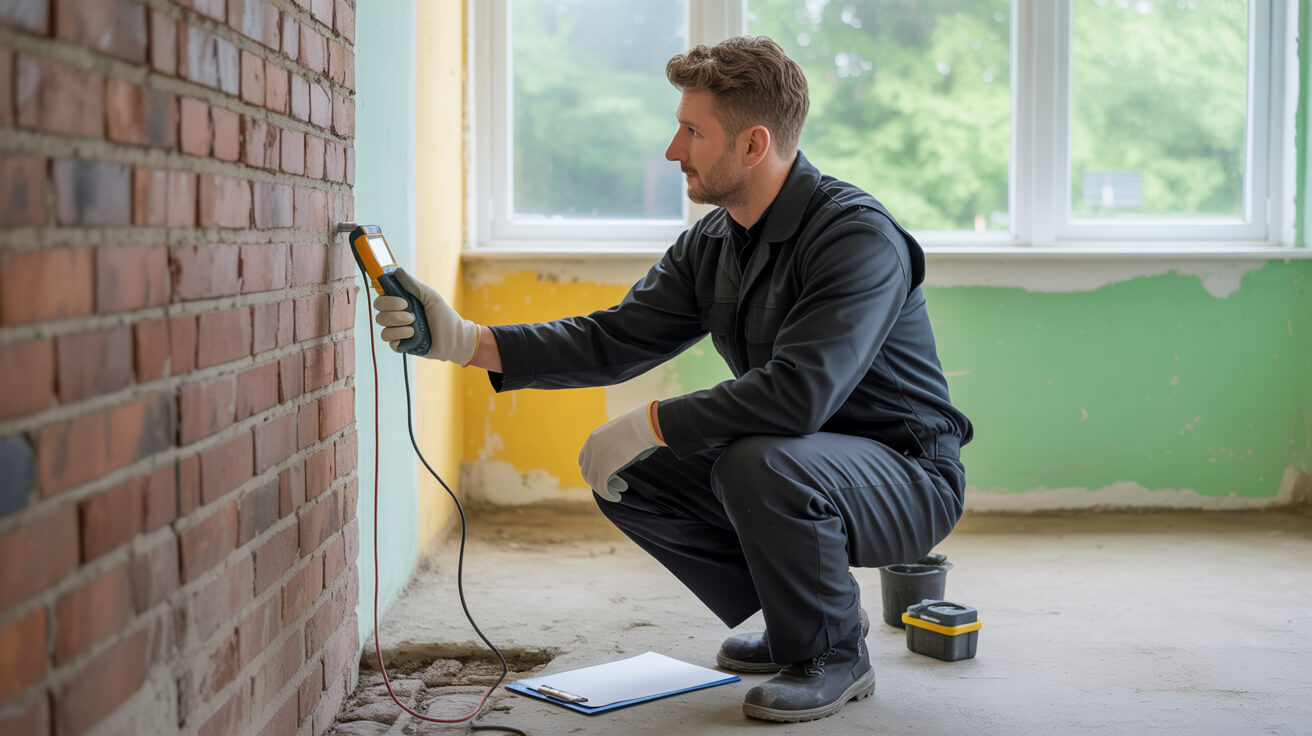
Duty of care constitutes a core principle in property maintenance, particularly in managing damp-related issues that compromise structural integrity and public health. It involves a rigorous system of regular inspections, accurate diagnosis, timely treatment, and continuous monitoring consistent with national building regulations and industry standards. This comprehensive approach mitigates risks such as mould growth, salt staining, and deterioration while ensuring compliance with legal and ethical responsibilities. Warmly but objectively, duty of care practices safeguard assets by reducing potential liabilities and enhancing overall property value.
Etymology or Name Origin
The phrase “duty of care” originates from common law, signifying the responsibility of an individual or organisation to avoid acts or omissions that could foreseeably harm others. In the realm of damp proofing, the term has been adapted to denote an obligation that extends beyond general maintenance into a specialised domain of moisture-related risk management. Initially emerging as a legal safeguard in negligence claims, the concept evolved alongside industrial advancements and the introduction of standardised building practices. Over time, its meaning has become closely interwoven with regulatory initiatives—such as those reflected in building regulations Part C—and technical standards like BS6576 and BS8102, which underpin modern damp proofing procedures.
Overview / Context
Duty of care in damp proofing represents a critical intersection between regulatory compliance, technical proficiency, and ethical obligation. Within this context, it is defined not merely by routine maintenance but by a robust framework that ensures moisture levels are effectively managed to protect both structural and occupant interests. Several key elements constitute this framework:
- Regulatory Oversight: Compliance with industry standards and legal mandates is non-negotiable. The evolution of building regulations has established strict guidelines, which are reflected in standards such as BS6576, BS8102, and PAS2035.
- Technical Complexity: Advanced diagnostic instruments and treatment technologies are integral to identifying and resolving damp issues. Methods vary according to the type of moisture ingress and building material, necessitating a nuanced approach.
- Risk Management: Proactive measures—including corrective actions, continuous monitoring, and periodic inspections—are implemented to prevent recurrent damp problems and reduce long-term deterioration.
- Ethical Considerations: Beyond the legal requirements, an ethical imperative exists to ensure that occupants’ health and safety are prioritised through transparent and verifiable maintenance practices.
This integrated approach reinforces the notion that duty of care extends from prescriptive legal norms to a dynamic operational strategy that adjusts to emerging challenges in building maintenance.
History
The concept of duty of care, as it applies to damp proofing, has evolved from informal customary practices to a formalised system of regulations and standards. Its historical development can be divided into three distinct phases:
Origins and Early Practices
Early building maintenance practices were generally localised and informal. Craftsmen and builders relied on experiential knowledge to manage damp-related issues. In mediaeval times and early modern periods, techniques for damp proofing were rudimentary, involving manual inspection and improvised remedial actions. The absence of standardised protocols led to inconsistent outcomes, with many structures succumbing to moisture-induced decay over time.
During these early periods, the legal concept of duty of care emerged to address negligence. However, the application of this principle to damp proofing was largely implicit. As communities grew and the built environment became denser, the need for a systematic approach to maintenance became apparent.
The Industrial Emergence
The advent of the Industrial Revolution introduced new challenges to building construction and maintenance. Rapid urbanisation, coupled with the construction of multi-storey residential and commercial buildings, exacerbated issues related to damp penetration and structural decay. This era witnessed the gradual codification of building practices, with early building regulations emerging in response to widespread public health concerns linked to damp and mould.
During this time, regulatory bodies began to formalise standards, leading to the development of early guidelines for moisture control. The responsibility of property owners and contractors steadily aligned with the legal tenets of duty of care. Early adopters of systematic damp proofing treatments documented their methods, laying the groundwork for future innovations and regulatory developments.
Contemporary Evolution
In the modern era, duty of care in the context of damp proofing has transformed into a rigorous, multidimensional discipline. Legislative frameworks, such as the Landlord Tenant Act 1985 and the Consumer Rights Act 2015, now clearly delineate the responsibilities of property managers and maintenance professionals. These legal mandates are supported by comprehensive industry standards like BS6576, BS8102, and PAS2035 that detail specific procedures for damp diagnosis and treatment.
Technological advancements have further refined this concept. Contemporary diagnostic tools—such as digital moisture metres, thermal imaging cameras, and salt test kits—offer objective data that informs targeted interventions. Additionally, digital monitoring systems enable continuous data logging and post-treatment analysis, ensuring that compliance is maintained over time.
This historical progression underscores a shift from ad hoc remedial practices to a structured, evidence-based system that is integral to modern property management. The evolution of duty of care reflects an increased understanding of the complex interplay between environmental factors, technical standards, and legal obligations.
Concept / Description
Duty of care in damp proofing is the obligation to implement comprehensive strategies that prevent, detect, and remediate damp-related issues in buildings. This obligation is underpinned by both legal mandates and technical standards, ensuring that maintenance practices leave no room for neglect.
Definition and Core Principles
- Legal Definition: At a fundamental level, duty of care represents the legal responsibility to avoid negligence such that foreseeable harm is prevented. In damp proofing, this translates into a rigorous adherence to industry norms and regulatory mandates.
- Technical and Procedural Dimensions: It encompasses the complete lifecycle of damp management, starting from precise diagnostic evaluations to the application of effective treatment protocols and sustained post-treatment monitoring.
- Risk Mitigation: Key to duty of care is the identification of risk factors—such as inadequate ventilation, poor maintenance of external structures, and the failure to detect early signs of moisture ingress—and the implementation of systematic measures to mitigate these risks.
- Ethical Obligation: Beyond compliance, duty of care is embedded in the ethical responsibility to protect occupants by ensuring environments are free from hazardous damp conditions that could lead to health problems, such as respiratory issues caused by mould exposure.
Structural Components
The architecture of duty of care encompasses several interrelated components:
- Diagnostic Phase: Utilising an array of instruments and methodologies—including moisture metres, thermal imaging, and salt tests—to accurately assess levels of dampness.
- Treatment Protocols: Selection and application of remedial actions, such as chemical damp proof course (DPC) injections and physical barrier installations, tailored to specific moisture sources.
- Monitoring and Maintenance: Continuous oversight through periodic inspections and advanced sensor technologies to ensure that remedial actions remain effective over time.
- Documentation and Compliance: Detailed record-keeping and reporting of all diagnostic and treatment activities, which serve as the evidence base for adherence to legal and regulatory standards.
These elements work in concert to create an environment where duty of care is not only maintained but continuously optimised, thus mitigating risks and promoting sustainable building practices.
Functionality / Purpose / Applications
Duty of care in damp proofing is designed to protect both the physical integrity of a building and the wellbeing of its occupants by ensuring that maintenance practices are robust, consistent, and compliant with legal standards. Its practical applications are broad and encompass several critical aspects of building management.
Practical Applications
- Diagnostic and Assessment Procedures: The initial stage involves thorough assessments using validated tools such as moisture metres, thermal imaging cameras, and salt test kits. These instruments yield quantitative data that informs subsequent decisions.
- Treatment Implementation: Depending on the diagnosis, tailored treatment strategies are deployed. These may include:
- Chemical Interventions: Such as the injection of chemical damp proof courses designed to repel moisture.
- Physical Barriers: Including tanking and the application of cavity membranes to prevent water ingress.
- Ventilation Improvements: Installation of mechanical aids like extractor fans or passive ventilation systems to reduce condensation.
- Ongoing Monitoring: Continuous monitoring using advanced sensor technologies ensures that treatment efficacy is maintained. This includes the use of moisture sensor loggers and periodic re-inspections to detect any resurgence of damp conditions.
Outcomes and Benefits
The intended outcomes of implementing duty of care in damp proofing include:
- Enhanced Building Durability: Regular and effective maintenance protects the structural integrity of buildings, reducing repair costs and extending asset lifespans.
- Risk Reduction: Proactive interventions reduce the probability of damaging mould growth and associated health hazards.
- Regulatory Compliance: Meeting stringent industry standards minimises the risk of legal action and reinforces trust with regulatory bodies.
- Financial Assurance: Through diligent maintenance, property values are safeguarded, and mortgage or insurance claims related to damp can be avoided or minimised.
Domain-Specific Applications
- Residential Sector: Home and property owners benefit from reduced exposure to damp-related health issues and increased property valuations through regular, compliant maintenance practices.
- Commercial and Institutional Buildings: Facilities managers utilise these protocols to ensure uninterrupted business operations by mitigating risks that could lead to costly structural failures.
- Heritage Properties: Preservation specialists apply duty of care principles with additional sensitivity to aesthetic and conservation requirements, ensuring that treatments not only address damp issues, but also maintain historical authenticity.
Classifications / Types / Variants
Duty of care, while a singular principle, manifests in a variety of forms depending on the context and specific requirements of damp proofing. Classification can be approached from multiple dimensions:
By Property Type
- Residential Properties: Emphasise routine maintenance and preventive checks to protect homeowners’ investments.
- Commercial Properties: Focus on minimising business disruption through proactive risk management and standardised compliance.
- Heritage and Listed Buildings: Require specialised approaches that accommodate conservation laws while ensuring effective damp treatment.
By Treatment Methodology
- Chemical Methods: Involving chemical damp proof courses that create a barrier to water penetration.
- Physical Methods: Such as tanking systems and the application of protective membranes that resist moisture ingress.
- Hybrid Approaches: Combining chemical and physical treatments to address complex or multi-source damp issues, particularly in older or diversified structures.
By Compliance Level
- Standard Implementations: Where duty of care is maintained according to baseline building regulation requirements.
- Enhanced Protocols: Deployed in contexts where additional risks or regulatory scrutiny necessitate more frequent monitoring and rigorous treatments (e.g., heritage properties with stricter conservation requirements).
Systems / Tools / Methodologies
A comprehensive duty of care strategy relies on a suite of diagnostic and treatment tools, as well as methodical frameworks that guide each phase of maintenance. These systems ensure that interventions are effective, repeatable, and verifiable.
Diagnostic Tools
- Moisture Metres: Critical for quantifying the moisture content in walls and other building materials.
- Thermal Imaging Cameras: Enable the detection of thermal discrepancies that indicate underlying damp issues.
- Salt Test Kits: Used to determine the presence of efflorescence, a symptom of damp that can be indicative of rising moisture.
- Digital Sensor Networks: IoT-enabled devices provide continuous monitoring, logging data that informs maintenance schedules.
Treatment Systems
- Injection Equipment: Devices such as injection guns administer chemical DPC treatments with precision.
- Tanking Systems: Application of tanking slurries and membranes to establish physical moisture barriers.
- Ventilation Enhancements: Installation of mechanical ventilation such as extractor fans that reduce indoor condensation.
- Combined Systems: Hybrid treatments that integrate multiple methods to address complex moisture ingress scenarios.
Methodological Frameworks
- Standard Operating Procedures (SOPs): Detailed step-by-step guidelines ensure that each phase of damp proofing, from initial inspections to final monitoring, is conducted in adherence with both legal and technical standards.
- Quality Control Protocols: Regular auditing and compliance checks across all stages of maintenance reinforce the reliability of the process.
- Risk Assessment Models: Data-driven frameworks evaluate the probability and impact of damp-related failures, guiding decision-making and prioritisation.
- Documentation Practices: Comprehensive record-keeping that supports transparency and serves as evidence of compliance throughout the process.
Stakeholders / Entities Involved
Various parties are involved in ensuring that duty of care is rigorously maintained in the field of damp proofing. Their interplay is essential for the collective efficacy of the maintenance process.
Property Owners and Landlords
Property owners are primarily responsible for initiating and supervising damp proofing measures. Their role includes:
- Regular Inspections: Scheduling and overseeing periodic assessments to detect early signs of moisture intrusion.
- Maintenance Records: Keeping detailed documentation to demonstrate compliance with regulatory standards.
- Financial Planning: Allocating budgets for preventive maintenance and remedial treatments to preserve property value.
Contractors and Surveyors
Experts in damp proofing, including contractors and surveyors, play a crucial role in executing and verifying maintenance procedures:
- Technical Assessments: Conducting thorough inspections using advanced diagnostic tools.
- Implementation of Treatments: Administering proper remedial procedures in line with industry standards.
- Reporting and Auditing: Preparing detailed surveyor reports that document treatment processes and outcomes, providing assurance for regulatory compliance.
Regulatory Agencies and Legal Authorities
Government bodies and legal institutions ensure that standards are upheld within the industry:
- Building Regulations: Enforcement of guidelines such as Building Regulations Part C sets the minimum thresholds for moisture control.
- Inspection and Auditing: Regular inspections and compliance audits to verify that duty of care practices are adhered to.
- Legal Enforcement: Mechanisms in place to administer penalties and corrective measures in cases of non-compliance.
Insurance Providers and Financial Institutions
Insurance companies and lenders assess property risk levels based on the quality of damp proofing:
- Risk Evaluation: Detailed surveyor reports and compliance documentation inform underwritten risk assessments.
- Financial Incentives: Lower insurance premiums and favourable mortgage conditions are often contingent upon a demonstrated commitment to duty of care.
Legal, Regulatory, and Ethical Considerations
The framework of duty of care in damp proofing is embedded within a robust network of legal mandates, regulatory standards, and ethical obligations that collectively safeguard building integrity and occupant safety.
Legislative Framework
- National and Local Legislation: Statutory instruments such as the Landlord Tenant Act 1985 and the Consumer Rights Act 2015 provide the legal basis for maintenance obligations.
- Building Regulations: Specific sections of Building Regulations, particularly Part C, along with standards like BS6576 and BS8102, delineate the technical requirements for effective damp management.
- Environmental and Health Standards: Legal provisions ensure that actions taken in damp proofing do not adversely affect environmental or public health, as seen in the Housing Health and Safety Rating System (HHSRS).
Regulatory Standards and Compliance
- Industry Standards: Adherence to technical benchmarks—including BS6576, BS8102, and PAS2035—is critical for ensuring that duty of care practices are executed with precision.
- Quality Assurance Mechanisms: Routine audits and on-site inspections serve to validate the efficacy of maintenance interventions and ensure that legal standards are met.
- Ethical Accountability: Beyond regulatory compliance, ethical considerations demand that property maintenance procedures consistently prioritise occupant safety and transparency, fostering trust between service providers like Sussex Damp Experts and their clients.
Documentation and Reporting
- Comprehensive Record-Keeping: Maintaining detailed logs and survey reports forms the cornerstone of an effective duty of care strategy. These documents serve as benchmarks for compliance as well as tools for continuous improvement.
- Audit Trails and Compliance Certifications: Certifications and accreditation systems such as TrustMark provide additional layers of assurance, confirming that duty of care obligations are not only met but exceed minimum statutory requirements.
Performance Metrics / Data / Measurements
Effective implementation of duty of care in damp proofing is assessed through a range of quantitative and qualitative performance metrics. These measures help stakeholders evaluate both the short-term outcomes and long-term sustainability of maintenance practices.
Quantitative Metrics
- Moisture Level Readings: Periodic measurements obtained using moisture metres provide objective data on the dampness within building materials. Threshold values serve as indicators for intervention necessity.
- Treatment Longevity: The durability of applied interventions—such as the lifespan of chemical damp proof courses or the performance of physical barriers—is tracked to ensure ongoing efficacy.
- Inspection Frequency: The number of scheduled audits and on-site inspections serves as a quantifiable measure of how proactively duty of care is maintained.
- Compliance Scores: Benchmarking results against established standards (BS6576, BS8102) quantify the level of regulatory adherence observed in routine maintenance activities.
Qualitative Assessments
- Surveyor Report Quality: The depth and accuracy of surveyor reports serve as a qualitative measure of the diligence applied during inspection and treatment phases.
- Customer Feedback: Although not promotional, feedback provided by property owners and tenants regarding the perceived improvements and effectiveness of damp proofing measures contributes to understanding overall satisfaction.
- Ethical and Procedural Rigour: Internal audits assess the consistency and transparency of procedures, ensuring that all actions are in line with both legal standards and ethical obligations.
Data Monitoring and Auditing Tools
- Digital Sensor Networks: The use of IoT-enabled moisture sensors allows for real-time data collection, facilitating continuous monitoring and dynamic adjustments.
- Automated Reporting Systems: Software platforms that compile and analyse performance data provide regular dashboards that help stakeholders track maintenance progress over time.
- Compliance Checklists: Structured documentation tools ensure that all required steps, from diagnosis through to post-treatment review, are systematically recorded and verified.
Challenges / Barriers / Limitations
The implementation of duty of care in damp proofing is confronted by several intrinsic challenges that can complicate the maintenance process. These challenges are multifaceted and span technical, economic, regulatory, and social domains.
Operational and Technical Challenges
- Diagnostic Limitations: Despite advances in technology, the accuracy and calibration of diagnostic tools such as moisture metres and thermal cameras can vary. Environmental factors and material heterogeneity may affect readings, leading to potential underestimation or overestimation of damp conditions.
- Treatment Variability: The effectiveness of treatment methods is contingent on a wide range of factors, including the specific type of damp, building materials, and variability in environmental conditions. This can necessitate the customization of treatment protocols which may hinder standardisation.
- Maintenance Gaps: Without rigorous post-treatment monitoring, the benefits of initial interventions can deteriorate over time, resulting in recurrent issues that undermine long-term structural integrity.
Economic and Social Barriers
- Cost Implications: Comprehensive damp proofing and continuous maintenance involve significant expenditures. For property owners, budgeting for such long-term strategies may be challenging, particularly in older or less economically robust properties.
- Access to Specialised Expertise: Regional disparities in the availability of qualified contractors and surveyors can affect the consistency and quality of maintenance practices. A shortage of skilled professionals may lead to delays in diagnosis and remedial actions.
- Regulatory Variability: The enforcement of building regulations and standards can vary substantially across jurisdictions, creating an uneven landscape where duty of care practices are interpreted and applied inconsistently.
Policy and Ethical Considerations
- Interpretative Divergences: Legal interpretations of duty of care may differ among regulators, leading to variations in compliance expectations and enforcement actions.
- Economic Versus Ethical Prioritisation: Balancing the cost of extensive maintenance against the ethical imperative to ensure occupant safety can present a significant dilemma. Ethical considerations require that preventive care outweighs short-term financial savings.
- Evolving Regulatory Standards: As technology and methodologies advance, regulatory frameworks may lag behind, creating discrepancies between current best practices and legally enforced procedures.
Impact / Influence / Legacy
The adoption of rigorous duty of care practices in damp proofing yields far-reaching impacts that enhance building safety, uphold regulatory standards, and establish enduring industry benchmarks.
Contributions to Safety and Property Preservation
- Structural Integrity: Consistent maintenance protocols help preserve the structural integrity of buildings by preventing the debilitating effects of prolonged dampness, thereby sustaining property value over time.
- Health and Wellbeing: Effective damp control minimises the incidence of health issues related to mould and damp environments, providing a safer living and working space.
- Economic Benefits: Compliance with industry standards reduces the likelihood of insurance claims and mortgage complications, protecting the financial interests of property owners and stakeholders.
Regulatory Influence and Industry Evolution
- Standardisation of Practices: The development and widespread implementation of duty of care protocols have driven the adoption of robust standards such as BS6576 and BS8102, forming the bedrock of modern damp proofing practices.
- Policy Enhancements: Continuous feedback from the practical implementation of these protocols informs revisions and updates in building regulations, resulting in more enforceable and effective legislative frameworks.
- Professional Development: The procedural rigour required by duty of care has led to enhanced training and certification standards for surveyors, contractors, and maintenance professionals, thereby elevating overall industry competence.
Enduring Legacy and Sectoral Impact
- Cultural Perceptions: The commitment to duty of care fosters a culture of reliability and trust within property maintenance. Over time, consistent adherence to these practices builds a legacy of excellence that benefits both current and future stakeholders.
- Intergenerational Standards: The methodologies and documentation practices established through duty of care serve as a blueprint for evolving standards, ensuring that future generations inherit a framework that is both robust and adaptable.
- Institutional Trust: Transparent and verifiable maintenance record-keeping reinforces confidence among regulatory bodies, insurers, and financial institutions, thereby facilitating smoother property transactions and investment decisions.
Future Directions, Cultural Relevance, and Design Discourse
Emerging technological advancements and evolving regulatory landscapes promise to redefine the future of duty of care in damp proofing, integrating cutting-edge innovations with time-honoured principles. While traditional methods remain foundational, the trajectory of progress indicates a shift towards more dynamic, data-driven maintenance protocols that enhance both efficiency and efficacy.
Technological Innovations
- Smart Monitoring Systems: The integration of IoT devices and wireless sensor networks into building management systems is set to transform the maintenance paradigm. These smart systems enable continuous, real-time monitoring of moisture levels and environmental conditions, facilitating predictive maintenance and instantaneous corrective actions.
- Enhanced Diagnostic Tools: Future diagnostic instruments may incorporate machine learning algorithms to analyse complex moisture patterns, improving the accuracy of early damp detection. Such tools will likely offer granular insights that surpass the capabilities of current moisture metres and thermal imaging cameras.
- Digital Compliance and Reporting Platforms: Automated reporting systems that consolidate data from various diagnostic tools will streamline the documentation process. These platforms can generate comprehensive compliance reports that aid in regulatory audits and provide a transparent record of maintenance practices.
Regulatory and Industry Shifts
- Evolving Standards: As the field of damp proofing incorporates advanced technologies, regulatory standards such as BS6576 and BS8102 are anticipated to evolve. Updates in these standards will likely reflect improvements in measurement precision, treatment efficacy, and environmental sustainability.
- Collaborative Frameworks: Greater integration between regulatory bodies, industry associations, and technology providers is expected. This collaboration will facilitate the development of unified protocols that balance innovation with established best practices, thereby ensuring that duty of care remains relevant in a rapidly changing landscape.
- Enhanced Stakeholder Engagement: The future of duty of care will be characterised by increased transparency and communication between property owners, maintenance professionals, and regulatory agencies. Enhanced digital platforms and compliance tools will enable all stakeholders to monitor performance metrics in real time, fostering a culture of accountability and continual improvement.
Cultural and Design Implications
- Sustainable Building Practices: As awareness of environmental issues grows, the emphasis on sustainable damp proofing methods will intensify. This shift will promote the adoption of green technologies and eco-friendly materials that align with both regulatory standards and ethical imperatives.
- Architectural Convergence: The balance between preserving historical architectural integrity and integrating modern damp proofing technologies is a critical area of ongoing debate. Future designs may increasingly feature hybrid systems that respect heritage aesthetics while incorporating state-of-the-art treatment measures.
- Dynamic Content and Digital Narratives: In an era of digital transformation, the methodical documentation of duty of care practices will extend into interactive platforms. Digital archives, augmented reality applications, and comprehensive online databases will allow for dynamic presentation of maintenance records, enabling users to access real-time data and historical performance trends.
- Cultural Discourse: The enduring legacy of duty of care practices will catalyse dialogues that traverse both technical realms and broader societal implications. Through comparative analysis of global standards and localised practices, professionals and policymakers alike will engage in critical discussions on how best to adapt traditional methodologies to modern challenges without compromising long-term sustainability.
| Key Emerging Trends | Projected Impact |
|---|---|
| Smart IoT Monitoring Systems | Enable real-time data integration, predictive maintenance, and immediate corrective interventions. |
| Machine Learning in Diagnostics | Offer enhanced detection capabilities and more accurate moisture mapping, leading to improved treatment outcomes. |
| Digital Reporting and Compliance | Streamline documentation, enhance transparency, and facilitate smoother audit processes. |
| Eco-friendly damp proofing materials | Align building practices with global sustainability goals while meeting stringent regulatory requirements. |
| Hybrid Treatment Approaches | Combine traditional methods with advanced technologies, accommodating the preservation needs of heritage structures while ensuring modern compliance. |
The evolution of duty of care in damp proofing is set to redefine the industry by merging timeless principles with contemporary innovation. As technology advances and regulatory frameworks are refined, duty of care will continue to serve as the backbone of quality maintenance practices. The resulting integration of digital tools and sustainable methods will not only enhance building safety and longevity but also support a legacy of trust and accountability that reaffirms the commitment of professionals, including those at Sussex Damp Experts, to uphold the highest standards in property maintenance.

