
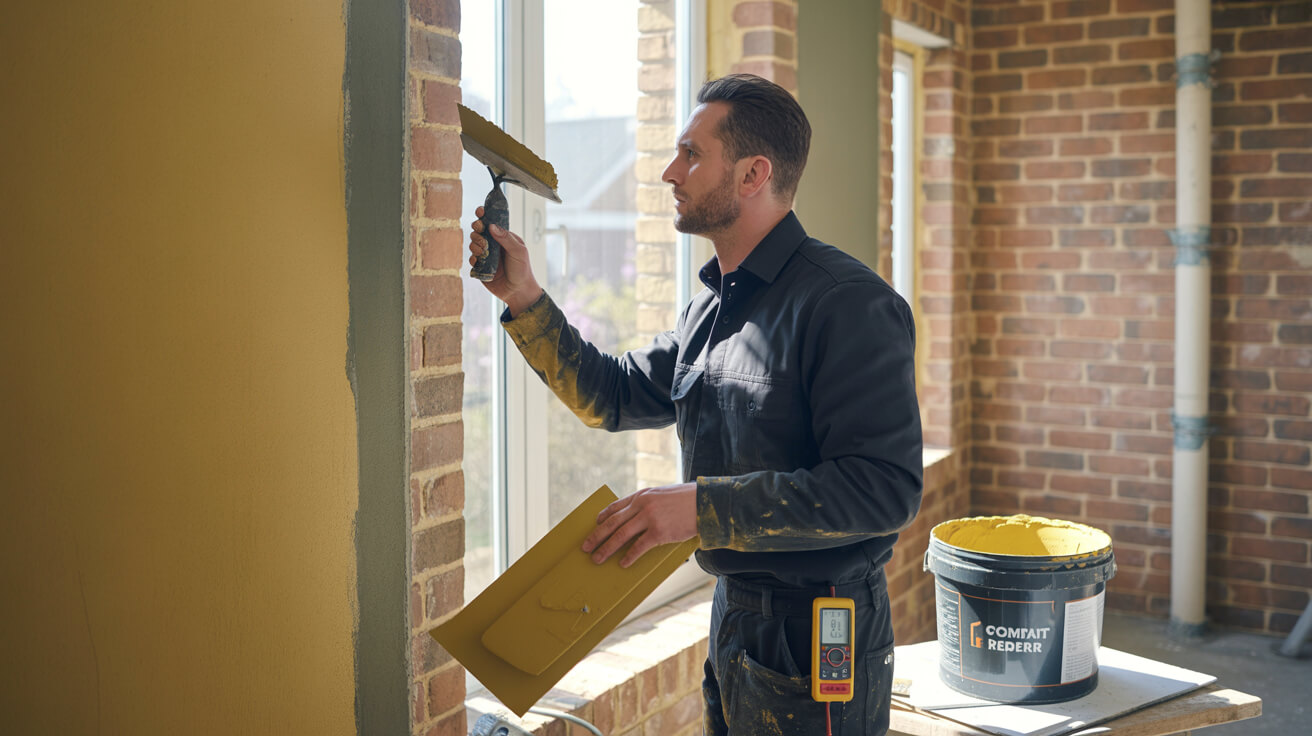
BS EN 998-1, EN 13914, and EN 1504-2 underpin the technical framework for addressing damp-related deterioration in masonry and concrete structures, forming part of the wider standards-BS EN landscape. They establish a rigorous set of performance criteria to ensure that repair interventions deliver consistent, long-lasting results. These standards play a critical role in guiding industry practices by outlining material specifications, test methods, and application processes that enhance building resilience against moisture ingress and subsequent decay. Such technical benchmarks are increasingly integral to maintenance strategies for both modern constructions and heritage properties.
Overview / Context
Damp proofing is an essential building maintenance procedure designed to mitigate the adverse effects of moisture ingress in various types of construction. Excess moisture, when left untreated, can compromise structural integrity, promote mould growth, and degrade aesthetic appearance, leading to substantial repair costs. In the context of European construction, the development and adoption of comprehensive repair standards have been instrumental in addressing these challenges.
The European standards BS EN 998-1, EN 13914, and EN 1504-2 function collectively to standardise the repair process. They focus on different aspects of repair work: BS EN 998-1 establishes general rules for masonry repair mortars; EN 13914 details the performance characteristics necessary for effective repair mortars; and EN 1504-2 addresses the requirements for concrete repair systems. These standards offer a unified methodology that ensures materials used in damp proofing are fit for purpose, ultimately enhancing the longevity and safety of building structures.
The implementation of these standards has contributed to reducing recurrent damp issues by providing clear guidelines on material quality, application techniques, and measurement of repair efficacy. When properly applied, they support the construction industry’s broader goal of maintaining building envelopes that are resilient to moisture deterioration. The practical applications of these standards extend to a variety of building types, from historic masonry structures—commonly maintained by specialists such as Sussex Damp Experts—to large-scale commercial projects where regulatory compliance is mandatory.
History
The origin of BS EN 998-1, EN 13914, and EN 1504-2 is rooted in the evolution of construction practices and the increasing need for standardisation in damp proofing. In the early years of post-war reconstruction, the building industry faced a significant challenge in addressing widespread damp-related issues using techniques that lacked consistency and scientific validation. Early repair practices were largely based on empirical methods that varied widely in results.
Origins and Early Developments
The genesis of a standardised approach began with the recognition that uniform testing and quality benchmarks were essential to ensure durable repairs in line with standards-BS EN. BS EN 998-1 was developed to provide a general set of rules for masonry repair mortars, establishing key parameters such as workability, adhesion, and curing behaviour. This standard laid the groundwork for a systematic approach to dealing with moisture damage in masonry structures.
Industrial and Regulatory Emergence
As diagnostic methods and material technologies advanced, there emerged a need to refine these initial benchmarks. EN 13914 was introduced to build upon the foundation set by BS EN 998-1 by offering more precise performance characteristics tailored to repair mortars used in cases where substrate compatibility was paramount. This stage marked the emergence of methodologies that required rigorous testing—such as bond strength and flexural performance measurements—which further underpinned the reliability of repair interventions.
Simultaneously, the focus on concrete structures, characterised by different failure mechanisms compared to masonry, led to the development of EN 1504-2. Recognising that concrete repair requires a distinct approach, EN 1504-2 delineates specific protocols to ensure that repair systems can withstand environmental stressors such as moisture penetration, chemical attack, and thermal variations. The harmonisation of these standards within the European framework has facilitated a cohesive and scientifically robust approach to damp proofing.
Contemporary Revisions and Adoption
In recent decades, continuous revisions have been incorporated into these standards to address emerging challenges, such as advances in repair materials and the increasing importance of environmental sustainability. Modern iterations now integrate new diagnostic tools like thermal imaging and advanced moisture metres, and the standards have been expanded to cover a broader array of repair situations. This evolution reflects a persistent commitment to improving repair quality and reliability, ensuring that modern constructions and heritage buildings alike can benefit from advanced damp proofing technologies.
Concept / Description
The three standards—BS EN 998-1, EN 13914, and EN 1504-2—form the crux of the technical provisions for repair operations in the damp proofing sector. They provide a detailed framework for specifying the requirements that repair materials and systems must satisfy to be deemed effective against moisture-induced deterioration.
BS EN 998-1
BS EN 998-1 establishes the foundational criteria for masonry repair mortars. It specifies the general rules that repair materials must follow, including the necessary physical and chemical properties. The standard outlines requirements for mix composition, workability, and curing behaviour, as well as test methods to verify these properties. As a baseline standard, it ensures that the repair mortars used are capable of providing adequate adhesion and structural integrity when applied to masonry substrates.
EN 13914
EN 13914 refines the approach to repair mortars by defining performance characteristics that are critical when addressing specific repair needs. Unlike BS EN 998-1, which focuses on general material properties, EN 13914 emphasises testing methods that assess bond strength, compatibility with existing substrates, and the ability to integrate with pre-existing materials. It is particularly significant in heritage conservation, where maintaining the visual and material continuity of historic structures is paramount. The standard sets out precise methodologies for evaluating repair mortar performance under various conditions, ensuring that restorations are both durable and aesthetically appropriate.
EN 1504-2
EN 1504-2 is dedicated to concrete repair systems and addresses the unique requirements associated with repairing concrete structures. This standard provides guidelines for both structural and non-structural repairs, covering aspects such as adhesive properties, moisture resistance, and long-term durability. It specifies the necessary characteristics of repair materials to ensure they can withstand environmental stresses, such as water ingress and chemical corrosion. EN 1504-2 also lays out the evaluation procedures for protective overlays and sealants, making it a critical tool for ensuring the longevity and structural stability of concrete repairs.
Together, these standards support a systematic and scientifically grounded approach to repairing damp-affected structures. They ensure that repair work is conducted using materials that are not only technically sound but also tailored to the specific conditions encountered in different types of buildings. This coherence between standards and practice underpins the high level of quality and consistency required in the damp proofing industry.
Functionality / Purpose / Applications
The primary purpose of BS EN 998-1, EN 13914, and EN 1504-2 is to standardise repair practices in the field of damp proofing, ensuring that interventions are not only effective in the short term but also sustainable over time. These standards achieve their functionality through a multi-faceted approach that encompasses quality assurance, regulatory compliance, technical guidance, and material compatibility.
Quality Assurance
- Material Verification: The standards establish clear criteria for testing the physical and chemical properties of repair mortars and systems, ensuring that only materials meeting defined benchmarks are used.
- Durability Assessment: By setting parameters for adhesion strength, curing behaviour, and moisture resistance, the standards provide a mechanism to predict the longevity of repair work.
- Performance Benchmarks: Regular testing, such as bond strength and flexural performance, ensures that the repair work meets a consistent level of quality, reducing the likelihood of premature failures.
Regulatory Compliance
- Building Code Adherence: Compliance with these European standards is often mandatory under national building regulations, ensuring that repair work is recognised as valid by regulatory bodies.
- Insurance and Mortgage Requirements: For property owners, meeting these standards can facilitate smoother insurance claims and compliance with mortgage survey requirements, as lenders typically assess repair quality as part of risk management.
- Legal Certainty: The clear guidelines provided by the standards help mitigate legal risks associated with property maintenance and repair, ensuring that repairs are executed according to recognised and trusted benchmarks.
Material Compatibility and Application
- Substrate Specificity: The standards address the compatibility between new repair materials and existing substrates, which is critical in environments where the historical or physical properties of the building must be preserved.
- Diagnostic Integration: Use of diagnostic tools, such as moisture metres and thermal imaging, is standardised to ensure that moisture levels are accurately measured and that the type of damp is correctly identified.
- Versatility in Application: The guidelines are applicable across a wide range of scenarios—from the restoration of heritage buildings to modern commercial constructions—making them versatile tools for ensuring repair work is appropriate for the specific conditions of the building.
Use Cases
- Residential and Commercial Restoration: For property repairs in both residential and commercial sectors, these standards guide the selection of appropriate repair materials and application techniques, helping to restore and maintain building integrity.
- Heritage Conservation: In historically sensitive environments, the standards provide essential guidance for selecting repair mortars that are compatible with traditional building materials, minimising visual disruption while ensuring structural integrity.
- Preventive Maintenance: By standardising diagnostic and repair procedures, these guidelines aid in early detection of damp-related issues, allowing for timely intervention before extensive damage occurs.
Through these mechanisms, the standards not only facilitate the execution of effective repair work but also contribute to a broader culture of preventative maintenance and regulatory adherence. This integrated approach ensures that repair interventions deliver not only immediate remedial benefits but also long-term value to property assets and the built environment.
Classifications / Types / Variants
While the primary focus of BS EN 998-1, EN 13914, and EN 1504-2 is to provide performance criteria, the detailed specifications allow practitioners to distinguish between various categories of repair materials and methods.
Material Composition and Method
- Masonry Repair Mortars: Under BS EN 998-1, repair mortars are assessed based on their workability, adhesion, and curing characteristics. These mortars are designed to be used with traditional masonry materials such as brick and stone.
- Repair Mortar Performance: EN 13914 outlines more refined testing protocols that assess the compatibility of repair mortars with existing materials. This includes evaluating parameters such as bond strength, flexural performance, and durability.
- Concrete Repair Systems: EN 1504-2 focuses on repair systems for concrete structures, distinguishing between those designed for structural repairs and non-structural applications. This standard categorises repair systems based on their intended performance, such as resistance to moisture ingress and chemical corrosion.
Application Techniques
- Injection Systems: Chemical damp proof course (DPC) injections are typically evaluated under the guidelines specified in BS EN 998-1, which require assessment of injection depth, consistency, and effectiveness in penetrating the substrate.
- Surface Treatments: Systems involving protective overlays, sealants, and replastering techniques are governed by EN 1504-2, which delineates the application protocols and performance benchmarks for surface treatments.
Usage in Specific Contexts
- Heritage Versus Modern Applications: The selection of repair mortars and concrete systems differs depending on whether the repair is intended for a heritage structure or a modern construction. In heritage settings, emphasis is placed on material compatibility and conserving the historic fabric, whereas modern applications may favour rapid curing times and enhanced mechanical properties.
- Environmental Considerations: The standards also allow for adjustments based on environmental conditions, such as the presence of salts, relative humidity, and temperature variations. This enables an adaptive approach to damp proofing that takes local climate and site-specific factors into account.
By classifying repair materials and methodologies according to these parameters, practitioners can make informed decisions that align with the specific demands of each repair project. This classification not only ensures technical compatibility but also supports the economic viability and longevity of repair interventions.
Systems / Tools / Methodologies
In practice, adherence to BS EN 998-1, EN 13914, and EN 1504-2 involves the integration of advanced systems, diagnostic tools, and methodologies. These contribute to a scientific, data-driven approach in executing damp proofing repairs.
Diagnostic Systems
Modern diagnostic tools play an essential role in assessing the extent of moisture damage and determining the appropriate repair measures:
- Moisture Metres: Provide quantitative data on moisture content within building materials, which is crucial for identifying the severity of damp.
- Thermal Imaging Cameras: Identify underlying moisture accumulation by detecting temperature differences on the building surface.
- Salt Test Kits: Determine the presence and concentration of soluble salts, offering insights into the movement of moisture through porous substrates.
- Hygrometers: Measure ambient humidity levels to gauge environmental conditions that may affect repair outcomes.
Testing Methodologies
A series of standardised tests ensure that repair materials meet the precise performance criteria set by the standards:
- Adhesion and Bond Strength Tests: Evaluate how well repair mortars adhere to existing substrates, ensuring that repairs will be robust and long-lasting.
- Flexural and Compressive Strength Testing: Assess the mechanical performance of repair materials under different load conditions.
- Curing Time Analysis: Monitor the progress of material hardening, ensuring that the mortar or repair system reaches its intended strength within the prescribed timeframe.
- Comparative Material Analysis: Compare performance data of new repair materials against established benchmarks to ensure consistency and reliability.
Application Methodologies
The precise application of repair materials is critical in achieving compliance with these standards:
- Surface Preparation: Prior to repair, the existing material is thoroughly cleaned and any deteriorated components are removed. This preparation is essential for ensuring that the new repair material forms a strong bond with the substrate.
- Mixing and Curing Techniques: The standards detail specific mixing ratios and curing conditions required to optimise the performance of repair mortars. Adherence to these conditions is critical for achieving the desired mechanical properties.
- Injection Protocols: For chemical damp proof courses, controlled injection techniques are employed to ensure deep and even penetration of the repair material into the substrate.
- Layered Repair Approaches: In some cases, repair involves multiple layers of material, each carefully applied under controlled conditions to avoid issues like delamination or bridging.
These systems and methodologies form the backbone of modern damp proofing practices. They not only facilitate a high level of precision and quality in repairs but also support a comprehensive data-driven approach that enhances the overall reliability and effectiveness of repair interventions.
Stakeholders / Entities Involved
The successful implementation of these standards involves several key stakeholder groups, each of which plays a distinct role in the repair and maintenance process. The perspectives and contributions of these groups are essential to the effective execution of damp proofing interventions.
Property Owners and Landlords
For property owners and landlords, the application of BS EN 998-1, EN 13914, and EN 1504-2 offers tangible benefits in terms of preserving property value and ensuring maintenance compliance. These stakeholders are concerned with:
- Long-term Durability: Ensuring that repair work is robust and requires minimal future intervention.
- Compliance and Certification: Meeting the necessary regulatory standards helps secure insurance coverage and mortgage financing.
- Cost-effectiveness: Although the implementation costs may be higher initially, high-quality repairs reduce the likelihood of recurrent issues and subsequent expenses.
Contractors and Surveyors
Contractors and surveyors are on the front lines of warranty and quality assurance. Their responsibilities include:
- Technical Execution: Applying repair materials in accordance with established standards.
- Diagnostic Assessment: Using advanced diagnostic systems to evaluate the extent of damp and to select appropriate repair strategies.
- Quality Control: Performing tests to ensure that the repair meets the predetermined performance metrics.
- Documentation: Maintaining detailed records of the repair process to support certification, insurance, and regulatory compliance.
Regulatory Agencies
Regulatory bodies play a crucial role in both the development and enforcement of these standards. Their contributions include:
- Standard Development: Collaborating with industry experts to update and refine technical and performance criteria.
- Inspection and Certification: Overseeing that repair work meets the stringent guidelines necessary for building safety and insurance.
- Enforcement of Compliance: Ensuring that ongoing repair work adheres to both national and European regulations.
Financial Institutions and Insurers
Financial stakeholders also benefit from the standardised methodologies specified by these standards:
- Mortgage and Insurance Compliance: Lenders and insurers rely on these standards as benchmarks for property condition assessments.
- Risk Management: Implementing standardised repair protocols reduces the financial uncertainty associated with damp-related failures.
- Cost Reduction: Enhanced durability of repairs translates into fewer claims and lower long-term maintenance costs, which can positively impact property valuations.
Legal / Regulatory / Ethical Considerations
The effective application of BS EN 998-1, EN 13914, and EN 1504-2 is integrally connected with the legal and regulatory frameworks governing construction and building maintenance. These standards are designed not only to ensure technical efficacy but also to comply with a range of legal obligations that protect both property owners and the wider community.
Regulatory Framework
These standards operate within a broader regulatory context that includes:
- Building Regulations: They work in concert with key documents, such as BS 6576 and national building regulations, ensuring a coherent approach to quality assurance in repairs.
- Health and Safety Requirements: Compliance with standards like the Housing Health and Safety Rating System (HHSRS) ensures that repair interventions do not adversely affect occupant health.
- Certification Processes: Schemes such as TrustMark and ISO 9001 offer additional layers of oversight by certifying both materials and repair methodologies according to rigorous benchmarks.
Legal Implications
The importance of these standards extends into the legal realm, where their application can mitigate potential liabilities:
- Contractual Obligations: Repair work carried out in accordance with these standards can offer protection in contractual disputes, providing documented evidence of compliance.
- Insurance and Warranty: Many insurance policies and warranties explicitly require adherence to recognised repair standards. Failure to comply may lead to claim denials or voiding of warranties.
- Dispute Resolution: In cases of repair failure, the documented adherence to these standards can form a critical part of the evidence in adjudicating disputes between property owners, contractors, and regulatory bodies.
Ethical Considerations
Ethically, the application of these standards embodies a commitment to public safety and property integrity:
- Transparency and Accountability: Maintaining high standards in repair work ensures that property owners and occupants are not exposed to undue risk.
- Sustainability: Ethical repair practices consider not only immediate repair efficacy but also long-term environmental impacts, promoting sustainable use of materials and reducing waste.
- Professional Integrity: For practitioners in the field, adherence to these standards reinforces professional accountability and aligns with best practices in the construction industry.
Performance Metrics / Data / Measurements
Evaluation of repair work according to BS EN 998-1, EN 13914, and EN 1504-2 relies on well-defined performance metrics and data collection methods that ensure consistency and reliability of results.
Key Performance Indicators
The standards specify a range of quantitative measures, including:
- Adhesion Strength: Measurement of the bond between repair material and existing substrate, which is critical for ensuring that the repair will withstand mechanical stresses.
- Curing Time and Process: Analysis of the time required for the mortar or repair system to achieve the prescribed mechanical properties, which influences project scheduling and the overall quality of the repair.
- Moisture Resistance: Evaluation of a material’s ability to resist the ingress of moisture, which is essential in preventing recrudescence of damp issues.
- Durability and Longevity: Assessment through compressive, flexural, and tensile strength tests, which indicate how well the repair will perform over extended periods under varied conditions.
Data Collection Techniques
A combination of field and laboratory testing methods contributes to a robust measurement framework:
- Instrumental Analysis: Equipment such as moisture metres, thermal imaging cameras, and hygrometers provide real-time data on environmental conditions and material performance.
- Controlled Laboratory Tests: Standardised tests determining physical and chemical properties allow for direct comparison between different repair systems.
- Periodic Field Surveys: On-site inspections and re-measurement using diagnostic tools help verify that repairs continue to meet performance standards over time.
- Benchmarking: Data from experimental validations are compared against established performance thresholds to ensure that new repair methodologies are consistent with industry best practices.
This data-driven approach not only certifies the quality of individual repair projects but also drives continuous improvement and technological innovation in the field of damp proofing.
Challenges / Barriers / Limitations
Although BS EN 998-1, EN 13914, and EN 1504-2 provide robust guidelines for damp proofing, the practical implementation of these standards faces several challenges that impact both the process and outcomes.
Technical and Operational Issues
- Material Heterogeneity: Existing structures often comprise a mix of materials that may not uniformly respond to repair mortars or concrete systems, complicating the application of standardised approaches.
- Diagnostic Limitations: Accurate measurement of moisture levels and substrate conditions is critical yet sometimes hampered by equipment limitations or operator error, which can lead to misdiagnosis and suboptimal material selection.
- Environmental Influences: External factors such as temperature fluctuations, humidity levels, and seasonal variations can affect the curing and performance of repair materials, requiring careful scheduling and adaptive methodologies.
- Process Variability: The execution of repair techniques, including surface preparation, mixing accuracy, and application consistency, can vary significantly between operators and projects, leading to inconsistent results.
Economic and Regulatory Constraints
- High Initial Costs: The use of premium repair materials and diagnostic equipment as prescribed by the standards may entail significant upfront costs, which can be a barrier for some property owners.
- Complex Regulatory Landscape: Navigating the multi-layered regulatory requirements can be challenging, particularly in regions with stringent local building codes and heritage preservation rules.
- Training and Certification Demands: Industry professionals require comprehensive training to effectively implement these standards, which may involve considerable investments in education and skill development.
- Market Competition: Adoption of the standards may be inconsistent across the market, creating discrepancies in repair quality that complicate the competitive landscape and impact property valuation.
Limitations of Current Practice
- Legacy Interventions: Many existing buildings have undergone multiple, unstandardized repair interventions over time, resulting in a patchwork of materials and techniques that do not conform to current standards.
- Technological Gaps: Although the available diagnostic tools have improved, there is still a lag in the widespread adoption of the latest technologies, which may limit the overall effectiveness of repair operations.
- Communication Barriers: Diverse levels of expertise among stakeholders—ranging from property owners to technical contractors—can lead to inconsistencies in understanding and applying the standards, resulting in variable repair quality.
- Resource Limitations: In some cases, the lack of locally available certified materials or expert practitioners can hinder the proper implementation of these standardised repair techniques.
Addressing these challenges requires ongoing innovation, enhanced training programmes, and a commitment to continuous refinement of both the standards and the methodologies used in damp proofing. Improved communication and investment in technology are particularly critical to overcoming these barriers.
Impact / Influence / Legacy
The application of BS EN 998-1, EN 13914, and EN 1504-2 has had a profound effect on the field of damp proofing, setting a benchmark for quality and consistency that has yielded substantial benefits for the construction industry.
Improvements in Repair Quality
- Enhanced Durability: By defining clear performance indicators, these standards have led to significant improvements in the durability of repair work. When repairs are executed in accordance with these standards, the likelihood of recurrent damp issues is markedly reduced.
- Standardised Procedures: The requirements for material testing and application have contributed to a uniform approach across different projects, ensuring that repair work meets consistent quality benchmarks irrespective of the specific context or location.
- Increased Safety: Reliable adherence to these standards minimises the risk of structural failures and safeguards the health of building occupants by mitigating moisture-related hazards and mould proliferation.
Regulatory and Financial Benefits
- Regulatory Compliance: These standards play a critical role in ensuring that repairs comply with national and European building regulations, which is essential for obtaining necessary permits and certifications. This regulatory compliance is foundational for smooth property transactions and long-term maintenance planning.
- Improved Insurance and Mortgage Conditions: Properties that meet these stringent repair criteria are often viewed more favourably during insurance assessments and mortgage surveys, which can result in more favourable financial arrangements.
- Reduced Legal Liabilities: Standardised repair work minimises the potential for legal disputes concerning the quality and adequacy of repairs, thereby protecting property owners, contractors, and associated professionals from costly litigation.
Industry Evolution and Knowledge Transfer
- Professional Development: The implementation of these standards has fostered targeted training and certification programmes for professionals involved in damp proofing. This has led to a higher overall level of expertise in the field and a more robust ecosystem for quality control.
- Innovation and Research: The rigorous testing protocols and performance benchmarks have driven research into new materials and repair methods. Continuous improvements in diagnostic tools and repair techniques have emerged as a direct result of the standards being used as a framework for innovation.
- Long-Term Legacy: Over time, the consistent application of these standards has not only improved the immediate outcomes of repair projects but also contributed to the sustained enhancement of building maintenance practices. This legacy supports a culture of excellence and continuous improvement within the damp proofing industry.
Economic and Environmental Impact
- Cost Efficiency: Although the initial investment in high-quality repair processes may be substantial, over the long term, these standards contribute to lower maintenance costs by extending the lifespan of repairs and reducing the frequency of subsequent interventions.
- Sustainable Practices: By promoting the use of durable, well-tested materials and methods, the standards encourage environmentally sustainable repair practices. This results in reduced waste and less demand for high-energy inputs over the lifecycle of a building.
- Market Stability: Properties maintained in line with these rigorous standards are better positioned in the market, experiencing enhanced valuation and reduced depreciation, which in turn reinforces confidence among investors, insurers, and financial institutions.
Future Directions, Cultural Relevance, and Design Discourse
Emerging trends indicate that the landscape of damp proofing repair standards will continue to evolve in response to technological innovations and shifting regulatory demands. Future revisions of BS EN 998-1, EN 13914, and EN 1504-2 are likely to incorporate advancements in diagnostic instrumentation, material science, and digital monitoring systems.
Technological Innovations
- Integration of Digital Diagnostics: The increasing use of sensor networks, IoT-enabled moisture detection, and real-time data analytics will further refine the accuracy of diagnostic assessments. These technologies are expected to integrate seamlessly with standard testing protocols, enhancing predictive maintenance and early intervention strategies.
- Advanced Material Formulations: Research in material science is progressing toward the development of novel repair mortars and concrete systems that offer superior moisture resistance, enhanced adhesion, and faster curing times. Future revisions may include new performance criteria for these advanced products.
- Automation in Application: Developments in robotics and automated injection systems could streamline repair processes, reducing human error and ensuring consistent application conditions. Such automation is likely to be reflected in updated application guidelines within future versions of the standards.
Regulatory Evolution
- Harmonisation of Standards: There is potential for greater alignment between European standards and national building codes, which would simplify compliance for practitioners working in multiple jurisdictions. Enhanced harmonisation will facilitate smoother cross-border collaborations and improve overall project efficiency.
- Dynamic Regulatory Frameworks: As environmental challenges intensify and new construction technologies emerge, regulatory bodies may introduce dynamic and adaptive frameworks that require real-time updates to repair standards. This evolution will help ensure that damp proofing practices remain contemporary and effective.
- Increased Certification Requirements: With higher expectations for quality control, certification schemes regarding repair work may become more stringent. Future iterations of these standards might incorporate greater emphasis on sustainable practices and measurable performance outcomes.
Cultural and Design Considerations
- Heritage Sensitivity: In the context of heritage conservation, the balance between technical repair and aesthetic preservation remains a critical issue. Future developments will place greater emphasis on techniques that minimise visual disruption while ensuring effective damp remediation, thereby preserving the cultural and historical significance of buildings.
- Sustainability and Environmental Impact: As sustainability becomes a central concern in construction, the standards may adapt to include environmental metrics alongside traditional performance indicators. These could encompass the life-cycle assessment of repair materials and their carbon footprints, driving the industry toward greener practices.
- Interactive and Integrated Design Discourse: The increasing integration of digital tools in building management will lead to more interactive repair platforms that allow stakeholders to visualise and monitor repair processes in real time. Such platforms will contribute to a more informed discourse on best practices and technological innovations in damp proofing.
The Ongoing Evolution of Industry Practices
The continued evolution of repair standards not only reflects changes in technology but also underscores the dynamic nature of the construction industry. Ongoing research, collaborative industry efforts, and the accumulation of field data will further shape the performance metrics, application methodologies, and regulatory frameworks associated with damp proofing. This iterative process is expected to yield a new generation of repair systems that are even more effective, sustainable, and adaptable to varying environmental conditions.
As the damp proofing industry moves forward, there will be an increased emphasis on integrating cutting-edge diagnostic tools with traditional repair methods, ensuring that practitioners can provide solutions that are both technically robust and cost-efficient. The standards will likely evolve to capture these emerging trends, with future revisions incorporating lessons learned from ongoing field applications and rigorous scientific research.
This forward momentum is not only pivotal for improving the physical integrity and safety of buildings but also for enhancing the resilience of property assets in the face of environmental uncertainties. In a climate of rapid technological change and heightened regulatory scrutiny, the standards will continue to serve as foundational benchmarks that inspire greater innovation and operational excellence across the industry.
<Ξ(RedundancyElimination)>

