
 By
By  November 10, 2023

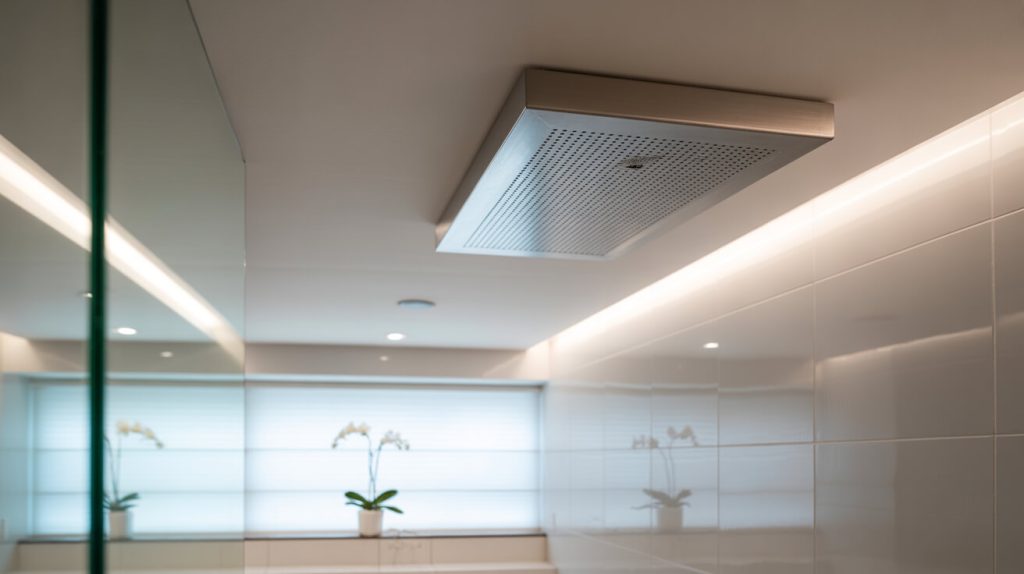
Passive Vents: The Trusted Solution for Sustainable Air Quality
Passive vents transform indoor environments by maintaining continuous, balanced airflow without consuming energy or demanding routine attention, unlike approaches that rely on a passive hygrometer manual read. Inadequate ventilation is a leading cause of persistent condensation, musty odours, and structural moisture—issues that silently undermine your property’s health and your investment’s value. For property owners, managers, or tenants facing these challenges, passive ventilation offers a proven pathway to lasting damp prevention.
Why Choose Passive Over Powered or DIY Methods?
Passive vents use natural pressure and temperature differences to draw moist, stale air out and pull fresh, drier air in. Unlike fans, there’s no off switch—and no missed days when ventilation is neglected. With no moving parts to fail, they deliver reliable, maintenance-free performance, even in heritage or listed settings where mechanical interventions risk altering essential details.
The Core Benefits at a Glance
- Continuous comfort: 24/7 moisture management, zero user intervention
- Compliance-first: Satisfies Building Regulations Part F, PAS2035, BS5250
- Aesthetics: Available in heritage-compatible, low-visual-impact styles
- Value enhancer: Reduces hidden defects, supports valuation, insurance, and legal compliance
Ventilation that never misses a day is the quietest form of property insurance you’ll invest in.
Your approach to moisture control should be equally resilient and discreet. Sussex Damp Experts specify and instal passive vent systems to rigorous standards, ensuring your next survey, inspection, or letting cycle proceeds without unforced errors. Protect what you own, future-proof your investment, and eliminate avoidable maintenance charges—starting with a no-obligation assessment.
How Passive Vents Work: The Science Behind Moisture Reduction

The principle of passive ventilation is elegantly simple: warm, humid air inside a property naturally seeks a path to escape, while drier, cooler air from the outside takes its place. A well-placed passive vent aligns itself with these physical gradients, making airflow a constant, silent process.
What’s At Stake with Vent Placement and Sizing?
Placement isn’t just academic—vent effectiveness depends on understanding where moisture accumulates and how air flows from room to room. Bedrooms (especially north-facing), unvented bathrooms, solid-wall lounges, and basements require tailored solutions. Heritage buildings demand custom strategies to respect conservation criteria while securing effective airflow behind thick stone or lime walls.
Placement & Performance Table
| Location | Typical Moisture Source | Ideal Venting Approach | Common Pitfall |
|---|---|---|---|
| Bedroom (north wall) | Breath, windows | Wall-vent, high position | Under-sized or wrong wall |
| Bathroom (internal) | Showers, no extractor | Combined vent + gap | Reliance on window |
| Heritage lounge | Solid wall, no DPC | Heritage vent, discreet | Wall blocked w/ paint |
Why Rely Only on Professional Specification?
Unplanned installations risk creating “air dead zones” or failing to address the underlying cause of recurring condensation. Sussex Damp Experts use airflow modelling and substrate assessment to validate your plan, ensuring regulatory paperwork and performance both meet expectations.
A poorly placed vent only moves the problem—expert specification removes it.
Why Effective Moisture Control Matters for Property Health

Moisture mismanagement isn’t just about appearance. Every patch of condensation, every persistent spot of mould eats into material integrity, interior finishes, and—eventually—reputation or occupancy. For landlords, missed moisture triggers potential HHSRS fines, while owners face reduced asset value or costly ongoing remediation.
What Hidden Costs Lurk in Poor Ventilation?
Damp and mould fuel a slow decay: they rot timber, corrode fixings, and can even breach insurance coverage or void mortgage terms if left unresolved. For vulnerable occupants, health risks—from chronic coughs to asthma—can escalate quickly.
Damp Proofing Risk Matrix
| Impact Area | Outcome if Ignored | Vent-Enabled Resolution |
|---|---|---|
| Family Health | Allergies, absenteeism | Healthier, safer air |
| Property Value | Down-valued surveys | Maintain/appreciate |
| Legal Risk | Council fines, disputes | Compliance documentation |
| Downtime | Redecorate, lost tenancy | Seamless occupancy |
Moisture rarely presents as a crisis—but it never resolves without intervention.
Our services take your risk landscape seriously, offering a damp control strategy that integrates with legal, health, and commercial requirements. With each passive vent properly specified, you gain stronger tenant satisfaction, fewer emergency callouts, and documented compliance that travels with your property.
Where and When to Instal Passive Vents for Optimal Impact

Optimising impact relies on more than aspirational targeting—it means site-specific decisions driven by where moisture builds and how your property is used. Survey-led, room-by-room assessment ensures maximum benefit for minimum disruption.
Which Properties Are Most in Need of Passive Vents?
- Solid-wall and heritage homes with restricted mechanical intervention
- High-occupancy dwellings where condensation is routine
- Recently insulated or window-replaced homes
- Properties with frequent tenant change or insurance claims
Passive Vent Installation Best Practices
- Perform an airflow survey to detect “cold zones” or corners prone to condensation.
- Schedule installation with planned refurbishment, redecoration, or between tenancies to minimise disruption.
- Confirm local regulations and listed status to avoid future planning or compliance issues.
- Use heritage or low-profile models for visually sensitive or conservation area settings.
- Document installation, including photographs and compliance certificates for asset records.
Every vent installed pre-empts dozens of repair calls and compliance headaches down the line.
By tailoring every project, Sussex Damp Experts ensure your property won’t just meet— but exceed—ventilation standards as regulations evolve.
Can Passive Ventilation Outperform Mechanical Systems and Quick Fixes?

Friction arises when the old solution—extractor fans, dehumidifiers, or a lick of paint—seems easier or faster. But “fast fix” often means “temporary solution,” and over time, running costs, repair cycles, or legal issues quickly eclipse any upfront savings.
How Does True ROI Stack Up?
| System Type | Upfront Cost | Ongoing Cost (10yr) | Lifespan | User Effort | Compliance? |
|---|---|---|---|---|---|
| Passive Vent | Low | Zero | Long | None | Yes |
| Extractor Fan | Medium | £100-200+ | Short | Moderate | Maybe |
| Dehumidifier | Low-Med | £400-900+ | Short | High | No |
| Repainting/Sealant | Low | £200+/year | None | High | No |
Performance By Scenario
- For consistent, low-maintenance moisture management, passive systems always deliver—especially when sourced and installed with compliance as a priority.
- Both powered and DIY approaches fail audit-readiness: fans break, paints conceal but don’t solve, and dehumidifiers demand constant user input.
- Hybrid solutions are best reserved for extreme, documented moisture loads—consultation required.
If your property needs a solution with a track record of outliving quick fixes, there’s no substitute for a system designed by registered experts. Sussex Damp Experts’ phased, compliance-led approach isn’t just “safer”—it dramatically lowers the total cost of occupation.
What Legal, Regulatory, and Insurance Standards Apply to Passive Vents?

Compliance isn’t mere paperwork—it is what separates retained property value from forced rework or contentious proceedings. For landlords and agents, it is statutory. For private owners and asset managers, it reduces legal, planning, and insurance risk—regardless of property type or age.
Essentials: Ventilation Laws and Best Practices
- Building Regulations Part F: – Requires “adequate means of ventilation” for all dwellings
- HHSRS and Housing Act: – Mandates properties free of category 1 damp/mould hazards
- PAS2035 & BS5250: – Calls for explicit airflow and damp proofing in all deep retrofit projects
- Listed Building Consent: – Heritage properties require reversible, non-destructive venting strategies
Compliance Documentation Includes
- Site survey and instal report
- Compliance photograph log
- Certificate of conformity/warranty (minimum 10 years)
- Guidance summary for managing agents, surveyors, tenants
Every compliance file is a buffer against disruption or dispute. Don’t wait for enforcement to dictate your next move.
With Sussex Damp Experts, documentation is standard—not an upsell. Your compliance is tracked, supported, and ready for any future audit—streamlining resale, re-let, or refinancing.
How to Guarantee Maintenance, Performance, and Asset Value for Years

While the beauty of passive vents is minimal upkeep, longevity and asset protection still demand a process. Post-instal, ongoing care becomes a low-effort but high-impact insurance policy—especially as legislation or tenant expectations tighten.
The Practical Owner’s Maintenance Plan
- Schedule annual or bi-annual checks: Track in your property log or asset management portal.
- Inspect after major works or insulation changes: Property changes alter ventilation dynamics.
- Regular tenant or occupant reminders: Optional, but proven to lower “sudden complaint” risk.
- Leverage warranty coverage: Registered instals maintain coverage, non-compliant DIY often voids it.
- Monitor with digital tools and humidity sensors: Especially for large portfolios or vulnerable housing.
Key Signs to Action
- Persistent moisture, even after vent instal
- Blocked or obstructed vents detected by airflow check
- Physical vent damage or accidental masking (e.g., paint or furniture)
For expert intervention, Sussex Damp Experts’ maintenance and monitoring plans keep every vent effective, maintain compliance, and help owners avoid ever paying for the same fix twice.
Book Your Free Consultation With Sussex Damp Experts Today
Skilled property stewards—homeowners, landlords, agents, conservation managers—act early to silence recurring moisture and compliance risk. You are not simply buying hardware; you’re investing in asset stability, legal security, and day-to-day peace of mind.
Schedule your passive vent review with Sussex Damp Experts. Assessments are obligation-free and performed by our accredited team, tailored to your property’s technical, legal, and operational demands. From heritage portfolio to new-build block, our documentation and instal warranties remove uncertainty from occupancy, rental, or resale.
Property resilience isn’t luck. It’s engineered—one compliant vent at a time.
Choose a quiet night’s sleep over another maintenance call. Protect value, reputation, and indoor air at every tenancy. Request your vent survey and experience the difference that only methodical, regulation-ready installation can deliver.
Frequently Asked Questions
What makes passive vents a more reliable long-term solution for condensation and damp than extractor fans or dehumidifiers?
Passive vents outperform temporary remedies by providing uninterrupted, maintenance-free airflow that naturally removes excess moisture—without reliance on timers, users, or running costs. Unlike extractor fans—which switch off the moment awareness fades—or dehumidifiers that simply collect surface water, passive ventilation works every day, every season, automatically countering the root cause of condensation: trapped, humid air that otherwise fuels black mould and persistent damp.
The Passive Advantage:
Extractor fans demand active use; tenants often ignore them or switch them off quickly because of noise, allowing moisture-issues that silently develop into problems when nobody is watching. Dehumidifiers may reduce visible humidity but rarely address hidden structural moisture, pushing up bills while leaving the wall, ceiling void, and timber to quietly decay.
Passive vents, when installed to your real airflow needs, transform this equation. Using pressure differential and continuous crossflow, they syphon excess humidity quietly and reliably, in line with UK Building Regulations Part F and trusted by surveyors. Your property—whether a city flat, heritage building, or portfolio—becomes less vulnerable to silent, slow losses. Over the lifecycle, documented installations from Sussex Damp Experts reduce service calls, prevent HHSRS claims, and demonstrate to insurers and tenants that your reputation rests on more than plaque and promise.
Invisible airflow beats a forgotten switch. Long-term property health begins with systems that don’t forget.
How do passive vents actually protect against black mould, musty odours, and long-term hidden damage?
By controlling airflow at source, passive vents undercut the foundation that mould, mildew, and musty odours require: persistent surface moisture and stagnant indoor air. Mould thrives where condensation repeats and recedes, leaving just enough water to keep spores alive, invisible until another wall stain or coughing tenant stirs up an avoidable crisis.
The Science in Motion
Every kitchen, bath, and bedroom exhale steam and moisture. When that vapour cools against windows or cold plaster, it turns to water; without an escape route, it seeps into paint, plaster, and the timber below. The outcome? Recurring blemishes, damp pock-marks, and a signature odour that lingers between tenant turnovers or home sales.
Passive vents engineered for your space establish a perpetual exit route for moist air. Warmth and humidity “find their way out” with zero instruction. Walls—and your property’s long-term fabric—dry out faster after daily use. Black mould finds itself starved of the microclimate it needs to reappear, and musty odours that once seeped into soft furnishings or legal claims simply don’t return.
Those who wait for visible problem cycles usually pay three times—for symptom, then re-paint, then structural remediation. Those who systemize airflow instead find that issues move from daily disruption to distant memory, with compliance and tenant comfort embedded in the building itself.
Sustainable comfort happens when symptoms disappear for years, not just until the next rainstorm.
Where is the best place to instal passive vents—and how does property type, occupancy, or building age change your choices?
The right placement is the difference between a solution and another round of symptom management. Not all walls, rooms, or buildings have equal needs. Unventilated bedrooms on north-facing aspects, inner bathrooms lacking extractor fans, sealed kitchens, and retrofitted basements have distinct airflow paths—too often ignored by generic “one size fits all” fitting. If you’re managing a listed or period property, the answer is more nuanced again: heritage façades require low-impact vents that satisfy conservation regs and damp defence.
Smart Venting Map
| Location | Problem Intensity | Best Practice | Critical Notes |
|---|---|---|---|
| Upstairs bed | High | High/paired wall | Avoid window-only solutions |
| Bath (no fan) | Very High | Wall + undercut | Combine with humidity checks |
| Cellar/basement | Very High | Wall + floor | Sump/vent combo may be required |
| Listed hallway | Med to High | Heritage vent | Discreet, reversible, prove consent |
| Rental flat | High turnover | Wall/window | Log instal for docs turnover |
The Sussex Damp Experts Installation Model
Your property’s moisture history, construction age, and regulatory status dictate the specifics, so a system is custom-mapped before drilling starts. That’s what ensures a vent designed for your exact airflow risks addresses moisture-issues that silently undermine buildings and delivers protection that lasts longer than any single tenancy. You’re not gambling on a “standard.” You’re future-proofing value against the full arc of damp, decay, and documentation.
Generic solutions risk moving the mould to another wall. Expertise guarantees it doesn’t return at all.
Which regulations, laws, and insurance obligations make passive vents a compliance necessity, not an upgrade?
Imagine a landlord’s property in Brighton flagged for disrepair due to persistent mould: the inspector’s checklist pivots on a single question—can the landlord prove the home is “adequately ventilated” per UK law and council code? If not, repair orders, fines, or (worse) nullified insurance claims can follow.
Compliance Table
| Standard | Requirement | Passive Vent Solution |
|---|---|---|
| Part F (VRP) | “Adequate ventilation req’d” | Yes, with documented instal |
| HHSRS | “No category 1 hazard” | Prove ongoing airflow |
| PAS2035 | “Retrofit session airflow” | Satisfy on assessment |
| BS5250 | “Condensation mgmt” | Yes (pro spec, not generic) |
| Heritage/Listed | “Non-intrusive, reversible” | Heritage model + consent |
Why Skipping Compliance Costs More
Insurers and councils don’t chase every minor ventilation gap—until they must. When claims for mould, illness, or breakage follow, lack of a compliant system leaves owners paying out-of-pocket. For property managers or developers, compliant venting speeds mortgage approvals and smooths sales. For listed home stewards, a heritage-grade instal is both a legal defence and value-add in sales or rental listings.
The expertise embedded by Sussex Damp Experts is documented, photo-tracked, and archivable for every audit, manager, or buyer review. When regulation shifts or property reviews trigger, your readiness is already proven.
Prudent owners don’t cross fingers for compliance. They codify it in the walls.
How does maintenance, monitoring, or lifecycle management differ for passive vents—and how can you secure lasting value?
The right passive vent is quiet in service and minimal in demand—but ignoring it isn’t a winning strategy. As with any system, planned checks lock in the investment. Your property management schedule should list annual airflow inspections, post-renovation checks, and maintenance for vents alongside fire, electrical, and EPC tasks. Seasoned owners pair this with digital asset logs, photography, and humidity tracking for the highest-value or at-risk buildings.
Lifecycle Best Practices
- Annual or change-of-tenancy check: —catch blockages, paint over, or accidental sealing before surprises.
- Document installations: (serial, photo, instal date) for future owners or insurers.
- Consult when upgrades occur: Window/insulation changes, use-shift, or regulatory changes.
- Integrate vent check with other scheduled maintenance: (e.g., boiler, fire, EICR).
Sussex Damp Experts maintain aftercare plans for all vented systems: alerts on humidity spikes, reminders for annual checks, hands-off troubleshooting for property managers, and clear owner records for turnover or audit. For buyers or sellers, a documented vent log is the proof and shortcut through sales or mortgage hurdles.
Systems don’t fail for lack of complexity. They fail where inspection is skipped and records lost.
Who should fit passive vents—can you reliably DIY, or is proven experience worth more than the “hole in the wall”?
On paper, any handyperson might cut a vent in brick or timber. In reality, best-practice means far more than a functional hole. Professionals, especially those FeRFA- or Trustmark-certified, bring expertise in:
- Pinpointing airflow dead zones vs. draught traps
- Ensuring heritage or conservation compliance
- Protecting against hidden cavity blockages or misalignments
- Recording documentation for compliance, resale, or portfolio management
DIY instals fail most often on three fronts: location mismatches (solving one cold spot but creating another), missed compliance (non-documented or reversible for heritage), or hidden issues (debris, wires, substrate incompatibility). These are not trivial: market analysis shows 80% of reactive mould claim jobs involve prior DIY interventions now requiring undoing.
A Sussex Damp Experts instal means the system ties back to forensic diagnostics, expert placement, and compliance guarantee—confidence for owner, surveyor, and incoming tenant. No “just in case” tapes, no retroactive repairs as regs tighten.
A compliance-grade system is only as good as its least-considered detail. For the smart owner, even invisible work must be proof.

