
 By
By  September 3, 2025


Is There Ever a True “Average” Cost for Fixing Damp in Internal or Party Walls?
If you’re hoping to Google a quick price for treating Damp in Internal or party walls, brace yourself—the answer is always, “It depends.” No two properties tell the same moisture story, and no responsible expert plucks a figure out of thin air. The cost isn’t defined by patching what you can see, but by unearthing what’s hidden in the building’s bone structure, legal paperwork, and long-term risk profile.
Every damp survey is a magnifying glass over risk—quick fixes only shrink your wallet later.
Here’s the truth that shocks most homeowners, landlords, letting agents, and even seasoned developers: there’s no “standard ticket” for damp wall repairs. What you pay is shaped by the specific mix of Damp in Internal walls or party walls, including the moisture source, depth of attack, property construction, compliance requirements, and whether the wall falls under a party wall agreement. Some walls only need surgical intervention; some need major surgery followed by paperwork that holds up in court or at a surveyor’s desk.
Ignoring these variables is costly. Nobody wants to see a minor damp patch grow into devalued property, neighbour disputes, failed mortgage signoff, or legal fines. Yet, that’s precisely the risk when repairs are driven by price lists and superficial remedies—rather than diagnosis, compliance, and permanent results.
The Real Hidden Price of One-Size-Fits-All Fixes
- Repair costs balloon when underlying sources (bridged insulation, poor drainage, hidden leaks) go untreated.
- Shared or listed structures carry legal, consultative, and compliance steps—each an escalator for costs and delays.
- Suppliers and insurers demand evidence-based, regulations-aligned investigation, not a “hopeful” invoice scribbled on the back of a trade van.
The “low price” you saw online only buys time—until the next survey, sale, or insurance claim. The real currency is evidence-driven solutions and future-proof paperwork that prove your property is safe, compliant, and loan-worthy for years to come.
What Factors Actually Determine the Cost of Damp Repairs in Internal and Party Walls?
Replaster After Damp Treatment Advisor
- 1Treatment
- 2Condition
- 3Results
Need expert advice on replastering after damp treatment? Our surveyors can assess your walls and recommend the right plaster specification.
Get a Replastering Quote →Trying to budget damp repairs by room size, wall shape, or postcode will only get you so far. The final number is sculpted by the chain reaction between the cause, extent, risk context, and building environment. If you misjudge any link in that chain, you’re not just overspending—you’re inviting repeat costs and existential headaches.
Key Cost Variables You Must Consider
- Cause of Damp:
• Is this rising damp, lateral ingress, condensation, plumbing failure, or a mode nobody’s yet spotted? Each demands its own arsenal, from damp-proof course (DPC) injection to tanking, or even complex drainage and ventilation upgrades. A wrong move multiplies your spend (BS6576 diagnosis standards).
- Damage Depth and Spread:
• Mould on the surface is only the start. Once plaster, structural timbers, or party wall boundaries are soaked, the cost multiplies.
• Internal evidence (black spots, salty blistering, musty smell) often signals hidden damage where only calibrated metres or borescope cameras reach.
- Property and Wall Type:
• Is this a single dwelling, a party wall with legal strings, or a heritage/listed structure? Party walls add notification steps, surveyor input, and even neighbour negotiation (gov.uk). Listed homes require conservation-compatible materials, sometimes doubling intervention cost.
- Underlying Triggers:
• Missed culprits—like blocked rainwater goods, bridged insulation, or failed flashing—lead to cyclical repair and compounding expenses.
- Legal and Insurance Compliance:
• Mortgage lenders, insurers, and councils now scrutinise diagnosis, quoting, and treatment documentation to BS6576, BS8102, PAS2035, and local legal precedence. “DIY fixes” or unaccredited works can void insurance or spike surveyor red flags.
The “Single Biggest Cost-Trap” Most Owners Miss
- Compliance Oversights:
Skipping accredited diagnosis or cutting corners on legal paperwork can stop a property sale, trigger fines, or leave you uninsured the day something triggers a claim or neighbour dispute.
- Concealed “Bridged” Failures:
Replastering and painting over, without root-cause elimination, hides a ticking time bomb. Eventually, trapped moisture re-surfaces with double the repair bill.
Short cuts in diagnosis leave you with a longer path—one paved with disputes, resale blocks, and profit loss.
Every repair quote should be led by intelligent investigation—not price-hunting optimism.
How Does Expert Diagnosis Upfront Protect You From Repeat Expenses?
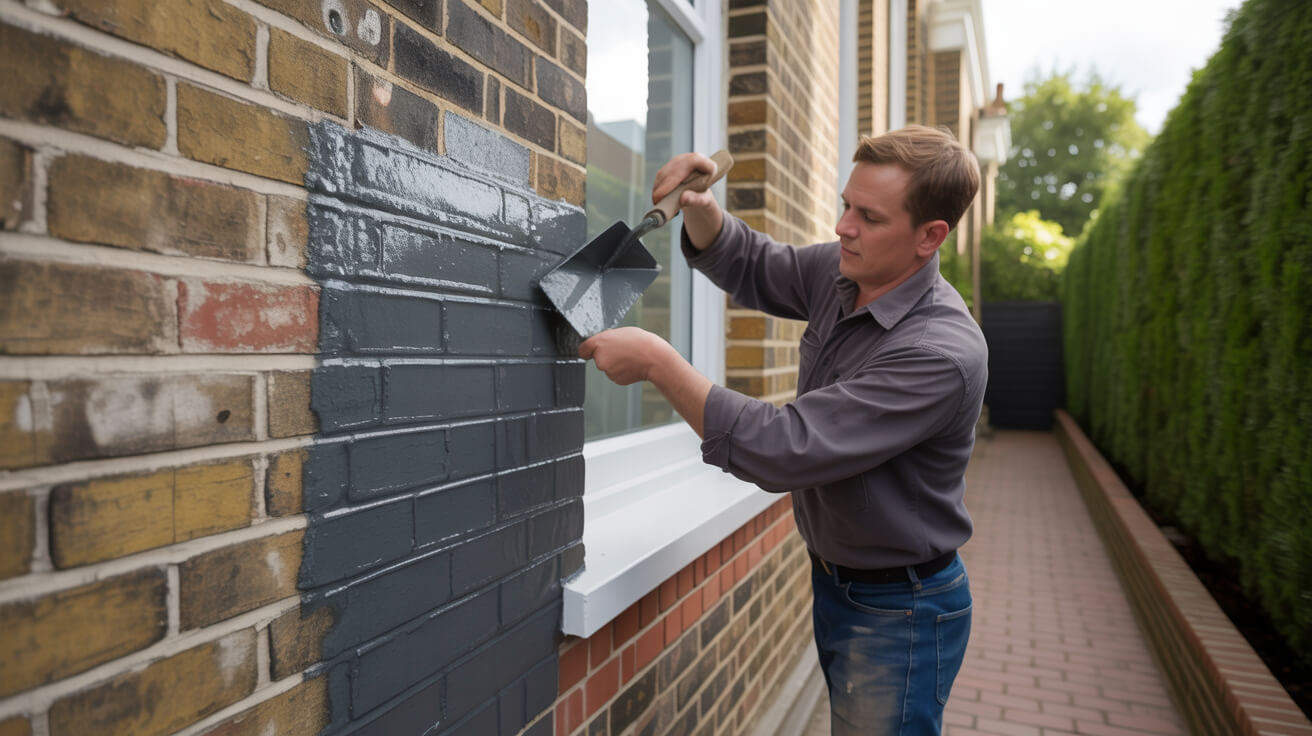
A thorough survey isn’t an added cost—it’s a savings engine. In East Sussex, a credible, accredited damp survey typically costs £200–£600, capturing every risk for your lender, insurer, and legal standing (Checkatrade). This piece of paper isn’t just for show; it’s your leverage against hidden threats and future disputes.
How a Real Survey Shields Your Budget
- Precise Moisture Mapping:
With metres, borescopes, and sometimes salt or thermal analysis, you chart how and where water migrates—so you don’t “fix” the wrong problem.
- Differential Cause Analysis:
Only salt and substrate testing separate rising damp from condensation—critical for targeting the underlying solution (and not wasting money on a method that doesn’t work).
- Legal and Insurance Validity:
Only accredited reports are recognised in seller packs, mortgage approval, or by insurers setting premiums and exclusions.
- Party Wall and Multi-stakeholder Clarity:
Survey documentation can be used to negotiate cost sharing, coordinate works with neighbours, or enforce solutions when conflicts arise.
Data-rich surveys stop disputes before they form—your only shield against expense multiplying in silence.
The upfront survey is your control panel: switch off unnecessary spend, pinpoint intervention, and build the evidence chain needed for compliance and future transactions.
What Are the 2024 Price Benchmarks for Internal and Party Wall Damp Repairs in Sussex?

Let’s skip the sales patter. Here’s where real-world numbers land once you factor in material, labour, context, and compliance for East Sussex properties.
| Solution Type | Typical Cost Range | What’s Included |
|---|---|---|
| Chemical DPC | £60–£150/m | Drilling, DPC cream, surface prep, sealing, report |
| Replastering | £25–£50/m² | Old plaster strip, breathable finishes, recoat, debris disposal |
| Tanking/Waterproofing | £40–£80/m² | Basement or high-ingress sites: membranes/slurry for protection |
| Physical DPC (full) | £2,500–£7,500+ | Wall removal, DPC instal, structure rebuild (complex cases) |
Modifiers to budget for:
- Heritage/Listed Properties:
Add 40–50% for conservation-grade materials and permissions (PAS2035, TrustMark obligations).
- Party Walls:
Legal notice, surveyor negotiations, and working around neighbour constraints may double planning and supervision fees.
- Condensation Causes:
Ventilation solutions range from £250–£2,500 for extractors, trickle vents, or heat recovery—cost is lowest if spotted early (KenwoodPLC).
No property is “average.” Most sites require a custom combination—diagnose, intervene, evidence—built for how your property and walls actually absorb and release moisture.
Square-foot averages are for day-dreamers; risk and compliance dictate your real spend.
What Party Wall, Historic, and Legal Factors Raise or Lower Risk—and Cost?
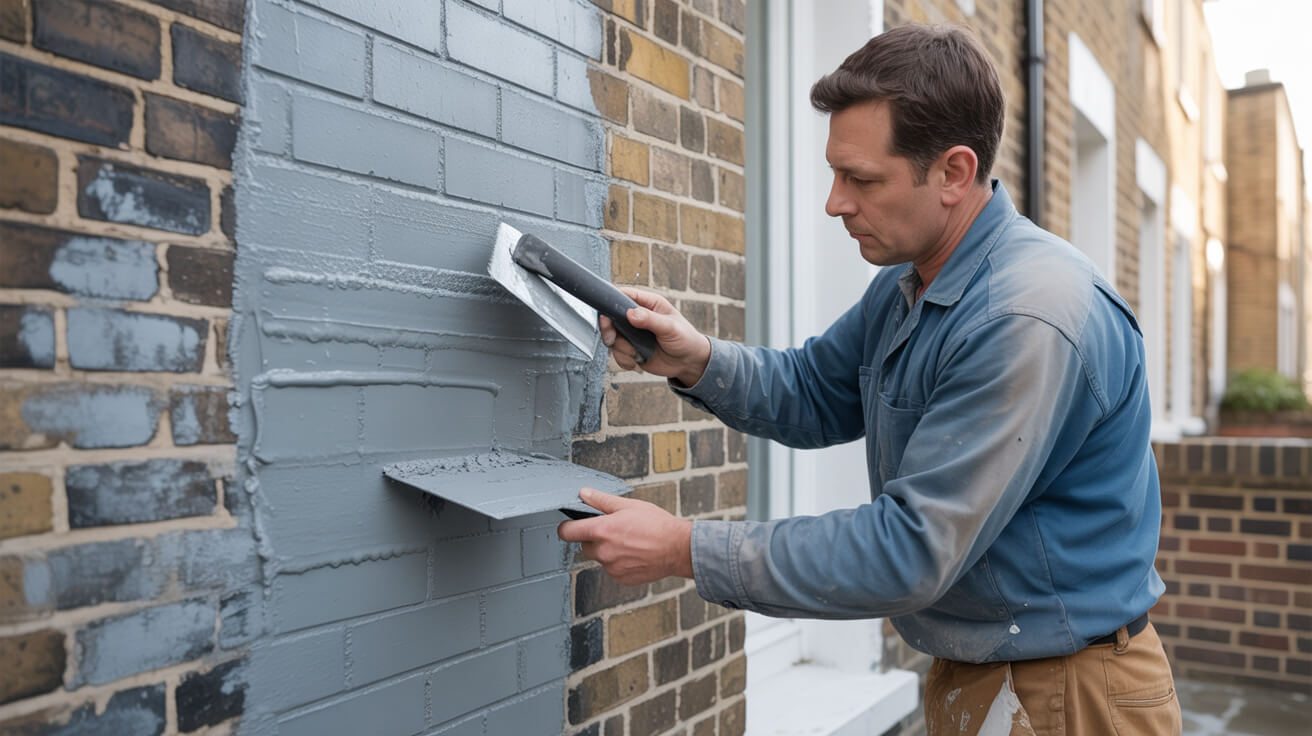
A single misstep on shared walls or heritage structures can spiral into triple costs and legal peril. Patch jobs and uncoordinated works aren’t just slower—they may trigger disputes, legal action, and total breakdown of neighbour or local authority trust.
Where the Real Risks (and Fees) Lurk
- Party Wall Act & Neighbour Protocols:
Must serve notices, sometimes appoint “agreed surveyors,” handle cross-owner negotiation for all shared structural works (gov.uk/party-wall-act). Miss a legal step and everything—work, warranty, or sale—can grind to a halt.
- Heritage/Listed Constraints:
Requirements for special lime plasters, conservation-approved membranes or non-invasive techniques. Unauthorised work carries fines, forced restoration, or insurance loss.
- Structural Surprises:
Rot in hidden timbers, rusted lintels, or poor wall tying can transform a £110/m injection into a four-figure structural job when ignored at survey stage.
- Non-compliance Headaches:
Works carried out without correct protocols can gum up future remortgaging, invalidate warranties, or even trigger tenant protection actions.
Three Costliest Mistakes:
- Replastering directly onto a slow-drying or unsealed substrate
- Overlooking drainage or external defects, leading to rapid recurrence
- “Quick” paintovers masking but not stopping serious ingress
On party walls and in listed homes, patience and paperwork are cheaper than repairs patched in haste.
Build-in legal and compliance fees as preventative insurance—not just a bureaucratic cost.
How Do You Judge Real Value Versus Just “Cheap Damp Quotes”?
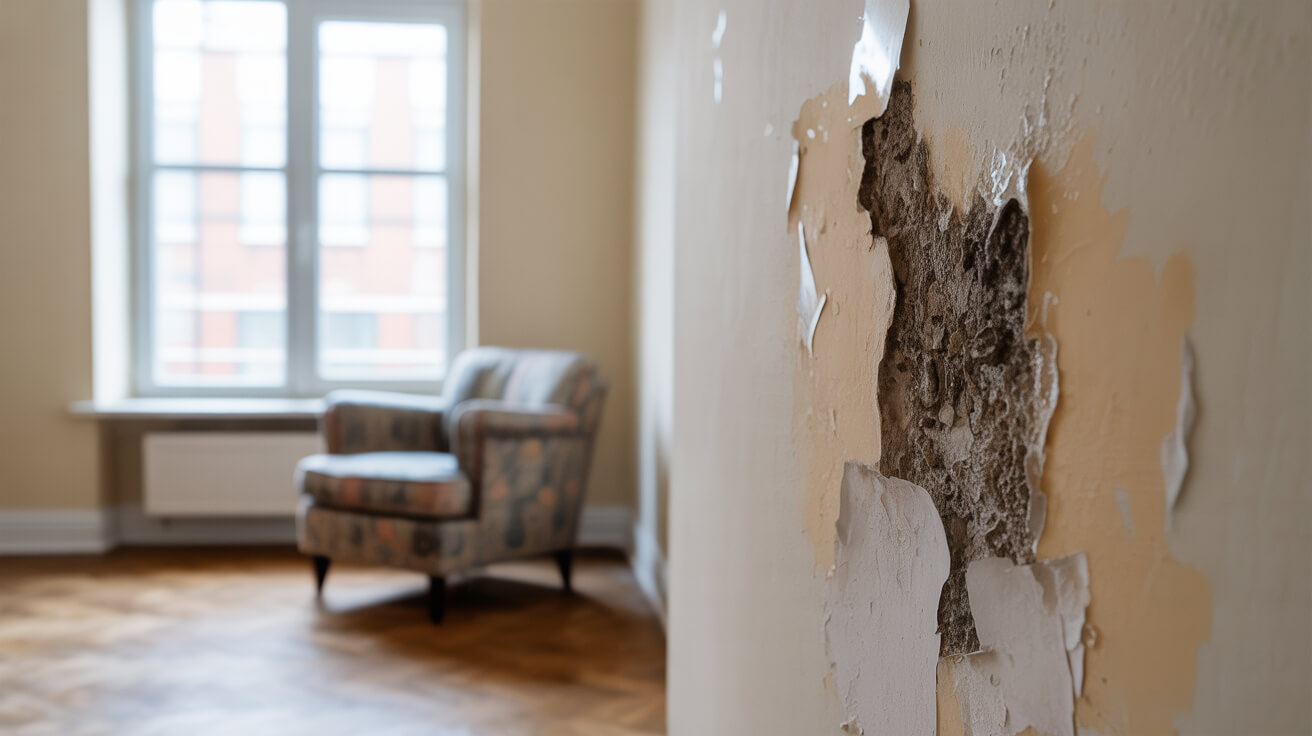
Anyone can print a low quote. Only a few deliver value that survives survey, resale, neighbour scrutiny, and time. Real value comes from context-aware, compliance-proven, science-guided intervention.
What Sets a True Solution Apart?
- Diagnosis First, Every Time:
Not every damp is “rising damp” and not every fix needs an injection.
Right test = right repair = one-time spend.
- Tackle External Sources:
Gutters, drains, roof details, and pointing failures often fuel internal damp. Addressing these cuts recurrence risk and cost.
- Integrated Solutions:
The best results blend DPC, tanking, ventilation, insulation, and monitoring into a single plan—no one “magic product.”
- Legal/Admin Savvy:
£300–£1,200 on paperwork and regulatory steps is a shield, not a surcharge. Skimp here and expect a bill ten times greater when clients, tenants, insurers, or lenders bring pressure.
A solution only lasts as long as its evidence, compliance, and suitability for your wall’s story.
In Sussex, real value shelters property, reputation, and future options—not just today’s bank balance.
How Can You Slash Long-term Spend Without Sacrificing Outcome or Compliance?
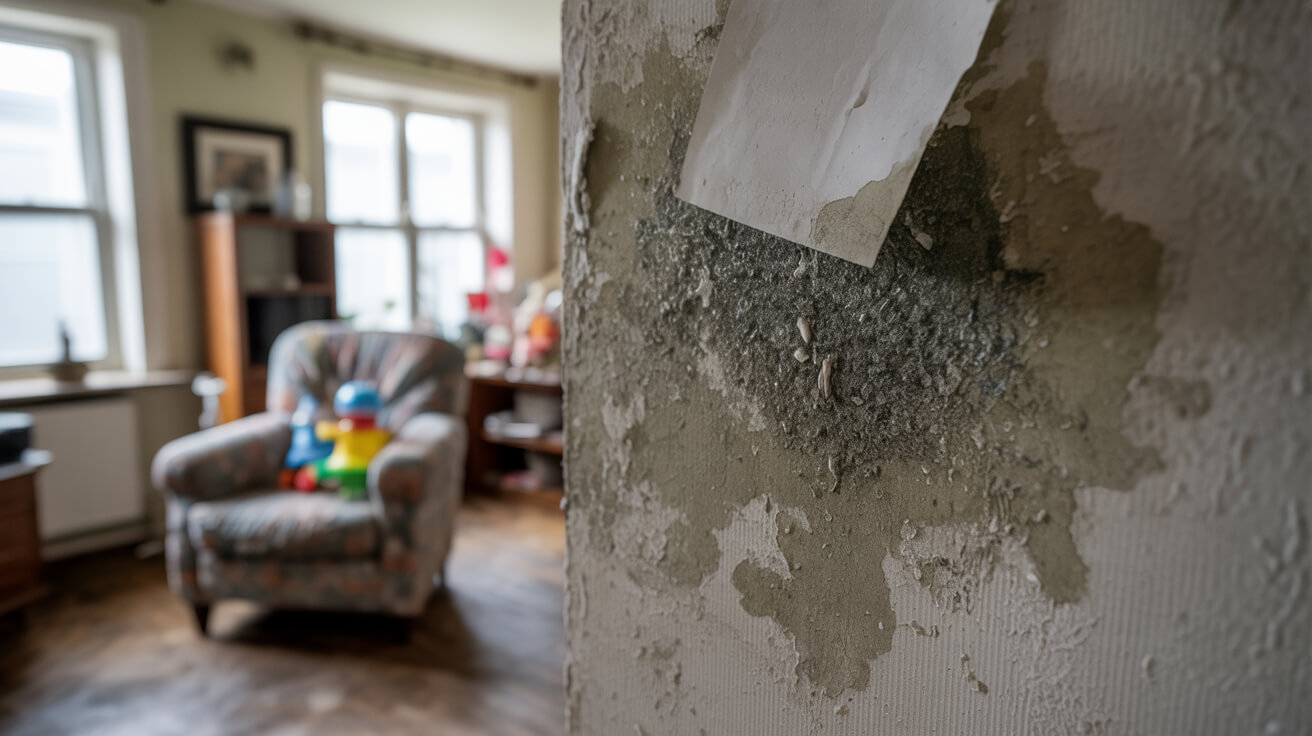
The biggest mistake is chasing the “cheapest” digital quote—without weighting all the pain points that rear up months or years later. Start strong, and your repair is a one-off; cut corners and every shortcut becomes a detour through expense.
The Smart Owner or Manager’s Action Plan
- Be Proactive:
Engage at the first patch of damp, not after surveyors, lenders, or tenants force your hand.
- Credential-Check Everything:
Only work with PCA, TrustMark, or BS6576/8102-aligned professionals. This is non-negotiable if you want insurance or resale cover.
- Demand Itemised Quotes:
Budget for 10–20% site contingencies—never accept a quote that lumps everything together without clear specification.
- Document Obsessively:
Before, after, and progress photos; mapped moisture readings; written reports formatted for lenders, councils, or insurer needs.
- Insist on Warranty:
10–20-year, insurance-backed guarantees are reasonable for compliant work. Insist on paperwork with insurer integration—not “van man” promises.
Document strength and compliance are as important as the chemical or method used in the wall.
A shortcut on paperwork risks both immediate payout and the long fuse of lost resale or legal cover.
Saving is not about the “cheapest fix”—it’s about permanently closing the loop on the problem and proving it to those who matter down the road.
What Makes Sussex Damp Experts the Right Choice When the Stakes Are This High?

When property, reputation, and compliance converge, trust only the people who prove their expertise at every stage. Sussex Damp Experts fuse diagnostics, compliance, transparency, and warranty-backed protection in each project—so you aren’t left patching up past mistakes.
Sussex Damp Experts’ Core Differences
- Forensic Diagnosis:
Every job begins with site-wide moisture mapping and substrate assessment, especially for party/shared/heritage walls—so the full picture drives every pound you spend.
- Full Legal and Compliance Guidance:
All projects are mapped to BS6576, PAS2035, Party Wall regulations, insurance, tenancy, or lending standards. If there’s compliance risk, you see it up front.
- Clear and Fair Pricing:
Itemised, fixed-price quotations spell out work, timeline, admin, and aftercare—no “scope creep,” no guesswork.
- Evidence Chains for Peace of Mind:
From photography to mapped readings and reports, your documentation supports warranty, resale, and insurance.
- Long Guarantees, Real Aftercare:
Reliable 10–20-year cover, valid for homeowners, investors, heritage stewards, and commercial property teams.
With Sussex Damp Experts, the proof is in the paperwork—solutions, not soundbites, for every client and case.
Your job isn’t to gamble on promises, but to anchor decisions in what surveyors, insurers, and clients trust most: forensic data and airtight compliance.
How Does Early, Smarter Action Restore Your Property Value—And Options?
Every month a damp patch sits unchecked, the worse the battle ahead becomes—costs escalate, property value sags, and legal risks mushroom. Delay turns a simple fix into structural repair, compliance standoffs, or failed transactions.
Acting now, led by real diagnosis, proper paperwork, and credentialed work isn’t just about restoring your walls—it’s about reclaiming your financial and lifestyle autonomy for years to come.
With Sussex Damp Experts, You Receive:
- Laser-sharp, science-driven diagnosis built for Sussex buildings and stakeholder needs.
- Compliance across BS6576/8102, Party Wall, landlord, and tenancy mandates—stress-proofing you against future scrutiny.
- Upfront, fixed, and transparent estimates—no unenforceable “ballpark” quotes or hidden costs.
- Robust documentation for every phase, arming you with resale, lending, or insurance-ready records.
- Region-specific expertise for heritage, party wall, and complicated substrates (solid/basement/timber).
- Ironclad, insurance-backed guarantees to keep you covered.
Move from guesswork to guarantees. With Sussex Damp Experts, you don’t just repair—you future-proof your property value, reputation, and peace of mind.
Book your survey today. Refuse to settle for “best guess” repairs, and claim the system-led, evidence-rich, and compliant wall repairs trusted by Sussex’s leading property owners and professionals.
Frequently Asked Questions
What overlooked costs might surprise you when repairing damp walls in the UK?
Most damp repairs seem simple—until hidden costs crawl out from behind the plaster. The headline price for treatments like DPC injection or tanking usually covers only the obvious. What regularly shocks homeowners is the “add-on cascade”: replastering, substrate adaptation, debris removal, ventilation upgrades, and post-treatment moisture monitoring can inflate your real spend by 50–200%. If you’re dealing with a heritage property, permissions, conservation-grade materials, and lengthy compliance routines drive budgets up even further. Survey fees, which often sit above £250, and the documentation needed for lenders or landlords, stack quietly on top.
How do you outsmart creeping costs before they hit?
- Insist your survey details not just wall metres, but every nuance: access, finish, substrate, and legal or insurance documentation.
- Ask if your quote covers replastering, drying times, skip hire, and specialist site logistics for restricted properties.
- Demand clarity on timeline and access: scaffolding or phased works can add thousands.
- For listed or older homes, require a step-by-step plan factoring council notifications and heritage materials.
- Always challenge one-size-fits-all price lists—no two properties or damp origins are identical.
Real costs hide in the details your first quote glosses over—bring them into daylight before the works begin.
How does Sussex Damp Experts deliver cost certainty?
Sussex Damp Experts produce granular, legal-grade breakdowns that reveal every potential extra up front. You see the true cost before the first drill bit touches the wall—no last-minute shocks, just straight answers and all-in pricing you can trust.
Why do party wall damp issues trigger legal headaches—and who actually pays?
If you’ve ever tried to repair a party wall, you know: it’s not just a physical fix but a three-way wrestle between law, neighbours, and the building fabric. Even straightforward fixes balloon in cost and complexity when the Party Wall Act kicks in, neighbours disagree, or communal responsibility gets murky. Fees for surveyors, notifications, and dual-side treatments mean a project that starts at £800 can easily top £3,000. Leaseholders, block managers, or landlords sometimes find their “share” shifting mid-project once legal responsibility crystallises after surveys or fault-finding.
What should you know about liability and escalation?
- Legal frameworks often assign cost proportionality—unless a single owner or tenant’s fault (like a broken gutter) is clear-cut.
- Party Wall surveyors can be required for formal agreements; fees are often split, but the process can add weeks.
- Leasehold and block scenarios multiply paperwork and add communal repair funds and pre-approval hoops you never see coming.
- If disputes or non-response drag on, councils may intervene, sometimes billing both parties after carrying out repairs.
The real bill for a party wall isn’t just in tiles or render—it’s in the emails, paperwork, and waiting games.
How do Sussex Damp Experts manage party wall chaos?
Sussex Damp Experts deliver diagnosis, documentation, and guidance that make legal obligations crystal clear to all parties—cutting through confusion and smoothing council or lender requirements. Repairs stay on track, neighbours stay talking, and costs stay contained.
How does precision diagnosis prevent overpaying for damp wall repairs?
Every wasted pound on damp repairs starts with a hurried or misinformed diagnosis. Many rush in—treating every stain as rising damp, every mould patch as a “quick fix,” only to face repeat costs months later. Early, substrate-specific diagnosis using forensic tools and moisture mapping stops the budget leaks before they start. Over time, untreated or missed issues (like penetrating damp behind insulation, or persistent condensation) can raise costs by up to 15% per year, while rushed repairs that miss hidden origins lead to doubled work (and bills).
How can you slash costs by getting diagnosis right?
- Book a full survey the moment you spot symptoms, not after rot or resale risk escalates the urgency.
- Require evidence: digital moisture profiles, thermal images, salt mapping, and written reports.
- Insist on TrustMark- or PCA-accredited specialists—major insurers and lenders often reject generic companies.
- Prioritise actions for at-risk rooms or vulnerable residents; minor symptoms today can mean major structural work tomorrow.
It’s not the repair that drains your wallet—it’s the misdiagnosis that guarantees a repeat call-out.
Where does Sussex Damp Experts save you money?
Your repair plan with Sussex Damp Experts starts with forensic, not generic, diagnosis. No double-charging, no paper-over-the-cracks fixes—just targeted remedies the first time, documented for compliance and future peace of mind.
What makes the choice of repair method—and the wall itself—such a game-changer for cost?
A brick wall with classic rising damp and a timber-framed basement with combined condensation and lateral ingress aren’t solved by the same playbook—or price tag. Chemical DPC injection is cost-efficient for modern, accessible brickwork but fails in thick stone, heritage, or below-ground settings where tanking systems or cavity membranes (up to £8,000) may be needed. Miss-matching the method to the wall type leads straight to costly failure and repeated disruption. The substrate, building age, previous attempts, and underlying issues like condensation all dictate what method will stick, and what cost will follow.
How do you avoid the trap of “cheap fix now, expensive fix later”?
- Ask your contractor to physically demonstrate how their method fits your wall build-up and detected damp types.
- Request scenario planning for hidden shocks: what happens if rot or voids are uncovered mid-way through the job?
- Ensure ventilation upgrades or compatible plasters are included—not just “paint-over” shortcuts.
| Treatment Method | Wall Scenario | Ballpark Cost* |
|---|---|---|
| Chemical DPC Injection | Brick, simple rising | £65–£150/metre |
| Tanking/Membranes | Basements, complex | £2,500–£8,000+ |
| Physical DPC | Stone, heritage | £3,500–£10,000+ |
(*Always seek survey-backed confirmation—costs vary per property)
In damp repair, the high price is often in doing things twice—invest in method-to-wall matching upfront.
How does Sussex Damp Experts guarantee the right fit?
Projects with Sussex Damp Experts are engineered backwards from your unique wall and its full moisture signature—not a generic template. That means less risk of repeat repairs, and every penny spent is traceable to a clear cause and solution.
How do heritage standards and conservation laws amplify the risks and costs of damp work?
Heritage homes aren’t just expensive to buy—they’re complex to keep dry. If your building is listed, consent alone can add weeks of delay and thousands in monitoring, phased plans, and council-approved materials (like lime plaster or heritage membrane systems). Skipping paperwork isn’t just a risk to the wall, but to your legal standing—unauthorised work can mean forced reversals, five-figure fines, or resale blockages later. Insurance, lenders, and buyers may all demand proof of compliant, council-signed solutions.
What’s needed for secure heritage repairs?
- Anticipate phased diagnostics and staged works—both required under PAS2035, BS8102, and local conservation protocols.
- Only approve lime plasters, breathable systems, and council-vetted treatments—even if “cheaper” methods are offered.
- Maintain a document trail for every report, consent form, and material spec.
- Accept that heritage work takes longer and costs more—but unauthorised shortcuts always cost the most.
Dry now, complied forever—heritage means marrying tradition with paperwork every step of the way.
How does Sussex Damp Experts keep heritage works out of trouble?
Sussex Damp Experts bring accredited materials, conservation-ready reporting, and incremental sign-off—preserving the value, saleability, and status of your historic property with zero legal risk for you.
Who covers the cost when damp strikes—and how can owners, tenants, or agents future-proof themselves?
UK property law is not gentle on ambiguity. Landlords are obligated (under HHSRS, Landlord & Tenant Act, Housing Act 2004) to tackle structural and health-damaging damp. For tenants, failure to report or address moisture-related issues (like persistent condensation) can shift some liability back. In blocks, lease agreements or management rules carve up responsibility—communal areas differ from internal flats, and party wall works trigger further legal paperwork. Missing or informal documentation risks lost insurance, deposit deductions, or forced works after council intervention.
How can you pre-empt legal disputes and extra claims?
- Scrutinise all tenancy, lease, and commission terms—verbal assumptions count for nothing in a dispute.
- Commission a detailed, photo-rich, lender-grade diagnosis report for every identified issue.
- Ensure post-repair paperwork is council- and insurer-ready, especially for future sales or re-letting.
- Notify managing agents or landlords as soon as a symptom appears—many policies time-limit claims.
Property law doesn’t care how things usually work—it cares about what’s documented when the dispute arrives.
How does Sussex Damp Experts lock down your legal security?
All repairs by Sussex Damp Experts are sealed with council-and lender-grade reporting, stepwise compliance trails, and aftercare protocols—arming you against disputes, fines, and compliance headaches for years to come.
Step away from cost creep, legal traps, and repeat repairs. Sussex Damp Experts engineer each job for clarity, compliance, and long-term peace of mind—giving you pride in your property and certainty over every repair.

