
 By
By  September 3, 2025

Is Dry Rot Treatment Really as Costly (and Unpredictable) as It Seems?
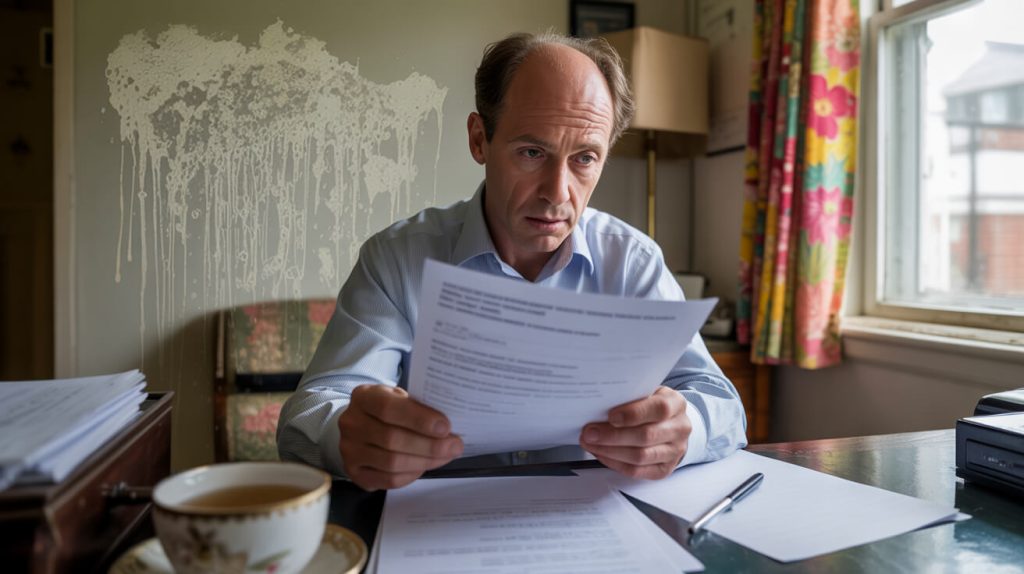
There’s a reason dry rot is called the “silent property killer”. It doesn’t announce itself with dramatic leaks or obvious flooding—instead, it creeps behind floorboards, gnaws at hidden beams, and quietly erodes your property’s value, your sense of safety, and the strength of your investment. If you’re a homeowner, landlord, letting agent, builder, or property manager in Sussex, you’ve likely felt a twinge of dread reading a surveyor’s comment: “possible fungal decay—further investigation recommended.” The numbers on Google mean little until you’re facing a joist that sinks under your heel or a tenant’s damp complaint spirals into a full insurance headache.
Dry rot isn’t stationary. By the time you spot flaking skirting, mushroom-like growth, or unexplained musty smells, the real fight is behind the plaster and under the floors. This isn’t a “splash and dash” repair. It’s a system-level problem—one that gets worse every day you postpone, hiding costs in places only specialist diagnostics can flush out.
Ignore rot, inherit chaos. It’s never just wood that suffers—it’s trust, resale, and health that quietly go with it.
A true cost isn’t just the price of the first patch-up. It’s the sum of what lies hidden, the difference between short-term relief and repeated, compounding bills. The smartest property owners seek answers that aren’t guesswork or wishful thinking: they want evidence, certainty, and repairs that stand up to lenders, buyers, and insurer scrutiny. That’s the level Sussex Damp Experts operates at—no jargon, no guesswork, just forensic truth. That’s how you lock down both budgets and building health.
What Drives the Price of Dry Rot Treatment Up (or Down)?
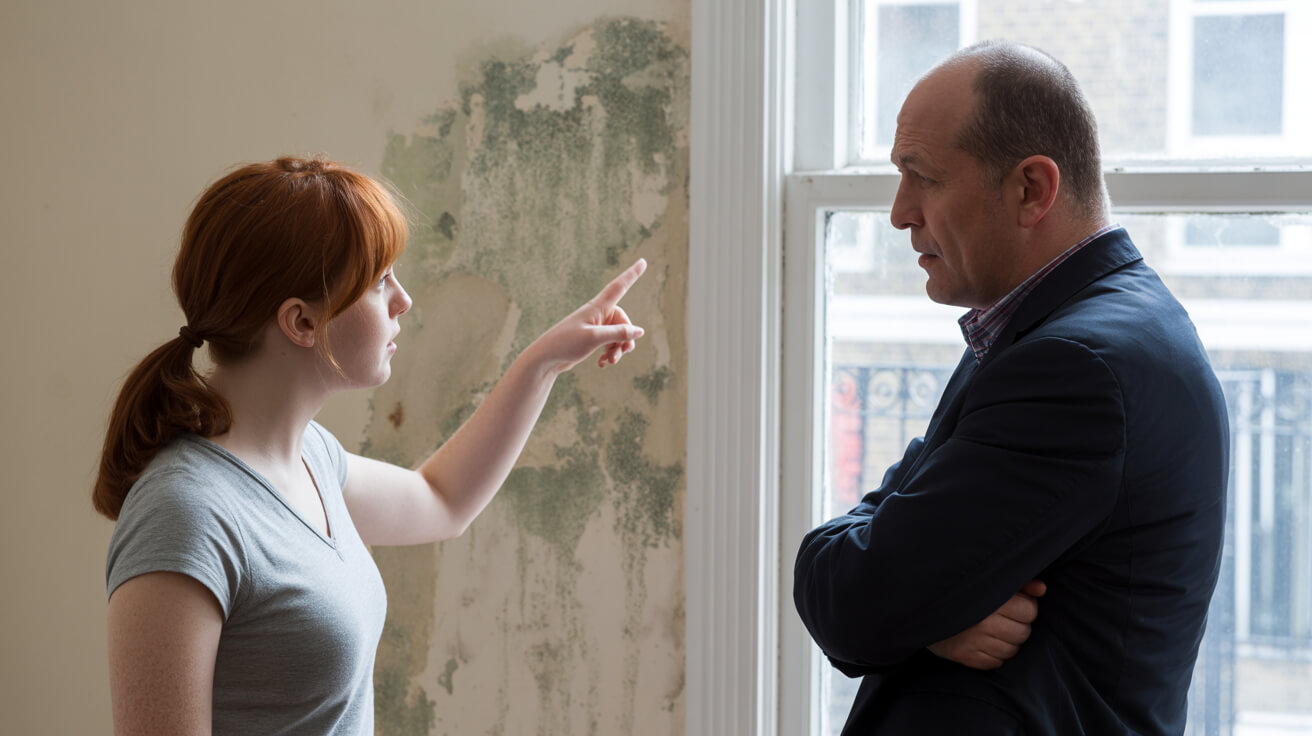
What controls the price tag when it comes to treating dry rot? Hint: It’s rarely the contractor’s margin. It’s what you can’t see—how far the fungus has gone, what it’s consumed, and what substrates are quietly rotting beyond the skirting.
Most homeowners and professionals scour the internet for a number. But there’s no spreadsheet formula for the unpredictable journey of dry rot. You’re paying for certainty—the guarantee that every infected beam, every hidden pocket of moisture, and every pathway for future outbreaks has been found, remediated, and protected in accordance with Building Regulations and British Standards.
Major Price Drivers
- Extent of Damage: A small patch on a window or skirting board might run £500–£1,200. But if dry rot has invaded joists, flooring, and wall timbers, you’re quickly into the £3,500–£10,000+ territory for multi-room structural treatment, full stripping out, and certified restoration.
- Access Headaches: Heritage properties, basements, or homes with built-in features require more labour and sometimes specialist tools (think scaffolding or targeted demolition) to reach every outbreak and ensure proper repair.
- Building Age & Complexity: Old Sussex cottages, lime-mortar walls, listed buildings—these hit the pocket harder. Repairs must not just work but comply with conservation/planning constraints, adding to both time and craft.
- Unseen Spread: The further you chase behind walls and under floors, the more scope (and cost) can emerge. Superficial “fixes” or simple biocide sprays? They’re penny-wise and pound-foolish, setting you up for the comeback nobody wants.
- Accreditation & Documentation: British Standards (BS 6576, BS 8102) and TrustMark/PCA accreditation aren’t just logos—they’re the requirements for warranty, mortgage approval, and legal protection.
Typical Dry Rot Treatment Costs (Sussex, 2024–25)
Here’s how scope links directly to cost:
| Severity | Cost Range (£) | Typical Scope |
|---|---|---|
| Localised Patch | 500–1,200 | 1-2 joists, light finish repair |
| Single Room | 1,200–3,500 | Multiple timbers, replastering |
| Multi-room/Structural | 3,500–10,000+ | Floors, major walls, heritage sites |
No honest quote arrives before a detailed inspection, fluent diagnosis report, and explicit repair spec—so if you’re offered a “fixed price” over the phone, be wary. That’s usually the prelude to “extras” you’d never choose, and costs that inflate as quickly as the fungus grows.
Nobody likes surprises on invoice day. Insist on the forensic approach—ask for proof, documentation, and a scope that explains both what’s included and what isn’t. That’s how you stop cost creep and take control of your investment.
What Does a Genuine Dry Rot Survey Deliver (and What Happens If You Skip It)?

A proper dry rot survey is the foundation for any treatment that works—and for protecting your interests with lenders, insurers, and future buyers. Without it, every step is a gamble; with it, you hold the evidence everyone trusts.
A dry rot survey that skips moisture mapping or substrate checks is like a dentist diagnosing over the phone. It’s not just poor practice—it’s a liability.
A Professional Survey Gives You:
- Moisture Mapping Across All Substrates: Using specialist metres and thermal imaging, we map exactly where water is seeping—in floors, skirtings, wall voids, or roof timbers.
- Borescope & Salt Profiling: We peer behind finishes and probe for hidden outbreaks and salt migration, distinguishing rising damp from true fungal decay.
- Photographic and Data Evidence: Every finding is documented with images and data logs, anchoring your case with hard proof.
- Root-Cause Diagnostics: Is moisture coming from a structural leak, bridging, or capillary action? This defines the repair, not just the fungus.
- Action Plan and Compliance Documentation: A treatment plan referencing BS 6576/8102, with warranty, legislative, and insurance alignment.
Skip the survey and you risk:
- Missing concealed spread (costly surprises)
- Voided insurance or warranty (no payout on future claims)
- Mortgage approval delays or rejections (unsatisfactory documentation)
- Legal exposure in landlord/tenant or property sale disputes
An expert survey (typically £200–£450) is an investment in clarity and cost control, not just a checkbox for paperwork. It’s the greatest defence against both financial shocks and poorly specified work that delivers only a temporary fix.
Why Do Professional Quotes for Dry Rot Vary So Drastically?
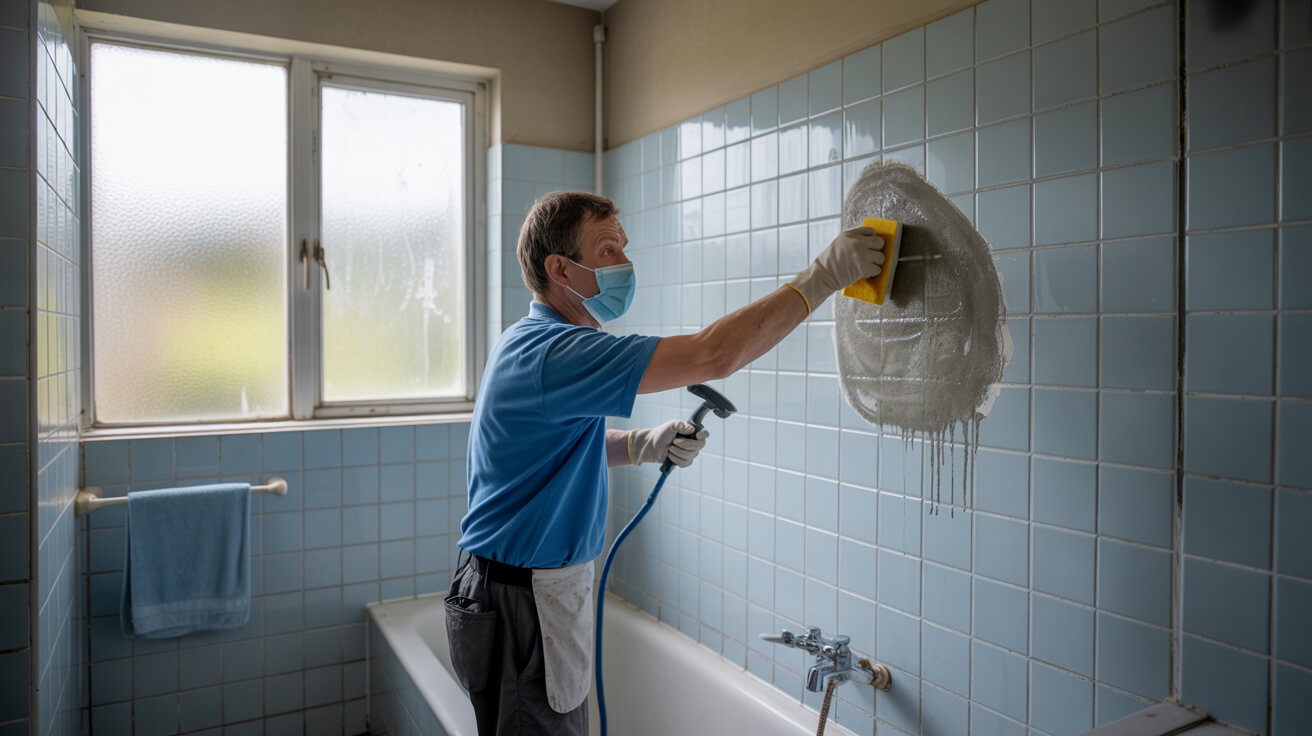
If you’ve ever gathered three dry rot quotes and wondered why they read like different languages, you’re not alone. Good contractors serve up forensic specificity; cowboys stick with wishful numbers and generic sales talk. The question is always: can you audit the process, not just the price?
What A Real Dry Rot Quote Should Spell Out
- Materials and Products: Batch and spec for every fungicide, DPC cream, membrane, or breathable replastering system. If the quote’s vague, so is its warranty.
- Scope-defined Labour: “Treating rot” needs detail—are they cutting out every joist and skirting? Is every cavity, void, architectural detail investigated, included, and restored?
- Standards and Compliance: Citing British Standards (BS 6576/8102), PCA or TrustMark references, compliance status, and “after” paperwork.
- Warranty Anatomy: Duration, coverage, and whether it’s insurance-backed and transferable.
- Exclusions and Limitations: Decorating, at-risk plumbing or electrics, or additional causes—named up front.
A waterproof guarantee is worthless unless the work and materials are accredited. Demand receipts, not vague promises.
Demand More Than a Price
A real quote is an insurance policy for your bank balance, not a blank cheque. If a contractor ducks specificity, you’re signing on for “cost plus chaos.” Smart owners interrogate every line. And the best damp specialists (Sussex Damp Experts included) are proud to show exactly what you’re buying, explain what’s evidence-based, and justify every penny—to your face.
Insurance and Dry Rot: What Does (and Doesn’t) Get Covered?
For most policies in the UK, dry rot is the textbook case of “avoidable loss.” Insurers call it “gradual deterioration”—something they’ll say is on you, the property owner, to catch and address before it spreads. That doesn’t mean all hope (or all claims) are dead, but it means you’ll need your paperwork in order and your case airtight.
The Reality of Insurance Coverage
- Standard Exclusion: Dry rot is typically carved out from basic property policies unless you can provide evidence of a one-off, qualifying incident—think burst pipe with clear documentation.
- Proof and the Burden of Evidence: To stand a chance, you’ll need a comprehensive survey, photo log, and moisture readings showing *when* and *how* the dry rot developed—and what you did to address it. “I didn’t notice” isn’t coverage.
- Upgrade Clauses and Optional Riders: Some high-end policies offer dry rot inclusion for a premium. Even then, read the details: pay-out caps and exclusions often prevent full cost recovery.
Your insurance is only as good as the diagnosis and compliance proof you bring to the table. Patch-jobs or missing surveys equal zero coverage.
What’s Unprotected is Often Unplanned
Most dry rot repairs are funded out of pocket. The only shield is a real survey, clear compliance, regular property checks, and action at first sign. Neglect or shortcut repairs? You’re exposed to spiralling cost, legal dispute, and a warranty void.
How Quickly Does Delay in Treating Dry Rot Inflate Your Costs?

Time is dry rot’s best friend and your worst enemy. Every month you defer acting is a month the fungus quietly exploits structural timber, deepens its hold, and raises the bill for future repair.
Data-Backed Escalation
- Dry rot *spreads swiftly*—every three months of neglect typically adds 10–15% to eventual repair costs, as spores and mycelium chase through accessible timber and masonry.
- By 6–12 months, what began as a minor repair compounds into a major intervention—restoration values double or triple, demanding new materials, compliance upgrades, and additional aftercare.
- Legal and Mortgage Impacts: Lenders, buyers, or even tenants may challenge your stewardship if you delayed action, making sales or contract renewals an uphill struggle.
| Delay Period | Cost Uplift | Extra Risk |
|---|---|---|
| 3 months | +10–15% | Broader spread, harder resale |
| 6–12 months | +25–40% | Structural threats, compliance |
| Over 12 mo. | +75–100% | Multiple failures, legal action |
The only constants with dry rot delay? Higher costs, tougher sales, and bigger fights with surveyors and insurers.
Act Early, Spend Less
The “cheap fix” is always the quickest, accredited intervention. Delay only guarantees deeper pockets will be needed. In Sussex, the fastest route to financial safety and building integrity is evidence-led action: a survey, a compliant spec, and quick, transparent repairs.
Why Accreditation, Guarantees, and Compliance Are Non-Negotiable for Value

There’s no shortcut to future-proofing your investment—especially when buyers, lenders, and even insurers now review repair documentation with legal-grade scrutiny. Accreditation is the new minimum.
The Five Pillars of Proper Protection
- PCA & TrustMark Certification: These are more than stickers; they’re industry-regulated proof you won’t be left chasing ghost companies if something fails.
- British Standards at Core: Everything must cite BS 6576 and BS 8102—a legal and financial foundation for every mortgage, warranty, and major sale in the UK.
- Warranty-Backed Repairs: A decade or two of insurance-backed security that remains valid even when properties change hands.
- Aftercare and Monitoring: Real contracts include moisture/humidity checks, site revisits, and support if symptoms ever return.
- Documentation and Audit Trail: Bulletproof logs covering survey methods, products, contractor IDs, and post-repair values.
No paperwork, no peace of mind. A real warranty is a passport through sale, litigation, and every insurance barrier.
The Price of Shortcutting
Repairs without full evidence and accreditation may feel marginally cheaper now but cost far more when buyers, banks, or surveyors spot even a whiff of risk. Cash deals and no-paperwork repairs leave you open to resale limbo, legal exposure, and sky-high insurance exclusions.
Smart clients—home buyers, landlords, agents, and professionals—never put “savings” over SMA: Safety, Mortgage, and Audit.
Why Choose Sussex Damp Experts for Dry Rot Cost Control and Certainty?
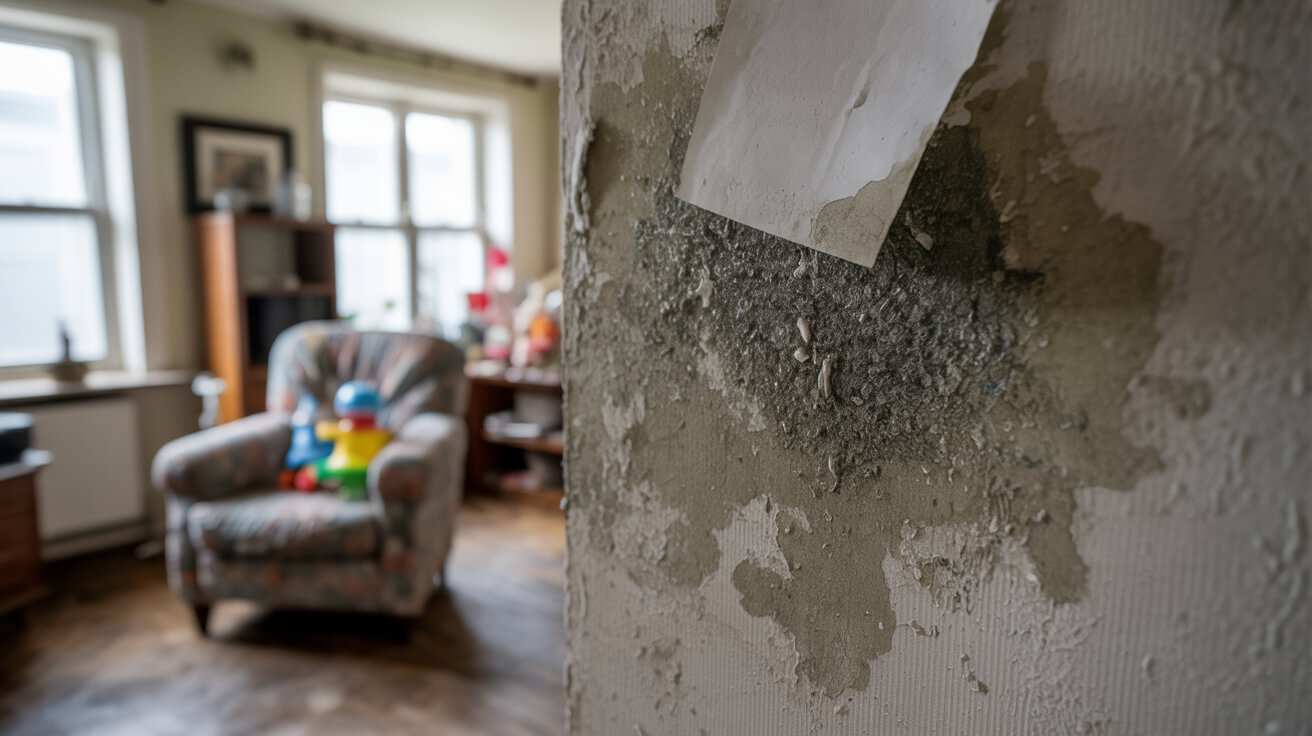
If you’re based in East Sussex and want dry rot gone for good—not just chemically buried or cosmetically masked—then you want contractors who sweat the details, check every cavity, and give you proof and protection at each step.
How Sussex Damp Experts Lock Down Risk & Cost
- Real Diagnostics (Not Guesswork): Thermal imaging, salt/protein analysis, and full moisture mapping—all documented for your buyer, lender, or legal need.
- Transparent, Itemised Quotes: Every scope element listed, every product referenced, and all exclusions openly named. No upcharges, no “didn’t see it coming” surprises.
- Regulated, Accredited Process: PCA/TrustMark approval and British Standard referencing in every action and every receipt. Repairs aren’t just fixed; they’re eligible for today’s toughest mortgage and warranty requirements.
- Local Results, National Grade: Our work stands up to the harshest local authority, surveyor or lender audit—backed by site references across Sussex.
- Ongoing Aftercare: We follow up with damp checks, warranty monitoring, and advice to ensure your investment stays future-proof.
The cheapest day to treat dry rot was yesterday. But the best outcome starts today—with proof, protection, and evidence you can show anyone.
Dry rot isn’t a fight against fungus; it’s a fight on behalf of your future. Choose Sussex Damp Experts for repairs you don’t have to second-guess, proof you can email to any insurer or buyer, and peace of mind seldom found in property repair.
Ready to Take Control? Contact Sussex Damp Experts Today
If you’re still reading, you’re probably not happy rolling the dice with one of your most valuable assets. Dry rot won’t hold until you’re ready; it grows, gathers, and multiplies costs by the week. The real risk isn’t “just” the timber or plaster—it’s mortgage moves blocked, insurance loopholes triggered, and value lost at the estate agent’s first inspection.
This isn’t about “treatment”—it’s about taking permanent control over your property’s safety and value in a world where paperwork and proven solutions are everything.
Sussex Damp Experts are here to close the gap between emergency repair and ongoing protection. We bring a forensic, accredited, and fully documented approach that puts lenders, insurers, and buyers on your side—and dry rot permanently in retreat.
Book your evidence-driven, British Standards-compliant survey today. Secure a repair quotation that explains every line and every product, with a warranty that protects you long after the bill is paid. Early action is always the answer—especially in Sussex, where property values and legal requirements are on the rise.
Don’t let indecision raise your costs and risks. Call Sussex Damp Experts for a dry rot solution you can trust—because proven results and compliance are worth more than any discount.
💧 Darius Dampbane, Sussex Damp Experts—Sussex’s hands-on forensic system builder for dry rot. No jargon. Just evidence, accredited repair, and a property future you can take to the bank.💧
Frequently Asked Questions
How do hidden factors in Sussex properties push dry rot repair costs beyond expectations?
Most dry rot repair quotes overlook the true reality—especially in Sussex, where architectural quirks and hidden site challenges routinely multiply costs that seem predictable on paper. The real trouble is rarely visible at survey stage; century-old timber, multiple construction phases, and concealed subfloors quietly erase your budget’s “contingency” column.
Rotted beams buried behind lime plaster, regulatory red tape for listed buildings, or sheer access headaches turn a supposed “average” £3,000 fix into a drawn-out, five-figure, multi-trade operation. Every property’s past can become your present-day price spike.
A hidden joist can turn a quick fix into a restoration saga—by the time you spot it, planning and budgets are already upended.
Why does heritage status or awkward design inflate repair bills?
- Council permissions and heritage approvals: Conservation or listed status brings mandatory council checks, period-compliant materials, and specialist surveyors—all on the clock (and your tab).
- Obstructed access: Tight basements, lofts, or partitioned voids mean extra dismantling, scaffold hire, and day-rate labour before the first fungal string is even treated.
- Compound discoveries: Surveyors often uncover additional damage or risk zones—each step revealing new layers of rot, outdated repairs, or timber that must be replaced to meet compliance, not just patched for short-term relief.
What’s the real risk of chasing the “cheapest” quote?
Snapshot prices almost never factor in full access, legal compliance, or the costly domino effect of discovering more affected areas post-start. You risk being left mid-project as extras mount—a classic story Sussex Damp Experts intercept with transparent, forensics-first surveys that map the true scope from day one. Your best insulation from cost shocks is deep diagnosis—not guesswork.
How does forensic surveying reshape the price and certainty of dry rot treatment?
In the world of property, surface looks deceive. Treating dry rot in Sussex isn’t just about stopping what you see—it’s about eliminating what’s brewing out of sight, which is why proper dry rot treatment starts with forensic-grade surveying rather than guesswork. These surveys rely on more than eyeballs; they harness moisture gradient tracing, salt intrusion analysis, borescope exploration, and continuous humidistat monitoring. This science-first approach does more than refine the bill: it sorts misdiagnoses, prevents redundant works, and unlocks proper insurance and regulatory support, transforming an unpredictable fix into a future-proofed investment.
If your surveyor leans only on a torch and tap hammer, your pocket will pay for it twice—science picks up what habit misses.
What upgrades a survey from basic to precise—and why does it up value?
- Detailed moisture mapping: reveals unseen fungal spread—often 20–35% further than initial “visual” estimates.
- Salt and substrate profiling: distinguishes rising damp and past failures versus new, active outbreaks—essential for claims, compliance, and selecting the right remedial solution.
- Thermal imaging and borescope use: catch cold spots and structural voids where rot seeds might escape detection, enabling surgical, not scattergun, repairs.
- Pre/post data recording: forms a trail for buyers, surveyors, or mortgage lenders, protecting your paperwork long after the work’s done.
How does this affect budgets and buyer leverage?
Thorough testing might raise the upfront survey fee by 10–30%, but reduces the risk of spiralling into failed guarantees, lost claims, and second-round fixes. Sussex Damp Experts build this rigour in from the outset, ensuring homeowners, sellers, and landlords are never caught out by a surface-level check.
When and how can insurance support cover dry rot repairs in Sussex?
Standard insurance rarely bails you out for dry rot; policy fine print hinges entirely on whether the damage arose from an insured cause and how soon you acted. In Sussex, properties exposed to wind-driven rain or failed plumbing may be eligible, but claims only stick with airtight documentation tied to rapid, expert intervention. Anything less is nearly always treated as owner neglect.
By the time rot’s visible, the clock is ticking—delays or absent records mean insurers shut the window before you even finish your first call.
What does an insurer-accepted evidence chain actually require?
- Immediate, accredited survey: with photographic documentation, moisture logs, and mapped progression of the issue—day one, not after multiple visits.
- Root-cause linkage: between the outbreak and a known, dated event (like a burst pipe, blocked gutter, or storm ingress), fully cross-referenced and logged.
- Fast-track remediation plan: with receipts, material specs, and timing that leaves no gaps for dispute over “maintenance neglect.”
Where do most claims collapse?
Failure to document, stretching out diagnosis, or trusting in generalist builders instead of PCA/TrustMark-accredited teams commonly triggers rejections; insurance is about verified process, not intent. Sussex Damp Experts’ processes close every gap—putting tangible evidence at the heart of your claim, and releasing funds that generic outfits can never guarantee.
What forms of diagnosis, documentation, and aftercare must a dry rot quote show to truly protect you?
A valid dry rot quote does more than name a price—it establishes proof, scope, and a locked-in support path for your property’s future claims, resale, and legal confidence.
Professional-grade quotes go beyond “treatment plan”; they document every area inspected, each reading and finding, materials specified to regulatory expectations, and timelines for aftercare. Without this baseline, warranties are hollow, council approval is insecure, and buyers or lenders can (and do) walk away.
A bulletproof quote is your property’s defence—years later, it can be the only thing standing between you and legal grief or lost value.
What’s non-negotiable in a future-safe dry rot quote?
- Layered diagnostics: Photo evidence, moisture and substrate logs, mapped to specific site locations.
- Clear scope and exclusions: Addresses every affected element (timber, brick, subfloor); lists what’s explicitly not covered, like debris clearance or heritage-planning fees.
- Compliance and aftercare: Statement of alignment to BS 6576, PAS 2035, TrustMark, and a schedule for post-repair checks to keep warranties “live” and transferrable.
How does proper paperwork unlock better outcomes for you?
Buyers, lenders, and local authorities increasingly demand evidence bundles before sign-off or release of funds. Sussex Damp Experts’ documentation streamlines every transaction, making your investment durable not just today, but at every revaluation, resale, or dispute.
Why does speed of response fundamentally alter the risks—and costs—of dry rot?
Dry rot moves quietly but not slowly. Every week’s delay in Sussex homes means the fungus deepens its roots, sacrificial timbers worsen, and surveyor or council attention escalates. For property owners, buyers, and landlords, slow intervention transforms a solvable fix into a multi-year headache: higher strip-out, stricter compliance triggers, and diminished resale leverage.
Every month’s wait lets dry rot multiply its claim—on your budget, your warranties, and even your legal standing.
What real-world impact does delay have on bills, compliance, and sales?
- Cost inflation averages 10–15% per quarter: as outbreaks cross timber junctions, wall cavities, and support structures.
- Lenders and insurers treat inaction as a red flag.: A six-month-old notice on your property log lowers the value, blocks sales, or triggers refusal for formation of new tenancies.
- Warranties can be voided: if aftercare or response windows are missed—even brand-new work may lose its “insurance” just from slow action.
How does Sussex Damp Experts secure your interests?
Immediate surveying, contracted repair, and evidence submission keep your property “clean” in legal and market records. Fast-track teams also coordinate council and heritage compliance steps, so your home remains mortgageable, insurable, and prioritised on resale lists—giving you control that slow movers sacrifice.
How do Sussex Damp Experts ensure enduring property value, compliance, and peace of mind?
Treating dry rot through Sussex Damp Experts unlocks a property care journey unrivalled in both technical and legal protection. Our system fuses forensic first-step diagnosis, heritage-appropriate repairs, regulatory mapping, and evidence-loaded documentation—backed by proactive aftercare and transferrable guarantees.
Whether you’re prepping for listing, refinancing, or enduring a legal challenge, this approach makes your asset defensible, valuable, and future-ready.
The difference between a repair and a reputation is often a meticulously kept file—Sussex Damp Experts put that power in your hands.
What are your long-haul advantages with this approach?
- Survey-grade evidence: baked into every project stage; from initial mapping to post-treatment humidity checks.
- Full compliance: with council, mortgage, and insurance scrutiny—ensured by documentation aligned with current legislative codes (BS 6576, PAS 2035, TrustMark, and more).
- Aftercare that’s more than “checkups”: Annual maintenance calls, warranty updates, and support for every new owner or manager, keeping your property clear on every future surveyor dashboard.
Coordinating every stakeholder—council, buyers, insurers, tenants—Sussex Damp Experts don’t just “fix rot.” They restore asset status, shield legal interests, and ensure every step gets documented, not lost in the paperwork fog. That isn’t just compliance. It’s a reputation advantage that pays dividends at every transaction.
Ready to future-proof your home, legal standing, and financial confidence? Arrange your Sussex Damp Experts survey now, and step ahead of uncertainty—for good.

