
 By
By  September 3, 2025

How Much Does a Dry Rot Survey Cost—And Why Waiting Guarantees Trouble?
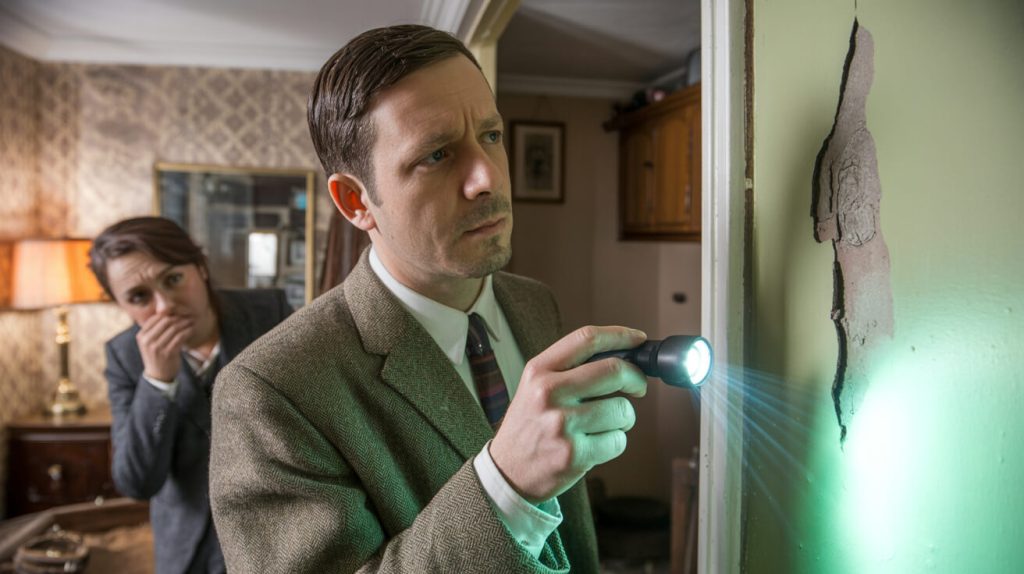
Most property owners in Sussex don’t budget for a dry rot survey until they sense something’s wrong. It might be a musty whiff in the hallway, paint peeling in odd patches, or a floorboard that gives a little too much underfoot. What seems like a harmless quirk—something to check when there’s time—is often the first sign that Dry rot is a problem already brewing beneath the surface. Dry rot hides. By the time it announces itself visibly, the fungus may have tunnelled through supporting timbers, weakened property value, and queued up a stack of legal headaches. Each week you wait multiplies hidden damage and risk.
You never regret catching rot early—but you’ll always pay for missing it.
Getting a proper dry rot survey is not a luxury. Dry rot is a problem best confronted early, before blind hope or patchwork fixes are left to dictate the outcome. If you’re questioning the price of a professional survey, ask yourself: how much would a single missed problem cost in lost sale value or rental downtime? Trying to outwait rot is where bills start to snowball. The real financial question isn’t whether you can afford a true survey, but how much it costs not to have one.
Dry Rot Is a Silent Asset Killer
Dry rot isn’t just untidy; it’s relentless and expensive at every turn. Homeowners and investors across Sussex regularly fall into a reactive cycle—briefly patching visible signs, only to find unseen damage compounding beneath the floor, inside the walls, or around hidden timbers. When lenders or insurers finally force the issue, rapid repairs become unavoidable, and survey paperwork suddenly matters more than gut feeling.
The peace of mind from a professional survey isn’t theoretical; it’s what separates smooth sales from withdrawals, straightforward lettings from sleepless legal queries. Every owner wants to be seen as a good steward—a step ahead, not always caught playing catch-up.
Why Does Dry Rot Often Lead to Expensive Repairs?

Dry rot, chiefly from the fungus Serpula lacrymans, is the property equivalent of an organised thief—slow, methodical, and ruthless once inside. It thrives in dark, poorly ventilated areas: the underside of floorboards, damp corners behind panelling, or voids in old walls. Given a foothold and a touch of moisture, it turns sturdy wood to powder and can spread metres away from the source before you know it’s there.
What starts as a harmless quirk—a soft skirting, bubbling paint, a faint musty odour—actually signals rot is already on the march. In Sussex, dry rot often goes unnoticed until professional surveys or sales reports force owners to confront it head-on.
- Structural compromise: Supporting joists, lintels, sills, and even hidden beams are eaten from the inside out, risking expensive collapse or restricted access.
- Rocketing costs: Repair bills that could have been contained to £2,000–£4,000 often balloon beyond £12,000 once the fungus spreads through multiple rooms or hidden cavities *(ebssurvey.co.uk, Peter Cox)*.
- Sales and finance friction: Mortgage providers and insurers increasingly block transactions without comprehensive, certified dry rot diagnosis. Weak surveys cause instant delays or renegotiations.
Delaying action against dry rot does not just invite technical problems—it almost always leads to financial ones.
Most rot is halfway through your joists before you’ve noticed a thing. Days matter when it comes to cost.
The Compound Effect: What Procrastination Costs
Every week left unchecked allows dry rot to colonise fresh areas, making removal, timber replacement, or structural repairs more intrusive and expensive. No homeowner, landlord, or developer benefits from being the last to know. Lenders and insurers certainly won’t thank you for it.
Are Free or “Cheap” Dry Rot Surveys Worth the Risk?
Dry rot surveys advertised as free or bargain-basement might sound attractive, particularly if you’re already nervous about costs. But in practice, free “surveys” are almost always just a marketing tactic—visual sales inspections designed to tee up business, not offer impartial, lender-level evidence.
What’s typically missing from free or cheap options?
- No real diagnostics—just a quick sweep for visible damage, ignoring deeper causes
- Minimal paperwork—at best, a findings sheet that won’t withstand legal or mortgage scrutiny
- Biassed recommendations—fixes are shaped by what the installer wants to sell, not what the property requires
- No recourse—if the findings are questioned later, you have no support in disputes with surveyors, insurers, or buyers
By contrast, a paid survey from a reputable, accredited expert delivers:
- Unbiased, system-agnostic analysis—diagnosing, not just quoting for a boilerplate treatment
- Documentation built for mortgage, insurance, legal, and compliance thresholds (BS6576/BS8102)
- In-depth use of diagnostic tools—moisture mapping, salt analysis, borescope inspection, as standard, not add-ons
Free seems cost-saving until you find yourself repeating process, repairing deeper issues, or dealing with sales that fall through for lack of credible evidence.
In property, free rarely means peace of mind. Sometimes it just means missed risk.
When “No-Obligation” Costs More Than You Think
Plenty of owners discover their “free” survey is invalid at the first sign of a legal or sales stumbling block. A failed deal or contested insurance claim doesn’t just waste money—it drains time, erodes trust, and puts your ownership on the back foot.
What Happens in a Proper Dry Rot Survey—and Why Does It Cost What It Does?

A dry rot survey that truly stands up for your interests borrows more from detective work than from standard quoting. At Sussex Damp Experts, PCA and CSRT-accredited surveyors act less like product vendors and more like building diagnosticians. Each area inspected is a potential story, every patch of rot a clue to root cause—not just symptom.
What sets a true survey apart?
- Holistic inspection: All accessible zones—timbers, sub-floors, voids, and connection points—are examined, and invasive testing (when appropriate) extends diagnoses beyond superficial signs.
- Tech-enabled diagnosis: State-of-the-art technology, such as calibrated moisture metres, salt testing kits, and borescope cameras, identifies dryness anomalies and seepage pathways that the naked eye misses.
- Mapped documentation: Photographic records and schematic diagrams—suitable for mortgage lenders, insurance adjusters, and legal records—leave no grey areas.
- Rooted recommendations: The final report clarifies not just what’s wrong, but why, alongside a plan that fits your property’s age, construction type, and market value.
- Aftercare built-in: Ongoing monitoring and guarantee pathways ensure your investment isn’t a one-off expense. It’s evidence for sale, insurance, or future disputes.
These layers are why a paid, accredited survey costs more up front, but typically saves thousands over the lifespan of the property.
A Survey Built for Stakeholder Scrutiny
Whether you’re preparing for a mortgage, seeking landlord compliance, or buying with confidence, the paperwork and proof only count when an expert aligns methodology with the law and practical realities faced by Sussex property owners.
How Much Should You Budget for a Dry Rot Survey in Sussex and Southeast England?
True dry rot surveys in Sussex and the Southeast reflect a range of property types and inspection demands. Here’s what you’re likely to pay (excluding VAT):
| Survey Type | Typical Cost | What’s Included |
|---|---|---|
| Sales Chain “Survey” | £0 | Visual-only, no report, no liability |
| PCA Accredited Survey | £180–£250 | Diagnostic, compliant with mortgage/insurance |
| Full Mortgage/Insurance Survey | £250–£395 | Deep-dive, full-format, property-wide reporting |
| Heritage/Complex Property | £320–£450+ | Specialist assessment, heritage/listed skills |
Expect the upper end for large, heritage, or awkward-access properties, and where legal compliance or mortgage files require extra detail.
Some surveyors offset the survey fee against any remedial work you commission, so upfront cost is rarely “dead money.” What isn’t negotiable: if your survey lacks credentials, compliance, or thoroughness, lenders may pause sales or raise red flags on insurance, costing far more than the survey would have.
Saving £200 on a cut-price check now could forfeit you £2000 in a stalled transaction or botched repair.
Real-World Value Beyond the Survey Fee
While £250–£400 may feel steep versus “free” quotes, the peace of mind, transaction agility, and leverage for negotiation more than pay for themselves when you see how quick and expensive dry rot can escalate.
Why Credentials and Survey Evidence Trump Bargain-Hunting Every Time

What separates a “dry rot check” from a true safeguard for your asset? Not the cheapest price, but the surveyor’s actual backing. Sussex property market reality: lenders, insurers, and legal bodies want to see evidence from PCA, CSRT, or CSTDB-accredited professionals—real names, real liability, real aftercare.
What to demand from your dry rot survey:
- A qualified, named expert—PCA, CSRT, or CSTDB certs as standard
- Photographic and schematic records suitable for lenders and legal reviews
- Full warranty—and aftercare options the owner can actually use
- Surveyor liability and direct support for future questions or disputes
When you commission a recognised survey, you know that results will stand up in the heat of a property sale, letting, compliance spot check, or even post-works dispute. Shortcuts on credentials can leave your file unfit for purpose, create re-inspections, or expose you to claim denials.
The property world runs on what you can prove—not what someone said in a quick visit.
What Mortgage Lenders, Buyers, and Insurers Actually Check
Increasingly, deals stand or fall on the paper trail. Mortgage underwriters, insurance officers, and even new buyers double-check that any report can be traced to a real, named professional who maintains liability and regulatory compliance. Anything less risks being ignored—or rejected altogether.
Where Does Survey Cost Sit Compared to the Bigger Picture?
A dry rot survey’s true cost isn’t just the invoice, but what it unlocks (or costs you) on the road to sale, letting, or ongoing ownership. Properties requiring mortgage sign-off or insurance renewal, renters demanding habitability, or landlords dealing with HHSRS or nuisance claims all depend on credible, legal-ready evidence.
View it in context:
- Outlay: £180–£450+ is standard, with exact fees shaped by property size, type, and required documentation.
- Savings: Failed transactions, expensive call-backs, or legal challenges rapidly dwarf any initial survey spend.
- Impact: Landlords, agents, and developers making compliance mistakes can rack up lost rental income, enforcement fines, or delays in sales transitions.
A professional survey is proof for every stakeholder. It’s what makes your evidence travel, actually protects your asset value, and removes the risk of getting blindsided by legal or market demands later.
People remember the cost of repair a lot longer than the cost of a proper survey—especially after a problem becomes legal.
Consider More Than the Immediate Invoice
That £250–£350 survey is often what sidesteps weeks of resale limbo, trims your insurance premiums, and gives you leverage with contractors, upcoming buyers, or tenants. Defer it, and the “bargain” evaporates fast.
What Happens If You Delay—And How Does Sussex Damp Experts Change the Outcome?
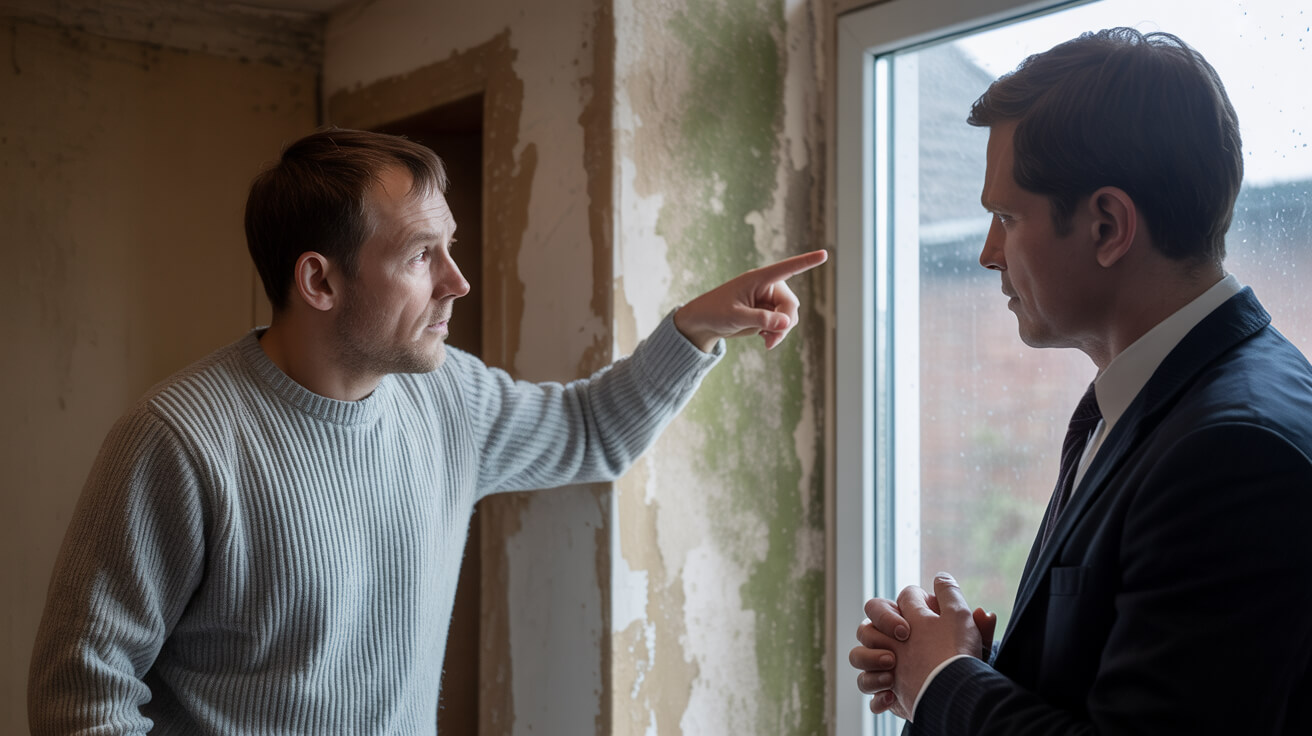
Dry rot denied is dry rot multiplied. Left unchecked for just a few months, damage can double—bringing enforcement actions (new HHSRS and environmental health standards bite hard), re-plastering demands, and risk of insurance exclusions.
What changes when you bring in Sussex Damp Experts?
- Evidence-first diagnosis: Detailed, photographic, surveyor-grade reporting—backed by teams with thousands of local case log entries across everything from city flats to listed cottages.
- Fee clarity: All survey and reporting costs detailed up front; most deducted if you proceed to works, no surprise add-ons
- Aftercare, not autopilot: Monitoring, responsive help, and periodic property health checks—before issues explode
- Local intelligence: Each job draws from region-specific case experience and heritage skillset, so advice is tailored to Sussex properties, not just generic damp scripts
- Regulatory shield: Compliance aligned with mortgage, insurance, heritage, and landlord-tenant frameworks so you don’t get caught between regulations
You’re not just buying a report; you’re buying a future-proof plan. A dry rot survey with Sussex Damp Experts arms you with answers for every stakeholder, at every stage.
Dry rot is a question of when, not if, for many Sussex properties. The only thing you can control is how early you act.
The Cost of Inaction? That’s What Eats Value
Scroll past the survey and you risk ongoing expense, legal friction, or outright rejections in future deals. Take the step early and each subsequent transaction moves faster, cleaner, and with your reputation—and investment—fully defended.
Take Ownership of Your Property’s Future—Contact Sussex Damp Experts Today
Every Sussex property will face a damp or dry rot question at some point—the only variable is whether you treat it as a curveball or a controllable challenge. Acting early means:
- Direct access to PCA-accredited, named professionals focused on evidence—not sales quotas
- Mortgage, insurance, and legal acceptance as foundational, not afterthoughts
- A transparent, step-based roadmap—diagnosis, planning, aftercare, and real guarantees
- No hidden contracts or surprise add-ons. Just plain-English reporting, honest risk assessment, and practical advice that works for your type of property.
Ready to move from “I hope it’s not too bad” to knowing, proving, and defending your asset’s future? Take the step that costs less than waiting and gives you negotiation power at every stage.
Book your dry rot survey today with Sussex Damp Experts. Transform risk into certainty, and keep your property working for you—not the other way around.
Frequently Asked Questions
What overlooked factors make dry rot survey costs in Sussex less predictable than you’d expect?
Dry rot survey prices in Sussex aren’t just numbers plucked from thin air—they’re a living reflection of your property’s unseen flaws, lawful obligations, and the forensic skill that goes on behind the scenes. What recipe drives the final bill? It’s a mix of access headaches, material oddities, and compliance standards (BS6576/BS8102) that can swing a routine check into a surgical investigation. Expecting a fixed price ignores reality: period homes with basements, hidden voids, or previous “quick fixes” always demand more.
More than half of robust surveys escalate beyond a tick-box walkaround because Sussex properties blend heritage quirks, coastal damp, and legal compliance hurdles. That £180-£500+VAT band doesn’t just cover “looking”—you’re buying hard-won expertise, high-spec moisture mapping, and reports that banks and insurers won’t bounce back.
Real value isn’t measured by survey minutes—it’s anchored in evidence that stands up when claims, lenders, or solicitors zero in on your home.
What changes price between a low-cost and a real-deal survey?
- Complex interiors: —Multi-layer floor/wall systems, historic features, and hard-to-reach spots mean deep, time-intensive analysis.
- Risk-based scrutiny: —If prior surveys, vendor disclosures, or odours raise suspicion, you want salt/sugar analysis, invasive borescope checks, or destructive sampling.
- Legal-proof logic: —Banks and councils insist on precise, annotated evidence—sometimes, a ‘cheap’ report just means you pay twice.
- Aftercare ecosystem: —You’re paying for independent guidance, actionable repair plans, and support through sales, insurance, or landlord wrangles—not just a PDF.
A Sussex Damp Experts survey means you avoid low-level guesswork, and step straight into compliance-backed, dispute-ready asset protection.
Why do “free” and cheap dry rot surveys create hidden costs for Sussex property owners?
A free or dirt-cheap survey is never about clarity—it’s bait for sales or a box-check for someone else. These aren’t real diagnostics; they’re snap judgements chasing commission. Most lack the tools, standards or independence to find the kind of rot that stays invisible until your sale stalls, your lender pulls out, or your buyer’s solicitor asks why “further investigation” is suddenly required.
Low-cost surveys skip borescope analysis, fail to map moisture gradients, and rarely flag salt migration—missing core triggers for remedial funding or insurance. In Sussex, where historic walls and coastal air conspire to hide problems, “free” can mean a £10,000 payout in lost time, legal wrangles, or repair bills that arrive by surprise.
What costs more in the end: a fake sense of security, or a day lost to evidence-light paperwork when your property’s on the line?
What’s the true risk in trusting bargain or non-accredited surveys?
- Zero leverage: —Non-compliant or non-accredited reports rarely stand up with lenders, letting agents, or insurance.
- No diagnostic trace: —Superficial kit and uninformed visual checks miss emerging decay, especially below floors or in concealed joinery.
- Unravelled warranties: —Most “free” surveys void normal aftercare and leave you stranded when real problems surface months later.
- Disrupted transactions: —Missed or vague reporting means repeated sales cycles and lost negotiating power.
Savvy owners, agents, and landlords rely on Sussex Damp Experts for accredited, transparent evidence—proof that arms you now and protects you later.
How does professional accreditation redefine your dry rot survey’s power and future-proof your decisions?
Surveyor accreditation does more than tick a box—it’s your guarantee that every finding, photo, and recommendation gets encoded in language the legal, insurance, and mortgage worlds trust. With PCA or CSRT credentials, surveyors operate under British Standards (BS6576/BS8102), producing a chain-of-custody paper trail that stands up to challenges from solicitors, underwriters, or regulatory councils.
A non-accredited report may find your dry rot, but it won’t unlock funding, indemnity, or sale completion. Accreditation means your survey results become a working asset—backing up claims, paving the way for lender or insurance releases, and often resolving disputes before they burn up weeks in limbo.
A report written for the right audience turns a damp maybe into a marketable yes—and lifts your leverage with the people holding the real purse strings.
Where does accreditation drive decisive advantages?
- Accepted everywhere: —A PCA/CSRT-accredited report smooths transactions with banks, surveyors, and estate agents across Sussex and beyond.
- Instant warranty: —Surveying with full credentials opens insurance-backed guarantees and a clear recourse path when things get tricky.
- Mapped logic: —Certified surveyors produce annotated photos, moisture maps, and root-cause logs—essential for legal compliance and project tracking.
- Tailored action plans: —Instead of recycled text, you get step-by-step remedies targeted to your building’s age, fabric, and usage.
With Sussex Damp Experts, you transition from risk-exposed to future-proof, every time a challenge arises.
Why and when should Sussex property owners invest in invasive or advanced dry rot diagnosis?
There’s no “one size fits all” in damp surveys—especially not in Sussex, where heritage quirks and coastal weather can mask layered threats. Invasive and advanced diagnostics (borescope surveys, destructive timber sampling, mapped moisture gradients) are the strategic choice when previous repairs, unexplained odours, or stubborn cold zones muddy the water.
Such testing is indispensable for cellars, period joinery, or partition walls—anywhere that routine surface checks can’t reach or where hidden voids mean data-light inspection is like reading a book in the dark. These tests dig past denial and “wishful thinking” risk to uncover the rot at the rate it’s spreading—before it multiplies your headaches and drains your wallet.
Half measures may ease your anxiety for a month—but invasive testing gives you evidence strong enough to stop both rot and unexpected bills dead in their tracks.
Which cases tip the scales towards advanced or invasive methods?
- Heritage properties: —Hidden timbers, layered plasters, and preservation rules mean non-invasive or extra cautious sampling is a must.
- Prior water ingress or repairs: —Old fixes can mask live rot, especially below cellars or behind historic joinery.
- Structural uncertainty: —If you suspect party wall bridging or formerly “repaired” areas, deeper sampling is the only safe route.
- Regulated or listed status: —Complex permissions might mean sensitive but thorough investigation with low-potential for finish damage.
Sussex Damp Experts calibrate every survey to your property—combining heritage respect, tech fluency, and high trust with agents, lenders, and architects.
What ensures your Sussex dry rot report qualifies for lenders, insurance, or legal recourse without surprises?
Paperwork only matters if it stands firm under the harshest scrutiny. Mortgage lenders, insurers, and legal advisers elevate British Standard (BS6576/BS8102) reports and refuse templates, back-of-envelope, or sales-led “findings.” True compliance means annotated cause mapping, photo trails, chain-of-custody, and documented aftercare routines—without these, sales stall, claims are voided, and tenancy or statutory orders become legal thorns.
The safest move is to secure reports from teams whose evidence logic is accepted by risk-averse institutions—saving you weeks of wrangling, thousands in potential equity loss, and endless headaches as deals approach deadline.
When your future rides on paperwork, only evidence that passes muster can unlock the doors to finance, insurance, or tribunal support—demand nothing less.
What details separate an admissible report from a cheap PDF?
- Chain-of-evidence: —Root cause analysis, moisture mapping, and annotated photographs give your documentation credibility.
- Warranty linkage: —Insurance and mortgage frameworks require all findings tracked to policy and aftercare routes.
- Photographic and measurement data: —Without visual and scientific proof, your report won’t survive agency or legal pushback.
- Actionable aftercare: —Compliant teams connect findings to monitoring, guarantees, and transparent next steps.
Sussex Damp Experts produce reports trusted across risk-laden junctions—because every detail is designed to unlock acceptance and peace of mind.
How can Sussex property owners book a survey that delivers lasting value—and what proof should you demand from the start?
Booking a value-driven dry rot or damp survey is about controlling risk from call to completion. Demand PCA or CSRT credentials, view a sample report before committing, and clarify up front if the fee folds into future works. Make sure the process includes specialist tools—borescopes, salt and moisture mapping devices—and verified aftercare or warranties.
Prioritise teams willing to detail invasive steps, explain scope, and navigate heritage or regulatory red tape with you, rather than just racing for a slot. Expect mapped findings, photo records, actionable action plans, and responsive support baked into every quote—not just a one-off PDF.
The team you book should arm you with evidence strong enough to hand to any bank, insurer, or buyer—without you having to chase for reassurance when the pressure ramps up.
What are the must-haves for a survey that truly pays off?
- Pre-disclosed credentials and detailed scope: for every surveyor on site.
- Transparent cost structure: —know if fees are refundable or applied to future repair works.
- Sample reports for review: —so you judge quality before risking cash or deadlines.
- Actionable aftercare: —guarantees, open communication, and support beyond first visit.
Sussex Damp Experts deliver transparency, compliance, and peace of mind—proving every step by evidence, not empty promise.

