
 By
By  August 26, 2025

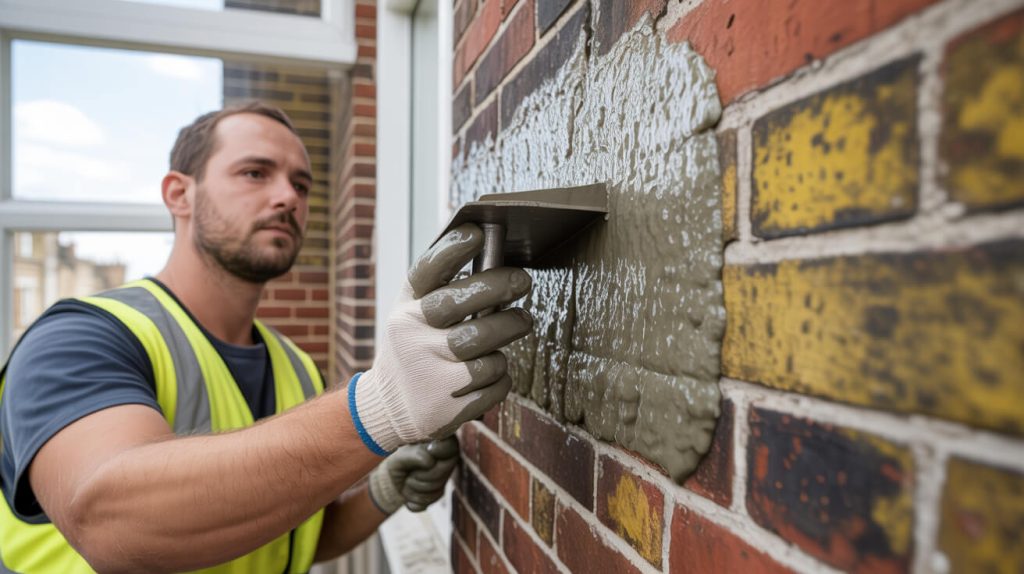
Can Technology Truly Solve Damp or Just Move the Goalposts?
The property market is past its “cover it up and hope” phase. New laws like Awaab’s Law and council audit crackdowns mean skipping steps, fudging paperwork, or hiding doubtful repairs isn’t just cutting corners—it’s handing future lawyers, lenders, or housing officers a loaded gun. Every fix leaves a digital trace; every missed document is a day closer to value loss, disputes, or legal pain. The question is no longer about the latest damp-detection gadget, but whether you can show, without a shadow of doubt, that you fixed the issue the right way, at the right time.
You can paint over a patch, but you can’t paint over a missing audit trail.
Property professionals are waking up to the new standard: joined-up, technology-powered, transparent systems that stand up in court, at council, and in front of buyers or tenants nervous about health or red tape. “Damp proofing innovation” now means blending sharp tools—sensors, monitoring, digital records—with painstaking old-school craft and inspection.
Yet, you might wonder, is this just shifting the burden? Are we only moving the damp debate from the skirting board to the server room? Or can technology finally put an end to the cycle of suspicion, shortcuts, and silent value loss?
The answer, as always in property, is “it depends”—on how well you fuse process, people, and proof.
How Are AI and IoT Sensors Transforming Early Damp Detection?
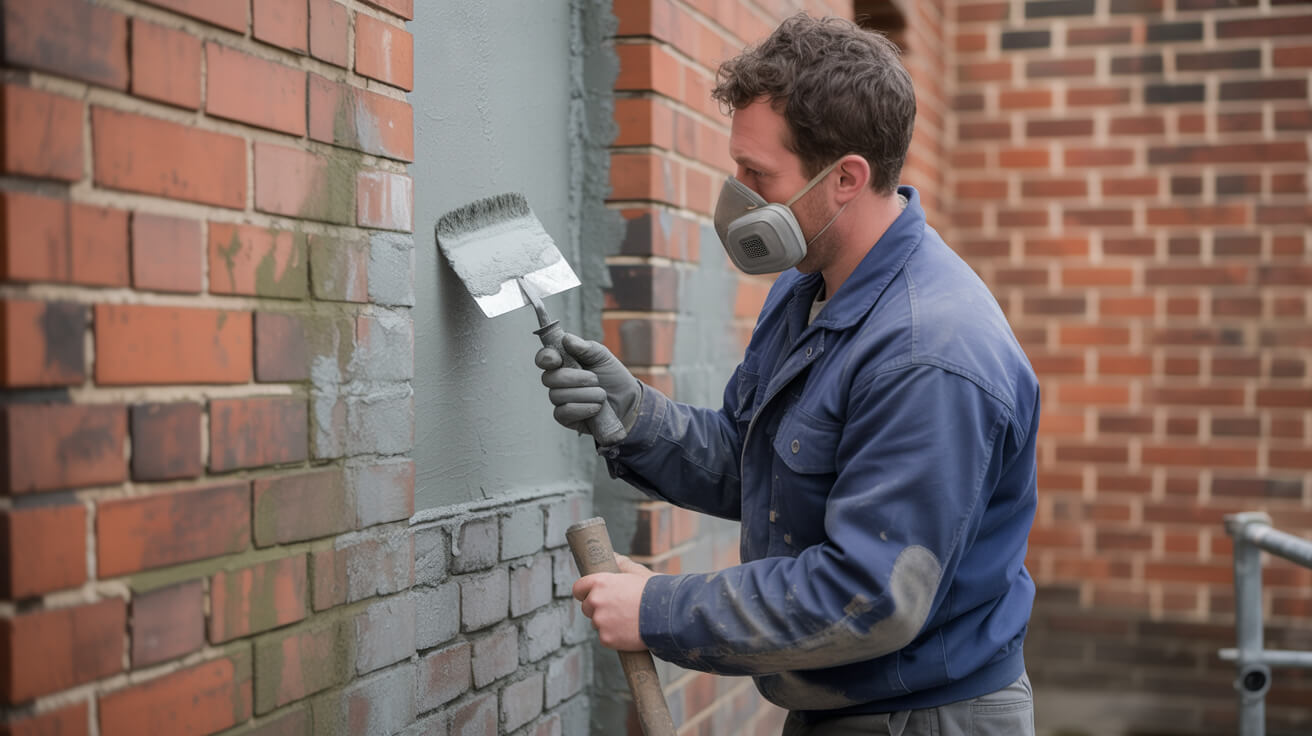
Not long ago, even the best-trained eye could miss a hidden leak or condensation hotspot until it became a visible headache—mould, musty smells, crumbling plaster. Now, modern IoT moisture, humidity, and temperature sensors quietly patrol the property, alerting you before the air turns musty or a wall sweats behind a wardrobe. These networks—think FireAngel or HaloSmartIoT (halosmartiot.com; fireangel.co.uk)—do more than ping out-of-tolerance readings. They build a risk history, tying environmental data to site context, weather, and tenant behaviour.
The real revolution comes when AI models analyse all this—spotting patterns that single-sensor alarms or checklists can’t. Landlords and managing agents can now see, sometimes months ahead, which flats or blocks are drifting into the danger zone. Instead of chasing repairs, you manage risk. Instead of reacting to problems, you preempt complaints, claims, and compliance failures.
The properties that dodge the tiniest warning signs rarely make the news. That’s the point.
And all this data isn’t just operational. It’s now an asset: documentation for due diligence, audit, risk pools, and even future resale value. Insurers and lenders, ever-wary of rising claims, are starting to favour properties and portfolios with sensor-driven evidence chains.
When used right, these technologies become your best early-warning allies—so long as the action matches the insight.
What Happens After Detection? The Rise of Automated Response and Work Order Chains
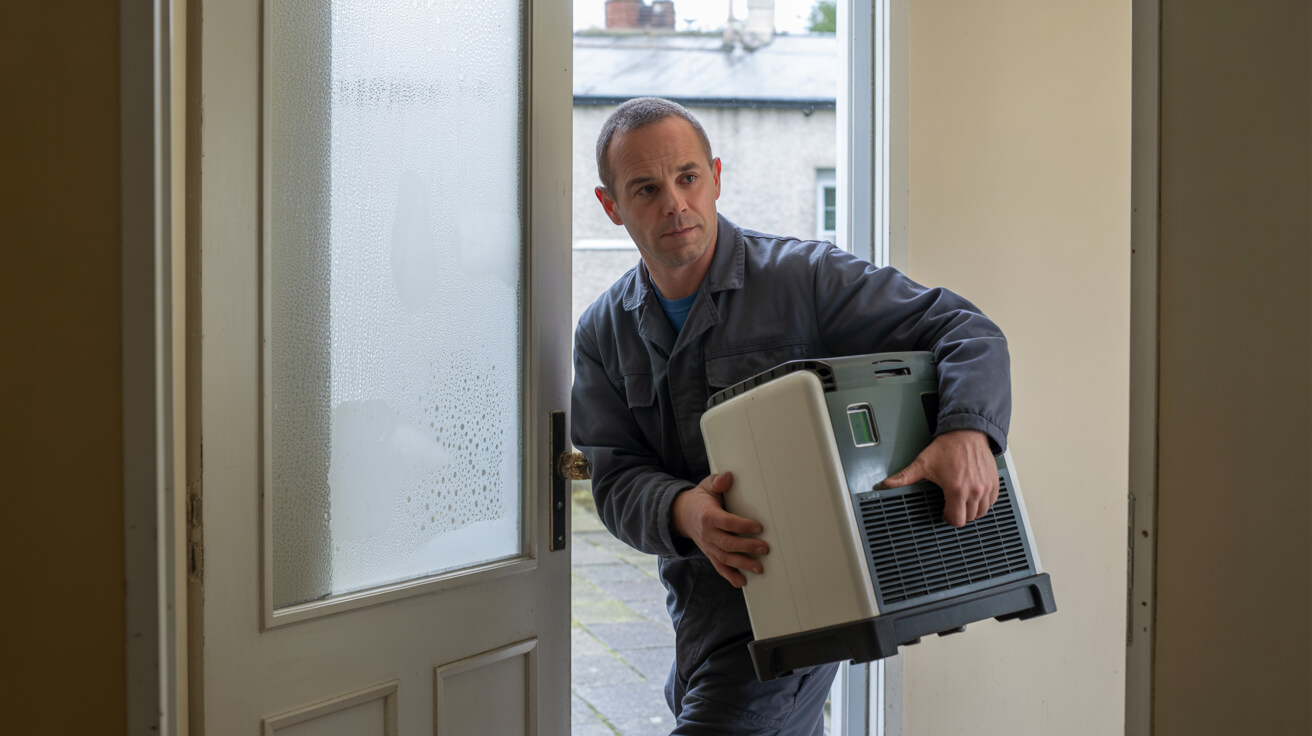
A ping from a sensor is only the beginning. The real mark of a future-proof system is what comes next—how quickly the right person knows, acts, and proves the fix. Modern property management software auto-generates actions the moment a sensor flags high moisture. Teams are alerted, tenants get instant acknowledgement, and every step—from inspection to repair sign-off—lands in one digital file.
Wolverhampton Homes, for example, used an AI-powered system to push every damp alert into a tracked workflow, eventually driving a one-third drop in unresolved complaints simply by making sure nothing slipped through the cracks (insidehousing.co.uk). Each repair, assessment, communication—digitally signed, stamped, and linked to a cohesive property record. No more guesswork, finger-pointing, or lost dockets in a surveyor’s boot.
Suddenly, everyone is working from the same facts—surveyors, tenants, agents, even insurers. If you’re questioned about what was fixed or when, the answer’s right there. Yet, all of this is only as robust as the weakest physical fix or the sloppiest paperwork entry. If materials or methods lag, or a record’s missing, you’re only moving risk, not removing it.
In damp-proofing, it’s not the first leak that stings—it’s the one no one logged.
How Do New Materials Change the Damp-Proofing Equation?

Today’s repair kit is a world apart from the bitumen and blanket DPCs of old. Modern membranes flex with the building, nano-additives in slurry tanking self-heal micro-cracks, and DPC creams now split hydrogen bonds at the molecular level to counter capillary action. These advances cut through salt, chemical migration, and freeze-thaw—common tripwires in British properties.
Crucially, materials must fit the context. Heritage home? Only breathable, lime-friendly systems go in, preserving character and avoiding damp cycles caused by trapped moisture. Basement flat in a flood zone? You’ll likely find cavity drainage membranes and dual-stage pumps paired with robust tanking. No more “one-size-fits-all”—now, the science, substrate, and strategy match the specific site and history of each property (addamp-proofing.co.uk).
But the hidden hero of all this innovation is certification. Materials with independent approval, paired to digitally verified installation, push warranty periods past twenty years, and retailer rates for “remedial returns” keep dropping in surveyor reviews.
Still, even space-age membranes won’t save you if corners are cut on prep, compliance, or evidence logging. As ever, the chain is only as strong as its weakest link.
Why Is Digital Compliance Evidence Now Essential for Property Value?
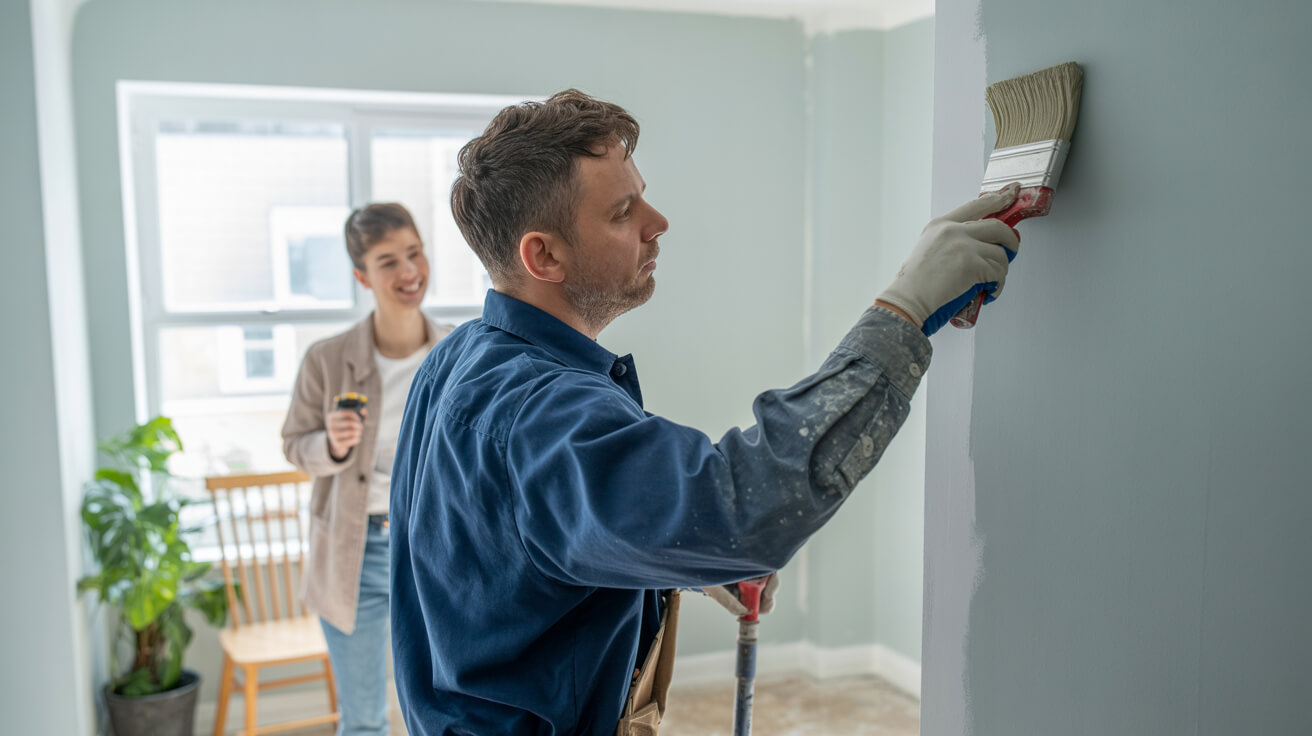
Ask any lender, insurer, or regulatory auditor what they want to see after a damp fix, and you’ll get the same answer: proof. Not a story. Proof. Records that track every decision, instal, inspection, and warranty—tied to time, location, product, and person.
Properties that can deliver this “chain of custody” now find:
- Compliance checks and re-mortgages become less of a gauntlet
- Agents, tenants, and buyers trust the file, not just the finish
- Insurance coverage bumps up, and exception lists shrink
- Letting voids and deal collapses drop as objections fade
The difference between a property sold for full value and one devalued for ‘potential issues’ often lives in the paperwork.
Recent adoption curves show that agents and social landlords who build their systems around digital evidence—not just fancier kit—win more contested sales, pass audits faster, and sit at the top of the “preferred” supplier lists (directlineforbusiness.co.uk; metro.co.uk).
The message for property professionals is old but newly sharpened: if you can prove it, you keep the value and lose the stress.
Can Automation Make Compliance Frictionless?
What separates thriving portfolios from spreadsheet purgatory? Seamless compliance—no last-minute scrambling, no manual file stitching, no nervous late-night trawls through WhatsApp messages to track down proof of a fix. True innovation today is automated compliance, where software:
- Runs extraction fans and smart vents before you even know you need them
- Automatically registers each survey or visit, complete with timestamped photos
- Sends escalating reminders to staff or contractors when things slip
- Generates lender, council, or insurance packs at a click—no hand-editing required
Systems built around PAS 2035 and BS 6576 now insist on end-to-end digital trails. What used to take weeks—documenting a compliance case for a mortgage or regulation audit—can now be pulled up in an afternoon.
But frictionless doesn’t mean mindless. The best automation keeps humans in the loop, marrying automation with accountability. One lazy upload or botched instal still trips up audits and uncovers risk, just digitally and a lot quicker.
Automation is no substitute for competence—but it stops competent people from being buried alive in admin.
Do Results Match the Hype? What the Evidence Really Shows
Are we being sold another layer of tech hype, or do the numbers stack up? Let’s be clear: systems that combine modern materials, continuous sensor monitoring, and full-scope records really do flatten the risk curve.
- FireAngel’s and HaloSmartIoT’s field data show 30–40% drops in recurrent damp when smart monitoring is paired with prompt, certified repairs and ongoing checking.
- Survey records for heritage and condemned buildings show successful returns to “problem-free” listings when digital work trails and aftercare logs were used to back up physical fixes.
Most failure stories? They all feature the same pattern—cheap fixes with no records, mismatched materials for the building context, paperwork gone missing, and aftercare skipped.
When rooted in joined-up process, the latest tech means lower maintenance costs, happier tenants, less time fighting legacy disputes, and property values that hold up even under council or lender scrutiny.
What Risks and Limitations Remain—And How Can They Be Managed?

Even the smartest system or best new product can’t rescue poor preparation, ignored context, or a workforce that hasn’t been trained or checked. There are traps:
- False positives: IoT sensors can be tripped by temporary spikes (a wet dog, sudden window opening), leading to alert fatigue or wasted callouts unless context and calibration are tuned.
- Blind faith in specs: A high-tech solution, badly fitted or with wrong substrate, can fail more spectacularly than a simple fix done by the book.
- Privacy and consent: More monitoring can raise tenant and data-privacy issues—clear communication and GDPR-compliant processes are vital.
- Heritage constraints: Conservation rules often override the best electronic or chemical solutions; bespoke, breathable systems must be specified and documented.
- Supply chain dependence: Material advances mean the wrong substitute or out-of-date stock can undo a warranty claim—traceability and compatible products are key.
No sensor has ever replastered a wall—and no algorithm has ever stood up in court. The human element still matters.
A bulletproof future needs providers willing to combine brains, brawn, and paperwork—ideally, in a seamless package that scales up as laws, tech, and the climate keep changing.
Start Future-Proofing Against Damp – Contact Sussex Damp Experts Today
Modern property health is the sum of science, due process, and persistent, skillful aftercare. Laws like Awaab’s, insurance and lender scrutiny, and the relentless march of data make it clear: you need joined-up, digitally dextrous, and regulation-fluent support. Quick patch jobs, undocumented repairs, or flying-blind warranties have been replaced by expectations for full transparency—evidence strong enough for buyers, lenders, insurers, and auditors.
With Sussex Damp Experts, you gain all the pieces: expert site surveys, forensic moisture mapping, best-in-breed materials matched to your building, digital compliance logs, and maintenance protocols built to stand up ten years from now. Every handover pack, every survey file, and every aftercare report becomes a chain of trust for your property—supporting not just compliance and value, but peace of mind for everyone from council officers to cautious buyers.
You deserve to keep your property, reputation, and future options clear of risk, red ink, and regulatory headaches. Get ahead now—future-proof your compliance, your building, and your legacy with Sussex Damp Experts. Step into tomorrow’s property standard. Your next audit can be effortless, and your damp headaches truly behind you.
Frequently Asked Questions
Why has new legislation made proactive damp and mould management essential for property owners and professionals?
Legislation such as Awaab’s Law now forces every landlord, agent, and property owner to treat damp or mould as a compliance race—one misstep, and you risk legal, financial, and reputational blowback. As Climate Change And rising humidity add pressure to building performance, when moisture or mould appears your timeline is measured in days, not months: you must investigate within 14 days and implement permanent repairs within another 7, with all progress logged for scrutiny. Passive monitoring or ad hoc repairs are no longer defensible—every action or delay is a potential liability, and lack of evidence can escalate the simplest problem into a tribunal, council intervention, or financial penalty.
A missed survey photo or undocumented fix used to mean hassle—now, it opens the door to fines, loss of rent, or insurance gridlock.
What operational shifts are demanded by current law?
- Minor cases handled informally now require formal, timestamped steps.
- Tenants can escalate unresolved issues directly to council or tribunal.
- Fast response is essential, but so is audit-proof documentation for lenders, insurers, and buyers.
How does Sussex Damp Experts’ workflow surpass legal requirements?
Our process is built precisely to these new standards: every diagnosis, treatment, and follow-up is digitally recorded and mapped to BS6576 and Building Regs. Compliance is baked in—from initial reading to final report—so you hold a legally defensible record at every stage. When the law or surveyor asks, you don’t scramble; you simply share a complete evidence pack, futureproofed from the very first visit.
How do next-generation monitoring technologies make compliance defendable—and protect your asset value?
Sensor-based monitoring has become a requirement, not an add-on: wireless systems now record humidity, temperature, and even motion, building a room-by-room timeline of moisture risks. Whether deploying FireAngel, HaloSmartIoT, or M3 Wellbeing, these systems supply uneditable logs, instantly exportable for mortgage surveys, insurer reviews, or council checks. Audit-proof records don’t just reassure stakeholders—they directly impact asset value and risk scoring.
- Timestamps and alerts expose invisible, slow-burn risks.
- Exported data supports repairs, warranty claims, and building insurance.
- Tamper-proof management ensures that logs remain uncorrupted, maintaining a clean compliance trail.
A sensor-triggered alert or five months of humidity history often closes an insurance claim before disputes start.
What features should truly compliance-grade monitoring include?
- Managed controls: Devices must be landlord or agent-controlled; data must outlast tenancies.
- Seamless integration: Logs feed directly into the repair and warranty pipeline—not locked behind dispersed dashboards.
- Audit-readiness: Systems calibrated to regulatory standards such as HHSRS and Building Regs.
Sussex Damp Experts implements only such robust systems—ensuring every site retains a continuously updated, digital “health record” that stands up in court, satisfies mortgage lenders, and supports your long-term property value.
Where do AI and predictive analytics now outpace traditional damp risk management—legally and operationally?
Advanced diagnostics link real-time sensor data, local weather, and repair histories to spot outbreak patterns far in advance—transforming both operational speed and legal security. Machine learning models predict site-specific vulnerability down to the wall, letting you fix problems before anyone complains or councils intervene. In large trials, predictive systems routinely achieve 97-99% inspection compliance, reduce reactive callouts by one-third, and create fully documented trails that satisfy even the most rigorous audits or insurance demands (Inside Housing 2023).
Algorithms highlight risks your eyes can’t see—turning blind spots into mapped, preventable events.
What real-world improvements do AI tools bring for property teams?
- Faster legal compliance: Repairs align instantly to detection—there’s no human latency.
- Retrospective protection: Every alert becomes a logged record, always available to prove due diligence.
- Scalability for portfolios: Multi-site monitoring means every property receives equal attention—no dead zones, no “forgotten” flats.
Sussex Damp Experts integrates AI diagnostics with forensic surveys, enabling intervention before legal problems arise and building digital audit trails that outlast ownership or tenancy changes.
What material and installation choices guarantee compliance—while also maximising insurance and resale outcomes?
The market has moved way beyond “just damp proofing”—today, the system you pick must achieve compliance, insurance approval, and asset longevity, backed by documentation. High-performing nanotech membranes, solvent-free silane/siloxane DPC creams, and breathable renders have become the new gold standard. Each product’s traceability and test certifications, mapped to instal logs, mean you’ll clear mortgage, insurance, and buyer reviews—whereas undocumented or generic products often disqualify a property, reduce value, or block sales.
- Modern membranes flex to building movement, resisting cracks and leaks.
- Certified DPC creams, suited to heritage as well as newer builds, meet BS and TrustMark standards.
- Breathable renders maintain wall health, especially in period homes—preventing unwanted condensation or secondary decay.
Owning a property is investment—your choice of material and documentation determines whether that investment gains or loses ground.
Why do methods and paperwork matter more than product branding?
- Insurers prefer proven systems installed and warranted by certified pros.
- Lenders increasingly require complete instal histories, certificates, and warranty docs.
- Sale value and mortgage rate are directly linked to compliance and evidence depth.
Every Sussex Damp Experts installation is traceable, professionally warranted, and registered to lock in compliance—turning your repair into a future asset.
Which digital evidence chains are now mandatory for market confidence—and how do delays and gaps threaten your goals?
A digital “chain of custody” is the new essential for all property stakeholders. Tightly maintained electronic records—covering metre readings, photo surveys, instal certifications, sensor logs, and annual aftercare—streamline every future transaction. Councils, buyers, solicitors, and insurers now expect evidence in minutes, not weeks. Any missing link can tip the scales against you, resulting in lost sales, inspection disputes, denied claims, or even fines.
- Survey findings, with geo-stamped photos and digital analysis, set a defensible baseline.
- All site works, maintenance, and annual checks populate a live record ready for instant recall.
- Instal certificates and product origins unlock quicker lender and warranty approval.
- Scheduled reminders avoid warranty lapses and keep long-term proofs up to date.
The file you can retrieve in ten seconds is the only one the market trusts—delay breeds suspicion and weakens your hand.
Sussex Damp Experts digitises every project stage, handing you an asset-enhancing, future-facing “evidence pack” so you’re always prepared—whether for sale, audit, or council call.
How does working with Sussex Damp Experts guarantee forensic repairs and evidence-led compliance across any property type?
Our approach isn’t about patching up—it builds a defensible foundation for your current needs and future ambitions. Each survey is rooted in forensic-level diagnosis: using advanced tools from moisture metres to thermal imagers, we isolate moisture origin, follow capillary action, and document salt or thermal bridging across complex assemblies.
- Hybrid repair designs combine modern science and context-matched materials, with every stage—specification, installation, aftercare—recorded.
- Warranty integration ensures long-term protection; every file is audit-rated.
- Compliance pathways map directly to Building Regs, BS6576, HHSRS, PAS2035, and the requirements demanded by insurers, lenders, and council inspectors.
- Annual aftercare checks keep your records live and your asset protected—disputes averted before they ever start.
Leading property managers and technical owners aren’t just reacting—they’re locking in tomorrow’s compliance and asset value with every expert step taken.
If you demand work that stands the test not just of time but of audits, sales, and ownership transitions, partner with Sussex Damp Experts—your signature on every document is backed by a team renowned for building lasting, regulator-grade value.

