
 By
By  July 14, 2025

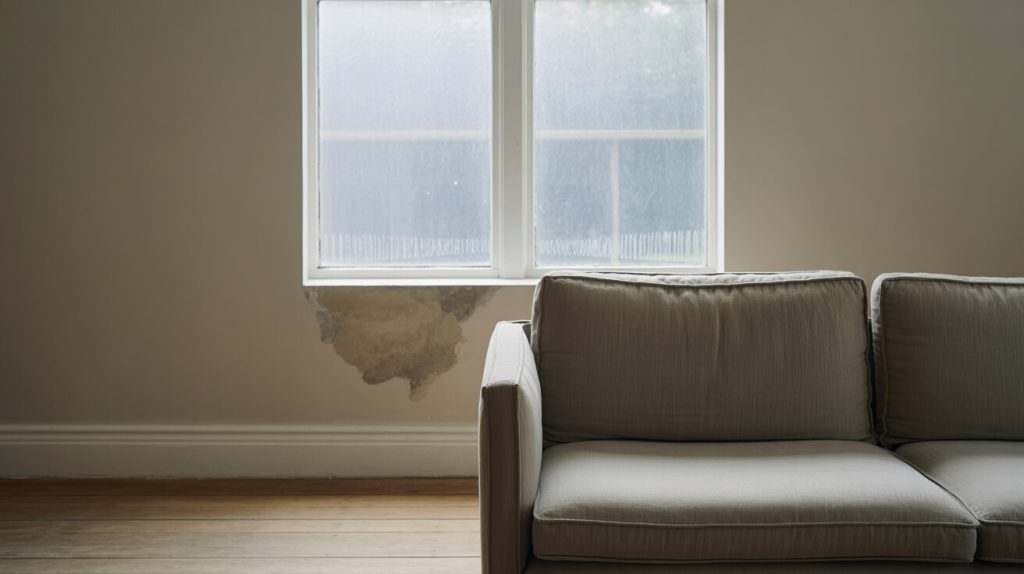
Ever walked into a room and smelled that musty odor? Or spotted bubbling paint on your walls? damp issues hit hard – they wreck your property, hit your wallet, and can even affect your health. With wetter winters and more extreme weather in 2025, thanks to ongoing climate shifts, it’s time to tackle them head-on. I’ve seen too many folks ignore early signs, only to face massive repair bills down the line. But here’s the good news: damp proofing doesn’t have to be complicated or expensive if you get ahead of it.
In this guide, we’ll cut through the noise and give you straight-up advice on spotting damp, fixing it right, and keeping it out for good. Whether you’re a homeowner dealing with a leaky basement or a contractor prepping a site, these tips are built from real job experience and updated for 2025 trends. We’ll cover the basics, step-by-step fixes, and even smart upgrades like IoT sensors. By the end, you’ll have the tools to protect your place and save serious cash. Let’s dive in – no BS, just results.
The Real Problems – Spotting Damp Before It Bites
Damp sneaks in quiet, but it doesn’t stay that way. If you’re not checking regularly, small issues turn into big headaches fast. There are three main types you’ll run into, each with its own signs and pains. Catching them early? That’s where you save the most money.
Rising damp is the one that creeps up from the ground, like water wicking through your walls. You’ll see tide marks low down, maybe some white salty deposits (that’s efflorescent salts). It weakens your foundations over time and invites mold, which isn’t just ugly – it’s a health hazard, especially for kids or anyone with breathing issues.
Penetrating damp comes from outside, usually rain hammering through cracks or faulty roofs. Look for wet patches that show up after storms, or even interior stains that don’t dry out. This one rots wood, ruins insulation, and can lead to structural sags if ignored.
Then there’s condensation, the indoor troublemaker. Foggy windows, black spots on ceilings, or drips on cold surfaces? That’s steam from cooking, showers, or drying clothes building up without enough air flow. It spikes your heating bills and triggers allergies – not fun.
Here’s a quick table to break it down, with updated 2025 average costs based on UK market data:
| Damp Type | Common Signs | Why It Hurts | Average Fix Cost (2025 Estimate) |
|---|---|---|---|
| Rising Damp | Damp patches low on walls, white salty marks | Weakens foundations, breeds mold | £2,000-£5,000 per area[1] |
| Penetrating Damp | Wet spots after rain, cracks in bricks | Rots wood, damages insulation | £1,800-£4,500[2] |
| Condensation | Foggy windows, black spots on ceilings | Triggers allergies, hikes heating bills | £600-£2,500 for vents and fans[3] |
In 2025, with more rain and floods on the forecast, one in four homes could face this stuff[4]. But spotting it early – grab a moisture meter for under £50 and test your walls – can cut those costs in half. Don’t wait for the smell; regular checks are your best defense.
Hands-On Fixes – Step-by-Step Damp Proofing
Alright, you’ve spotted the problem – now let’s fix it. The key is matching the right method to your damp type, and always thinking long-term. DIY where you can, but call pros for big jobs to avoid making things worse. We’ll walk through assessments, common fixes, and some pro tips to get it done right, incorporating top 2025 products.
Roof Leak Checker
- 1 Roof Type
- 2 Symptoms
- 3 Results
Most Likely Cause
—
—
Who Do You Need?
—
Estimated Repair Cost Range
—
Temporary Measures
Roof leaks often cause hidden damp damage in walls and timbers. Book a combined roof and damp survey.
Book a Roof & Damp Survey →First, assess properly. Don’t guess; use tools. A basic moisture meter gives you readings – anything over 20% spells trouble. For bigger properties, a professional survey might cost £200-400 but saves thousands later. Check exteriors too: gutters clogged? Pointing cracked? Fix those first.
Now, the fixes. For rising damp, chemical injection is a go-to. It’s like giving your walls a waterproof shot, and brands like Dryzone or SikaMur are leading the pack in 2025 for their reliability[5].
- Step 1: Clean the area and drill holes every 150mm along the base, about 150mm up from the floor (per NHBC standards)[6].
- Step 2: Inject a silicone-based cream or fluid – Dryzone works well and is easy to find.
- Step 3: Let it cure for 24-48 hours, then replaster with salt-resistant mix.
This is non-invasive and lasts 10-15 years, perfect for older homes.
For penetrating damp, focus on sealing. Apply waterproof render or paint outside – try Stormseal Masonry Water Seal for exterior walls[7] – and fix any cracks with filler. Inside, a damp proof membrane (DPM) – thick plastic sheeting – can be fitted behind plasterboard.
- Step 1: Strip back damaged areas to brick.
- Step 2: Apply the membrane with adhesive, overlapping edges by 150mm.
- Step 3: Reboard and skim – job done.
Condensation? Improve airflow. Install extractor fans in bathrooms and kitchens (wired to lights for auto-on), or add trickle vents to windows. A dehumidifier helps in basements – pick one with auto-humidity control for efficiency. For waterproofing paint, Drylok Extreme is a top choice, resisting up to 15 psi of water pressure[8].
For all types, consider hybrid approaches. On a recent job, we combined membrane install with better drainage – stopped penetrating damp cold.
Here’s a pros/cons rundown to help choose:
| Fix Method | Pros | Cons | Best For |
|---|---|---|---|
| Chemical Injection | Quick, low mess | Lasts 10-15 years max | Older homes with rising issues |
| Membrane Installation | Built to last | More work upfront | New builds or full renos |
| improved ventilation | Fixes the cause | Needs power | Kitchens and bathrooms |
Smart upgrades for 2025: App-connected moisture alarms (around £100) ping your phone at high readings[9]. They’re game-changers for rentals or big sites. Always follow local regs – in the UK, building regulations now mandate DPCs at least 150mm above ground level, with stricter rules for flood-prone areas[10]. Budget-wise, expect to spend 20% less by shopping sales, but don’t skimp on quality materials.
Real Jobs – Lessons from the Field
Theory’s great, but real stories show what works. Take this old terrace house fixed in early 2025: Rising damp had tide marks up to knee height, and mold was starting. Injected chemical DPC with Dryzone along the affected walls, added cavity trays for better drainage, and installed vents. Total cost? Around £3,000[11]. Six months later, no signs of return – and the owner saved £4K they’d have spent on full replastering if it’d worsened.
On a commercial side, a warehouse with penetrating damp from roof leaks. Water was seeping through, rotting pallets underneath. Sealed the exterior with silicone render, fixed gutters, and added internal membranes. Dodged a £10K mold cleanup, and now it’s dry as a bone. Key lesson: Check roofs annually, especially with 2025’s storm predictions.
Another quick one: A family home battling condensation. Simple fix – extractor fans and a dehumidifier – cut their issues by 80% for under £800. They said it transformed the place, no more foggy mornings.
Bottom line from the field: Act fast, mix methods if one type overlaps another, and always test post-fix with that meter. Like prepping a site before pouring concrete, good damp proofing sets you up for success without surprises.
Looking Ahead – Staying Dry in 2025 and Beyond
Damp isn’t going away – if anything, it’s ramping up with wetter climates. But staying ahead means embracing 2025 innovations like nanotechnology coatings for better moisture resistance, eco-friendly membranes, and smart systems with IoT for real-time monitoring[12][13]. Green building trends are pushing for sustainable options, like bio-based sealants that qualify for rebates.
Regs are tightening too: Expect mandates for better insulation and proofing in renos, especially in flood zones under updated FEMA and ICC codes[14][15]. If you’re building new, integrate DPC from day one – it’s cheaper than retrofits.
Tech’s your buddy here. Those smart sensors? By late 2025, affordable models will integrate with home systems like Google Home, alerting you to spikes before damage sets in. For pros, drone thermal imaging for hard-to-reach areas is becoming standard – spots cold (wet) zones quick.
Prevention checklist:
- Annual inspections: Walls, roofs, pipes.
- Maintain drainage: Clear leaves, grade soil away from foundations.
- Upgrade insulation: Especially in attics to cut condensation.
Invest now, and you’ll see payback in lower energy costs and higher property values. Damp-proofed homes sell faster too – buyers love that reassurance.
Your Questions Answered – Common Q&As
Got queries? Here are some we’ve heard on jobs, updated for 2025:
- Q: How do I check if my house needs damp proofing?
- A: Look for wet marks, smells, or peeling; test with a moisture meter under £50. If readings are high, investigate.
- Q: What’s the cheapest way to stop condensation?
- A: Fit extractor fans (£20-100 each) and use a dehumidifier – it pays off in months by cutting mold and bills.
- Q: Can I DIY chemical injection?
- A: Yes, for small areas, with kits from hardware stores like Dryzone. But for walls over 5m, get a certified pro to avoid voids.
- Q: How does weather impact damp in 2025?
- A: More rain means higher risk – focus on exteriors and drainage to stay ahead[16].
- Q: Are there warranties on fixes?
- A: Good ones offer 10-30 years; always get it in writing.
- Q: What’s a quick win for rentals?
- A: Add humidity strips (cheap indicators) and educate tenants on ventilation.
- Q: What are the best eco-friendly options?
- A: Look for bio-based membranes and nano-coatings for sustainable protection[17].
If your question’s not here, drop it in the comments – happy to chat specifics.
Your Next Steps – Get It Done
Ready to beat the damp? Start with that quick check today – grab a meter and walk your property. For more, download our free damp-proofing checklist PDF (link in bio or sidebar) – it’s packed with printable guides and cost estimators.
If you’re tackling a fix, stock up on basics: Gloves, drill, membranes from trusted brands like Sika or Drylok. And if it’s overwhelming, reach out to Sussex Damp Experts – better safe than soggy.
References
- Damp Proofing: Cost Breakdown 2025 | Checkatrade
- Penetrating Damp Treatment Cost – MyJobQuote
- 2025 Damp Proofing Cost | Professional Damp Training & Certification
- Why are more homes in the UK reporting damp and how can architects help? – RIBA Journal
- Dryzone System – 24hr Rising Damp Treatment and SikaMur® InjectoCream-100 | Waterproofing – Sika Group
- 6.3.13 Damp proof courses – NHBC Standards 2025
- Stormseal Paint | Free Shipping Over $200 | ECOS
- DRYLOK® Extreme Masonry Waterproofer – Best Waterproofing Paint
- The Best Smart Water Leak Detectors for 2025 – PCMag
- Essential Guide To Building Regulations Relevant To Damp Proofing
- Damp Proofing: Cost Breakdown 2025 | Checkatrade (for example cost)
- Top 6 Trending Waterproofing Methods in 2025 – Astral Trubuild
- Internet of Things (IoT) Sensors for Damp and Mould
- Local Mitigation Planning Handbook | FEMA
- CHAPTER 8 MOISTURE 2 – 2024 ICC PERFORMANCE CODE FOR BUILDINGS AND FACILITIES
- The Impact of Climate Change on Damp in Homes – Weatherdry
- Top 6 Trending Waterproofing Methods in 2025 – Astral Trubuild

