
 By
By  September 3, 2025

Why Do White Powdery Patches Keep Coming Back on Your Walls?
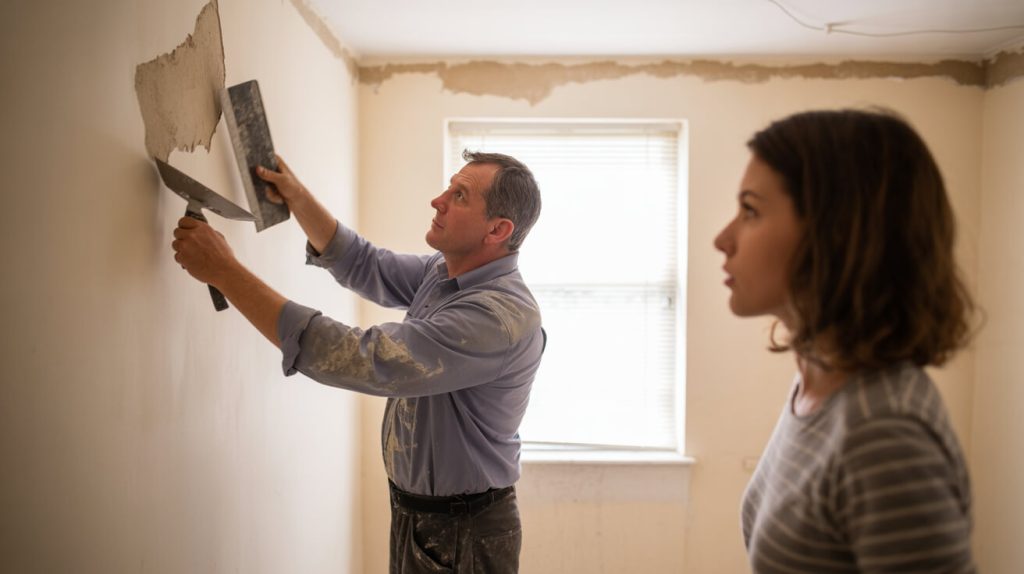
You notice white crystals or chalky dust reappearing on the same wall, despite your best efforts to repaint or patch it up. Maybe you’ve had builders “treat the damp” or invested in a new damp proof course, but the staining returns, sometimes worse than before. For many homeowners, property managers, landlords, and agents in Sussex, this cycle is perplexing—and expensive. But here’s the reality: if you’re seeing powdery streaks that seem immune to touch-up jobs, you’re dealing with hygroscopic salts in walls. These aren’t just cosmetic—they’re chemical moisture magnets, quietly setting the stage for deeper property problems and financial headaches.
Salt doesn’t sleep. It rides the tide of your building’s history, always looking for a way back in.
Most people mistake this for ordinary damp or “just old plaster.” The truth? Hygroscopic salts behave very differently: Damp salts don’t disappear when the leak dries up. They pull water from the air, reappearing after surface fixes and—worse—triggering bubbling, flaking, and fresh black mould down the line. And while quick-fix products promise a shortcut, they usually deliver only temporary relief.
This isn’t just about appearance. Persistent salt activity flags up to mortgage surveyors. Insurers and lenders may downgrade your property risk rating. For homeowners, landlords, and professionals managing properties, getting salt treatment right means protecting both your asset’s fabric and its market confidence. The treatment cost isn’t about plaster alone; it’s about diagnostic accuracy, building physics, and proof that the repair will last. Go cheap, and you gamble with future sales, tenancies, and your professional reputation.
Can Paint or Standard Damp Proofing Actually Resolve “Salt” on Walls?
Replaster After Damp Treatment Advisor
- 1Treatment
- 2Condition
- 3Results
Need expert advice on replastering after damp treatment? Our surveyors can assess your walls and recommend the right plaster specification.
Get a Replastering Quote →Most homeowners and even some contractors have tried a simple approach: scrape, seal, repaint. The wall looks perfect for a few months, then a mysterious white haze—or even damp marks—starts creeping back. Unfortunately, Damp salts don’t stop causing trouble just because they’ve been painted over; that simply traps the problem, while classic damp-proofing without salt diagnosis may miss the chemical engine driving moisture return.
Hygroscopic salts-usually chlorides and nitrates—are left behind as water evaporates from historic leaks or rising damp. They chemically bond into plaster and masonry, setting up a cycle where the wall “breathes in” moisture, especially during Sussex’s humid seasons. The result? Even after the wall feels dry, these salts keep dragging water from the air, undermining your paintwork and new finishes. In listed buildings or period homes, hard plasters or tanking prevent evaporation, pushing problems sideways or upwards.
Quick fixes like tanking slurries, waterproof sealers, or “magic” paints lay a temporary mask over the problem but leave the chemistry untouched. Within months, the salts break through—or shift the problem to a nearby section.
British Standard BS 6576 gives a clear directive: All salt-contaminated plaster must be identified, removed back to sound material, and replaced with a system matched to the wall type (BSI BS6576). This isn’t just best practice; it’s required for most mortgage-backed repairs and insurance validations in the UK.
Painting over salts is like wallpapering over a leak—eventually, the truth seeps out.
Truly permanent repair means:
- Mapping and measuring the full depth and spread of salt contamination (often 300–500mm beyond visible marks).
- Using specialist removal tools and techniques to avoid damaging historic substrates or timber laths.
- Rebuilding with a salt-resistant, often breathable plaster system. In conservation settings, this means lime or vapour-permeable finishes to match building regulations and heritage constraints.
- Providing step-by-step documentation for lender, insurer, or buyer scrutiny.
If your recent repairs have failed, odds are the contractor skipped diagnosis and salt-specific steps. The right process may cost more upfront, but it’s the only way to actually buy peace of mind (and surveyor approval).
What Actually Affects the Real Cost of Treating Hygroscopic Salts?
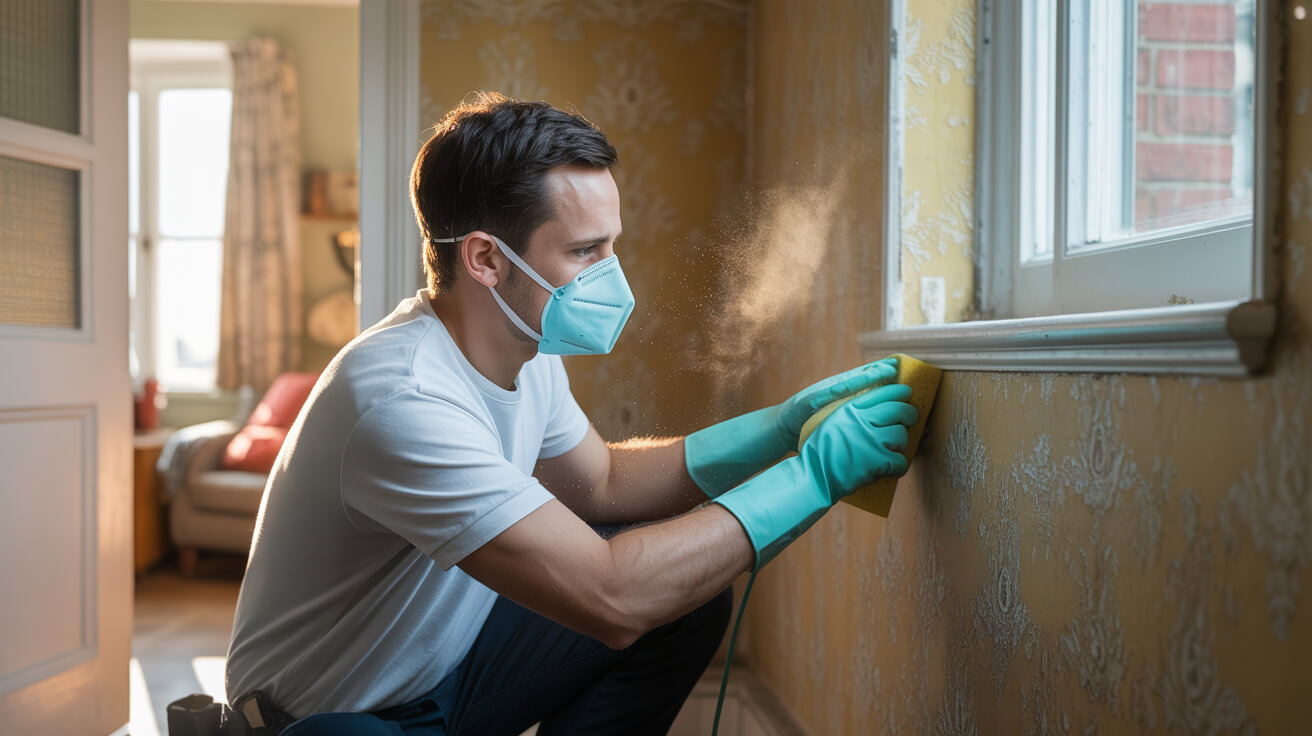
Many owners and agents start with a simple question: “How much will it cost to fix this wall?” The answer is, it depends—but not for the reasons most expect. The true drivers of salt repair cost lie in three intertwined factors:
1. Diagnostic Precision: More Than Just “Damp” Detection
A quick surface scan misses where hygroscopic salts in walls have penetrated deep into plaster, skirting, or even ceilings. Top experts use a suite of tools – moisture metres, borescopes, salt analysis kits, and sometimes lab tests—to “map” the invisible spread beyond the damp mark. Skimping here dooms the job to repeat business.
2. Surgical Layer Removal—Not Just Superficial Stripping
Surface efforts falter because salts often lurk 30–50cm further out than you think. Specialist contractors strip all contaminated material, often including hidden brick or substrate faces, timber laths, or cavity fill. This stage is the most labour-intensive and demands forensic care, especially in heritage or solid-wall Sussex properties.
3. System-Matched Restoration and Documentation
Post-strip, the wall needs rebuilding with a salt-inhibiting render or breathable plaster, sometimes paired with a new chemical damp proof course if rising damp underlies the issue. Compliance isn’t optional—up-to-date BS6576 certification and a mapped repair report are now standard for mortgage, insurance, and rental compliance.
Hidden salt, surprise complications (e.g., failed tanking, heritage requirements), and substrate repair demands can all amplify pricing. Hammering through a “standard” spec risks incomplete cure and future expense.
Most quotes that seem ‘cheap’ disappear when you factor in remedial visits or hidden extras after a botched job.
What Does Proper Salt Treatment Cost in Real-World Sussex Projects?
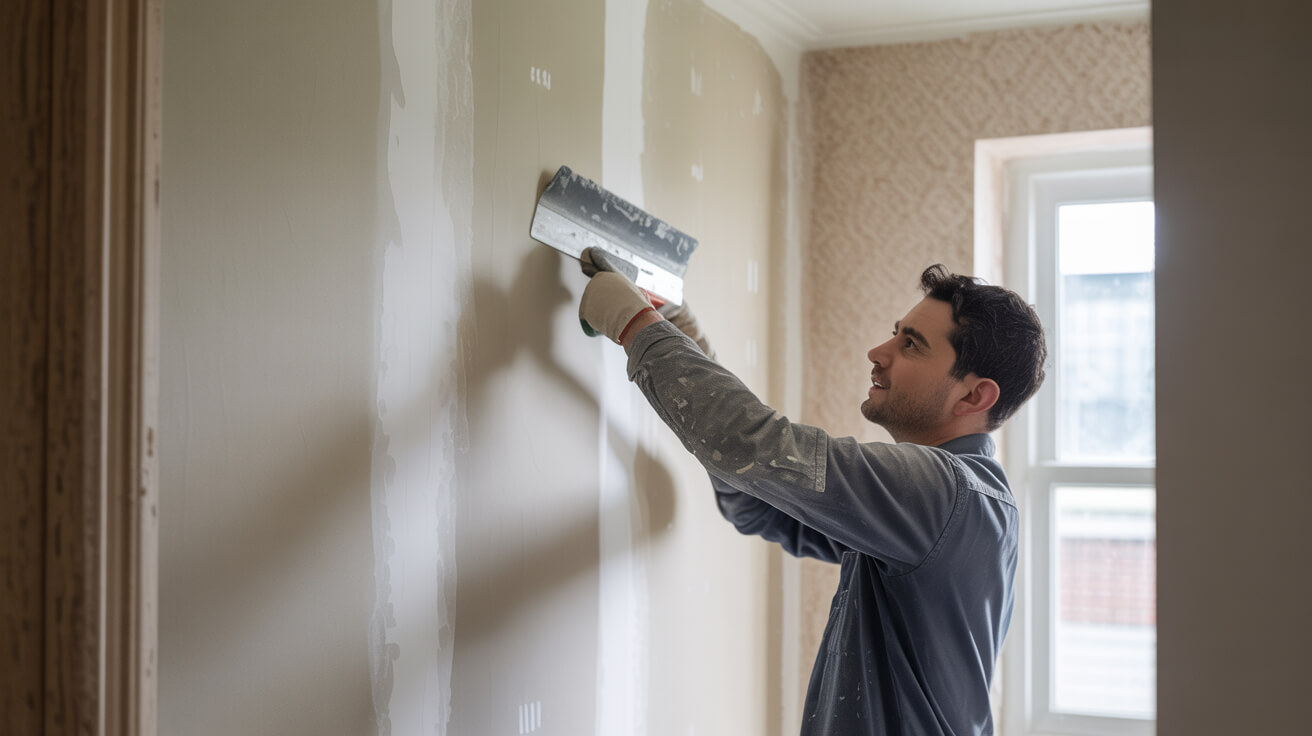
Salt contamination is never one-size-fits-all. Your Victorian Brighton terrace, rural cottage, or listed Lewes flat may bring wildly different challenges. Sussex Damp Experts have compiled local data to break down genuine 2024 cost trends:
| Treatment Scenario | Typical Cost (2024) | Scope/Deliverables |
|---|---|---|
| Small, localised patch (1–2 areas) | £1,500–£2,000 + VAT | Salt map, surgical strip, system replaster, dry-down |
| Per running metre (standard wall) | £60–£200 / metre | Material removal, substrate prep, system repair, basic finish |
| Full room / heritage-listed wall | £3,000–£10,000+ | Lime system, consent reporting, monitored dry-down, full doc |
| Salt lab test/report | £100–£300 | Sample, analysis, mapped certificate for mortgage or claim |
Note: These figures exclude VAT, decorative redecorating, or listed building consents, and always hinge on an accurate diagnostic phase. Opening up a wall often exposes deeper salt pockets or heritage-linked constraints, which escalate the price—something to budget for in older or previously “patched” buildings.
When comparing quotes, demand a clear breakdown:
- Is salt mapping included?
- Does replaster match substrate/heritage needs?
- Is compliance proof or a warranty offered?
- Are aftercare and monitoring steps specified or just guessed at?
Anything vague or marked “TBA” likely conceals a string of “extras.” The best protection is line-by-line clarity—before you sign.
Why Do Costs Balloon On Salt Repairs—and How Can You Prevent It?

Many Sussex owners learn the hard way: the “simple” £800 fix becomes a four-figure headache after the salts come back, or a surveyor fails the job for missing compliance evidence. Here’s what inflates costs, and how to sidestep disaster:
1. Missed Salt Spread During Initial Survey
If a company skips thorough mapping, they’ll miss non-visible salt pockets that extend beyond the initial stain. Once work starts and these areas surface, the cost rises, and so does frustration.
2. Incomplete Strip-Out or Poor Substrate Prep
Superficial repairs leave salt behind. Later, new finishes fail, and repeated invasive work ruins the same wall, incurring more labour and waste.
3. Wrong System or Heritage Oversight
Many Sussex buildings require lime-based or vapour-permeable plasters—getting this wrong invites building control conflict and expensive redo’s.
4. Documentation Gaps
Mortgage lenders, insurers, or tenants demand solid reports, mapped photos, and full warranties for approval. Skipping these or retroactively assembling paperwork pushes you into compliance limbo or property value loss.
5. Warranty Weakness
A transferable, insurance-backed warranty costs more up front, but boosts saleability and reduces stress. Cheap options can’t guarantee this. Landlords and sellers, take note.
Smart clients cut risk by:
- Prioritising exhaustive diagnosis and mapping
- Insisting on all-inclusive warranty and compliance guarantee
- Checking the contractor’s Sussex heritage experience and PCA or TrustMark accreditation
Damp salts don’t care about quotes. They respond to chemistry, science, and skilled documentation—and so do your surveyors.
Are Salt Repairs Covered by Insurance or Mortgage Lenders? What About Buyers?
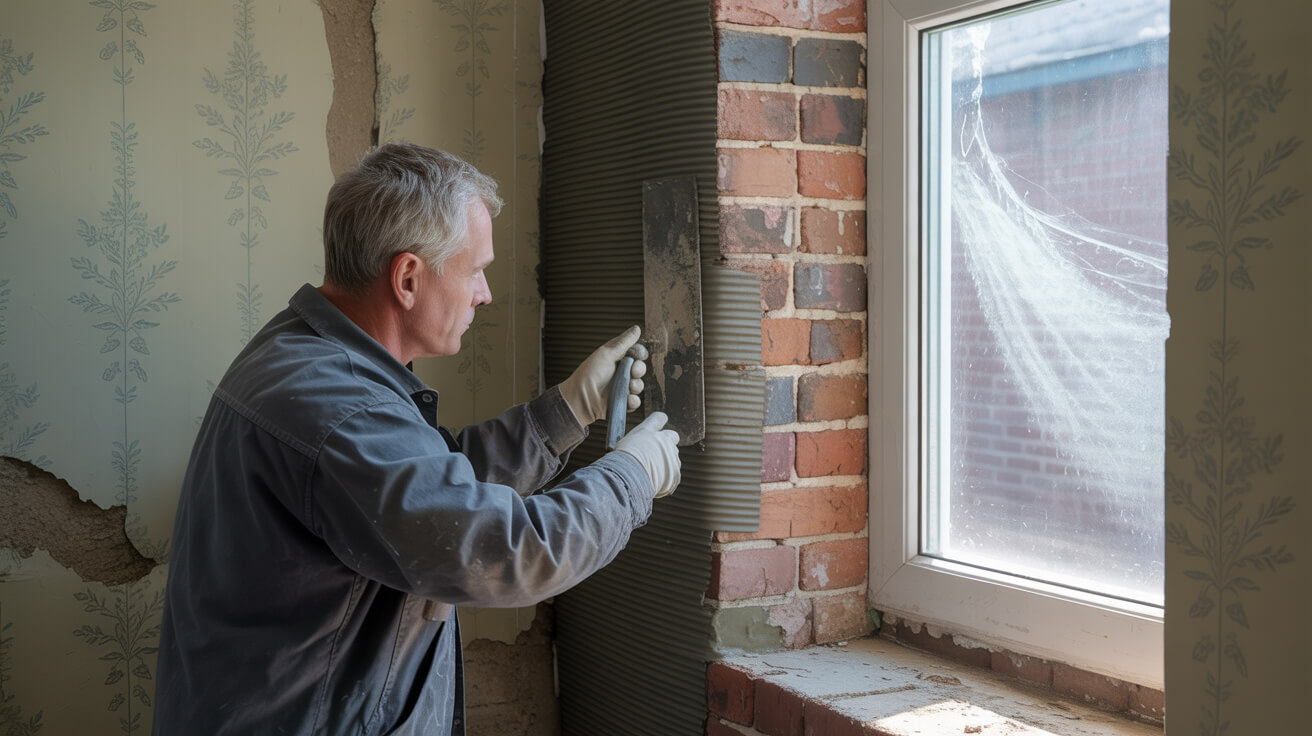
The fine print matters. Insurers almost always class gradual salt contamination as ‘maintenance’—i.e., your responsibility—not claimable damage. Unless a leak, flood, or burst pipe directly caused the visible issue (and is reported instantly), DIY, wear-and-tear, or delayed salt formation are on you. Most homeowner or commercial policies exclude this.
Mortgage lenders, on the other hand, have zeroed in on salt and damp risks—especially in Sussex’s heritage stock. Survey outcomes, mortgage offers, and even rental compliance increasingly hinge on a proper damp and salt report, mapped certificates, and warranties. Skipping these documents means risk of sale or refinancing collapse, or forced discounting. For landlords or managers, lacking documented salt proof and aftercare exposes you to compliance penalties or tenant complaints.
When evaluating a professional, check if they offer:
- Detailed, mapped diagnosis with photos
- Salt analysis or lab test certificates when required
- Mortgage- or insurer-accepted reporting templates
- Warranty with clear claim protocols
A properly mapped, contract-grade report from Sussex Damp Experts is the difference between a failed survey and a frictionless sale or let.
What Makes a True “Salt Expert” in Sussex, and Why Does It Matter?
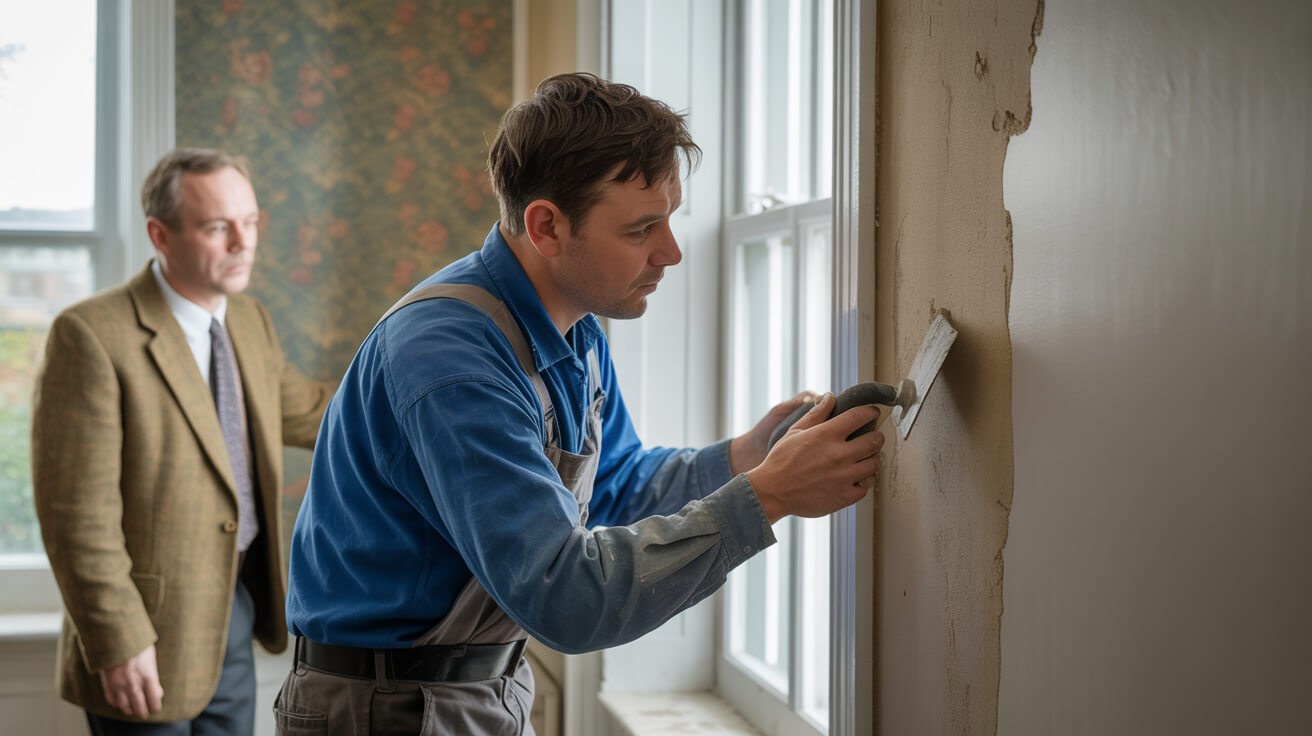
People sometimes ask, “Aren’t all damp contractors the same?” Absolutely not. The salt game is a test of craft, science, and local experience. Only a handful of contractors blend chemistry, compliance, and building heritage skills at the level that today’s market and regulation require.
Traits you should expect:
- PCA (Property Care Association) accreditation and Sussex heritage fluency:
- A diagnostic, documentation-first workflow (maps, lab results, moisture logs)
- Full, line-by-line cost breakdown; no assumptions, no “black box” numbers
- Salt treatment systems tailored to original substrate (lime, plasterboard, solid, cavity)
- Transparent warranty coverage—insurance-backed, transferable, with aftercare and support protocols
- References and case evidence for your property type—ask to see before/after from a home, listed building, or flat like yours
If any of these are missing, you’re paying for risk—not restoration. Your priority: evidence, clarity, and a guarantee that stands up to scrutiny from buyers, lenders, building control, or tenants.
A true salt pro shows their math: map, system, report, and warranty you can take to the bank.
Why Is Aftercare Vital for Salt Repairs—And What Should You Demand?
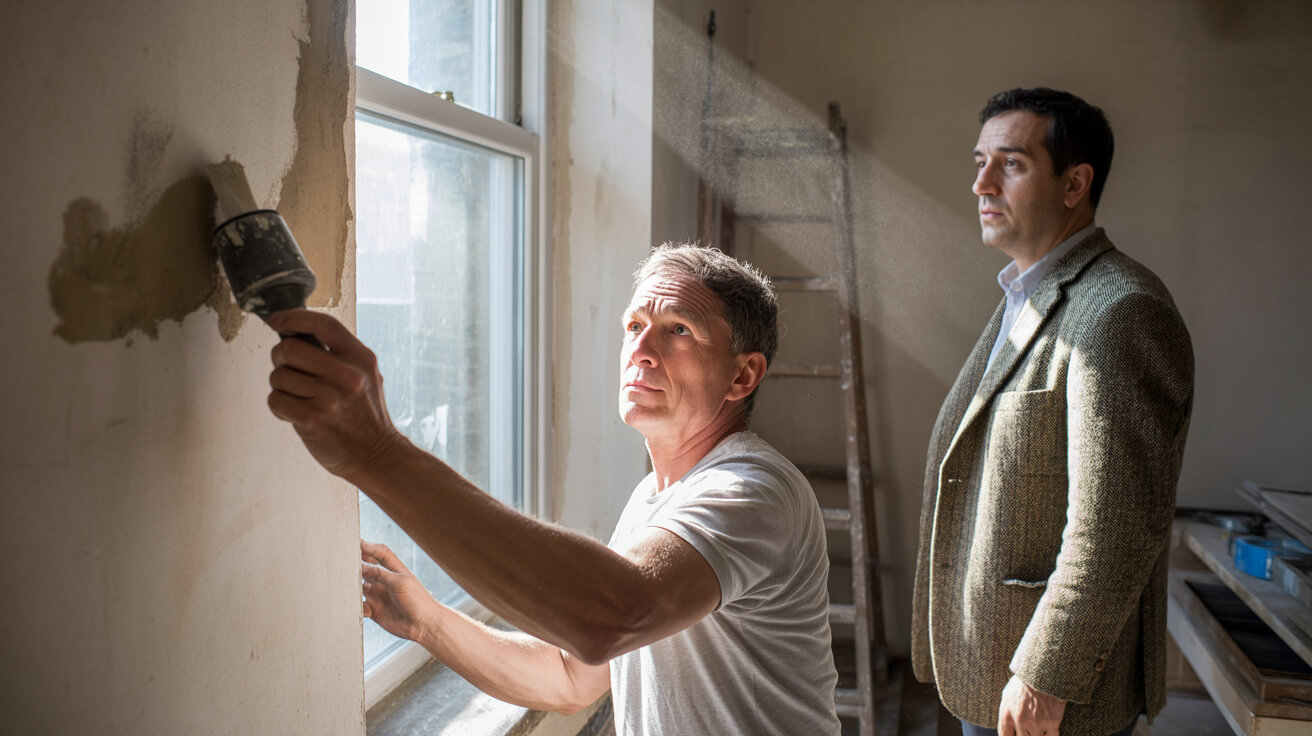
A salt fix isn’t a “see you in five years” job. Even well-executed repairs need monitoring: salts hide deep, and damp logic is slow-moving. Aftercare is chemistry insurance—without it, surprise revisits or missed compliance signals can cost thousands.
Top-tier aftercare should include:
- Digital moisture/humidity logs (6–12 months): More than a promise—real data shows your wall is dry and stable.
- Annual inspection call-outs: Both photos and diagnostic logs, keeping warranties active and catching silent recurrence.
- Planned redecoration advice: Poor paint choice post-fix can undo all progress and void warranties.
- Accessible support for recurrence: Faster intervention means smaller, cheaper fixes.
Landlords and agents benefit from paper trails guaranteeing smoother handovers or tenant changeovers, stronger negotiation positions, and easier compliance. Homeowners get peace of mind—and a protection net in case of new problems.
If you wouldn’t skip car insurance after an engine rebuild, don’t skip moisture mapping after salt repairs.
How to Avoid Wasting Money on Salt Repairs: A Sussex Playbook
Every year Sussex Damp Experts re-repair walls where a bargain quote ended up tripling in cost after expensive mistakes. Here’s how to avoid joining those ranks:
- Start with forensic salt diagnosis: (moisture readings, mapping, sometimes lab analysis). Do not estimate from surface clues; salt spreads wider and deeper than eyes see.
- Map your legal and compliance boundaries: Heritage listing, party wall rules, and insurance terms change repair demands and costs.
- Insist on line-by-line cost transparency: Know precisely what’s included—mapping, removal, repair, aftercare, documentation.
- Scrutinise the warranty: Are aftercare, exclusions, and documentation included? If light on detail, assume light on value.
- Check local references for similar property types: Sussex-specific experience is the best insurance against design blunders and compliance risk.
Owners, landlords, and managers who demand full paperwork and PCA-grade workflow regularly pass surveys and sell at higher values, with fewer headaches. Anything less risks delayed sales, lost rent, or mounting future costs.
Ready to Banish Salt Problems From Your Walls for Good?
Don’t let hidden chemistry chip away at your property’s value, compliance confidence, or buyer peace of mind. Sussex Damp Experts fix more than walls—we fix the science that lives inside them, with:
- Forensic-grade diagnosis and mapping
- Compliance-matched restoration, heritage adaptation, and transparent documentation
- Warranties that mean something—insurance-backed, transferable, rigorously monitored
- Proactive aftercare and data-driven support
Salt is patient. Our science, systems, and transparency beat it every time—across Brighton terraces, rural Sussex cottages, and heritage flats alike.
Stop the cycle. Book your diagnosis and restore confidence, value, and compliance with Sussex Damp Experts—where true restoration means no more hidden chemistry, just lasting peace of mind.
Frequently Asked Questions
What unique early signs signal hygroscopic salts are silently degrading walls in Sussex buildings?
Walls suffering from salt attack rarely shout their trouble—at first, they mutter. The earliest flags usually don’t resemble the classic, damp patch story. Instead, you’ll spot powdery residues “ghosting” in the middle of interior walls, irregular white crusts above the skirting line, or a flaky, dry-feeling surface that collapses under gentle finger pressure. Sometimes, you’re fighting paint blisters and recurring black mould that keep cropping up in the same corner, only for a damp metre to spike in winter then “recover” when the rain gives you a break. These salt signatures don’t obey logic: unlike a simple leak, the pattern drifts cross-property and ignores a fresh tin of emulsion.
The real culprit’s almost never where the stain appears—you’re offset by capillaries, old repairs, or salts travelling along timber lines.
Professional salt mapping brings the chemistry into view. Sussex Damp Experts’ diagnostic toolkit layers moisture metre gradients, salt detection kits, and forensic inspections—connecting the invisible clues that most generic surveyors miss, including Hygroscopic salts-usually chlorides and nitrates. Detection is a financial shield: identifying hygroscopic salts early can cut your bill by thousands, letting you contain repairs to a two-foot patch, not an entire elevation. Most importantly, mapped evidence is what mortgage lenders and insurers now want before they’ll sign off.
How is salt infiltration mapped and verified by top contractors?
- Multiple-point moisture readings across heights and substrates
- Analytical kits to confirm chloride/nitrate presence, not just “damp”
- Visual wall mapping annotated for surveyor/lender documentation
- Optional lab tests if future legal or resale proof is needed
Why do salt-related wall repairs in Sussex outpace standard damp fixes in scale and cost?
Salt damage operates like a slow-motion avalanche—it creeps until you dig deeper, then explodes scope overnight. Unlike standard damp, salt-laden walls keep drawing moisture from thin air, even long after the original leak or cold bridge is gone. Repairing superficial damp might involve a quick DPC or spray, but salt remediation always escalates:
- Strip-outs must reach every inch of visible AND adjacent contamination, often meaning whole walls—inside and out
- Specialist renders (like breathable lime or salt-retardant cement) cost 2–3× basic gypsum, but are essential for longevity
- Systematic “dry-down” periods—sometimes six months or more—are enforced before you can redecorate safely
- Documentation is granular: lenders want mapped surveys and step-by-step logs, not just a receipt
A shortcut on salt repairs is a round-trip ticket to repeat bills and lost buyer trust. Mortgage refusals rarely happen because of the surface—it’s always what’s under the skin.
2024 Sussex cost averages leave little to the imagination:
| Scope | Typical Price | Turnaround |
|---|---|---|
| Patch repair (non-heritage) | £1,500–£2,250 | 2–5 days |
| Whole room, listed/historic property | £3,500–£9,500+ | 8–18 days + dry time |
| Certified mapping/lab analysis | £170–£425 | 1–3 days |
How are budgets protected against surprise escalation?
- Early detection and wide margin mapping
- Specified timelines for staged work and aftercare
- Precise material disclosure for each substrate
- Pre-agreed handover documentation for future insurance or sale
How do property owners and landlords in Sussex lose ground (and money) tackling salt damage without strategic preparation?
Rushing salt repairs is like bailing water with a colander. Owners and landlords typically hit trouble on three fronts: (1) they underestimate how far salts have migrated, (2) slap on “universal” plasters or tanking which block walls from breathing, then (3) skip the documentation or aftercare lenders and future buyers require. The price of a missed diagnosis isn’t just another patch or two—it’s a chain of repeat callouts, delayed sales, rejected claims, and ultimately, devalued assets.
If you only fix what you see, you’ll fix it again—salt always collects its debt in the end.
The traps to dodge:
- Relying on a single-visit quote without sub-surface mapping
- Using quick-setting trade plasters that create hidden “condensation pockets”
- Overlooking heritage or planning hurdles, triggering forced rework
- Failing to secure transferrable guarantees or lender-ready surveys
Savvy clients demand evidence at every stage: a mapped report before work, transparent inclusion of admin/heritage time on the quote, and clarity on what warranty terms are actually transferrable—not just “nice words.” Sussex Damp Experts codify these safeguards as routine, so surprises stay in the brief and not the invoice.
What habits separate “repeat call” landlords from resilient asset owners?
- Always commission mapped salt diagnosis before any remedial quote
- Refuse any fix that skips material / substrate compatibility checks
- Insist on warranty and monitoring as part of the handover
When will insurers or lenders foot the bill for Sussex salt repairs—and when is the cost always yours?
Insurance companies treat salt damage as maintenance, not an accident. Unless you can directly link the problem to a one-off, insured event—a burst pipe or an explicitly documented flood—your policy likely excludes gradual salt migration or historic damp. Lenders are even stricter: any seller-flagged or pre-purchase survey salt issue will come with release conditions—usually requiring PCA-grade evidence of in-depth salt treatment, post-work guarantee, and a mapped diagnosis attached.
Real leverage with insurers and lenders comes not from negotiations—but bulletproof documentation that fits their black-and-white protocols.
To raise your odds of approval or cover, you need:
- Mapped, PCA-format diagnosis reports (not just a damp quote)
- Lab or digital evidence confirming salt type and spread
- Works specification compliant with PAS 2035, BS 6576, or TrustMark frameworks
- Transferable warranty and completed digital aftercare logs
Which steps give you leverage with your insurer or mortgage reviewer?
- Secure in-writing confirmation of claim boundaries before you start
- Append mapped evidence (plus timeline) for all planned works
- Maintain a digital “proof bundle”—from photos to air quality readings—to satisfy every future audit
What makes a Sussex Damp Expert salt repair fundamentally superior to a budget “patch” fix?
A real salt remediation job demands full-spectrum thinking—a commitment to chemistry, compliance, and future accountability. Generic “builder” fixes may mask for a season, but fail under the scrutiny of mortgage reviewers, insurers, and future buyers. Sussex Damp Experts’ approach is forensic: capillary patterns, salt travel along wall structures, and compatibility with heritage or modern substrates all inform the repair spec, not just price.
- TrustMark and PCA-backing, not just param 1 trade cards or insurance clipboards
- Mapped and annotated surveys showing not just where, but how far the salt risk runs
- Material-led design—every substrate gets its own protocol, down to lime, membrane, or insulated wall
- Guarantees tailored for re-sale, refinance, and post-completion disputes (not verbal promises)
A patch covers your wall; an expert covers your liability, capital, and reputation with paperwork that outlives the next three owners.
Table: Sussex Damp Expert vs. Budget Builder Workflow
| Stage | Sussex Damp Experts | Budget Builder |
|---|---|---|
| Diagnosis / Mapping | Full/PCA-Grade | Visual guess |
| Materials Specified | Heritage-adaptive | Standard gypsum |
| Documentation | Lender-ready | Verbal only |
| Aftercare | Annual + logs | None offered |
| Warranty | Transferable | Often void/excluded |
How does gold-standard aftercare transform your property’s risk profile and value after a Sussex salt repair?
True resilience in salt-proofed walls isn’t about how dry they look right after repair—it’s how well they’re protected for years, across every handover, inspection, or change in tenancy. Expert contractors build aftercare into the contract: scheduled inspections, annual or semiannual data-logged moisture/salt checks, timed guidance for redecoration and trades, and always-ready digital files. This aftercare is what unlocks full mortgage flexibility, higher valuations, and the end to “surprise” resurvey costs.
- Moisture/salt monitoring, not just “does it look dry?” testing
- Transparent timelines for safe decoration (vital for tenants/property management)
- Live, transferrable documentation banked every year—so you never lose value on paperwork
- Responsive helplines for “early blip” issues, stopping minor relapse before costs rise
The best aftercare isn’t a phone number—it’s a living file that walks with your asset, smoothly transferring authority and trust with every new owner or underwriter.
Sussex Damp Experts make these benchmarks standard: the result is a wall that’s not just dry, but one that supports your capital, reputation, and ease-of-transfer for the decade ahead.
What steps secure maximum asset resilience post-repair?
- Commit to moisture/salt monitoring with every annual handover
- Keep your documentation bundle updated and available for surveyors, buyers, insurers
- Treat aftercare as insurance—not an extra, but the foundation for long-term savings

