
 By
By  August 26, 2025

Why Stone Cottages Rely on Breathability—Not Quick-Fix “Waterproofing”
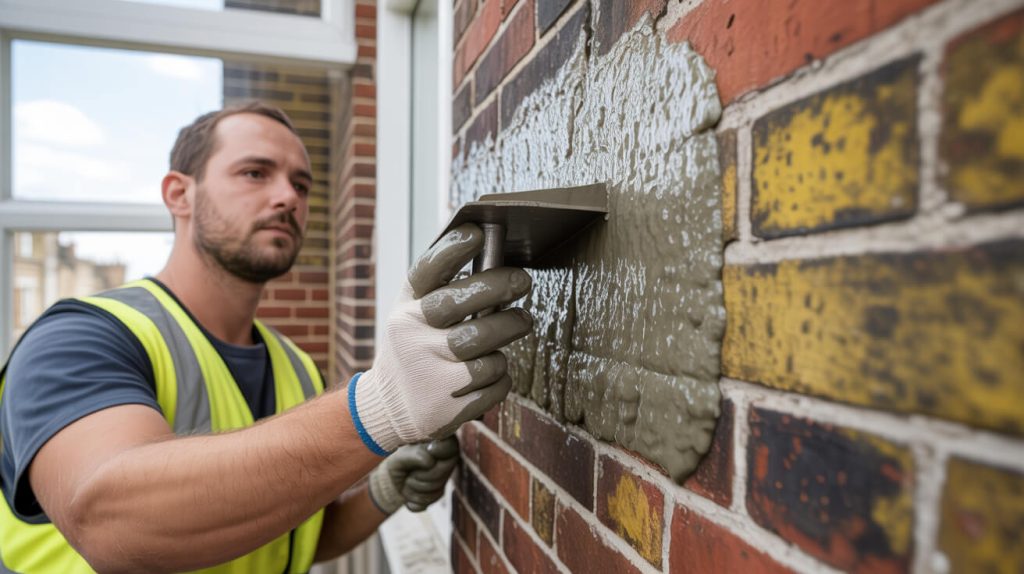
Stone cottages across Sussex are still standing for a simple reason: their walls live and breathe. Damp is patient-it doesn’t stop because a surface has been sealed, and if you try to shut these buildings up with modern waterproofing, you set up a battle the building will win—at your expense. Lime mortar and traditional renders deal with winter storms and wet summers by letting moisture move through, not building up dead ends. Airtight paint, cement overlays, or tanking layers? They suffocate this dialogue, trapping damp exactly where it does harm.
Walls don’t rot because of water alone—they rot when water gets trapped without a way to escape.
The science adds up. Lime-based materials “breathe” because they’re vapour-open and salt-resistant. Rather than fighting the weather, they flex, dry, and recover. Cement or plastic? They act like cling film for a wet loaf—perfect until you notice the decay underneath.
Hundreds of owners across Sussex have learned this the hard way. Every season we see more stonework bulging, paint sheeting off in swathes, and salting so bad it looks like a baker’s gone wild in the lounge. Quick fixes aren’t just a waste—they multiply your costs and erode the value that makes these properties special.
True defence for a stone cottage builds on what made it last—not on short-term habits borrowed from new builds.
So if you see blown plaster, flaking paint, or that furry halo of salt—the wall’s talking. It’s signalling that you need a repair plan built for breathability, not bolt-on waterproofing.
How Damp, Mould, and Decay Creep Through Stone Cottages

Give a stone cottage open routes for moisture, and you’ll sidestep generations’ worth of headaches. Block them, and trouble brews behind the wall. The musty smell that creeps in after a wet winter is only the start. Mould takes hold in cold corners and on spent timbers. Floor joists soften in silence, and unseen spores begin loading the air. It’s rarely what’s visible that makes surveyors hit pause—it’s the detection of problems that have had years to sink in.
Most disasters hide behind good intentions and quick-fix coats—don’t fall for it.
Physical and human costs show up fast. On one hand, stonework erodes, mortar sours, timbers rot and metals corrode. On the other, survey-flagged damp and airborne mould push up the health risks for children, older people, and asthmatics—straight from NHS guidance (2023).
Modern property chains now reflect this reality. Mortgage lenders block loans for tanked or plastic-sealed stone; insurance adjusters raise premiums or exclude coverage for botched repairs. One undervalued detail in your survey, and your sale or mortgage could freeze until you put right what’s hidden behind the plaster.
Every year, we see sellers blindsided by this: repair work that just traded today’s comfort for tomorrow’s cost.
Neglect makes these problems snowball. Damp is patient—it waits for an opening or a missed inspection. Your job is to interrupt that cycle before it feeds on what the original builders got right.
Why Skipping Diagnosis Is the Biggest Risk in Stone Damp Treatment

No two stone cottages share exactly the same moisture story. Crack open the wrong spot without a forensic survey and you’re inviting more harm than help. Good diagnosis isn’t routine—it’s an informed detective job. Proper damp specialists rely on advanced moisture metres tuned for old stone, thermal imaging to sniff out cold bridges, salt mapping that spots rising damp before it swallows your skirting, and breathable plasters: usher in the right treatment rather than trapping moisture.
Bodge jobs multiply; it’s careful diagnosis that keeps repairs a one-off instead of the start of a cycle.
What does this look like in practice? It’s an expert capturing photographic evidence, thermal maps, and unique salt sample patterns for filing. Those records are gold dust: they empower insurance claims, make mortgage lenders relax, and back you up if the surveyor’s report needs to be challenged. If you ever need to contest a legal claim—a leak, escalation, or repair debate—nothing helps more than a mapped survey trail and a guarantee with teeth.
A great survey can spare you from half the jobs DIYers or general builders propose. Knowing the relic vent, the old fireplace, or the shadowed subfloor is the culprit means a fix can often be less invasive and more durable.
Owners often breathe a sigh of relief after a report that proves they can avoid rip out and start over—if you know what to fix, the rest gets simpler.
Strategy is what steers you clear of unnecessary spending, stress, and future sales turmoil.
Why Breathable Materials Are the Only Lasting Solution for Stone Cottages

Every year, someone asks why “modern” waterproof systems can’t be tweaked to work in old stonework. The answer’s the same: they plug gaps in the wrong way. Compatibility, not marketing, governs what lasts. Lime mortars, renders, and mineral paints let water out of the structure long before it can freeze, damage, or drive out salts. They don’t just “work”—they fit the cottage’s heartbeat.
The best thing you can add to a stone wall is lime—let cement sit in the builder’s van.
Lime-based materials ride Sussex’s storms like stubborn old sailors. Rain, freeze, and high humidity aren’t a worry—they’re what these systems, applied smartly, are made for. Even English Heritage and leading conservation officers drill down on this: like-for-like repairs aren’t cosmetic, they’re structural safety nets.
Quick-fix tanking or plasticised render doesn’t just fail technically—it violates the compatibility rules that lenders and insurance adjusters look for in every report. The right material means less need for future maintenance, smoother remortgaging, a happier surveyor, and a house that holds resale value when the next buyer cares about authenticity.
Properties repaired with heritage-compatible lime regularly rate higher in condition and long-term worth—survey after survey confirms it.
If you’re facing a moisture challenge in stone, this isn’t old-fashioned thinking. It’s future-proofing your investment and your comfort.
“Waterproof” Shortcuts? Why Tanking & Modern Layers Risk Everything
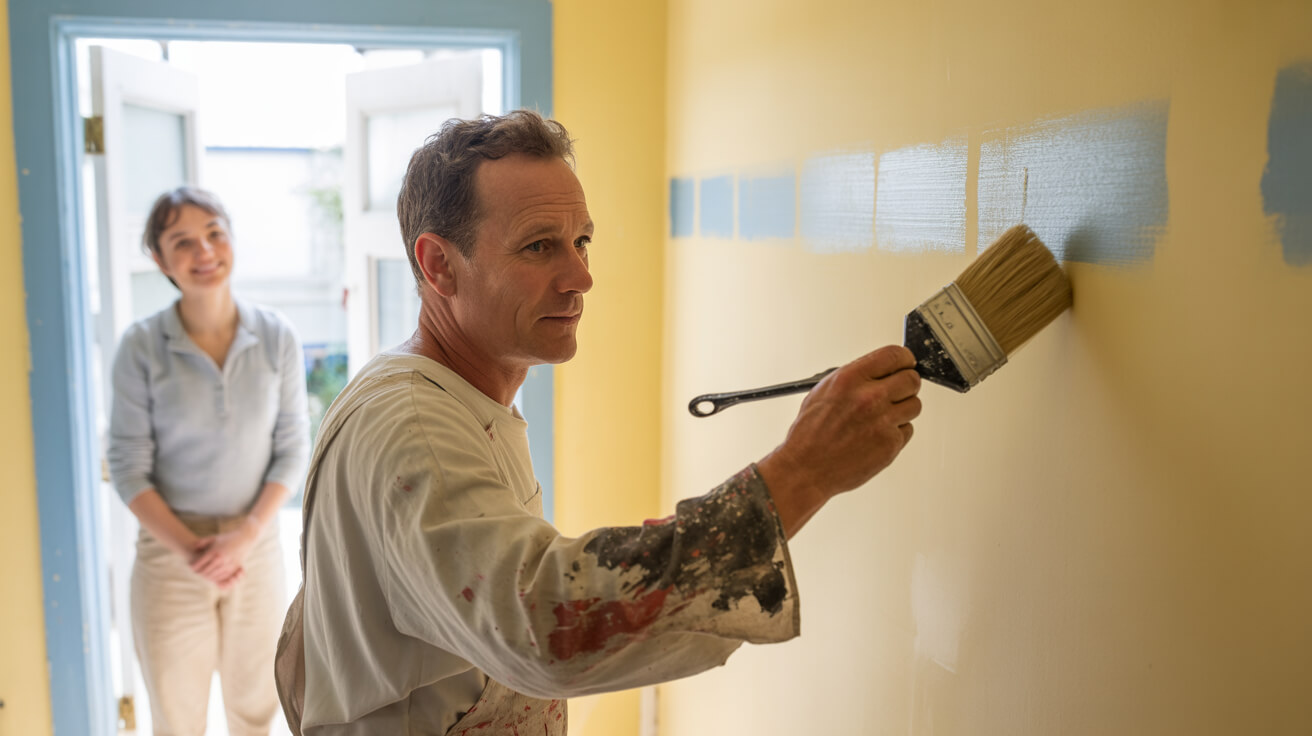
Heritage groups, surveyors, and the British Standards Institute all say the same: cement, resins, and tanking slurries spelled for “stone” are a risk wrapped as protection. Once a wall’s breathing has been smothered, it takes just a few winters before damage erupts—paint blisters, walls bulge, and relentless complaint emails start dotting your inbox.
Waterproofing systems trap damp underground—it will surface, dragging your cheque book along for the ride.
There’s no debate in the standards: BS6576 and BS8102 make it explicit that any repair to original stonework must keep chemical and physical compatibilities intact. Instal cement-based tanking on stone and you’re not just creating a repair risk, you’re breaking the standard—risking mortgage slowdowns, insurance denials, and a future forced to pay for both stripping and then correctly rebuilding the repair.
Planners, conservation officers, and even mainstream surveyors increasingly mark down cottages with waterproof render or tanked cellars, flagging them to banks and buyers as carrying a time bomb.
You pay twice for a shortcut repair—first for the tanking, then for the heritage system that sets it right.
Few homeowners budget for this second round. But every year, Sussex Damp Experts get called in for the untangling—a callback that always costs more than simply doing what the old builders knew from the beginning.
Layered Defences: Why Routine Maintenance and Vigilance Save Stone Cottages

Stone cottages need rhythm—annual maintenance that respects their quirks. Preventing damp isn’t a one-off cost, it’s a habit: clear gutters as a reflex, unblock air bricks, keep subfloor vents open, and go easy on central heating tweaks. Damp is patient-it builds quietly, and each job is simple, but skipping them sets up long-term bills you’ll soon wish you’d avoided.
A gutter choked with last week’s leaves is this winter’s rising damp—prevention’s always cheaper.
Letting surface water pool by your footings? That’s an open invitation for lateral penetration and high-risk insurance claims. Sussex conservation officers increasingly expect property owners to show ongoing stewardship, documented by an aftercare plan, regular damp checks, and simple logs of repairs.
Regular humidity tracking—with an affordable plug-in sensor—can warn you months before problems plant roots deep enough to crack plaster. Yearly site checks, moisture logs, and a practised eye for shifting patterns are what separate the uninterrupted comfort of a maintained cottage from a six-month spiral of emergency repairs.
The magic that keeps old stone homes dry is a logbook, a torch, and a willingness to intervene before the wall asks for help.
Our advice? Schedule checks. Keep records. Don’t be the owner who waits for complaints before acting.
Documentation and Compliance: The Hidden Shield for Stone Cottages

In today’s property and regulatory climate, paperwork isn’t bureaucratic fluff—it’s crucial armour. Heritage officers, insurers, mortgage lenders, and even buyers all demand mapped documentation for any significant intervention. Skimp or lose it, and your ability to remortgage, sell, or claim on insurance can evaporate—no matter how good the repair work was on the day.
Documentation isn’t just proof—it’s the difference between an asset and a liability when questions are asked.
BS6576, PAS2035, and TrustMark create clear frameworks for what constitutes an approved, insurable, and lender-ready repair. If you’ve had a reputable survey—with photos, lab results, and certified plans—every pound you spent becomes a shield. If you don’t, expect roadblocks: double-spend repairs, lost time waiting on paperwork, or fights with the bank during a sale.
Sussex Damp Experts build documentation into their DNA: every report comes with mapped evidence, a full compliance suite, and guarantees written to outlast the owners. The result? Clients enjoy faster approvals, fewer legal wrangles, and a resale value that doesn’t depend on informal trust.
When you pass the keys to a new owner, you want to hand over a paper-trail that supports their future—not a dossier of unknowns.
The best repair is always one that stands the test of time—and scrutiny.
What Sets Sussex Damp Experts Apart: Genuine Heritage Approach, End-to-End Support
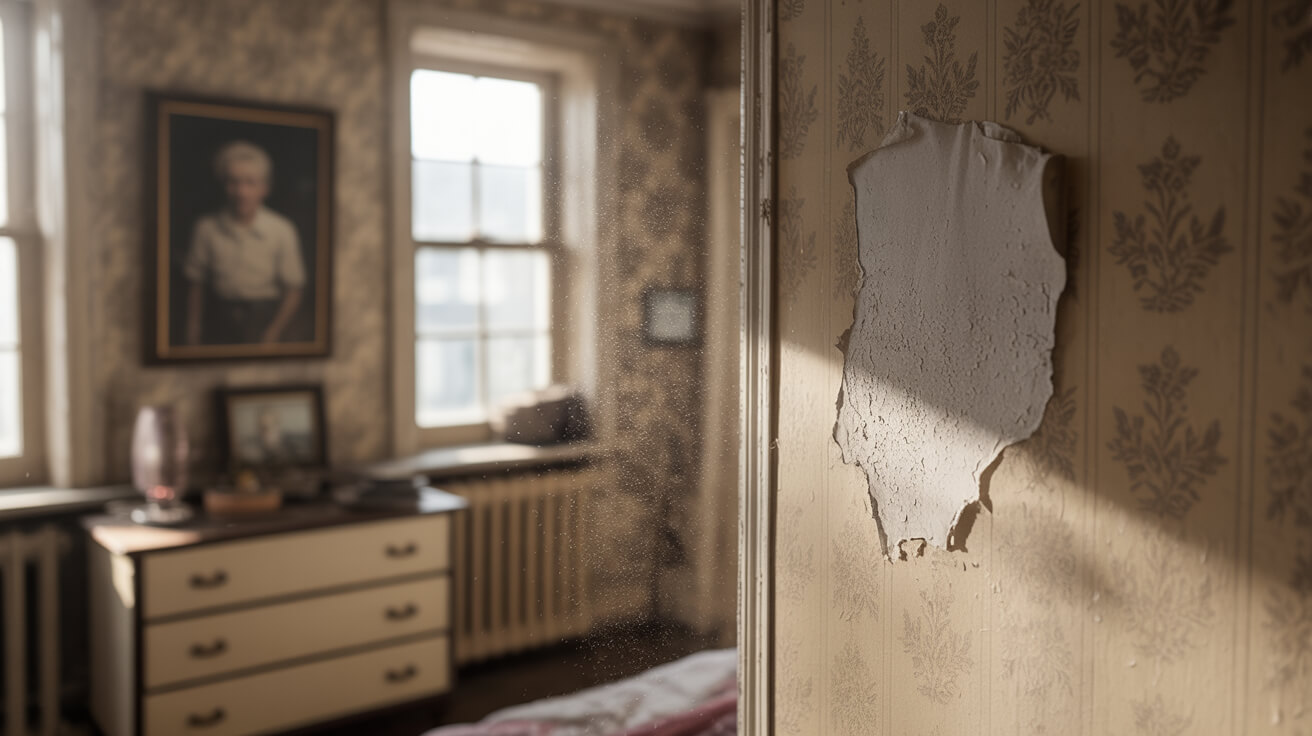
Your stone cottage isn’t just valuable—it’s irreplaceable. Every Sussex Damp Experts survey is led by accredited specialists using heritage-appropriate diagnostic tools, including salt detection, moisture mapping, high-definition thermal cameras, comprehensive photographic records, and assessments of Waterproofing systems where relevant. We specify only lime-based, reversible systems that meet modern codes and trust the old science that keeps these buildings strong.
The smartest pound you’ll spend on a stone cottage starts with a real diagnosis—one that ends the cycle, not just the symptom.
Unlike contractors who rush for tanking slurry, our process is engineered for the lifespan of your building. Clients get bespoke aftercare plans, annual maintenance guides, and urgent-call access to the people who did the work. That means confidence after the invoice and protection for your investment when questions come up—whether at sale, insurance renewal, or the next mortgage check.
Don’t gamble with off-the-shelf “solutions.” If you want your home to work with nature, not fight it—to satisfy planners and lenders while outlasting trends—start with a heritage-led strategist.
Contact Sussex Damp Experts to protect your comfort, your cottage, and the story those stone walls are still ready to tell.
Sussex Damp Experts—ensuring generations can trust the walls you’re proud to live in.
Frequently Asked Questions
What makes breathability fundamental in Sussex stone cottages—especially compared to modern waterproofing?
Breathability is your stone cottage’s built-in self-defence—a system evolved to cope with Sussex’s damp climate by letting vapour move out as easily as it comes in. Unlike new walls bundled in plastic paints or cement renders, traditional Sussex stonework depends on lime and other vapour-open materials to transfer moisture outwards, season by season. These old homes aren’t just “leaky”—they’re engineered to float above trouble, using capillary action and gentle airflow to keep mildew, rot, and frostbite at bay.
How do breathable and non-breathable materials shape your home’s future?
- Lime mortars and breathable plasters: usher out hidden damp after every downpour or cooking binge, preventing long-term decay.
- Cement, bitumen, or tanking paints: seal the wall’s surface, but trap rising damp and condensation inside. Over time, these silent build-ups unleash salt streaks, musty corners, and ruined joinery (PCA Data, 2023).
- Breathable systems also flex and “heal” small hairline cracks naturally, letting the building adapt to time and weather. Barriers, by contrast, drive cracks wider—forcing moisture sideways, not away.
Homes that exhale last centuries. Walls that sweat behind tanking tell their story when the bags of blown plaster go out the door.
Why is using the wrong system more than a technical mistake?
Sussex planning guidelines and most mortgage lenders now expect “like for like” repairs—especially if the cottage is listed or sits in a conservation area. Using cement or acrylic tanking can derail a sale, void an insurer’s payout, or trigger expensive rectification if a future surveyor flags non-breathable materials. The cost of mistake: often two or three times the original repair bill.
A breathability-first approach doesn’t just defend your home from today’s storms; it secures its value and legal standing for the long haul. That’s why Sussex Damp Experts design every job to tick lender, law, and longevity boxes right from the start.
Which hidden problems escalate when waterproofing barriers are used in old stone cottages?
The real threat of “sealing it up” is what stays locked inside—condensation, salts, and slow-burning decay. Waterproofing slurries or tanking paints sound robust, but inside a Sussex stone wall those barriers become reservoirs, not shields. Steam from cooking or showers, rising ground damp, or sideways rain finds nowhere to escape, collecting quietly until timber, plaster, and insulation begin to fail.
What’s most often overlooked when barriers are installed?
- Subsurface condensation: builds up, saturating timber lintels and floor joists—often only discovered after expensive black mould or rot has taken hold.
- Salt staining and “blown” paint: signal damp trying to escape—white fluffy blooms or flaked patches spread as water and salts fight for daylight.
- Cold spots and thermal bridges: appear where cement or bitumen “skins” force heat to leak out unevenly. These areas reach dewpoint faster after a chilly Sussex night, setting off new cycles of condensation and decay.
It’s the winter after next when you’ll spot the damage behind a ‘waterproofed’ Sussex wall—when the cracks speak louder than the claims on the bucket.
Can these hidden issues affect property value or insurance?
Surveyors and insurers are increasingly flagging non-breathable repairs as risk factors. Some lenders in Sussex specifically exclude homes where tanking or cement render has been applied without full documentation or listed-building consent (UK Finance, 2022). Later strip-outs can cost 5–10 times the original shortcut, while claims denied for “unauthorised works” or “trapped moisture” leave bills squarely with the owner.
Controlling moisture with permeable systems, rather than the wrong Waterproofing systems, means you won’t face costly reversals at resale or insurance renewal. Sussex Damp Experts only use methods that keep your wall—and your paperwork—ready for every survey and quote.
How can a Sussex stone cottage owner guarantee repairs meet legal, insurance, and heritage standards?
Compliant repairs aren’t a guessing game—they’re a carefully mapped, evidence-led process. Navigating listed status, mortgages, and damp control in Sussex stone homes means your project isn’t just about halting stains; it’s about defending your investment at every legal and planning checkpoint. Lenders, councils, and conservation officers increasingly demand photographic evidence, clear moisture reports, and certified “like for like” materials before approving works or releasing funds.
What practical steps turn a damp fix into a long-term asset?
- Specialist survey and diagnosis: Accredited heritage surveyors go further than damp-metre blips—they map salt patches, drill test for plaster decay, and trace airflow bottlenecks.
- Heritage and planning paperwork: For every listed property or conservation site, works require local authority approval (PAS2035, Building Regulations Part C, Historic England, 2023). Delaying paperwork can freeze sales or trigger legal disputes.
- Specification and quotation: Detailed documentation specifying lime or pozzolanic mortars, mineral-based paints, and vapour-open DPCs (where justified)—cement acrylics, bitumens, or tanking never make the cut.
- Full repair log: Each repair day is recorded—before and after photos, material batches, site evidence, and formal sign-off for insurers and future surveyors.
Heritage rules aren’t just box-ticking—they’re your guarantee every repair will stand scrutiny today and still be right tomorrow.
Why does specialist backing add more than peace of mind?
Without expert design and delivery, mistakes cost more every year—denied claims, failed approvals, hidden rot. Sussex Damp Experts follow systems that withstand any audit, turning your maintenance expense into an investment in saleability, comfort, and stress-free compliance.
How do you safely reverse the legacy of failed tanking, cement coating, or “damp-proof” paints in stone walls?
Undoing past “solutions” takes more than chipping off surface layers. Once walls have lost their breath, damp accumulates deep inside, and simply removing the visual clues often also uncovers surprises—salts, mould, timber rot. Correcting these mistakes means planning each step: diagnosis, careful exposure, compatible repairs, and patient monitoring.
What unmistakable signs betray past non-breathable errors?
- Salt explosions: White crusts and crumbly, “bubbly” patches are the calling card of damp salts forced forward by cement or bitumen layers.
- Delamination and “drumminess”: Hollow-sounding plaster, or sheets of paint that peel by the handful, betray hidden water pressure and breakaway.
- Mould trails: Persistent spots or clouds of black mould along skirtings, sills, or wall joins flag condensation flashpoints.
- Sudden timber failures: Skirting boards, joists, or architraves softening or warping years after tanking are classic “caught too late” symptoms.
What does a safe and lasting reversal require?
- Strip out all non-breathable layers—even at the cost of temporary mess or disruption—down to the bare stone.
- Prioritise root-cause fixes: solve drainage, blocked gutters, or ventilation errors before even considering re-plastering.
- Use lime- or heritage-matched plasters and renders, aligned with local surveyor and conservation expectations.
- Only after salt and moisture mapping consider new DPCs or specialist treatments—never as a catch-all “fix.”
- Log and photograph each phase to supply evidence for lenders and insurers and to avoid repeat mistakes.
Each centimetre of tanking you remove is an investment in your home’s life expectancy—cheap shortcuts always come due in the end.
Breathable reversal protects your walls, your stake in heritage, and your ability to sell or insure tomorrow. Sussex Damp Experts manage the entire process from survey to sign-off, using breathable plasters: ushering your cottage’s “breath” safely into the next generation.
What damp proofing techniques truly respect Sussex stonework while satisfying heritage and lender rules?
Heritage-legal repairs blend old wisdom with new science; they aren’t about “blocking” water but letting the wall operate as designed. Techniques must be reversible, vapour-permeable, and mapped to each building’s chemistry. Mortgages and insurance increasingly depend on proof of these choices—not product labels.
Which solutions are genuinely heritage-safe and survey-friendly?
- Lime mortars, plasters, and breathable grouts: serve as building “lungs,” flexing with temperature and settling but never sealing in trouble.
- Mineral and silicate-based paints: allow vapour flow, avoiding “skin-like” failures, and can be removed or touched up without full strip-out.
- Selective, diagnosis-driven DPC creams: (where rising damp is clear and the survey backs it) chosen for their vapour resistance and minimal chemical load.
- Hybrid or context-blended specs: for junctions between new and old work, ensuring the heritage side always stays vapour-open.
- Pozzolanic limes: to neutralise aggressive salts—often specified after a coastal or barn survey where groundwater is a factor.
How do these techniques satisfy lenders and local authorities?
By pairing a documented survey and a line-by-line repair log with all warranty and insurance paperwork, you tick every compliance box and build a foundation for easy future transfers or claims. Avoiding cement and tanking is not just tradition—it’s enforceable by planning and insurance alike.
Compatibility means matching your walls’ rhythm, not smothering it with chemical force.
Sussex Damp Experts stay at the forefront of tested, compliant systems, ensuring every method meets heritage and modern-day test alike—so you never have to wonder if a fix will pass the next survey or last the next fifty years.
How does Sussex Damp Experts deliver solutions that are legal, durable, and respected by surveyors and insurers?
From your first call, you’re treated to a technical, step-by-step approach rooted in both heritage law and forensic building science. Every case is assessed from site visit through to aftercare, with transparent reports and planning submissions to back you up at every turn. Sussex Damp Experts act as system builders, not patchers—guiding every detail so your home remains market-ready, insurable, and free to “breathe” well into the next century.
What adds value compared to a general contractor?
- Root-cause forensic diagnosis: —using borescope, moisture mapping, and salt analysis to chart every risk, with a client report to match.
- Every repair mapped to law and lender: —with compliant materials, photographs, and legal paperwork ready for sale, insurance, or council review.
- Material selection for durability: —nothing is used “off a shelf.” Only materials proven compatible by lab and trusted in Sussex heritage cases reach your walls.
- Full transparency for all stakeholders: —from estate agent to local council, every phase and proof is documented, providing comfort at sale, inspection, or claim.
- Custom aftercare: —annual checks, seasonal reminders, and practical care guides stop little lapses growing into regret.
Solutions aren’t truly secure until they’re backed by law, proven in stone, and logged for any eyes that need to see them.
If you want to defend your home’s value, smooth every survey, and sleep easy each year, put it in the hands of specialists who treat Sussex stone like the living system it is. Sussex Damp Experts stand with you all the way—from first site to final warranty and beyond.

