
 By
By  September 25, 2024

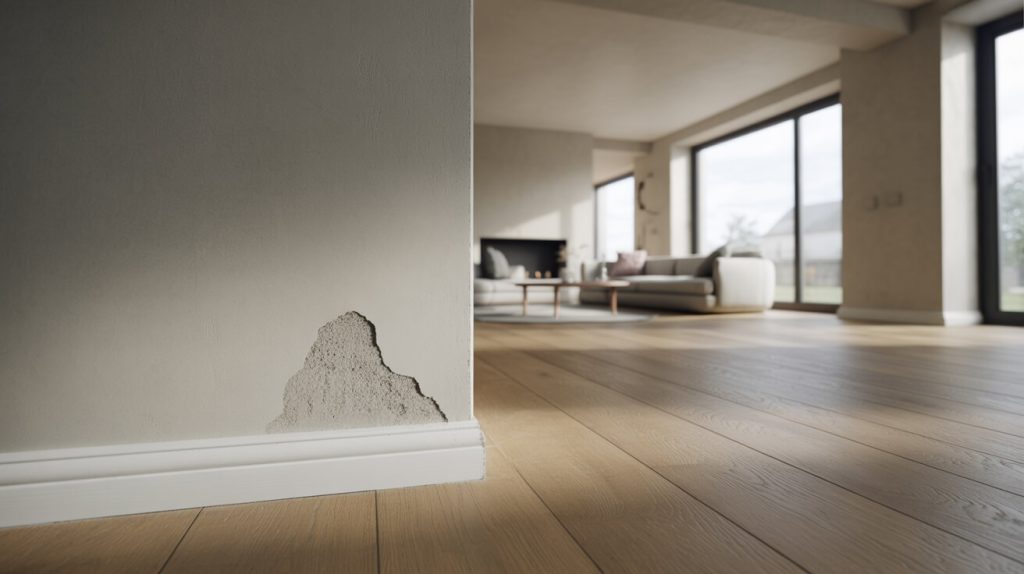
Safeguard Every Property — Unmask and Defeat Timber Rot
Unseen Threats to Your Home’s Integrity
Timber decay isn’t a cosmetic inconvenience; it silently challenges the very foundation of your property’s value, safety, and regulatory standing. Delay in identifying underlying dry rot or wet rot transforms manageable repairs into disputes with tenants, surprise hits to your equity during a sale, or compliance failures that landlords, agents, or listed property custodians cannot afford.
You want more than a reactive fix—you require an approach that preserves your reputation, reduces unexpected costs, and strengthens every audit trail. Our services at Sussex Damp Experts are engineered to restore certainty by surfacing threats early, supplying transparent assessment, and equipping you with actionable knowledge to control outcomes.
Real asset protection begins before you see damage—never after.
Key reasons to act now:
- Avoid hidden devaluation: Early decay may invisibly impact property value and saleability.
- Proactive compliance: Timely risk assessment reduces legal exposure for landlords and property managers.
- Health and liability: Undiagnosed rot contributes to health hazards, escalating claims and tenant turnover.
- Preserve heritage: Modern mistakes ruin irreplaceable listed and historic features—correct analysis means conserving value.
You don’t need to wait for buyer panic, council notice, or tenant complaints to prioritise your home’s structural health. Booking a rot survey is a decisive measure, protecting your investment and legal position—making you the steward every property strives to have.
Why Dry Rot and Wet Rot Require Distinct Tactics—The Diagnostic Divide

What Defines Dry Rot vs Wet Rot (and Why Does it Matter?)
Not all rot is created equal, and mistaking one for the other is the fastest path to wasted spend, project delays, or even failed sales. Dry rot, caused predominantly by Serpula lacrymans, acts with stealth—capable of leapfrogging through masonry or voids, often discovered only after years of degradation. Wet rot’s various species (such as Coniophora puteana) act locally but destroy any timber left in persistent damp.
Table: Key Differences – Dry Rot vs Wet Rot
| Trait | Dry Rot | Wet Rot |
|---|---|---|
| Spread | Extensive (through masonry) | Localised (area of moisture) |
| Visual Signs | Mycelium, cube cracks, fruiting | Softening, discoloration, damp |
| Time to Act | Early detection is vital | Detection = targeted response |
| Compliance Risk | Survey flags, mortgage denial | Rental compliance, repair cycle |
Understanding which fungal enemy you’re battling shapes every repair, warranty, and compliance decision. Our downloadable Symptom Comparison Chart guides you visually—equipping you to distinguish, document, and escalate appropriately. When you take diagnosis seriously, you send a strong signal to buyers, tenants, and stakeholders that your property’s health is not left to chance.
Spotting the First Signs—How to Detect Timber Rot Before It Escalates

What Are the Early Visual and Physical Indicators?
Missed decay isn’t due to carelessness; it’s because early indicators masquerade as harmless stains, persistent odours, or paint flaws. Homeowners, landlords, and agents can reliably pursue early detection if they understand how the evidence presents beneath the surface.
Checklist for Early Detection:
- Unexplained mustiness, particularly at floor level or near baseboards
- Cuboidal cracking or blocks in wood surface
- Damp or spongy patches, visible on skirting or floorboards
- Persistent paint bubbling or peeling, even on “freshly” repaired areas
- Discovery of a cotton-like, white or grey mat under carpets, in crawlspaces, or behind panelling
The most expensive rot starts with the smell you nearly explain away.
Knowing when to escalate from DIY checks to professional assessment is an operational advantage. With our interactive Rot Diagnostic Quiz, you get real-time, actionable direction tailored to your risk and occupancy profile. Empower yourself to act before structural loss, compliance penalties, or sale delays set in.
The Indispensable Value of a Professional Rot Diagnosis

When Do You Need a Certified Survey for Timber Rot?
A surveyor’s report is not simply a formality—it’s the evidence that unlocks insurance, clears compliance, and builds confidence during sales or letting. Sussex Damp Experts deliver more than an inspection; you gain BS6576 and PAS2035 protocol-compliant analysis, photographic documentation, and regulatory-grade reporting trusted by mortgage lenders and councils alike.
What Sets Our Survey Process Apart?
- Legal and mortgage documentation, formatted for fast stakeholder review
- Impartial investigation—never skewed by sales motives
- Heritage and retrofit proficiency—minimising intervention on sensitive sites
- Proof in every report—no guesswork, just actionable findings
Seeking a certified survey today provides you with actionable leverage—protecting you against future disputes, rental voids, or insurance claim denials. Request your documented site analysis and experience the difference a compliant, expert-led diagnosis provides.
From Source to Solution—Where Timber Rot Really Begins

Why Do Some Buildings Face Ongoing Decay Despite Past Repairs?
Most owners and managers address symptoms, not origins. Damp often travels from multiple sources: leaky pipes, defective DPCs, roof penetration, or even non-breathable “repairs” using modern materials on heritage fabric. Without tracing these origins, any patch is temporary and likely to recur at the worst time—during a sale, audit, or complaint investigation.
Common Origin Points by Building Type:
| Property Style | Typical Failure Points |
|---|---|
| Victorian/Edwardian | Wall penetration, rising damp, old mortar |
| Modern Construction | Flat roof seals, balcony leaks, HVAC issues |
| Heritage/Listed | Incompatible cement, buried joinery, voids |
| Multi-Unit/Commercial | Underfloor plumbing, communal risers, plant |
Our targeted risk assessments connect the dots—helping you not only resolve active threats but prevent new cycles of repair or legal frustration. Receive a comprehensive risk plan that addresses your property’s unique context.
On Remediation—Turning Emergency Into Confidence

What’s the Complete, Gaps-Free Path Back to Safety?
When you’re alerted to rot by insurance, tenant, or survey, there is a precise, science-backed remediation flow. Sussex Damp Experts own the full stack: confirm, isolate, remediate, document, and guarantee. This keeps you out of the reactive spiral of patchwork and recurring structural jeopardies.
Step-by-Step Remediation:
- Surveyor-confirmed diagnosis
- Isolation and safe disposal of all infested timber/materials
- Permanent resolution of all moisture sources
- Fungicidal and moisture barrier installation as per substrate compatibility
- Restoration with appropriate, regulated materials
- Detailed aftercare schedule and guarantee issuance
Shortcuts in remediation are always revealed by the next specialist, adjuster, or asset manager on site.
Reliability means knowing your remediation is as strong as the survey and certification behind it. For buyers, landlords, and heritage owners, immediate, compliant intervention is the leadership standard.
Preventing Future Rot—Inspection, Monitoring, and Legal Readiness
How Does Ongoing Monitoring and Scheduled Assessment Give You Control?
For most property stewards, scheduled monitoring is the only way to guarantee legal compliance and asset resilience. Landlords and agents face particular risks if the paperwork slips: HHSRS or insurance investigations require a paper trail; planned checks stop issues from growing silently between tenancies or visits.
Embedded Prevention Cycle
- Digital inspection schedules synced to letting/occupancy cycles
- Smart moisture and humidity sensors for high-risk or inaccessible zones
- Regular breathability and building compatibility checks in period or retrofitted properties
- Warranty and insurance monitoring—avoiding compliance gaps
Documented diligence is the strongest insulation against regulatory or sale interruption.
By enrolling your site or portfolio in a maintenance and monitoring track, you gain a strategic edge—risk is forecasted, downtime minimised, reputation protected across all property cycles.
Assume the Role of Trusted Steward—Action Starts Here
Stewardship is a reputation, not a role: decisive, careful, and future-facing. Whether you own, manage, or protect residential, rental, heritage, or multi-unit buildings, every question asked and action taken about rot strengthens your position as the stakeholder clients, tenants, and buyers want at the helm.
You’re not trusting fate with your asset—you’re engineering its future. Sussex Damp Experts exists to secure that advantage. Take the next step and become the guardian whose decisions survive the next audit, sale, tenant query, or compliance review.
Frequently Asked Questions
How do you reliably distinguish dry rot from wet rot, and why is an accurate diagnosis the starting point for every property decision?
Correctly telling dry rot and wet rot apart is the difference between a property quietly holding its value and one spiralling into hidden expense. Dry rot (Serpula lacrymans) is notorious for covertly invading structures—crossing brick, plaster, and timber behind the scenes—whereas wet rot clings to persistently damp timber, often visible in windows, bathrooms, or basements.
Key Indicators
| Feature | Dry Rot | Wet Rot |
|---|---|---|
| Spread potential | Wide, can pass through masonry | Localised to moisture |
| Visual clues | White/grey mycelium, deep cube cracks | Darkening, softened wood |
| Scent | Earthy, mushroom-intensive | Less pronounced |
| Structural risk | Major, hidden, sale-blocking | Predictable, local fix |
When your home signals musty odour, cuboidal cracking, or unexplained deterioration, you’re at a fork: staying on top of the evidence avoids the domino effect—failed surveys, rising bills, or insurance dispute. Miss the signs, and you might end up patching symptoms instead of the cause, or worse, voiding warranties.
Sussex Damp Experts taper every survey and treatment plan for the problem you actually have—backed by PCA certification and data-rich diagnostics—so your investment is protected from root to roofline.
Most property regret begins with a diagnosis done in haste or hope. Ownership starts with silent facts surfaced.
What’s the cost of ignoring faint signs of rot, mould, or persistent damp patches?
Small signals hold the biggest costs when they’re dismissed. Most home crises—joists rotted beneath perfect flooring, sales collapsed due to a positive rot test, tenancies lost to HHSRS non-compliance—trace back to a choice: delay (“let’s see if it gets worse”) or acting swiftly with a professional eye.
Real World Escalation Path:
- Musty patches → Wood softening → Paint flakes → Structural decay:
- Survey flags → Insurance claim disputes → Failed sale/tenancy → Legal liability:
Put bluntly: property rot compounds while you hesitate. What seems minor can mask years of hidden advance behind panelling and subfloors, escaping DIY remedies until your lender, insurer, or a council officer asks for answers.
Landlords and asset managers face not just repair costs but regulatory penalties and void periods. Homebuyers and sellers may feel their transaction fall apart overnight with a single missed clue.
Bringing in Sussex Damp Experts for early diagnosis transforms “not sure yet” into an asset that’s always ready for audit, sale, or tenant move-in. The true cost isn’t the survey—it’s the time, reputation, and capital a late intervention will always demand.
Can honest DIY checks and hardware-store metres replace a professional rot survey for compliance or insurance?
DIY tools are a fine start for proactive owners: poking wood, sniffing suspicious odours, reacting to paint peel or damp streaks. Yet, amateur tools and protocols reveal a fraction of the threat and cannot satisfy mortgage lenders, insurers, or statutory authorities.
Professional surveys by Sussex Damp Experts combine moisture gradient mapping, salt analysis, and forensic substrate reading. Reports tie into BS6576, PAS2035, and TrustMark protocols—compliance and risk transfer by design.
| Self-check limits | What professionals provide |
|---|---|
| Subjective, surface | Data-backed diagnosis |
| Misses hidden substrates | Confirms spread and cause |
| No compliance value | Accepted for insurance/sale/dispute |
If you own multi-unit, historic, or asset-rich property—or manage for others—only an expert-led diagnosis will stand up under real scrutiny. DIY is for peace of mind; professional proof is for value retention and risk insulation in every audit or sale.
What must change after treatment to break the cycle of recurring rot, especially in older or complex buildings?
Solving rot is not about erasing symptoms, not origins. Damp conditions in the substrate must be corrected if decay is to be stopped at its source. Across thousands of failed “fixes,” one lesson is constant: patching without removing underlying damp only defers the next crisis. This matters doubly for heritage estates with breathable walls or listed structures that fail with the wrong materials.
Durable Protection Protocol:
- Neutralise every moisture origin (pipes, runoff, condensation, guttering)
- Choose remedy materials that allow walls and substrates to “breathe” (lime plaster, correct membranes)
- Monitor at risk zones with annual inspections—track repairs not with hope, but data
- Retain warranties and aftercare documentation for every intervention
Relying only on initial work, or omitting ongoing tracking, guarantees repeat disruption. Sussex Damp Experts design maintenance plans generationally—combining digital moisture logs, periodic site audits, and substrate-appropriate aftercare so every fix lasts and aligns with property value growth, not just crisis control.
What documentation, legal assurance, or evidence actually matters to insurers, lenders, and councils in rot remediation?
Insurers don’t pay on good faith, lenders don’t mortgage on hope, and local authorities don’t accept DIY word-of-mouth. They require traceable, compliant, professional evidence: surveyor’s reports, treatment maps, warranties tied to standards like BS6576 or PAS2035, and aftercare logs.
What sets a property’s record apart?
- Third-party surveys accepted by lenders, councils, and claims assessors
- Treatment logs, mapped and timestamped with before/after data
- Warranty certificates (10–20 years) matching works to original problem
- Annual check documentation, especially vital for landlords and historic portfolios
Relying on “cheap and cheerful” fixes or incomplete paperwork simply leaves you vulnerable to dispute, delayed sales, or premium hikes. Sussex Damp Experts’ process leaves you with audit-ready, dispute-resilient, and value-protective documentation, so future doubts or audits become a source of “prove it” pride, not panic.
Why are specialist surveys and unbiased remediation essential for serious property stewards and institutional managers?
Shortcuts in damp proofing or rot control eventually surface—sometimes under a new owner’s forensic survey, a tenant’s lawyer, or a buyer’s specialist. Expertise is more than a higher invoice; it’s a chain of custody on your property’s value, readiness, and compliance.
- Expertise assures lenders, underwriters, and councils; you’re not at the mercy of rejection or dispute.
- Independent remediation prevents profit-driven misreporting and delivers traceable, lifetime asset protection.
- Stakeholder confidence—that owners, buyers, tenants, and managers want—flows from documented, professional oversight, not “handyman” guesswork.
Choosing Sussex Damp Experts signals to every stakeholder that you care deeply about the lifespan of your property, your reputation in every transaction, and your absolute confidence in the state of your portfolio. That’s asset control. That’s proving you value your asset enough to protect it the way a true owner or steward would.

