
 By
By  May 29, 2022

What Is Damp Proof Plasterboard? Defining Its Role in Building Protection and Compliance
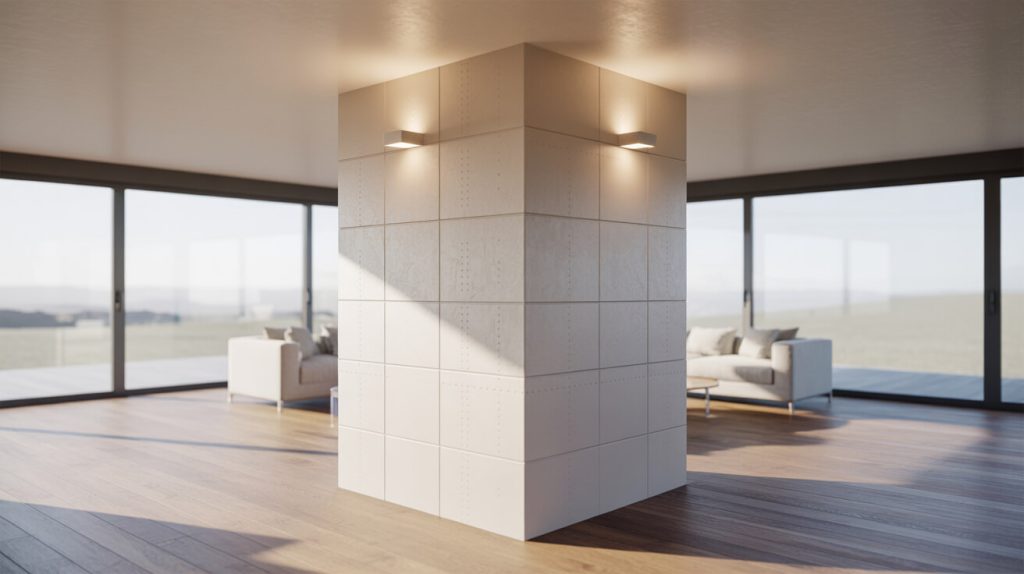
Every property faces the gradual advance of moisture—often invisible, always persistent. Damp proof plasterboard is engineered to stop that cycle of unseen absorption and visible damage, because Quick Fixes Fail when moisture is allowed to linger within walls and surfaces. This board integrates hydrophobic core additives and sealed surfaces, built for the realities of UK homes: condensation from showers, drips behind kitchen cabinets, or ambient damp in a Victorian basement.
The meaningful difference compared to standard plasterboard is that moisture is repelled, not drawn in. By embedding waterproofing at a structural level, the board maintains its load-bearing and decorative properties years after standard boards would have warped, bred mould, or failed a lender’s inspection.
How Does Damp Proof Plasterboard Differ From Ordinary Boards?
Standard boards, common in older UK homes, rely on a porous paper and gypsum matrix. This makes them vulnerable to humidity spikes, hidden pipe leaks, or thermal bridging that leads to “cold wall” condensation. Damp proof versions use:
- Water-repellent additives: In both the gypsum core and liner.
- Selective vapour resistance: Many advanced products incorporate films or coatings.
- Joint and edge sealing: Preventing weaknesses at the interfaces—critical for compliance.
Fast Facts
| Feature | Standard Plasterboard | Damp Proof Plasterboard |
|---|---|---|
| Moisture resistance | Low | High (hydrophobic core/liner) |
| Building regs compliance | Wet rooms: No | Wet rooms: Yes |
| Longevity in damp zones | 3–8 years (typical) | 12–20+ years |
When Is This Material Required?
Regulations such as BS EN 520 and Building Regs Part C make it mandatory in any space with persistent humidity or water exposure. Even outside these hotspots, modern surveyors and agents look for evidence that properties—especially rentals and heritage refits—don’t cut corners on moisture management.
Brand Proof
Our installations at Sussex Damp Experts are certified to meet or exceed the required specifications, safeguarding both new and heritage properties from recurrent moisture risks.
Why Do Building Regulations and Surveyors Mandate Moisture-Resistant Solutions?
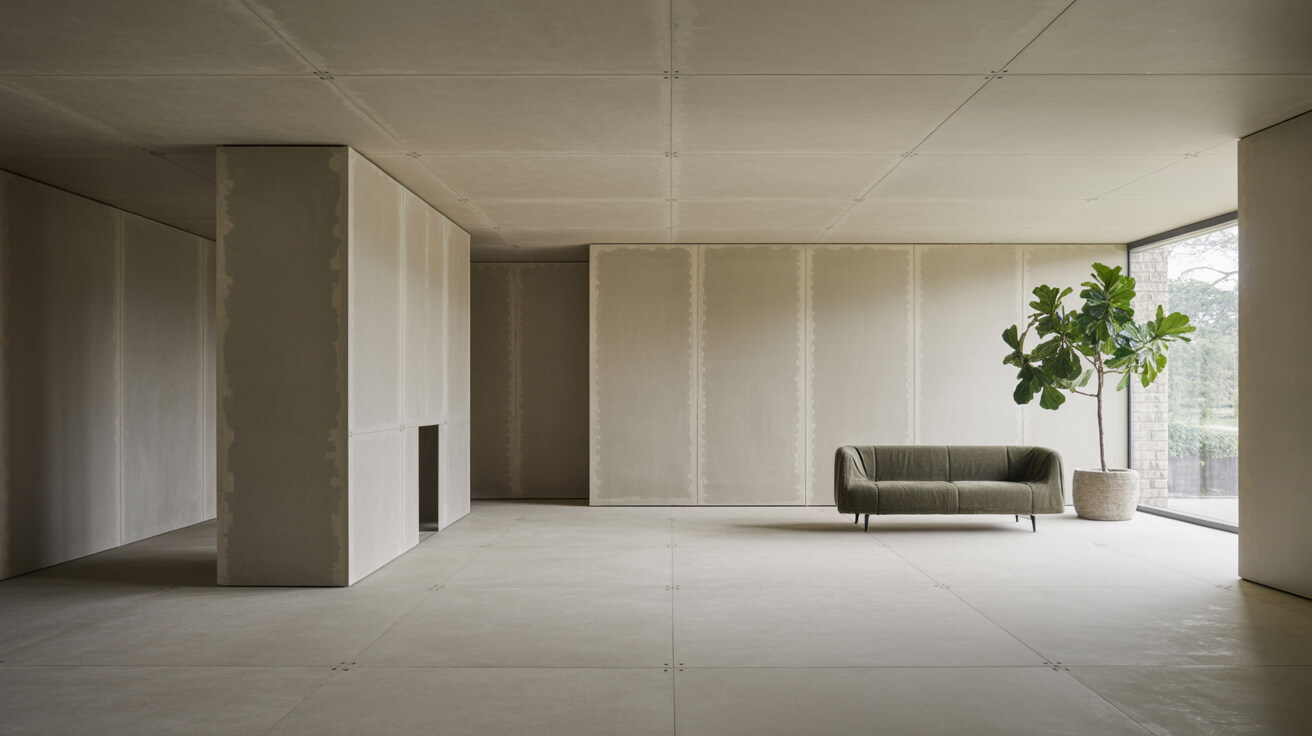
Moisture control is now hardwired into UK property law, insurance underwriting, and lending practice. The history: repairs cut short, health claims from tenant exposure, and avoidable property devaluations.
Building Regulations Part C requires material evidence of adequate moisture resistance in areas subject to condensation, surface water, or rising damp. BS EN 520 stipulates both lab and field performance for plasterboard sold as “moisture-resistant.” HHSRS and local authority enforcement have made it routine for agent-managed or landlord portfolios to be reviewed for damp-related defects and remedial compliance.
What Does Non-Compliance Actually Risk?
Properties failing the standard:
- Rental market exclusion or mandatory improvement notices (HHSRS checks):
- Mortgage delays or value downgrades (surveyor flagged reports):
- Refusal of insurance cover, especially after repeated claims:
- Legal exposure for missed health or safety obligations:
Compliance is more than an audit checkbox—it’s a proven safeguard against hidden repair costs and unwanted disputes.
Real-World Examples
A letting agent in Brighton struggled for months to lease a period property after consecutive surveyors flagged untreated wallboard in the bathroom, leaving the owner with loss of income and forced upgrades. A commercial premises in Worthing had insurance reduced after a minor leak revealed that reconstructed partitions used ordinary board, not moisture-rated replacement—forcing a costly rebuild.
Frontline Guidance
Regulatory clarity means that even a well-presented property is at risk if its core defence against damp isn’t physically sound, attested, and documented. Your expertise—or the partnership you choose—determines whether issues are resolved before or after legal paperwork lands.
Where Should Damp Proof Plasterboard Be Installed for Code and Market Protection?

The true cost of moisture often starts with coverage gaps, not visible faults. While it’s instinctive to focus only on the “wettest” rooms, modern inspection uncovers far more nuance.
Room-by-Room Analysis: Where Risks Lurk
- Bathrooms/Wet Rooms: Full ceiling and wall coverage, including behind fitments and tiles.
- Kitchens: Backsplashes, sink and cooker zones (where pipes or steam meet cold surfaces).
- Utility/Boiler Rooms: Surrounds to water tanks, heaters, or laundry installations.
- Basements and Cellars: Full perimeter and any new partitions—especially on external-facing or underground walls.
- Heritage/Listed Walls: Lime or solid walls adjacent to changing heating conditions.
Installation Risk Table
| Area | Moisture Threat Level | Required Approach | Omission Risk |
|---|---|---|---|
| Shower/Bathroom | Extreme | Damp proof + sealed joints | Survey fail, mould, lasting odour |
| Kitchen | Moderate–high | At sink, hob, external walls | Peeling, embedded rot |
| Utility/Boiler | High | Full board, edge seal | Hidden decay, energy inefficiency |
| Basement/Cellar | Severe | Dual-layer, compatible membrane | Devaluation, resale challenge |
Where Mistakes Happen
Even small project oversights—like leaving a single cold spot unprotected, or misjudging the risk where pipes run in shared walls—create fault lines a surveyor or compliance officer will spot.
Proactive Installation Mapping
Sussex Damp Experts conduct site-specific audits for optimal moisture management. This means no underserved corners, no risk to your compliance status, and a clear file ready if you ever sell, rent, or renew insurance.
How Does Damp Proof Plasterboard Work to Prevent Costly Moisture Problems?
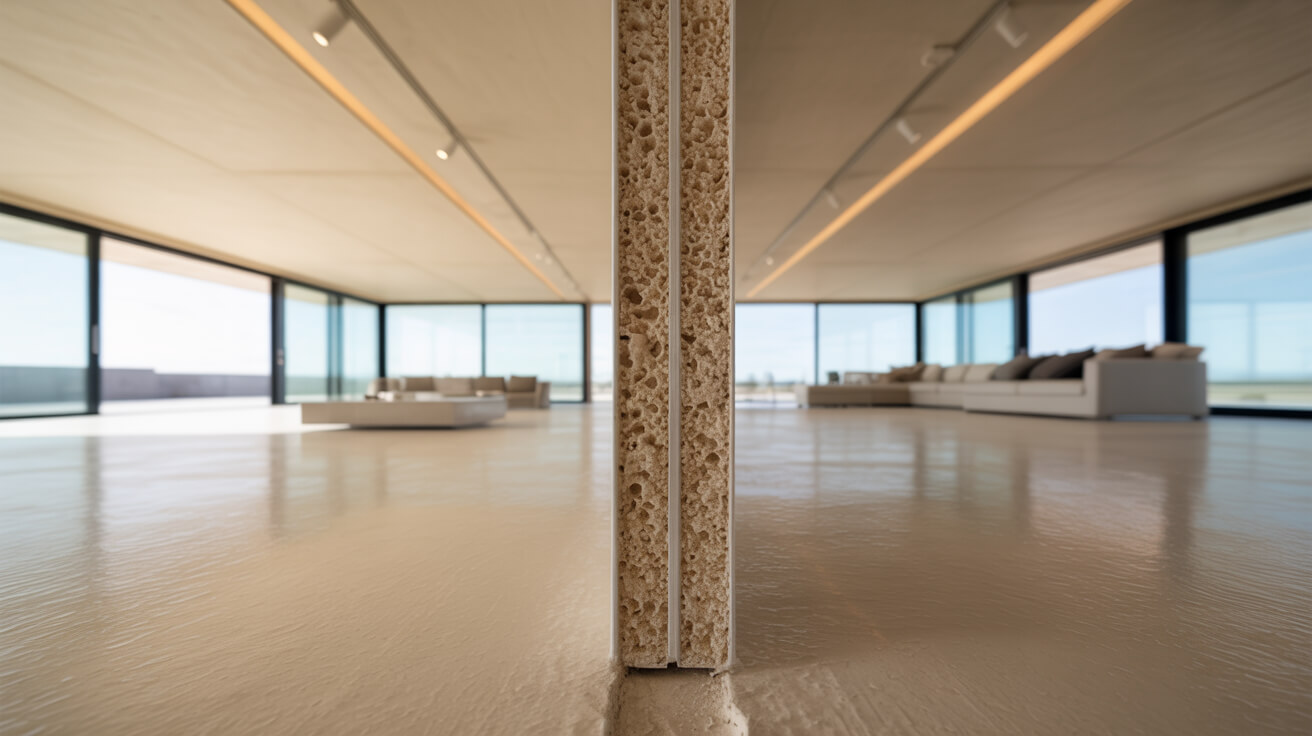
Damp proof plasterboard isn’t just a label—it’s a material science upgrade. Behind its performance are several engineered layers, each stopping moisture at a different point before it harms structure or finish.
Core Material Science
- Gypsum matrix: is treated with water-repellent admixtures.
- Facing paper: is upgraded to resist vapour, and in advanced models, to include foil backing.
- Board edges are especially sealed, preventing unseen ingress where ordinary products fail.
Joint, Edge, and Penetration Strategy
The weakest points are always at seams or equipment cutouts. Careful use of waterproof jointing tape and vapour-resistant compound is essential. For higher-risk sites (cellars, commercial kitchens), vapour barrier films may sit between substrate and board, halting capillary ingress entirely.
Demonstrating Effectiveness
- Boards are rated on “water absorption after 2 hours”: MR types (moisture resistant) must meet strict thresholds (e.g., ≤ 10% vs ≥35% for standard).
- Real property audits show that installations following full MR guidelines last over 15 years without value loss or surveyor objection.
Visualising the Protection
Imagine a wall as a layered defence: the substrate is your first shield, the board itself is secondary, and the joints and finishes close the gaps. Only when all are properly specified does the system achieve its purpose, which is why dampness treatment must address every layer rather than the board alone. Sussex Damp Experts oversee every phase, from prep to testing, ensuring no leak in your chain of defence.
What Are the Certified Steps for Damp Proof Plasterboard Installation?

Proper installation is a process, not an event. Errors here void product warranties, undermine safety, and often trigger the expense of starting over.
Step-by-Step Process
- Pre-instal Dryness Audit: Use moisture metres to detect hidden problems; remediate as needed.
- Prepare Substrate: Strip all non-rated, flaking, or contaminated layers. Prime as required by board spec.
- Accurate Cut and Fit: Size boards tight at corners and difficult angles, minimising exposed seams.
- Approved Fixing and Adhesive: Mechanical (screws, proprietary plug types) or chemical (MR-rated dot-and-dab adhesive) as context demands.
- Seam + Penetration Sealing: Overlap and embed specialist MR tape, seal cutouts for pipes and wiring.
- Surface Finishing: MR primer, vapour-check as required; finish with compatible paint or finish for the environment.
Common Errors to Avoid
- Skipping the substrate moisture check.
- Improper tape overlap at seams—most failures begin here.
- Using standard filler or joint compound instead of MR-rated.
Timeline and Verification
The process is often completed within 1–3 days, depending on coverage. Sussex Damp Experts support every step—not only with certified installers, but with clear compliance documentation you can present to any surveyor or local authority.
Why Is Specialist Damp Proofing Essential for Heritage and Listed Buildings?
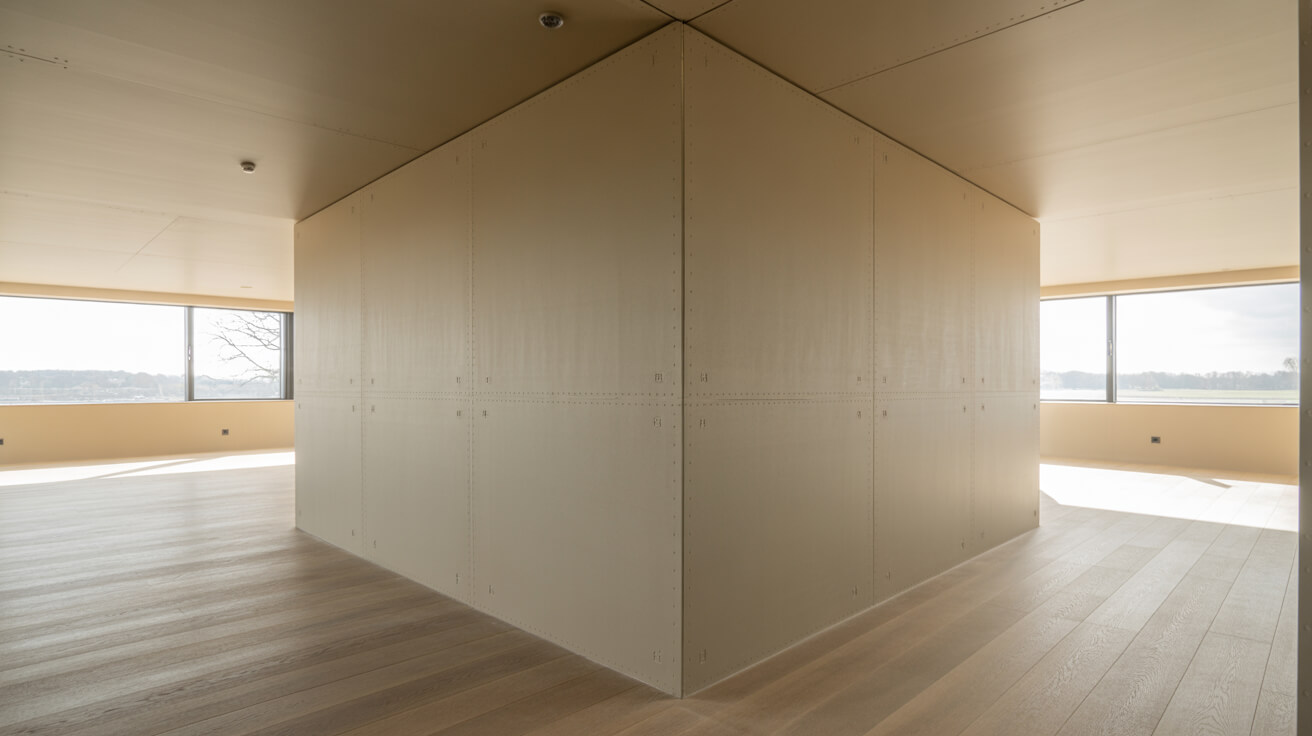
Heritage and listed buildings combine value, risk, and regulatory scrutiny. Their traditional materials—solid brick, stone, lime plasters—breathe and move differently than drywall. That makes moisture management uniquely challenging: ordinary tanking and generic boards trap water, ultimately damaging both finishes and underlying structure.
Distinct Compliance Needs
Local authorities and conservation officers require damp proofing that is:
- Breathable: Respects the movement of moisture through old substrates.
- Reversible: Allows for future alterations or upgrades without damaging original fabric.
- Documented: Evidence for each intervention, ready for mortgage checks and insurance.
Experience is Proof of Value
| Heritage Challenge | Ordinary Solution | Specialist MR System |
|---|---|---|
| Moisture entrapment | Foil/Tanking blocks | Lime-friendly MR board combo |
| Conservation consent | Often missed | Fully documented, reviewed |
| Value retention | High risk | Protected, insurance-backed |
Avoid Future Regret
Misspecifying materials in heritage settings increases both insurance risk and audit failure. Sussex Damp Experts provide heritage-specific audits, optimal MR board specification, and tailored documentation for listed consent and sale/rental proof.
Can Improper Plasterboard Selection Jeopardise Health, Compliance, and Investment?

Selecting the wrong wallboard rarely becomes visible in the first year. Health complaints, surveyor downgrades, or insurance queries usually arrive long after—with costs that are always higher than doing it right the first time.
Direct Risks to Watch
- Mould Growth: Exacerbates asthma, allergies, and costly decay.
- Regulatory Violation: HHSRS inspections, lending, and insurance criteria.
- Financial Loss: Lower lettings/sale value, insurance voids, remedial outlay.
Scenario Table
| Consequence | Preventable With MR Board | Typical Cost if Missed |
|---|---|---|
| Mould-related tenant claim | Yes | £1,200–£5,000 |
| Failed lending inspection | Yes | Sale lost/lease voided |
| Insurer claim refusal | Yes | Up to full cost of rebuild |
You can always pay to undo a mistake. The only thing you can’t get back is trust.
Preventative Proof With Professional Guidance
Independent data and our own property records show that specifying proper MR boards close the gap on most compliance failures before they ever arise. The right instal means peace of mind—today and whenever your property comes under review.
Book Your Free Consultation With Sussex Damp Experts Today
Making the right decision about damp control is the difference between lifetime confidence and recurring regret. Sussex Damp Experts provide property audits, compliance-grade installation, and heritage-sensitive solutions, supported by informed dampness treatment where required. These help ensure your property—whether a family home, rental asset, or historic building—remains safe, compliant, and valued.
Contact us to secure your property’s future—your first step toward lasting, documented peace of mind starts now.
Frequently Asked Questions
What Is Damp Proof Plasterboard, and Why Is It a Non-Negotiable in Moisture-Prone Spaces?
Damp proof plasterboard is engineered to resist the persistent attack of moisture, making it a foundational control layer for any property facing humidity, leaks, or condensation. Rather than relying on surface treatments such as damp proof wallpaper to hide damage until it demands expensive remedial work, this material stops water at the surface, preserving structure and air quality in every bathroom, kitchen, and below-ground space.
Why Does Standard Board Fail Where Moisture Is Present?
Conventional plasterboard draws in water, creating a perfect vector for black mould, loss of insulation efficacy, and structural decay. Hidden rot or “musty” air is rarely due to large leaks—more often, it’s the routine migration of vapour, ignored until stains or survey flags force a rethink. Moisture-resistant boards prevent these invisible threats from ever starting, acting as both a legal and practical upgrade.
- Embedded waterproofing agents in the core and liner prevent absorption.
- Surface seals block slow vapour ingress that degrades decor and building fabric.
- Many variants now include vapour barriers for extra defence where rainfall, condensation, or plumbing faults strike.
Regulatory Guidance & Proof
UK Building Regulations (BS EN 520, Part C) now make this a requirement in all wet areas, and surveyors are trained to call out standard board usage in compliance-critical rooms. This is not overkill—it’s documented risk removal.
Consequence-Oriented Perspective
Landlords, homeowners, and agents who specify proper board see fewer recurring repair cycles, get better valuation scores, and avoid insurance or regulatory disputes before they can begin. Waiting for evidence means letting avoidable problems multiply behind the scenes.
Why Do Regulations and Professionals Now Require Moisture-Resistant Solutions in Key Rooms?
Property law, lending, and statutory repair mandates have stiffened because basic construction no longer matches the way we use and heat homes. Legislation such as HHSRS for rentals, lender mortgage clauses, and new build compliance all explicitly require verified moisture barriers—in short, standard plasterboard is rarely defensible.
What Happens When You Ignore This Standard?
Surveyors increasingly mark properties “at risk” if the wrong material is spotted in wet zones—delaying completion, rental, or refinancing. Recurring insurance claims are often denied where “good enough” board absorbed moisture, and tenant law now enables escalation for black mould or damp as ‘unfit for habitation’.
Enforcement snapshot:
| Zone | Standard Board | Damp Proof Required |
|---|---|---|
| Bathroom Walls | Fails survey | Passes (BS EN 520) |
| Basement Ceilings | No compliance | Insurable, survey-ready |
| Kitchen Splash | Frequent decay | Long-life, cleanable |
- Surveys and compliance audits are no longer pass/fail—they’re a trajectory for your asset’s value and appeal.
- Landlords and professionals increasingly require documentation and photographic evidence that every vulnerable room is watertight at the board level.
The Sussex Damp Experts Standard
Selecting the right board is only half the answer. Traceable, standards-backed installation elevates your project from “repair-prone” to “asset-class”, cementing trust with surveyors, insurers, and tenants before a problem can arise.
Where Are the Overlooked Damp Risks—and How Does Installation Placement Dictate Asset Longevity?
You should never assume all risk lives in the obvious places. The true cost of using the wrong boards sits in hidden moisture tracks—under tiles, behind units, at window junctions—where ordinary products fail without visible warning, proving that Quick Fixes Fail. Most damp failures begin not in the line of sight, but behind the scenes.
Pinpointing Trouble Zones
- Bathrooms & Wet Rooms: From floor to ceiling, not just splash areas.
- Basements: Any wall or ceiling with potential for condensation or ground contact.
- Kitchens/Laundries: Backsplashes, near white goods, under counter and pipe runs.
- Exterior Walls: Cold bridges and poorly ventilated corners in older housing stock.
- Heritage & Solid Wall Properties: Breathability is a double-edged sword—using modern board without vapour management can drive hidden rot, not mask it.
Missed Risk = Escalated Cost
Leaving a single vulnerable surface with basic board becomes a liability:
- Tenant complaints crystallise at unprotected edges or after minor leaks.
- Agents note failed spot repairs as “possible ongoing issue” in property disclosures.
- Lenders query under-specification mid-transaction; delays escalate, deals sour.
Operational Confidence Through Diagnostic Mapping
A comprehensive property survey maps not just current risk but future pain points—empowering you to fix faults preemptively. Sussex Damp Experts offer room-by-room, substrate-driven instal plans that make compliance and asset preservation effortless.
How Does Damp Proof Plasterboard Stop Ongoing Damage Where Paint, Ventilation, or Quick Fixes Fail?
Moisture always finds the path of least resistance. Damp proof plasterboard leverages a multi-tiered approach: hydrophobic core chemistry, advanced lamination, and precision joint sealing. This system doesn’t simply “resist” water—it interrupts the entire migration pathway from surface to substrate.
Behind the Science
- Hydrophobic Gypsum Matrix: Repels water at the core, unlike traditional gypsum which absorbs it.
- Polymeric Liner or Vapour Barrier: Stops vapour transmission; essential against persistent humidity or unventilated cavities.
- Waterproof Tape & Joint Compound: Seals every seam, blocking lateral water spread.
- Compatible Adhesives: Ensure bond integrity even in damp cycles.
Moisture resistance isn’t a feature. It’s a system—make one mistake in the chain, and you invite failure.
Why Quick Wins Fail
- Painted-over repairs: often trap damp, causing blisters.
- Solo ventilation upgrades: mitigate air but leave cold spots for condensation.
- Standard boards: become soft targets, requiring premature replacement.
Quantitative Proof
Moisture-resistant boards typically absorb <10% of water by mass during standardised tests, compared to up to 45% for standard options. This is not a marginal gain, but a quadrupling (or more) of performance—elevating the entire system’s durability.
The Operational Payoff
Invest once in a documented, certified damp wall system. You’ll sidestep repair cycles and unlock warranties that stick—providing a direct answer to lenders, compliance inspectors, and asset managers.
What’s the Certified, Fault-Proof Installation Path for Damp Proof Plasterboard—and Where Do Most Instals Get It Wrong?
Installation is where decisions get expensive. Even the perfect product fails when fitted in haste or without full context. Proper substrate assessment, correct adhesive, clinically sealed joints, and photographic evidence for compliance—these are not just best practices but baseline expectations for anyone seeking warranty, handover, or audit approval.
Stepwise Excellence (Checklist-Driven)
- Substrate Testing: Confirm dry, clean, salt-free base; use deep probe metres for hidden risk.
- Precision Fitting: Boards cut to minimise mechanical and vapour gaps; never press-fit or leave unsealed edges.
- System Fixing: MR adhesive/dot & dab or appropriate mechanical fixings by zone risk (see compliance charts below).
- Joint & Penetration Sealing: MR tape and compound for all seams, pipe, and socket cutouts. No DIY fillers.
- Documented Evidence: Dated, geo-stamped photos for every phase—not just for your memory, but for warranty and surveyor backup.
Typical Instal Mistakes
- Using standard adhesive or filler, undermining the entire rating.
- Skipping corner or perimeter vapour sealing—most failures breed here.
- Poor documentation, offering no proof against future insurance or sale query.
Sample Fixing Guide Table
| Area | Fix Method | MR Tape | Photo Proof Required |
|---|---|---|---|
| Bathroom Wall | MR Dot & Dab/Hammer Fix | Yes | Yes |
| Basement | MR Mechanical | Yes | Yes |
| Kitchen | MR Dot & Dab | Yes | Optional |
Professional contractors document each stage for compliance and aftercare—making asset defence, resale, and warranty claims seamless.
What Distinguishes Heritage and Listed Installations—and Why Can’t Generic Solutions Keep Up?
Mistakes in a modern home usually trigger a simple repair bill. In heritage or listed buildings, missteps cost you not only money, but legacy, legal status, and insurability. Authentic lime or stone substrates require breathability as much as moisture resistance: classic “tanking” systems or sealed modern boards trap condensation and speed decay within period walls.
Conservation-Grade Essentials
- Specialist MR boards: allow vapour transfer, respecting breathing cycles that have preserved the building for centuries.
- Compatible adhesives and fixing systems: avoid chemical reaction or violation of listed building consent.
- Full legal and planning documentation: for each intervention—a small paper trail with major consequences.
Heritage-Sensitive Table
| Task | Regular MR Boards | Heritage-Grade MR | Compliance Impact |
|---|---|---|---|
| Vapour Control | No/Low | Yes | High |
| Reversibility | No | Yes | Required |
| Historic Consents | No | Required | High |
A heritage or conservation property with even one line of poor upgrade rapidly shifts from asset to liability. The cost of getting it wrong? Restoration orders, denied cover, potential forced sale. Professional intervention from qualified conservation experts—like those at Sussex Damp Experts—protects both history and future.
Can Costly Consequences Be Prevented by Getting Damp Proofing Right the First Time?
Regulatory crackdowns, insurance refusals, health triggers, valuation downgrade—all these are avoidable, but only when board and installation align with proven, audit-ready standards. From the smallest apartment to the largest listed building, the price of shortcuts multiplies as soon as a tenant files a claim or a surveyor triggers a remedial note.
The Reputational Arc
Ignoring this challenge is never neutral: it accumulates cost, stress, and risk each year it goes unaddressed.
Trust in the property sector is not bought with a quick repair, but built on transparent, standards-driven decisions visible all the way to the next sale or lease.
Identity & Status
Property managers, landlords, and homeowners who demand the right spec and instal elevate themselves to a rare category: proactive stewards, not just caretakers. Sussex Damp Experts exist to empower that role—making investment defence, legal robustness, and stakeholder respect as routine as a final site sweep.

